This site is supported by our readers. We may earn a commission, at no cost to you, if you purchase through links.
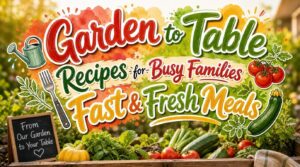
Somewhere between the third soccer practice and the second load of laundry, dinner becomes the problem nobody planned for. You’ve got zucchini ripening faster than you can use it, tomatoes splitting on the vine, and a family that’s hungry right now. That gap—between a thriving garden and an actual meal on the table—feels wider when you’re tired.
But garden to table recipes for busy families don’t require a chef’s schedule or a quite kitchen. Fresh produce is already halfway to dinner. These recipes meet you exactly where you are.
Table Of Contents
- Key Takeaways
- Quick Garden Dinners Under 30 Minutes
- No-Cook Salads and Fresh Sides
- Kid-Friendly Garden Meal Ideas
- Easy Preserves for Busy Weeks
- Meal Prep With Seasonal Harvests
- Frequently Asked Questions (FAQs)
- How can I feed 50 guests cheaply?
- What to cook for large family gatherings?
- What is the best food to feed a crowd of 20 people?
- What is a good dinner to make for a lot of people?
- What is easy to make to feed a crowd?
- How long can fresh-picked vegetables last in the fridge?
- Which vegetables are easiest to grow with kids?
- Can you freeze herbs from the garden?
- What garden tools are essential for beginners?
- How to handle pest damage on homegrown vegetables?
- Conclusion
Key Takeaways
- Your garden is already halfway to dinner — fresh produce like zucchini, tomatoes, and herbs can become a full meal in 30 minutes or less, no chef skills required.
- Simple preservation tricks like refrigerator pickles, frozen pesto cubes, and roasted tomato batches stretch your harvest across weeks of easy, stress-free meals.
- Getting kids involved in both growing and assembling meals — like build-your-own pizza or snap pea snack boards — makes them far more likely to actually eat their vegetables.
- Meal prepping around what’s ripe right now, rather than a fixed shopping list, is the smartest way to cut food waste and keep weeknight dinners feeling fresh and effortless.
Quick Garden Dinners Under 30 Minutes
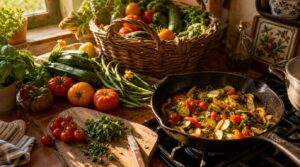
When your garden is bursting and your schedule isn’t, a 30-minute dinner feels like a lifesaver. These meals use what you’ve already grown, so there’s no extra shopping, no complicated steps.
Browse quick garden-to-plate meal plans for more ideas that turn a full harvest into dinner without the fuss.
Here’s what’s been working well for busy weeknights.
Grilled Veggie Pizza With Tomatoes and Greens
Fire up the grill and let your garden do the work. Brush a thin crust with olive oil, layer on herb-infused sauce, and top with balsamic glazed tomatoes and fresh garden vegetables.
In under 30 minutes, you’ve got a charred crust with a gorgeous arugula finish — one of those quick weeknight dinners the whole family actually requests again. Pure garden-to-table magic.
Try the grilled veggie pizza for a smoky, nutty summer flavor.
Stuffed Zucchini Boats With Quinoa or Rice
Zucchini from the garden makes the perfect edible bowl. Halve it, hollow it out, and stuff it with your grain choice — quinoa brings 8g of protein and a nutty bite, while rice keeps things soft and familiar.
- Moisture Control — salt the shells first to draw out excess water
- Herb Infusions — stir in fresh basil, parsley, or dill for brightness
- Nutrient Boosters — add cherry tomatoes, peppers, and a crumble of feta
- Baking Variations — bake uncovered at 375°F for 20–25 minutes until tender
- Easy Storage — refrigerate leftovers up to four days for healthy, low-effort weeknight dinners
It’s one of those garden-to-table wins that feels fancy but takes almost no effort.
Garden Pork and Vegetable Stir-fry
Now, if you’ve got a hot pan and fresh garden vegetables, this one’s a keeper. Thin Pork Slicing is key — strips cook fast over High Heat without drying out. Toss in bell peppers, snap peas, and broccoli, then finish with your favorite Sauce Variations like hoisin or oyster sauce. A Citrus Finish of lime brightens everything beautifully.
| Step | Quick Tip |
|---|---|
| Pork Slicing | Slice thin for tender, fast cooking |
| High Heat | Stir-fry in small batches |
| Sauce Variations | Hoisin, oyster, or soy-sesame blend |
| Rice Pairings | Brown rice or quinoa adds staying power |
Perfect for Quick weeknight meals and Garden harvest recipes — dinner’s done in 30.
Eggplant With Quick Oregano-tomato Sauce
After the pork stir-fry, here’s a vegetarian main dish that’s just as satisfying. Salt your eggplant cubes first — that simple bitterness-reduction step makes all the difference.
Then achieve good eggplant browning in olive oil before stirring in crushed tomatoes and oregano. The sauce comes together in under 20 minutes.
Store leftovers up to four days — these garden-to-table recipes truly work for Family-friendly garden recipes for busy parents.
Chicken Panini With Fresh Herbs and Greens
Nothing wraps up a weeknight quite like a warm, golden panini. Pound your chicken to a quarter-inch thickness for even cooking, then coat it with an herb-infused spread of basil, parsley, and garlic. Brush ciabatta with olive oil for crisp bread tips, press at medium-high heat for 4–6 minutes, and tuck in fresh arugula.
A light lemon vinaigrette with Dijon mustard drizzled over that fresh arugula ties the whole sandwich together beautifully.
- Grill pressure guide: 10–15 lbs flattens fillings beautifully
- Protein portion sizing: 26–32g of lean protein per sandwich
- Light sauce options: lemon aioli or yogurt keep it fresh
- Family-friendly garden recipes for busy parents made easy
Quick weeknight meals don’t get fresher than this.
No-Cook Salads and Fresh Sides
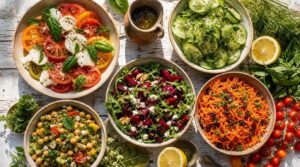
Sometimes the best part of a garden meal is the part that needs no heat at all.
A handful of fresh ingredients, a little drizzle of something good, and you’ve got a side dish worth talking about.
Here are five no-cook salads your family will actually look forward to.
Five-minute Caprese Salad With Basil
This salad is your garden to table superpower on a plate. Pick tomatoes at peak ripeness — that’s when they’re sweetest and most flavorful. Tear fresh basil leaves gently to keep the oils intact.
Choose mozzarella pearls for perfect bites, or swap in burrata for something creamier.
A balsamic drizzle adds beautiful tang. Five minutes, zero cooking, total crowd-pleaser.
Garden Lettuce Salad With Radishes and Tomatoes
Fresh from the garden and on the table in minutes, this simple lettuce salad is one of those quick and easy garden recipes busy parents rely on all summer long. Layer seasonal greens with sliced radishes and cherry tomatoes for bold color contrast and natural nutrient boosters.
- Vinaigrette ratios: 3 tablespoons olive oil to 1 tablespoon lemon juice keeps it light
- Crunch retention: Dress right before serving so leaves stay crisp.
- Color contrast: Red radishes and tomatoes against green lettuce make it irresistible.
Pure garden-to-table freshness.
Herb Salad With Lemon Vinaigrette
This Spring Herb Salad with Lemon Vinaigrette is your garden-to-table secret weapon for quick weeknight meals. Toss parsley, chives, tarragon, and dill with a fresh herb vinaigrette — one part lemon juice to one and a half parts olive oil, plus a dab of Dijon for emulsion. That simple ratio locks in herb freshness and flavor balance beautifully.
Family-friendly garden recipes for busy parents don’t get easier.
Beet and Feta Harvest Salad
Roasted beets are one of those garden harvest gems that turn a simple salad into something special. For beet roasting, wrap them in foil at 400°F for 45 minutes, then peel while warm — it’s a breeze.
Crumble creamy feta on top, toss in walnuts for crunch, and drizzle a Dijon vinaigrette. This beet and feta salad makes quick weeknight meals feel genuinely homemade.
Kale-apple Slaw for Make-ahead Lunches
Kale and apple slaw is basically Sunday prep paying off all week long.
Finely chop your garden kale so it holds up beautifully, then treat the apples as acidified apples — a quick lemon toss keeps them crisp and bright. This is one of those family-friendly garden recipes for busy parents that makes meal prep strategies using garden vegetables feel genuinely simple.
- Dressing emulsion: Whisk olive oil, apple cider vinegar, Dijon, and honey until smooth
- Crunchy toppings: Add toasted almonds or sunflower seeds right before serving
- Portion planning: Pack into shelf‑stable containers for grab-and-go lunches all week
- Make-ahead magic: Store dressing separately; combine fresh each day for the best texture
Kid-Friendly Garden Meal Ideas
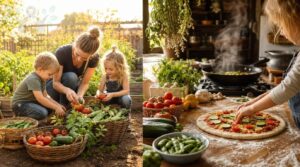
Getting kids excited about vegetables starts in the garden, and it carries right into the kitchen. When they help grow it, they are way more likely to eat it.
Kids who grow it will eat it — garden to kitchen, the excitement follows naturally
Here are some easy, crowd-pleasing meals your kids can help make from your own backyard harvest.
Grilled Vegetable Pizza Children Can Assemble
Pizza night just got a whole lot more fun. Hand your kids a 12-inch whole grain crust and let them build their own mini pizza creations — sauce first, then a handful of mozzarella, then rainbow-arranged veggies.
Assembly safety stays simple with parchment-lined trays and adult-handled grill timing of 6–8 minutes.
These garden-to-table recipes turn seasonal produce into quick, easy recipes everyone actually eats.
Kale and Cheddar Frittata for Any Meal
From pizza night to breakfast, lunch, or dinner — a kale and cheddar frittata fits every meal. Sauté your garden kale, whisk six eggs with a splash of milk, and bake at 350°F for 20–25 minutes.
These quick, easy recipes deliver serious nutrient boosts with minimal effort.
Make-ahead strategies and smart storage solutions make healthy meal planning almost easy — just slice, refrigerate, and reheat.
Veggie-packed Tacos, Burgers, and Meatballs
Sneaking garden veggies into tacos, burgers, and meatballs is one of the best tricks for busy parents. Think Spicy Carrot Tacos or a Black Bean Quinoa Burger — both garden-to-table wins kids actually request.
- Protein Boosters: black beans or lentils add fiber fast
- Binding Techniques: rolled oats or quinoa hold patties together
- Sauce Pairings: chipotle crema or marinara seal the deal
Spice mixes and smart cooking methods do the rest.
Sugar Snap Peas With Simple Dips
After hiding veggies in burgers and tacos, sometimes the simplest snack wins. Sugar snap peas straight from the garden are crisp, sweet, and genuinely fun to eat. Set out a few kid-friendly dips — yogurt dip ideas like tahini honey dip or sesame soy dip work beautifully — and let kids choose their own dips.
Small bowls keep portion control easy, making this one of those easy, family-friendly garden recipes that busy parents love.
Garden Berry Parfaits for Healthy Desserts
When Garden Berry Parfaits double as a win for everyone, they become your go-to dessert. Layer a Berry Yogurt Base of Greek yogurt with fresh strawberries, blueberries, or raspberries from your garden, then add Granola Crunch Options for texture.
For Dairy-Free Alternatives, coconut yogurt works beautifully. These quick and easy recipes take under 15 minutes—making them perfect family-friendly garden recipes for busy parents.
Easy Preserves for Busy Weeks
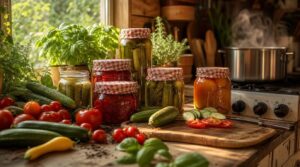
When your garden gives you more than dinner can handle, preserving the extras is the smartest move you can make.
A few simple recipes can stretch that harvest across weeks of easy meals and snacks. Here’s what’s worth making first.
Refrigerator Cucumber Pickles for Quick Snacks
Refrigerator cucumber pickles are one of those quick, easy recipes that feel almost too simple to be this good.
Pack small Persian or Kirby cucumbers into a sealed glass jar, using an equal-parts brine ratio of water and vinegar. Toss in a dill garlic blend, then refrigerate.
Crunch retention peaks around 24 hours.
Perfect snack pairings: sandwiches, wraps, or straight from the jar.
Pickled Beets for Salads and Bowls
Refrigerator pickled beets are a quiet superstar in garden-to-table cooking — ready to brighten any bowl without extra prep. The pickling process is one of those quick, easy recipes you’ll reach for all week. Try these Tangy Brine Ideas and Protein Pairings to get started:
- Bright Color Contrast: Slice over quinoa or grain bowls for instant visual appeal
- Nutrient Benefits: Beets deliver fiber, potassium, and antioxidant-rich betalains
- Protein Pairings: Layer with feta, lentils, or grilled chicken for balance
- Shelf-life Hacks: Label your jar and refrigerate — stays fresh up to three weeks
Pickled White Onions for Tacos and Sandwiches
Pickled white onions might just become your secret weapon for weeknight tacos and sandwiches. These quick easy recipes take minutes—just slice, simmer a simple brine, and chill.
Play with Brine Variations like lime juice for Citrus Boost or chili flakes for heat. Shelf Life Tips: Keep them submerged, and they’ll stay crisp up to two weeks.
Perfect Flavor Pairings for family-friendly garden recipes, ideal for busy parents.
Three-ingredient Rhubarb Jam
Rhubarb jam might be the easiest garden-to-table preserve you’ll ever make. Just three ingredients—rhubarb, sugar, and water—and about 25 minutes on the stove. Natural Pectin Power does the work, so no fancy additives are needed. A squeeze of lemon adds Lemon Brightness and helps it keep longer. Simple Sweetening, real flavor, zero fuss.
- Spread on warm toast for a tart morning treat
- Stir into yogurt for a quick fruity breakfast
- Dollop over vanilla ice cream for an easy dessert
- Spoon into tart shells as a simple pastry filling
- Pair with soft cheese on a snack board
For Shelf-Life Tips: sterilize your jars first, refrigerate for up to two weeks, or freeze for three months. These DIY jam recipes prove home canning doesn’t have to be complicated—just good, honest garden-to-table preserves made fast.
Strawberry and Blueberry Jelly From Garden Fruit
When strawberries and blueberries ripen together, that’s your window. These two berries are natural partners — sweet meets tart, and their combined pectin does the heavy lifting for homemade strawberry jelly and blueberry jelly without much fuss.
| Step | Quick Tip |
|---|---|
| Pectin Enhancement | Add a squeeze of lemon juice |
| Glass Jar Sterilization | Boil jars before filling |
Jelly Flavor Twists like vanilla or orange zest make these DIY jam recipes feel special. Follow basic Canning Safety Tips, and your garden to table preserves stay fresh for up to a year.
Seasonal Fruit Timing matters — ripe berries mean richer color and stronger flavor every time.
Meal Prep With Seasonal Harvests
When your garden hits its peak, a little planning goes a long way toward keeping dinner stress-free all week. The real secret is knowing how to work with what’s ripe right now, whether that means freezing, storing, or cooking in batches.
Here are a few simple ways to make your seasonal harvest work harder for your family.
Planning Weekly Menus Around Ripe Produce
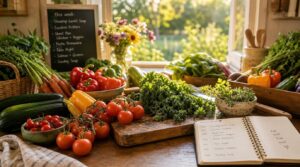
Start by scanning what’s actually ripe in your garden right now — that’s your harvest window scheduling at work. Pick two or three anchor vegetables and build a rotating four-to-five-day menu around them.
Set aside one flexible prep day to wash and chop ahead. Track each vegetable’s shelf life to ensure freshness.
Always leave room for leftover repurposing so nothing goes to waste.
Freezing Roasted Tomatoes for Fast Sauces
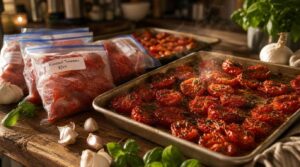
Once your weekly menu is mapped out, don’t let tomato season slip by. Roast a big tray of tomatoes until the edges caramelize, then cool them completely.
Use the flash freeze technique: spread the cooled tomatoes on a baking sheet before transferring them to portion control packaging.
Add flavor boost add-ins like garlic or herbs after thawing. For shelf life tips, label bags and freeze at 0°F for up to three months.
Freezing Basil Pesto in Ice-cube Trays
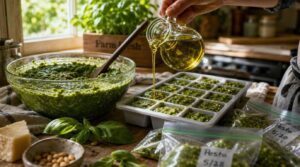
Blend your fresh basil while its still at peak flavor. Tray selection matters here — silicone works best for easy release.
Pour your pesto into trays, add a thin oil coating to lock in that bright green color, then freeze.
Label each bag with dates. Drop a cube straight into pasta or soup — easy flavor variations, zero fuss.
Storing Hardy Vegetables for Future Meals
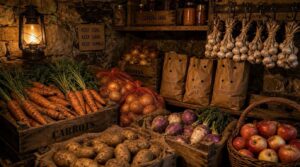
Once your pesto is tucked away, turn your attention to the root vegetables still waiting in the garden.
A simple root cellar setup or ventilated storage bins in a cool corner do wonders for preservation. Keep onions away from potatoes—they don’t get along. Packing vegetables in perforated bags helps manage humidity, and always create ethylene-free zones by separating them from apples or bananas.
Batch-cooking Soups, Roasts, and Casseroles
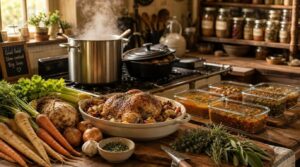
Once your hardy vegetables are sorted, batch cooking transforms them into a week’s worth of comfort. Begin with Stock Foundations—a simple chicken or vegetable broth that anchors soups, roasts, and casseroles alike.
Build depth through Flavor Layering, starting with a quick soffritto, then portion everything into labeled containers.
Good Equipment Essentials and smart Freezer Labeling streamline Portion Control, ensuring busy evenings feel less like cooking and more like reheating.
Frequently Asked Questions (FAQs)
How can I feed 50 guests cheaply?
Set up a DIY Taco Bar with two fillings and simple toppings.
It’s one of the best Bulk Ingredient Buying moves for feeding 50 guests on Low-Cost Proteins like beans for just $4–6 per person.
What to cook for large family gatherings?
For large gatherings, lean into Family-Style Pastas, Grill-Ready Feasts, and Slow-Cooker Feasts — all perfect Seasonal garden-to-table dinner ideas.
Brunch Platters and Savory Bread Puddings round out the offerings beautifully for hungry crowds.
What is the best food to feed a crowd of 20 people?
A sheet-pan roast, large-batch chili, or protein-rich stew feeds 20 with ease. Add a hearty grain salad and make-ahead desserts, and you’ve got a stress-free spread everyone will love.
What is a good dinner to make for a lot of people?
One pot feeds the crowd — avoid the hassle of many pans wearing you out. Try a Family Pasta Bake, Bulk Chili, One-pot Paella, or a Sheet Pan Roast — each feeds 12 or more with little fuss.
What is easy to make to feed a crowd?
Feeding a crowd doesn’t have to stress you out. Think Sheet-Pan Pasta, One-Pot Chili, or a Crockpot Stew — simple, hearty options that practically cook themselves while you relax.
How long can fresh-picked vegetables last in the fridge?
Fresh-picked vegetables are like ticking clocks — most last 1 to 2 weeks in the fridge.
Keep your crisper drawer humidity high, practice ethylene gas separation, and watch for visual spoilage cues to cut food waste.
Which vegetables are easiest to grow with kids?
Radishes sprout quickly in just three weeks, and carrots grow kid-friendly roots in loose soil.
Baby lettuce, spinach seedlings, and green beans all reward kids quickly with homegrown vegetables they’ll actually want to eat.
Can you freeze herbs from the garden?
Yes, you absolutely can — and it’s one of the smartest kitchen moves you’ll ever make.
Portion freezing herbs in airtight containers, label dates included, stretches herbs’ shelf life for months and delivers a quick flavor boost anytime.
What garden tools are essential for beginners?
A hand trowel, pruning shears, garden hoe, moisture meter, and a wheelbarrow cover the basics.
These tools make organic gardening, companion planting, and soil health manageable from day one.
How to handle pest damage on homegrown vegetables?
Spot trouble early by scouting plants a few times a week.
Cultural controls like rotating crops and row cover usage stop pests before they start.
Neem oil and beneficial insects handle the rest naturally.
Conclusion
The less time you spend overthinking dinner, the more your garden actually feeds your family. That’s the quiet magic behind garden to table recipes for busy families—simplicity does the heavy lifting. A handful of tomatoes becomes a sauce. A crowded zucchini patch becomes tonight’s stuffed boats.
You don’t need a perfect plan, just a willingness to start with what’s ripe. Your garden is already doing its part. Now dinner can too.
- https://www.theseasonalhomestead.com/garden-to-table-how-to-make-the-most-of-your-homegrown-food/
- https://www.calloways.com/blog/garden-to-table-recipes/?srsltid=AfmBOopX9lqvUgN6XNqCyQS2N2LHAcScrKxL59htCxnk4MmbVTY4avln
- https://seedsheets.com/easiest-vegetables-to-grow-for-beginners/?srsltid=AfmBOoq_d80AIupvQFMKArwcWsxyCFqiGugXZ-snBvOli6zr4n8z8NcR
- https://www.ucihealth.org/blog/2022/09/delicious-garden-to-table-recipes
- https://www.gardenary.com/blog/five-of-the-best-vegetables-to-grow-in-the-kitchen-garden