
This site is supported by our readers. We may earn a commission, at no cost to you, if you purchase through links.
 You’ll face aphids, spider mites, whiteflies, and thrips in your herb garden, but don’t panic.
Start with a strong water spray to knock off soft-bodied pests instantly. For stubborn infestations, horticultural soap and neem oil work wonders without harming beneficial insects.
Plant companion herbs like basil near tomatoes or marigolds around your garden’s perimeter to naturally repel troublemakers. Physical barriers like row covers prevent flying pests from reaching tender leaves.
The secret is catching problems early and using multiple tactics together. Your herbs can thrive pest-free with the right combination of prevention, beneficial predators, and targeted organic treatments that protect both your family and garden ecosystem.
Table Of Contents
- Key Takeaways
- Herb Garden Pest Control
- Top 3 Herb Pest Solutions
- Natural Pest Control Methods
- Preventing Herb Garden Diseases
- Frequently Asked Questions (FAQs)
- How to keep bugs off of herb garden?
- How do I stop bugs from eating the leaves of my plants?
- How do you keep critters out of your herb garden?
- What is safe to spray on herbs?
- What are garden pests?
- Are slugs damaging your herb garden?
- How do I get rid of spider mites in my herb garden?
- How do I protect my herb garden from white flies?
- Does lavender repel pests?
- Why do you need a garden herb?
- Conclusion
Key Takeaways
- Start with water sprays and organic treatments – You’ll knock off soft-bodied pests like aphids instantly with strong water pressure, then follow up with horticultural soap or neem oil for stubborn infestations without harming beneficial insects.
- Plant companion herbs strategically – You can naturally repel pests by placing basil near tomatoes and marigolds around your garden’s perimeter, creating an aromatic barrier that confuses and deters troublesome insects.
- Catch problems early with regular monitoring – You’ll prevent major infestations by checking your herbs weekly for signs like curling leaves, sticky honeydew, or chewed foliage, then acting quickly with targeted treatments.
- Combine multiple natural tactics – You’ll achieve the best results by using physical barriers like row covers, beneficial predators like ladybugs, proper spacing for airflow, and maintaining healthy soil that strengthens your plants’ natural resistance.
Herb Garden Pest Control
Your herb garden doesn’t have to become a pest buffet while you’re trying to grow fresh basil and parsley.
With the right identification skills and natural control methods, you can protect your herbs without reaching for harsh chemicals that might end up in your dinner, using natural methods.
Identifying Common Herb Garden Pests
Aphid Control starts with spotting clusters of tiny, pear-shaped insects on tender shoots.
Check for Pest Identification signs like curling leaves and sticky honeydew residue.
Slug Damage appears as ragged holes with slimy trails.
Whitefly Management requires looking for small white flies under leaves.
Caterpillar Prevention means finding irregular chew marks and missing foliage on your herbs.
Effective herb garden pest control involves understanding common pest problems to apply targeted solutions.
Understanding Pest Damage and Prevention
Between spotting pest damage and preventing infestations, pest identification becomes your first line of defense.
Look for damage assessment clues like yellowing leaves, sticky honeydew, or chewed foliage that signal herb garden pests.
Prevention methods work best when you understand pest life cycles and create hostile environments through proper spacing and garden hygiene.
Strong plants resist common garden pests better than stressed ones.
Think of natural pest control as insurance—investing in healthy soil, good airflow, and pest control herbs like basil prevents costly garden insect pests later.
Creating a Pest-Control Plan for Herb Gardens
Once you’ve spotted those sneaky herb garden pests, it’s time to create your battle plan. Think of it like drawing up game strategy – you need clear objectives and smart moves.
Your natural pest control blueprint should cover these areas:
- Pest Monitoring: Check plants weekly for early signs of trouble
- Garden Hygiene: Remove dead leaves and debris that harbor pests
- Soil Quality: Maintain healthy, well-draining soil through Crop Rotation
- IPM Strategies: Combine organic pest control methods with pest control herbs like basil and mint
Set intervention thresholds – maybe acting when you spot five aphids instead of fifty. Your common garden pests won’t stand a chance against this systematic approach that prevents problems before they spiral out of control.
Top 3 Herb Pest Solutions
You’ll want three proven solutions that tackle herb pests from soil to canopy without harsh chemicals.
These biological controls work together to create a balanced ecosystem that protects your herbs while keeping beneficial insects safe.
1. Beneficial Nematodes for Soil Insect Control
 View On Amazon
Your garden’s microscopic army awaits deployment.
Beneficial nematodes hunt soil-dwelling pests like grub larvae, fungus gnats, and root weevils that damage herb roots underground.
These tiny roundworms excel at Biological Warfare, delivering targeted Microbial Control without harming plants or beneficial insects.
Nature’s tiny warriors work around the clock, eliminating pests while you sleep.
Nematode Applications work best during cool evening hours when soil moisture stays consistent.
Mix them with water and apply immediately—they’re living organisms that need proper handling.
This natural pest control method enhances Soil Health while these Insect Parasites patrol your garden 24/7.
These microscopic warriors patrol your soil around the clock, silently eliminating pests while you sleep.
Unlike surface sprays, nematodes reach hidden pest larvae where chemicals can’t penetrate.
They reproduce and establish colonies, providing weeks of ongoing organic pest control.
This biological controls approach targets specific pests without disrupting your garden’s ecosystem, making it perfect for pest prevention in herb gardens where you’ll harvest leaves for cooking.
2. Live Predatory Mites Triple Blend Mix
 View On Amazon
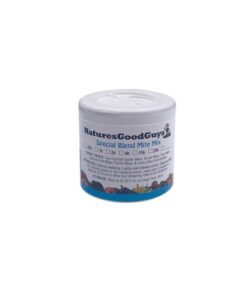
The triple blend releases three powerful mite species that hunt spider mites relentlessly. These live predators include Amblyseius cucumeris and Phytoseiulus persimilis, creating an unstoppable natural pest control army for your herbs.
Application Best Practices involve releasing during cooler morning hours when humidity peaks. The target pest spectrum covers thrips and spider mites effectively.
Mite longevity extends 4-6 weeks under proper conditions. These beneficial insects thrive in 60°F-85°F temperatures, making pest management effortless.
Environmental considerations include avoiding pesticides for two weeks before release. This triple blend provides chemical-free integrated pest management for organic gardening success. Effective herb gardening also requires understanding of best pest control methods to guarantee a healthy harvest.
3. Lulu Home Insect Hotel Garden
 View On Amazon
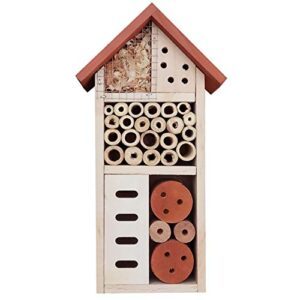
Through simple construction, the Lulu Home Insect Hotel Garden becomes your herb garden’s natural security team.
This eco-friendly bug house attracts beneficial predators that eliminate herb pests while supporting wildlife conservation.
Smart placement strategies:
- Position near pest-heavy herbs like basil and mint for targeted control
- Face southeast to catch morning sun and attract active predators
- Install at eye level for easy monitoring and garden decor appeal
These insect hotels house ladybugs and lacewings that devour aphids naturally, making homemade pest control effortless.
Natural Pest Control Methods
You’ll win the pest battle faster with natural methods that work alongside nature instead of against it.
These eco-friendly approaches protect your herbs while keeping beneficial insects happy and your garden chemical-free.
Companion Planting for Pest Repellent

Three strategic companion planting herbs create nature’s pest control system in your garden.
You’ll harness marigold benefits and basil companions to repel unwanted insects naturally.
Herb pairing works through aromatic confusion – pests can’t locate their target plants when surrounded by pest deterrents.
Smart garden planning pairs basil with tomatoes for whitefly control, while marigolds throughout beds attract beneficial insects.
Mint creates aromatic barriers, chives deter aphids near lettuce, and dill acts as trap crops.
These companion planting herbs and pest repelling herbs transform your space into an insect repellent herbs fortress using proven natural remedies pests hate.
Understanding effective companion planting herbs is essential for a balanced ecosystem.
Here’s what makes companion planting your garden’s secret weapon:
- Watch pests flee when they encounter your aromatic maze of confusion
- Feel pride knowing you’ve created a chemical-free pest control system
- Enjoy peace of mind with nature’s own 24/7 garden protection
- Experience satisfaction from outsmarting garden invaders naturally
- Celebrate success as your herbs thrive in their protective partnerships
Using Essential Oils for Pest Control
Essential oils pack serious punch against herb pests.
Peppermint oil disrupts aphid reproduction cycles, while eucalyptus oil shows 68% effectiveness against whiteflies.
Mix tea tree or lavender oil at 0.5-2% concentration with water and mild soap for better coverage.
Lemon spray works great too.
These natural remedies pests hate break down quickly, protecting beneficial insects.
For more information on essential oils and their applications, consider exploring various essential oil products.
Apply weekly for consistent pest control – your insect repellent herbs will thank you for these gentle natural methods.
Horticultural Soaps and Neem Oil for Soft-Bodied Pests
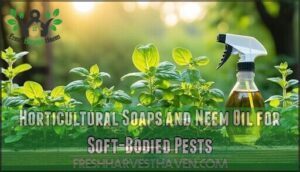
Horticultural soaps and neem oil offer powerful solutions when essential oils aren’t enough for stubborn aphids, whiteflies, and spider mites.
These organic insecticides achieve up to 90% effectiveness in field trials by working on contact to disrupt pest biology.
Neem oil uses include:
- Disrupting hormonal function in over 200 insect species
- Inhibiting pest molting and reproduction cycles
- Providing 7-10 days residual protection
Soap spray recipes work by penetrating insect cuticles, causing rapid dehydration within 24 hours.
Apply these pest control methods during cooler morning hours for ideal soft bodied pests elimination while protecting beneficial insects and maintaining herb safety.
Effective natural pest control methods also emphasize the importance of maintaining healthy soil biology to support robust plant nutrition.
Physical Barriers for Pest Prevention

When hungry bugs prowl, physical barriers step in as your herbs’ bodyguards.
Row covers and garden netting put a wall between flying pests and your basil or thyme.
Copper tape forms a “no slime zone” for snails and slugs, while sticky traps snag tiny invaders before they gain ground.
Try raised beds and container gardening to keep trouble at bay.
For fast, natural garden pest control methods, these tools let you focus more on your harvest and less on pests.
| Barrier Type | Best For | Effectiveness |
|---|---|---|
| Row Covers | Flying insects | High |
| Sticky Traps | Small pests | High |
| Plant Sleeves | Individual protection | Medium |
| Mesh Barriers | Crawling insects | Medium |
| Copper Tape | Slugs and snails | Low |
Preventing Herb Garden Diseases
You’ll find that preventing herb garden diseases requires just as much attention as controlling pests, since many diseases thrive in the same conditions that attract unwanted insects.
The good news is that simple preventative measures like proper sanitation and smart watering practices can stop most disease problems before they start, which is a key aspect of preventing herb garden diseases.
Proper Sanitation and Sterilization Techniques
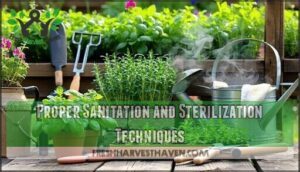
Your garden’s cleanliness directly impacts plant immunity and pest prevention herbs’ effectiveness.
Tool sterilization with rubbing alcohol between cuts stops disease spread.
Equipment sanitizing eliminates harmful pathogens from containers and workspace surfaces.
Key garden sanitation practices include:
- Garden cleanup – Remove fallen leaves and debris daily to eliminate pest hiding spots
- Soil disinfection – Use steam treatment or solarization to kill soil-borne diseases
- Water purification – Guarantee clean water sources to prevent introducing contaminants
These sanitation practices create an unwelcome environment for pests while supporting healthy herb garden care.
Resistant Herb Varieties for Disease Prevention
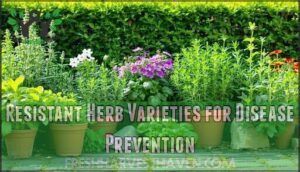
Beyond proper sanitation, disease resistant herb varieties offer built-in protection against common pathogens.
Herb breeding programs create cultivars with plant genetics that naturally fight diseases like powdery mildew and downy mildew.
Using resistant variety techniques can substantially enhance disease management in herb gardens.
| Resistant Variety | Disease Protection |
|---|---|
| Monarda ‘Jacob Cline’ | Powdery mildew |
| Phlox ‘David’ | Mildew outbreaks |
| Basil downy mildew types | Fungal infections |
| Zinnia ‘State Fair’ | Common pathogens |
These pest resistant herbs cut fungicide use by 60% while boosting crop durability and pest tolerance naturally.
Organic Fungicides for Fungal Disease Control

While disease-resistant varieties provide excellent natural defense zones, sometimes fungal diseases still breakthrough your herb garden’s defenses.
Organic fungicides offer biological controls that target fungal spores without harming soil health. These natural remedies work by disrupting disease development while protecting beneficial microorganisms.
Three proven organic solutions for disease prevention:
- Copper-based fungicides – Control over 20 common fungi including powdery mildew with 85% efficacy on basil and oregano
- Potassium bicarbonate sprays – Eliminate early-stage powdery mildew outbreaks with single treatments showing 89% visible reduction
- Bacillus subtilis products – Reduce fungal spore germination by 60% while breaking down safely within 48 hours
Apply these fungicides during early morning hours for maximum effectiveness against fungal diseases.
Morning Watering and Raised Beds for Reduced Disease Risk

Smart timing prevents disease outbreaks in your herb garden. Water Timing matters—morning watering lets leaves dry completely before evening, stopping fungal problems that love damp conditions.
Morning watering creates the perfect defense—dry leaves mean zero chance for fungal invaders.
Raised Bed gardening transforms Disease Prevention through:
- Enhanced soil drainage preventing waterlogged roots and excess Soil Moisture
- Improved air circulation reducing humidity around plants
- Better watering control with faster drying for ideal Bed Preparation
Effective garden management involves implementing disease prevention tips to minimize the risk of outbreaks.
Frequently Asked Questions (FAQs)
How to keep bugs off of herb garden?
You’ll protect your herbs by spraying neem oil weekly.
Introducing beneficial insects like ladybugs, using companion plants such as marigolds, and applying diatomaceous earth around plant bases to deter crawling pests naturally.
How do I stop bugs from eating the leaves of my plants?
Tiny leaf-munching invaders throw garden parties on your precious herbs, but you’re not inviting them back.
Spray neem oil weekly, introduce beneficial insects like ladybugs, use garlic spray, and apply diatomaceous earth around plants.
How do you keep critters out of your herb garden?
Use companion plants like marigolds and garlic to repel pests naturally.
Install row covers, copper tape around containers, and maintain proper spacing.
Regular inspection helps catch problems early before they spread, which is a complete concept to apply in gardening to prevent pest issues.
What is safe to spray on herbs?
You can safely spray neem oil, soap solution, garlic spray, or peppermint oil on herbs.
These natural remedies control pests without harmful chemicals, keeping your culinary herbs safe for consumption while protecting them effectively.
They are a good alternative to using chemicals.
What are garden pests?
Ironically, your peaceful herb sanctuary attracts uninvited guests.
Garden pests are insects, animals, and creatures that damage plants by eating leaves, sucking sap, or disrupting growth, turning your thriving garden into their personal buffet.
Are slugs damaging your herb garden?
Slugs leave slimy trails and create ragged holes in your herb leaves, especially targeting soft foliage like basil, mint, and thyme during moist conditions.
How do I get rid of spider mites in my herb garden?
While slugs leave slimy trails, spider mites create fine webbing and stippled leaves.
Spray neem oil weekly or use garlic-water solution.
Increase humidity around plants and rinse leaves regularly to deter these tiny pests.
How do I protect my herb garden from white flies?
You’ll need to apply soap spray or neem oil weekly to control whiteflies effectively. Remove yellow sticky traps near affected plants, and introduce beneficial insects like ladybugs for natural control.
Does lavender repel pests?
Picture a secret weapon hiding in plain sight—lavender’s enchanting fragrance doesn’t just delight you, it actually repels many garden pests.
You’ll find that companion planting with marigolds and lavender naturally deters unwanted insects from your herbs, utilizing the lavender to create a pest-free environment.
Why do you need a garden herb?
You’ll grow herbs at home because they provide fresh flavors for cooking, save money compared to store-bought options, and offer natural pest-repelling properties that protect your garden ecosystem naturally.
Conclusion
Mastering common herb garden pests control isn’t rocket science, but it requires your consistent attention and smart strategies.
You’ve learned that early detection saves countless hours of frustration later.
Combine companion planting with beneficial insects, organic sprays, and physical barriers for maximum protection.
Remember, healthy soil creates stronger plants that naturally resist pest problems.
Your herbs will reward you with abundant harvests when you stay vigilant and use these proven natural methods consistently.