This site is supported by our readers. We may earn a commission, at no cost to you, if you purchase through links.
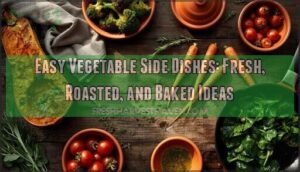
The side dish gets no respect. It shows up late, sits at the edge of the plate, and everyone pretends the main course did all the work. But a well‑made vegetable side can quietly steal the whole meal—the kind of thing guests ask about while the chicken goes cold.
The trick isn’t a complicated technique or a long ingredient list. It’s knowing which vegetables respond well to high heat, a little fat, and good seasoning.
From a five‑minute sautéed spinach to a slow‑roasted delicata squash with crispy edges, these easy vegetable side dishes cover every occasion, every skill level, and every night of the week.
Table Of Contents
- Key Takeaways
- Quick Fresh Vegetable Sides
- Easy Roasted Vegetable Sides
- Fast Skillet and Steamed Sides
- Comforting Baked Vegetable Sides
- Tips for Easy Veggie Sides
- Frequently Asked Questions (FAQs)
- What are some quick vegetable side dishes?
- What is the easiest side dish to make?
- What’s a good vegetable dish to bring to a potluck?
- What is a non potato vegetable side dish?
- What’s the easiest side dish to make?
- What are easy healthy side dishes?
- What is the easiest vegetable side dish?
- What are the best side-dish recipes?
- What can you eat with vegetables?
- What are some healthy side dishes?
- Conclusion
Key Takeaways
- A hot oven at 425–450°F, a light coat of oil, and simple seasoning are all you need to turn almost any vegetable into something worth fighting over at the table.
- The fastest sides — sautéed spinach, flash‑cooked peas, steamed broccoli — come together in under five minutes and don’t ask for much more than a skillet and a little garlic.
- Texture is the secret weapon: crispy edges on roasted cauliflower, crunchy walnuts in a salad, or a bubbling cheese crust on a casserole are what make people reach for seconds.
- Most of these dishes work ahead — roast a sheet pan of sweet potatoes or carrots, store them flat, and you’ve got easy sides ready to pull all week without starting from scratch.
Quick Fresh Vegetable Sides
Sometimes the best side dish doesn’t need an oven. Fresh vegetable sides come together fast, look great on the table, and honestly hold their own against anything warm.
From crisp slaws to herb-tossed salads, these garden-to-table vegetable side dishes pack serious nutrition and taste just as good the next day.
Here are seven worth keeping in your rotation.
Green Goddess Salad With Avocado and Spinach
The Green Goddess Salad is one of those fresh salad ideas with greens that earn its place on any table.
Spinach forms the base — mild, iron‑rich, and sturdy enough to hold the avocado dressing without wilting.
Blended with yogurt for creaminess, citrus zest, and herb aromatics like chives and dill, this dressing clings beautifully.
Spinach benefits your plate and your body, quietly doing both jobs well.
The dressing also includes Greek yogurt adds protein for a creamy, low‑fat boost.
Asparagus Salad With Bacon and Walnuts
This Asparagus Salad swaps the creamy richness for something brighter.
Crispy bacon brings the Bacon Crunch, while Walnut Toasting deepens the nutty bite.
Together, they nail Texture Balance — snappy asparagus, chewy‑crisp bacon, earthy walnuts.
A lemony vinaigrette ties it all together with a clean Citrus Dressing finish.
One of the best fresh salad ideas with greens for serving pairings alongside grilled chicken or pork.
Baby Kale Salad With Acorn Squash
If the asparagus salad leans bright and snappy, this Baby Kale Salad with Acorn Squash goes a little warmer and earthier — perfect for autumn tables. The recipe includes a roasted acorn squash(https://djalalicooks.com/kale-salad-with-roasted-acorn-squash/) step that adds deep flavor.
- Roast acorn squash at 425°F until caramelized and fork‑tender
- Toss baby kale with your vinaigrette options right before serving
- Add goat cheese and cranberries for flavor pairings that hit sweet, tangy, and creamy
- Finish with pumpkin seeds for texture contrast and nutrient balance
Cabbage Salad With Apples and Pecans
From warm and earthy, we shift to crisp and bright. This Cabbage Salad with apples and pecans nails Apple Cabbage Balance without any fuss.
Green or white cabbage gives you that mild crunch, while sliced apples bring Seasonal Harvest Flavors — sweet, tart, alive.
A Sweet Tangy Dressing ties it together, and the Crunchy Nut Topping of toasted pecans seals the deal. Make it two days ahead.
Shaved Brussels Sprouts Salad
If the cabbage salad won you over, this Shaved Brussels Sprouts Salad is its sharper, bolder cousin.
Thinly sliced sprouts absorb a Citrus Vinaigrette evenly, softening that slight bitterness just enough. Pile on Nutty Toppings like almonds or pecans, a Dried Berry Mix of cranberries, and Cheese Accents — parmesan works beautifully.
It’s one of the best fresh salad ideas with greens, and the Fiber Benefits don’t hurt either.
Mediterranean Green Bean Salad
This Green Bean Salad is a go-to when you want something fresh but substantial. Blanched beans stay crisp, and a Lemon Garlic Dressing with olive oil ties everything together.
Add Olive Feta Toppings, cherry tomatoes, and fresh herbs for Herb Brightness and Crunchy Texture Balance.
Among Mediterranean-inspired salads, this one earns its spot.
Make-Ahead Storage is simple — just add feta right before serving.
Cucumber Salad With Dill
Think of cucumber salad with dill as summer in a bowl — cool, crisp, and easy.
- Use Mandoline Slicing for paper-thin, even cuts
- Salt first for Cucumber Water Drainage before dressing
- Build a simple Vinegar-Based Dressing with honey
- Add fresh dill for bright Dill Flavor Pairing
- Chill well — it’s the perfect Summer Picnic Companion
Easy Roasted Vegetable Sides
Roasting is one of those techniques that makes almost any vegetable taste better — more flavor, better texture, and very little effort on your end. All you really need is a hot oven, a little olive oil, and the right seasoning.
A hot oven, olive oil, and the right seasoning are all it takes to make any vegetable taste better
Here are seven easy roasted vegetable sides worth adding to your regular rotation.
Roasted Carrots With Honey Herb Butter
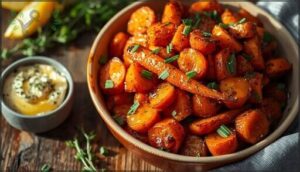
Roasted Carrots with Honey Herb Butter might be the most reliable trick in your easy weekday vegetable meals playbook.
Cut medium carrots into 1-inch pieces, spread them on a rimmed sheet, and roast at 400°F for about 30 minutes — caramelization technique does the heavy lifting. quick herb butter of honey, Dijon, apple cider vinegar, fresh parsley, and chives maintains the flavor balance beautifully.
Roasted Asparagus With Olive Oil
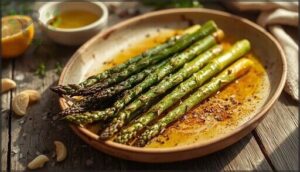
Few vegetables reward such little effort as well as roasted asparagus does.
Toss fresh spears with olive oil, salt, and pepper, then slide them into a 425°F oven for 10 to 15 minutes — that’s genuinely it.
Here’s what makes this one of the best easy weekday vegetable meals:
- Seasoning Variations – Go classic with salt and pepper, or add garlic, lemon zest, or Parmesan.
- Cooking Time Tips – Thin spears finish faster; thick ones need a couple extra minutes.
- Nutrient Benefits – Asparagus delivers folate, vitamin K, and iron with only about 20 calories per cup.
- Storage Solutions – Keep raw spears wrapped in a damp towel in the fridge until you’re ready.
- Serving Pairings – It sits beautifully beside fish, chicken, or eggs — healthy plant-based accompaniments included.
Roasted Broccoli With Crispy Edges
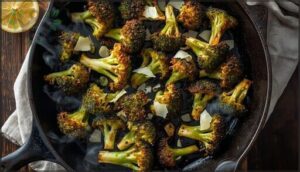
Crispy edges are what separate forgettable broccoli from the kind people reach for twice. Spread your florets flat on the pan — pan placement matters more than you’d think — and roast at 425°F for 14 to 18 minutes.
Oil choice sets the base; garlic and seasoning variations build the flavor.
Finish with parmesan cheese or a lemon squeeze.
Simple seasonal vegetable dishes don’t get better.
Roasted Delicata Squash
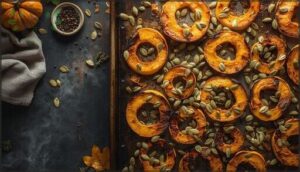
Delicata squash might be the easiest win in roasted vegetable recipes. No peeling — the skin softens right in the oven, making it one of those rare one-pan preparation victories.
Slice into half-moons, toss with oil, salt, and pepper, then roast at 450°F for 30 minutes. That nutty sweet flavor develops on its own.
Finish with a pumpkin seed topping for crunch. Perfect seasonal vegetable sides, done simply.
Roasted Zucchini With Italian Seasoning
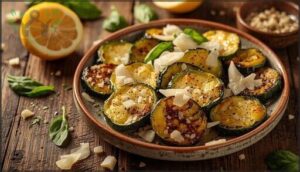
Zucchini is just as simple, and it rewards a light hand.
Toss even-cut pieces with olive oil — about a tablespoon per pound covers the oil ratio — then season with Italian seasoning, garlic powder, salt, and pepper. Spread in a single layer for crispy edges. Roast at 425°F for 15 minutes.
A lemon finish and parmesan topping pull it all together.
Roasted Cauliflower With Lemon and Parmesan

Cauliflower takes the same high-heat approach — 425°F to 450°F, single layer, bite-sized florets — and delivers something genuinely satisfying as easy as vegetable side dishes go.
- Pat florets dry before tossing with olive oil for Caramelized Edges
- Add Parmesan Crunch straight from the oven while it’s still hot
- Finish with Lemon Brightness using fresh zest for Nutrient Retention
These quick weeknight sides and oven-roasted vegetables practically make themselves.
Roasted Sweet Potato Wedges
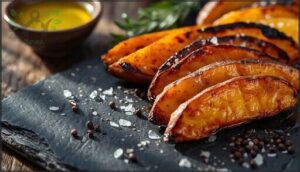
Sweet potatoes bring their own natural sweetness, so they practically season themselves. Cut them into even wedges — halves first, then long slices — coat lightly with olive oil and salt, and roast at 425°F for 30 to 35 minutes.
These oven-roasted sides crisp up beautifully on the edges when you flip them halfway through. One-pan side dish recipes don’t get more straightforward than this.
Fast Skillet and Steamed Sides
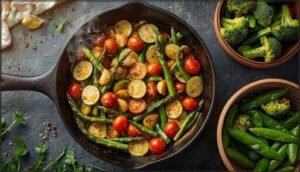
When you need a side dish fast, the skillet is your best friend. A few minutes of heat, a little garlic, and most vegetables go from raw to ready before your main dish is done.
Here are seven quick skillet and steamed sides worth keeping in your weeknight rotation.
Sautéed Green Beans With Shallots
Green beans and shallots are one of those pairings that just works. The shallot’s mild sweetness softens any bitterness in the beans — a simple flavor pairing tip that pays off every time. For texture control, blanch first, then finish in a hot skillet.
- Slice shallots thin so they soften in under two minutes
- Season with lemon zest and black pepper for bright seasoning variations
- Toss in fresh parsley for easy nutrient boosts
Sautéed Kale With Lemon and Garlic
Kale gets a bad reputation, but sautéed right, it’s one of the easiest stovetop sautéed side dishes you’ll pull off on a weeknight. Start with kale stem prep — strip those thick ribs out, or the texture stays tough.
Cook garlic in olive oil first; garlic timing matters. Two minutes, then add the leaves.
Finish with a lemon finish, finish off the heat for a clean citrus dressing effect that nails flavor balance and preserves the nutrient profile.
Sautéed Spinach in 5 Minutes
If speed matters, spinach is your best friend. Garlic Infusion starts everything — 30 seconds in hot olive oil, then the leaves go in. Skillet Tossing keeps things moving so they wilt evenly without browning. Done in two minutes flat.
- Lemon Brightening at the end lifts the earthiness.
- Nutrient Preservation relies on that quick, high-heat cook.
- Seasoning Flexibility means red pepper flakes or herb butter both work.
Shaved Brussels Sprouts Skillet
Thin shave prep is the whole trick here.
Slice your sprouts into fine shreds, then drop them into a high-heat skillet — cast iron caramelization gives you those golden, nutty edges fast. Stir occasionally, not constantly.
Finish with a citrus finish of lemon and a generous parmesan topping. One-pan side dish, done in under 15 minutes.
Sautéed Zucchini and Onions
Zucchini and onions together are basically a weeknight miracle — soft, savory, and ready in under 20 minutes. Pan selection matters: a large nonstick skillet gives you browning without steaming. Nail your cooking timing by caramelizing onions first, then adding zucchini for 5–7 minutes.
- Season with kosher salt for texture control
- Add garlic last — 30 seconds only
- Finish with lemon or Parmesan for nutrient retention
- Single layer = better browning, every time
Steamed Broccoli and Carrots
Steaming broccoli and carrots together is one of the easiest nutrient boosts you can pull off on a Tuesday night. For texture control and color retention, start the carrots first — they need 4 minutes before you add broccoli for another 4 to 6 minutes.
Finish with lemon juice, a little butter, or garlic.
Bright, fork-tender, and genuinely one of the best easy side dish ideas you’ll keep coming back to.
Flash-Sautéed Peas With Garlic
Garlic timing matters here — 30 to 60 seconds max before your peas hit the pan. Fat balance is simple: butter plus a little olive oil.
Frozen peas don’t need much, just 3 to 5 minutes for that bright, crisp-tender pea texture you’re after.
Finish with lemon brightening and herb finishes like dill or chives.
No mushy peas, just clean, garlicky flavor.
Comforting Baked Vegetable Sides
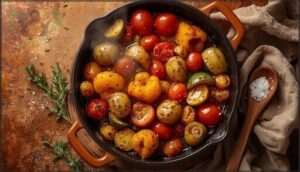
Sometimes you just want something warm, bubbling, and ready to scoop straight from the dish. Baked vegetable sides do that job without fuss — they come together ahead of time and basically take care of themselves in the oven.
Here are a few worth keeping in your back pocket.
Spinach Casserole With Crunchy Onion Topping
This spinach casserole delivers everything you want in a comfort food side dish. The spinach cream base — cream cheese, a little sharp cheddar, and a nutmeg warmth hint — bakes into something rich but not heavy.
Your lightened dairy option is Greek yogurt. Baking temperature guide: 350°F for 30 minutes.
The onion crunch topping finishes it perfectly.
Stuffed Tomatoes With Sausage and Cheese
From cozy casserole to something a little showier — stuffed tomatoes with sausage and cheese pull real weight on the dinner table. Pick beefsteak tomatoes for Tomato Prep; their thick walls hold shape through 20–30 minutes of baking.
Italian turkey keep it lighter. Layer in mozzarella, finish with parmesan under the broiler, and you’ve got one of those easy side recipes nobody expects from a vegetable.
Creamed Corn for Weeknight Dinners
Creamed corn is one of those comfort food sides that quietly outperforms everything else on the table. It’s a true one-pot creamed dish — done in 15 minutes flat. Here’s what makes it work on busy nights:
- Quick Sauce Base: butter, flour, and half-and-half
- Flavor Variations: smoked paprika, bacon, or fresh thyme
- Dairy-Free Alternative: swap in oat milk and cornstarch
- Make-Ahead Storage: lasts up to five days, refrigerated
Vegetable Medley Casserole
Think of this as your most reliable weeknight baking dish — carrots, zucchini, peppers, and onions layered in a creamy sauce, all finished with a bubbling cheese crust. Sauce thickening techniques like a simple roux keep it cohesive, not watery. Stir in white beans for easy protein add-in options.
Make-ahead storage tips: assemble the night before, refrigerate, then bake fresh.
Ratatouille With Zucchini and Eggplant
Ratatouille is practically a love letter to summer vegetables — zucchini, eggplant, and tomatoes layered over a rich tomato base that deepens as it cooks.
Eggplant prep matters here: salt it first so it holds its shape rather than turning mushy.
Baking vs simmering gives you different results — baking produces more distinct zucchini texture, while simmering blends everything together.
Naturally vegan, no swaps needed.
Old-Fashioned Zucchini Squash Casserole
If your summer garden handed you more zucchini than you know what to do with, this casserole is mom’s famous zucchini gratin answer to that problem. Use a layered slicing technique — thin, even cuts — so everything bakes evenly in your 13×9 casserole pan size.
A simple egg binder ratio holds it together. Classic side pairings include roasted chicken or holiday ham.
Mexican Street Corn Casserole
This casserole brings elote flavor straight to your baking dish — no street cart required.
Mix creamed corn and whole kernel corn with mayo, sour cream, garlic powder, and chili powder.
Bake in a 9×13 pan at 375°F until bubbling.
Finish with cotija cheese toppings, cilantro lime zest, and a Tajin dusting.
It’s one of those vegetable side dishes everyone keeps asking about.
Tips for Easy Veggie Sides
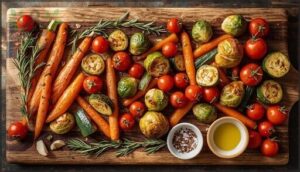
A few smart habits can make cooking veggie sides faster, easier, and way more satisfying. Whether you’re feeding picky kids or trying to stretch your grocery budget, small adjustments go a long way.
Here’s what actually works.
Best Vegetables for Quick Side Dishes
Some vegetables just belong on a weeknight table. Spinach wilts in under four minutes. Snap peas, zucchini, and trimmed green beans need almost no prep — easy vegetable prep at its finest.
Lean into seasonal produce selection for the best flavor and nutrient density.
Smart flavor pairings and one-pan cooking make these quick vegetable recipes your most reliable easy weeknight sides.
Roasting Temperatures for Better Texture
Heat is the real workhorse behind great oven-roasted vegetables. At 425 to 450°F, high heat caramelization kicks in fast — usually within 20 to 25 minutes. That’s the Maillard reaction timing doing its thing, turning plain roasted broccoli, roasted asparagus, and roasted delicata squash golden and complex.
A convection oven shaves off another 5 to 10 minutes. Uniform cut size and a light oil coating impact browning the most.
- Crowded pans steam vegetables instead of crisping them
- Dark metal sheets run hotter, speeding up color development
- Quick broil at the end locks in that satisfying crunch
How to Season Vegetables Simply
Once the oven work is done, seasoning is where you take control.
Salt Basics come first—salt wakes up every other flavor on the plate. Pepper Garlic, ideally a mix of black pepper and garlic powder for even coverage. Fat Choices matter too—olive oil for roasting, herb and butter for flavorful herb and butter vegetable dishes.
Balsamic adds depth mid‑cook. Acid Finish comes last.
Fresh Herbs and Citrus Finishes
Salt and fat set the stage — but fresh herbs and citrus are where a dish wakes up. Think dill over asparagus or basil on roasted peppers. Smart herb citrus pairings, like parsley on zucchini or chives on potatoes, take seconds.
- Add fresh herbs after cooking to protect their aroma
- Use zest for citrus aroma boost without extra liquid
- Store stems in water for longer freshness
Make-Ahead Vegetable Sides for Busy Nights
Once you’ve boosted flavor with fresh herbs and citrus, smart storage containers step in. Batch cooking tips help—roast broccoli or sweet potatoes, cool completely, then stash in shallow containers for quick vegetable recipes all week.
Reheat methods matter; oven-roasted sides regain their crisp in the oven, not the microwave. Try flavor variations with seasonal produce for easy dinner sides, one‑pan side dish recipes, and quick preparation side dishes.
Budget-Friendly Vegetable Side Ideas
Keeping costs low doesn’t mean keeping things boring. Cabbage and carrots cost under two dollars a pound — and both roast beautifully with pantry staples like garlic powder and dried thyme.
Seasonal produce savings add up fast, especially when you’re doing one-pan roasting all week. Crumbled feta or a handful of chickpeas make budget-friendly side dish ideas feel complete without stretching your grocery bill.
Family-Friendly Non-Potato Side Options
Kids are picky — we all know it. But roasted broccoli with crispy edges, colorful plate presentation, and simple low-sodium seasoning wins them over every time.
kid-approved flavors like honey-glazed carrots or cheesy zucchini bites.
family-friendly vegetable sides double as quick vegetable recipes that pull seasonal produce picks into one-pot veggie meals everyone actually finishes.
Frequently Asked Questions (FAQs)
What are some quick vegetable side dishes?
Quick vegetable recipes don’t need to be complicated. Green beans, zucchini, and asparagus cook fast — perfect for weeknight meal prep strategies. A little seasoning variation goes a long way.
What is the easiest side dish to make?
Sautéed spinach wins — heat olive oil, toss in the leaves, and it’s done in 5 minutes flat. No-cook salads run a close second for truly zero-effort, one-pan side dish recipes.
What’s a good vegetable dish to bring to a potluck?
A shaved Brussels sprouts salad travels beautifully — dress it lightly, pack it in portable serving containers, and it stays crisp for hours.
Seasonal ingredient pairings like cranberries and cheddar make it a crowd-pleaser.
What is a non potato vegetable side dish?
non-potato vegetable side skips the starch and lets vegetables like roasted broccoli, sautéed green beans with pomegranates, or roasted carrots with honey herb butter take center stage — usually higher in fiber content and lower in starch.
What’s the easiest side dish to make?
Cucumber salad — just slice, toss with dill and lemon, done in five minutes. It’s a no-cook salad that needs zero skill and zero heat.
Prep-ready veggies like this make weeknights easy.
What are easy healthy side dishes?
Think of healthy sides as your plate’s quiet superheroes.
Roasted carrots, sautéed spinach, or a shaved Brussels sprouts salad — these easy vegetable side dishes come together fast using simple, Protein‑Rich Veggies and Low‑Calorie Dressings.
What is the easiest vegetable side dish?
A plain green salad is the easiest — zero-heat side, five-minute prep, no-cook salads win every time. Even microwave peas count. Ingredient-light veggie options don’t get simpler than that.
What are the best side-dish recipes?
The best side-dish recipes balance Flavor Pairings, Texture Balancing, and smart Seasoning Strategies.
Roasted vegetable side dishes, Fresh salad recipes, and One-pan side dish recipes with Citrus Finishes make quick preparation side dishes simple — even easy cooking for beginners with make-ahead prep.
What can you eat with vegetables?
Vegetables pair well with almost anything.
Try them with grilled chicken, salmon, or sirloin for Protein Pairings.
Grain Accompaniments like quinoa or barley, or finish with Dairy Nut Additions like goat cheese or toasted pecans.
What are some healthy side dishes?
Fiber-rich vegetables make the smartest healthy side dishes.
Roasted vegetable recipes, low-carb vegetable sides, and easy vegetarian-friendly side dishes keep meals nutrient-dense — naturally gluten-free, low-calorie, and packed with seasonal produce goodness.
Conclusion
Let’s debunk the myth that vegetables are doomed to play second fiddle. These recipes prove that with minimal effort, easy vegetable side dishes transform meals into something unforgettable.
Whether roasted until caramelized, tossed in a bright vinaigrette, or baked into comforting casseroles, they’re the unsung heroes that turn routine dinners into moments worth savoring.
No fancy tools, no marathon prep—just good ingredients treated right. Your plate deserves sides that shine as brightly as the main.
Now go make them the star.
- https://www.thepioneerwoman.com/food-cooking/recipes/a62709021/roasted-carrots-with-honey-herb-butter-recipe/
- https://www.thechunkychef.com/honey-butter-roasted-carrots/
- https://sixburnersue.com/cooking-fresh-eating-green/2010/04/i-like-mine-extra-crispy%E2%80%94roasted-broccoli-that-is/
- https://natashaskitchen.com/roasted-broccoli/
- https://www.slenderkitchen.com/recipe/crispy-baked-broccoli