
This site is supported by our readers. We may earn a commission, at no cost to you, if you purchase through links.
Frost hits your spinach at 2 a.m., and by sunrise the leaves turn to mush. You’ve seen it happen every October, right when the harvest was finally hitting its stride.
A simple glass or plastic cover changes that story. It traps ground heat, blocks wind, and buys your crops weeks of extra growing time, even when temperatures drop into the 20s.
So, are cloches effective for fall vegetable protection? For most home gardens, yes, and the details below show exactly when they earn their keep, and when another method works better.
Table Of Contents
Key Takeaways
- Cloches work well against light frost by trapping ground heat and blocking wind, but they lose effectiveness once temperatures hit a hard freeze around 28°F or below.
- Matching the cloche to the crop matters most: hardy vegetables like kale, spinach, carrots, and turnips tolerate cold well, while tender crops like peppers, basil, and tomatoes need covers just to survive light frost.
- Proper use requires installing cloches one to two weeks before the first hard frost, venting them by mid-morning to prevent fungal disease, and anchoring them well against wind.
- For whole rows, low tunnels or row covers often work better than individual cloches, while cold frames provide steadier warmth across many plants.
Are Cloches Effective for Fall Vegetables

Yes, cloches work well for fall vegetables, but knowing where they shine and where they fall short makes all the difference. Your success depends on matching the right cover to the right crop and weather conditions. Here’s what you need to know about their real capabilities this season.
Choosing cold-hardy crops like kale and carrots gives cloches an easier job, so check out these tips for a successful fall harvest before deciding what to plant.
Best Fall Protection Uses
Time it right, and a cloche becomes your best tool for stretching the fall harvest. Pop one over early sowings, and you get microclimate acceleration—warmer soil, faster germination, sturdier leaf regrowth.
Clear covers work best here, trapping heat while letting light through.
- Faster seed germination
- Stable leaf regrowth in greens
- Better fruit quality retention
- Extended harvest window
That head start makes all the difference before hard frosts arrive.
Limits During Hard Freezes
That head start has a ceiling, though. Once temps drop to 28°F for several hours, most cloches can’t keep up—soil freezing becomes likely, and condensation inside can freeze right onto leaves. A hard freeze occurs when temperatures stay at 24°F or below for two hours or more.
| Freeze Type | Cloche Effectiveness |
|---|---|
| Light frost | Strong protection |
| Hard freeze (28°F+) | Limited protection |
| Sustained subzero | Minimal, needs backup |
| Heavy snow load | Risk of collapse |
Tender Versus Hardy Crops
Not every crop needs the same rescue plan. Tender vegetables like peppers, basil, and tomatoes suffer real damage below freezing, while frost-hardy vegetables like kale, spinach, and turnips shrug off light frost easily.
That gap matters for germination too—tender crops want warmer soil to sprout, hardy ones tolerate cooler beds. Match your cloche use to the crop, and you’ll waste less effort protecting plants that never needed it.
Season Extension Benefits
Once you know which crops need the shield, the real payoff shows up in the calendar. A garden cloche can extend the growing season by 20 to 60 days, letting fall crops reach maturity before hard frost.
That microclimate boost—2 to 6°C warmer—means:
- Higher yields on cool-season greens (15-40% more)
- Better market timing for premium off-season pricing
- Steadier harvest quality across weeks
How Cloches Protect Fall Crops

A cloche does more than just sit over your plants and look useful. It actually works on several fronts at once, from blocking frost to keeping pests out. Here’s a closer look at how each layer of protection actually happens.
Frost Buffering
Picture a thin blanket of warm air hugging your plants all night long — that’s frost buffering at work. A cloche creates microclimate heat retention by trapping soil-released warmth, balancing radiation loss after sunset.
A cloche wraps your plants in a thin blanket of warm air, buffering frost all night long
This delays ice nucleation and smooths nighttime temperature swings. On calm, clear nights, buffering keeps leaf surfaces above freezing, giving tender crops a real fighting chance.
Soil Temperature Retention
Dig your fingers into the soil under a cloche on a cool morning, and you’ll feel the difference. Soil thermal mass holds daytime warmth from solar radiation absorption, releasing it slowly overnight.
Moist, organic-rich soil has higher moisture heat capacity, so watering beds before covering boosts warming. This creates subsoil temperature stability, keeping root zones several degrees warmer than exposed ground.
Wind Damage Reduction
Wind can shred a lightweight garden cloche faster than any frost. Anchoring stability methods, like low-profile pegs or stones, stop uplift before it starts.
Choose materials with high tensile strength so gusts don’t tear the cover. Proper seam sealing blocks wind-driven entry, while a shorter, low-profile design offers real turbulence reduction and dependable weather resistance through fall’s unpredictable storms.
Rain Splash Prevention
Ever notice muddy splatter on your lower leaves after a hard rain? That’s rain splash, and it spreads soil-borne pathogens fast.
A layer of mulch under your plants can catch those splashing droplets before they carry pathogens upward, much like protecting plants from fall frost starts with a barrier between soil and stem.
Cloches stop this by keeping foliage dry and blocking direct soil contact. Sloped tops shed water instead of dripping straight down, while good clearance keeps leaves from sitting wet. Add gravel mulch around the base for better drainage, and you’ll cut disease risk a lot.
Pest Exclusion
A slug can shred a seedling overnight, but a solid pest barrier stops it cold. Cloches deter most slugs and keep chickens, rabbits, and pigeons off tender greens.
Wire mesh cloches add rodent entry prevention without blocking light. Fine screens with small openings handle insect protection too, so pest exclusion works on multiple fronts without extra sprays or traps.
Best Cloche Types for Autumn

Not every cloche works the same way, and picking the right one makes all the difference come fall. Some trap heat like a mini greenhouse, while others focus on airflow or wind protection instead. Here’s a look at five solid options, so you can match the right cover to your crops.
Glass Bell Cloches
Glass bell cloches turn frosty mornings into growing opportunities. Their clear dome traps daytime heat, creating a true microclimate around tender plants.
Tempered or hand-blown glass offers excellent light transmission—better than plastic—while wood or ceramic bases add stability and garden charm. Durability matters here; quality glass withstands seasonal wear year after year.
Beyond function, these cloches bring aesthetic garden design to your beds, proving frost protection doesn’t mean sacrificing beauty.
Plastic Bottle Cloches
Not every garden cloche needs a price tag. Recycled PET bottles cut in half make an instant mini greenhouse, trapping heat while transmitting 85-92% of light through their walls.
Loosen the cap or drill small vents to manage humidity and prevent damping off. Anchor the base in soil, and you’ve got frost protection that costs nothing but rinses clean for next season.
Low Tunnel Cloches
Low tunnel cloches cover whole rows, not just single plants. Steel hoops, 16-19 mm thick and spaced 40-60 cm apart, hold UV-stabilized polythene that resists sun damage for years.
Soil warms 4-6°C above ambient, giving roots a steady boost. Stake down edges for wind resistance, and you’ve got season extension across your entire bed, not just one seedling.
Polycarbonate Cloches
Polycarbonate cloche panels step things up a notch from plastic sheeting. They resist impact far better than glass and hold strength from -40°C to 120°C, so hail or a stray rake won’t crack them.
Light transmission stays around 80-90%, and multiwall designs add real thermal insulation, buffering 2-4°C overnight. Snap-together assembly takes under an hour, with a lifespan often exceeding five years.
Mesh Garden Cloches
Sturdiness has its place, but sometimes airflow matters more than armor. Mesh garden cloches trade rigid protection for breathability, using galvanized steel or coated aluminum to resist rust while excluding rabbits and birds.
Mesh density trade-offs matter here: finer weaves block more pests but limit pollinator access, while coarser mesh balances both. They create a mild microclimate, warming soil slightly without trapping heat like solid covers do.
Fall Vegetables That Benefit Most

Not every fall crop needs the same kind of help, though. Some plants shrug off frost on their own, while others need a cloche just to survive a cold snap. Here’s how five garden favorites respond to that extra layer of protection.
Spinach and Leafy Greens
Few fall crops reward cloche protection like spinach does. Bell cloches or low tunnels let you keep harvesting through frost, since Winter Bloomsdale survives below 15°F.
Cooking spinach boosts carotenoid availability, though raw baby leaves work fine in salads. Just don’t overdo raw portions daily; oxalates can limit calcium absorption. Store extras in your crisper up to a week for peak freshness.
Kale and Brassicas
Kale shrugs off cold like it’s nothing, holding leaf integrity through repeated light frosts under tunnel cloches or glass bell cloches.
Chilling actually sweetens flavor while boosting glucosinolate benefits tied to detox support.
- Choose lacinato or curly cultivars
- Layer mulch beneath cloches
- Harvest outer leaves first
- Vent on warm days
- Watch for pest protection gaps
Its nutritional density—vitamin K, calcium, antioxidants—makes every harvest worthwhile.
Carrots and Turnips
Twelve degrees Fahrenheit won’t stop these roots. Carrots and turnips tolerate hard frost easily, especially with mulch and bell cloches trapping soil warmth.
Cold triggers a starch-to-sugar conversion, sweetening flavor—classic winter gardening payoff.
| Vegetable | Frost Tolerance |
|---|---|
| Carrots | 12°F |
| Turnips | 12°F |
Avoid excess nitrogen—it darkens and forks roots. Pair with thyme or dill once harvested.
Peppers and Tomatoes
Race against the calendar: tomatoes and peppers, both Solanaceae family members, stall out once nights dip below 55°F, so bell or popup cloches buy precious ripening time.
Fruit set needs 21-26°C days. Watch for flea beetles and hornworms—clean tools and rotation matter here.
Both crops reward mulching and steady moisture, delivering lycopene and vitamin C for your effort.
Basil and Tender Herbs
One frost and basil’s essential oils vanish—leaves blacken overnight. A glass bell cloche buys a few extra weeks, trapping warmth for this heat-loving herb (soil pH 6.0-7.0).
Tender herbs like parsley and dill bruise easily, so handle gently. Harvest often, then preserve flavor by freezing chopped leaves in oil-filled ice cube trays rather than drying, which strips aroma fast.
How to Use Cloches Correctly
Owning the right cloche is only half the job—using it well is what actually saves your crops. Timing, venting, and a little daily attention make all the difference between thriving plants and a soggy mess. Here’s exactly how to get it right, step by step.
Install Before Frost

Timing makes all the difference. Set cloches in place 1 to 2 weeks before the first hard frost, giving seedlings time to adjust before cold hits.
Position them 1 to 2 inches above soil for airflow, with 6 to 12 inches of clearance for growing stems. Choose clear materials for good light transmission, and anchor each cloche firmly against autumn gusts before frost season arrives.
Vent on Sunny Mornings

Once your cloches are anchored and settled, sunny mornings bring a new job: venting.
Warm air rises fast inside a closed cloche, trapping heat and moisture. Opening vents by mid-morning lets hot air escape while cooler air moves in, cutting humidity and reducing fungal disease risk. This simple habit protects leaf quality, prevents leaf scorch on tender basil, and keeps airflow moving before condensation builds up on foliage.
Secure Against Wind

Fall winds can undo your morning’s work in seconds if a cloche isn’t anchored well. Choose a low-profile, aerodynamic design that guides gusts over the top instead of catching them broadside.
- Drive stakes deep for solid anchoring depth
- Weigh down edges with stones or bricks
- Pick UV stabilized rigid covers over flimsy plastic
- Add a wind shield on exposed sides
- Use pressure relief venting during gusty spells
Avoid Wet Foliage

Wind-proofing keeps your cover in place, but a sealed cloche traps moisture just as easily. Wet leaves invite fungal spores, so ventilate by mid-morning to cut leaf wetness duration.
| Surface | Dry Time | Disease Risk |
|---|---|---|
| Smooth | Fast | Low |
| Hairy | Slow | High |
| Vented | Fastest | Lowest |
Mesh cloches boost airflow naturally, speeding evaporation and protecting foliage health.
Mulch Around Roots

Once foliage stays dry, turn your attention below the surface. A 2–4 inch layer of straw or compost gives soil insulation and moisture retention, cutting evaporation and irrigation needs by 25–50%.
- Keep mulch loose for soil aeration
- Leave gaps at stems to prevent rot
- Suppress weeds by blocking light
- Buffer soil temperature swings
- Feed nutrient cycling as it decomposes
Top 5 Fall Vegetable Cloches
Not every cloche fits every garden, so picking the right one matters. Some excel at trapping heat, while others focus on airflow or pest control. Here are five solid options worth adding to your fall toolkit.
1. Haxnicks Easy Poly Tunnel Garden Cloche
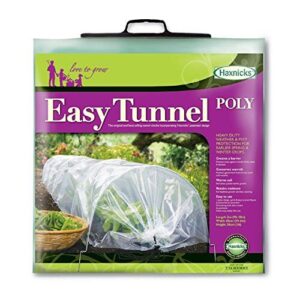
One piece, zero fuss — that’s the appeal of the Haxnicks Easy Poly Tunnel. Its accordion design unfolds over galvanized steel hoops in seconds, then folds flat for storage. The 150 micron UV-stabilized polyethylene resists sun damage while trapping warmth and humidity around your fall crops.
Drawstring ends let you vent on mild mornings without pulling the whole cover off. At 118 inches long, it’s built for row coverage, not single plants, making it a solid pick for leafy greens and brassicas.
| Best For | Home gardeners who grow leafy greens, brassicas, or other row crops and want an easy way to protect them from frost, pests, and harsh weather while planting earlier in the season. |
|---|---|
| Material | Polyethylene |
| Frost Protection | Yes |
| Ventilation | Drawstring Ends |
| Pest Barrier | Insects, Animals |
| Reusable | Yes |
| UV Resistance | UV-Stabilized |
| Additional Features |
|
- Accordion design makes setup and storage quick and fuss-free
- UV-stabilized, heavy-duty polyethylene stands up to sun exposure while retaining warmth and humidity
- Adjustable drawstring ends allow easy ventilation without fully removing the cover
- Fixed width and height may not accommodate larger or taller plants
- Steel hoops must be inserted into the ground, requiring extra setup effort
- Its long, narrow shape is designed for rows, not ideal for single or potted plants
2. Reusable green plant bell covers
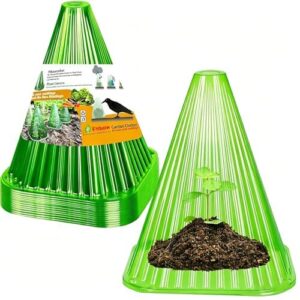
Twenty bells in one pack means you can cover an entire bed of transplants without running out halfway through. Each one measures 7.5 inches across and 9 inches tall, made from flexible PET plastic that springs back into shape after storage compression.
The green tint filters light slightly compared to clear covers, but transmission stays high enough for steady growth. Built-in top vents release trapped humidity, while the bell shape blocks slugs, birds, and squirrels without any chemical sprays.
| Best For | Home gardeners who need to protect a full bed of seedlings from frost, pests, and weather without relying on chemicals. |
|---|---|
| Material | PET Plastic |
| Frost Protection | Yes |
| Ventilation | Top Vent |
| Pest Barrier | Snails, Birds, Squirrels |
| Reusable | Yes |
| UV Resistance | Not Specified |
| Additional Features |
|
- Set of 20 covers means enough coverage for an entire transplant bed in one purchase
- Flexible PET plastic bounces back into shape even after being compressed for storage
- Top vents let excess humidity escape while the bell shape still blocks slugs, birds, and squirrels
- Green tint slightly reduces light transmission compared to clear covers
- Lightweight build means they may need to be staked or weighed down in windy spots
- Enclosed design traps moisture, so you’ll need to check humidity levels manually
3. Reusable garden cloches with vent covers
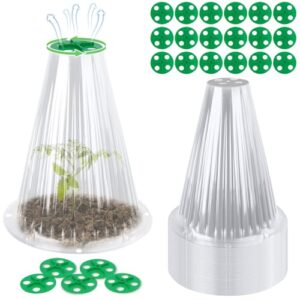
A fifty-pack of cloches with matching vent covers gives you enough coverage for a full row of fall transplants, with rotary vents that let you dial in airflow instead of guessing.
Each dome runs 9.44 inches tall and 8.07 inches wide, built from durable PVC that shrugs off wind, rain, and early snow. Open the vent on warm afternoons to release humidity; close it before a frost.
You’ll need your own ground stakes, since none come included.
| Best For | Gardeners protecting a large row of seedlings or transplants who want adjustable climate control for changing fall weather. |
|---|---|
| Material | PVC Plastic |
| Frost Protection | Yes |
| Ventilation | Rotary Vents |
| Pest Barrier | Birds, Snails, Rabbits |
| Reusable | Yes |
| UV Resistance | Not Specified |
| Additional Features |
|
- Fifty matching cloches and vent covers cover an entire row in one purchase
- Rotary vents let you manage temperature and humidity without removing the whole dome
- Durable, weatherproof PVC holds up through wind, rain, and snow across multiple seasons
- Ground stakes aren’t included, so you’ll need to source your own to secure the base
- Vents must be adjusted by hand, which means regular monitoring during weather swings
- PVC can deform with rough handling, so care is needed for long-term reuse
4. Reusable Vented Garden Cloche Bell
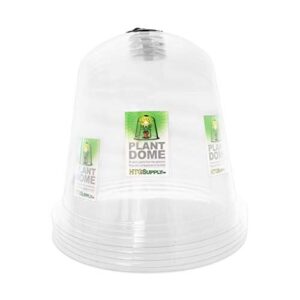
Want a dome that fits right on your cloning buckets? This one’s built for it. At 12 inches across and 11.75 inches tall, it snaps onto standard bucket rims for easy seedling-to-cloche transitions.
The crystal-clear poly shell maximizes light penetration, while adjustable top vents let you tame humidity on warm afternoons. UV-resistant and reusable, it comes five to a pack in brown.
Stakes aren’t included, so grab your own for the pre-punched rim holes.
| Best For | Gardeners and growers looking to protect seedlings, clones, and early plantings from frost, pests, and rough weather while keeping humidity levels in check. |
|---|---|
| Material | Poly |
| Frost Protection | Yes |
| Ventilation | Adjustable Vents |
| Pest Barrier | Pests, Animals |
| Reusable | Yes |
| UV Resistance | UV-Resistant |
| Additional Features |
|
- Crystal-clear poly construction lets in maximum light for healthy growth
- Fits standard 12-inch bucket rims, making it ideal for cloning setups
- Durable, UV-resistant material means you can reuse it season after season
- Stakes for securing the dome are sold separately
- Vents must be adjusted manually, so it’s not a hands-off solution
- Fixed 12-inch size may not fit larger plants or non-standard containers
5. Reusable Drawstring Plant Protection Netting

Sometimes the best cover isn’t rigid at all — it’s a bag. This drawstring net cinches around plant bases in seconds, using fine mesh that blocks birds and larger pests while still letting sunlight and rain through.
It also creates a modest microclimate, buffering foliage from light frost without trapping humidity. Vent it on sunny mornings by loosening the drawstring, and fold it flat for storage once the season ends. Reinforced edges mean it’ll outlast a single winter.
| Best For | Home gardeners who want an easy, no-tools way to protect blueberries, tomatoes, strawberries, and small fruit trees from birds, squirrels, and insects. |
|---|---|
| Material | Polyethylene |
| Frost Protection | Yes |
| Ventilation | Drawstring Closure |
| Pest Barrier | Birds, Squirrels, Insects |
| Reusable | Yes |
| UV Resistance | UV-Resistant |
| Additional Features |
|
- Breathable mesh lets in sunlight and rain while still keeping birds and larger pests out
- Drawstring closure makes it quick to install, vent, and remove for pruning or harvesting
- Reusable, washable, and made from non-toxic, food-grade material safe for edible crops
- Drawstring needs manual adjustment each time for a snug fit
- Sizing (31 x 31 inches) isn’t suited for large orchard trees
- Mesh density limits which insect sizes it can actually block
Cloches Versus Other Protection Methods
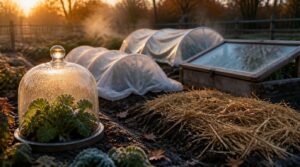
Cloches aren’t your only option for fall protection, so it helps to know how they stack up. Row covers, mulch, cold frames, and low tunnels each handle certain jobs better, or worse, than a cloche. Let’s break down how these methods compare, and when a cloche is actually your best bet.
Row Covers Comparison
Row covers trade rigidity for flexibility. Made from spun-bonded polyester, they offer 70-90% light transmission depending on fabric weight—heavier fabrics block more light but push frost protection down to 20-25°F.
Compare that to a cloche’s greenhouse effect, and you’ll notice tunnel cloches trap more heat, while row covers excel at covering long rows cheaply, with UV-stabilized fabric lasting multiple seasons when stored properly.
Mulch for Root Protection
Mulch works differently than covers—it protects from below. A 3-inch layer of straw or compost keeps soil temps steady and cuts moisture loss up to 60%.
- Insulates roots against sudden freezes
- Suppresses weeds competing for nutrients
- Feeds soil as it slowly decomposes
Leave gaps near stems, though, or trapped moisture invites rot.
Cold Frames Versus Cloches
Once soil temps drop hard, a different question arises: single plant or whole bed? Cold frames rely on thermal mass from soil and walls, giving stable warmth across many plants. Cloches heat a small air pocket fast but swing wider between day and night.
For broad, even frost protection, cold frames win. For quick, targeted coverage on a few tender crops, cloches are simpler to set up.
Low Tunnels for Rows
Got a whole bed to protect, not just a few plants? That’s where low tunnels step in.
Bent hoops, spaced 4 to 5 feet apart along the row, hold up a clear plastic or row cover. Conduit or PVC works well for hoops, and a top rail adds rigidity. End wings tuck 6 inches into soil, sealing drafts. UV-stabilized covers extend your growing season, adding 3 to 8°F of frost protection.
When Cloches Are Worth It
Low tunnels shine for whole rows, but a single cloche often makes more sense for smaller plots. Run the cost-benefit analysis: a container garden with just three or four plants doesn’t need hoops and yards of plastic.
That’s where seasonal reuse value pays off. Mesh cloches protect seedlings from freeze damage year after year, giving real microclimate ROI on a small investment while speeding germination.
Frequently Asked Questions (FAQs)
Are plant cloches worth it?
Yes, for most gardeners. Cloches create a protective microclimate, letting tender vegetables survive frost while boosting soil warmth. Whether you choose DIY plastic bottles or commercial mesh cloches, the ROI shows in extended harvests and reduced frost losses.
Can cloches help parsnips convert starch to sugar?
Think of parsnips as tiny sugar factories waking up in the cold. Cloches nudge that enzyme activity, cooling roots below 5°C so starch converts to sucrose and glucose, sweetening flavor while shielding tender growth from frost damage overnight.
Which arugula varieties keep producing through February harvests?
Astro and Garden Tangy lead the pack under cool nights, resisting bolting with regular harvests. Sylvetta trails slightly but resists warm spells best.
Staggered sowing every 2–3 weeks keeps peppery, nutrient-rich winter greens coming through February frosts.
Do cloches stop chickens and rabbits from reaching seedlings?
A hungry rabbit can strip a seedling bed overnight. Wire mesh cloches block that damage and stop poultry pecking, provided edges stay secured and gaps stay small.
Still, gaps invite tunneling, so anchor firmly and strengthen weak spots for real pest protection.
Conclusion
The smallest cover often does the biggest job. Are cloches effective for fall vegetable protection? Yes, when you match the right dome to the right crop on the right night.
A jar over spinach won’t stop a hard freeze, but it will buy three extra weeks of harvest. That trade-off is the whole point: small effort, real reward. Set your cloches early, vent them often, and let your garden outlast the frost.
- https://www.rhs.org.uk/prevention-protection/cloches
- https://www.growveg.com/guides/effective-cold-weather-protection-for-vegetable-gardens
- https://veggiegardeningtips.com/plant-protection-for-fall-and-winter-vegetable-gardens
- https://nwedible.com/the-keep-it-simple-guide-to-cloches
- https://www.canr.msu.edu/news/the_glass_garden_cloche_one_of_gardenings_forgotten_inventions