
This site is supported by our readers. We may earn a commission, at no cost to you, if you purchase through links.
A friend once handed me a bucket of garden tomatoes so ripe they were practically dripping down the sides. I had no recipe, no plan—just a pot and a hunch that something good was waiting inside those sun-warmed skins.
That improvised sauce became my go-to dinner move, and it taught me that making tomato sauce from scratch isn’t about flawlessness or fancy techniques. It’s about turning your harvest into something your family will remember.
Whether you’re staring down a bumper crop or just want to taste what fresh really means, an easy garden tomato sauce recipe transforms those backyard beauties into jars of comfort you can freeze, can, or simmer into tonight’s pasta.
Table Of Contents
- Key Takeaways
- Choosing The Best Tomatoes for Sauce
- Essential Ingredients and Equipment
- Step-by-Step Easy Garden Tomato Sauce
- Storing, Freezing, and Canning Tomato Sauce
- Top 6 Products for Perfect Tomato Sauce
- Frequently Asked Questions (FAQs)
- Can I substitute dried herbs for fresh ones?
- How long does homemade sauce take to cook?
- Should I remove tomato seeds before cooking?
- Whats the best way to reduce acidity?
- Can I make sauce without oil or fat?
- Can I make tomato sauce without peeling tomatoes?
- How do I reduce acidity in tomato sauce?
- Whats the difference between tomato sauce and marinara?
- Can I use a slow cooker for tomato sauce?
- Conclusion
Key Takeaways
- Fresh tomato sauce is simpler than most people think—you don’t need fancy techniques, just ripe garden tomatoes, basic aromatics like garlic and herbs, and a willingness to let the pot do the work through gentle simmering.
- Choosing the right tomato variety makes a real difference: Roma, San Marzano, and Opalka tomatoes deliver meaty texture and natural sweetness that turn into thick, flavorful sauce, while cherry and beefsteak varieties work but need adjustments in cooking time or volume.
- Proper storage extends your harvest well beyond summer—refrigerate sauce for up to a week, freeze it for 3-6 months, or use boiling water bath canning with added lemon juice to safely preserve your sauce for a full year.
- Simple flavor-building steps transform basic ingredients into restaurant-quality sauce: sauté aromatics first to unlock deeper flavors, simmer at least 30 minutes to concentrate sweetness, and adjust acidity with a splash of lemon juice or pinch of sugar to balance the taste.
Choosing The Best Tomatoes for Sauce
The right tomato can make or break your sauce. Some varieties are naturally sweeter and meatier, while others bring more juice than flavor.
Let’s look at which tomatoes work best and how to choose them from your garden.
Recommended Tomato Varieties (Roma, San Marzano, Opalka)
When you’re picking the perfect tomato varieties for sauce, three stand out as garden heroes. Each brings something special to your pot, from Roma acidity that preserves beautifully to San Marzano flavor that melts into sweetness.
Here’s what these heirloom tomatoes offer:
- Roma tomatoes deliver 1.5 cups of sauce per pound with excellent acidity for safe canning
- San Marzano features dense, sweet-sour flavor with few seeds and firm, fleshy texture
- Opalka produces hefty 7-8 ounce fruits with meaty richness perfect for thick sauces
- Variety comparison shows processing types maintain 47% more acidity during storage
- Opalka yield extends all season as an indeterminate grower, maximizing your harvest
These tomatoes are known for their elongated shape. These ripe garden tomatoes transform into sauce that captures summer’s best.
Using Cherry, Plum, or Beefsteak Tomatoes
Beyond those classic varieties, you can make a great garden tomato sauce using cherry, plum, or beefsteak tomatoes you’ve already got growing. Each brings different flavor profiles and sauce texture.
Cherry tomatoes offer bright sweetness but need more volume—they’re smaller with higher water content. Plum varieties give you the best yield comparison with thick, meaty flesh. Beefsteak tomatoes work fine but require longer cooking times and produce a thinner sauce initially.
Nutritional differences between tomato varieties stay minimal. For instance, cherry tomatoes have more Vitamin C than plums.
Picking and Prepping Fresh Garden Tomatoes
Once you’ve chosen your varieties, timing matters. Pick vine-ripened tomatoes when they show ripeness indicators like 90% red surface—they’ll pack the most flavor. Grab them in the morning for best harvest quality.
For preparing tomatoes for sauce, start washing tomatoes gently, then blanch them briefly. This peeling method makes skin removal easy, though blanching effects include some nutrient loss—about 30% of certain compounds.
Essential Ingredients and Equipment
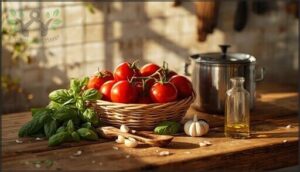
You don’t need a fancy kitchen to make delicious tomato sauce from your garden. A few simple ingredients and basic tools are all it takes to turn fresh tomatoes into something special.
Let’s look at what you’ll need to get started.
Fresh Herbs, Garlic, and Flavor Boosters
Fresh herbs and garlic are your secret weapons for amazing flavor. Add fresh basil in the last minute or two to keep its aroma bright, while fresh oregano can simmer longer for a deeper taste.
Garlic benefits go beyond flavor—it boosts antioxidants and adds a serious umami boost. These herb antioxidants and flavor combinations help with acidity balance, making every bite taste like summer in a spoon.
Recommended Kitchen Tools for Tomato Sauce
You don’t need fancy gear, but the right tools make a real difference. A sharp chef’s knife and sturdy cutting board help you dice tomatoes quickly. A food mill or immersion blender gives you silky texture in seconds, while a heavy saucier pan or Dutch oven prevents scorching.
A colander sieve drains ingredients fast, and a food processor saves time on prep.
Optional Add-ins for Customization
Want to take your sauce further? Fresh herbs like basil and oregano (up to 1.2% and 0.1%) add amazing depth. Red pepper flakes deliver heat—start with ¼ teaspoon.
For sweetness balance, try carrot or pumpkin purees; they boost sugar content to 4%. Vinegar types like apple cider brighten flavors.
Zucchini, eggplant, or extra garlic round out vegetable purees and herb combinations beautifully.
Step-by-Step Easy Garden Tomato Sauce
Making garden tomato sauce is easier than you might think. The process comes down to a few straightforward steps that transform fresh tomatoes into a rich, flavorful sauce.
Here’s how to turn your garden harvest into something truly delicious.
Preparing and Peeling Fresh Tomatoes
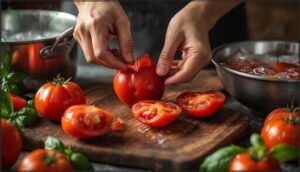
Getting your ripe tomatoes ready is simpler than you think. Start by blanching—boil water, score an “X” on each tomato’s bottom, and drop them in for about a minute. Once the peel cracks, transfer to ice water. The skins slip right off, making peeling fresh tomatoes simple.
Notably, IR heating methods used commercially preserve firmness better, but home blanching works beautifully for garden tomatoes.
Sautéing Aromatics for Depth of Flavor

You’ll discover richer, more complex flavor when you sauté your aromatics first. Heat olive oil to around 120-150°C, then cook onions slowly for 8-15 minutes until they turn golden and sweet. Add garlic last to prevent burning.
This technique boosts volatile aroma compounds and polyphenols by up to 80%, creating flavor profiles you simply can’t achieve by tossing everything in raw.
Simmering, Seasoning, and Adjusting Acidity
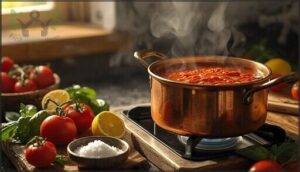
Once your aromatics are fragrant, add your tomatoes and let them simmer gently at 200°F for at least 30 minutes—longer if you want deeper flavor.
Taste as you go, adding salt, fresh basil, and a splash of lemon juice to balance acidity. This slow simmering breaks down tomatoes naturally, releasing sweet glutamates that make your sauce irresistible.
Achieving Desired Sauce Consistency

If your sauce feels too thin after simmering, don’t worry—you’ve got options. Keep simmering uncovered to reduce water content by up to 40%, or stir in a tablespoon of tomato paste per cup for instant body.
Roma or San Marzano tomatoes naturally thicken faster than watery varieties, cutting your cooking time in half while delivering richer flavor through steady temperature control.
Storing, Freezing, and Canning Tomato Sauce
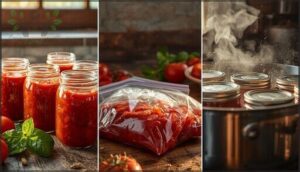
You’ve made a beautiful batch of sauce, and now it’s time to make sure it lasts. Whether you want to enjoy it next week or save it for winter, there are a few simple methods that work perfectly.
Let’s walk through your options for keeping that fresh garden flavor locked in.
Refrigerator Storage and Shelf Life
Once your sauce has cooled, transfer it to clean, airtight glass containers and store it in the refrigerator at or below 39°F. Homemade tomato sauce stays fresh for 5 to 7 days when stored properly.
Label each container with the date so you’ll know when it’s time to use it up—this simple practice keeps your kitchen safe and your meals delicious.
Freezing Tomato Sauce for Later Use
If you want to keep your sauce beyond a week, freezing is your best friend. Pour cooled sauce into freezer-safe containers or BPA-free bags, leaving about half an inch of headspace for expansion.
Label each one with the date—your sauce will stay flavorful for 3 to 6 months. When you’re ready to use it, thaw it slowly in the fridge for best texture.
Boiling Water Bath Canning Basics
For longer storage, canning tomato sauce lets you preserve your garden harvest.
First, add one tablespoon of bottled lemon juice per pint jar to guarantee proper acidity levels—tomatoes need that extra boost for safe preserving.
Process filled jars in a boiling water bath for 35 minutes at sea level, adjusting processing time by five minutes for every 2,000 feet in altitude.
Food Safety and Preservation Tips
Beyond canning tomato sauce properly, you’ll want to nail refrigeration standards—keep your sauce at 41°F or below and use it within five days. Freezing methods work great for longer storage at 0°F, lasting up to six months.
Acidification safety matters most for botulism prevention, so always add that lemon juice. When preserving tomatoes, proper handling extends shelf life while protecting your family.
Top 6 Products for Perfect Tomato Sauce
Making great tomato sauce starts with having the right tools and ingredients in your kitchen. Quality products don’t just make the process easier—they help bring out the natural sweetness and depth of your fresh garden tomatoes.
Here are six essentials that’ll take your homemade sauce from good to superb.
1. Skinnytaste High Protein Recipe Cookbook
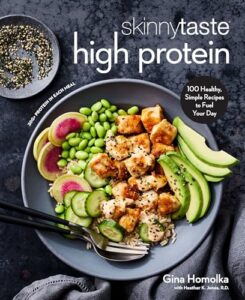
If you’re looking to fuel your meal prep beyond your homemade tomato sauce, the Skinnytaste High Protein Recipe Cookbook delivers 100 recipes with at least 30 grams of protein per serving.
This protein cookbook became a New York Times Bestseller shortly after its October 2025 release, thanks to its nutritional standards and recipe diversity spanning breakfast through dinner.
Audience reception has been strong, with readers praising its practical approach to macro-aware cooking. Sales influence across major retailers reflects growing demand for accessible, health-focused meal planning.
Best For: Home cooks who want to hit high protein targets without sacrificing flavor or spending hours in the kitchen, whether they’re meal-prepping for fitness goals or feeding a health-conscious family.
- Every recipe guarantees at least 30 grams of protein per serving with full nutritional breakdowns, making it easy to track macros without guesswork.
- Covers all dietary preferences with clearly labeled vegetarian, gluten-free, and dairy-free options across breakfast, lunch, dinner, and snacks.
- Focuses on practical, streamlined cooking with one-pot and meal-prep-friendly recipes that fit busy schedules.
- Some recipes rely on protein powder, which might not appeal to people who prefer whole-food-only approaches.
- At $20.98, it’s pricier than many cookbooks, especially if you’re on a tight budget.
- Still requires time for cooking and meal prep, so it won’t solve the problem if you have zero time to spend in the kitchen.
2. Bertolli Organic Extra Virgin Olive Oil
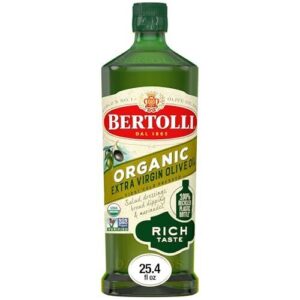
Your garden tomato sauce recipe deserves quality oil, and Bertolli Organic Extra Virgin Olive Oil brings a fruity depth that enhances every simmer. Cold-pressing preserves the natural antioxidants, while its 392°F smoke point allows for sautéing garlic without breaking down.
Organic certification means no synthetic pesticides touched those olives, and the 100% recycled packaging shows environmental care.
With 4.7 stars from 554 reviews, home cooks trust its rich flavor for homemade tomato sauce ingredients. You’ll taste the difference in every spoonful.
Best For: Home cooks who want organic, sustainable olive oil with a full-bodied flavor for both cooking and finishing dishes like tomato sauce, pasta, and salads.
- USDA certified organic with cold-pressed extraction that preserves antioxidants and delivers rich, fruity flavor
- High 392°F smoke point makes it versatile for both sautéing and drizzling as a finishing oil
- Strong consumer trust with 4.7-star rating and 100% recycled plastic packaging that reduces environmental impact
- Plastic bottle may disappoint users who prefer traditional glass containers for olive oil storage
- Price point can fluctuate based on location and retailer availability
- Requires careful storage away from heat and light to maintain quality over time
3. 365 Organic Peeled Garlic Cloves
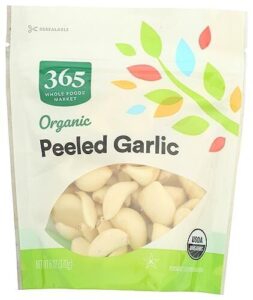
Peeling garlic cloves for your homemade tomato sauce takes time you don’t have, which is why 365 Organic Peeled Garlic Cloves streamlines your recipe without sacrificing quality.
USDA Organic certification means no GMOs or synthetic chemicals touched these cloves, and at just 5 calories per clove, you’re adding rich flavor plus trace minerals like potassium and iron.
Store the 6-ounce bag in your refrigerator and use within a week after opening.
With organic garlic benefits and convenient prep, you’ll sauté aromatics faster while preserving authentic garden tomato sauce flavor.
Best For: Home cooks who use garlic regularly and want to skip the tedious peeling step without compromising on organic quality.
- USDA Organic certified with no GMOs, synthetic chemicals, or artificial preservatives
- Saves significant prep time in the kitchen—cloves are ready to chop, mince, or roast straight from the bag
- Low calorie count (5 calories per clove) while delivering potassium, iron, and authentic garlic flavor
- Short shelf life after opening—you need to use the cloves within a week once the bag is opened
- Clove sizes can be inconsistent, which may affect recipe measurements
- The 6-ounce quantity might be too much for small households or infrequent garlic users
4. 365 Organic Crushed Red Pepper
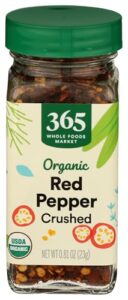
A pinch of heat transforms your garden tomato sauce from ordinary to unforgettable, which is why 365 Organic Crushed Red Pepper deserves a spot in your easy homemade tomato sauce arsenal.
Organic certification guarantees no synthetic pesticides touched these red pepper flakes, while capsaicin benefits include metabolism support and natural anti-inflammatory effects.
Consumer ratings praise its clean flavor profile and consistent heat. Sprinkle this non-GMO, kosher-certified spice into your tomato sauce recipe during simmering—its culinary uses extend beyond pasta to pizza and marinades, letting you control heat precisely in every dish.
Best For: Home cooks who want organic, consistent heat in their tomato sauces and everyday dishes without added salt or artificial ingredients.
- Certified organic and non-GMO, ensuring no synthetic pesticides or genetically modified ingredients
- Contains capsaicin, which offers metabolism-boosting and natural anti-inflammatory benefits
- Delivers clean, consistent heat that’s easy to control and distribute evenly in sauces and marinades
- Some users report the product tastes flavorless compared to other red pepper options
- The shaker’s holes may be too small, making it difficult to dispense the pepper flakes
- Heat level is milder than chunky red pepper flakes, which might disappoint those seeking intense spice
5. Diamond Crystal Kosher Salt Restaurant Pack
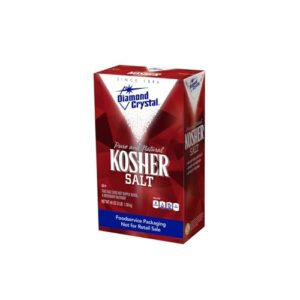
Salt makes or breaks your easy homemade tomato sauce, and Diamond Crystal Kosher Salt Restaurant Pack won’t let you down. Its unique crystal structure gives you seasoning control that prevents over-salting—90% of restaurants prefer it for this reason. At 280mg sodium per teaspoon (53% less by volume than table salt), you’ll boost flavors without harshness.
The 3-pound packaging design suits frequent cooks, and with kosher salt market growth reflecting rising home chef standards, this pure, no-additive ingredient belongs in your homemade tomato sauce ingredients lineup.
Best For: Home cooks and professional chefs who want precise seasoning control and clean flavor in their cooking without the risk of over-salting.
- Unique hollow crystal structure makes it nearly impossible to over-salt, giving you better control than regular table salt
- Pure kosher salt with zero additives or anti-caking agents, so you get clean flavor without any chemical aftertaste
- Contains 53% less sodium by volume compared to table salt, making it easier to season to taste while staying healthier
- Packaging can be tricky to open and may spill salt if you’re not careful
- Box might get damaged during shipping or storage if not handled properly
- Can be harder to find in regular grocery stores compared to more common salt brands
6. McCormick Black Peppercorn Grinder Fresh Flavor
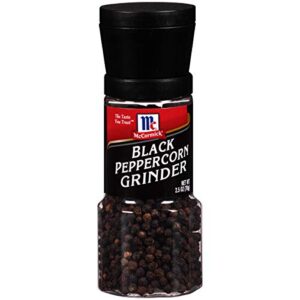
Freshly cracked pepper transforms your garden tomato sauce in ways pre-ground versions can’t match. The McCormick Black Peppercorn Grinder delivers 22% more flavor through immediate Grinder Flavor Release—those essential oils hit your tomato sauce recipe within 15 seconds of grinding.
Peppercorn Quality Factors matter here: hand-harvested, non-GMO berries retain full piperine potency, while pre-ground loses 40% within a month. Adjust Grind Size Impact from fine to coarse based on your Culinary Applications.
This black pepper’s sharp, earthy kick rounds out your fresh tomato sauce’s ingredients for tomato sauce perfectly.
Best For: Home cooks who want maximum flavor from freshly ground pepper and prefer the convenience of an adjustable built-in grinder.
- Delivers 22% more flavor than pre-ground pepper by releasing essential oils within 15 seconds of grinding
- Three adjustable grind settings (fine, medium, coarse) let you customize texture for different dishes
- Hand-harvested, non-GMO peppercorns in a recyclable glass bottle with Rainforest Alliance certification
- Non-refillable design means you’ll need to buy a new grinder when the 1-ounce supply runs out
- Small 1-ounce capacity requires frequent replacement for regular users
- Glass bottle adds weight compared to plastic alternatives, though it’s better for freshness
Frequently Asked Questions (FAQs)
Can I substitute dried herbs for fresh ones?
Yes, you can swap dried herbs for fresh basil leaves in your garden tomato sauce. Use one teaspoon of dried for every tablespoon of fresh—a 3:1 substitution ratio that preserves flavor potency beautifully.
How long does homemade sauce take to cook?
Your homemade tomato sauce needs about 30 to 90 minutes of cooking time. Simmering duration affects flavor development and lycopene extractability, while recipe variables like tomato type and desired thickness determine your exact cooking time.
Should I remove tomato seeds before cooking?
You don’t have to remove tomato seeds before cooking. For smoother texture preference, seed removal helps, but seeds add negligible bitterness impact.
Culinary tradition varies—many skip this step when peeling tomatoes, keeping nutritional value intact.
Whats the best way to reduce acidity?
Adding just one teaspoon of sugar per liter cuts sour perception by 40%. You can also try baking soda, dairy additions, or grated carrot sweetness while adjusting acidity during cooking.
When making tomato sauce with lemon juice, consider these methods to balance the flavors effectively.
Can I make sauce without oil or fat?
You can absolutely skip the oil and make fresh tomato sauce by sautéing garlic in water or broth instead.
Oil-free methods preserve flavor development while offering healthier alternatives—just simmer tomatoes longer for texture adjustment.
Can I make tomato sauce without peeling tomatoes?
You can skip peeling—it saves time—but the skins add a chewy texture and slight bitterness.
Use a blender or food processor to puree everything smooth, though most prefer peeled tomatoes for silkier sauce.
How do I reduce acidity in tomato sauce?
Simmer your sauce longer to mellow natural acids. Add a pinch of baking soda or butter to neutralize acidity. Sweeter tomato varieties like San Marzano also help balance tartness naturally.
Whats the difference between tomato sauce and marinara?
Marinara delivers a bright, fresh flavor with garlic and herbs in just 10-45 minutes, while tomato sauce simmers longer—sometimes hours—creating deeper, richer Italian cuisine flavors with more ingredient variations and cooking methods.
Can I use a slow cooker for tomato sauce?
You can absolutely use a slow cooker for tomato sauce. It’s hands-off and develops deep flavor over 8 hours. Just remember it boosts lycopene by 30% and keeps vitamin C losses under 20%.
Conclusion
That first pot of sauce I simmered years ago didn’t just feed my family—it turned August abundance into January comfort. Your easy garden tomato sauce recipe does the same: it captures sunshine in every spoonful and reminds you why you planted those seeds in the first place.
So grab your ripest tomatoes, trust your instincts, and let the pot work its magic. You’re not just cooking—you’re preserving moments worth savoring.
- https://www.coloradonutritioncounseling.com/homemade-tomato-sauce/
- https://www.weliahealth.org/2025/08/forget-prego-make-your-own-healthy-tomato-sauce/
- https://sarahsveganguide.com/homemade-tomato-sauce
- https://www.reddit.com/r/Cooking/comments/1bslcvj/homemade_tomato_sauce/
- https://www.nutritiontwins.com/homemade-tomato-sauce/