This site is supported by our readers. We may earn a commission, at no cost to you, if you purchase through links.
Most gardeners pack up their tools when frost arrives, but here’s the thing… winter is actually prime time for setting yourself up for your best growing season yet. Those cold months aren’t downtime—they’re your strategic planning window. While your neighbors are scrolling seed catalogs aimlessly in March, you can already have your beds mapped, soil amended, and structures reinforced.
Smart winter garden planning strategies mean the difference between scrambling when spring hits and watching your carefully orchestrated plan unfold like clockwork. The secret? It all starts now, with a few key steps that transform frozen ground into future abundance.
Table Of Contents
- Key Takeaways
- Essential Steps for Winter Garden Planning
- Selecting Cold-Hardy Plants and Varieties
- Soil Preparation and Maintenance Strategies
- Top 6 Tools and Supplies for Winter Gardening
- Extending and Protecting Your Winter Garden
- Frequently Asked Questions (FAQs)
- Is it worth planning a Winter Garden?
- How do you start a garden in the winter?
- How do I Keep my Garden healthy during winter?
- What makes a beautiful winter garden?
- Why is winter a good time for a garden?
- What is a Winter Garden?
- How to plan a winter garden?
- How to prep your garden beds for winter?
- How to style a winter garden?
- What vegetables go in the winter garden?
- Conclusion
Key Takeaways
- Winter is your strategic planning window—use it to review last season’s results, map bed layouts with crop rotations, and reinforce structures before spring chaos hits.
- Cold-hardy crops like kale, spinach, and Brussels sprouts actually sweeten after frost, while proper zone matching and evergreens give you year-round harvests and visual interest.
- Soil prep through winter mulching, compost layering, and cover crops builds fertility while you rest, turning dormant months into active soil-building time.
- Season extension structures like cold frames, hoop houses, and row covers protect crops from frost and wind, letting you harvest greens weeks or months earlier than neighbors who wait until spring.
Essential Steps for Winter Garden Planning
Winter garden planning isn’t just about dreaming through seed catalogs—it’s about looking back at what worked, what flopped, and why. You need a clear roadmap that covers everything from timing your tasks to rotating your crops and making sure your structures won’t collapse under a snowload. A solid winter garden preparation plan includes reviewing last season’s results, scheduling tasks, rotating crops, and reinforcing structures against snow.
Let’s walk through the essential steps that’ll set you up for a thriving spring garden. Let’s walk through the essential spring garden steps that’ll set you up for a thriving harvest come March.
Reviewing Last Year’s Garden Performance
Hindsight is your best teacher. Before you dive into winter gardening preparation, sit down with last season’s harvest recordkeeping and build a month-by-month crop yield analysis. Track weather patterns against your results—frost dates, rainfall totals, temperature swings. Note which beds excelled and which disappointed. Review your harvest data alongside timing your crop harvests to pinpoint exactly when each variety reached peak flavor last season.
Run a pest management review and soil health check. These insights will sharpen your garden planning and seasonal gardening strategy for the year ahead. By applying a rigorous scientific study audit, you can further enhance your approach to winter garden planning.
Creating a Winter Garden Calendar
Now that you’ve analyzed last season, it’s time to lock in your gardening calendar. Mark your local frost date tracking milestones—first and last frosts guide winter crop scheduling and planting windows. Frost dates determine your planting windows, so consult a regional fall gardening calendar to schedule crops perfectly.
Add soil temperature monitoring checkpoints every two weeks, schedule seasonal task management reminders for mulching and irrigation, and plan calendar revision intervals to adjust your winter garden planning as conditions shift. Monitor soil temperatures bi-weekly and set seasonal reminders for mulching tasks to optimize your dormant season vegetable garden care throughout winter transitions.
Mapping Bed Layouts and Crop Rotations
With your calendar set, it’s time to sketch your bed mapping strategy. Use a grid layout to place crops by light exposure and wind protection—allocate frost-tolerant greens to northern beds, reserve sunny southern spots for high-risk plants.
- Rotate crops by family groups to break pest cycles
- Implement a 3-year rotation plan for annuals
- Track soil analysis results to avoid nutrient depletion
- Record planting dates for adaptive garden planning adjustments
Assessing Garden Structures for Winter Durability
Once you’ve mapped your beds, check fences, gates, and greenhouse frames for structural integrity before snow arrives. Steel frames should deflect less than 2 mm under 30 kg/m² snow load, while polycarbonate panels retain 90% impact strength after freeze-thaw cycles.
Look for cracks, loose anchors, or weatherproofing gaps—proper frost resistance and thermal insulation now prevent costly repairs later.
Selecting Cold-Hardy Plants and Varieties
Picking the right plants for winter starts with knowing what thrives in the cold—and what doesn’t. You’ll want to match your plant choices to your hardiness zone, focus on frost-tolerant crops, and maybe add some evergreens for year-round beauty.
Let’s walk through the key steps to build a winter garden that actually survives and thrives.
Researching USDA Hardiness Zones

Before you plant a single seed, you need to know your USDA zone—it’s your roadmap to frost tolerance and winter survival. Zone mapping divides regions by climate data, showing you which hardiness levels match your garden’s coldest days.
- Check the current USDA zone map for regional variations in minimum temperatures
- Match plant species to your zone’s specific frost tolerance requirements
- Use zone info for smarter seasonal gardening strategies and garden planning and design
- Factor in microclimates that create localized hardiness levels within your gardening planning and management approach
Understanding your zone keeps your winter garden thriving, not just surviving.
Choosing Frost-Tolerant Vegetables and Herbs
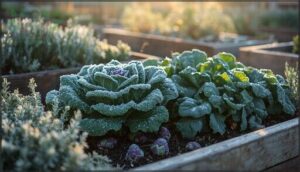
You’ll want cold hardy picks that laugh at frost—kale, spinach, and Brussels sprouts sweeten up after a freeze, while winter harvest herbs like rosemary, thyme, and chives keep producing.
Match vegetable selection to your zone’s frost tolerant limits, cluster herb choices in sheltered spots for companion planting benefits, and watch your winter gardening preparation pay off with fresh greens all season.
Incorporating Evergreens and Winter-Interest Plants

Structure your winter garden with evergreens like boxwoods and hollies—they anchor beds year-round and create layered depth when paired with ornamental grasses or colorful dogwood stems.
Look for plants offering seasonal transitions: birch bark that glows against snow, seed heads adding texture, and frost-tolerant foliage in silver tones.
This plant layering approach transforms dull months into a landscape with true seasonal garden interest!
Exploring New and Improved Plant Varieties

Every winter, new crop innovation lands in seed catalogs—and you won’t want to miss what plant breeding has unlocked. Here’s what variety testing and genetic research reveal about modern seed selection:
- Incremental yield gains tested over multiple growing seasons
- Improved cold tolerance for winter gardening success
- Lower disease incidence rates in field trials
- Enhanced flavor, texture, and shelf-life
- Performance data across diverse climatic zones
These sustainable gardening advances turn plant selection into a strategic seasonal gardening task!
Soil Preparation and Maintenance Strategies

Your winter soil is the foundation for everything that follows… and right now, it needs your attention. Healthy soil doesn’t just happen—you build it through strategic mulching, smart composting, and cover crops that work while you rest.
Let’s walk through three essential soil strategies that’ll set you up for a thriving spring garden.
Mulching for Insulation and Moisture Retention
Think of mulch as your garden’s winter blanket. It keeps soil temperature steady and locks in moisture when cold winds blow. A 2–4 inch layer insulates roots, suppresses weeds, and breaks down slowly to add organic matter by spring.
Mulch acts as a winter blanket, insulating roots and locking in moisture while slowly enriching soil by spring
Dark mulches even capture a bit of warmth on sunny days, giving beneficial microbes a head start!
Adding Compost and Organic Fertilizers
Compost Tea and well-aged organic matter are your secret weapons for a thriving soil biome. Layer 2–4 inches of compost heap material over beds this winter—it’ll boost organic matter by 1–3% and deliver slow-release nitrogen, phosphorus, and potassium.
Worm castings and leaf mold add trace minerals, while beneficial microbes ramp up nutrient cycling… all without synthetic fertilizers!
Sowing Green Manures and Cover Crops
Beyond compost, you’ll protect bare beds and build fertility with green manure and cover crop plantings. Sow winter peas or hairy vetch for nitrogen fixing, or use rye and oats to add biomass and curb soil erosion. These sustainable gardening practices fit perfectly into your crop rotation plan, transforming winter gardening techniques into active soil preparation:
- Plant leguminous species in late summer for atmospheric nitrogen capture.
- Terminate before flowering to optimize residue benefits and nutrient release.
- Leave residues as mulch to suppress weeds and improve infiltration rates.
Green manures are among the smartest winter landscaping ideas—they turn dormant months into fertility-building time!
Top 6 Tools and Supplies for Winter Gardening
You’ve prepped your soil, cleared those weeds, and mapped out your beds… now let’s talk about the actual tools and supplies that’ll make your winter garden thrive. Some of these might surprise you—they’re not all shovels and gloves!
Here are six essentials I rely on when the temperatures drop and the growing season gets serious.
1. Fresh Halved Brussels Sprouts Pack
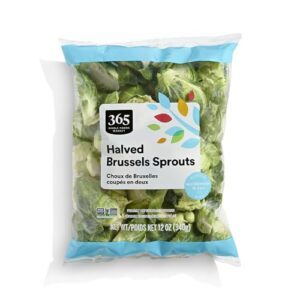
You might wonder what fresh halved Brussels sprouts have to do with winter gardening… but here’s the thing: they’re your reward for all that cold-season work! These convenient, pre-halved gems (weighing in at 12 ounces) make the perfect healthy snack or can be roasted, steamed, or sautéed into delicious winter recipes.
Store them at 32–40°F and use within 3–5 days for peak freshness. They’re garden nutrition at its finest—proof that your winter interest in seasonal gardening tasks pays off with nutritious, fresh produce.
| Best For | Home cooks and meal preppers who want convenient, fresh vegetables that save prep time and work great in roasted, steamed, or sautéed dishes. |
|---|---|
| Storage Temperature | 32–40°F |
| Shelf Life | 3–5 days |
| Primary Use | Fresh cooking |
| Preparation Required | Wash before cooking |
| Best Season | Year-round availability |
| Organic/Natural | Conventional |
| Additional Features |
|
- Pre-halved and ready to cook, cutting your meal prep time significantly
- Fresh and high-quality, stored properly to maintain flavor and nutrition
- Versatile for multiple cooking methods—microwave, oven, or skillet
- Short shelf life of only 3–5 days once purchased, so you need to use them quickly
- Still requires washing before cooking, adding an extra step
- Not ideal if you’re not already a fan of Brussels sprouts, as the flavor won’t appeal to everyone
2. Organic Collard Greens Fresh Bunch
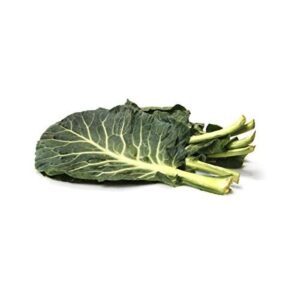
Fresh organic collard greens—pre-washed and tied in a convenient bunch—are winter gardening gold. These nutrient powerhouses thrive in cold weather (they actually taste sweeter after a frost!), and you can harvest leaves every 7–14 days for continuous production.
Store your bunch at 32–40°F in a breathable bag to extend shelf life by 3–5 days. Use them in hearty stews, sautés, or soups… they’re proof that organic farming methods and seasonal gardening tasks deliver real collard green nutrition straight to your table!
| Best For | Home cooks and health-conscious eaters who want fresh, organic greens for soups, stews, and sautés—plus pet owners feeding bearded dragons or other herbivores. |
|---|---|
| Storage Temperature | 32–40°F |
| Shelf Life | 3–5 days |
| Primary Use | Fresh cooking/animal feed |
| Preparation Required | Pre-washed, ready to use |
| Best Season | Winter harvest |
| Organic/Natural | Certified organic |
| Additional Features |
|
- Pre-washed and bundled for convenience, so you can skip some prep work
- Organic certification means no synthetic pesticides or additives
- Nutrient-dense and versatile—works in everything from Southern-style sides to quick weeknight stir-fries
- Bundle size varies between orders, so you might get more or less than expected
- Can turn bitter quickly after cutting if you don’t use them soon
- Some buyers feel the price is steep for what you get, especially with inconsistent bunch sizes
3. Ultra Fine Garden Plant Netting
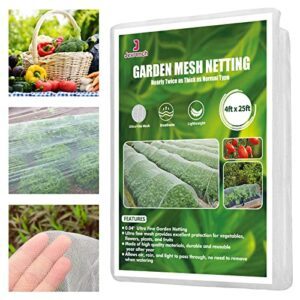
You’ll want ultra-fine garden mesh—usually 0.8 mm polyethylene—to shield your winter crops from aphids, thrips, and hungry birds. This netting material allows light, air, and water through while delivering serious pest control and crop protection.
Anchor it tightly over hoops or frames with clips to prevent wind lift, and bury the edges in soil to block pest entry. It’s reusable for 3–5 seasons if you store it dry!
Perfect winter gardening advice for beginners building their first winter gardens with lasting garden mesh and net installation confidence.
| Best For | Gardeners looking for a reusable, fine-mesh barrier to protect vegetables, fruits, and flowers from small pests like aphids and thrips without blocking sunlight or airflow. |
|---|---|
| Storage Temperature | Store dry indoors |
| Shelf Life | 3–5 seasons |
| Primary Use | Pest protection |
| Preparation Required | Cut and anchor |
| Best Season | Growing season |
| Organic/Natural | Synthetic material |
| Additional Features |
|
- Ultra-fine 0.8 mm mesh keeps out tiny pests while letting light, rain, and air through for healthy plant growth.
- Durable and reusable for 3–5 seasons with proper care, making it a cost-effective long-term solution.
- Easy to cut and customize to fit different garden beds, hoops, or frames throughout the growing season.
- Requires secure anchoring with soil, weights, or clips to prevent wind from lifting or tearing the netting.
- Some users report quality issues like ripping easily or difficulty seeing through the mesh in bright sunlight.
- May trap humidity or heat on warm days, requiring periodic venting to prevent fungal problems or plant stress.
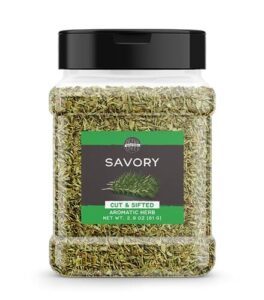
4. Birch & Meadow Savory Herb
 View On Amazon
Savory herb care starts now, while temperatures favor cold hardy plants and your gardening calendar clears. Birch & Meadow Savory (2.9 oz) delivers rich, smoky flavor for winter soups and roasts—plus the living plant thrives in full sun to partial shade with well-drained soil.
Winter pruning keeps foliage bushy; harvest before flowering for peak intensity. Use it in your herb garden design or indoor herb garden, and propagate by division for more winter gardens next year. It’s a practical addition that brings culinary power and winter interest to your setup!
| Best For | Home cooks and gardeners who want a versatile, cold-hardy herb that adds deep, smoky flavor to winter dishes while providing year-round greenery in mild climates. |
|---|---|
| Storage Temperature | Well-drained soil preferred |
| Shelf Life | Perennial herb |
| Primary Use | Culinary seasoning |
| Preparation Required | Harvest and dry |
| Best Season | Winter/year-round |
| Organic/Natural | Natural herb |
| Additional Features |
|
- Rich, slightly smoky taste that enhances meats, stuffings, soups, and stews—especially useful during winter cooking season
- Cold-tolerant and thrives in full sun to partial shade with minimal care, making it ideal for winter harvest and low-maintenance herb gardens
- Evergreen or semi-evergreen foliage provides visual interest and fragrant leaves year-round, plus it’s easy to propagate by seed or division
- May not be readily available in local stores, limiting convenience for immediate purchase
- Susceptible to root rot in waterlogged soil and can attract aphids or spider mites during dry, warm periods
- Only available in a single 2.9-ounce size with no clear shelf life or storage instructions provided
5. JINGOU Automatic Greenhouse Vent Opener
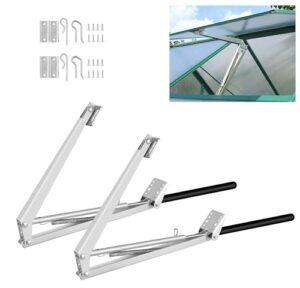
Temperature swings threaten winter greenhouse crops—so you need smart automatic ventilation. The JINGOU Automatic Greenhouse Vent Opener (J-8) opens vents at 60–85°F using a solar-heated bimetallic mechanism, no power required.
Mount it with screws on your greenhouse or polytunnel frame, then calibrate the threshold hex dial. This vent opener mechanics solution prevents overheating while maintaining greenhouse temperature stability, and it aids organic gardening methods by reducing manual labor.
Check mounting screws annually and clear ice buildup for reliable greenhouse climate control all season!
| Best For | Greenhouse owners who want hands-free temperature regulation without running electrical lines or changing batteries. |
|---|---|
| Storage Temperature | Indoor mounting recommended |
| Shelf Life | Multi-year durability |
| Primary Use | Temperature regulation |
| Preparation Required | Mount and calibrate |
| Best Season | Year-round operation |
| Organic/Natural | Mechanical/no chemicals |
| Additional Features |
|
- Opens automatically when temps hit 60–85°F using solar heat alone—zero power bills or wiring needed
- Durable zinc-coated steel construction holds up to 15 lbs and resists rust in humid greenhouse environments
- Adjustable temperature threshold lets you fine-tune when vents open based on your specific crops and climate
- Some units fail within 6 months due to quality control issues like hydraulic fluid leaks or broken components
- Installation can be tricky—mounting and calibration take patience to get the vent moving smoothly
- May not respond reliably in extreme cold or freezing conditions where ice can delay closure overnight
6. Michigan Peat Compost and Manure
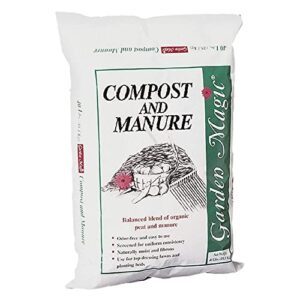
Organic matter fuels winter soil health, and Michigan Peat Compost and Manure delivers slow-release nitrogen, phosphorus, and potassium perfect for cold-season beds. This 40-pound blend combines odorless reed sedge peat with composted animal manure—ideal for winter fertilization in raised beds, containers, and your compost heap.
Mix it into autumn mulches or spread it over cleared beds to boost soil structure and water retention. The manure composition promotes organic gardening methods with gradual nutrient release, so your winter roots thrive. Remember, peat soil benefits include improved aeration and microbial activity… essential for spring readiness!
| Best For | Gardeners looking to enrich winter soil with slow-release organic nutrients for raised beds, containers, and cold-season crops. |
|---|---|
| Storage Temperature | Cool, dry storage |
| Shelf Life | Long-term soil amendment |
| Primary Use | Soil enrichment |
| Preparation Required | Ready to use |
| Best Season | Spring/fall application |
| Organic/Natural | Organic blend |
| Additional Features |
|
- Combines odorless peat and composted manure for gradual nutrient release that supports winter root crops without shocking plants
- Improves soil structure, water retention, and aeration across different soil types—great for preparing beds before spring
- Ready to use right out of the bag with vital nutrients that boost microbial activity in cold conditions
- The 40-pound bag may not cover large gardening areas, making it pricey for bigger projects
- Requires additional fertilization when plants start flowering to maintain optimal growth
- Peat sourcing raises environmental concerns about peatland sustainability
Extending and Protecting Your Winter Garden
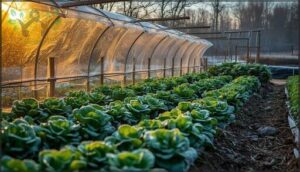
You’ve prepped your soil, stocked your tools, and chosen your cold-hardy varieties… now it’s time to give those plants some serious protection. Winter throws everything at your garden—frost, wind, hungry critters—but with the right structures and strategies, you can keep things growing strong.
Let’s walk through the best ways to extend your season and shield your crops from whatever the cold months bring.
Using Cold Frames, Hoop Houses, and Greenhouses
Cold frames, hoop houses, and greenhouses aren’t just boxes for plants… they’re climate zones you design! Cold frame design traps passive solar heat—temps jump 10–20°C above outside air on sunny days—while hoop house construction shields winter crops like kale from windchill. For year-round control, greenhouse heating paired with seasonal venting keeps greens thriving; polytunnel maintenance and greenhouse maintenance guarantee your garden structures stay storm-ready. Hardy greens under hoops? That’s winter gardens done right.
| Structure Type | Key Winter Advantage |
|---|---|
| Cold Frames | Passive solar gain extends season |
| Hoop Houses | Flexible, cost-effective microclimate |
| Greenhouses | Full environmental control year-round |
Applying Plant Covers and Thermal Blankets
When frost threatens your winter gardens, row covers and thermal blankets become your secret weapons for crop insulation. Lightweight fabrics trap heat around lettuce and kale, boosting nighttime temps by several degrees—that’s frost protection you can measure! Apply covers when thermometers approach 32°F, then remove them after sunrise so plants breathe.
Thermal management meets winter climate head-on, and winter mulching plus soil warming complete your defense. Smart gardening tips? Cover, monitor, adapt!
Managing Irrigation and Water Needs in Winter
Water conservation transforms winter gardens when you dial back irrigation as temperatures drop. Soil moisture stays put longer in winter climate, so check the top 6–12 inches before watering—drip irrigation delivers targeted winter hydration without waste.
Mulch locks in moisture and adds frost protection around roots, while snow cover acts as nature’s insulator.
Smart gardening tips: monitor, adjust, thrive with winter interest!
Planning for Wildlife Protection and Pest Management
Keep hungry critters out with sturdy fencing and rodent-proof mesh—physical barriers cut mammal access by a huge margin.
Start with habitat modification: clear food sources, seal gaps in cold frames, and pick pest-resistant crops.
Integrated management means scouting first, then using biological controls like beneficial nematodes before reaching for chemicals. Wildlife exclusion and smart pest control methods protect your winter beds without harming helpful insects!
Frequently Asked Questions (FAQs)
Is it worth planning a Winter Garden?
Absolutely. Strategic winter garden planning can boost crop yield by up to 60%, cut grocery bills, and extend your growing season—all while building winter resilience through smart frost protection and season extension techniques.
How do you start a garden in the winter?
You can start a winter garden by selecting frost-tolerant crops like kale and spinach, preparing soil with compost, and using cold frames or row covers for frost protection and extended growing seasons.
How do I Keep my Garden healthy during winter?
Your winter garden thrives by staying still—think slow dormancy, not frozen neglect.
Mulch beds for soil insulation, apply frost protection on cold nights, practice garden sanitation, and maintain root care through gentle winter watering.
What makes a beautiful winter garden?
A beautiful winter garden balances color and texture variety through evergreens, bright berries, and structural elements like sculptures or garden lighting.
Winter interest comes from layered heights, architectural forms, and thoughtful seasonal decor enhancing outdoor spaces.
Why is winter a good time for a garden?
Your garden renewal starts when active growth stops. Winter planning gives you rare breathing room to assess soil health, adjust your seasonal strategy, and prepare frost protection—all while pest pressure drops and you can focus on next season’s success.
What is a Winter Garden?
Think of a winter garden as your cold-season growing space—built with cold frames, hoop houses, or garden enclosures to support winter harvest through microclimate management and seasonal crops like leafy greens.
How to plan a winter garden?
Sure, cold months feel limiting—but they’re not. Start by mapping microclimates, checking soil temperature, choosing frost-tolerant crops for winter crop selection, and designing your garden layout now for thriving winter gardening success later.
How to prep your garden beds for winter?
Start by removing spent plants and debris for garden sanitation, then loosen your soil’s top six to eight inches.
Add two to four inches of compost, and finish with thick winter mulching for frost protection.
How to style a winter garden?
Let nature do the heavy lifting—layer evergreens at varying heights, add metallic focal points for winter interest, and install warm LED lighting to highlight garden textures, creating seasonal accents that shine through cold months.
What vegetables go in the winter garden?
Winter kale, spinach, and root vegetables like carrots and parsnips thrive in cold hardy conditions. Frost tolerant brassicas—broccoli, cabbage, cauliflower—plus leeks offer reliable winter gardens for sustainable gardening and food security.
Conclusion
Sure, winter feels endless when you’re staring at frozen beds… but that’s exactly when champions are made. Your winter garden planning strategies—the mapping, the soil prep, the structure checks—they’re all compounding interest for spring.
While others panic-buy seedlings in April, you’ll be harvesting greens in March because you built the foundation now. Cold ground isn’t dead ground. It’s just waiting for someone smart enough to see the potential.