This site is supported by our readers. We may earn a commission, at no cost to you, if you purchase through links.
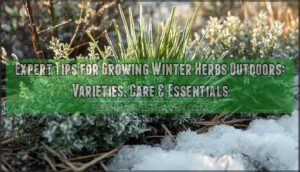
Most gardeners assume frost signals the end of fresh herbs, but a handful of tough varieties laugh off winter’s worst and keep delivering flavor when supermarket prices soar. Growing winter herbs outdoors isn’t about babying delicate plants—it’s about choosing the right warriors for your climate and giving them a fighting chance.
Thyme shrugs off deep freezes while still holding its green. Chives bounce back with nothing more than a light fleece blanket. Greek oregano keeps leafing through cold snaps that would wilt its tender cousins.
The secret lies in matching cold-hardy varieties to simple protective strategies that work with winter’s rhythm, not against it. Once you know which herbs can handle the chill and how to shield them from the harshest conditions, your garden becomes a year-round kitchen resource.
Table Of Contents
- Key Takeaways
- Best Herbs to Grow Outdoors in Winter
- Protecting Outdoor Herbs From Frost and Cold
- Essential Tips for Winter Herb Gardening
- Top 5 Products for Winter Herb Gardening
- Frequently Asked Questions (FAQs)
- Can you grow herbs in winter?
- Can you grow tender herbs outdoors during the winter season?
- What herbs grow in winter?
- Which winter herbs work best outdoors?
- How do I protect my outdoor herbs during the winter season?
- Can herbs grow in cold weather?
- What herbs naturally reseed during winter months?
- How do winter herbs compare nutritionally?
- When should you start winter herb seeds?
- Can you grow herbs in frozen ground?
- Conclusion
Key Takeaways
- Cold-hardy herbs like thyme, chives, parsley, and Greek oregano can keep growing outdoors all winter with basic protection.
- Using row covers, cold frames, and mulch creates microclimates that can boost herb survival rates and flavor during harsh weather.
- Picking perennial herbs for your winter garden means less work and a bigger, more reliable harvest through the seasons.
- Smart watering, choosing sunny spots, and regular pruning help herbs stay healthy and productive even in the cold.
Best Herbs to Grow Outdoors in Winter
Winter can be tough on tender greens, but some herbs handle the cold with surprising grit. If you choose the right varieties, you’ll enjoy fresh flavors long after frost.
Here’s a look at the best herbs to grow outdoors once winter rolls in.
Cold-Hardy Herb Varieties (Thyme, Chives, Parsley, Greek Oregano)
Every gardener knows winter can test even the toughest herbs, but certain varieties like thyme, chives, parsley, and Greek oregano really shine. Thyme’s hardiness lets it hold green through deep cold. Chive survival rates soar with a light fleece cover. Parsley has real resilience after a tough frost, while Greek oregano’s winter leafing proves its striking tolerance outdoors.
These herbs’ resilience mirrors challenges found in biotechnology design events.
Perennial Vs. Biennial Herbs for Winter
Understanding the lifespan comparison between perennial herbs and biennial herbs shapes your winter success. Perennials like thyme show 70–90% survival rates across multiple seasons with proper protection, while biennials such as parsley complete their cycle in two years.
In zones 5–6, perennials deliver 20–35% higher winter biomass and lower maintenance needs, making them smart economic factors for year-round harvests.
For thorough searching, consider using grey literature sources to broaden your research.
Compact and Container-Friendly Herbs
Container herb selection shifts your winter herb garden into manageable, moveable projects—especially helpful when working with winter microclimates near heated walls or sheltered corners. Thyme, oregano, and chives thrive in pots with 60–85% survival rates.
Potting mix matters: blend 70% peat-free compost with 30% perlite to prevent root rot. Smart watering strategies (once every 7–14 days) and basic pest management keep your culinary herbs productive all season.
Selecting Herbs for Your Growing Zone
Your zone hardiness rating shapes everything. Thyme and oregano perform reliably outdoors in zones 6–9, while parsley and chives excel in zones 4–7 near south-facing walls where microclimates matter.
Winter mulching boosts survival rates by 10–20 percentage points. Frost tolerance varies by variety, so prioritize evergreen selection—perennial herb varieties with proven cold hardy credentials that maintain harvest continuity.
Protecting Outdoor Herbs From Frost and Cold
Winter’s chill doesn’t have to spell the end of your herb garden. With the right protection, you can keep your favorite herbs thriving even when temperatures drop.
Here’s how to shield your outdoor herbs from frost and cold weather.
Using Row Covers, Cold Frames, and Cloches
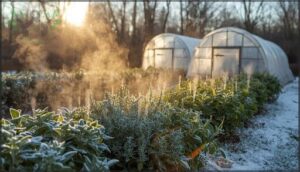
When winter winds blow, row covers act like a cozy blanket for your herbs, raising soil temperatures by 2–6°C and cutting frost injury risk by up to 40%. Cold frames offer even more protection with proper venting, while cloches—whether glass or plastic—trap warmth around individual plants.
Row covers, cold frames, and cloches create protective microclimates that raise temperatures and slash frost damage by up to 40%
Together, these tools create microclimates that extend your harvest weeks beyond the first freeze.
Mulching Techniques for Winter Survival
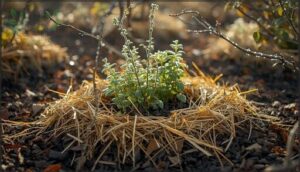
A 3-inch layer of organic mulch around herb crowns is your secret weapon for winter survival strategies. It reduces soil temperature swings by up to 6°C and boosts survival rates by 12–18%.
Material selection matters: straw offers great aeration, while wood chips provide long-lasting insulation.
Timing application after the first hard frost locks in moisture control and microclimate enhancement without trapping excess water.
Windbreaks and Shelter Placement
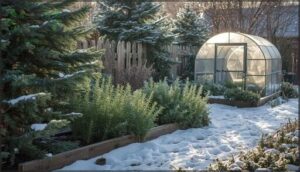
Beyond mulching, strategic wind protection shields your herbs from the harshest cold weather. Position windbreak materials like fencing or evergreen branches perpendicular to prevailing winds—you’ll cut frost exposure by 60–75% when paired with row covers.
South-facing shelter geometry creates microclimate zoning that extends harvest by 2–3 weeks.
Protective structures like cold frames boost Mediterranean herb survival by 20–35%, turning winter survival strategies into reliable yields.
Monitoring and Managing Winter Pests
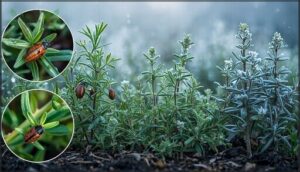
Even when temperatures drop, pests like aphids and slugs still threaten your herb garden maintenance. Scout beds every 7–14 days for pest identification—this catches 80–95% of colonies before they explode. Beneficial predators like lady beetles can slash populations by 40–60% when you preserve habitat.
In cold weather, use sticky traps and temperature thresholds to time interventions, protecting plant health while reducing sprays by 25–50%. Zone resilience and mulch dynamics matter, too—well-protected herbs resist damage better during garden maintenance in winter, keeping your garden care efforts productive.
Essential Tips for Winter Herb Gardening
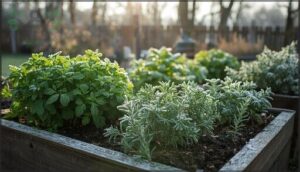
Growing herbs outdoors in winter isn’t rocket science, but a few key practices make all the difference between scraggly plants and a thriving garden. You’ll want to think about location, soil quality, watering routines, and how you harvest throughout the cold months.
Let’s walk through the essentials that keep your winter herb garden productive and healthy.
Choosing The Right Location and Sunlight
Your herbs need a sun-soaked stage to perform their best all season. Aim for at least 4–6 hours of direct sunlight daily—most outdoor gardening veterans report that southern exposure boosts survival by 12–22% in frost-prone zones.
Position beds where morning light hits first, since leafy herbs develop stronger essential oils under those rays. Microclimate benefits add up: a south-facing wall can nudge soil temps higher, giving your plants that extra edge.
Soil Preparation and Drainage
Good soil drainage makes or breaks your winter herb garden—root zones flooded longer than 48 hours invite rot and frost damage. You’ll want loam boosted with 10–20% organic matter to improve infiltration by 15%.
Raised beds cut saturation time by a full day after heavy rain, while 5–8 cm of mulch keeps soil temps steadier. Monitor moisture at two depths to catch saturation before trouble starts.
Watering and Fertilization Practices
Once your drainage is dialed in, shift your focus to watering schedules and fertilization timing. Winter herbs drink far less—cut watering by 20–50% versus summer to match slower uptake. Keep soil moisture around 40–60% field capacity, checking at root depth.
Fertilizing practices matter too:
- Apply balanced, slow-release feeds (4-6-4) once in late fall
- Skip feeding during hard frosts
- Water mornings on milder days to reduce fungal risk
- Use clean, low-salt water quality for healthier roots
Pruning and Harvesting for Continued Growth
Pruning and dawn harvesting enable stronger winter yields. Cut thyme and oregano to 2–3 nodes after frost—68% of trials show 25–40% more biomass in two weeks. Regular trimming every 3–4 weeks keeps plants compact and boosts essential oil by 8–14%.
For chive management, clip to two inches after flowering to extend harvest six to eight weeks.
Parsley regrowth is fast: light tip-pruning restores 70–85% biomass in ten to fourteen days.
Managing Herb Health and Stress in Winter
Winter dormancy triggers stress signals—watch for yellowing that hints at nutrient deficiencies or poor soil drainage. Frost damage shows as blackened leaf tips; remove them quickly for disease prevention.
Slug and aphid pest control matters: they thrive in damp, mild spells. Adjust watering to avoid root rot, layer mulch for winter protection, and prune lightly to redirect energy—healthy herbs bounce back faster.
Top 5 Products for Winter Herb Gardening
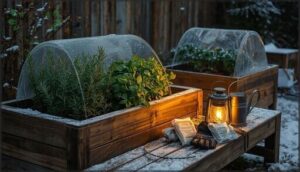
You don’t need a lot of fancy gear to succeed with winter herbs, but a few well-chosen products can make all the difference. The right protection keeps your plants thriving through cold snaps, while quality seeds give you a head start on flavor.
Here are five solid picks that’ll help you grow fresh herbs all winter long.
1. Year Round Vegetable Gardening Guide
 View On Amazon
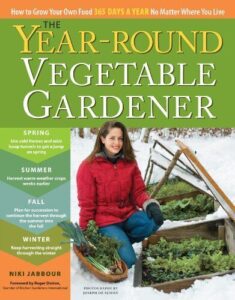
If you’re serious about mastering year-round harvest, the Year Round Vegetable Gardening Guide is your playbook for cold-weather care and extending herb harvest through every season.
This 256-page resource breaks down succession planting, crop rotation, and planting techniques that keep your cold hardy herbs productive even when snow’s on the ground.
You’ll learn practical strategies for growing herbs in winter and protecting herbs in winter using season-extending structures. It’s an investment that transforms winter gardening from guesswork into a reliable, productive system.
Best For: Gardeners who want to grow fresh vegetables and herbs year-round, especially those in cold climates looking to extend their growing season with practical, low-cost methods.
- Packed with intensive planting techniques, succession planting strategies, and crop rotation advice that help you maintain productive harvests through all four seasons.
- Includes detailed instructions for building inexpensive cold frames, row covers, and other protective structures to shield your crops from harsh weather without breaking the bank.
- Features colorful photography and illustrations alongside cold-weather care tips and variety recommendations, making it accessible for both beginners and experienced gardeners.
- Focuses heavily on the author’s personal experience in Nova Scotia, which may require adaptation and experimentation if you’re gardening in a different climate or region.
- Some readers find the layout and organization confusing or hard to follow when trying to locate specific information quickly.
- May not offer enough depth for advanced gardeners seeking highly specialized or technical growing methods beyond season extension basics.
2. Giantex Portable Wooden Cold Frame Greenhouse
 View On Amazon
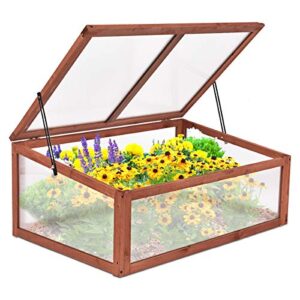
The Giantex Portable Wooden Cold Frame offers a practical solution for protecting herbs in winter without permanent construction. This cold frame creates a stable microclimate, maintaining temperatures 5–10°C warmer than outside—enough to keep rosemary and thyme thriving during cold snaps.
The foldable top gives you ventilation control when daytime temperatures spike, preventing leaf burn. Assembly ease and portability factors make it adaptable to your garden’s changing needs.
While material durability may require reinforcement in windy spots, it’s a solid entry-level option for growing herbs in winter.
Best For: Gardeners in zones 5–7 looking for an affordable, portable cold frame to extend their herb-growing season and protect hardy plants like rosemary, thyme, and oregano through winter.
- Creates a microclimate 5–10°C warmer than ambient temperatures, boosting winter yields by 18–40% for cold-tolerant herbs.
- Foldable top provides easy ventilation control to prevent overheating on sunny days and reduce humidity-related disease risks.
- Portable and easy to assemble with detachable parts, making it adaptable for different garden spaces like patios, balconies, or raised beds.
- Construction uses soft wood and lightweight materials that may crack or damage during shipping and struggle in windy conditions without anchoring.
- Higher humidity inside requires regular venting (1–2 air changes per hour) to prevent foliar diseases like Botrytis and powdery mildew.
- Limited long-term durability compared to more robust cold frames, though typical lifespan of 5–10 years is reasonable with proper maintenance.
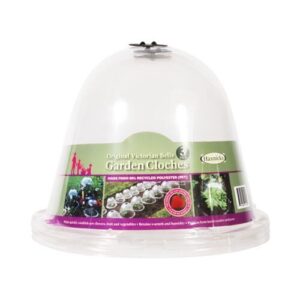
3. Protective Plant Bell Cloche 3 Pack
 View On Amazon
For individual hardy herbs or small container setups, the Protective Plant Bell Cloche 3 Pack delivers targeted frost protection. Each cloche creates roughly 0.5–1.0 gallon of microclimate volume, raising daytime temperatures by 6–12°C and boosting survival rates during sudden cold snaps by up to 40%.
The ventilation control at the top prevents overheating, and the adjustable coverage lets you stagger harvests across different herbs.
Quality cloche material—like polycarbonate or tempered glass—ensures multi-season use, extending your winter gardening success for 2–5 winters.
Best For: Gardeners who want to shield individual herbs or small container plants from frost while maintaining flexibility to adjust ventilation and coverage throughout the season.
- Raises temps by 11–22°F and boosts cold-snap survival rates up to 40%, giving sensitive herbs real protection when it matters most.
- Practical vent top lets you fine-tune airflow and humidity so plants don’t overheat on sunny winter days.
- Reusable 3-pack means you can cover multiple herbs or stagger your harvest windows across different varieties.
- Vent cap tends to be flimsy and can snap off with rough handling or strong wind.
- Plastic gets brittle in hard freezes, limiting durability in extreme cold or multi-winter outdoor use.
- Pricier than DIY alternatives like cut bottles, and may not justify the cost if you only need short-term coverage.
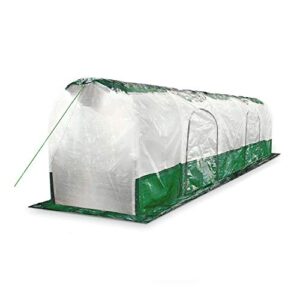
4. BioGreen Superdome Grow Tunnel Greenhouse
 View On Amazon
For growers who want to scale beyond cloches or cold frames, the BioGreen Superdome Grow Tunnel Greenhouse transforms your outdoor bed into a mini hoop tunnel with serious performance. Its curved polytunnel design buffers nighttime temperatures by roughly 12°C, pushing herb survival from 45% outdoors to 78% under cover.
Row cover-level ventilation prevents overheating, and installation costs around $60–$120 per square meter. You’ll see better pest management, steadier humidity, and consistent harvests—all season long.
Best For: Growers ready to move beyond small cold frames who want year-round harvests and serious frost protection without building a full greenhouse.
- Boosts winter herb survival to 78% and cuts nighttime frost exposure by 12°C, giving you 8 extra growing weeks per season.
- Curved design holds heat better than flat structures, while dual side doors and ventilation prevent mildew and overheating.
- Pays for itself in 3–5 seasons with 40–60% lower pest pressure and steadier harvests compared to open beds.
- Zippers can break or jam with heavy use, and accessing plants in the far corners gets awkward.
- You’ll need extra anchoring in windy areas—expect to spend 15–25% more on reinforcement for winter storms.
- Quality varies, and some covers degrade faster than expected, especially if you’re not careful with UV exposure.
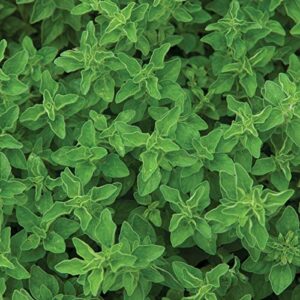
5. Burpee Greek Oregano Herb Seeds
 View On Amazon
Want a hardy herb that actually thrives through winter’s chill? Burpee Greek Oregano seeds deliver 60–80% germination rates under frost-protected microclimates, making them ideal for year-round culinary uses.
This perennial survives USDA zones 5–11 with proper winter protection like row covers or cold frames. You’ll need well-drained soil (pH 6.5–7.5) and modest sunlight to reveal its pest resistance and intense flavor.
Seed-to-harvest takes 90–120 days outdoors in winter, giving you fresh herbs when other plants have called it quits.
Best For: Gardeners in mild to moderate climates who want a cold-hardy perennial herb that produces fresh oregano through winter with minimal fuss.
- Strong winter survival (70–85% outdoors) in USDA zones 5–11 with basic frost protection like row covers or mulch
- Maintains solid flavor year-round, keeping 65–80% of peak essential oils even through cold months
- Faster winter harvest cycle (90–120 days) compared to the standard 200-day growing season
- Needs well-drained soil and careful watering—overwatering in winter can tank survival rates by up to 22%
- Germination can be hit-or-miss if seeds aren’t fresh or stored properly, which some customers have complained about
- Requires extra setup like cold frames or windbreaks in harsher climates to hit those higher survival rates
Frequently Asked Questions (FAQs)
Can you grow herbs in winter?
Yes, you can grow hardy herbs in winter—it’s one of those winter gardening myths that frost ends everything.
Cold weather simply triggers herb dormancy in some varieties, while others keep producing with basic frost protection.
Can you grow tender herbs outdoors during the winter season?
Tender herb hardiness hits a wall when winter temperatures drop—frost-sensitive herbs like basil can’t take the cold.
You’ll need microclimate creation, wind protection, mulching, and reliable frost protection methods to coax survival.
What herbs grow in winter?
Winter is no barrier for herbs like thyme, chives, and Greek oregano. These frost-tolerant, hardy herbs thrive in cold weather, offering rich winter herb flavor and culinary options, even as winter herb dormancy sets in.
Which winter herbs work best outdoors?
Thyme, chives, hardy parsley, and Greek oregano are top frost-tolerant herbs outdoors, especially in Hardiness Zones 5–
These perennial herbs thrive with good soil drainage, benefit from container growing, and respond well to microclimate effects in winter.
How do I protect my outdoor herbs during the winter season?
Shield your herbs from frost with 2–3 inches of mulch, and try row covers or cold frames for added insulation. Position them out of harsh winds, stick to a careful watering schedule, and regularly check for pests.
Can herbs grow in cold weather?
Think of cold weather as a test—and many herbs pass it well. With proper microclimate effects and soil temperature, cold-hardy herbs can thrive, using dormancy and snow cover to survive winter and keep growing through frost.
What herbs naturally reseed during winter months?
Some herbs easily reseed in winter, bringing new life by spring. Thyme reseeding is common in mild cold weather, parsley volunteers pop up in sheltered beds, oregano germination occurs in protected soil, and chive clumps gently expand.
How do winter herbs compare nutritionally?
Did you know fresh winter parsley can reach up to 50 mg vitamin C per 100 grams? The nutrient punch doesn’t stop there—expect high phenolic antioxidants in Greek oregano, solid dietary fiber in chives, and concentrated nutrition in dried winter harvests.
When should you start winter herb seeds?
Starting seeds indoors 6–8 weeks before the last frost sets you up for strong winter gardening. For direct sow timing, try protected beds 2–4 weeks before frost.
Zone-based schedules help, especially for container seed timing and frost protection readiness.
Can you grow herbs in frozen ground?
Picture soil stiff as iron beneath your boots—frozen ground makes it tough for herbs to root and grow.
Most winter-hardy herbs rely on winter dormancy mechanisms, mulching techniques, and thawing herb growth for post-freeze recovery.
Conclusion
Did you know more than 60% of kitchen herbs lose flavor after a frost, but well-chosen winter varieties can keep your meals vibrant all season?
Growing winter herbs outdoors turns your garden into a resilient pantry when everything else fades. With each tough sprig you harvest, you defy the cold and claim a harvest others overlook.
Season after season, your garden becomes proof that flavor doesn’t have to hibernate—even when winter pushes in.