
This site is supported by our readers. We may earn a commission, at no cost to you, if you purchase through links.

Something shifts in the kitchen the moment you start simmering a pot of soup on a cold winter day.
The smell alone—earthy root vegetables, warm broth, a hint of herbs—feels like a signal that the season has finally arrived.
Winter harvest hearty soup recipes have a way of turning whatever’s in your pantry or produce bin into something that fills you up and warms you through.
Carrots, parsnips, squash, lentils, kale—these aren’t just ingredients.
They’re building blocks of meals your family will ask for again and again.
Here’s how to make every bowl count.
Table Of Contents
- Key Takeaways
- Hearty Winter Harvest Ingredients
- Chicken and Meat Soup Favorites
- Vegetarian Winter Soup Ideas
- Fast One-Pot Cooking Methods
- Serving and Storing Winter Soups
- Frequently Asked Questions (FAQs)
- How long can homemade winter soups be stored?
- What are the best soup freezing techniques?
- How do you properly reheat frozen soup?
- Which spices enhance winter soup flavor profiles?
- What equipment is essential for making hearty soups?
- Can I substitute dried beans for canned beans?
- Which soups pair well with winter salads?
- How do I thicken a soup without cream?
- What herbs work best in cold-weather soups?
- Can these soups be made ahead for guests?
- Conclusion
Key Takeaways
- Root vegetables, winter squash, beans, and hearty greens are your best building blocks — they add flavor, protein, and body without needing much else.
- Whether you’ve got 30 minutes or a full slow-cooker day, there’s a one-pot method that fits your schedule and still delivers deep, satisfying flavor.
- Smart storage is half the battle — cool the soup fast, freeze it in portions, and you’ve got easy meals ready all winter long.
- You don’t need fancy equipment or hard-to-find ingredients; a heavy pot, good spices, and whatever’s in your produce bin is enough to make something your family will love.
Hearty Winter Harvest Ingredients

The best winter soups start with the right ingredients in your pot. A few cold-weather staples can turn even a simple broth into something that warms you from the inside out.
Stocking up on preserved herbs and vegetables for winter cooking means your soup pot is always ready for whatever the season throws at you.
Here’s what I always reach for this time of year.
Root Vegetables Like Carrots, Parsnips, and Potatoes
Root vegetables are the backbone of hearty winter soups. Carrots bring gentle carrot sweetness and stay firm in chunky broths, while parsnips add a deeper, parsnip earthy flavor — especially after a cold frost.
Yukon Gold potatoes offer the perfect potato starch balance, thickening creamy chicken soup with potatoes and bacon beautifully.
Cut everything into similar pieces for even cooking, or try roasting root veggies first for richer flavor.
Winter Squash for Sweetness and Thickness
Winter squash is where hearty winter soups get their magic. Butternut, kabocha, and acorn varieties bring natural sugar conversion as they ripen, so roasting caramelization pulls out deep, almost honey-like sweetness. Their flesh thickness means less dairy needed for creaminess.
Try them in Roasted Butternut Squash Soup or Winter Squash and Green Curry Soup — both are seasonal fall and winter comfort foods worth bookmarking.
For best flavor, store winter squash in a cool dry dark place.
Beans, Lentils, and Split Peas for Protein
Just like squash adds body, beans, lentils, and split peas bring serious protein density to your bowl. A cup of lentils packs nearly 18 grams of protein plus an iron boost that your body loves — especially alongside tomatoes or kale.
Try Mediterranean Lentil Soup, Black Bean Soup, or Split Pea and Ham Soup.
Canned vs dried? Both work — canned just saves time.
Noodles, Rice, and Dumplings for Extra Heartiness
Beans bring the protein — noodles, rice, and dumplings bring the soul. Egg noodle al dente is the sweet spot; pull them just before they’re fully soft, since they keep cooking in hot broth.
Rice broth thickening happens fast, especially with white rice. Try Crockpot Hearty Chicken and Rice Soup or Cozy Wild Rice and Orzo Chicken Soup.
Need gluten-free noodle choices? Rice noodles work beautifully.
Dumpling dough balance matters too — don’t overmix. One Pot Creamy Vegetable Dumpling Soup is pure weeknight magic.
Winter Greens Like Kale and Collards
Don’t sleep on kale and collards — they’re the unsung heroes of hearty winter soups and nutrient-dense soups alike.
- Kale vs Collard: Kale wilts faster; collards need 20–30 minutes to turn silky.
- Kale Stem Timing: Add stems 5–10 minutes before leaves.
- Collard Leaf Prep: Strip thick ribs, chop fine.
- Green Flavor Balancing: Add acidic ingredients after greens soften.
- Winter Greens Nutrition: Both sweeten after frost.
Chicken and Meat Soup Favorites

When the cold really settles in, nothing beats a pot of something meaty simmering on the stove. These are the recipes my family keeps coming back to, week after week, all winter long.
When the cold settles in, nothing beats a meaty pot simmering on the stove — the kind of recipe families return to all winter long
Here are some tried-and-true chicken and meat soup favorites worth adding to your rotation.
Root vegetables like carrots, parsnips, and turnips are the backbone of a great winter soup—learn how to store and use them well with these low-waste root vegetable tips for hearty soups.
Classic Chicken Noodle Soup
There’s a reason homestyle chicken noodle soup shows up on every family’s cold-weather rotation. It starts with mirepoix balance — onion, carrot, and celery, building a sweet, aromatic base.
A bay leaf and fresh herbs bring herb infusion that deepens the broth. For broth clarity, skip the skin and bones.
A lemon brightness squeeze and butter finish make this winter comfort soup recipe truly unforgettable.
Chicken and Dumplings for Cozy Comfort
If there’s one dish that wraps you up like a warm blanket, it’s chicken and dumplings.
Start your broth base with onions, carrots, and celery simmered in butter. Bone-in chicken adds real depth.
Drop dumplings need gentle heat and a covered pot — that’s the secret.
With the right seasoning profiles and slow cooker ease, this winter comfort soup recipe never disappoints.
Ham and Bean Soup With Smoky Depth
Few things hit like a proper Ham and Bean Soup on a gray winter afternoon. A smoky ham bone is your secret weapon here — it releases collagen broth that turns silky and rich after a long, slow simmer.
Add a dash of liquid smoke or a tiny miso boost for deeper flavor. A squeeze of lemon balances acid, brightening beautifully.
These hearty winter soups basically make themselves.
Beef Chili and Chili-style Soups
Beef chili is the perfect winter comfort soup recipe — bold, filling, and deeply satisfying.
Your ground beef selection matters: 80–85% lean gives you richer texture.
Build your tomato base choices with diced or crushed tomatoes, then layer in spice blend variations using cumin, chipotle, and smoked paprika.
Try the masa thickening technique for a velvety finish.
Easy Chipotle Cheddar Beef Chili or Crockpot Spicy Queso Beef Chili never disappoints.
Sausage and Potato Soup Variations
Sausage and potato soup might just be the most forgiving of all hearty winter soups—swap one ingredient, and you’ve got an entirely new bowl.
- Sausage Varieties: Italian adds fennel warmth; smoked kielbasa holds its slice; chicken sausage keeps it lighter
- Potato Textures: Russets thicken naturally; Yukon Golds stay buttery and intact
- Broth Base Choices: Go creamy with roux, or lighter with straight chicken stock
- Seasoning Layers & Garnish Ideas: Finish with lemon, thyme, crispy bacon, or shredded cheddar
Try Potato Leek Soup, Sausage Potato and Cabbage Soup, or Cabbage Roll Soup — all are winning Winter Comfort Soup Recipes.
Vegetarian Winter Soup Ideas

You don’t need meat to make a soup feel satisfying and warm. Some of my favorite cold-weather bowls are completely plant-based, built on hearty vegetables, beans, and rich broths that fill you up just as well.
Here are five vegetarian soups worth keeping in your winter rotation.
Lentil Soup With Carrots and Herbs
Lentil soup is one of those hearty winter soups that feels like a warm hug.
Start with Flavor Layering — sauté onions, garlic, cumin, and paprika in olive oil for real depth.
Carrots bring natural sweetness, and Herb Infusion with thyme and parsley brightens everything up.
For Texture Control, keep lentils chunky or blend them smoothly.
You’ve got your Protein Balance covered with 18 grams per cup.
Vegetable Dumpling Soup for a One-pot Meal
If lentil soup got you hooked on hearty winter soups, vegetable dumpling soup takes that comfort one step further. It’s the ideal one-pot meal — a savory broth base built from onions, carrots, and celery, with herb infusion techniques keeping things bright.
Dumpling dough basics matter here: mix just until combined, then drop spoonfuls onto simmering broth. Covered cooking does the rest.
Roasted Squash Soup With Creamy Texture
After that cozy dumpling pot, roasted squash soup feels like the natural next step — pure winter comfort food in a bowl.
Roast caramelization timing is everything here. Slide your autumn butternut squash into a 400°F oven for 30–45 minutes, cut side down, until the edges turn golden. That’s where the sweetness lives.
Five tips for silky puree consistency:
- Use coconut milk enrichment for a dairy‑free, velvety body
- Finish with a butter emulsion technique — blend in cold butter at the end
- Balance warmth with nutmeg spice balance, just a pinch
- Blend in batches, venting the lid to stay safe
- Strain through a fine mesh sieve for a truly creamy pureed soup
With seasonal ingredients like these, hearty winter soup recipes practically make themselves.
Minestrone Packed With Beans and Pasta
From silky squash to something a little more rustic — minestrone is your go-to when you want a bowl that truly fills you up.
white beans deliver about 7 grams of protein per cup, while ditalini pasta soaks up every drop of that tomato broth.
Parmesan and garlic are your umami boosters here.
This is winter comfort food that practically cooks itself.
French Onion Soup With Cheesy Toast
French Onion Soup is the kind of winter comfort food that makes your whole kitchen smell delightful.
You start with slow caramelization — onions over medium-low heat for nearly an hour until deeply golden.
Wine deglazing lifts all that flavor off the pan, and a rich beef stock base pulls everything together.
Top it with toasted baguette and melted Gruyère cheese, then finish under the broiler.
Pure magic.
Fast One-Pot Cooking Methods
Winter soups don’t have to mean hours in the kitchen. Whether you’ve got 30 minutes or just want to set it and walk away, there’s a method that fits your day.
Here’s how each one works.
Stovetop Soups Ready in 30 Minutes

Thirty minutes is all you need. With a few Broth Base Hacks — like Better Than Bouillon paste dissolving in seconds — your pot is halfway there before the onions finish browning.
Pan Searing Techniques and Seasonal Herb Pairings build big flavor fast.
Recipes like 30 Minute Spicy Miso Chicken Katsu Ramen, OnePot Creamy Italian Lasagna Soup, and 30 Minute Thai Peanut Chicken Ramen prove Hearty Winter Soup Recipes don’t need all day.
Smart Prep Time Saves and a Spice Blend Quick finish make quick 30 minutes totally doable.
Slow Cooker Soups for Hands-off Dinners

Some nights, you just need dinner to take care of itself. That’s the real magic of slow cooker soups — genuine Flavor Layering without standing over a stove.
These comforting winter soup recipes practically run on autopilot:
- Start with aromatics, broth, and Seasonal Herbs in the morning
- Add sturdy carrots, potatoes, or beans for Hearty Soup Recipes
- Use Low‑Sodium Options like homemade stock for family-friendly hearty soups
- Do Batch Prep on weekends for easy one-pot meals all cold-weather week
Instant Pot Soups for Weeknight Speed
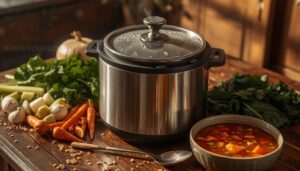
Your Instant Pot is honestly a weeknight lifesaver. With the right pressure timing hacks — like using precut mirepoix benefits to skip chopping — you’re looking at rich, hearty soup in under 30 minutes.
Remember quick release tips for tender veggies, and always add post-pressure dairy after the lid comes off.
These one-pot meals make winter meals feel easy and safe.
Tips for Building Flavor in One Pot

Great soup starts with Aromatics First — onions, carrots, and celery softened in butter or olive oil until sweet and tender. Then comes Deep Browning your meat for a rich fond, followed by Toasted Spices bloomed in hot fat.
Build your Savory Liquid Base by deglazing those browned bits.
Finish with Final Flavor Balance — a splash of vinegar brightens every hearty seasonal soup beautifully.
How to Time Vegetables, Beans, and Pasta

Think of your pot like a relay race — every ingredient gets its moment. Start with root vegetables, since carrots and parsnips need 6–9 minutes head start. That’s your Layered Cooking Times foundation.
Use Staggered Addition for beans next, then nail Pasta Finish Timing by dropping noodles in last. Hit your Vegetable Softness Targets, and these one-pot meals for cold weather basically cook themselves.
Serving and Storing Winter Soups

A great bowl of soup deserves a little thought beyond the pot. The right bread, a well‑chosen garnish, and smart storage can make the whole experience so much better.
Here’s everything you need to know about serving and storing your winter soups well.
Best Breads and Sides for Hearty Soups
The right bread turns a bowl of soup into a full meal. Crusty Artisan Loaves are perfect for dunking into bean or beef soups, while Buttery Dinner Rolls soak up every drop of broth.
For cozy kitchen meals and family dinner ideas, try these crowd-pleasing sides:
- Savory Biscuits alongside chili or creamy soups
- Cornbread Pairings for smoky, spicy flavors
- Fresh Side Salads to balance rich, hearty bowls
Garnishes That Add Texture and Flavor
A good garnish does what bread can’t — it adds contrast right in the bowl.
A Toasted Pepitas and Crispy Shallots bring crunch and warmth to squash or lentil soups.
A Sour Cream Swirl softens spicy flavors beautifully.
Pickled Red Onions cut through richness with bright acidity.
Even Fresh Parsley scattered on top makes everything taste livelier.
Don’t skip the finishing touch.
How to Refrigerate Soup Safely
Once the garnishes are in the bowl, the next job is keeping leftovers safe.
Rapid Cooling matters more than most people realize. Hot soup left sitting too long is a food safety risk — full stop.
- Cool to 70°F within 2 hours using shallow containers or an ice bath
- Store in Airtight Containers at 40°F or below
- Practice smart Labeling Dates so nothing gets forgotten
- Use a thermometer for Temperature Monitoring during cooling
Cold weather cooking and batch cooking soups go hand in hand — making this an easy weeknight dinner habit that’s genuinely budget-friendly.
Freezing Soups for Later Meals
Once your soup is safely cooled, the freezer becomes your best friend for easy batch cooking and cold-weather cooking wins.
| What to Freeze | Container Selection | Texture Retention Tips |
|---|---|---|
| Bean & lentil soups | Rigid freezer-safe tubs | Freeze well up to 3 months |
| Broth-based meat soups | Flat freezer bags | Cut meat into bite-size pieces |
| Pureed squash soups | Wide-mouth freezer jars | Already thick — freezes smoothly |
| Soups with pasta or rice | Small portioned containers | Add fresh noodles when reheating |
| Hearty seasonal soups with kale | Sealed freezer bags | Sturdy greens hold up beautifully |
Smart Portion Packing means freezing 1–2‑cup servings — perfect one-pot meals ready when you need them.
Always prioritize air removal from bags and date labeling every container so store cupboard recipes stay organized.
Reheating Tips for Broth, Pasta, and Dairy
Reheating your hearty broth the right way keeps every bowl tasting just-made. On the stovetop, warm over medium heat with the lid slightly cracked for lid steam management — stir often to avoid scorching.
Always hit a safe reheat temperature of 165°F.
For microwave pasta texture, stir halfway through.
And for creamy broth or dairy soup separation, go low and slow, adding a splash of milk to reblend.
Frequently Asked Questions (FAQs)
How long can homemade winter soups be stored?
Homemade winter soups last 3 to 4 days refrigerated — practically a week’s worth of leftover-friendly, budget-friendly meals at your fingertips.
Keep your fridge at 40°F or below to stay within safe temperature safety thresholds.
What are the best soup freezing techniques?
Cool it fast, freeze it flat. Pour your batch into shallow containers, seal tightly with room to expand, label with the date, and freeze in portions.
Starch separation happens, so add pasta fresh when reheating.
How do you properly reheat frozen soup?
Thaw frozen soup in the fridge overnight for best results.
Stovetop reheating over low heat, with broth dilution strategies like adding a splash of stock, keeps comforting soups smooth and leftover-friendly.
Which spices enhance winter soup flavor profiles?
Spices are like a warm scarf for your soup — cumin warmth deepens beans, coriander brightness lifts squash, paprika smoky sweetness enriches ham, nutmeg creamy warmth suits potato, and ginger gentle heat wakes up chicken broth.
What equipment is essential for making hearty soups?
You don’t need much — a heavy pot, a sharp chef knife, a large cutting board, measuring tools, and basic stirring tools cover almost everything. Simple setup, big results.
Can I substitute dried beans for canned beans?
Yes, dried beans work great. They save money, give you full sodium control, and add richer texture. Just plan ahead — they need soaking time.
For quick meals, canned goods are perfectly fine.
Which soups pair well with winter salads?
Almost any soup works with a winter salad — it’s all about balance.
Pair hearty chicken soup variations with crisp lemon vinaigrette salads, and creamy squash soups with peppery arugula, for texture contrast ideas.
How do I thicken a soup without cream?
Blend a handful of cooked beans, mash roasted squash right into the pot, or stir in a quick cornstarch slurry — your soup thickens beautifully, stays broth-based, and skips the cream entirely.
What herbs work best in cold-weather soups?
Thyme & Garlic build a warm, cozy base. Rosemary Root Pairing deepens heartiness, while Sage Sausage Boost adds earthy richness.
Bay Leaf Depth lingers beautifully.
Finish with Parsley Fresh Finish for brightness.
Can these soups be made ahead for guests?
Absolutely — most of these soups taste even better the next day. Make a big batch, store it safely within two hours, and reheat gently to 165°F before guests arrive.
Conclusion
Picture your kitchen on the coldest evening of the year — steam curling from a pot, the whole house smelling like something good is coming. That’s what winter harvest hearty soup recipes give you, season after season.
They turn humble roots, greens, and grains into meals your family gathers around. You don’t need anything fancy, just good ingredients and a warm stove.
Make a big pot. Share it. That’s the whole point.
- https://www.vrg.org/blog/2025/08/12/food-economics-canned-beans-versus-cooked-dried-beans/
- https://beaninstitute.com/resources/cook-with-beans/dry-vs-canned/
- https://countrylifefoods.com/blogs/country-life-feed/dried-beans-vs-canned-beans-which-is-better?srsltid=AfmBOoo3-0vg5qumSbqUU1jraPEf5V7HRDG9JW6Mj2-d2pPRFtGw9-30
- https://www.realsimple.com/dried-beans-versus-canned-beans-11884616
- https://brandnewvegan.substack.com/p/welcome-to-bean-week-canned-vs-dried