This site is supported by our readers. We may earn a commission, at no cost to you, if you purchase through links.
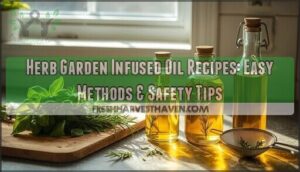
That first bite of tomato drizzled with basil oil you made yourself? It doesn’t just taste different—it tastes like you’ve unlocked something your store-bought bottles have been hiding. Fresh herb garden infused oil recipes transform ordinary ingredients into liquid gold, capturing summer’s bounty in ways that dried spice jars simply can’t match.
The process is surprisingly straightforward: steep aromatic herbs in quality oil, strain, and suddenly you’ve got custom flavors that make restaurant chefs jealous. But here’s what most beginners don’t realize—one wrong move with fresh herbs can turn your beautiful creation into a bacterial breeding ground.
Getting it right means understanding which infusion method matches your herbs, how to keep everything safe, and which tools actually earn their counter space.
Table Of Contents
- Key Takeaways
- Best Herbs and Oils for Infusing
- Essential Food Safety for Herb Oils
- Step-by-Step Herb Infused Oil Recipes
- Storing and Labeling Your Infused Oils
- Creative Ways to Use Herb Infused Oils
- Top 8 Essential Tools for Infusing Oils
- Frequently Asked Questions (FAQs)
- Can herb infused oils go rancid or spoil?
- What herbs should never be infused in oil?
- How do you fix cloudy or separated oil?
- Can you reuse herbs for multiple oil batches?
- Do infused oils need refrigeration after opening?
- Can infused oils be reheated after initial use?
- Do infused oils work in high-heat cooking?
- Can you mix multiple herbs in one oil?
- How do you rescue cloudy or separated oil?
- What herbs should never be infused together?
- Conclusion
Key Takeaways
- Fresh herb-infused oils require acidification with a 3% citric acid solution for 24 hours and refrigerated storage to prevent botulism from Clostridium botulinum spores thriving in oxygen-free oil environments.
- Cold infusion preserves delicate aromatic compounds over 24-72 hours, while heated methods extract flavors in 5-15 minutes at 140-185°F, with double or triple infusions creating intensely layered flavor profiles.
- Proper storage in dark, airtight glass bottles extends shelf life to 6-12 months for dried herb oils or 1-2 weeks refrigerated for fresh herb versions, with spoilage signs including cloudiness, off-odors, mold, or sliminess.
- Matching herbs to carrier oils matters—olive oil brings bold flavor but can overpower delicate herbs, while neutral oils like grapeseed let botanical notes shine without competing for attention.
Best Herbs and Oils for Infusing
The right combination of herbs and oils transforms your infusions from ordinary to exceptional, bringing bold flavors and aromas straight from your garden to your kitchen.
You’ll need to ponder which herbs grow in your garden, what carrier oil works best for your cooking style, and whether you’re working with fresh or dried herbs.
Let’s explore the essential choices that’ll set you up for infusing success!
Popular Garden Herbs for Oil Infusions
Your herb garden holds serious infusion power! Basil transforms olive oil with its aromatic punch, while rosemary brings piney depth perfect for hearty dishes. Thyme adds earthy elegance, mint delivers cool refreshment, and tarragon’s anise-like notes balance lighter fare beautifully.
These fresh herbs create flavor profiles that’ll transform your oil blending game—turning simple infusion methods into culinary rebellion.
Olive Oil Vs. Other Carrier Oils
Choosing your carrier oil shapes the entire infusion experience! Olive oil delivers monounsaturated fats and antioxidants like hydroxytyrosol, but its peppery, grassy flavor can dominate delicate herbs.
If you want herb notes front and center, neutral cooking oils like grapeseed or canola let those botanical flavors shine through without competing.
For shelf life comparison, refined olive oil’s stability beats polyunsaturated options—lasting several months in cool, dark storage when you follow proper infusion methods.
Pairing Herbs With Culinary Dishes
Once you’ve locked in your carrier, match those oils to the food on your plate! Basil brings sweet pepper notes that enhance tomato-based pastas, while rosemary’s piney aroma elevates roasted lamb and potatoes.
Thyme complements earthy mushroom risottos, dill brightens salmon filets, and mint cools down spicy lamb tagines—strategic herb blends transform ordinary meals into gourmet experiences through deliberate flavor profiles and aroma combinations.
Using Dried Vs. Fresh Herbs
Beyond choosing the right herb garden candidates, you’ll need to pick between fresh herbs and dried herbs for your infused oils. Fresh herbs deliver brighter aromas and volatile flavor profiles, but dried herbs pack concentrated essential oils with an extended shelf life—up to 6-12 months! Consider your infusion methods: dried herbs reduce moisture risk, while fresh herbs require acidification to prevent bacterial growth in your herb-infused oils.
| Herb Selection | Fresh Herbs | Dried Herbs |
|---|---|---|
| Flavor Profiles | Bright, volatile compounds | Full-bodied, earthy notes |
| Aroma Comparison | Sharp, fresh-picked | Muted, concentrated |
| Shelf Life | Requires acidification | Naturally stable |
| Infusion Methods | Higher moisture content | Lower microbial risk |
Essential Food Safety for Herb Oils
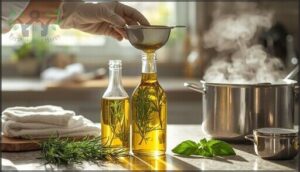
Making herb-infused oils isn’t just about flavor—it’s about keeping your kitchen safe from invisible dangers that can turn a beautiful batch into a health hazard. Fresh herbs carry natural bacteria that thrive in oil’s oxygen-free environment, and without proper precautions, you’re rolling the dice with botulism.
Making herb-infused oils demands rigorous safety practices because fresh herbs harbor bacteria that thrive in oil’s oxygen-free environment, turning flavor into a botulism risk
Let’s walk through the critical safety steps that’ll protect your family while you create delicious infusions.
Acidifying Fresh Herbs to Prevent Bacteria
Fresh herbs are low-acid foods that can harbor Clostridium botulinum spores, making acidification techniques critical for botulism prevention in herb-infused oils. Food safety guidelines recommend these pH control methods for bacterial growth prevention:
- Soak your fresh herbs in a 3% citric acid solution for 24 hours before infusing.
- Verify final acidity levels using calibrated pH testing equipment.
- Store acidified herb-infused oils in refrigerated conditions to limit microbial activity.
- Follow validated recipes from credible food safety sources for proper citric acid usage and concentration.
Sterilizing Tools and Containers
Before infusing, you need to eliminate bacteria using proper sterilization techniques. Boil your glass bottles, funnels, and metal lids for 10 minutes—this sanitizing method ensures food safety and botulism prevention!
Follow these cleaning procedures: wash tools with hot, soapy water first, then sterilize in rolling boiling water. Dry containers with a lint-free cloth, handling minimally to prevent recontamination before filling with your acidified herbs.
Safe Storage and Spoilage Signs
Store your herb-infused oils in dark glass containers to protect flavor preservation and extend oil shelf life. Refrigeration is essential for infusion safety—fresh-herb oils last 1 to 2 weeks when cold-stored, while dried herb versions remain shelf stable for 1 to 2 months with proper food preservation techniques.
Watch for these spoilage signs in your infused oils:
- Off-odor resembling sour, astringent, or metallic notes indicates rancidity
- Visible cloudiness or sediment that won’t settle signals microbial growth
- Mold growth on the surface or lid means immediate disposal
- Unusual sliminess or film formation suggests bacterial contamination
- Color changes from vibrant to dull indicate degradation
Inspect weekly for texture shifts or separation—your nose knows best! When in doubt about food safety, discard any questionable oil after 4 to 8 weeks, even if unused, to minimize contamination risks and verify your storage methods protect both flavor and health.
Step-by-Step Herb Infused Oil Recipes
Now that you’ve mastered the safety essentials, it’s time to transform those garden-fresh herbs into aromatic culinary oils!
You’ll discover several infusion techniques below, each offering different timelines and intensity levels to match your cooking style.
Whether you need a quick weeknight flavor boost or a deeply infused oil worth savoring, these methods will guide you through every step with confidence.
Simple Cold Infusion Method
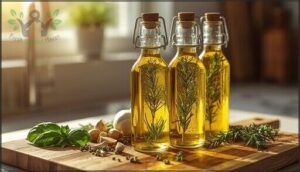
Cold infusion is your gateway to capturing those delicate aromatic compounds that heat would destroy, preserving the nuanced flavor profiles your herb garden offers.
Simply steep fresh or dried herbs in olive oil at room temperature for 24 to 72 hours—the longer infusion times deepen the oil extraction.
This cold infusion method creates homemade infused oils with authentic, vibrant character!
Quick Heated Infusion Technique
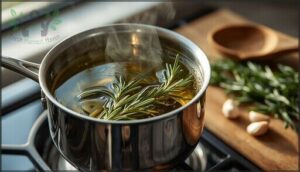
When you’re making infused oils but don’t have days to spare, the quick heat method delivers impressive flavor profiles in just 5–15 minutes! Gently warm your herb garden ingredients with oil at 140–185°F, using careful heat transfer to accelerate infusion times while preserving thermal stability.
This technique extracts herb-infused oils’ aromatic compounds rapidly without compromising oil quality—perfect for your culinary adventures!
Double and Triple Infusion Methods

Want explosive herbal intensity that single infusions just can’t deliver? Double and triple infusion methods layer multiple herb batches into the same oil, creating flavor profiles that’ll transform your cooking!
Strain your first herb infusion after 1–2 weeks, then add fresh herbs for another cycle. Each layered infusion deepens aromatic complexity, transforming ordinary herb-infused oils into culinary masterpieces through strategic oil blending and extended infusion timing.
Tips for Stronger Flavor
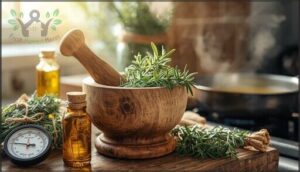
Beyond layering infusions, you can heighten flavor enhancement through strategic herb blending and infusion timing! Crush or bruise aromatic herbs before adding them to high oil quality bases—this releases essential oils faster, boosting aroma preservation.
Here’s how to heighten herb infused oils intensity:
- Harvest herbs after morning dew dries for peak essential oil content
- Gently warm oil to 140°F to speed extraction without losing fragrance
- Use a 2:1 herb-to-oil ratio for bolder culinary tips results
- Agitate your infused oils intermittently during steeping for better flavor transfer
Storing and Labeling Your Infused Oils
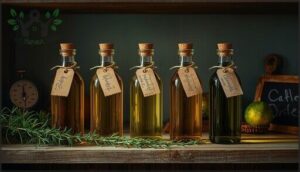
You’ve put the work in—now it’s time to protect those beautiful infused oils so they stay fresh, flavorful, and safe to use for months to come.
Proper storage isn’t just about finding a dark cabinet; it’s about understanding how light, temperature, and time affect your creation.
Let’s walk through the essential steps to preserve your herb-infused oils and keep them at their aromatic best.
Proper Storage for Maximum Freshness
For maximum freshness, store your herb-infused oils in airtight, opaque glass bottles—light and oxygen are the enemies of oil shelf life. Keep homemade infused oils refrigerated at or below 39°F, especially if you’ve used fresh herbs.
This simple bottling tip prevents rancidity and ensures your infusion methods deliver vibrant flavor for months. Your storage containers make all the difference!
Labeling and Shelf Life Guidelines
Label every batch with clear standards: jot down the herb name, oil type, infusion dates, and a realistic “best by” date—6 to 12 months for dried-herb oils, 1 to 2 months refrigerated for fresh.
Add safety notes like “refrigerate after opening” to keep your homemade infused oils shelf-stable and safe. This simple habit transforms pantry staples into trustworthy herbal-infused oil you’ll actually use!
Preventing Oil Spoilage
Your oil quality control starts with vigilant spoilage detection—cloudiness, off-odors, mold, or bubbling mean immediate disposal!
Extend shelf life by storing herb-infused oil in the fridge below 4°C, using dark glass bottles, and keeping moisture out. Proper storage conditions beat any infusion methods for safety.
When comparing infused oils to infused vinegars or other carrier oils, refrigeration remains your best defense against rancidity and bacterial growth.
Creative Ways to Use Herb Infused Oils
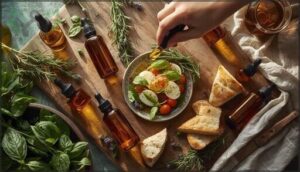
You’ve bottled up all that garden-fresh flavor—now it’s time to put those infused oils to work!
These aromatic creations deserve a place beyond your pantry shelf, transforming everyday meals, thoughtful gifts, and even your skincare routine.
Let’s explore the most rewarding ways to use your homemade herb oils, from the kitchen counter to the bathroom cabinet.
Salad Dressings and Marinades
Your herb infused oil transforms simple vinaigrettes into something remarkable! Combine basil-infused olive oil with lemon juice and mustard for a bright dressing that celebrates fresh herbs from your garden.
For marinades, blend rosemary oil with garlic to tenderize chicken or steak—the herb infusion recipes reveal complex flavor profiles that make store-bought dressings taste flat.
These oil blends master vinaigrette tips and marinade techniques effortlessly, showcasing culinary herbs at their finest.
Drizzling and Dipping Ideas
Drizzle your herb-infused oil over roasted vegetables or grilled meats for instant flavor enhancement—warming the oil slightly boosts aroma release and makes those herbal notes sing!
For dipping sauces, combine basil or garlic-infused oils with crushed pepper and sea salt, creating gourmet cooking moments that refine simple bread into something exceptional.
These herb blends and oil pairings transform everyday cooking oils into restaurant-worthy finishes.
Gifting Homemade Infused Oils
Transform your herb gardening passion into memorable gift ideas by bottling homemade recipes that showcase your oil blending skills! Infusion kits you craft yourself speak volumes about care, especially when flavor pairing aligns with each recipient’s cooking style—think rosemary-thyme for Italian enthusiasts or basil-garlic for pizza lovers.
- Select food-safe glass bottles with tamper-evident seals to reassure recipients
- Label each herb-infused oil with infusion date, ingredients, and suggested pairings
- Include allergen information if your blend contains garlic or other common sensitivities
- Coordinate gift wrapping with the oil’s golden hue using natural kraft paper and twine
- Attach usage suggestions like “perfect for dipping crusty bread” to inspire immediate culinary adventures
These infused oils enhance everyday cooking while sharing your garden’s bounty!
Skincare and Wellness Applications
Your kitchen pantry doubles as a natural skincare pharmacy when you explore topical treatments with herbal infused oils! Calendula and chamomile deliver anti-inflammatory effects documented in clinical trials, soothing irritation while olive or almond bases boost skin hydration.
These natural moisturizers utilize aromatherapy effects and herbal remedies for gentle wellness applications—patch test first, store away from sunlight, and enjoy the skin benefits herbalism offers beyond cooking.
Top 8 Essential Tools for Infusing Oils
You don’t need fancy equipment to start making herb-infused oils, but having the right tools makes the process safer and more enjoyable. Quality glass bottles, proper straining materials, and accurate measuring tools guarantee your infusions turn out perfectly every time.
Here are eight essential items that’ll set you up for success in your oil-infusing adventures.
1. Mockins Glass Swing Top Bottles
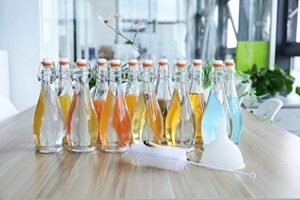
You’ll want airtight containers that guard your aromatic oils from oxidation, and Mockins Glass Swing Top Bottles deliver exactly that. These borosilicate glass sizes range from 250 milliliters to 1 liter, with ceramic stoppers and rubber gaskets creating a proper seal for infusion storage.
The clear bottle materials let you monitor your herb-infused oil recipes as they develop, though you’ll need to store them away from light.
Bottle cleaning is straightforward—hand wash with mild detergent, inspect gaskets regularly, and dry thoroughly to prevent spoilage in your herbal infusions.
| Best For | Home brewers and DIY enthusiasts who need reliable, airtight storage for kombucha, limoncello, infused oils, or other homemade beverages and want a reusable glass option that looks good enough for gifting. |
|---|---|
| Material | Glass |
| Dishwasher Safe | Yes |
| Reusable | Yes |
| Food Grade | Yes |
| Primary Use | Liquid Storage |
| Set Quantity | 12 pieces |
| Additional Features |
|
- Ceramic stopper with rubber gasket creates a proper airtight seal that prevents oxidation and keeps your infusions fresh
- Borosilicate glass resists thermal stress and gives you clear visibility to monitor your brew or infusion as it develops
- Multiple size options (250ml to 1 liter) let you pick the right capacity, with larger bottles holding about four drinks each
- Quality control issues mean some bottles arrive with broken tops, damaged glass, or cloudy surfaces that need extensive cleaning
- Sealing mechanism can be tricky to assemble correctly, and some customers report ongoing leaking problems even after setup
- Packaging during shipping is often inadequate, leading to breakage in transit before you even get to use them
2. Willdan Glass Swing Top Bottles
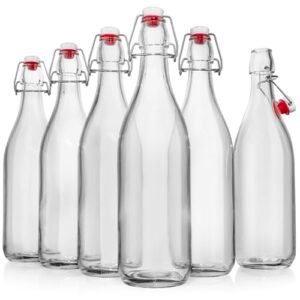
Similar to Mockins, Willdan glass swing top bottles give you thick, clear glass durability with those reliable wire bail closures. 33.75 ounces per bottle means you can batch larger quantities of herb-infused oil recipes without constantly refilling.
The bottle materials are BPA-free, and the swing top design with plastic-silicone stoppers creates leakproof seals for your herbal infusion storage.
Store your herb oil away from direct sunlight to prevent oxidation, inspect gaskets between uses, and hand wash for maximum longevity even though they’re dishwasher safe!
| Best For | Home fermenters and kitchen enthusiasts who need larger-capacity bottles for kombucha, infused oils, and batch beverages. |
|---|---|
| Material | Glass |
| Dishwasher Safe | Yes |
| Reusable | Yes |
| Food Grade | Yes |
| Primary Use | Liquid Storage |
| Set Quantity | 6 bottles |
| Additional Features |
|
- Generous 33.75-ounce capacity lets you store bigger batches without constant refilling
- Thick, clear glass with leakproof swing top closures keeps contents fresh and visible
- BPA-free construction with easy-pour design makes them safe and convenient for daily use
- Some users report bottles cracking in the freezer or with extreme temperature changes
- Wire caps can occasionally pop off, requiring a quick squeeze to secure them properly
- Tall, narrow shape might not fit easily in all refrigerator shelves
3. Organic Cotton Cheesecloth Grade 100
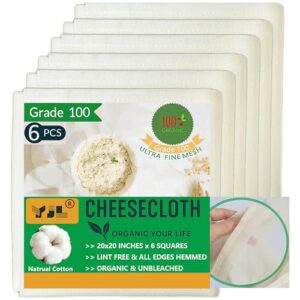
Once you’ve got your bottles ready, you’ll need Grade 100 organic cotton cheesecloth to strain out plant material from your herb-infused oil recipes! This cotton fabric features a loose weave perfect for filtration methods—not too dense, not too open.
The unbleached organic materials meet GOTS textile standards, so you’re avoiding chemical residues in your herbal infusion methods. Rinse thoroughly before first use, then reuse it for making herb-infused oils, nut milks, or even covering your kombucha.
It’s also heat resistant for hot infused oil straining!
| Best For | Home cooks and DIY enthusiasts who make herb-infused oils, nut milks, or fermented foods and want a reusable, chemical-free straining option. |
|---|---|
| Material | 100% Organic Cotton |
| Dishwasher Safe | No |
| Reusable | Yes |
| Food Grade | Yes |
| Primary Use | Straining |
| Set Quantity | 1 cloth |
| Additional Features |
|
- Made from 100% organic cotton with GOTS certification, so no chemical residues end up in your food
- Heat resistant and reusable, making it practical for hot oil straining and multiple kitchen projects
- Dense Grade 100 weave filters well without being so tight that liquids take forever to pass through
- The 20×20 inch size might be too small if you’re straining big batches of broth or oil
- Needs several rinses before first use to get the water running clear
- No info on how long it lasts or the best way to store it between uses
4. Stainless Steel Fine Mesh Strainers
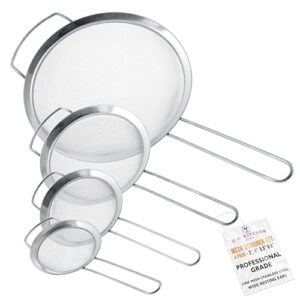
After your cheesecloth does the heavy lifting, you’ll want stainless steel fine mesh strainers to catch those tiny herb particles still floating in your herb-infused oil recipes! Look for food-grade 304 or 316 stainless steel—both resist acidic oils without corroding.
Mesh sizes between 100-400 microns work perfectly for oil filtration, capturing sediment while letting pure infused oil flow through. The U.S. Kitchen Supply set offers multiple diameters for different batch sizes, and strainer maintenance couldn’t be easier—just pop them in the dishwasher after each kitchen garden harvest!
| Best For | Home cooks who want crystal-clear herb-infused oils without any floating particles or sediment. |
|---|---|
| Material | Stainless Steel |
| Dishwasher Safe | Yes |
| Reusable | Yes |
| Food Grade | Yes |
| Primary Use | Straining |
| Set Quantity | 4 strainers |
| Additional Features |
|
- Comes with four different sizes (3″ to 8″) so you can strain small batches or larger infusions
- Food-grade stainless steel resists corrosion from acidic oils and goes straight into the dishwasher
- Fine mesh (100-400 microns) catches tiny herb particles that cheesecloth might miss
- Handle can come loose from the basket on some units due to weak welds
- Shallow depth means you might need to strain in multiple batches for larger volumes
- Quality control issues—some strainers break during first use
5. Homemade With Love Canning Labels
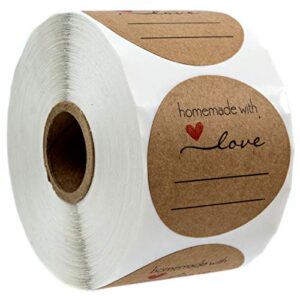
Once you’ve strained your herb-infused oil recipes to excellence, these 2-inch brown kraft labels become your batch’s passport to the pantry—or to someone’s heart! The “homemade with love” design adds personal charm to your kitchen garden creations, while two blank lines let you note the herb variety, infusion date, and acidification details for food safety tracking.
At 500 labels per pack with permanent adhesive, you’ll have plenty for garden-to-table gifts and product branding throughout harvest season!
| Best For | Home canners, small batch food makers, and craft business owners who want to add a personal, handmade touch to their jarred goods while keeping track of contents and dates. |
|---|---|
| Material | Brown Kraft Paper |
| Dishwasher Safe | No |
| Reusable | No |
| Food Grade | Yes |
| Primary Use | Labeling |
| Set Quantity | 500 labels |
| Additional Features |
|
- 500 labels give you plenty for multiple batches, gifts, and sales throughout the year
- Permanent adhesive sticks reliably to glass jars and even holds up in the freezer
- Two customizable lines let you note ingredients, dates, or allergen info for safety and compliance
- The fixed “homemade with love” design limits flexibility if you want a more professional or minimalist look
- Permanent adhesive means you can’t reuse jars without scraping or damaging the label area
- No waterproof coating mentioned, so they may smudge or wear down in humid pantry conditions
6. Stainless Steel Mini Funnel Set
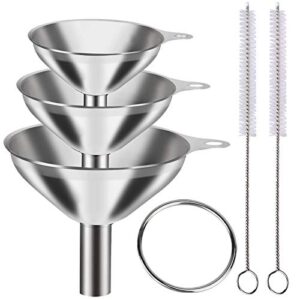
Now that your bottles wear their labels with pride, you need a way to fill them without turning your counter into an oil slick! This three-piece stainless steel mini funnel set navigates narrow bottle necks with surgical precision, letting you transfer your herb infused oil recipes from pot to pretty package without waste.
Food-grade 304 stainless steel won’t stain like plastic when rosemary or basil oils pass through, and the varying sizes—from 4.5cm to 7.5cm mouths—handle everything from delicate perfume bottles to standard cruets in your garden-to-table cooking arsenal.
| Best For | Home cooks and DIY enthusiasts who regularly transfer oils, vinegars, spices, or homemade infusions into small bottles and need mess-free precision without the staining issues of plastic. |
|---|---|
| Material | Stainless Steel |
| Dishwasher Safe | Yes |
| Reusable | Yes |
| Food Grade | Yes |
| Primary Use | Transferring Liquids |
| Set Quantity | 3 funnels |
| Additional Features |
|
- Food-grade stainless steel resists staining from colored oils and strong flavors while being dishwasher safe for easy cleanup
- Three size options (small, medium, large) handle different bottle openings, from tiny perfume vials to standard kitchen cruets
- Includes helpful extras like two cleaning brushes and a metal storage ring to keep the set organized
- Funnels are smaller than some users expect, so they’re not ideal for large-scale bottling projects
- The narrow spout openings can clog with powders due to a minor ridge at the weld point, requiring occasional tapping
- Funnels don’t nest inside each other for compact storage, making the metal ring necessary
7. Digital Kitchen Food Scale
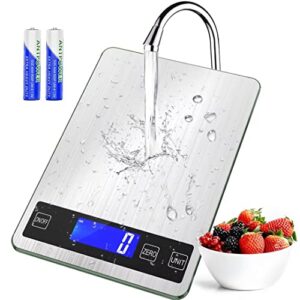
Precision transforms guesswork into repeatable magic when you’re crafting herb-infused oil recipes from your kitchen gardening harvest! This digital kitchen food scale measures from 0.1 oz to 22 lbs with accurate food weighing that lets you nail oil ratios every single time—essential for cooking techniques that demand consistency.
The tare function zeroes out your container weight for true digital measurement, while the tempered glass platform wipes clean after herb-infused oil spills. Scale calibration and kitchen accuracy mean your basil-to-olive oil proportions stay perfect batch after batch, turning food preparation into a reliable art form.
| Best For | Home cooks and gardeners who infuse oils with fresh herbs and need precise measurements to nail their ratios every time. |
|---|---|
| Material | Glass & Stainless Steel |
| Dishwasher Safe | No |
| Reusable | Yes |
| Food Grade | Yes |
| Primary Use | Measuring Weight |
| Set Quantity | 1 scale |
| Additional Features |
|
- Measures down to 0.1 oz increments so you can dial in exact herb-to-oil proportions for consistent flavor across batches
- Tare function zeros out jar weight instantly, making it simple to add ingredients one at a time without math
- Tempered glass platform wipes clean in seconds after oil spills and resists staining from herb residue
- Runs on batteries that aren’t included, so you’ll need to grab some before your first use
- Maxes out at 22 lbs, which could be limiting if you’re scaling up to large commercial batches
- No waterproofing mentioned in specs, so you’ll want to keep the main unit dry even though the platform cleans easily
8. Stainless Steel Measuring Cups Set
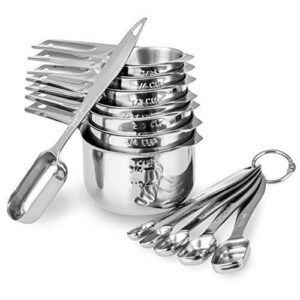
Measuring cup materials matter when precision meets preservation in your herb-infused oil crafting! This stainless steel durability champion features 18/8 construction that won’t react with acidic ingredients or absorb flavors between batches, keeping your rosemary oil distinct from your basil blend.
Kitchen measurement tips start here: engraved metric marks deliver culinary accuracy tools performance for oil dispensing methods that demand exactness.
From garden-to-table workflows to herbalism and plant extracts, these seven nested cups handle herb growing harvests and herb-infused vinegar projects with corrosion-resistant, dishwasher-safe reliability.
| Best For | Home cooks and herbalists who need precise, non-reactive measuring tools for crafting infused oils, vinegars, and extracts with consistent accuracy. |
|---|---|
| Material | Stainless Steel |
| Dishwasher Safe | Yes |
| Reusable | Yes |
| Food Grade | Yes |
| Primary Use | Measuring Volume |
| Set Quantity | 13 pieces |
| Additional Features |
|
- 18/8 stainless steel won’t react with acidic ingredients or absorb flavors, keeping each batch of infused oil pure and distinct
- Engraved metric and imperial measurements ensure accurate ratios for repeatable recipes and professional-quality results
- Nested design with connecting ring saves drawer space while keeping 7 cups and 6 spoons organized and ready to use
- Missing a 1/2 tablespoon measure, which could require improvising for certain recipes
- Made in China manufacturing may be a concern for buyers prioritizing specific country-of-origin standards
- Spoon handles may need minor bending adjustments to nest perfectly flat for some users
Frequently Asked Questions (FAQs)
Can herb infused oils go rancid or spoil?
Yes, herb oils can spoil! Rancidity happens through oxidation, while microbial growth occurs if moisture sneaks in.
Watch for off odors, sour tastes, or cloudiness—refrigeration slows but doesn’t eliminate spoilage risk entirely.
What herbs should never be infused in oil?
Fresh basil, cilantro, and garlic pose a botulism risk in oil infusions due to moisture creating dangerous anaerobic conditions.
Always dry herbs thoroughly or acidify them first to prevent oil spoilage and guarantee infusion safety!
How do you fix cloudy or separated oil?
Gently warm your cloudy oil to around 140°F, then strain through fine cheesecloth to remove suspended water droplets.
If separation persists, discard the batch and start fresh with thoroughly dried herbs.
Can you reuse herbs for multiple oil batches?
You can technically reuse herbs, but flavor intensity drops with each batch.
Fresh herbs for every neutral oil infusion guarantee consistent herbal medicine quality and minimize microbial risks—worth the garden-to-table investment!
Do infused oils need refrigeration after opening?
Refrigeration slows bacterial growth and prevents botulism in herb-infused oils, especially those made with fresh herbs!
Store opened bottles in the fridge, using them within two to four weeks for maximum safety.
Can infused oils be reheated after initial use?
Reheating infused oils isn’t recommended—thermal stability breaks down, flavor degradation accelerates, and botulism risk increases with repeated heating.
Use your herb oil once for cooking, then discard leftovers to stay safe!
Do infused oils work in high-heat cooking?
Your herb-infused oil’s smoke point mirrors its base carrier—neutral oils like grapeseed tolerate heat stability better than delicate extra-virgin varieties.
However, high heat degrades those precious botanical flavors you worked to capture, causing oil degradation and disappointing your culinary arts efforts.
Save infused creations for finishing touches, drizzles, and low-temperature cooking techniques where flavor retention shines through your cooking recipes instead!
Can you mix multiple herbs in one oil?
You can blend fresh herbs to craft custom flavor profiles—try pairing mild basil with intense rosemary for a balanced aroma.
Just maintain proper infusion ratios and follow safety protocols when making herb-infused oils using neutral oil.
How do you rescue cloudy or separated oil?
Salvage that failed batch! Gently warm your cloudy oil to 140-158°F, strain through a coffee filter for infusion clarification, and whisk vigorously to restore emulsion stability—this oil re-emulsification prevents waste while ensuring shelf-stable results.
What herbs should never be infused together?
Avoid pairing tarragon with oregano—their flavor profiles clash, creating medicinal bitterness.
Garlic can scorch delicate basil, ruining infusion clarity.
Cilantro and mint produce sharp botanical interactions that dull freshness in herb-infused oil, compromising your culinary arts creations.
Conclusion
Picture your neighbor Maria, who turned last summer’s basil harvest into 12 bottles of emerald-green oil—then watched them cloud over with mold by September. Herb garden infused oil recipes demand respect for both craft and microbiology.
You’ve now got the acidification tricks, sterilization protocols, and infusion techniques to avoid her mistake. Your jars will stay clear, your flavors will pop, and every drizzle will remind you why fresh beats store-bought every single time.
- https://www.sciencedirect.com/science/article/pii/S0749208123000268
- https://www.scribd.com/document/356795007/Research-Methods-Knowledge-Base
- https://extension.psu.edu/how-to-safely-make-infused-oils
- https://www.thetravel.com/underrated-thru-hike-alternatives-to-pacific-crest-trail/
- https://olive-pelican-3gag.squarespace.com/katie-oglesby-garden-designer-lifestyle-coach/how-to-grow-herbs