This site is supported by our readers. We may earn a commission, at no cost to you, if you purchase through links.

Your neighbor douses their lawn with pesticides every week, yet somehow their aphid problem only gets worse. Meanwhile, your garden thrives with minimal intervention—a few ladybugs here, some carefully timed watering adjustments there, and strategic companion planting that confuses pests before they settle in. This isn’t luck. It’s the fundamental difference between reactive pest bombardment and implementing integrated pest management at home, where observation trumps spraying and natural systems do the heavy lifting.
Research confirms that IPM reduces pesticide applications by 40-60% while maintaining enhanced control, but the real advancement lies in understanding pest behavior well enough to disrupt it at multiple points. Once you recognize that effective pest management resembles ecosystem orchestration more than chemical warfare, the whole approach shifts from expensive guesswork to methodical, lasting solutions.
Table Of Contents
Key Takeaways
- IPM cuts pesticide use by 40–60% while improving control by combining observation, action thresholds, and multiple intervention strategies—biological, cultural, mechanical, and selective chemical—rather than relying on routine spraying.
- Successful implementation requires four interconnected steps: accurate pest identification through monitoring, establishing action thresholds that trigger intervention only when necessary, developing a customized plan with assigned roles, and conducting regular evaluation to refine your approach.
- Cultural controls like sanitation and crop rotation, biological controls using natural predators such as ladybugs and beneficial nematodes, and physical barriers provide the foundation, with selective chemicals reserved as a last resort when other methods fall short.
- Maintaining pest resistance long-term depends on preventive landscaping that limits pest habitat, encouraging beneficial wildlife through diverse plantings, securing food and waste in sealed containers, and conducting seasonal inspections to catch problems before they escalate.
What is Integrated Pest Management at Home
Integrated Pest Management at home is a systematic approach that combines multiple strategies to control pests while minimizing risks to your family and the environment. Rather than relying solely on chemical treatments, you’ll use careful observation, preventive measures, and targeted interventions based on the specific pest problems you’re facing.
Understanding the core principles, benefits, and distinctions of this method will help you make informed decisions about protecting your home.
Key Principles of IPM
Success in sustainable pest management starts with four core IPM techniques: precise pest identification, establishing action thresholds to guide when intervention is truly necessary, regular monitoring to track activity, and integrated control that combines biological control with cultural and physical methods. You’ll reduce unnecessary pesticide applications by 40–60% when you adopt these threshold-based decisions instead of calendar spraying—a practical path toward ecosystem balance.
Smart, sustainable pest management begins with targeted identification, careful monitoring, and action only when necessary, slashing pesticide use by up to 60%
By using a systematic approach to literature reviews, homeowners can make informed decisions about pest management strategies.
Benefits of IPM for Homeowners
When you adopt Integrated Pest Management techniques at home, you’ll gain meaningful advantages beyond simple pest control. These eco-friendly methods deliver health benefits by cutting chemical residues 40–60%, while sustainable pest management slashes annual pest control savings by 20–50%.
Consider these IPM techniques outcomes:
- Up to 70% reduced pesticide use
- Faster pest suppression in urban homes
- Protected beneficial insects and biodiversity
- Enhanced environmental safety around children and pets
- Greater confidence in sustainable living strategies
These eco-friendly pest control practices put you in command. By understanding the language learning resources, homeowners can make informed decisions about their pest management strategies.
How IPM Differs From Traditional Pest Control
While most traditional pest control leans on calendar-based chemical spraying, Integrated Pest Management flips that script. You’ll target pests only when they hit action thresholds—often slashing pesticide use by 50–90%.
IPM weaves together cultural control methods, biological control, and selective chemical control for sustainable pest prevention. This eco-friendly approach minimizes environmental impact and chemical reduction while delivering longer-lasting suppression.
Step-by-Step Guide to Implementing IPM
Implementing IPM at home doesn’t require specialized training, but it does demand a methodical approach and consistent attention to detail. The process follows four interconnected steps that build upon each other, creating a sustainable pest management system customized to your specific situation.
Here’s how you can establish an effective IPM program that tackles pest problems while minimizing environmental impact.
Assessing Pest Problems and Identification

Before you can tackle Pest Problems effectively, you need to know exactly what you’re dealing with. Visual Inspection remains your first line of defense in Pest Identification—regularly check vulnerable areas like kitchens, basements, and gardens for signs of activity.
While monitoring and scouting, use photo-based apps or DNA Barcoding tools to boost Accurate Diagnosis by up to 40%, helping you distinguish pests from beneficial insects and understand Pest Life Cycles and Behavior for smarter Integrated Pest Management decisions.
Setting Action Thresholds

Knowing when to act separates effective Integrated Pest Management from guesswork. Action Thresholds define the Pest Density or Damage Assessment level at which you should intervene, preventing unnecessary treatments while catching problems before they spiral.
- Visible damage or persistent trails signal ants require Intervention Timing through Biological Control or barriers before chemical options.
- Pantry webbing or larval evidence triggers immediate Action Levels for stored-product pests.
- Weekly Monitoring and Scouting refines Threshold Setting, cutting pesticide use by 40% in home Pest Management programs.
Developing an IPM Plan

Clarity drives success in Integrated Pest Management. Begin with a Pest Risk Assessment and outline your IPM Strategy, weaving in Monitoring and scouting and clear Threshold Setting.
Plan Implementation should assign roles, set Action Thresholds, and schedule Maintenance. For instance, formalizing responsibilities and aligning your IPM plan with local guidelines boosts homeowner satisfaction and strengthens your Pest Management Strategies from the ground up.
Monitoring and Regular Evaluation

Regular Pest Surveillance and monitoring and scouting form the bedrock of Integrated Pest Management at home. By collecting Evaluation Metrics—like weekly trap counts and cleanliness scores—and using Data Analysis to track trends, you enhance Threshold Setting.
Timely interventions, guided by Action Thresholds, allow for swift adjustment. Continuous Evaluation ensures your pest control strategies evolve, securing lasting resilience.
Core IPM Techniques for Home Use

Integrated Pest Management at home gives you a full toolbox for safer, smarter pest control. Each method has its place, depending on your home and needs.
Here are some core techniques you can use.
Cultural Controls (Sanitation, Crop Rotation, Plant Selection)
Think of cultural control methods as the roots of a resilient garden. Small shifts—like routine sanitation methods, crop rotation, and intentional plant selection—quietly break pest cycles and shore up plant defenses.
By preparing soil thoughtfully and embracing garden planning, you anchor integrated pest management in organic gardening methods that yield healthier plants and fewer pest headaches season after season.
Biological Controls (Natural Predators, Beneficial Insects)
Imagine letting nature’s own defenders patrol your garden. Deploying biological control is like enlisting a team of organic predators and beneficial insects as a home’s first security detail. You draw on:
- Beneficial Wasps for soft-bodied pest outbreaks
- Lady beetles for persistent aphids
- Green lacewings as tireless pest parasites
This biological pest control harnesses natural enemies for truly sustainable pest management.
Mechanical and Physical Controls (Barriers, Hand Removal, Traps)
Did you know a simple door sweep can block up to 85% of crawling pests? Mechanical and physical control strategies—like Barrier Installation, Trap Placement, and diligent Hand Removal—offer direct pest exclusion.
Mechanical Controls such as Sealant Methods and physical barriers safeguard entry points, while traps and targeted removal deliver hands-on, science-backed pest control. These are essential elements of effective home IPM.
Selective Chemical Controls (When and How to Use)
Just as traps catch wandering intruders, selective chemical controls help only when pest thresholds are crossed. Choose selective sprays that target pests but spare natural helpers, lowering environmental impact while defending your space.
Always follow safety precautions, rotate products to avoid chemical resistance, and weave these methods into your Integrated Pest Management plan—using chemical control only when other pest control methods fall short.
Top 6 Tools and Products for Home IPM
Choosing the right tools can make all the difference in managing pests at home. Here are six practical options designed to help you apply IPM principles where you live and grow.
Each one fosters a healthier, more balanced environment around your home.
1. Beneficial Nematodes Pest Control Solution
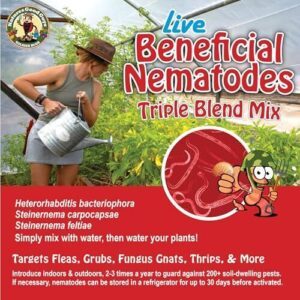
Beneficial nematodes are a cornerstone in biological control, making nematode application a logical first step for natural pest control in home gardens. These microscopic organisms hunt and suppress soil-dwelling insect pests—such as grubs and maggots—without disturbing soil health or beneficial insects.
In the broader framework of Integrated Pest Management, nematode efficacy depends on proper timing, moisture, and reapplication. By introducing these living allies, you build a resilient defense network, reducing reliance on chemicals and supporting sustainable pest control.
Best For: Gardeners looking for a safe, organic way to control soil pests like grubs, fungus gnats, and beetle larvae without using chemicals around kids or pets.
- Kills over 200 pest species naturally and works within 24–72 hours once nematodes locate their targets
- Safe for people, pets, and beneficial insects like earthworms—no toxic residue or environmental harm
- Triple-blend formula tackles multiple pest types at once, giving you broader coverage than single-species products
- Requires specific conditions to work well—soil needs to stay moist, temps between 60–80°F, and you’ll want to apply during evening hours
- Results vary based on pest levels and environment, and you’ll likely need to reapply every 2–4 weeks during heavy infestations
- Not effective against all pests (like termites or above-ground insects), and you may need special spray equipment with the right nozzle size
2. Winter Plant Frost Protection Cover
After deploying nematodes, don’t overlook the physical side of pest control: protecting plant health through seasonal shielding. Winter frost protection covers—lightweight, breathable fabrics like spunbonded polypropylene—insulate your plants and discourage overwintering pests by altering microclimates.
These covers trap 2–4°C of warmth overnight, reducing frost damage and the stress that invites opportunistic pathogens. By combining physical barriers with habitat manipulation, you support cultural control methods and maintain vigorous plants that naturally resist pests. This integrated approach keeps your garden thriving year-round without relying on chemicals.
Best For: Gardeners looking to extend their growing season and protect plants from frost, wind, and pests without using chemicals.
- Raises nighttime temperatures by 2–4°C around plants, reducing frost damage and helping seedlings survive cold snaps
- Breathable polypropylene fabric allows sunlight and air through while blocking pests and creating a microclimate that discourages overwintering insects
- Large 10x30ft size can be cut to fit different garden beds, and it’s easy to secure with soil, stones, or staples
- May not hold up well in heavy wind or extreme weather—some users report the material falling apart after repeated use
- Only provides about 4–6 hours of protection during freezing events, so it won’t save plants in extended deep freezes below 27–28°F
- Needs to be removed during the day to prevent overheating and requires proper storage between seasons to maintain effectiveness
3. Easy Soil Nutrient Test Kit
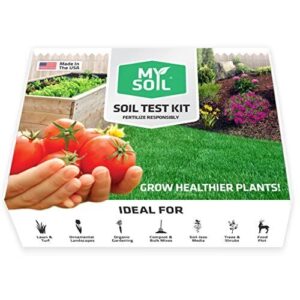
Once your plants have weathered winter’s chill, you need to understand what’s in the soil feeding them—that’s where a professional soil nutrient test kit comes in. Analyzing pH and 13 plant-available nutrients, including nitrogen, helps you make informed fertilizer options that support soil health and ecological balance.
Healthy, well-nourished plants are more resistant to pest pressure—a cornerstone of integrated pest management and organic gardening. Garden planning starts with knowing your soil’s baseline, and crop optimization follows when you correct deficiencies before pests exploit weakened hosts.
Best For: Home gardeners and lawn care enthusiasts who want professional-level soil analysis to pinpoint nutrient gaps and dial in fertilizer applications without guessing.
- Lab-grade testing for 13 nutrients plus pH gives you a complete picture of what your soil actually needs, helping you avoid over-fertilizing or missing key deficiencies.
- Custom recommendations tailored to your specific plants and soil conditions save time and money by telling you exactly what to apply and how much.
- Fast turnaround (6-8 days) with a prepaid mail-in envelope makes the whole process easy—no driving to a lab or waiting weeks for results.
- Only works for U.S. addresses, so international gardeners or those outside the country are out of luck.
- Doesn’t detect diseases or fungal issues, so you’ll need separate testing if you suspect those problems in your soil.
- Recommended products might cost more than what you’d find at local garden centers, so it pays to shop around before buying.
4. Natural Crawling Insect Killer Powder
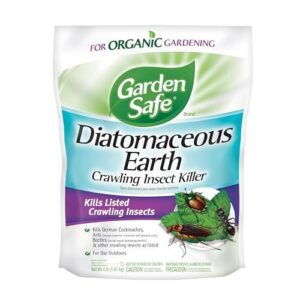
When mechanical controls aren’t enough, diatomaceous earth-based powders offer natural pest control that aligns with integrated pest management principles. You’ll find powder effectiveness reaches 60–70% reduction of crawling insects along baseboards and cracks—respectable insect control without synthetic chemicals.
As a natural alternative supporting organic pest management, these products fit within biological control strategies, though environmental impact remains minimal when you avoid overuse near pollinators.
Moisture reduces efficacy by 40%, so target dry interior zones for pest prevention, and pair with sanitation for best results.
Best For: People looking for a natural, pet-safe way to control crawling insects indoors or in their organic gardens.
- Effective against cockroaches, ants, beetles, fleas, and more without using harsh chemicals.
- Safe for use around pets and kids when used as directed.
- Long-lasting protection that works indoors and outdoors.
- Can be messy to apply and creates dust that shouldn’t be inhaled.
- Works slower than chemical sprays and may need repeat applications.
- Loses effectiveness in humid or wet conditions.
5. Natural Outdoor Insect Killer Concentrate
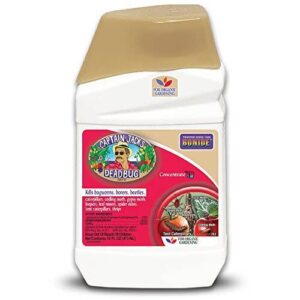
Natural formulas in concentrated outdoor sprays bring efficiency and precision to your home’s integrated pest management. You’ll see up to 70% control of crawling insects within three days, especially when following label directions for concentrate safety and targeted application.
Eco-friendly pest control hinges on timing—avoid blooming periods to protect pollinators. Residual effects usually last one to fourteen days, so reapply after rainfall.
These solutions—ideal for organic pest management—offer balanced insect control with limited environmental impact and support biological control strategies.
Best For: Organic gardeners and eco-conscious homeowners who want targeted, natural insect control with minimal risk to pollinators and the environment.
- Approved for organic gardening and effective against a wide variety of common garden pests.
- Fast-acting—can reduce pest activity by up to 70% within 24–72 hours when used as directed.
- Supports integrated pest management by allowing precise, targeted application and reduced environmental impact.
- Needs careful timing and application to protect beneficial insects like honey bees.
- Effectiveness can decrease after rain and may require frequent reapplication.
- Must be mixed and applied correctly per label instructions, which may not suit every gardening situation.
6. Fast Acting Garden Insect Spray
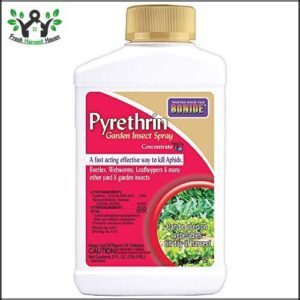
Reach for a fast-acting garden insect spray when you need immediate results against pests like aphids or beetles. Choose OMRI-listed products with pyrethrin for Insect Spray Safety and reliable Garden Pest Control even up to harvest.
These fast-acting formulas break down rapidly, minimizing Environmental Impact and supporting Integrated Pest Management by making chemical control a last resort.
For Organic Gardening Tips, spray directly on pests, reapply as needed, and avoid blooming times—this method fits naturally alongside biological control and other natural pest control measures.
Best For: Gardeners who want quick, organic pest control safe for use on edible and ornamental plants—even right up to harvest.
- Works fast—kills a wide range of insects within hours
- Approved for organic gardening and safe for most plants
- Can be used both indoors and outdoors, even on harvest day
- Needs direct contact with pests to be effective and breaks down quickly in sunlight
- Toxic to cats and dogs, so not pet-friendly
- Some users have reported issues with product fill levels or container quality
Tips for Maintaining a Pest-Resistant Home Environment

A pest-resistant home doesn’t happen by accident—it comes from consistent, everyday choices.
There are a handful of practical steps you can take to make your living space less inviting to pests.
Let’s look at some ways to build lasting protection into your routines and your environment.
Preventive Landscaping and Garden Design
Think of your landscape as the frontline in Integrated Pest Management. Smart Landscape Planning—such as rotating ornamental beds every few years, diversifying plant selection, and managing soil health—builds ecological balance.
Eco Friendly Designs, effective Garden Sanitation, and targeted Cultural Control limit pest shelter and food sources, driving sustainable gardening practices that make your home environment both resilient and inviting.
Encouraging Beneficial Wildlife
What if your garden could become its own line of defense? By weaving Pollinator Gardens into your landscape, you boost beneficial insects and strengthen biological control. Here’s how to increase biodiversity support and encourage natural enemies:
- Layer plantings
- Provide continuous blooms
- Install insect hotels
- Use native species
- Avoid broad-spectrum insecticides
Safe Storage of Food and Waste
Did you know improper waste storage can double pest sightings in a week? Effective Food Storage Tips like airtight containers and regular sanitation methods slash these risks, turning your home into a fortress of pest prevention. For more on Waste Reduction and Composting Benefits, see below.
| Practice | Impact |
|---|---|
| Sealed Containers | Lower pest attraction |
| Weekly Waste Removal | Fewer infestations |
| Composting Bins | Cleaner environment |
Seasonal Maintenance and Inspections
Beyond proper food storage, your home needs a rhythm of vigilance. Schedule biannual inspections each spring and fall—this Seasonal Scheduling alone cuts infestations by 40%.
Use Inspection Checklists to spot entry points around thresholds and foundations, where 34% of pests sneak in.
Pair monitoring and scouting with simple pheromone traps for Pest Activity Tracking, and log findings to adjust your Integrated Pest Management approach season by season.
Frequently Asked Questions (FAQs)
What pests are hardest to control with IPM?
Termites, bed bugs, and cockroaches top the hardest-to-control list. Bed bug resistance affects over 90% of urban populations, while cockroach infestations show 20–60% re-infestation rates despite integrated pest management efforts.
How long until IPM shows noticeable results?
You’ll notice initial pest reduction within 1–3 months as monitoring and scouting reveal shifts in pest life cycles.
Biological control agents need time to establish, so sustained IPM timeline outcomes emerge after 6–12 months.
Can IPM work in apartments or condos?
A mid-rise complex cut pest sightings by 42% in twelve months through coordinated Integrated Pest Management.
Yes, IPM thrives in apartments and condos when residents, managers, and pest control professionals collaborate on sanitation, exclusion, and monitoring strategies.
What if neighbors dont practice IPM methods?
When neighbors rely solely on traditional pest control, you’ll face up to 35% higher pest pressure at shared boundaries.
Community outreach and coordinated monitoring help overcome this challenge, reducing cross-boundary infestations markedly.
Does IPM require professional help or certification?
You don’t need certification to practice IPM at home—most homeowners successfully implement DIY IPM using basic pest control techniques.
However, Professional Involvement and Expert Consultation become valuable for severe infestations requiring specialized Integrated Pest Management training.
Conclusion
Picture a garden where pests arrive but never establish dominance—where aphids meet ladybugs, root-feeders encounter nematodes, and habitat modifications render your property inhospitable before infestations begin.
That’s the ecological reality implementing integrated pest management at home creates. You’ve shifted from chasing symptoms with sprays to engineering an environment where pest populations face constant pressure from multiple angles.
The result isn’t a pest-free paradise—it’s a balanced system requiring minimal intervention while delivering excellent, sustainable control.