This site is supported by our readers. We may earn a commission, at no cost to you, if you purchase through links.
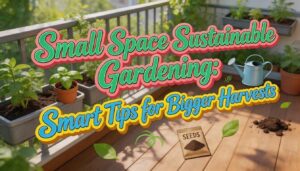
A small balcony can outproduce a big backyard when you treat it like a map, not an afterthought. One corner bakes in afternoon heat, another stays cool enough for lettuce, and that narrow railing can hold a row of herbs if the brackets fit.
That shift in perspective is what makes small space sustainable gardening work. You stop fighting the limits and start using them.
With smart containers, compost-rich soil, careful watering, and crops matched to each pocket of sun and shade, even a windowsill can turn into a steady harvest that wastes less and gives more through the seasons.
Table Of Contents
- Key Takeaways
- Plan Your Small Space Garden
- Choose Space-Saving Growing Systems
- Build Healthy Soil Sustainably
- Save Water and Reduce Inputs
- Maximize Harvests Year-Round
- Frequently Asked Questions (FAQs)
- How do I test my soils nutrient levels?
- Which crops provide the highest yield per container?
- Can I grow perennials in small urban spaces?
- How do I winterize containers to prevent cracking?
- What lighting is best for indoor vegetable gardens?
- How do I winterize my small space garden?
- Can I grow fruit trees in containers?
- What tools are essential for balcony gardening?
- How do I troubleshoot yellowing leaves quickly?
- Which plants thrive in partial shade conditions?
- Conclusion
Key Takeaways
- Treat your small space like a map by tracking sun, shade, airflow, weight limits, drainage, and access, so each plant goes in the spot where it will grow best.
- Use space-saving systems like vertical planters, trellises, tiered stands, rail planters, and modular containers to turn walls, railings, and corners into productive growing areas.
- Build a low-waste garden with durable containers, compost-rich potting mix, good drainage, mulch, reused household planters, and small-scale composting to keep soil healthy.
- Maximize harvests by grouping plants by water needs, using drip or self-watering systems, choosing compact high-yield crops, planting in succession, rotating crops, and adding pollinator-friendly plants or indoor lights for year-round growth.
Plan Your Small Space Garden
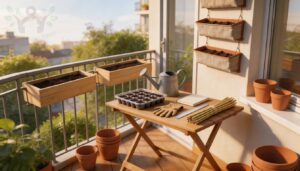
Before you start planting, it’s important to know what space you’re working with. Every balcony, patio, window, and wall offers its own possibilities.
A quick look at these spring garden renewal tips for small spaces can help you spot easy opportunities.
Here’s what you need to check as you plan your small space garden.
Assess Balconies, Patios, Windowsills, and Walls
small space garden means sizing up every nook—balconies, patios, windowsills, and walls.
Check Rail Safety Clearance and Window Sill Depth for container fit. Think Wall Anchor Strategies for vertical gardening techniques.
Use Patio Windshield Solutions to block wind. Balcony Code Compliance matters, so corner spaces and modular containers boost growing area.
Explore balcony garden ideas and windowsill herb gardens for inspiration.
Measure Sunlight, Shade, and Airflow Patterns
Once you’ve sized up your space, Sunlight Mapping and Shade Tracking come next. Use a Lux Meter or smartphone app to gauge sunlight patterns. For Airflow Monitoring, an anemometer helps spot stagnant corners.
Here’s your checklist:
- Mark sunny windowsills for heat lovers
- Record partial sun and low light zones
- Note breezy spots for mold prevention
Use Microclimates to Place Plants Strategically
Once you’ve mapped sunlight and airflow, microclimate utilization in small yards unlocks bigger yields. Place peppers in Heat Pocket Placement zones, tuck leafy greens in Cool Shade Zones, and use Windbreak Positioning for seedlings.
Elevated Warm Spots boost early growth, while Moisture Retention Zones keep soil quality high. Sustainable gardening thrives when you weave sunlight patterns and small space design into every plant choice.
| Microclimate Zone | Emotional Benefit |
|---|---|
| Heat Pocket Placement | Early fruit, excitement |
| Cool Shade Zones | Calm, lush foliage |
| Windbreak Positioning | Security, resilience |
| Moisture Retention | Abundance, confidence |
Check Weight, Drainage, and Renter-friendly Limits
Now, before you fill those microclimate zones, check your balcony’s Load Capacity and stick to Lightweight Materials like resin pots or portable planter options. Modular planters and upcycled container ideas keep things flexible.
Always use drainage holes and a Drainage Tray to manage Water Runoff. Follow Renter Guidelines—freestanding planters and removable trellises prevent damage and keep your space safe.
Map Access for Watering, Pruning, and Harvesting
When you weave Water Access Zones and Pruning Path Layout into your plan, you simplify every task. Place tool stations close to beds, map Harvest Routes to avoid shaded spots, and use corner utilization strategies for efficient movement. Seasonal Access Zones help with rainwater harvesting and drip irrigation, while clear paths support leaf pruning and continuous harvest techniques, maximizing both yield and ease.
Implementing optimized water distribution ensures each zone receives the right amount of moisture.
Choose Space-Saving Growing Systems
Space is tight, but you have more options than you think. With the right growing systems, you can turn any nook or ledge into a productive garden.
To keep small-space beds thriving, these organic vegetable gardening mulch tips can help lock in moisture and stop weeds.
Even the smallest nook can become a productive garden with the right growing system
Here are some smart ways to make the most of every inch.
Vertical Planters for Walls and Fences
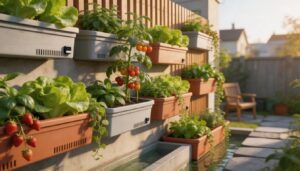
Ever wonder how a bare wall can become a lush harvest zone?
Vertical planters and living wall systems transform fences into productive, aesthetic design features.
With weather protection, smart sensors, and modular panels, you enhance light and space while making seasonal maintenance simple.
Sustainable gardening techniques turn every vertical inch into a bounty.
Consider planters with integrated drainage channels to avoid water buildup.
- Wall planters hold strong roots
- Modular panels snap together
- Weather-resistant materials last
- Built-in reservoirs reduce watering
- Light optimization boosts growth
Trellises for Beans, Peas, and Cucumbers
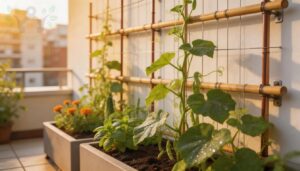
If you want to grow more in less space, trellis structures are essential. Choose rust-resistant metal or bamboo for Material Selection, then anchor with stakes or wall brackets for stability.
Use 6–8 inch Wire Spacing for beans and peas, or wider for cucumbers. Training Methods like vertical wrap keep vines climbing. Seasonal Adjustments and companion planting strategies boost Sustainable Small Space Gardening.
Tiered Stands for Multi-level Planting
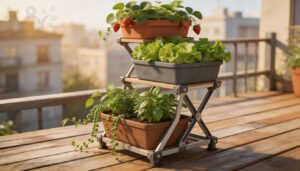
Imagine squeezing a lush garden into a single square foot—tiered plant stands make it possible. With stackable containers and stability hubs, these MultiLevel Container Arrangements offer Material Durability and Wind Resistance for balconies or patios.
Adjustable Height and Interlocking Design let you tailor Vertical Gardening Techniques for Small Areas, while smart Container Gardening Strategies for Limited Space keep your harvests steady and your setup secure.
Rail Planters and Hanging Baskets
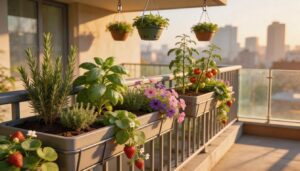
Rail planters and hanging baskets transform railings into productive gardens, anchoring securely without drilling. Adjust height and color coordination for seasonal plant choices—think trailing petunias or upright herbs.
Built-in drainage and windbreak solutions keep roots healthy, while quick-release hangers simplify cleaning routines.
small space design essentials boost container gardening and sustainable gardening techniques, letting you harvest beauty and bounty above ground.
Modular Containers for Flexible Layouts
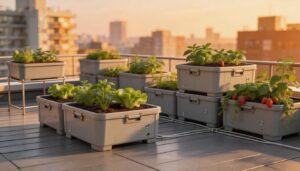
Bold move: use Modular Planters and Portable Garden Solutions with Interlocking Frame Design for smarter Container Gardening. Quick-Release Partitions reshape layouts fast, while Adjustable Drainage Ports and Modular Irrigation Integration keep roots balanced.
Weight Capacity Optimization matters when Multi-Level Container Arrangements and Tiered Stands stack higher. In tight Small Space Design, this flexibility promotes Sustainable Urban Gardening Practices all season.
Compact Raised Beds for Tiny Outdoor Areas
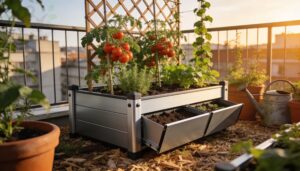
Next, choose raised beds for balconies:
- Aluminum Frame Construction stays light.
- Powder Coated Finish lasts 5–7 seasons.
- Self Supporting Posts fit corners well.
- Foldable Side Panels deepen beds for roots.
- Removable Soil Inserts simplify resets fast.
Pair raised beds and lattice structures for small gardens, with compact plant varieties for small space ecofriendly garden design and sustainable urban gardening practices.
Build Healthy Soil Sustainably
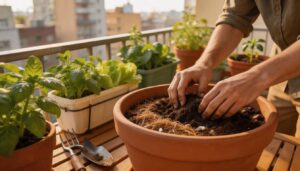
Good soil makes a small garden easier to manage and more productive. In a tight space, the materials you choose matter just as much as the plants you grow.
Here’s how to set up containers and soil in a way that keeps your garden healthy, efficient, and easy to maintain.
Select Durable, Eco-friendly Containers
Choose containers that last and tread lightly on the planet. Stainless Steel stands up to weather, while Bamboo Composite and Recycled Plastic pots cut waste.
UV Fiberglass and Hollow Core designs offer sturdy, lightweight options for balconies. Reclaimed wood, bamboo stakes, and biodegradable containers fit creative layouts.
Lightweight resin pots and natural materials help you reconfigure your garden as your needs evolve.
Use Compost-rich Potting Mixes
Once you’ve picked eco-friendly containers, fill them with a compost-rich potting mix. Organic compost delivers steady Nutrient Release Timing and a Microbial Activity Boost for roots.
Blend two parts compost with one part airy amendment—this Compost Mix Ratio optimizes Moisture Retention. Organic waste composting and pH Adjustment Strategies keep Soil Health and Composting on track, making organic fertilizer easy and sustainable.
Improve Drainage With Proper Container Design
After prepping your compost-rich potting mix, pay attention to soil drainage. Drainage Hole Placement matters—space 3 to 5 holes evenly across the base, each ¼ to ½ inch wide.
Layered Bottom Materials like gravel and fabric boost soil aeration. Porous Container Materials, Wicking Reservoir Systems, and Elevated Pot Stands all keep roots healthy, making container gardening techniques work even in tight spaces.
Mulch to Reduce Evaporation and Soil Stress
When you layer organic mulch two to four inches deep, you block evaporation and lock in soil moisture, even in a small space. Mulch depth stabilizes root temperature and reduces water stress.
Straw, shredded bark, or composted leaves are top mulch materials for sustainable gardening.
For mulch maintenance, replenish yearly—organic mulches break down, boosting water conservation and soil health over time.
Reuse Household Materials for DIY Planters
Why buy new when your kitchen holds gold?
Canned Herb Planters, Bottle Garden Upcycling, and Sink Basin Planters turn recycled or natural materials into smart, budget-friendly DIY garden projects. Fabric Sack Pots breathe life into roots, while Crate Stack Gardens build vertical harvests.
These EcoConscious Gardening Techniques let you craft DIY planters and recycled container ideas for a truly sustainable space.
Compost Kitchen Scraps for Small Gardens
Because every peel can pull its weight, use a small compost bin to recycle organic waste fast. Bokashi Fermentation and Vermicomposting Bins fit tight spaces, while Green-Brown Balance and Compost Moisture Control keep odors down.
- Coffee grounds, peels
- Eggshell Calcium Boost
- A worm farm powers vermicomposting, one of the smartest composting systems for balcony growers in cramped city garden corners.
Save Water and Reduce Inputs
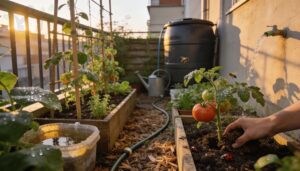
A small garden can be surprisingly productive when you use water wisely and keep extra inputs low. A few simple choices can make daily care easier, cheaper, and more sustainable.
Here are the key strategies to help you do more with less.
Group Plants by Similar Water Needs
Smart gardens sip, not guzzle.
Use Hydrozoning to create Moisture Retention Zones with Leaf Size Matching, Root Depth Pairing, and Drought Tolerant Grouping. Place thirsty, large-leaf, shallow-rooted crops in cooler spots, and waxy or deep-rooted plants elsewhere.
Seasonal Water Scheduling strengthens Water Efficient Gardening Practices and Water conservation strategies for gardens, making Rainwater harvesting and Drip irrigation systems easier later.
Install Drip Irrigation or Self-watering Pots
Watering shouldn’t run your life. Use SelfWatering and Automated Irrigation Systems to stretch every drop:
- Emitter Placement Strategies, Backflow Prevention Setup.
- Tubing Routing Techniques for a compact drip irrigation system.
- Timer Programming Basics for early runs and better water conservation strategies for gardens.
- Reservoir Sizing Tips for selfwatering tower systems, not rainwater harvesting. Medium pots need 2 to 5 liters.
Harvest Rainwater Where Space Allows
Think of rain as irrigation. Compact rain barrels, Wall-mounted tanks, Portable rain bags, and Underground micro tanks make Rainwater Harvesting in Home Gardens fit into corners.
Add First flush diverters for cleaner storage, then connect a spigot or gravity line.
That promotes rainwater harvesting and sustainable water use, WaterEfficient Gardening Practices, Small space ecofriendly garden design, and Sustainable urban gardening practices.
Water at The Right Time of Day
Pair rainwater harvesting with timing, and your plants waste less. Morning Watering Benefits include Evaporation Reduction, drier leaves, and roots for tomatoes, herbs, and Leafy Greens Timing.
Evening Irrigation Effects can help after heat, but keep it brief.
Follow Succulent Watering Timing, use hydrozoning, and let Rainwater Harvesting in Home Gardens support WaterEfficient Gardening Practices and Microclimate utilization in small yards.
Prevent Pests With Companion Planting
Morning watering sets the rhythm, then companion planting does the guarding in small space landscape design:
- Basil by tomatoes builds Aromatic Herb Barriers.
- Nasturtiums work as Trap Crop Flowers near cucumbers.
- Calendula acts as Beneficial Insect Attractors in container gardening.
- Seasonal Companion Rotation strengthens Intercropping Pest Control, Companion Planting for Space Efficiency, sustainable gardening techniques, and organic pest control beautifully.
Use Organic, Chemical-free Pest Control Methods
Once companion plants set the stage, organic pest management gets sharper with Beneficial Insects, neem oil sprays, and insecticidal soap. Neem Oil Sprays and Essential Oil Repellents help, but chemical-free pest control methods work best when beneficial insects, clean soil, and leaf removal stay routine every week.
Add Physical Barriers like fine mesh, plus DIY Traps for whiteflies and gnats.
Maximize Harvests Year-Round
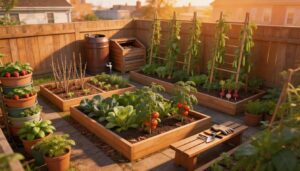
A small garden can keep producing longer than most people expect if you plan for it.
The next tips will show you how to stretch harvests across seasons without needing more room. Think of this as your simple game plan for keeping fresh food coming.
Choose Compact, High-yield Plant Varieties
Want bigger harvests from a sliver of space? Choose compact plant varieties for tiny gardens: Dwarf Tomato produces fruit in 55 to 65 days, Petite Pepper stays tidy in pots, Bush Bean and Mini Cucumber produce quickly, and Fast Radish matures quickly.
Add dwarf fruit trees, miniature vegetable cultivars, compact fruit bushes, and space-efficient planting for steady, manageable yields all season.
Mix Herbs, Vegetables, and Flowers
Because small balcony gardening works best in layers, try these herb garden ideas:
- Flavor Boost Pairings: basil with tomatoes.
- Aromatic Herb Layers on a vegetable tower.
- Colorful Edible Borders with calendula.
- Seasonal Flower Rotations using marigolds and alyssum.
- Edible Flower Garnishes plus pollinator-friendly plants, using companion planting strategies with dill, chives, and nasturtiums for healthier, steadier harvests.
Practice Succession Planting in Containers
Although space feels tight, succession planting strategies keep container gardening productive through Staggered Sowing and smart Succession Timing. Use a Fast Grow Cycle: sow radishes every 2 to 3 weeks, tuck lettuce between herbs, and plan Harvest Overlap so one crop follows another.
Microgreen Succession and succession sowing shine in small balcony gardening, especially with simple seasonal rotation strategies year‑round.
Rotate Crops to Protect Soil Health
Because containers tire fast, crop rotation keeps soil health between harvests.
Use Legume Rotation after heavy feeders, add Cover Crops when pots rest, and build Root Depth Diversity across seasonal rotation strategies.
This improves Nutrient Cycling, creates Pest Breaks, and strengthens succession planting strategies.
Pair Organic soil management and composting with crop rotation, so roots thrive and soil keeps giving.
Add Pollinator-friendly Plants for Better Yields
In your small space design, plant pollinator-friendly plants as a Seasonal Bloom Mix, using Native Flower Strips, Nectar-Rich Borders, and Groundcover Flower Beds. Add native wildflowers, basil, thyme, calendula, and borage to create Pollinator Habitat Zones and lasting pollinator habitats.
This promotes sustainable living, boosts visits through the season, and improves fruit set in tight gardens.
Grow Indoors With Windowsills or LED Lights
Think indoors can’t grow dinner?
In smart small space design, windowsill and window box herb gardens, a Microgreen Tray Setup, and indoor microgarden systems thrive with LED grow light setups.
Use LED lighting for indoor plants with LED Spectrum Tuning, Light Duration Scheduling, and PPFD Optimization, then add Reflective Backdrops to keep greens, basil, and lettuce compact and productive year‑round.
Frequently Asked Questions (FAQs)
How do I test my soils nutrient levels?
Use Composite Sampling: collect soil from several spots, air-dry it, then test with Nutrient Kit, pH Indicators, Color Chart.
Results guide Amendments Application, Organic soil management and composting, improving soil carbon buildup and soil microbiome.
Which crops provide the highest yield per container?
A kinder truth: Cherry tomato yields and Potato bag yields usually top in container gardening;
Leafy green yields, Bush bean yields, and Patio cucumber yields stay strong too, especially with compact plant varieties for tiny gardens.
Can I grow perennials in small urban spaces?
Yes—perennials thrive with Perennial Container Size, Root Pruning Techniques, and Winterizing Perennials.
Choose Evergreen Perennial Options for small space urban gardening, container gardening, vertical gardening, Edible Perennial Harvest, and Sustainable Food Production in Tiny Spaces.
How do I winterize containers to prevent cracking?
Prevent cracking with Frost-Resistant Planters, Elevated Placement, Protective Liners, Sealant Coatings, and Insulative Wrapping for temperature regulation and moisture control in container gardening.
Sustainable materials support seasonal maintenance and harvesting tips for apartment gardens, winter.
What lighting is best for indoor vegetable gardens?
Picture lettuce basking under LED garden lighting: full-spectrum panels with blue for leafy growth and red for fruiting.
Favor Spectrum balance, Intensity control, Light placement 12–24 inches high, Energy efficiency, Photoperiod scheduling, and light exposure.
How do I winterize my small space garden?
Use Insulation Techniques, Cold Frame Construction, Row Covers, Windbreak Installation, and Temperature Monitoring.
Add mini greenhouses, follow a seasonal planting schedule, practice microclimate management, and use LED grow light setups, hydroponic systems for small apartments.
Can I grow fruit trees in containers?
Like bonsai with a harvest, dwarf fruit trees thrive in container gardening with Pot Size Selection, Root Pruning Techniques, Nutrient Management, Pollination Strategies, and Seasonal Frost Protection, making balcony garden ideas work in small spaces.
What tools are essential for balcony gardening?
Start with a Hand Trowel, Garden Shears, Moisture Meter, Spray Bottle, Plant Labels, self-watering containers, LED Lighting and Indoor MicroGarden Setups, raised beds for balconies, Modular Planters and Portable Garden Solutions, plus a wall-mounted planter.
How do I troubleshoot yellowing leaves quickly?
Yellowing leaves, your garden’s check-engine light: Watering Frequency Check, Light Exposure Adjustment, Nutrient Deficiency Diagnosis, Pest Inspection Routine, Soil pH Testing, Plant nutrients, Organic fertilizers, LED lighting for indoor plants, Integrated pest management, Soil preparation.
Which plants thrive in partial shade conditions?
Choose Leafy Greens, Cool-season Veggies, and Partial Shade Crops such as lettuce, spinach, peas, parsley, and mint.
Shade Flowers and Dappled Light Plants thrive in microclimates, making herb garden planning and windowsill herb gardens easier.
Conclusion
Imagine transforming your tiny balcony into a thriving oasis, where fresh herbs and veggies flourish.
For example, Sarah, a city dweller, turned her 4×4 foot balcony into a productive garden using vertical planters, compost-rich soil, and smart watering. She now harvests lettuce, tomatoes, and basil daily.
By embracing small space sustainable gardening, you can enjoy a bountiful harvest, reduce waste, and connect with nature, even in the smallest urban spaces every day.