This site is supported by our readers. We may earn a commission, at no cost to you, if you purchase through links.
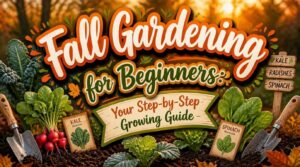
Most gardeners pack up when summer heat fades—and miss the best growing window of the year. Fall crops like spinach, kale, and radishes don’t just tolerate cool temperatures; they thrive in them, producing sweeter, more tender harvests than anything you’d grow in July.
The catch? Timing everything correctly before your first frost date. Fall gardening for beginners gets a bad reputation for complexity, but the truth is simpler than it looks: cooler air means fewer weeds, fewer pests, and soil that actually holds moisture.
Get your planting calendar right, prepare your beds properly, and autumn becomes your most productive season yet.
Table Of Contents
- Key Takeaways
- Why Start a Fall Garden?
- Find Your First Frost Date
- Choose Beginner Fall Crops
- Prepare Beds After Summer
- Plant Seeds and Transplants Correctly
- Protect Seedlings From Fall Stress
- Harvest Fall Crops Regularly
- Clean Up Before Winter
- Frequently Asked Questions (FAQs)
- What should I plant in my garden in the fall?
- What are fall gardening lessons?
- Is fall gardening good for beginners?
- Why is fall a good time to start a garden?
- How do I start fall gardening?
- What can I plant in the fall?
- Is fall a good time to plant a garden?
- What is the easiest plant to grow in the fall?
- What should you not plant in the fall?
- When should you start a fall garden?
- Conclusion
Key Takeaways
- Counting backward from your first frost date — plus a one-to-two-week buffer for cool-weather slowdown — is the single most important timing move in fall gardening.
- Cool temperatures don’t just slow pests and weeds; they actually trigger plants like kale, spinach, and carrots to convert starches into sugars, making fall harvests noticeably sweeter than summer ones.
- Quick wins like radishes (ready in under 30 days) and cut-and-come-again greens reward beginners fast, while succession sowing every 10–14 days keeps harvests rolling instead of landing all at once.
- Closing the garden right — removing diseased debris, planting cover crops, and dropping garlic cloves in the ground — sets your soil up to outperform next season before winter even arrives.
Why Start a Fall Garden?
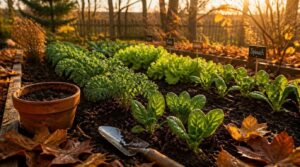
Most gardeners pack it in when summer fades — but that’s actually when things get interesting. Fall growing conditions suit beginners better than any other season, and the rewards are real. Here’s why it’s worth picking up a trowel before the first frost hits.
If you’re not sure where to start, this fall planting guide for beginners walks you through exactly what to grow and when to get it in the ground.
Beginner-friendly Growing Conditions
Fall is genuinely one of the best seasons to start gardening. Daytime temps between 60–70°F keep plants calm and steady — no wilting, no scorching.
Cool-season greens like kale and spinach thrive with just 4–6 hours of morning sun. Well-drained, loamy soil with a pH of 6.0–7.0 does most of the heavy lifting for you. Adding nitrogen is necessary for healthy leafy green growth.
Fewer Weeds and Pests
Beyond the ideal growing temps, fall brings another quiet win: far fewer weeds and pests to fight.
- Thick organic mulch blocks sunlight, cutting weed growth by up to 70 percent
- Crop rotation disrupts pest cycles and reduces soil-borne disease pressure
- Dense planting crowds out weeds by leaving less bare soil exposed
- Row covers physically block moths and flea beetles from leafy greens
- Beneficial insect habitat like flowering cover crops invites natural predators that manage aphids
Sweeter Cool-season Harvests
There’s one perk of cool-season crops that genuinely surprises most beginners: frost makes food sweeter.
When temperatures drop, plants convert their stored starches into sugars — a survival response that works entirely in your favor. Kale, carrots, spinach, and radishes all taste noticeably better after a light frost. Your fall garden doesn’t just survive the cold. It thrives because of it.
Frost doesn’t just spare your fall garden — it sweetens it
Extended Garden Productivity
Your garden doesn’t have to go quiet when summer ends. With a solid planting calendar and a few cold-hardy vegetables, you can stretch harvests well into fall — and sometimes beyond. Low tunnels and cold frames can buy you 6–8 extra weeks of growing time, turning an idle bed into a productive one.
- Succession planting every 10–14 days keeps greens coming continuously.
- Drip irrigation delivers water efficiently as temperatures cool.
- Cover crops fix nitrogen and protect soil health over winter.
- Mulch layering regulates soil temperature and locks in moisture.
Find Your First Frost Date
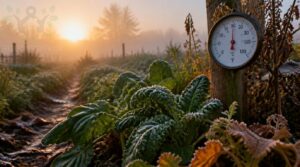
Your first frost date is the single most important number in fall gardening. Everything — what you plant, when you sow, how much buffer you build in — hinges on it. Here’s how to find yours and use it right.
Use Your ZIP Code
Your ZIP code is the fastest starting point for fall gardening success. Plug it into a Frost Dates Calculator or the Almanac’s ZIP Frost Calendar, and you’ll instantly see your first expected frost date. That single number drives your entire planting calendar — from what to sow to when to sow it.
Check Local Frost Averages
A ZIP code gives you a starting point — but local frost averages sharpen that number into something you can actually trust. Cross-check your first expected frost date against Regional Frost Data from your national weather service or Digital Frost Maps online.
Microclimate Frost Risk matters too — elevation, nearby water, and open fields all shift your real frost date by days or even weeks.
Count Backward From Frost
Here’s where your planting schedule clicks into place. Once you have your first expected frost date locked in, subtract each crop’s days to maturity directly from it. That single calculation tells you the last safe day to sow:
- Spinach and lettuce — 40–50 days
- Kale and chard — 45–60 days
- Radishes — about 21 days
- Broccoli transplants — 50–70 days
Add The Fall Factor
Most gardeners forget one thing: cool weather slows everything down. That’s the Fall Growth Buffer — a one-to-two-week cushion you add to every maturity date before counting back from frost. Think of it as your Seasonal Timing Adjustment for real-world conditions.
Timing your planting right also means staying on top of weeds — these home garden maintenance tips can help you tackle both annuals and stubborn perennials before cold weather sets in.
| Crop | Days to Maturity | Add Fall Factor |
|---|---|---|
| Spinach | 40–50 days | +14 days |
| Radishes | 21 days | +7–10 days |
| Broccoli | 50–70 days | +14 days |
This Planting Window Extension protects your harvest from the Cool Weather Slowdown that catches beginners off guard.
Plan 10–14 Day Successions
Here’s the simplest move in fall gardening: don’t sow everything at once. Instead, direct sow quick crops like lettuce and radishes every 10–14 days. Stagger slower brassica transplants a few days apart.
This succession timing keeps harvests rolling instead of hitting all at once — and if one cycle meets an early frost, the next one’s already coming up behind it.
Choose Beginner Fall Crops
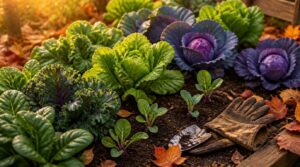
Fall is forgiving — and that’s exactly what makes it a great time to start growing food. A handful of crops actually thrive when temperatures dip, and they’re easier to manage than anything you’d grow in summer. Here are the best picks for your first fall garden.
Spinach, Kale, and Chard
Three leafy greens deserve a spot in every beginner’s fall garden: spinach, kale, and Swiss chard.
- Spinach thrives in 50–70°F temperatures and yields baby leaves in just 30–45 days
- Kale actually sweetens after a light frost, making fall its best season
- Swiss chard tolerates heat better than the other two, bridging summer into fall
- All three are low-calorie and fiber-rich, supporting digestion
- Pair any of them with lemon juice to boost iron absorption
Lettuce and Asian Greens
Spinach and kale are great — but don’t overlook lettuce and Asian greens.
Looseleaf lettuce germinates best when soil sits between 60 and 65°F, making fall nearly perfect. A light frost actually sweetens fall lettuce — patience pays off.
Mizuna brings a peppery, serrated leaf that works in salads or stir-fries. Space bok choy and napa cabbage 12 to 18 inches apart for airflow.
Radishes and Turnips
Want a confidence boost? Plant radishes first. They germinate in three to seven days and hit your plate in under a month. Turnips take longer — 40 to 60 days — but their greens are edible too, packed with vitamins A and K.
Both store refrigerated for one to two weeks. Watch for flea beetles on radishes and keep soil draining well to avoid root rot in turnips.
Broccoli and Kohlrabi
If radishes are the sprinters of fall gardening, broccoli and kohlrabi are the steady middle-distance runners — worth the wait. Start both 4 to 6 weeks before frost.
Broccoli thrives at 60–70°F and delivers vitamin C and sulforaphane. Kohlrabi’s 2-to-4-inch bulb forms fast and offers fiber and calcium. Both love pH 6.0–6.8 soil.
Garlic for Next Season
Now, garlic is in a category of its own. You’re not planting it to harvest this fall — you’re investing in next season. Push each clove 2 to 3 inches deep, pointed end up, spaced 4 to 6 inches apart. Choose a hardneck variety like Chesnok Red for cold climates. Mulch well and let winter do the work.
Prepare Beds After Summer
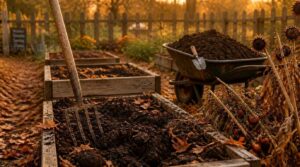
Summer crops take a lot out of your soil — and your beds need a reset before fall planting begins. A little prep work now makes a real difference in how your cool-season crops grow. Here’s what to do to get your garden ready.
Remove Finished Summer Crops
Think of your garden beds as a slate that needs wiping clean. Remove tomato vines and cucumber plants at soil level — cutting rather than pulling keeps root systems intact, adding organic matter as they break down.
Clear trellises of finished crops and dispose of diseased material in yard waste, not your compost pile. That one step alone helps prevent pest overwintering and stops pathogens from spreading.
Pull Weeds Before Seeding
Weeds don’t wait — and neither should you. Pull weeds one to two weeks before sowing to give your fall crops a clean start.
Target the roots, not just the tops. Annual weeds like crabgrass regrow fast if you leave them behind. Use a hand cultivator to loosen soil gently, keeping disturbance minimal so buried weed seeds stay buried.
Add Compost or Manure
Think of compost as a reset button for tired summer soil. Spread a 2–3 inch layer across your beds and work it in — it boosts water retention by up to 20% and feeds a thriving community of beneficial microbes.
Well-aged manure works just as well, releasing nitrogen, phosphorus, and potassium slowly so your fall crops can actually use them.
Loosen Soil Deeply
Compacted soil is the silent enemy of fall gardening. After a full summer of foot traffic and heavy crops, beds turn dense and unforgiving. Loosen soil deeply — aim for 12 to 18 inches — so young roots can reach moisture and nutrients far below the surface.
A broadfork is your best friend here. It penetrates deep without flipping the soil upside down, which protects beneficial microbial communities living in established layers. In heavy clay, work slowly and avoid loosening when the ground is waterlogged — that’s a recipe for compaction, not a cure.
Test and Adjust PH
Most vegetables quietly struggle when pH is off — not because of pests or drought, but because nutrients lock out at the wrong acidity level.
Test soil pH before planting anything. Collect samples from four to six spots, mix them, and aim for a reading between 6.2 and 6.8. That range keeps iron, manganese, and other essentials available to your fall crops.
Plant Seeds and Transplants Correctly
Getting seeds and transplants in the ground the right way makes all the difference in a fall garden. Timing, spacing, and technique matter more than most beginners expect. Here’s exactly how to handle each type of crop.
Direct Sow Quick Crops
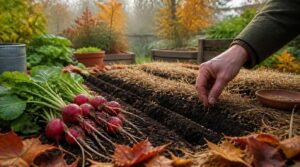
Some cold-hardy vegetables practically plant themselves — and radishes are the proof. Direct sowing is your fastest route to a fall harvest. Keep these basics in mind:
- Soil temperature should sit between 40–75°F for reliable seed germination
- Sow radishes every 10–14 days for a continuous harvest window
- Mulch lightly after sowing to lock in moisture and reduce crusting
Transplant Slow Brassicas
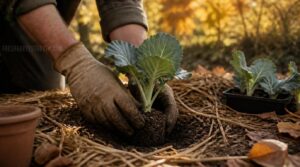
Radishes go from seed to table in weeks — broccoli and kohlrabi need a different approach.
Slow brassicas need a head start, which means transplanting seedlings, not sowing seeds directly. Before they hit your fall bed, give them 7–10 days of hardening off outdoors to reduce transplant shock. Set the root ball just below soil level, then mulch well to hold moisture through those unpredictable autumn days.
Space Crops for Airflow
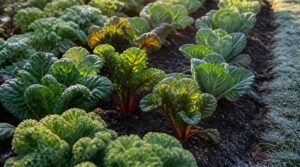
Once your transplants are settled, give them room to breathe — literally. Spacing crops properly keeps air moving through the canopy, which cuts down on moisture buildup and mold risk.
Aim for 4–6 inches between leafy greens and wider gaps for brassicas. Staggered rows create natural air channels. Crowded plants stay damp longer, and damp means disease.
Plant Garlic in Fall
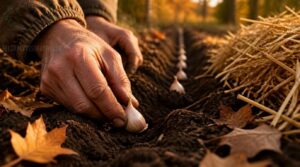
Garlic is the one crop you plant in fall and forget about until summer — and that’s what makes it so satisfying.
Plant cloves 2–3 inches deep, pointed end up, spaced 4–6 inches apart. Choose large, healthy cloves from certified seed garlic. Then layer on 4–6 inches of straw mulch to protect roots through freeze-thaw cycles.
Water After Planting
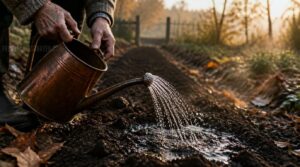
Once garlic’s in the ground, water deeply right away. Immediate soil settling is the goal — you’re collapsing air pockets around the roots. Give each planted area a slow, thorough soak until the top 6–8 inches feel consistently moist.
In cool autumn conditions, daily moisture checks for the first week or two keep things on track without overdoing it.
Protect Seedlings From Fall Stress
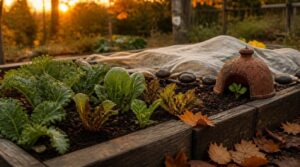
Fall seedlings are tougher than they look — but they still need a little backup when temperatures start swinging. A few simple protection strategies can mean the difference between a thriving harvest and a frost-killed bed. Here’s what to do to keep your plants growing strong through the season’s trickier moments.
Mulch With Straw or Leaves
Think of mulch as a cozy blanket for your fall garden beds. Spread 2 to 3 inches of straw or shredded leaves evenly over your soil after planting.
Straw cuts evaporation by up to 30 percent and blocks weeds. Shredded leaves add organic matter as they break down.
Keep mulch 1 to 2 inches away from stems to prevent rot.
Use Row Covers Early
Row covers are one of the best tools in a fall gardener’s kit. Install them early — right after planting — and they’ll raise soil and air temperatures by several degrees within days. That warmer microclimate accelerates germination and shields seedlings from cool nighttime dips.
They also act as a physical pest barrier, blocking cabbage worms and flea beetles before damage starts.
Shield From Surprise Frost
Surprise frosts don’t announce themselves politely. Check a min-max thermometer daily and pair it with an hourly forecast app — dew point spikes often signal frost before temperatures even drop.
If your garden has frost pockets (low-lying zones that chill faster), map them across a few seasons and protect those spots first. A cold frame or an extra layer of row cover buys you several degrees of critical warmth overnight.
Water Before Cold Nights
Moist soil holds heat better than dry soil — that’s just physics.
Before a cold night hits, water deeply at least 1–2 hours before sunset so moisture soaks 6–8 inches down. That warmth stored in the root zone gives your cold-hardy vegetables a real buffer.
If you can, use drip irrigation to keep leaves dry and cut frost damage risk.
Prevent Cabbage Worm Damage
Cabbage worms are fall gardening’s sneakiest problem — they blend right in and chew your brassicas down fast. Your best defense starts before they arrive:
- Install row covers immediately after planting
- Release parasitic wasps for egg-stage control
- Apply Bt spray when worms are small
- Plant companion dill or cilantro nearby
- Rotate brassicas each season to break pest cycles
Harvest Fall Crops Regularly
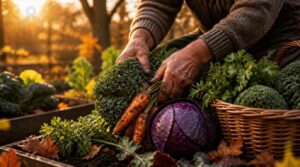
Regular harvesting isn’t just satisfying — it’s what keeps your fall garden productive. The more you pick, the more your plants push out new growth. Here’s what to focus on as your crops hit their stride.
Pick Leafy Greens Young
Don’t wait until leaves are full-grown — harvest leafy greens young for the best flavor. Pick lettuce and spinach once leaves reach 4 to 6 inches.
Always take the outer leaves first, leaving the center intact. This keeps the plant producing. Regular harvesting also reduces bolting risk, which matters most as fall days stay cool but aren’t cold yet.
Harvest Radishes Promptly
Radishes don’t give you much warning. Once they hit 1 to 2 inches in diameter — usually 25 to 30 days after sowing — pull them. Leave them longer and they turn woody, hot, and tough. Check a few every couple of days during peak harvest season.
After pulling, trim the greens, rinse, and refrigerate. They’ll stay crisp for up to two weeks.
Cut Outer Leaves First
For leafy greens like kale, chard, and lettuce, always cut outer leaves first. Leave the center crown untouched — that’s where new growth comes from.
Use sharp scissors and cut about 1 inch above the soil. Clean your blades between plants to avoid spreading disease.
Harvest every 7 to 14 days, and those inner leaves keep coming.
Watch Maturity Dates Closely
Those outer leaves told you when to harvest — your seed packet can do the same. Maturity date tracking is how you stay ahead of frost instead of racing it.
- Note days to maturity from every packet
- Count back from your first frost date
- Add one week as your fall factor buffer
- Log results in a garden diary
- Adjust your succession planting schedule each season
Enjoy Garden-to-table Meals
Tracking maturity dates puts the harvest in your hands — and the harvest puts dinner on the table. That’s the whole point.
Pull spinach young, snip kale leaves, grab a handful of radishes, and you’ve got quick weeknight dinners without a store run. Toss it together with a light vinaigrette. Done in under twenty minutes.
Clean Up Before Winter
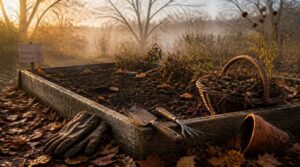
Once the last harvest is in, the garden still has a few things left to ask of you. A bit of intentional cleanup now saves you from a season’s worth of headaches come spring. Here’s what to tackle before the cold settles in for good.
Remove Diseased Plant Debris
Don’t let diseased plants linger in your beds. Remove infected debris promptly after harvest — before winter locks pathogens into the soil. Bag it, seal it, and skip the home compost pile unless it consistently hits pathogen-killing temperatures. Municipal green waste programs process material at high heat, making them your safest option.
Disinfect tools with a 10% bleach solution between plants, and sanitize your footwear before moving to clean areas.
Compost Healthy Garden Waste
Turning healthy garden waste into compost is one of the smartest moves you can make before winter sets in.
Aim for a 3:1 brown-to-green ratio — dried leaves and straw balanced with fresh clippings. Turn the pile every one to two weeks for proper aeration, keep moisture like a wrung-out sponge, and you’re on track.
Plant Cover Crops
Bare soil is basically an open invitation for erosion and weeds. Cover crops change that fast.
After cleanup, sow legumes like clover or hairy vetch — they fix atmospheric nitrogen, feeding your soil through winter decomposition. Or try cereal rye for serious biomass. Both protect against erosion and build organic matter.
Plant in early fall so roots establish before the ground freezes.
Store Tools and Hoses
Your tools worked hard this season — now return the favor. Clean, sharpen, and oil metal blades before storing them. Wipe wooden grips dry to prevent cracking. Hang everything on a pegboard or wall-mounted rack so nothing piles up on the floor.
For hoses, drain them completely, coil loosely, and store indoors. Disconnect from faucets before the first hard freeze.
Save Heirloom Seeds
Fall gardening hands you a bonus gift: heirloom seeds worth saving. Before closing the garden down, collect seeds only from disease-free, true-to-type plants that thrived in your specific conditions. Here’s what to keep straight:
- Dry seeds need fully rattling pods before harvest
- Wet seeds like tomatoes need fully ripe fruit first
- Always air dry on a screen away from direct sunlight
- Store in airtight jars with silica gel, labeled by variety and year
Frequently Asked Questions (FAQs)
What should I plant in my garden in the fall?
Like a well-stocked pantry, your fall garden can carry you far. Stick to cold-hardy vegetables — spinach, kale, radishes, and garlic are your best bets for a reliable autumn harvest.
What are fall gardening lessons?
Every season teaches you something. Fall gardening sharpens your timing, deepens your soil knowledge, and builds real confidence. Cool-season vegetables reward patience — and that’s a lesson worth growing into.
Is fall gardening good for beginners?
Yes — fall gardening is one of the best entry points for beginners. Cooler temperatures reduce plant stress, pests thin out naturally, and fast-maturing crops like radishes and spinach deliver quick, satisfying harvests.
Why is fall a good time to start a garden?
Autumn is actually one of the best-kept secrets in gardening. Warm soil temperatures, cooler air, and natural rainfall create near-perfect conditions for cool-season vegetables — without the summer chaos.
How do I start fall gardening?
Fall gardening starts with knowing your first frost date, then counting backward to set your planting window. Add a week or two for cooler, slower growth — that’s your real deadline.
What can I plant in the fall?
Plenty thrives in cool weather. Think spinach, kale, radishes, and broccoli — all cold-hardy vegetables that actually prefer autumn’s chill. Garlic goes in now too, for a harvest next summer.
Is fall a good time to plant a garden?
Absolutely. Cooler air and warm soil create ideal conditions for root development. Fewer pests and steadier moisture mean less stress on young plants — giving cool-season vegetables a real head start before winter arrives.
What is the easiest plant to grow in the fall?
If you only grow one thing this fall, make it spinach. It tolerates frost, grows fast, and keeps giving all season long.
What should you not plant in the fall?
Skip tomatoes, peppers, and eggplants — they won’t survive frost. Avoid citrus herbs, delphiniums, bare root trees, and bush beans too. Late lettuce varieties bolt fast. Stick to cool-season crops with strong frost tolerance.
When should you start a fall garden?
Think of your first frost date as a finish line — work backward from it. Calculate planting windows early, add a fall factor, and start most crops 6–10 weeks before cold arrives.
Conclusion
Think of your fall garden as a second act—quieter than summer’s loud opening number, but often the stronger, sweeter performance overall. Fall gardening for beginners isn’t about mastering every small detail; it’s about learning to trust a cooler, calmer season.
Fewer pests. Better greens. Soil that actually cooperates.
You’ve already done the real work: the timing, the bed prep, the careful planting. Now step back and let the shorter days finish what you started.
- https://extension.umn.edu/planting-and-growing-guides/planting-vegetable-garden
- https://idiggreenacres.com/blogs/articles/how-to-prepare-for-fall-vegetable-gardening-in-texas
- https://awaytogarden.com/what-to-plant-now-for-a-fall-vegetable-garden
- https://journeywithjill.net/gardening/2024/04/11/best-and-worst-crops-for-beginners
- https://www.botanicgardens.org.au/discover-and-learn/gardening-home/gardening-tips/best-vegetables-grow-beginners