
This site is supported by our readers. We may earn a commission, at no cost to you, if you purchase through links.

A perfectly cooked piece of fish can fall flat without the right sauce. That’s where herbs earn their place—fresh parsley brightens a buttery pan sauce, dill softens the richness of salmon, and chimichurri turns a simple fillet into something worth talking about.
The sauce isn’t an afterthought. It’s the difference between a meal you forget and one you make again.
These flavorful herb sauces for fish range from a silky tarragon butter to a punchy cilantro-lime blend, and most come together in under ten minutes with ingredients already in your kitchen.
Table Of Contents
- Key Takeaways
- 10 Herb Sauces for Fish
- Best Herbs for Fish Sauces
- How to Make Herb Sauces
- Top 5 Sauce Ingredients
- Frequently Asked Questions (FAQs)
- What herbs taste good on fish?
- What kind of sauces go well with fish?
- How to make herb sauce for fish?
- What are good sauces to put on fish?
- What is Bobby Flay’s favorite sauce for fish?
- What are some good sauces for fish?
- What are the classic herb sauces?
- What herb pairs best with fish white sauce?
- What makes a good fish sauce?
- Is fish sauce a probiotic?
- Conclusion
Key Takeaways
- right herb sauce — whether a silky tarragon butter, punchy chimichurri, or creamy dill — can completely transform a plain fillet into a meal worth repeating.
- Most herb sauces come together in under ten minutes using just three core elements: fresh herbs, a fat base (butter, olive oil, or yogurt), and lemon juice for brightness.
- Matching your sauce to your fish matters — bold, butter-based sauces suit rich salmon, while citrus-herb blends work best with delicate white fish like cod or halibut.
- Technique details make the difference: chop herbs by hand right before using, add delicate herbs off the heat, and always season in stages to keep flavors balanced without overpowering the fish.
10 Herb Sauces for Fish
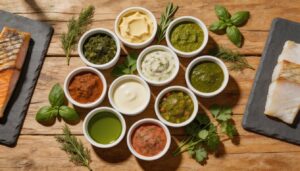
The right sauce can completely change what’s on your plate tonight.
Whether you’re drizzling, dunking, or slow-cooking, these rhubarb sauce recipes for every occasion prove that one unexpected ingredient can turn a simple meal into something memorable.
Each of these ten herb sauces brings something distinct to the table, whether you’re working with salmon, cod, or a simple white fillet. Here’s what what you’ll want to try.
Lemon-Parsley Herb Sauce
Lemon-parsley herb sauce is the one you’ll reach for on a Tuesday night when simplicity needs to shine. Build it using the emulsion technique — whisk lemon juice into melted butter until glossy. For extra texture, add chopped capers as described in the single bowl herb sauce.
- Chop parsley by hand for vibrant color
- Balance citrus brightness with a pinch of salt
- Pair with whitefish like cod or halibut
- Swap in tarragon for seasonal herb variations
- Refrigerate up to 2 days for shelf-life
Fish accompaniment is ready in minutes.
Creamy Dill Sauce
Where lemon-parsley keeps things sharp, creamy dill sauce wraps fish in something softer.
Stir fresh herbs into sour cream or Greek yogurt, squeeze in lemon juice, and you’ve got a lemon dill sauce ready in minutes.
Texture balance matters — it should coat a spoon without sliding off. Seasoning tips: salt last.
Storage guidelines: refrigerate up to three days. Flavor pairings shine brightest with salmon or cod.
Basil Pesto Drizzle
Creamy dill is comforting, but sometimes you want something brighter. That’s where basil pesto drizzle comes in — your go-to fresh herb sauce for a fish fillet glaze that actually clings.
- Blend basil with olive oil for a smooth olive oil emulsion
- Add pine nuts for nutty texture
- Squeeze lemon for citrus brightness
- Stir in Parmesan for cheese integration
- Drizzle over halibut or cod for flexible pairings
Tarragon Butter Sauce
Pesto is punchy, but tarragon butter sauce is where elegance lives. This herb butter sauce whispers rather than shouts — a butter-based sauce built on White Wine Reduction, Shallot Sweetness, and a Cold Butter Finish that creates a silky Emulsion Technique you’ll want on every fish fillet glaze.
| Step | Ingredient | Purpose |
|---|---|---|
| 1 | Shallots + white wine | Build aromatic base |
| 2 | Fresh tarragon | Anise herb lift |
| 3 | Cold butter, cubed | Smooth emulsion finish |
| 4 | Lemon juice | Brightens Flavor Pairings |
Whisk in cold butter off the heat — that’s your Tarragon Cream Sauce moment.
Chimichurri Verde
Think of chimichurri verde as the herb sauce that never needs cooking. Rough-chopped fresh herbs — parsley, cilantro, oregano, garlic — hit red wine vinegar and olive oil for a sauce with real herb texture and acidity balance that you can taste immediately.
- Spoon over hot white fish or grilled shrimp pairing for instant brightness
- Adjust regional variations: more lemon, less vinegar, or extra chili flakes
- Serve at room temperature — serving temperature matters here
Italian Salsa Verde
Italian salsa verde is where bold simplicity wins every time.
Fresh parsley forms the herb base, while capers bring a briny pop and anchovies deliver that unmistakable anchovy umami boost.
Stream olive oil in gradually for a proper olive oil emulsion, then squeeze in lemon juice for lemon brightness balance.
Your herb chunkiness choice — coarse or smooth — is entirely yours.
Whether you go coarse or velvety smooth, pairing your herb blend with a citrus-infused butter—think sage and tangerine—opens up a whole new flavor dimension worth exploring through these homegrown citrus fruit recipes for fresh herb butters.
Garlic rounds it all out beautifully.
Chive Beurre Blanc
Chive beurre blanc is the kind of herb and butter sauce that quietly steals the show. Start with a dry white wine and shallot reduction, then whisk in cold butter piece by piece — that’s your emulsion technique.
Temperature control matters here: keep it warm, never boiling. Fold in fresh chives for citrus brightness and color.
- Silky, glossy finish that coats every fillet
- Delicate chive flavor that won’t overpower mild fish
- Butter quality directly shapes the final richness
- Elegant enough for scallops, simple enough for weeknight cod
- Serving suggestions: drizzle over poached sole or baked halibut
Cilantro-Lime Herb Sauce
Cilantro-lime sauce is where bright citrus meets bold herb flavor. Blend fresh cilantro, lime juice, and garlic until smooth — that’s your citrus brightness foundation.
For texture tips, yogurt gives you a creamy cilantro lime crema; olive oil alone keeps it light.
This herb sauce suits white fish and tacos equally well. Add jalapeño for heat options.
Balance garlic carefully so it enhances, never dominates.
Mint Yogurt Sauce
Mint yogurt sauce is your cooling summer dip when richer butter sauces feel like too much. Build it on a Greek yogurt base — full fat for that silky finish.
Stir in fresh mint, lemon juice, and a pinch of garlic. Grate cucumber for cucumber crunch and freshness.
This creamy fish sauce works beautifully over cod or halibut, served chilled. Mint pairing variations and real health benefits make it worth keeping on repeat.
Moroccan Chermoula
North African chermoula is the herb sauce that does double duty — marinade before cooking, finishing sauce after.
Blend cilantro, parsley, garlic, coriander seed, and smoked paprika with olive oil and preserved lemon for a bright citrus herb sauce with serious Mediterranean flavor profile.
Use the marinade technique for 30 minutes before grilling.
Stir in yogurt creaminess to mellow the heat for a gentler dip.
Best Herbs for Fish Sauces
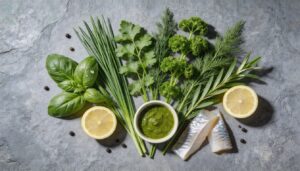
The herb you pick can make or break a fish sauce. Some add brightness, others bring warmth or a quiet savory depth.
Here are the six best ones worth keeping in your kitchen.
Parsley for Bright Fresh Flavor
Of all the fresh herbs in your kitchen, parsley punches above its weight. Its essential oils — apiol, myristicin, terpenes — deliver that clean, peppery brightness that makes a lemon herb sauce or citrus herb sauce feel alive.
For the best parsley aroma release, chop it by hand right before using. A simple parsley oil emulsion with lemon juice transforms herb and butter sauces for seafood.
The parsley zest pairing technique amplifies citrus without overwhelming delicate fish. Store unwashed parsley in a jar of water in the fridge — your parsley brightness technique starts with keeping it fresh.
Dill for Salmon and Trout
Where parsley leans bright and peppery, dill goes softer — almost grassy, with that gentle anise warmth that makes salmon and trout taste like themselves, only better.
A creamy lemon dill sauce or lemon dill sauce takes minutes and transforms both fish completely.
Try a Dill Butter Finish over hot fillets, a Dill Brine Boost before roasting, or a Dill Yogurt Topping for something cooler.
A Dill Oil Drizzle or Dill Seed Rub keeps things light without losing that dill‑infused sauce depth.
Basil for Sweet Herbal Notes
Dill’s warmth is subtle — basil plays differently. Sweet basil brings methyl chavicol sweetness and linalool floral aroma that make herb-infused sauces feel almost perfumed over mild white fish.
Basil oil extraction captures these volatile compounds beautifully, but fresh basil works just as well when chopped by hand right before serving. It’s one of the most rewarding sweet basil pairings in sauce recipes for fish.
Tarragon for Delicate Anise Flavor
Where basil leans floral, tarragon goes quietly deeper. That signature anise aroma‘s timing matters — add fresh tarragon near the end so the estragole compounds don’t cook off.
Fresh tarragon infusion into warm butter creates silky herb and butter sauces for seafood that feel refined without fuss.
A lemon tarragon pairing brightens any tarragon cream sauce, while a tarragon vinaigrette twist works beautifully cold over flaky fillets.
Cilantro for Zesty Citrus-Like Lift
Cilantro works differently than most herbs — its volatile aroma chemistry, driven by linalool citrus boost compounds and bright aldehydes, delivers a fresh chop timing advantage: chop leaves just before use.
Pair it with lime juice in a cilantro lime crema, use olive oil or yogurt as a light fat carrier, and you’ve got a citrus herb dressing that transforms white fish instantly.
Chives for Mild Onion Balance
Chives bring something most herbs can’t — a soft, onion-like warmth that doesn’t fight the fish. That’s Chive Pairing Fish at its best.
- Chive Aroma Timing — always add chives after the heat is off to lock in their grassy bite
- Chive Salt Boost — a pinch of salt wakes up their mild punch
- Chive Texture Control — snip them fine so they melt right into butter or shallots
How to Make Herb Sauces
Making a great herb sauce isn’t complicated — it just comes down to a few simple choices done right.
The way you handle your herbs, balance your base, and pair the sauce with your fish makes all the difference. Here’s exactly how to nail each step.
Use Fresh Herbs for Bold Flavor
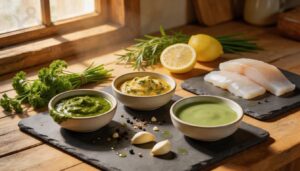
Fresh herbs are the backbone of any great herb and butter sauce for seafood — dried just can’t compete. Parsley, tarragon, and chives each bring distinct flavor pairings, so herb layering matters.
Add seasonal herbs early for infusion timing, then finish with delicate chives to keep intensity balance right. That’s what separates a forgettable sauce from one worth making twice.
Balance Lemon, Fat, and Salt
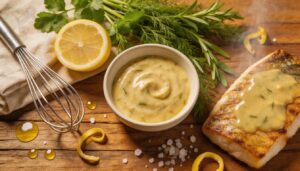
Think of your herb sauce as a three-way conversation between acidity, fat, and salt — and your job is keeping everyone at the table.
A great herb sauce balances acidity, fat, and salt — your job is keeping all three in harmony
Start with lemon juice to set your acidity fat ratio, then whisk in butter for that silky butter emulsion technique. Citrus zest integration adds aroma without extra sharpness.
Salt timing matters: season early, then adjust at the end with a pinch of sea salt to lift the parsley and brighten your lemon butter sauce. A drizzle of olive oil keeps everything clean and balanced.
Chop Herbs by Hand
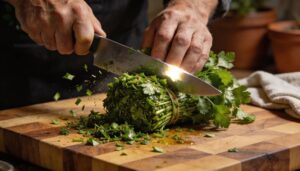
Your knife is the real hero here. Gather parsley or chimichurri herbs into a tight bundle — that’s your herb bundle prep.
Keep a relaxed knife grip, fingertips tucked, and use a steady rocking chop motion across the pile. Always start with dry herb handling; wet leaves slide and bruise.
Hand-chopped herbs hold their oils far better than a processor, making every gremolata and herb butter sauce taste noticeably fresher.
Choose Butter, Oil, or Yogurt Bases
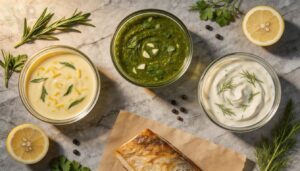
Your base is the backbone of every herb sauce. Butter vs. oil isn’t just a preference — it changes everything.
- Butter delivers silky richness; ideal for tarragon butter and creamy lemon dill sauce.
- Olive oil keeps things light, letting herbs shine in chimichurri-style herb sauce variations.
- Yogurt nails yogurt fat balance — tangy, creamy, lower-fat.
Match your base to your fish, then emulsify with confidence.
Add Garlic Without Overpowering Fish
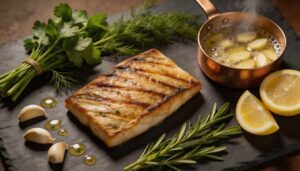
Garlic can make or break a fish sauce. For a Gentle Garlic Infusion, sauté one small garlic clove per six ounces of fish in butter over low heat for one to two minutes — that’s your Garlic Timing Technique.
The Garlic Lemon Pairing of lemon juice plus parsley balances the Mild Garlic Balance beautifully. Finish with a quick Garlic Butter Glaze for herb and butter sauces for seafood.
Match Sauces to Salmon and White Fish
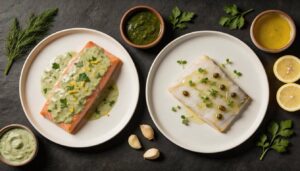
Once garlic is dialed in, matching your sauce to the fish is where Flavor Pairing Principles really pay off.
Rich salmon pairs well with bold herb and butter sauces for seafood — try creamy dill sauce or lemon herb sauce, prepared with parsley.
Delicate white fish needs lighter citrus and herb fish sauces.
Cooking Method Matching matters too: grilled fish loves chimichurri, baked fillets prefer a warm butter drizzle.
Serve Warm Sauces on Baked Fish
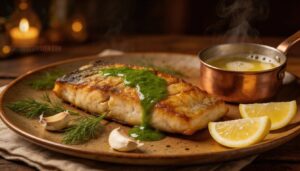
Warm sauces work magic on baked fish — they seep into the flesh and keep every bite moist. Sauce temperature matters here: spoon your herb and butter sauces for seafood over the fillet, the moment it leaves the oven.
- Lemon herb sauce preparation takes under 10 minutes and doubles as a baked fish glaze.
- Creamy dill sauce coats fillets evenly when simmered to emulsion stability.
- Garlic butter sauce with acidity balance from lemon brightens the whole plate.
Use Chilled Sauces for Fried Fish
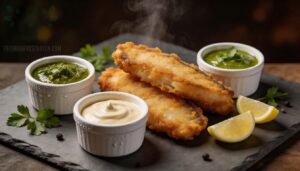
Fried fish needs the opposite approach.
A chilled sauce creates Cold Flavor Contrast that cuts through crispy batter — think Tartar Sauce, Remoulade Sauce, or Chimichurri. That Chilled Citrus Brightness from lemon-parsley or cilantro-lime keeps every bite clean.
Cool Herb Emulsion and Temperature Textural Harmony work together here — cold against hot, crisp against creamy.
Fresh herb sauce variations make this Crisp Sauce Balance effortlessly adaptable.
Store Leftover Herb Sauce Properly
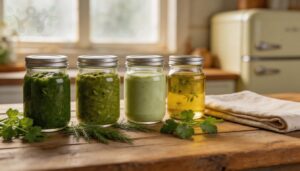
Don’t let a good herb-infused sauce go to waste. Transfer leftovers into airtight containers — glass works best — and follow basic refrigeration temperature guidelines by keeping them at or below 4°C (39°F).
Label and date everything.
Fresh herb sauce variations last 4–7 days refrigerated.
For freezing portion sizes, use single-serve bags and thaw overnight.
These DIY sauce storage and shelf life guidelines keep every flexible fresh herb sauce pantry-friendly and ready.
Top 5 Sauce Ingredients
great herb sauce starts with a short list of the right ingredients. Knowing what to keep on hand makes it easy to pull a sauce together on any weeknight.
Here are the five essentials worth stocking in your kitchen.
1. Fresh Medium Lemon Fruit

good lemon does more work than most ingredients in your kitchen.
Each medium fruit gives you 2 to 3 tablespoons of juice packed with citric acid — that’s what lifts a butter sauce from flat to bright in seconds. The zest holds aromatic oils that add depth without extra weight.
With a pH around 2 to 3, lemon juice sharpens herb flavors and keeps emulsions balanced. For herb sauces, always reach for fresh, glossy lemons over bottled juice.
| Best For | Home cooks, bartenders, and anyone who wants fresh citrus flavor, vitamin C, or a quick way to keep sliced fruit from browning. |
|---|---|
| Price | $0.64 per unit |
| Ingredient Count | 1 ingredient |
| Category Rank | #1 Fresh Lemons |
| Primary Use | Cooking & drinks |
| Dietary Notes | Vegan, gluten-free |
| Shelf Life | 1–2 weeks fresh |
| Additional Features |
|
- Bright, tangy juice that instantly lifts sauces, drinks, and desserts — fresh zest included
- Good source of vitamin C at about 30 mg per lemon, so it pulls double duty as a nutritional boost
- Firm, juicy flesh with minimal seeds, and at $0.64 a lemon, it’s easy on the wallet
- Shelf life is short — best used within a week at room temp, and even refrigerated they won’t last forever
- Size and seed count can vary from lemon to lemon, so you might not always get what you expect
- Product images may not match what actually shows up, which can be a little frustrating when ordering online
2. Amazon Salted Butter Sticks

Butter is where most herb sauces actually begin. These Amazon salted butter sticks come four to a box — each one 4 oz — so measuring is straightforward and nothing goes to waste.
The salt level is modest enough that it enhances delicate fish without drowning your herbs. Use one stick to build a beurre blanc, finish a pan sauce, or baste a fillet in its final minutes.
At $3.49 a pound, it’s a reliable kitchen staple that punches well above its price.
| Best For | Home cooks who want a dependable, affordable butter for everyday cooking, baking, and building sauces without breaking the bank. |
|---|---|
| Price | $3.49 per box |
| Ingredient Count | 2 ingredients |
| Category Rank | #1 Butter |
| Primary Use | Cooking & baking |
| Dietary Notes | Contains dairy |
| Shelf Life | Refrigerate after opening |
| Additional Features |
|
- At $3.49 a pound, it’s genuinely hard to beat on price for a clean, two-ingredient butter
- The 4-stick format makes measuring a breeze — no guessing, no mess
- Mild salt level works great for sauces, basting, and finishing dishes without overpowering flavors
- Salted butter is a no-go for recipes that specifically call for unsalted — you’ll lose control of the salt balance
- Not an option if you’re dairy-free or lactose intolerant
- Packaging may look different than expected during Amazon’s brand transition, which can be a little jarring if you’re a repeat buyer
3. Whole Foods Organic Mild Salsa
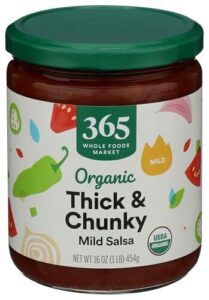
Not every herb sauce needs to start from scratch. The Whole Foods 365 Organic Mild Thick and Chunky Salsa gives you a ready-built tomato base — organic diced tomatoes, jalapeño, onion, and garlic — that you can stir straight into a pan sauce or spoon over baked white fish.
At $3.49 for a 16 oz jar, it’s an honest shortcut. The mild heat won’t compete with delicate herbs, so it blends cleanly into cilantro or parsley-forward sauces without taking over.
| Best For | Home cooks who want an affordable, organic, gluten-free salsa for dipping or as a no-fuss base in everyday cooking. |
|---|---|
| Price | $3.49 per jar |
| Ingredient Count | Multiple ingredients |
| Category Rank | #479 Snack Salsas |
| Primary Use | Dipping & topping |
| Dietary Notes | Organic, gluten-free |
| Shelf Life | Limited after opening |
| Additional Features |
|
- Clean ingredients — no preservatives or mystery additives, just vegetables, salt, vinegar, and spices
- At $3.49 for a 16 oz jar, it’s a solid deal for a certified organic product
- Mild heat makes it versatile — works as a dip, taco topping, or a ready-made tomato base in cooked dishes
- The mild flavor can feel bland or too tomato-forward if you’re after any real heat
- Sodium content isn’t listed, which could be a concern if you’re watching your salt intake
- One jar won’t last long for heavy users — you’ll be restocking more often than you’d like
4. Christopher Ranch Fresh White Garlic
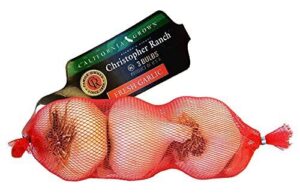
Garlic is the backbone of almost every herb sauce worth making.
Christopher Ranch Fresh White Garlic — grown in Gilroy, California since 1956 — gives you firm, dense cloves with a clean, bold punch that holds up in butter sauces, chimichurri, and salsa verde alike.
Each 3-pack runs just $2.48 and holds 10 to 16 cloves per bulb.
Mince it fine for a gentle depth, or slice it thin for a sharper hit. Either way, it won’t let your sauce down.
| Best For | Home cooks who want fresh, high-quality garlic on hand without making constant grocery runs. |
|---|---|
| Price | $2.48 per 3-pack |
| Ingredient Count | 1 ingredient |
| Category Rank | #1 Fresh Garlic |
| Primary Use | Flavoring & cooking |
| Dietary Notes | Vegan, gluten-free |
| Shelf Life | 2–3 weeks fresh |
| Additional Features |
|
- Firm, dense cloves that are easy to peel and packed with bold, clean flavor
- Grown in Gilroy, California — one of the most trusted garlic-growing regions in the country
- At $2.48 for a 3-pack, it’s an easy add to any grocery order
- Only 3 oz total, so heavy-duty cooking will burn through these fast
- Strong odor can stick to cutting boards and surfaces
- Not a great fit if anyone in your household has a garlic sensitivity
5. Whole Foods Balsamic Vinegar
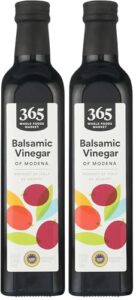
Most people overlook balsamic in fish sauces — but a small drizzle changes everything.
Whole Foods Balsamic Vinegar of Modena is made from wine vinegar and concentrated grape must, aged in oak for that smooth, syrupy body. At $9.98 for 16.9 fl oz, you get real value.
Use it to deglaze the pan after searing fish, stir a touch into herb butter, or drizzle it over grilled fillets. The caramel-fig depth it adds is quiet but confident.
| Best For | Home cooks who want a versatile, good-quality balsamic at an everyday price — especially for salads, marinades, and pan sauces. |
|---|---|
| Price | $9.98 per bottle |
| Ingredient Count | 2 ingredients |
| Category Rank | #2 Balsamic Vinegars |
| Primary Use | Dressings & marinades |
| Dietary Notes | Vegan, gluten-free |
| Shelf Life | Long shelf life |
| Additional Features |
|
- Great value at $9.98 for a generous 16.9 fl oz bottle
- Clean two-ingredient recipe (wine vinegar grape must) with a smooth, sweet-tangy flavor
- Glass bottle keeps the taste pure and can be reused after it’s empty
- The "of Modena" label can be misleading — this isn’t actually sourced from Modena, Italy
- Glass makes it heavier and easier to break compared to plastic alternatives
- Sweetness can vary slightly batch to batch, which might bug you if you’re particular about consistency
Frequently Asked Questions (FAQs)
What herbs taste good on fish?
Parsley brightens white fish, dill lifts salmon, and tarragon adds a soft anise edge to creamy sauces.
Basil suits tilapia, chives keep things mild, and cilantro gives grilled fish a fresh citrus kick.
What kind of sauces go well with fish?
Butter-based, herb-forward, and citrus-bright sauces all pair beautifully with fish.
Think lemon-parsley, creamy dill, chimichurri, or tarragon butter — each one complements different textures and cooking methods without overwhelming the fish’s natural flavor.
How to make herb sauce for fish?
Start with fresh herbs, a fat base like butter or olive oil, and lemon juice. Whisk together, season with salt, and serve warm over fish.
What are good sauces to put on fish?
The right sauce turns a plain fillet into something memorable.
Lemon-parsley, creamy dill, tarragon butter, chimichurri verde, and basil pesto drizzle are five go-to herb sauces that genuinely improve any fish you cook.
What is Bobby Flay’s favorite sauce for fish?
Bobby Flay reaches for a lemon herb vinaigrette most often.
He learned the technique at Jonathan Waxman’s kitchen in New York — warm fish releases the flavors beautifully, making every bite bright and clean.
What are some good sauces for fish?
Good herb sauces for fish include lemon-parsley, creamy dill, chimichurri verde, tarragon butter, and cilantro-lime. Each one brings something different — brightness, richness, or bold herbal punch — to complement any fillet.
What are the classic herb sauces?
The classics are lemon-parsley, chimichurri, salsa verde, and tarragon butter. Each one balances fresh herbs with fat and acid to complement fish without masking its natural flavor.
What herb pairs best with fish white sauce?
Parsley wins for white sauce — it adds clean, green brightness without stealing the spotlight.
Dill runs a close second, bringing that soft anise lift that makes every bite feel fresh and intentional.
What makes a good fish sauce?
A good fish sauce balances brightness, fat, and seasoning. Lemon lifts the flavor, butter or oil adds body, and fresh herbs tie it all together without overwhelming the fish.
Is fish sauce a probiotic?
Fish sauce can carry live microbes from fermentation, but calling it a probiotic isn’t a sure thing. Salt levels often reduce microbial viability before it reaches your gut.
Conclusion
Imagine a dull, herb-less piece of fish versus one smothered in vibrant, aromatic sauce. Flavorful herb sauces for fish enhance a meal from ordinary to unforgettable.
With these 10 recipes, you’ll transform your cooking. Brighten your dishes with lemon-parsley, soften with dill, or add a punchy cilantro-lime zing.
Experiment with fresh herbs, balance flavors, and serve with confidence. Your taste buds—and dinner guests—will thank you for the culinary upgrade.