This site is supported by our readers. We may earn a commission, at no cost to you, if you purchase through links.

A single unexpected frost can wipe out weeks of careful gardening in just one night. Tender seedlings blacken, established plants wilt, and entire harvests disappear before they ever reach your table. The frustration hits hardest when you’ve invested time nurturing plants through their growing cycle, only to lose them to a temperature drop you didn’t anticipate.
Frost-sensitive plant covers offer a straightforward solution to this problem, creating protective barriers that trap warmth and shield vulnerable foliage from freezing conditions. These covers range from lightweight fabrics that add a few degrees of protection to heavy-duty materials that can safeguard plants through sustained cold snaps.
Understanding which type matches your garden’s specific needs—and how to use it effectively—makes the difference between plants that survive winter’s unpredictability and those that don’t.
Table Of Contents
- Key Takeaways
- Top 9 Frost Sensitive Plant Covers
- 1. Plant Freeze Protection Row Cover
- 2. Plant Freeze Protection Frost Blanket Cover
- 3. Plant Covers Freeze Protection Garden Fabric
- 4. MAQIHAN Plant Cover Freeze Protection Blanket
- 5. SnugNiture Plant Cover Freeze Protection Cloth
- 6. Winter Plant Covers Freeze Protection Bags
- 7. Plant Covers Freeze Protection Bags
- 8. Plant Covers Freeze Protection Blanket
- 9. Planket Plant Frost Protection Cover Kit
- Key Benefits of Frost Sensitive Plant Covers
- Types of Frost Covers for Plants
- Choosing The Right Material and Fabric
- Factors to Consider Before Purchasing
- When and How to Use Plant Covers
- Protecting Different Plants From Frost
- Maintenance and Storage Tips
Key Takeaways
- Frost covers create a protective microclimate that raises temperatures by 2-10°F depending on material weight, preventing freeze damage that blackens foliage and destroys roots while extending your growing season by 2-4 weeks in either direction.
- Lightweight non-woven polypropylene covers (0.5-0.9 oz/sq yd) allow 70-90% light transmission for active photosynthesis and offer 2-4°F protection, while heavyweight options (1.5-2.5 oz/sq yd) deliver 6-10°F of frost defense for shrubs and overwintering plants.
- Apply covers before sunset when temperatures approach 36°F and remove them once morning temps climb above 40-45°F to prevent overheating, disease from condensation buildup, and heat stress that damages protected plants.
- Proper maintenance—including thorough drying, storage in cool dry locations below 60% humidity, and regular inspection for tears or UV degradation—extends cover lifespan to 3-5 seasons and preserves their protective effectiveness.
Top 9 Frost Sensitive Plant Covers
Protecting your plants from frost damage starts with choosing the right cover for your garden’s specific needs. The following nine options represent reliable frost protection solutions, ranging from lightweight row covers to insulated blankets designed for severe cold.
Each cover offers distinct features regarding material thickness, coverage size, and installation methods to match different plant types and climate conditions.
1. Plant Freeze Protection Row Cover
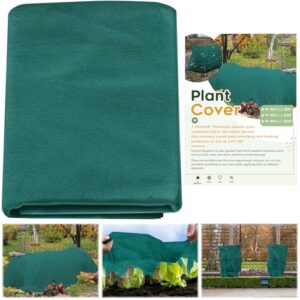
If you’re looking for solid frost protection that won’t break the bank, consider a row cover with 1.35 oz/yd² material weight. This option transmits enough light for photosynthesis while shielding plants from damaging freezes.
The 10x30ft size offers flexibility—you can cut it to fit raised beds or drape it over entire rows. Anchor the edges with stones or stakes to prevent wind damage.
What makes these covers particularly practical is their reusability; with proper care, you’ll get several seasons of reliable freeze protection while extending your growing season well into fall.
Best For: Gardeners who need budget-friendly, multi-season frost protection for raised beds or row crops and want a cover that’s easy to cut and customize for different planting areas.
- Provides 4-6°F of frost protection with decent light transmission (around 70-80%) so plants can still photosynthesize while staying protected from freezing temperatures.
- Large 10x30ft size gives you plenty of material to work with—cut it down for small beds or cover entire rows without needing multiple pieces.
- Reusable for several seasons if you store it properly, making it a cost-effective solution for extending your growing season into fall and early spring.
- Lightweight material can blow away in strong winds and may tear more easily than heavier-duty covers, so you’ll need to anchor it well with stones or stakes.
- Some users report quality inconsistencies, with the fabric tearing or breaking under rough handling or harsh weather conditions.
- Won’t hold up in extremely windy or severe weather—better suited for moderate climates or protected garden areas rather than exposed, gusty locations.
2. Plant Freeze Protection Frost Blanket Cover
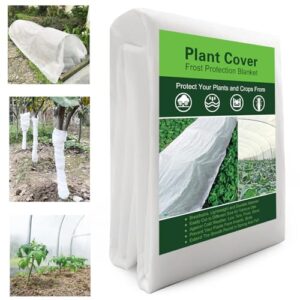
When you need blanket-style frost protection, look for 0.9 oz/sq.yd. polypropylene material with proven thermal performance—it generally adds 2-4°F of freeze protection during radiative frost events. The 6.5x16ft coverage area works well for crop applications like bedding annuals and vegetables, and material breathability reduces condensation that could encourage fungal issues.
Installation techniques matter: drape the fabric before dusk, seal edges to the ground with bricks or stakes, and remove covers once temperatures climb above freezing. Reusability factors like UV stabilization mean you’ll protect plants from frost across multiple seasons.
Best For: Home gardeners and small-scale growers who need reliable frost protection for cold-sensitive vegetables, flowering annuals, and young transplants during unpredictable cold snaps.
- Provides 2-4°F of extra warmth during frost events while letting air and light through, so plants can breathe and photosynthesize even while covered.
- Lightweight and easy to deploy quickly before temperature drops—just drape it over plants before dusk and anchor the edges with bricks or stakes.
- Reusable across multiple seasons thanks to UV-stabilized polypropylene that resists sun damage, making it more economical than single-use covers.
- Some users report the material tearing or wearing out over a single winter, especially in areas with heavy snow or ice.
- Can blow off in strong winds if not properly secured, leaving plants exposed during critical freeze events.
- Won’t save plants in extreme cold—it only adds a few degrees of protection, so severely tender plants may still freeze in harsh conditions.
3. Plant Covers Freeze Protection Garden Fabric
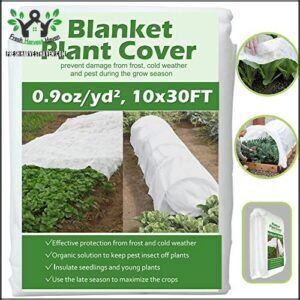
This 10x30ft garden fabric option delivers practical freeze protection for larger planting areas. Its 0.9 oz/sq.yd. fabric GSM strikes a balance between light transmission—about 80% in polypropylene materials—and thermal performance, generally adding 2-4°F of frost protection while maintaining breathability.
You can cut the material to custom dimensions for raised beds or row crops, securing edges with soil or staples to trap warmer air near your plants. The breathable fabric allows water and oxygen exchange, supporting photosynthesis without overheating on sunny winter days.
Best For: Home gardeners protecting larger planting areas from light to moderate frosts while maintaining good sunlight for active plant growth.
- The 10×30 ft coverage gives you plenty of material to protect multiple beds or a long row, and you can cut it to fit odd-shaped spaces without wasting fabric.
- Breathable polypropylene lets water and air through so you won’t cook your plants on sunny days, and the roughly 80% light transmission keeps photosynthesis going strong.
- Adds 2–4°F of frost protection in typical spring conditions, which buys you a few extra weeks of growing time at either end of the season without complicated setup.
- At 0.9 oz/sq.yd., this is on the lighter end—it won’t handle hard freezes below about 28°F, so you’ll need backup plans for severe cold snaps.
- Polypropylene can degrade with extended UV exposure and needs careful anchoring since wind can tear or lift unsecured edges pretty easily.
- You’ll need to check it regularly and replace or repair sections over time, especially if you leave it up for weeks—it’s not a set-it-and-forget-it solution.
4. MAQIHAN Plant Cover Freeze Protection Blanket
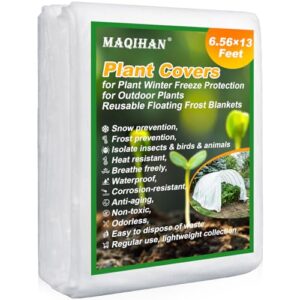
The MAQIHAN Plant Cover measures 6.5 ft by 13 ft and uses premium 1 oz/sq non-woven fabric that delivers 3–8°F of frost protection over ambient temperatures.
This reusable blanket allows 70–85% light transmission, so your plants maintain photosynthesis during extended cover periods.
You can drape it directly over raised beds or support it with hoops for taller crops, securing edges with soil or landscape staples to trap warm air.
UV-stabilized construction ensures multiple-season durability, making it a cost-effective choice for protecting vegetables, flowers, and low shrubs.
Best For: Home gardeners with raised beds or small plots who need reliable frost protection during spring and fall without blocking too much sunlight.
- Offers 3–8°F of frost protection while still letting through 70–85% of light, so plants can keep growing under cover
- UV-stabilized fabric holds up across multiple seasons, making it a solid long-term investment for regular use
- Easy to set up—just drape it over plants or prop it on hoops, then anchor the edges with soil or stakes
- At 1 oz/sq yd, it’s on the thinner side and may not stand up to harsh winters or extreme cold without layering
- The 6.5 ft by 13 ft size works well for small beds but won’t cover larger garden plots in one piece
- Some users found it dried out quickly in extreme heat and didn’t always prevent frost damage during hard freezes
5. SnugNiture Plant Cover Freeze Protection Cloth
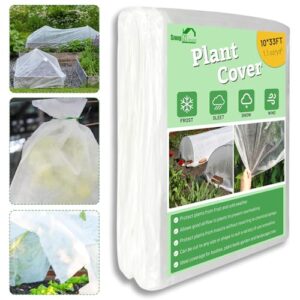
SnugNiture Plant Covers arrive in two coverage options—10×33 ft and 10×50 ft—giving you flexibility across raised beds, row crops, or grouped plantings.
The 1.1 oz/sq yd fabric weight delivers 2–4°F temperature impact during mild frosts while transmitting 70–85% of sunlight for continued photosynthesis.
You can drape it directly over seedlings, support it on hoops for taller vegetables, or wrap individual shrubs, then secure edges with soil or pins.
This reusability factor makes it cost-effective: simply rinse, dry, and store between seasons for several years of reliable freeze protection.
Best For: Gardeners who need flexible, budget-friendly frost protection for raised beds, row crops, or multiple plants and want a reusable cover that maintains light and airflow.
- Two size options (10×33 ft and 10×50 ft) provide continuous coverage that you can cut or fold to fit different bed lengths and hoop configurations
- Lightweight 1.1 oz fabric raises temperatures 2–4°F during mild frosts while transmitting 70–85% of sunlight so plants keep photosynthesizing
- Reusable across multiple seasons when rinsed, dried, and stored properly, making it a cost-effective long-term solution
- Some users report the material tears easily and may not hold up to repeated handling or windy conditions
- Does not include clips, stakes, or anchoring hardware, so you’ll need to supply your own securing method
- The 2–4°F temperature boost may not be sufficient for severe freezes or protecting very cold-sensitive plants
6. Winter Plant Covers Freeze Protection Bags
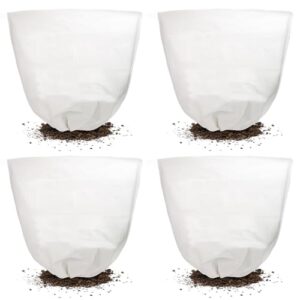
Winter plant covers in bag form offer 2–4°C temperature lifts in drawstring-secured jackets that fit shrubs from 31.5×47.3 inches up to 78.8×94.5 inches. UV-stabilized polypropylene transmits 80–85% of sunlight, balancing frost protection for plants with photosynthesis. Zipper installation prevents branch damage, while reinforced seams resist tearing.
Market trends show steady demand as gardeners choose reusable winter protection over disposable films. You’ll cover roses, fruit-bearing shrubs, and container plants through snow, hail, and cold snaps, then store the bags for multiple seasons.
Best For: Gardeners who want to protect shrubs, roses, and young trees from frost and winter weather without replacing plants each spring.
- Adjustable drawstring and zipper design makes installation easy without damaging branches, and you can reuse them for multiple winters.
- Lets in 80–85% of sunlight so plants can still photosynthesize while staying 4–8°F warmer inside the cover.
- Breathable fabric prevents moisture buildup and protects against frost, snow, hail, birds, and pests all in one go.
- Some users report the material degrades after one winter of sun and weather exposure, despite UV stabilization claims.
- Durability is hit-or-miss—not all covers hold up well enough for the advertised multi-season reuse.
- May not provide enough protection during extreme cold snaps or harsh winter conditions beyond light frost.
7. Plant Covers Freeze Protection Bags
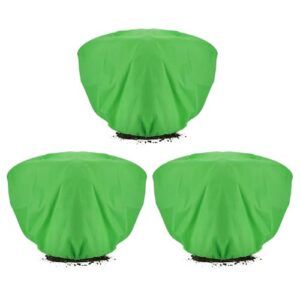
Bag material selection determines how well your plant covers freeze protection delivers consistent frost protection over multiple seasons. Look for polypropylene fabrics with drawstring closures at the base to cinch around trunks and secure reusable covers against wind. UV-resistant weave patterns resist tearing, so you’ll get dependable freeze protection year after year without frequent replacement.
Sizing options range from compact 2-foot bags for potted perennials to 10-foot models for ornamental shrubs. The drawstring design simplifies installation while maintaining aesthetic acceptability in residential landscapes.
Best For: Gardeners protecting small to medium shrubs, potted plants, and hanging baskets from light to moderate frosts who want reusable covers with easy on-and-off installation.
- Drawstring closures secure tightly around trunks and pots to trap warm air and prevent wind from blowing covers off during cold snaps.
- Available in multiple sizes from 2-foot bags for containers up to 10-foot models for larger ornamental shrubs, so you can match the cover to your plant’s actual dimensions.
- Reusable polypropylene fabric holds up across multiple seasons when stored properly, giving you better value than disposable options.
- Some users report the material tears or shreds after just one season, especially in harsh weather or if left on during high winds.
- Heavier covers block significant sunlight (sometimes 50% or more), so you’ll need to remove them on warm days to prevent stressing your plants.
- You may need to add bamboo stakes or supports to keep the fabric from sitting directly on leaves, which adds extra setup time.
8. Plant Covers Freeze Protection Blanket
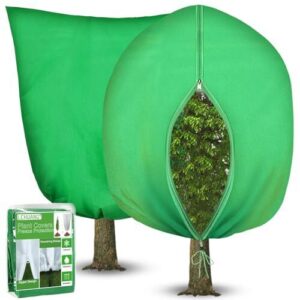
Blanket material types matter when you’re protecting plants from frost across larger garden sections. Non-woven polypropylene freeze protection blankets transmit 70-85% light while raising temperatures 4-8°F above ambient air.
Installation techniques vary—drape directly over shrubs or suspend on hoops for wind resistance without crushing delicate foliage.
These plant covers offer blanket reusability for 3-5 years with UV stabilization that prevents degradation. The breathable fabric provides effective temperature regulation while permitting moisture penetration, so your plant blanket won’t trap condensation that damages tender growth during freeze-thaw cycles.
Best For: Gardeners needing reliable frost protection for multiple plant types across larger growing areas who want a reusable solution that lasts several seasons.
- Provides 4-8°F temperature protection while allowing 70-85% light transmission so plants can photosynthesize during cold snaps
- Reusable for 3-5 years with UV-resistant polypropylene that withstands snow, wind, and multiple freeze-thaw cycles
- Versatile installation options—drape directly over plants or use with hoops—and works for vegetables, shrubs, and small trees
- May require extra securing with clips or stakes in high-wind conditions to prevent blowing away
- Mixed customer feedback on long-term durability despite manufacturer claims of multi-year use
- Oversized dimensions (71″ x 63″) might be too large for smaller plants, requiring adjustments or creating excess material
9. Planket Plant Frost Protection Cover Kit
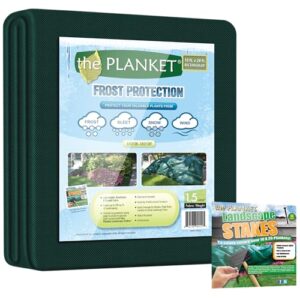
The Planket Design delivers 200 square feet of nonwoven polypropylene coverage with 14 built-in grommets that simplify installation ease—you’ll have it secured in under five minutes using included stakes.
This plant protection system guards against temperatures down to 28°F while maintaining 80% light transmission for photosynthesis. Field tests show 90% reduction in frost damage to covered plants.
The cover’s environmental impact stays low with recyclable materials and 3-5 year reusability. User feedback consistently rates it 4.5 stars for effective cold weather freeze protection across container gardens and shrubs.
Best For: Home gardeners protecting container plants, shrubs, and young trees from light to moderate frost in temperate climates.
- Installs in under five minutes with included stakes and built-in grommets—no tools needed
- Protects plants down to 28°F while letting 80% of light through for photosynthesis
- Lasts 3-5 seasons with proper care and uses recyclable materials
- Won’t protect against hard freezes below 25°F
- Grommets and stakes can fail in harsh conditions or hard ground
- Not water resistant, so it’s not designed for heavy rain or snow loads
Key Benefits of Frost Sensitive Plant Covers
Frost covers do more than shield plants from cold snaps—they create conditions that support healthier growth and stronger yields throughout the season. Understanding these benefits helps you make informed decisions about when and how to protect your garden.
Here’s what quality frost covers deliver for your plants.
Preventing Frost and Freeze Damage
When temperatures plummet below 28°F, your plants face freeze damage that can blacken foliage and destroy tender roots overnight. Frost protection covers act as insulation methods, trapping warmth and creating microclimates that raise air temperatures by 2-10°F depending on weight.
Frost protection covers trap warmth and raise air temperatures by 2-10°F, preventing freeze damage that can blacken foliage and destroy tender roots overnight
This cold weather protection directly tackles plant hardiness zones, preventing frost damage through breathable barriers that shield vulnerable crops from lethal temperature drops. Understanding a plant’s critical temperature range is essential for effective frost protection.
Extending The Growing Season
Beyond preventing immediate damage, you can push your outdoor production calendar by 2-4 weeks in either direction using low tunnels and reusable covers. These nonwoven fabric barriers create a microclimate that raises daytime temperatures up to 15°F, accelerating crop maturity timing while buffering against shoulder-season frosts. High tunnels, similar to low tunnels, offer the benefit of extending the garden season.
- Extend harvests by maintaining photosynthetically active conditions during cooler months
- Plant 1-3 weeks earlier in spring by providing measurable frost protection
- Adapt to frost date variability across geographic zones with strategic cover deployment longevity
Promoting Healthy Plant Growth
Covers boost your plant’s growth rate by stabilizing soil temperatures that improve root health and nutrient uptake. Light transmission through breathable fabrics aids photosynthesis, and air circulation prevents moisture buildup. This stress reduction creates ideal conditions for consistent growth—without the shock of temperature swings.
Field trials on zucchini show 14% higher yields under covers, while leafy greens produce measurably more biomass.
Protection From Pests and Birds
Beyond growth benefits, your covers form a physical pest barrier that keeps insects and birds away from foliage and fruit. Sealed row covers reduced whitefly adults on zucchini to zero in field trials, while crops under insect exclusion netting showed 14% higher yields. Protecting plants from frost isn’t the only win—you’ll also defend against vertebrate pests like rabbits and deer.
- Covers exclude flea beetles, aphids, and leafhoppers without pesticides
- Bird damage drops to near-zero when edges seal properly
- Material properties matter: 0.5 mm mesh blocks most pests except thrips
Bird damage and material properties are key factors in maximizing the effectiveness of these protective measures.
Temperature Regulation and Microclimate Creation
Your covers don’t just block pests—they reshape the air around your plants. Spunbonded polypropylene holds 2–3°C warmer at night, while daytime heating can spike 11–17°C on calm, sunny days.
Light transmission hovers near 80–90% for thin fabrics, dropping to 50–70% with heavier insulation. Material layering boosts both daytime gains and nocturnal buffering, creating a stable microclimate that extends your frost protection window and accelerates growth when you manage ventilation properly.
Types of Frost Covers for Plants
Not all frost covers work the same way, and choosing the right type depends on your plants and your local climate. Some materials are built for short-term protection during unexpected cold snaps, while others can stay in place for weeks at a time.
Here’s a breakdown of the main options you’ll encounter when shopping for frost protection.
Lightweight Non-woven Polypropylene Covers
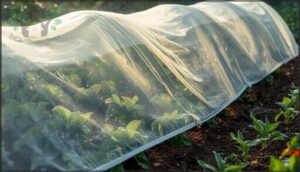
If you’re starting with row covers, lightweight non-woven polypropylene is your best friend. These UV-stabilized polypropylene fabrics weigh around 0.4–0.6 oz per square yard and allow 90–95% light transmission, so your plants still photosynthesize freely.
You’ll gain about 2°F of frost protection while keeping airflow permeability high. Bonus: they exclude pests like aphids and flea beetles, boosting crop yields without chemicals.
Heavyweight Covers for Larger Plants

When shrubs, citrus safeguarding, and patio trees need winter plant protection, step up to heavyweight fabrics rated 1.5–2.5 oz per square yard. These covers deliver 8 to 10+ degrees of freeze protection, essential for overwintering ornamentals in grow boxes or containers. Choosing plant covers with 40–50% light transmission balances insulation and photosynthesis. They permit rain and air while preventing foliage burn.
- 62% porosity lets irrigation reach roots without removing the blanket
- Machine washable durability means seasons of reuse when stored properly
- UV-stable construction protects small citrus and containerized stock below 25°F
Floating Row Covers

Lightweight floating row covers drape directly over crops, giving you 2 to 6°F of frost protection while allowing 70–90% light transmission.
They accelerate growth by raising daytime temperatures 10°F or more, boost cucurbit yields up to 25%, and exclude pests like flea beetles without chemicals.
You’ll appreciate their dual role: extending the growing season and reducing pest pressure in one breathable, reusable fabric.
Winter Plant Covers With Freeze Protection

When extreme cold threatens, heavyweight winter plant covers deliver 6–8°F of heat retention to prevent freeze damage and root freeze prevention during the hardest months. These overwintering strategies rely on 1.5 oz./sq. yard fabrics that trap soil warmth while allowing breathability.
Cover weight impact matters: heavier frost protection cloth withstands sustained cold weather, shields vulnerable crowns, and keeps your perennials alive until spring.
Reusable and Disposable Options
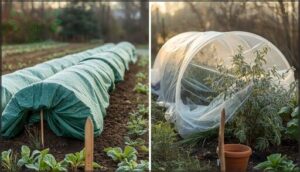
Your frost covers decision comes down to cost analysis and environmental impact. Reusable plant covers last 3–5 seasons with proper storage needs, delivering 4–8°F protection levels while cutting per-use costs by 50% versus disposables.
Material lifespan matters: heavyweight winter plant covers maintain effectiveness across multiple years, while lightweight disposables offer single-season convenience. Cost efficiency favors reusable options for committed gardeners.
Choosing The Right Material and Fabric

The material you choose determines how well your covers protect plants and how long they’ll last in your garden. Non-woven polypropylene fabrics dominate the market because they balance breathability, durability, and light transmission better than alternatives like plastic sheeting or burlap.
Understanding the specific properties of different materials helps you match the right cover to your plants’ needs and your local climate conditions.
Breathability and Airflow
Breathable fabric is your first line of defense against suffocating your plants. Material breathability and air permeability allow gas exchange for photosynthesis while preventing condensation buildup that invites disease.
Lightweight nonwoven covers generally offer excellent air circulation, providing 4–6°F frost protection without trapping harmful moisture. However, airflow tradeoffs exist—heavier fabrics deliver stronger temperature moderation but reduce air permeability, so match fabric weight to your frost severity and ventilation needs.
Light Transmission and Photosynthesis
While breathability keeps air flowing, you also need to think about how much sunlight reaches your plants. Light transmission directly impacts photosynthesis efficiency—lightweight covers allow 90-95% light transmittance, while heavyweight options drop to 30-50%.
Here’s what material transmittance means for your garden:
- Single lightweight layers maintain peak photosynthesis with minimal shading
- Medium-weight fabrics balance insulation and adequate cover light levels at 70-85%
- Layering effects compound quickly—each additional layer cuts transmission by 10-12%
Row orientation matters too. South-facing rows absorb 7% more light, though air permeability becomes critical to prevent overheating.
Durability and UV Resistance
Light alone won’t keep your plants thriving if the cover falls apart mid-season. UV stabilization is what separates a one-year cover from a five-season investment. UV-stabilized polypropylene retains 80% tensile strength after 1000 hours of sun exposure, while non-stabilized material loses 40% strength within months.
Material quality determines whether you’re replacing covers annually or getting multiple growing seasons from one purchase. Tensile strength and tear resistance matter when winds gust or branches press against fabric. Weather resistance keeps material degradation minimal, so your investment protects plants year after year without frequent replacement.
| Cover Weight | Lifespan Extension | Tear Resistance |
|---|---|---|
| Light (0.5 oz/sy) | 1 year with UV protection | Moderate—check seams regularly |
| Medium (0.9 oz/sy) | 2 years UV-stabilized | High—withstands wind stress |
| Heavy (1.5+ oz/sy) | 5+ seasons reusable | Excellent—resists punctures |
Water Permeability and Condensation Control
Your cover’s water permeability directly impacts disease risk and irrigation needs. Lightweight polypropylene transmits 75–85% of rainfall, while heavier fleece drops that to 60–75%. Solid plastic blocks all water—requiring drip irrigation beneath.
Condensation control matters too: breathable fabrics reduce leaf wetness and fungal pressure, whereas impermeable covers trap humidity and create prolonged dampness that invites pathogens like Botrytis when ventilation is poor.
Factors to Consider Before Purchasing

Picking the right frost cover isn’t just about grabbing whatever’s on the shelf. You’ll need to match the cover’s features to your specific garden setup, your local weather patterns, and how much you’re willing to spend upfront versus over time.
Let’s walk through the main factors that’ll help you make a smart choice for your plants.
Plant Size and Coverage Area
You can’t drape a tablecloth over a Christmas tree and call it protected. Plant sizes and hoop height directly dictate cover dimensions: a 2.5 ft tall crop in a 4 ft bed needs roughly 10 ft width for clearance, while container-grown shrubs demand 12 ft covers.
Plant spacing and density affect material weight choices—lightweight 0.5 oz fabrics suit tight plantings, whereas heavyweight 2.2 oz options work for fewer, larger specimens, ensuring coverage versatility across your garden.
Installation and Fastening Options
Hoop frames spaced 3 to 4 feet apart give you stable frame systems for lightweight fabrics, while clip fastening and ground anchoring with landscape stakes prevent wind lift.
You’ll find drawstring designs simplify installation ease of frost covers, especially when paired with weight securing methods like bricks or soil.
Securing plant covers properly ensures wind resistance without tearing delicate materials during overnight drops.
Weather Resistance and Wind Protection
When extreme weather hits, wind resistance becomes your first line of defense against torn fabric and displaced covers. Material strength determines whether your frost covers can endure gusts while maintaining microclimate stability that protects plants from wind damage.
- Quality covers reduce wind speeds by up to 63%, offering effective wind mitigation
- Spunbonded polypropylene with reinforced edges resists UV degradation across multiple seasons
- Cover anchoring systems using weights or stakes prevent lift-off during sustained winds
- Weather resistance of frost covers includes 80-91% light transmission despite protective density
Cost Efficiency and Reusability
Since reusable frost covers cost just $6.39 per unit in bulk, you’ll recover your investment after one growing season when compared to crop losses. UV-stabilized polypropylene fabrics deliver multi-year performance through proper storage, directly improving your ROI calculation while sustainable materials resist degradation. Long-term savings accumulate as covers maintain effectiveness season after season.
| Factor | Initial Cost | Lifecycle Value |
|---|---|---|
| Reusable Covers | $6.39/unit (bulk) | Multi-season use |
| Material Degradation | UV-stabilized fabric | Minimal with care |
| Storage Impact | Proper storage required | Extends lifespan years |
When and How to Use Plant Covers

Getting the timing right with plant covers can make the difference between a thriving garden and frost-damaged crops. You’ll need to know when to put them on, when to take them off, and how to adjust your approach based on what you’re growing.
Here’s what you need to do to protect your plants effectively through cold snaps and temperature swings.
Timing Cover Application Before Frost
You’ll want to check weather forecasts once evening temperatures approach 36°F and apply covers before sunset, ideally during late afternoon while soil still holds warmth from the day.
This forecast lead time lets you secure protection ahead of temperature drops, usually between 3:00 a.m. and 5:00 a.m. when frost events occur.
Moist soil combined with evening application maximizes heat retention, preventing frost damage through coverage duration spanning the coldest hours.
Removing Covers During Warm Days
Once morning temperatures climb above 40 to 45°F, you need to remove or vent your frost protection covers to prevent overheating and maintain healthy photosynthesis. Condensation control and air circulation become critical during warm days to avoid disease and heat stress.
- Temperature thresholds: Full sun can push covered spaces to 130°F within an hour, risking leaf scorch
- Overheating prevention: Lift covers by mid-morning to protect photosynthesis efficiency
- Condensation control: Extended leaf wetness raises fungal disease risk beyond safe thresholds
- Disease mitigation: Opening covers dries foliage and interrupts pathogen cycles
Monitoring Weather Conditions for Optimal Use
Accurate weather forecasts turn guesswork into strategy when you’re protecting plants from frost damage. You’ll want to track forecasts 6 to 48 hours ahead, watching for frost threshold alerts when temperatures approach 33 to 36°F.
Real-time sensors positioned at plant canopy level reveal microclimate temperatures that often differ from regional predictions by several degrees, letting you time cover deployment precisely as temperature drops accelerate toward freezing.
Best Practices for Different Plant Types
Your cover strategy shifts with what you’re protecting. Vegetable cover timing requires lightweight fabric applied at 33°F for tomatoes, while fruit tree wrapping demands two-layer systems when blossoms face 27°F.
Container plant insulation works best with bubble wrap around pot sides, and ornamental frost protection benefits from AG-50 covers securing 6°F defense.
Remove perennial covers above 40°F to prevent overheating, adjusting plant covers and frost protection methods to match sensitive plants’ specific tolerances.
Protecting Different Plants From Frost

Different plants face different risks when frost arrives, and your approach should match what you’re growing. Tender vegetables, established fruit trees, container plants, and delicate ornamentals each need specific strategies to make it through cold snaps. Here’s how to protect each type effectively.
Vegetable Gardens and Row Crops
In vegetable gardens, row covers stand as your first line of defense when frost threatens tender crops. Lightweight non-woven covers protect delicate seedlings, while heavyweight options safeguard mature plants, offering 2°F to 8°F of frost protection depending on thickness.
- Floating row covers boost marketable yields by 3.6 times across various vegetables
- Cucurbit crops show up to 25% yield increases under protective row covers
- Covers raise daytime temperatures by 10°F, accelerating growth and establishment
- Pest control improves without pesticides while maintaining proper watering practices
- Protected vegetables mature 1-2 weeks earlier, extending your harvest window
Fruit Trees and Shrubs
When frost threatens your fruit trees, timing is critical in determining whether you’ll enjoy a full harvest or suffer a devastating loss. Apple buds at the tight cluster stage can tolerate temperatures as low as 27°F before damage occurs, while peach blossoms at first bloom are even more susceptible.
| Stage | 10% Kill Temp | 90% Kill Temp |
|---|---|---|
| Apple Tight Cluster | 27°F | 21°F |
| Peach Full Bloom | 27°F | 24°F |
| Sweet Cherry First Bloom | 28°F | 25°F |
To protect your trees, heavyweight polypropylene covers can provide 4°F to 8°F of protection for larger shrubs, while plant jackets offer up to 5.5°F of safeguarding during hard freezes. Apply these covers 24-48 hours before expected frost, ensuring they are secured against wind to effectively trap ground heat.
Your variety selection and microclimate play a significant role in determining which bud cold hardiness thresholds are most relevant. Match your cover application timing with your orchard’s specific vulnerability windows to ensure proper winter protection. This will safeguard your pruning efforts and help prevent unnecessary losses.
Container Plants and Raised Beds
Just as fruit trees need timely protection, container plants and raised beds face unique cold stress. Soil in containers drops 20°F lower than ground soil, so container insulation and layered frost covers are critical. Raised bed warming fosters earlier planting and steadier root growth. For reliable overwintering strategies, remember:
- Water before freezes
- Cover containers to ground
- Remove covers above 40°F
Frost-sensitive Ornamentals
When temperatures plunge, ornamentals often reveal their true species sensitivity—begonias wilt at just below 0°C, while pansies hold up through repeated light frosts.
That’s why choosing frost covers suited to ornamental hardiness is essential. Smart protection methods, like breathable plant covers, can help you avoid costly frost damage and economic losses, especially as climate impacts shift risk each season.
Maintenance and Storage Tips

Caring for your frost covers is just as important as choosing the right ones. Simple habits can help you get the most out of each season and keep your garden protected year after year.
Here’s what you’ll want to keep in mind for maintenance and storage.
Cleaning and Drying Covers
You’ll extend your reusable covers’ lifespan dramatically with proper frost cover maintenance. Hose off dirt, then wash with mild detergent and cool water to preserve light transmission properties.
Air dry completely before storage—hanging on a clothesline works well for thorough drying. This mildew prevention step is critical.
Store dried covers loosely folded in cool, dry indoor locations away from UV exposure to maintain durability for 3-4 seasons or longer.
Inspecting for Damage After Harsh Weather
After storms roll through, you’ll want to inspect covers closely—don’t wait. Look for tears or cracks at anchor points, stiffness from moisture effects, and fading or brittleness as UV indicators. Scan for wilting leaves or discoloration beneath covers, which signal frost damage or poor plant health. Consistent inspection frequency and weather monitoring keep fabric integrity and anchor stability in check.
- Check anchor stability for movement
- Inspect fabric integrity for tears and cracks
- Assess moisture effects at seams and folds
- Note UV indicators—fading, brittleness
- Watch for wilting leaves or discoloration
Proper Storage to Prevent Mildew
Mildew doesn’t ask permission—it thrives where covers stay damp and air stands still. You want Drying Techniques that guarantee zero residual moisture, Humidity Control below 60%, and smart Container Choices. Use good Ventilation Practices and keep Temperature Ranges cool. Storing frost covers this way preserves Breathability and Reusability, making condensation control and air permeability second nature.
| Drying Techniques | Humidity Control | Container Choices |
|---|---|---|
| Air dry fully |
- https://sustainablegardeningnews.com/frost-blankets-essential-weather-defense-for-container-gardens/
- https://extension.umd.edu/resource/row-covers
- https://edis.ifas.ufl.edu/publication/CV201
- https://www.purdue.edu/hla/sites/yardandgarden/extpub/effects-of-cold-weather-on-horticultural-plants-in-indiana/
- https://dataintelo.com/report/global-plant-frost-cloth-market