This site is supported by our readers. We may earn a commission, at no cost to you, if you purchase through links.
Something shifts when you eat food you grew yourself. The tomato picked warm from the vine, the handful of spinach cut five minutes before dinner—these aren’t just fresher than store-bought. They change how you relate to what’s on your plate.
Most people overcomplicate healthy eating, chasing programs built around foods they’ll never cook. Healthy homegrown eating plans work differently—your garden sets the menu, and the rest falls into place around it.
What grows this week shapes what you eat this week. That kind of rhythm makes nutrition feel less like discipline and more like common sense.
Table Of Contents
- Key Takeaways
- Build Your Garden-Based Plate
- Choose Seasonal Homegrown Ingredients
- Plan Weekly Homegrown Menus
- Prep, Store, and Preserve Harvests
- Create Budget-Friendly Healthy Meals
- Frequently Asked Questions (FAQs)
- What is the 3 3 3 rule eating?
- What is the 5 4 3 2 1 diet plan?
- What is the 80% rule in eating?
- What is the healthiest eating plan?
- How do I preserve homegrown foods long-term?
- What equipment is needed for home gardening?
- Can children safely help with growing food?
- How much time does home gardening require weekly?
- What are common beginner mistakes to avoid?
- How does soil quality affect homegrown nutrient density?
- Conclusion
Key Takeaways
- Let your garden set the menu — what’s ready to harvest this week shapes what you eat this week, making healthy eating feel natural instead of forced.
- Build every plate the same way: half fresh vegetables, a quarter whole grains or legumes, and the rest split between lean protein and plant-based fats.
- Eating with the seasons isn’t just good nutrition — spring greens, summer tomatoes, fall roots, and winter storage crops each bring peak flavor and nutrients at the lowest cost.
- A little weekend prep goes a long way: wash and chop produce, batch-cook grains, and freeze extras so weeknight meals come together fast with no waste.
Build Your Garden-Based Plate
Building a nourishing plate starts right outside your back door. Your garden already holds the building blocks for balanced, satisfying meals — you just need to know how to put them together.
A few simple techniques make all the difference, and these easy garden-to-table meal ideas show you exactly how to turn a morning harvest into dinner tonight.
Here’s what a garden-based plate looks like, piece by piece.
Half Plate Fresh Produce
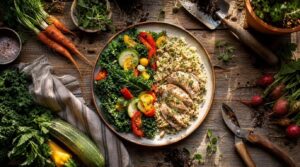
Think of your plate as a canvas — and fresh produce gets half the space, every single time. This simple rule delivers fiber, vitamins, and color without overthinking it.
Here’s what a Nutrient-Dense Half looks in practice:
- Fill half your plate with seasonal vegetables from your garden
- Choose vibrant colors for true Colorful Plate Balance
- Prioritize fiber-rich leafy greens, peppers, and zucchini
- Let seasonal bounty guide your Seasonal Plate Filling choices daily
The Half Your Plate initiative promotes this half‑plate guideline across Canada.
Whole Grains and Legumes
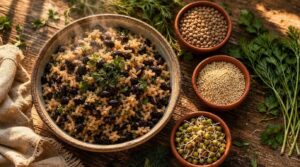
Once your plate is half-covered with fresh produce, fill a quarter with whole grains and legumes — your biggest fiber boost and complete protein duo.
Pair brown rice with black beans for real nutrient synergy. Sprouting benefits include better mineral absorption.
Batch cooking grains on weekends keeps plant‑based meals stress-free all week.
| Whole Grain Sides | Fiber-Rich Foods & Protein Sources |
|---|---|
| Brown rice | Black beans |
| Quinoa | Lentils |
Lean Proteins and Eggs
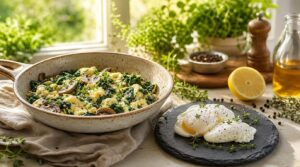
Now that grains and legumes anchor your quarter-plate, lean proteins round out a balanced diet beautifully. An Egg White Scramble keeps fat low while delivering clean protein — each white offers about 3.6 grams.
Poached Egg Benefits include zero added oils. For Egg Portion Control, try a Spinach and Mushroom Frittata.
Lean Protein Swaps like chicken or tofu make nutrient-dense foods flexible for any night.
Healthy Fats From Plants
Lean proteins set the stage — now let’s talk fat.
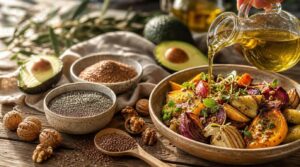
Healthy fat belongs on your plate, and plants deliver it beautifully. Drizzle extra-virgin olive oil over roasted vegetables for real olive oil benefits: monounsaturated fats that support heart health. Sprinkle ground flaxseed for flaxseed’s omega-3 or tap into chia seeds’ power. Canola oil uses and nut fat guidance round out these plant-based meals perfectly.
Herbs for Flavor
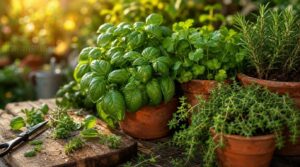
Fresh herbs are your garden’s secret weapon — and how you use them matters. Mastering fresh herb timing and dried vs. fresh choices unlocks real flavor without extra calories.
- Toss basil onto Herb-Grilled Salmon with Quinoa Broccoli at the last second for bright aroma
- Rub Herbes de Provence onto Grilled Chicken Breast with Herbes de Provence before roasting for Essential Oil Extraction
- Blend Cilantro Lime Pesto for instant Flavor Boost Techniques across grain bowls
Choose Seasonal Homegrown Ingredients
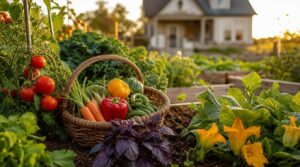
Your garden tells you what to eat — you just have to listen. Each season brings its own cast of ingredients, and matching your meals to what’s ready to harvest makes everything taste better and cost less.
Root vegetables are a seasonal staple worth mastering, and these easy root vegetable harvesting methods will save you time and effort when it’s time to dig in.
Let your garden lead the way — seasonal harvests naturally guide you toward meals that taste better and cost less
Here’s how to work with your garden through every part of the year.
Spring Greens and Peas
Spring is the season when your garden practically hands you dinner. Spinach, arugula, chard, and baby kale peak from April through June — a window worth protecting.
Nutrient Synergy shines here: pair these greens with fresh peas for iron, vitamin C, and plant-based protein that work together beautifully.
| Feature | Spring Greens | Garden Peas |
|---|---|---|
| Peak Season | April–June | April–June |
| Key Nutrients | Vitamins A, C, K | Protein, Folate, Fiber |
| Flavor Pairings | Lemon, garlic, olive oil | Mint, parsley, light vinaigrettes |
| Quick Blanching | 1–2 minutes | 2–3 minutes |
| Best Use | Green Pea Salads, sautés | Seasonal Harvest Timing bowls |
Nutrient-dense foods don’t get easier than this.
Summer Tomatoes and Zucchini
Summer brings one of the garden’s greatest duos. Sun‑warmed sweetness peaks in tomatoes from July through August — their natural acidity balance makes them ideal for fresh salsa combos or tossed straight into healthy recipes.
Zucchini grilling tips are simple: slice thick, brush with olive oil, done. For rapid harvest storage, refrigerate both within hours. Together, they anchor easy, satisfying plant‑based meals all season.
Fall Roots and Squash
Fall’s first frost is actually a gift. It triggers sweetness enhancement methods naturally — carrots and parsnips become noticeably sweeter after cold exposure. That’s your cue to harvest and start planning roasted root medleys, squash purees, and a simple Roast Chicken Root Veggie Traybake.
Caramelized autumn vegetables make meal planning feel simple. Cool cellar preservation keeps your seasonal produce fresh for months, ensuring seasonal eating genuinely sustainable.
Winter Storage Crops
Winter isn’t the end of seasonal eating — it’s where smart storage begins. Keep potatoes at 45–50°F and carrots closer to 32–34°F for maximum shelf life. Curing potatoes first for one to two weeks toughens their skins beautifully.
Maintain root cellar humidity around 90–95%, and practice ethylene prevention by separating squash from fruits.
Use shelf-life tracking to rotate stock. Zero waste cooking starts here.
Year-Round Herb Planning
Herbs don’t have to be a seasonal treat — they can be a year-round staple with a little planning.
- Use Cold Frame Cultivation to protect parsley and chives through early spring and late fall.
- Follow a Succession Herb Planting schedule, sowing basil and cilantro every two to three weeks.
- Manage Indoor Light Management with six to eight hours of grow light daily.
- Build your Herb Harvest Calendar and Freeze-Dry Preservation routine to keep flavor locked in year-round.
Plan Weekly Homegrown Menus
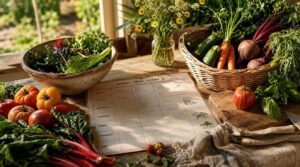
Once your garden starts coming in, the question shifts from "what’s growing?" to what’s for dinner? Planning your week around what’s actually harvest-ready makes everything easier — less waste, less guessing, more flavor.
Here’s how to make it work.
Pick Harvest-Ready Crops
Knowing when to pick makes all the difference. Check color indicators first — tomatoes should be fully red, peppers glossy and firm. Then do a quick firmness test: ripe fruit yields gently to pressure.
Morning harvest keeps produce crisp and flavorful. Use clean, sharp tools and leave a small stem on for longer freshness.
| Crop | Harvest Signal | Best Tool |
|---|---|---|
| Tomatoes | Full color, slight give | Pruning shears |
| Zucchini | Glossy, uniform skin | Sharp knife |
| Carrots | Smooth, market-size roots | Garden fork |
Match Meals to Produce
Once you know what’s ready to pick, let your harvest drive the menu. It’s one of the simplest meal planning strategies around.
- Tomatoes + basil = Vitamin Synergy and classic Flavor Pairings
- Beans + corn = complete Protein Pairings for plant-based meals
- Roasted roots + greens = Texture Matching in nutrient-dense foods
- Colorful peppers + quinoa = Color Coordination for sustainable eating
- Zucchini + eggs = a seasonal food guide staple
Repeat Flexible Base Recipes
A flexible base recipe keeps things simple, serving as your weekly meal plan backbone — using the same consistent cooking method with different seasonal swaps. Core ingredient swaps let you rotate proteins, grains, and vegetables without rewriting anything.
Batch scaling tips allow effortless doubling of recipes. Your seasonal substitution guide handles the rest.
Schedule Leftover Nights
Once your flexible bases are set, put your leftovers to work. A Fixed Night Routine—say, every Thursday—makes this easy. Use a simple labeling system and ingredient inventory to know exactly what’s on hand.
- Track portions with portion tracking notes
- Reheat efficiently with Reheat Efficiency one-pot methods
- Build a Leftover Harvest Soup Salad from odds and ends
- Embrace cook-once-eat-twice batch cooking to cut food waste
Prep Lunches From Dinners
Dinner doesn’t have to end at the table. Pack leftovers straight into labeled containers within two hours — that’s your Lunch Container Organization in action.
Use Grain Reuse Strategies by cooling cooked quinoa or rice for next-day bowls. Try a Leftover Protein Remix with shredded chicken or flaked salmon.
Add a Fresh Herb Boost and Texture Contrast Additions like raw vegetables for crunch.
Prep, Store, and Preserve Harvests
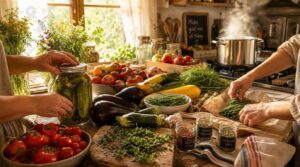
You’ve done the hard work of growing it — now let’s make sure none of it goes to waste.
Prep time on the weekend can keep your harvest fresh, flavorful, and ready to cook all week long.
Here is how to handle everything that comes out of your garden.
Wash and Chop Produce
Start with a cool water rinse — run each piece under flowing water for 15 to 30 seconds. Use a brush for cleaning on firm produce like carrots and potatoes to remove hidden dirt.
Always employ the claw grip technique when chopping, and cut pieces to uniform sizes for even cooking.
Tuck everything into airtight storage containers immediately after preparation.
Ensure clean hands, clean tools, and a clean start.
Batch Cook Grains
Cooking grains in big batches is your meal prep secret weapon. Rinse and toast quinoa or rice in a dry pan first—it adds a nutty depth you’ll love. Use a precise water ratio (2:1 for quinoa), then simmer with aromatic cooking broth instead of plain water.
Cool grains thoroughly before storing to prevent spoilage. Portion freezing simplifies preparing weeknight bowls, whether for a quinoa salad or a veggie-packed stir-fry.
This approach transforms batch cooking into effortless, flavorful meals throughout the week.
Freeze Extra Vegetables
Your freezer is one of the smartest tools in your kitchen. Blanching Techniques matter here — leafy greens need just 2 minutes, broccoli about 3 — then cool them fast in an ice bath to lock in color and nutrients.
Follow these five steps for success:
- Use Freezer Bag Methods with air removed to prevent freezer burn
- Apply a clear Labeling System with the vegetable name and date
- Practice Portion Planning by packing meal-sized amounts for easy weeknight use
- Start Shelf-life Tracking — most vegetables stay their best within 8–12 months
- Pull frozen vegetables straight into freezer meals, soups, or stir-fries without thawing
Can Tomatoes Safely
Canning your garden tomatoes is a great way to hold onto summer goodness all year long. Always inspect jars for cracks, and add citric acid to support safe acidity levels — solid sanitation practices make all the difference.
Reheat canned tomato dishes to 165°F for safe cooking temperatures. Watch for allergy risks if sensitive to nightshades.
Proper shelf-life management keeps your nutrient-dense foods tasting their best for up to 18 months.
Store Roots Properly
Root vegetables are quiet survivors — if you treat them right.
Cool dark cellars, sitting at 32–40°F with 90–95% humidity, keep carrots, beets, and turnips crisp for months. Proper curing first builds a protective skin that locks freshness in.
- Use breathable containers lined with straw
- Practice humidity management to prevent shriveling
- Schedule weekly inspections; remove any soft spots immediately
- Keep roots away from ethylene-producing fruits
Create Budget-Friendly Healthy Meals
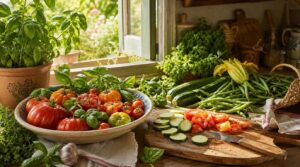
Your garden’s best harvests deserve meals that are both nourishing and easy on your wallet. With a little planning, you can turn fresh picks into satisfying dishes your whole family will love.
Here are five budget-friendly recipes built around what you’re already growing.
Garden Vegetable Chili
Simmering a pot of garden vegetable chili might be the smartest move in your budget-friendly meals rotation. Try Black Bean Sweet Potato Chili or Three-Bean Vegetarian Chili as your base — both are low-cost protein sources packed with fiber.
Seasonal pepper roasting deepens flavor naturally. Adjust heat levels to your taste, and master chili thickening with a slow simmer.
Harvest Grain Bowls
After chili night, grain bowls are your next go-to. Start with a quinoa or farro base — both are nutrient-dense foods that keep you full.
Build your Color Palette with roasted seasonal vegetables, then focus on smart Protein Pairings like chickpeas or eggs.
Try Sauce Swaps between tahini and lemon vinaigrette, add Crunchy Toppings like seeds, and Bowl Portioning becomes simple.
Lettuce-Wrapped Chicken Tacos
After grain bowls, lettuce-wrapped chicken tacos make the perfect quick weeknight meal. They’re light, fresh, and surprisingly filling.
- Lettuce Selection – Romaine holds fillings best.
- Chicken Marination – Citrus and cumin, 20 minutes.
- Healthy cooking methods – Skillet-sear for flavor.
- Salsa Pairings – Fresh pico adds vitamin C.
- Wrap Assembly & Crispness Maintenance – Assemble just before eating.
Spinach Mushroom Frittata
When tacos night wraps up, a spinach mushroom frittata keeps the momentum going without extra effort. This one-pan technique transforms humble ingredients into a nutrient-dense breakfast—or easy dinner.
Whisk four eggs for a solid egg protein boost, sauté mushrooms to deepen their umami flavor, and fold in spinach. The veggie egg custard sets beautifully when baked at 375°F.
Simple, satisfying, done.
Leftover Harvest Soup
Nothing clears out the fridge quite like a good Leftover Harvest Soup. Begin with broth building: sauté onions and garlic, then simmer whatever vegetables remain.
Stir in grains during the last 15 minutes for easy grain integration. Fresh herb pairings like parsley or thyme brighten every bowl.
Keep sodium management simple by using low-sodium stock. Zero waste, full flavor.
Frequently Asked Questions (FAQs)
What is the 3 3 3 rule eating?
The 3 3 3 rule is a simple approach to Plate Ratios and Easy Meal Planning: three servings each of vegetables, protein, and whole-food carbs — no Nutrient Counting required, just straightforward Macro Distribution.
What is the 5 4 3 2 1 diet plan?
Think of it as a simple grocery roadmap. The 5 4 3 2 1 diet plan means five vegetables, four fruits, three proteins, two carbs, and one treat — keeping meals balanced and stress-free all week.
What is the 80% rule in eating?
The 80% rule is a flexible eating pattern built on consistency over idealism.
Fill most meals with nutrient-dense foods, practice mindful indulgence for the rest, and the balance of food quality takes care of itself.
What is the healthiest eating plan?
The healthiest eating plan fills half your plate with colorful fruits and vegetables.
It pairs fiber-rich foods and whole grains with lean protein, ensuring a balanced intake of essential nutrients.
By keeping added sugars low, this approach promotes simple, sustainable dietary balance every day.
How do I preserve homegrown foods long-term?
Freeze, can, ferment, or dehydrate — you’ve got options.
Pressure canning keeps low-acid veggies safe.
A root cellar extends carrots for months.
Vacuum sealing and fermentation brine round out your long-term food storage toolkit.
What equipment is needed for home gardening?
Every garden starts with the right tools. Essential hand tools like a trowel, pruning shears, and steel rake handle daily tasks.
Add irrigation basics, protective work gear, and garden storage solutions to stay organized and efficient.
Can children safely help with growing food?
Yes, children can safely help in the garden. Give them age-appropriate tools, apply sun protection, supervise watering closely, guide safe harvesting, and always do hygiene checks before handling food.
How much time does home gardening require weekly?
Most small gardens need just 1 to 2 hours weekly.
Your weeding time, irrigation schedule, and harvest processing fit neatly into short maintenance blocks — making seasonal labor surprisingly manageable alongside meal prep and family meal planning.
What are common beginner mistakes to avoid?
Soil pH mischeck, overwatering seedlings, and improper hardening top the beginner mistake list.
Skipping crop rotation invites disease, while ignoring pest signs early means bigger problems later — and more food waste on your plate.
How does soil quality affect homegrown nutrient density?
What grows in your soil is only as good as the soil itself.
Organic Matter Content, Soil pH, Microbial Diversity, and Soil Structure all shape Nutrient Bioavailability — directly influencing how nutrient-dense foods end up on your plate.
Conclusion
Every garden holds more nutritional wisdom than a thousand diet books ever could. When you build healthy homegrown eating plans around what you actually grow, something quietly meaningful happens—food stops feeling like a problem to solve. You’re not chasing trends or decoding labels.
Instead, you step outside, pick what’s ready, and feed yourself well. That simplicity transforms eating into an intuitive act, not a complicated system. Stepping outside, picking what’s ready becomes the foundation of nourishment.
This approach fosters good eating, rooted in something real, repeated season after season. It’s a sustainable rhythm, free from fleeting fads, where the garden itself guides your choices.
- https://mygardyn.com/blog/frozen-vs-fresh-vs-home-grown-produce/?srsltid=AfmBOorvAe8ij5f3-6ELGAISu-R4xIgfKRpHOM0B7EMK1ICiRfLh_gBD
- https://buildhealth.uoregon.edu/2023/08/30/microbiomes-of-garden-vs-supermarket-produce-and-effects-on-the-human-gut-microbiome/
- https://www.sciencemediacentre.org/expert-reaction-to-study-comparing-the-nutritional-content-of-organic-and-conventional-foods/
- https://www.epa.gov/recycle/preventing-wasted-food-home
- https://www.allrecipes.com/50-dollar-grocery-budget-and-dinners-for-one-week-8549649