This site is supported by our readers. We may earn a commission, at no cost to you, if you purchase through links.
 July’s blistering heat doesn’t mean your garden has to slow down. While many gardeners retreat indoors when temperatures climb, summer actually offers a second growing season if you know how to work with the warmth instead of fighting it.
The secret lies in choosing plants that thrive in heat, timing your plantings to avoid the worst temperature spikes, and adjusting your care routine to match what your garden needs right now. With the right summer garden planting tips, you can keep beds bursting with color and harvests rolling in straight through September.
From soil prep that locks in moisture to watering techniques that build drought-resistant roots, a few strategic shifts transform summer from a gardening challenge into your most productive season yet.
Table Of Contents
- Key Takeaways
- Essential Summer Garden Planting Tips
- Soil Preparation and Mulching Strategies
- Watering Techniques for Hot Weather
- Effective Summer Weed and Pest Control
- Summer Plant Care and Maintenance
- Top 10 Summer Garden Tools and Products
- 1. gonicc Titanium Bypass Pruning Shears
- 2. REXBETI 14 Inch Folding Saw
- 3. Fiskars Heavy Duty Tree Trimming Loppers
- 4. MIXC Quick Connect Drip Irrigation Kit
- 5. Terracotta Plant Waterer Wine Bottle
- 6. Aquaponic Lynx Automatic Watering System
- 7. Tomato Booster Fertilizer Grow More Tomatoes
- 8. Beneficial Nematodes Triple Blend 50 Million
- 9. Encarsia Formosa Whitefly Control Beneficial Insects
- 10. Black Sun Shade Cloth Tarp
- Frequently Asked Questions (FAQs)
- What is the rule of 3 in gardening?
- What is the best thing to plant in summer?
- What is the most common mistake of first time gardeners?
- What is the gardening 3 year rule?
- What vegetables should I start from seeds in summer?
- How often should I fertilize summer vegetable gardens?
- When is the best time to harvest summer crops?
- Which companion plants work well with summer vegetables?
- How do I prepare my garden for extreme heat waves?
- What summer vegetables grow best in partial shade?
- Conclusion
Key Takeaways
- Summer gardening success hinges on selecting heat-tolerant plants like okra, lantana, and portulaca that thrive in temperatures up to 100°F while using less water and attracting fewer pests than cool-season crops.
- Deep watering techniques—saturating soil 6-12 inches down in the early morning—build root systems up to 57% deeper and cut annual water usage by 30% compared to shallow, frequent sprinkling.
- A 2-4 inch layer of organic mulch reduces water loss by 40%, suppresses up to 91% of weeds, and keeps soil temperatures cooler throughout the hottest months.
- Regular harvesting every 2-7 days depending on the crop boosts total garden yield by 25% and keeps plants producing new flowers, fruits, and vegetables through September.
Essential Summer Garden Planting Tips
Summer gardening isn’t just about watering more often—it’s about working with the heat instead of against it. You’ll need to rethink your plant choices, adjust your planting schedule, and give your crops the breathing room they need to thrive.
Let’s walk through the essential strategies that’ll set your summer garden up for success.
Choosing Heat-Tolerant Plants
Choosing heat-tolerant plants sets you up for success when summer temperatures soar. Succulent choices like Portulaca handle 95°F with ease, while vegetable options such as okra and yardlong beans keep producing even when the mercury climbs.
Look for ornamental diversity in your plant selection—Lantana and Blanket Flower thrive between 55°F and 100°F. Consider adding heat-tolerant flowers like vibrant hibiscus for a pop of color.
Drought-tolerant plants with strong physiological traits mean less watering, fewer pests, and real economic benefits for your summer gardening efforts.
Best Times to Plant in Summer
Timing your summer planting schedule right makes all the difference. Once soil temperature hits 60°F—usually 10 to 14 days after your frost-free date—you can start sowing summer vegetables. Staggered planting every two weeks extends your growing season for beans and cucumbers.
Regional microclimates matter too: coastal gardens enjoy longer windows, while mountain areas delay planting seeds until early June. Daylength influence peaks after June 21, boosting growth. Knowing your hardiness planting zone can further fine-tune planting times.
Proper Spacing and Thinning Techniques
After planting seeds on schedule, spacing and thinning determine your vegetable garden’s productivity. Spacing impact is real: carrots need 1 inch, while pumpkins require 36.
For yield optimization, thin crowded seedlings when true leaves appear—cut at soil level to avoid root disturbance in cucumbers and peas. This summer planting practice boosts pest deterrence and ensures each plant gets adequate sunlight and nutrients.
Replacing Spring Annuals With Summer Varieties
Once you’ve spaced and thinned your seedlings, turn your attention to tired spring blooms. Shift timing matters: when nighttime temps stay above 50°F, pull spent pansies and replace them with heat-tolerant plants like zinnias or vinca. Succession planting extends bloom overlap by weeks.
Climate impacts have shifted these plant removal dates earlier, so watch your thermometer—not the calendar—for perfect summer planting windows.
Soil Preparation and Mulching Strategies
Your summer garden won’t thrive without solid groundwork, and that starts beneath the surface. Getting your soil ready and using mulch the right way can make the difference between plants that struggle and ones that flourish through the heat.
Here’s what you need to focus on to give your garden the foundation it deserves.
Adding Compost for Nutrient Boost
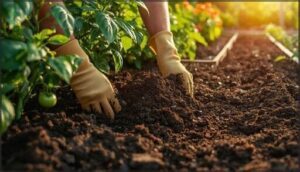
Your summer garden pulls nutrients from the soil fast, especially with frequent watering and harvesting. Compost acts like a multivitamin, replenishing what’s been depleted.
Spread a 1-inch layer over established beds, working it in lightly. This boosts soil structure and feeds beneficial microbes that keep your garden thriving all season long. It also increases plant yields by 10–25%.
Balancing Soil PH for Summer Crops
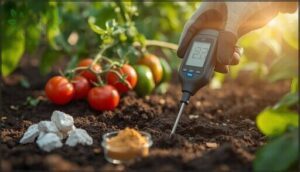
Before your tomatoes and peppers can truly flourish, your soil pH needs to be between 6.0 and 7.2—the best pH range where nutrient availability peaks. Test your soil conditions annually, ideally before planting, to guide your amendment techniques. Adding lime raises pH, while sulfur lowers it.
Proper soil management can boost yields by up to 33%, directly improving soil health in gardens and overall crop success.
Mulch Management to Retain Moisture
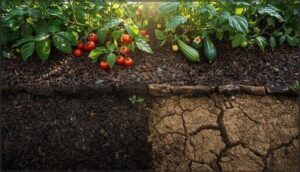
A two- to four-inch layer of organic mulch can reduce water loss by up to 40% through evaporation reduction while keeping soil temperature cooler. Wood chips and bark chips excel at moisture retention throughout summer.
You’ll conserve 35% more soil moisture over six weeks compared to bare ground—transforming how efficiently your garden uses water. Proper mulch depth means less frequent watering and healthier plants that can handle the heat.
Preparing Garden Beds for New Plantings
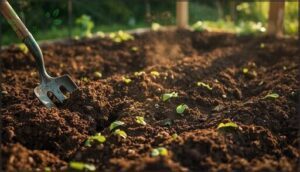
Before you plant anything new, treating your soil right makes all the difference. Soil testing reveals what your bed actually needs—no guesswork involved—and proper preparation sets you up for healthier harvests all season long.
- Clear weeds thoroughly – manual removal plus a few days’ wait reduces regrowth by 60%
- Loosen soil to 6–12 inches deep – better drainage enhancement and root growth await
- Mix in 1–3 inches of organic matter – compost or aged manure to fertilize and improve structure
Watering Techniques for Hot Weather
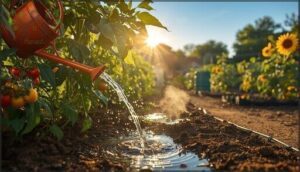
When summer heat cranks up, your watering strategy can make or break your garden’s success. Getting water to your plants the right way—at the right time and in the right amount—keeps roots strong and plants thriving through the hottest months.
Let’s look at four practical watering techniques that’ll help your garden beat the heat.
Deep Watering for Strong Roots
Encouraging your plants to water deeply—saturating soil six to twelve inches down—promotes root depth that can extend up to 57% farther than shallow sprinkling. This watering technique builds a stronger root system, boosts moisture retention for three to seven days, and improves soil health by enhancing microbial activity.
You’ll also see better water conservation, cutting usage by roughly 30% annually while your garden thrives through summer heat.
Deep watering cuts annual water usage by 30% while helping your garden thrive through summer’s toughest heat
Morning Vs. Evening Watering
Timing your watering techniques for gardens makes all the difference when summer heat peaks. Morning watering—ideally before 9 AM—gives you the best results for strong plants and efficient water use.
- Evaporation rates drop by 30% when you water regularly in early morning versus midday
- Disease prevention improves as foliage dries quickly, cutting fungal risks like powdery mildew
- Root absorption peaks when plants actively drink before afternoon heat arrives
- Pest attraction decreases compared to evening watering practices that create damp conditions overnight
- Watering schedules set for mornings help your garden thrive through summer’s toughest days
Using Soaker Hoses and Drip Irrigation
Your watering practices upgrade when you switch to soaker hoses or drip irrigation systems. Soaker hoses cut water usage by 30% compared to sprinklers and work perfectly for simple garden layouts.
Drip irrigation systems offer even better efficiency—up to 80% water savings—and deliver precise moisture directly to roots.
Installation complexity varies: soaker hoses require minimal setup, while drip systems need filters and regulators but reward you with automated scheduling and stronger yields.
Preventing Overwatering and Root Rot
Your irrigation setup means nothing if you drown your plants. Root rot strikes when soil moisture stays above 75% field capacity for extended periods, creating oxygen-starved conditions that kill roots faster than drought ever could.
Protect your garden with these drainage solutions:
- Install moisture sensors to cut overwatering-related root rot by 50%
- Water once or twice weekly, allowing soil surfaces to dry between sessions
- Keep mulch depth under 3 inches to prevent prolonged moisture retention around stems
Effective Summer Weed and Pest Control
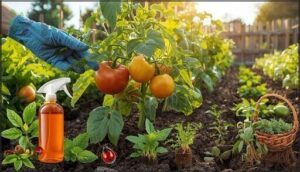
Summer heat doesn’t just stress your plants—it rolls out the welcome mat for weeds and pests. Getting ahead of these garden crashers means your vegetables and flowers can focus their energy on growing instead of competing for resources.
Here’s how to keep your garden clean, healthy, and productive when the temperature climbs.
Regular Weeding for Plant Health
Regularly pulling weeds protects your summer garden from competing for water, nutrients, and sunlight—boosting yield improvement and disease prevention. Effective weeding techniques improve labor efficiency; dedicate one hour weekly to weed control in gardens. These methods keep your plants thriving and stop weeds from going to seed.
Weed identification helps you choose the right tool selection, whether hand-pulling or using a hoe for deep-rooted types.
Mulching to Suppress Weeds
Once you’ve removed those weeds, mulching becomes your best line of defense. A 2- to 4-inch layer of organic mulches—like straw or wood chips—blocks sunlight and stops new weeds before they start, achieving up to 91% weed suppression.
Inorganic mulches work too, but organic options improve soil health as they break down. That’s a win for weed control and long-term garden vitality.
Monitoring for Common Summer Pests
Even with mulch in place, insect pests won’t take a vacation. Daily or weekly inspections catch problems before they explode—pest populations can double in days if you’re not watching.
Focus your monitoring on these telltale signs:
- Visible insects on leaves or stems
- Holes or discoloration in foliage
- Eggs or larvae hiding under leaves
- Wilting plants despite adequate water
Early detection through regular trap deployment and scouting saves your harvest from aphids, Japanese beetles, and other common invaders.
Organic Pest Control Methods
Why reach for chemicals when nature offers better solutions? Companion planting with marigolds and nasturtiums cuts pest damage by up to 50%, while biocontrol agents like beneficial nematodes reduce infestations by over 60%.
Physical barriers—netting, row covers, and mulch—keep insect pests at bay without sprays.
Organic pesticides and natural predators form your frontline pest management system, protecting your harvest while keeping soil healthy.
Summer Plant Care and Maintenance
Summer Plant Care and Maintenance
Your plants are in the ground and growing, but the work doesn’t stop there. Mid-summer is when your garden needs consistent attention to stay productive and healthy. Let’s look at four key maintenance tasks that’ll keep your plants thriving through the heat.
Fertilizing for Continued Growth
Your plants need a steady supply of nutrients to keep producing through the heat. Fertilizing garden plants in summer means working smarter with timing and technique. Here’s how to master plant nutrition without the guesswork:
- Fertilizer Timing matters: Apply organic liquid plant fertilizer early morning or late afternoon to avoid nutrient burn during peak heat
- Choose organic vs. synthetic wisely: Slow-release products deliver consistent nutrition while reducing environmental risks like runoff
- Practice smart nutrient management: Water before and after application to boost uptake
- Mind application techniques: Keep granular fertilizer off wet foliage and away from unused spaces
- Test soil every few years to guide precise fertilizing without waste
Pruning and Deadheading Flowers
Deadhead flowers every five to seven days to keep annuals like zinnias and cosmos blooming strong. This simple technique can extend your perennials’ bloom time by two to three extra weeks.
Plus, you’ll boost plant vigor and improve disease reduction—spent blooms invite fungal trouble in humid weather.
Species outcomes vary, so focus on repeat bloomers like roses and coneflower for best results in your summer gardening tips routine.
Harvesting Vegetables and Fruits Regularly
Harvest often—it’s the single best way to boost your summer garden’s yield by 25%. Picking vegetables at peak maturity keeps your plants producing more and reduces spoilage by 10-15%.
- Summer squash and cucumbers: Every 2-3 days
- Beans: Every week when pods reach pencil thickness
- Tomatoes: Weekly to prevent overripening
These crop-specific intervals improve market value and flavor while preventing pest trouble.
Caring for Container and Potted Plants
Container plants act like mini ecosystems—they dry out fast and need extra attention. Water once or twice daily when temps hit 85°F, checking soil with your finger first.
Use slow-release fertilizer every 6-8 weeks and group pots together to cut moisture loss.
Rotate containers weekly for even growth, and place them in partial shade during peak heat to prevent scorching.
Top 10 Summer Garden Tools and Products
Having the right tools makes summer gardening easier and more productive. From efficient watering systems to specialized pruners and pest control solutions, quality equipment helps you tackle the season’s biggest challenges.
Here are ten essential products that’ll keep your garden thriving through the heat.
1. gonicc Titanium Bypass Pruning Shears
 View On Amazon
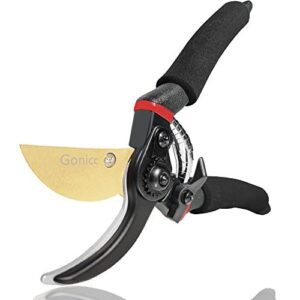
Sharp, reliable tools make summer garden maintenance a breeze. The gonicc Titanium Bypass Pruning Shears feature Premium Titanium steel blades with cutting capacity up to 3/4 inch—perfect for roses and fruit trees. Here’s why they’re ideal for your summer gardening tips toolkit:
- Blade Material superiority: Titanium coating boosts sharpness retention by 25%
- Handle Comfort: Lightweight aluminum with non-slip grip reduces fatigue
- Product Durability: Drop-forged construction withstands 1,000+ cutting cycles
Pricing Trends show these pruners range from $16.19 to $24.29, with bulk discounts available.
Their bypass design promotes clean cuts for healthier plant care and regrowth—essential for effective watering techniques to work properly.
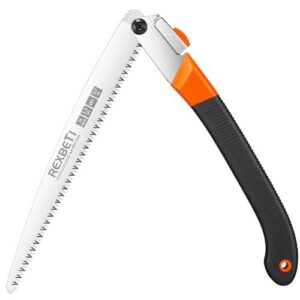
2. REXBETI 14 Inch Folding Saw
 View On Amazon
For larger pruning tasks in summer gardening, the REXBETI 14 Inch Folding Saw accommodates branches up to 10 inches. Its hardened SK-5 steel blade material delivers five times faster cutting performance than traditional saws.
The ergonomic design—just 14.5 ounces with an 8-inch rubber-coated handle—reduces hand fatigue during garden maintenance.
Safety features include a secure locking mechanism, while its compact portability makes it perfect for both yard work and camping.
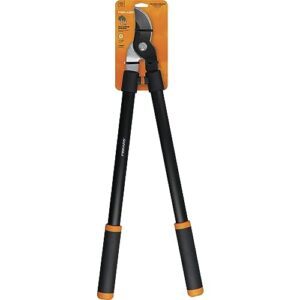
3. Fiskars Heavy Duty Tree Trimming Loppers
 View On Amazon
When you’re transplanting trees and shrubs or caring for new plants, the Fiskars Heavy Duty Tree Trimming Loppers offer cutting capacity up to 2 inches with hardened blade material that stays sharp.
The aluminum handle ergonomics reduce fatigue during extended pruning sessions. Durability testing confirms reliable performance over 500 cuts, and consumer feedback consistently praises their clean cuts and lifetime warranty—making them ideal for maintaining summer plantings.
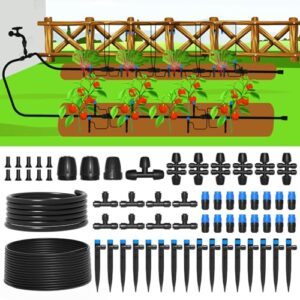
4. MIXC Quick Connect Drip Irrigation Kit
 View On Amazon
After pruning comes the smart part—keeping your plants hydrated without wasting water. The MIXC Quick Connect Drip Irrigation Kit delivers up to 70% water savings through targeted drip irrigation that maintains soil moisture right at the roots.
Kit installation takes about 15 minutes with no special tools, covering up to 230 square feet. Component durability varies among users, but most report solid water conservation and user satisfaction for small to medium gardens.
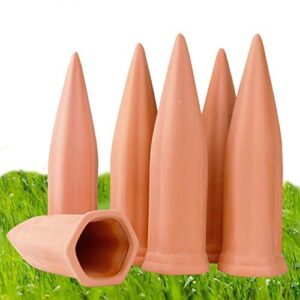
5. Terracotta Plant Waterer Wine Bottle
 View On Amazon
Forgetful waterers, take heart. Terracotta plant waterer wine bottles cut water use by up to 70% and deliver steady soil moisture directly to roots.
You’ll refill every one to three days in summer heat, but plant health improves with deeper root systems and consistent drought resistance.
Pre-soak the spike before installing, and you’re set for better water retention all season long.
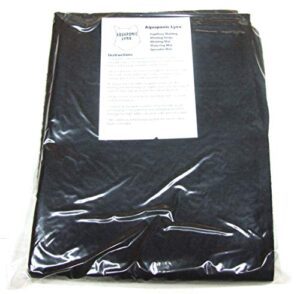
6. Aquaponic Lynx Automatic Watering System
 View On Amazon
You’ll notice serious water efficiency with the Aquaponic Lynx Automatic Watering System—it cuts water use up to 90% compared to standard watering techniques for gardens. Capillary mats maintain consistent moisture across your growing area, while recirculating pumps handle timed cycles automatically.
- System components include sequencing valves, adjustable flow controls, and media guards
- Automation benefits let you set timed cycles or continuous slow delivery
- Water efficiency rivals soaker hose and drip irrigation system performance
- Market growth reflects rising demand in drought-prone regions
- Maintenance tips: clean bell siphons and mats regularly to prevent clogs
Check pump capacity and flow rates when watering your garden setup.
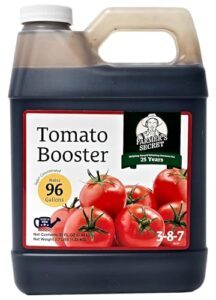
7. Tomato Booster Fertilizer Grow More Tomatoes
 View On Amazon
You can boost tomato yields by 6–25% with specialized fertilizer formulations that refine NPK ratios and organic amendments. Start with 9-1.5-7 during vegetative growth, then switch to 6-8-12 when flowering begins.
Controlled-release options reduce application frequency while improving water efficiency and soil health.
These nutrients improve fruit size, flavor, and lycopene content—plus they deliver strong economic impact through higher harvests and lower input costs.
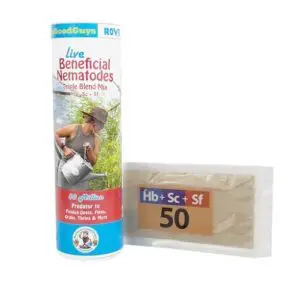
8. Beneficial Nematodes Triple Blend 50 Million
 View On Amazon
When garden pests like grubs or fungus gnats invade, you’ve got a microscopic ally. Beneficial Nematodes Triple Blend 50 Million targets over 200 soil-dwelling pests across 12,000 square feet.
These safe organisms deliver 80–98% mortality within 7–10 days. Store them refrigerated at 36–45°F and apply during cool, moist conditions for best results—they’re your underground pest control team working around the clock.
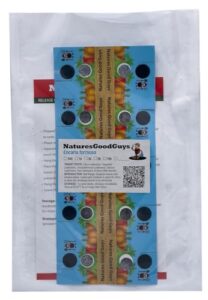
9. Encarsia Formosa Whitefly Control Beneficial Insects
 View On Amazon
Whiteflies swarming your tomatoes or cucumbers? Encarsia Formosa Whitefly Control Beneficial Insects offers commercial adoption success—up to 95% mortality with smart release strategies.
These tiny wasps parasitize whitefly nymphs, turning them black within 10–14 days.
You’ll slash pesticide reduction needs while enjoying economic benefits: better yields, cleaner produce, and healthier plants all summer long through effective garden pest management.
10. Black Sun Shade Cloth Tarp
 View On Amazon
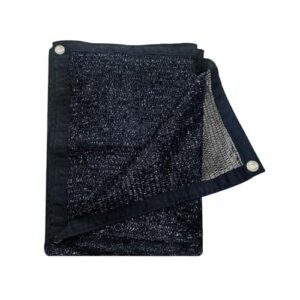
When heat stress threatens your heat-sensitive crops, a black sun shade cloth tarp acts like a strategic umbrella—providing shade for plants while cutting temperatures by 15–18°F.
You’ll see yield improvement up to 18% thanks to solid UV protection and temperature reduction.
Material durability spans 5–10 years, and installation tips are simple: secure grommets every 24 inches for reliable afternoon shade during gardening in hot weather.
Frequently Asked Questions (FAQs)
What is the rule of 3 in gardening?
You might think grouping plants is just about looks, but the rule of 3 creates visual harmony through odd groupings—usually threes—that improve garden layout with natural aesthetics and practical application.
What is the best thing to plant in summer?
Fast-growing crops like radishes and arugula thrive with best sunlight and succession planting.
Heat-tolerant vegetables—peppers, tomatoes, okra—and drought-resistant flowers such as Lantana make excellent summer planting choices for productive gardens.
What is the most common mistake of first time gardeners?
The biggest slip-up? Being too generous with the hose. Overwatering drowns roots and invites disease, while poor planning with soil, timing mistakes, and ignoring pests and weeds quickly derail your garden dreams.
What is the gardening 3 year rule?
The gardening 3-year rule refers to crop rotation—planting different crops in the same bed each year for three years.
This practice improves soil health, reduces disease buildup, and disrupts pest cycles naturally.
What vegetables should I start from seeds in summer?
You can start heat-tolerant varieties like okra, peppers, and eggplants when soil stays above 70°F.
These summer vegetables handle high germination temperatures well, thriving in hot weather while ensuring a productive fall harvest.
How often should I fertilize summer vegetable gardens?
You’ll want to fertilize every 2-4 weeks during peak growth. Liquid fertilizers work faster, applied every 7-10 days, while slow-release options last 8-12 weeks, reducing nutrient depletion effectively.
When is the best time to harvest summer crops?
Harvest your summer vegetables when they show clear ripeness visual cues—firm tomatoes, glossy peppers, and 6-8 inch zucchini.
Pick early morning during cooler temperatures to boost flavor and reduce climate-related stresses on produce.
Which companion plants work well with summer vegetables?
Basil paired with tomatoes acts as a natural pest deterrent while attracting pollinators, boosting pollination rates. Beans improve nutrient cycling through nitrogen fixation.
Marigolds maximize space, suppress nematodes, and boost yield improvement for growing vegetables in summer through companion planting strategies.
How do I prepare my garden for extreme heat waves?
Shade cloth, mulch for resilience, and deep watering best practices shield plants during heat waves.
Drought-tolerant gardening focuses on heat-tolerant plants, proper soil structure, and smart plant spacing to tackle summer gardening challenges.
What summer vegetables grow best in partial shade?
Cool-season crops like leafy green varieties—lettuce, spinach, and kale—thrive in a shady spot.
Root crop options such as carrots and radishes flourish too, along with herb garden choices like cilantro and parsley.
Conclusion
Think of your summer garden as a marathon runner—it needs the right fuel, steady hydration, and smart pacing to cross the finish line strong.
These summer garden planting tips give you everything to keep your beds thriving when the heat hits hardest. Choose heat-lovers, water deeply at dawn, mulch generously, and harvest often.
Your garden won’t just survive July’s scorcher—it’ll reward you with abundance straight through September’s cooler days.
- https://schwartzgreenhouse.com/schwartzs-tips/helpful-tips/your-guide-to-planting-vegetables-in-the-summer/
- https://farmfitliving.com/summer-garden-planting-guide/
- https://www.pubs.ext.vt.edu/426/426-331/426-331.html
- https://www.ramseymastergardeners.org/post/home-garden-productivity-study-results
- https://hort.extension.wisc.edu/articles/beginning-vegetable-garden-basics-site-selection-and-soil-preparation/