This site is supported by our readers. We may earn a commission, at no cost to you, if you purchase through links.
Most gardeners pack away their tools in autumn and assume pests do the same. They don’t. Aphids, cutworms, and slugs are already preparing for winter, hiding in stem crevices, soil, and damp corners of garden beds.
Winter provides pests with more cover than most realize, and fewer natural predators are around to keep them in check. Getting ahead of pests before temperatures drop makes winter garden pest control far easier than dealing with a full-blown infestation in spring.
The right combination of cleanup, barriers, and monitoring can keep your garden healthy through the cold months and ensure a stronger growing season ahead.
Table Of Contents
- Key Takeaways
- Common Winter Garden Pests and Their Impact
- How Pests Survive Winter in Your Garden
- Pre-Winter Garden Cleanup for Pest Prevention
- Physical Barriers and Structural Pest Control
- Natural Pest Control Methods for Winter
- Organic and Eco-Friendly Pest Solutions
- Top 6 Products for Winter Garden Pest Control
- Monitoring and Early Detection of Infestations
- Integrated Pest Management for Winter Gardens
- When to Call Professional Pest Services
- Frequently Asked Questions (FAQs)
- How to get rid of overwintering garden pests?
- What is the hardest pest to get rid of?
- Is Dawn dish soap an insecticidal soap?
- What to spray on plants before you bring them in for the winter?
- Is pest control worth it in winter?
- Should you do pest control in winter?
- What is the most common garden pest?
- How can I prevent winter pests from gaining access to my home?
- Who is the best pest control company in winter garden?
- What is a pest control & prevention program?
- Conclusion
Key Takeaways
- Winter pests don’t disappear in the cold — aphids, cutworms, slugs, and rodents hide in soil, debris, and bark crevices, quietly surviving until spring.
- A good fall cleanup is your best first move: clearing leaves, turning soil, and pulling weeds removes the shelter pests depend on to make it through winter.
- Physical barriers like copper tape, row covers, and sealed entry points stop pests before they reach your plants — no chemicals needed.
- Catching problems early through daily inspections, sticky traps, and soil checks is far cheaper and easier than dealing with a full infestation come spring.
Common Winter Garden Pests and Their Impact
Winter doesn’t give your garden a full break from pests — it just changes the lineup. Some insects hunker down in your soil, others hide under debris, and a few furry visitors see your garden as a winter buffet.
Squash bugs are a prime example — overwintering squash bugs hiding in garden debris can quietly survive frost and reemerge ready to feed come spring.
Here are the most common culprits and the damage they can do.
Overwintering Mites and Aphids
Don’t let the cold fool you — mite overwintering stages happen quietly in bark crevices and evergreen foliage. Aphid egg dormancy kicks in on stems and twigs, waiting for spring.
In greenhouses, cold-season sap feeding never really stops. Winter brassica infestations from aphids can stunt kale and collards fast.
Catching these winter garden pest issues early is your best pest prevention tip.
Scale Insects and Fungus Gnats
Scale insects are sneaky — they cling to bark and stems all winter, draining sap without obvious movement. Watch for sticky honeydew impacts like sooty mold on leaves. That’s a red flag.
Indoors, root-zone moisture from overwatering invites indoor gnat outbreaks fast. Scale identification tips and soil drench treatments can stop both problems before they spread into bigger winter garden pest issues.
Cutworms and Soil-Dwelling Larvae
While scale insects work above ground, cutworms quietly do damage below it. Understanding the cutworm life cycle helps — these larvae overwinter in your top few centimeters of soil, then emerge late winter hungry for seedlings.
Their nocturnal feeding behavior makes soil larvae identification tricky. Overnight, they sever young stems right at the base. Thick mulch makes it worse, giving them perfect cover.
Late-winter larvae control starts with exposing and disrupting that hiding spot.
Slugs, Snails, and Mollusks
Cutworms hide underground, but slugs and snails work right on the surface — and they’re just as destructive. Cool, wet winter conditions are their ideal setup.
Slug feeding damage can wipe out an entire seedling bed overnight. Snail slime trails across your leaves are a dead giveaway. Both species show nocturnal feeding behavior, so check your winter garden at dusk for early pest prevention tips.
Rodents and Voles in Winter Gardens
Rodents are some of the sneakiest winter garden threats. Voles tunnel under mulch, gnawing tree bark and girdling roots — that’s tree girdling prevention you can’t ignore. Winter rodent activity also means stored bulbs and tubers get hollowed out fast.
Watch for vole runway identification: shallow surface trails signal active rodent infestations. Early rodent control protects your home and yard before real damage sets in.
How Pests Survive Winter in Your Garden

Pests don’t just disappear when the temperature drops — they adapt. Your garden offers more hiding spots than you might think, and knowing where they tuck in for winter changes how you fight back. Here’s how they pull it off.
Overwintering Strategies of Garden Insects
Insects don’t just disappear when temperatures drop — they’ve mastered survival. Through diapause, triggered by shorter days in late summer, garden pests pause development and slash their metabolism to stretch winter energy reserves.
Life-stage overwintering patterns vary widely: aphids hide as frost-hardy eggs, cutworms burrow as larvae, beetles sleep as adults. Warmer winters are quietly expanding overwintering ranges, meaning pest prevention methods and year-round insect control matter more than ever.
Protected Microhabitats and Shelter Spots
Finding shelter is a pest’s winter priority — and your garden offers plenty of it. Rock Pile Refuges trap moisture and warmth, while Bark Crevice Havens shield mites and aphids from frost. Soil Crack Shelters hide cutworm larvae several inches deep. Upturned Pot Hideouts harbor slugs and fungus gnats. Even Structure Gap Harborage — tiny shed cracks — invites rodents in. Knowing these spots is your first step toward real Infestation Prevention.
Debris Piles and Mulch as Pest Havens
Your garden’s debris is basically a free hotel for pests. A Leaf Pile Refuge gives overwintering insects exactly what they need — warmth, moisture, and cover. Poor Mulch Depth Guidelines let slugs and cutworms thrive unnoticed. Seasonal Pest Activity spikes when these spots go unmanaged:
- Wood Debris Hotspots shelter beetles and termites near beds
- Compost Proximity Risks draw fungus gnats and foraging rodents
- Foundation Mulch Gaps — or the lack of them — give pests a direct path indoors
- Thick mulch against stems traps humidity, weakening plants and inviting secondary insect infestations
Home and Yard Protection starts with cleaning up these hidden shelters before winter sets in.
Climate Variability Effects on Pest Survival
Weather shapes pest survival more than most gardeners realize. Warmer Winter Survival means aphids skip dormancy entirely and keep reproducing. Extreme Cold Mortality wipes out most soil larvae — but only when temperatures stay below freezing for days. Here’s how climate conditions affect your Winter Garden:
| Condition | Pest Impact |
|---|---|
| Warm winters | Higher Seasonal Pest Activity in spring |
| Hard frost snaps | 80%+ larval Extreme Cold Mortality |
| Drought-Stressed Soil | Cuts cutworm survival by half |
| Wet Winter Flooding | Washes away up to 70% of mite and aphid eggs |
Snow Cover Insulation keeps slugs comfortable even in deep cold. Smart Pest Prevention and Maintenance means watching the forecast, not just the calendar.
Pre-Winter Garden Cleanup for Pest Prevention
A tidy garden going into winter is your best defense against pests. Most insects and larvae need debris, weeds, and loose soil to hide and survive the cold — take that away, and you take away their home.
Here’s where to start.
Removing Fallen Leaves and Plant Debris
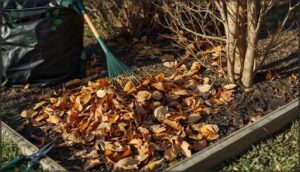
Leaf litter hotspots are basically pest motels — warm, damp, and hidden from frost. Clearing fallen leaves and disease-bearing debris from your beds in late fall cuts overwintering sites by nearly half.
Use basic garden cleanup tools like a flexible rake or pruning shears. Safe leaf disposal matters too: bag diseased material; don’t compost it. That’s smart home pest protection in one simple step.
Turning and Aerating Soil in Late Fall

Once the leaves are cleared, turn your attention underground. Late fall aeration breaks the pest cycle before it starts. Use a garden fork — push it 4 to 5 inches deep, spacing insertions every 6 inches. That ideal turning depth exposes grubs and larvae to frost and birds.
After turning, rake smooth and apply a light compost layer for solid post-aeration care.
Clearing Weeds and Dead Plant Material

Weeds and dead foliage are basically pest motels — cutworms, aphids, and earwigs move right in for winter. Pull them out now using manual weed techniques: grasp low, extract roots fully, and use a hand fork for stubborn taproots.
Solid dead foliage management and smart debris disposal methods shrink pest habitat fast. Clear those beds, and your winter garden pest prevention and control gets a serious head start.
Disposing of Infected or Diseased Plants

Diseased plants need more than just pulling — they need a plan. Safe plant removal means cutting below healthy tissue, then bagging diseased debris right there in the garden. Don’t carry loose material across your yard.
For hot compost decisions, know your limits: most home piles won’t hit the temps needed. Burial versus landfill or even burning disease waste are smarter options for serious infections.
Good pest management starts here.
Physical Barriers and Structural Pest Control

Sometimes the best pest control is a simple barrier between bugs and your plants. You don’t need fancy chemicals — just the right physical defenses in the right places.
Here are four practical ways to keep pests out before they ever get started.
Sealing Garden Entry Points
Your home has more gaps than you’d think. Foundation crack sealing stops mice and insects cold — even a 1/4-inch split is an open door. Check utility penetration sealing around pipes and conduits, and add door sweep installation under every exterior entry.
Window frame caulking and soffit vent screening round out your home pest control and pest prevention strategy for winter garden protection.
Installing Protective Plant Coverings
Covering your plants is one of the smartest moves in winter pest prevention. Choose cover material selection based on your goals — lightweight 0.5 oz fabric blocks insects while letting in 85–90% light. For insect mesh sizing, 32 mesh stops leaf miners and aphids cold.
With proper hoop tunnel installation, securing cover edges under soil or rocks, and ventilating covered beds on warm days, you’ll keep pests out all season.
Using Copper Tape for Slug Barriers
Copper barrier science is simple: a slug’s moist body reacts to copper like a mild shock, sending it straight back. Choosing tape width matters — wider beats narrow every time. For ideal tape placement, wrap a 2–4 cm band around your pot rims or raised bed edges.
Your barrier maintenance schedule should include quick spring checks for gaps. It’s chemical-free, durable pest prevention that fits any winter garden perfectly.
Row Covers and Frost Protection
Row covers do double duty in winter — they lock in warmth and keep pests out. Lightweight row cover materials work well for hardy greens, while heavier frost blanket thickness can shield crops down into the mid-20s°F.
Pair them with hoop support systems to protect leaves from abrasion. The temperature gain benefits are real, and for pest management, fewer insects reach your plants at all.
Natural Pest Control Methods for Winter

Nature has its own pest control crew — you just have to invite them in. Working with the right insects, birds, and organisms can do a lot of the heavy lifting for you this winter.
Here are four natural methods worth adding to your pest control routine.
Encouraging Beneficial Insects and Predators
Your garden already has allies — you just need to give them a place to stay. Beneficial insect habitats like insect hotels, bundled hollow stems, and undisturbed leaf litter give overwintering predator shelters to lacewings, lady beetles, and parasitic wasps.
These natural enemy corridors are the backbone of smart Integrated Pest Management. Pollinator-friendly plantings like dill and alyssum keep them coming back season after season.
Attracting Insectivorous Birds for Pest Control
Birds are one of your best pest management tools — and they work for free. A single bluebird can eat up to 2,000 caterpillars daily.
A single bluebird can devour up to 2,000 caterpillars daily — nature’s pest control, and it works for free
Smart suet feeder placement near trees draws chickadees, woodpeckers, and nuthatches that hunt larvae all winter.
Add nest box strategies, winter bird water, and native shrub habitat for bird-friendly landscaping that doubles as hands-off, eco-friendly pest control.
Using Predatory Nematodes Against Larvae
Think of nematodes as microscopic hired muscle working underground. Nematode species selection matters — Steinernema feltiae controls fungus gnats and cutworms, while Heterorhabditis bacteriophora targets grubs.
For eco-friendly pest control that actually works, apply them when soil stays above 10°C and keep it consistently moist. These pest management tips pay off fast — larvae die within 48 hours.
Ladybugs and Lacewings for Aphid Management
Nematodes handle what’s underground — but aphids are a whole different battle. For greenhouse aphid biocontrol, ladybugs and lacewings are your best allies.
In many studies, lacewings provide better long-term aphid control than ladybugs thanks to their strong garden retention and temperature adaptability. Lacewings stay put longer and keep feeding through cloudy days.
Release ladybugs at dusk after watering for better ladybug retention tactics. Plant yarrow or sweet alyssum nearby as lacewing habitat plantings to anchor them where you need them most.
Organic and Eco-Friendly Pest Solutions

You don’t have to reach for harsh chemicals to keep pests out of your winter garden. There are plenty of plant-based and organic options that work well without putting your edible crops at risk.
Here are some of the best eco-friendly solutions worth trying.
Plant-Based Insect Control Options
Plants themselves offer some of your best eco-friendly pest solutions. These four options work hard without harsh chemicals:
- Neem Oil Sprays — suffocate overwintering aphid and mite eggs on contact.
For stronger protection, a homemade neem oil spray using cold-pressed oil can also help control soft-bodied pests and fungal diseases while remaining safe for beneficial insects.
Garlic-Based Repellents — repel whiteflies and leafhoppers when applied every two weeks
Hot Pepper Barriers — capsaicin disrupts insect nervous systems and reduces egg-laying
Dormant Oil Treatments — block pest spiracles for season-long ant and insect control
Botanical and Chemical-Free Applications
Beyond neem oil strategies, you’ve got a whole toolkit of chemical-free options. Diatomaceous earth use around bed borders dehydrates crawling pests on contact.
Garlic spray recipes — ten cloves steeped overnight, mixed with soap — burn through aphid colonies fast. Peppermint oil applications and hot pepper repellents round out your eco-friendly pest control lineup, keeping winter beds protected without synthetic chemicals.
Organic Pest Management for Edible Gardens
You can build your organic pest management plan right into your garden. Companion Planting Plans with garlic and dill help repel aphids. Beneficial Habitat Design—like leaving brush piles—encourages lady beetles and ground beetles.
Soil-Driven Resistance comes from adding compost and rotating crops. Low-Spray Crop Rotations and careful Winter Crop Selection keep pest control steady and ecofriendly, all season long.
Safe Treatments for Winter Vegetables
Safe treatments for your winter vegetables don’t have to be complicated. A few well-chosen tools cover most threats:
- Insecticidal Soap disrupts soft-bodied pests like aphids on contact — spray both leaf surfaces on above-freezing days.
- Neem Oil controls eggs and larvae as a biological control without harsh chemicals.
- Horticultural Oil smothers overwintering scales and mites near edible beds.
Eco-friendly pest solutions work. Use them consistently.
Top 6 Products for Winter Garden Pest Control
Having the right tools makes winter pest control a whole lot easier. These six products cover everything from rodents and slugs to soil pests and climbing insects.
Here’s what’s worth keeping in your garden shed this season.
1. Tomcat Rodent Repellent Ready To Use
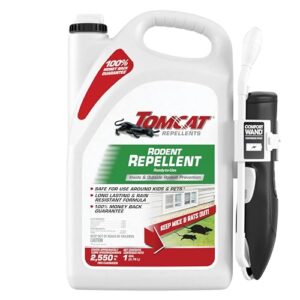
Rodents don’t take winters off — they just get sneakier. Tomcat Rodent Repellent Ready To Use gives you a humane way to keep them out before they settle in.
The blend of peppermint, cinnamon, and garlic oils irritates their senses without harming them — or your kids and pets. One gallon covers about 2,550 square feet, and the battery-powered wand makes application easy around doors, vents, and foundation edges.
Reapply every 30 days through the cold months and you stay ahead of the problem.
| Best For | Homeowners who want to keep mice and rats out before they become a problem — especially in garages, basements, and attics. |
|---|---|
| Target Pest | Mice & Rats |
| Indoor Use | Yes |
| Outdoor Use | Yes |
| Pet Safe | Yes |
| Chemical Free | Yes |
| Reapplication Needed | Every 30 days |
| Additional Features |
|
- Natural essential oil blend (garlic, peppermint, cinnamon) is safe around kids and pets when used as directed
- Covers a solid 2,550 sq. ft. and comes with a battery-powered wand for easy application
- Humane approach — repels rodents without trapping or killing them
- Won’t do much if rodents are already inside — it’s a preventative, not a cure
- Needs reapplying every 30 days, and more often in rainy conditions
- Rodents can get used to the scent over time, so it may lose effectiveness with long-term use
2. PP Squirrel Proof Bird Feeder Baffle
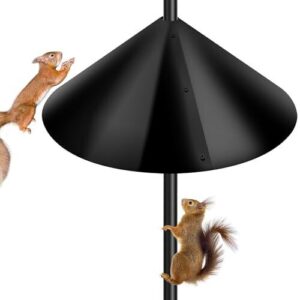
Squirrels are clever, but this baffle is cleverer. The PP Squirrel Proof Bird Feeder Baffle sits between your feeder pole and those persistent raiders, its smooth sloping surface sending them sliding every time.
Made from durable PP plastic, it holds up through freeze-thaw cycles without rusting or cracking. At 15 inches wide, it blocks most squirrels and chipmunks reliably.
Install it at least five feet off the ground, keep feeders ten feet from trees, and your winter birds eat in peace.
| Best For | Bird lovers and backyard feeders who are tired of squirrels and chipmunks stealing all the seed. |
|---|---|
| Target Pest | Squirrels & Chipmunks |
| Indoor Use | No |
| Outdoor Use | Yes |
| Pet Safe | Yes |
| Chemical Free | Yes |
| Reapplication Needed | No |
| Additional Features |
|
- Smooth sloping surface sends squirrels sliding off every time
- PP plastic won’t rust or crack, so it holds up season after season
- Easy to install and clean — no fuss, no special tools
- Determined squirrels can sometimes push it upward and get around it
- Gets brittle in cold weather and can show bite marks over time
- May wobble on thinner poles in wind, which can spook birds away
3. Copper Foil Tape EMI Shielding Tape

Slugs don’t need much of an invitation. A thin line of copper tape around your raised beds or pots is often all it takes to turn them away.
The LOVIMAG Copper Foil Tape is double-sided conductive, flexible enough to bend around corners, and easy to cut by hand. Just press it firmly along the rim of your containers or cold frames.
It won’t rust or crack through winter wet, and it doubles as a solid grounding tool for any electronics in your garden shed.
| Best For | Gardeners, DIYers, and electronics hobbyists who need a flexible, easy-to-apply copper tape for slug deterrence, EMI shielding, or light electrical work. |
|---|---|
| Target Pest | Slugs |
| Indoor Use | Yes |
| Outdoor Use | Yes |
| Pet Safe | Yes |
| Chemical Free | Yes |
| Reapplication Needed | As needed |
| Additional Features |
|
- Flexible and easy to cut, bend, or shape by hand — no tools needed
- Double-sided conductive design works well for grounding, paper circuits, and EMI shielding
- Versatile enough for garden use, stained glass, crafts, and electronics repairs
- Can snap or break at tight cavity corners, so tricky spots need extra care
- Edges are sharp — gloves are a good idea during handling
- Adhesive isn’t the strongest, and thicker shielding jobs may need multiple layers
4. EcoVenger Plant Based Insect Control
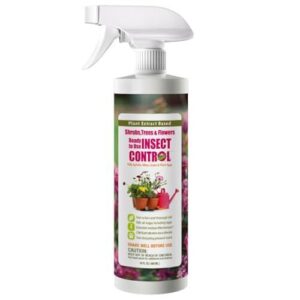
When aphids and spider mites hunker down on your indoor plants for winter, you need something that hits hard without filling your home with harsh chemicals.
EcoVenger Plant Based Insect Control does exactly that. It uses cedarwood oil, geraniol, and citronella to knock out soft-bodied pests on contact — safe for kids, pets, and fish when dry.
Spray the undersides of leaves every one to two weeks. No mixing, no fuss, and it won’t burn stressed winter foliage.
| Best For | Indoor plant owners who want a natural, chemical-free way to tackle aphids, gnats, and spider mites without worrying about kids or pets nearby. |
|---|---|
| Target Pest | Aphids & Mites |
| Indoor Use | Yes |
| Outdoor Use | Yes |
| Pet Safe | Yes when dry |
| Chemical Free | Yes |
| Reapplication Needed | Every 1–2 weeks |
| Additional Features |
|
- Made with plant-based ingredients like cedarwood oil and citronella — no harsh chemicals in your home
- Works on a wide range of common pests and can treat both foliage and soil
- Safe around kids, pets, birds, and fish once dry
- Some plants — especially delicate or newly sprouted ones — may react badly without proper dilution
- The spray bottle can be finicky, with reports of the handle sticking
- Stubborn infestations may need multiple rounds before you see results
5. Fiskars Bypass Pruning Shears Garden Clippers
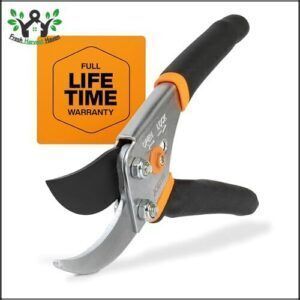
Infected stems are pest highways — and leaving them on the plant all winter is an open invitation. That’s where the Fiskars Bypass Pruning Shears earn their keep.
The precision-ground steel blade cuts cleanly through stems up to 5/8 inch thick, which covers most pest-damaged growth you’ll encounter. Clean cuts matter because ragged wounds invite disease and slow healing.
At just over 10 ounces with a non-slip grip, these are comfortable even in the cold. The lifetime warranty seals the deal.
| Best For | Gardeners who want a reliable, comfortable pair of pruning shears for cutting stems, flowers, and small branches on both indoor and outdoor plants. |
|---|---|
| Target Pest | Pest-Damaged Growth |
| Indoor Use | Yes |
| Outdoor Use | Yes |
| Pet Safe | N/A |
| Chemical Free | N/A |
| Reapplication Needed | Seasonal |
| Additional Features |
|
- Precision-ground steel blade with a low-friction coating makes clean, smooth cuts every time
- Non-slip grip keeps things comfortable even during longer sessions in the garden
- Backed by a lifetime warranty, so it’s a one-time buy that’s built to last
- The spring mechanism has given some users trouble over time
- A bit on the heavier and larger side, which may not suit everyone’s hands
- Blades need occasional sharpening to stay at peak performance
6. Natures Good Guys Triple Blend Nematodes
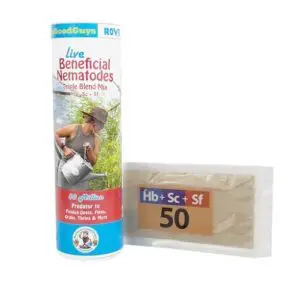
Once you’ve pruned the dead growth, the next battle moves underground. That’s where NaturesGoodGuys Triple Blend Nematodes go to work.
This mix of three nematode species targets grubs, cutworms, and fungus gnats at different soil depths — covering ground no single species could handle alone. They’re safe around pets, kids, and edibles.
Apply when soil tops 53°F and keep it moist for two weeks. Five million nematodes treat up to 1,250 square feet preventatively. Results take patience — up to six weeks — but it’s worth it.
| Best For | Gardeners and plant lovers who want a natural, chemical-free way to fight soil pests like fungus gnats, grubs, and cutworms indoors or out. |
|---|---|
| Target Pest | Fungus Gnats & Aphids |
| Indoor Use | Yes |
| Outdoor Use | Yes |
| Pet Safe | Yes |
| Chemical Free | Yes |
| Reapplication Needed | Up to 6–8 weeks |
| Additional Features |
|
- Works at multiple soil depths thanks to three nematode species — better coverage than single-strain options
- Completely safe around pets, kids, and edible plants
- Can be stored up to 30 days in the fridge before use, so no rush to apply right away
- Results can take up to 6–8 weeks, so don’t expect a quick fix
- May need more than one application to fully knock out an infestation
- Quality can vary between batches, meaning some orders may be less effective than others
Monitoring and Early Detection of Infestations

Catching a pest problem early is the difference between a quick fix and a full-blown infestation. Winter doesn’t mean you can stop watching — some pests are most active when you least expect them.
Here’s what to look for and how to stay ahead of trouble.
Daily Plant Inspection Techniques
Walk your winter garden on the same path every day — near entry points first, then problem areas.
During leaf inspection, flip foliage over and use a hand lens to spot mites or eggs. Do stem checks at the soil line and try soil probing when plants droop unexpectedly.
Smart trap placement plus consistent record keeping turns routine pest inspection into real pest prevention.
Identifying Signs of Overwintering Pests
Once you’ve got daily inspection down, the next step is knowing what you’re actually looking for. Overwintering pest signs can be subtle.
- Egg masses — Look for firm, beaded clusters on stems and bark; these are classic dormant pest stages hiding in plain sight.
- Sticky residue — Dried honeydew on leaves signals cold weather pest activity from earlier sap-feeders.
- Pest shelter sites — Check loose bark, mulch edges, and pruning stubs for clustered insects.
- Vole runways — Narrow matted tracks mean rodent control should move up your priority list.
- Bumps on twigs — Scale insects overwinter as scab-like dormant pest stages that won’t brush off easily.
Tracking Pest Activity in Cold Weather
Cold weather tracking turns guesswork into a game plan. Once you spot the signs, log them — date, location, temperature. Freeze-thaw cycles push pests into new shelter zones, so patterns shift fast.
| What to Track | Why It Matters |
|---|---|
| Soil temperature at 10cm | Predicts root-zone pest activity |
| Vole runway locations | Maps rodent control priorities |
Using Sticky Traps and Monitoring Tools
Sticky traps are your winter garden’s early warning system. Place them at canopy level and check weekly — don’t wait for visible damage.
- Trap Color: Yellow for broad pest detection; blue for targeted thrips monitoring.
- Trap Placement: Near vents and entry points catches incoming pests first.
- Pest Detection: Log counts weekly to spot rising pressure before it becomes a full pest infestation.
Integrated Pest Management for Winter Gardens

Tackling winter pests isn’t about one big fix — it’s about layering smart habits over time. Integrated pest management pulls together prevention, timing, and targeted treatment so nothing slips through the cracks.
Here’s how to put it all together for your winter garden.
Combining Prevention and Treatment Strategies
No single tactic wins the war on winter garden pests. Strong pest management means layering your prevention methods with targeted treatment options.
Start with cleanup and barriers, then add biological controls like nematodes. Reserve chemical pest control for real hot spots only.
This integrated approach — combining cultural, physical, and organic control strategies — keeps pest pressure low while protecting your garden’s long-term health.
Timing Pest Control Applications Effectively
Timing your pest control applications is everything in a winter garden. Many pests follow predictable pest life cycles tied to degree days and temperature cues — so spray timing matters more than product choice alone.
Apply dormant oil treatments between 50–70°F, watch weather factors like wind and rain, and target treatment windows when pests are young and vulnerable. Precision beats repetition every time.
Greenhouse and Indoor Garden Considerations
Your greenhouse is a pest paradise if you’re not careful. Warm climate control and low greenhouse ventilation create perfect conditions for aphids, fungus gnats, and spider mites year-round.
Use pest isolation for new plants — quarantine them 10–21 days. Let your soil sterilization routine eliminate larvae before they spread.
Eco-friendly pest solutions and indoor lighting adjustments round out smart winter garden pest prevention and treatment.
Seasonal Pest Management Planning
Think of pest management like a calendar you actually stick to. Plan ahead, and winter won’t catch you off guard.
Here’s how to stay on top of it:
- Start Winter Sanitation in September — clear weeds and debris before pests settle in
- Use Seasonal Trapping with yellow sticky cards to monitor pest pressure
- Practice Crop Rotation to break overwintering cycles in soil
- Schedule Soil Preparation in late fall — turn the top 5–10 cm to expose grubs
- Review logs for Pest Forecasting — past patterns reveal next season’s risks
Solid Pest Prevention and Treatment starts with a written plan. Your Winter Garden stays healthier when Pest Management Solutions work together year-round.
When to Call Professional Pest Services

Sometimes, your best efforts just aren’t enough — and that’s okay. Certain pest problems go beyond what any DIY fix can handle. Here’s when it makes sense to bring in a professional.
Severe Infestations and Persistent Problems
Some pest damage won’t quit no matter what you try. Fresh droppings, gnaw marks, and spreading garden decay are clear infestation signs you shouldn’t ignore.
A rodent infestation or serious ecosystem disruption needs more than DIY fixes. When soil erosion worsens and pest management solutions stop working, call a professional.
Trained pest control experts can assess your winter garden and stop the problem before it gets worse.
Termite Inspections and Advanced Treatments
Termites are a different beast. Unlike most winter pests, they stay active underground all year — and your garden soil is prime territory.
A professional termite inspection catches what you’d easily miss:
- Mud tubes along foundation walls or wooden raised beds
- Hollow-sounding wood detected through acoustic tools
- Hidden activity revealed by thermal imaging behind structures
Experts use chemical barriers, bait stations, and targeted soil treatment to shut colonies down for good.
Emergency Pest Extermination Services
Sometimes a pest emergency can’t wait. If you spot a sudden surge of voles, a rodent takeover, or an unidentified infestation spreading fast through your Winter Garden beds, same-day extermination services exist for exactly this.
| Situation | Fast Treatment Option | Typical Cost |
|---|---|---|
| Rodent surge | Bait station deployment | ~$200 |
| Severe larval infestation | Targeted soil spray | Up to $500 |
| Urgent general pest emergency | Emergency site visit | $150–$400 |
Rapid response technicians dispatch within two hours — stopping damage before it compounds.
Customized Ongoing Prevention Plans
One emergency visit fixes the crisis. An individualized ongoing prevention plan keeps it from coming back. Professionals offer specialized pest control plans that combine garden site evaluation, soil health management, and quarterly monitoring — built around your specific Winter Garden layout.
A solid Home Protection Plan tackles seasonal pest pressure year-round, maintaining ecological balance so small problems never grow into emergencies again.
Frequently Asked Questions (FAQs)
How to get rid of overwintering garden pests?
Think of overwintering pests like uninvited houseguests — evict them before they settle in. Fall pest removal, smart garden sanitation, and disrupting pest life cycles early keeps your winter garden clean and controlled.
What is the hardest pest to get rid of?
Vine weevils top the list for sheer persistence. Their grubs hide in soil for up to two years, while adults lay nearly 1,000 eggs undetected. Standard pest control rarely stops them completely.
Is Dawn dish soap an insecticidal soap?
Dawn dish soap isn’t a true insecticidal soap. It’s a detergent, not a potassium-based fatty acid formula.
For reliable pest control with safer soap chemistry, choose eco-friendly options like EcoVenger instead.
What to spray on plants before you bring them in for the winter?
Before moving plants inside, spray them with neem oil, insecticidal soaps, or alcohol sprays to kill hidden aphids, mites, and eggs. Horticultural oils and pyrethrin sprays also work well for pest control.
Is pest control worth it in winter?
Yes, absolutely. Winter pest control breaks cycles before spring explosions hit. Cold weather strategies cost far less than emergency fixes later — seasonal cost savings are real, and eco-friendly alternatives make it easy to start now.
Should you do pest control in winter?
Absolutely. Winter is actually one of the best times for dormant pest control. Cold weather treatments hit pests while they’re vulnerable, breaking cycles before spring arrives.
What is the most common garden pest?
Aphids top the list of garden pests worldwide. These tiny insects reproduce fast, drain plant sap, and spread disease.
Solid pest identification and aphid control keep your garden healthy before bigger insect management problems develop.
How can I prevent winter pests from gaining access to my home?
Seal entry points around pipes and doors, remove debris from your foundation, and control moisture indoors. These simple steps keep winter pests out.
Install barriers like door sweeps and maintain your yard.
Who is the best pest control company in winter garden?
Orkin and Terminix lead with deep company experience and wide service coverage.
For fast response time and strong local presence, Rowland Pest Management and Rhino Pest Control earn top pest control ratings in Winter Garden.
What is a pest control & prevention program?
A pest control and prevention program combines regular inspections, preventive treatments, and targeted action into one structured plan — giving you ongoing protection benefits and keeping your home consistently pest-free year-round.
Conclusion
Winter might feel like a time to step back, but that’s exactly what pests are counting on. A little effort now puts you ahead of the problem before it starts. Good winter garden pest control isn’t about doing everything—it’s about doing the right things consistently.
Clear the debris, set your barriers, check your plants. Small habits compound into real protection. Come spring, you won’t be playing catch-up. You’ll already be winning.
- https://www.pestcentric.com/do-lacewings-control-aphids-as-effectively-as-ladybugs/
- https://ceresgs.com/using-ladybugs-in-the-garden-and-greenhouse/
- https://www.rinconvitova.com/lacewing.htm
- https://ucanr.edu/blog/pests-urban-landscape/article/releasing-ladybugs-garden
- https://blog.entomologist.net/do-ladybugs-and-lacewings-get-along-well.html