This site is supported by our readers. We may earn a commission, at no cost to you, if you purchase through links.
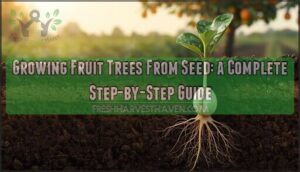
Most grocery store fruit trees never see their parents. They’re clones—grafted branches from mature trees that skip the whole seed-to-sapling journey.
But you don’t need a commercial orchard to break free from that system. Growing fruit trees from seed puts you in control of the entire process, from picking the ripest peach to watching that first green shoot crack through soil. You’ll save money, gain deep knowledge about tree biology, and end up with hardier plants adapted to your exact climate.
The timeline stretches longer than buying nursery stock, but the skills you build and the satisfaction you earn make every week of waiting worth it.
Table Of Contents
- Key Takeaways
- Choosing and Preparing Fruit Tree Seeds
- Planting and Germinating Fruit Tree Seeds
- Caring for Young Fruit Tree Seedlings
- Top 5 Products for Growing Fruit Trees From Seed
- Frequently Asked Questions (FAQs)
- How long does it take for fruit trees to grow from seed?
- What is the easiest fruit tree to grow from seed?
- Why can’t you grow fruit trees from seeds?
- How long does it take to grow a fruit tree from a seed?
- Can fruit trees be grown indoors successfully?
- Do fruit trees require specific fertilizers or nutrients?
- How do pests and diseases affect seedlings?
- What are the best companion plants for fruit trees?
- Are pollinators necessary for fruit tree growth?
- Can fruit trees cross-pollinate with different varieties?
- Conclusion
Key Takeaways
- Growing fruit trees from seed takes 5-12 years to bear fruit but gives you complete independence from nurseries, hardier plants, and deep knowledge of tree biology that’s worth the wait.
- Seed prep is critical—you’ll need to clean seeds within 60 seconds, dry them for 24-48 hours, then use cold stratification (4-12 weeks at 1-5°C) or scarification to crack their dormancy and boost germination rates.
- Most fruit tree seedlings won’t match their parent due to cross-pollination genetics, so pick open-pollinated sources and expect apple and pear seeds to produce different varieties while stone fruits stay closer to type.
- Young seedlings need quarter-strength fertilizer every 4-6 weeks, early pruning to build strong scaffold branches at 45-60 degree angles, and a gradual 7-14 day hardening process before transplanting outdoors.
Choosing and Preparing Fruit Tree Seeds
Your fruit tree journey starts with picking the right seeds and getting them ready to sprout. Not every seed will grow into a strong tree, so you need to know what to look for and how to prep them correctly.
Once your seedlings are established, you’ll want to learn how to fertilize fruit trees so they get the nutrients they need during their first growing seasons.
Let’s walk through the essential steps to choose viable seeds and give them the best shot at success.
Selecting Viable Seeds From Fresh Fruit
Your adventure starts with picking winners from the fruit bowl. Seed maturity tests aren’t complicated—you’re looking for plump, firm seeds with intact coats from ripe fruit. Here’s how to spot the good ones:
- Check seed coat integrity by gently squeezing between your fingers
- Look for embryo color changes from pale to darker brown tones
- Choose heavier seeds that feel full rather than hollow or light
- Grab fruit at peak ripeness when abscission happens easily
- Skip shriveled or damaged seeds to boost germination rates
Fresh fruit tree seeds give you the best shot at strong seedlings. Using ensures that you separate healthy seeds from damaged ones to enhance your crop’s success.
Cleaning and Drying Seeds Properly
Once you’ve got your seeds picked out, the next step is cleaning them right. Rinse away all fruit pulp within 60 seconds under cool water—use a soft brush if needed. Dry them on a towel for 24 to 48 hours, flipping once daily. This seed sanitization prevents mold and boosts germination rates big time.
| Stage | Action | Why It Matters |
|---|---|---|
| Rinse | Remove fruit residue in 60 seconds | Stops mold before it starts |
| Scrub | Use soft brush on stubborn bits | Protects seed coat integrity |
| Dry | Spread single layer 24-48 hours | Controls seed moisture for storage |
| Turn | Flip seeds once or twice daily | Ensures even drying all around |
| Check | Feel for cool, dry texture | Confirms readiness for seed saving |
Proper drying techniques and storage methods set you up for strong seed starting success with your fruit tree seeds down the road.
Stratification and Scarification Techniques
Your seeds are dry and clean—now it’s time to crack their dormancy code. Most fruit tree seeds won’t germinate without a little wake-up call.
Here’s how to break through:
- Cold treatment – Place seeds in moist sand for 4 to 12 weeks at 1 to 5°C to simulate winter.
- Mechanical scarification – Rub sandpaper gently on hard coats to let water in.
- Thermal shock – Alternate warm soaks with cool periods to trigger seed germination.
- Chemical scarification – Use diluted hydrogen peroxide on very tough shells, then rinse thoroughly.
These seed stratification and scarification methods are your ticket to reliable seed starting and germination with most fruit species. To better understand the, check out this detailed explanation.
Identifying Fruit Tree Varieties for Seed Starting
Not every fruit tree seed will give you a carbon copy of its parent. That’s where tree genetics get interesting.
Understanding which branches to keep or remove depends on proper fruit tree pruning techniques that account for each variety’s growth habits.
Fruit tree seeds rarely replicate their parent due to the fascinating unpredictability of tree genetics
Seed selection matters because apple and pear seedlings rarely match the mother tree, while stone fruits stay closer to type. Fruit variety impacts seed viability and germination rates, so choose non-hybrid, open-pollinated sources for better odds when growing fruit trees from seed.
Planting and Germinating Fruit Tree Seeds
You’ve cleaned your seeds and prepped them for action. Now comes the exciting part—getting those seeds into the soil and coaxing them to life.
Let’s walk through the key steps that’ll give your fruit tree seeds the best shot at germinating strong and healthy.
Best Soil Mixes for Seed Germination
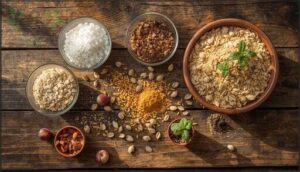
Think of your seed starting mix as the launching pad for your fruit tree revolution. You need something light and fluffy that won’t suffocate those tiny roots.
Here’s what works:
- Base layer: Use coconut coir or peat moss for moisture retention without waterlogging
- Drainage boost: Add perlite to create air pockets and prevent root rot
- Nutrient balance: Mix in vermiculite to hold water while improving mineral availability
- Ratio magic: Blend equal parts of each component for ideal germination rates
A sterile, well-aerated soil composition gives your seed-grown trees the best shot at breaking free.
Optimal Planting Depth and Spacing
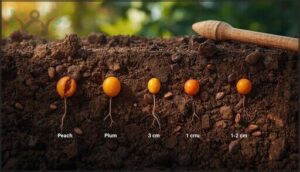
Your rebellion against commercial orchards starts with getting depth and spacing right. Most fruit tree seeds want to sit one to two times their own diameter deep—too shallow and they dry out, too deep and they’ll struggle to break through.
| Seed Type | Planting Depth | Spacing Between Seeds |
|---|---|---|
| Small seeds (citrus) | 1-2 cm | 2-3 cm apart |
| Large seeds (peach, plum) | 2-3 cm | 5-7 cm apart |
| Orchard scale | Species dependent | 4-6 feet row spacing |
Proper soil preparation with loose, crumbly texture improves germination rates and root development. Use a dibber to maintain uniform depth across all seeds—this simple tool keeps your seed stratification efforts from going to waste and sets up healthy seedling care down the road.
Managing Temperature, Light, and Humidity
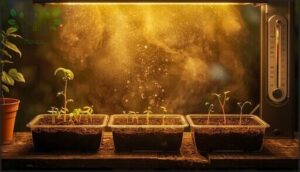
Getting temperature control, light management, and humidity levels dialed in separates winning growers from frustrated ones. Keep your germination bench between 65 and 75 Fahrenheit—stable warmth drives seed stratification success and healthy tree growth and development.
Bright light management for 12 to 16 hours daily prevents leggy seedlings, while 50 to 70 percent humidity levels fosters strong germination without inviting fungal disasters.
Watering Practices for Healthy Seedlings
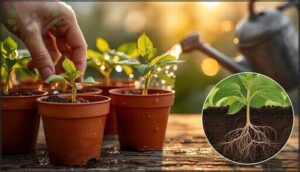
Water quality and soil moisture management determine root health from day one. Bottom watering for 10 to 20 minutes keeps seedling hydration even without waterlogging roots. Use room temperature water in the morning to prevent fungal disasters.
Check moisture daily with your finger—aim for lightly damp, not soggy. Consistent irrigation systems beat random schedules when growing fruit trees from seed using proper seed germination techniques.
Caring for Young Fruit Tree Seedlings
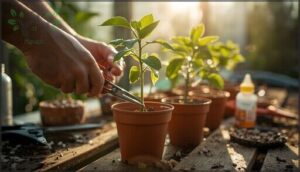
Your seedlings have sprouted and now the real work begins. These little trees need the right food, smart pruning, protection from trouble, and a gentle introduction to life outside.
Let’s break down exactly how to keep your young fruit trees thriving through each stage of early growth.
Fertilizing and Nutrient Management
Your young fruit trees need steady nutrition, but don’t overdo it. Start with soil testing to know what you’re working with.
Use balanced fertilizer at quarter strength every four to six weeks during the growing season.
Organic amendments like compost improve nutrient cycling and build healthy soil structure. Proper water management helps roots absorb nutrients efficiently without leaching them away.
Pruning and Training for Strong Growth
Shape your tree right from the start and you’ll dodge years of problems. Focus on building a strong center leader with evenly spaced scaffold branches during the first two years.
- Remove crossing or weak branches to improve air circulation and light penetration
- Angle primary limbs 45 to 60 degrees from the trunk to prevent breakage
- Use soft ties when training to avoid damaging bark as growth expands
- Track growth rates each season to adjust your pruning intensity
Pest and Disease Prevention in Seedlings
After pruning comes protection—because healthy structure won’t matter if pests or disease take hold. Space your seedlings at least six inches apart so air can move freely between them. This simple step cuts fungal splash and keeps leaves dry.
Clean your containers with a ten percent bleach solution before reuse, and water at soil level in the morning. Remove plant debris within two weeks of harvest to break disease cycles naturally.
Acclimating Seedlings to Outdoor Conditions
Once pests are under control, your seedlings need a gentle introduction to the wild outdoors. Start hardening techniques with one hour of morning sun and add an hour daily over seven to fourteen days.
Wind protection matters—use a screen protection if breezes threaten delicate leaves. Check soil moisture every morning since outdoor air pulls water fast from containers.
Top 5 Products for Growing Fruit Trees From Seed
You don’t need fancy equipment to start growing fruit trees from seed. A few smart choices can make the difference between seeds that sprout and ones that sit there doing nothing.
Here are five practical products that’ll help you get your fruit tree seedlings off to a strong start.
1. Ziploc XL Sandwich Bags

You need a simple storage hack for those precious seeds you’re collecting, and Ziploc XL Sandwich Bags deliver exactly that. These bags measure about 10 by 13 inches and feature a double zipper that seals tight to keep moisture and air out.
You can reuse them after washing, which cuts down on waste. The clear design lets you monitor your seeds without opening the bag. Label the flat surface with seed type and harvest date so you stay organized through the growing season.
| Best For | Home gardeners and seed savers who need reliable, reusable storage to keep their collected seeds fresh and organized between growing seasons. |
|---|---|
| Primary Use | Food storage |
| Item Weight | 0.84 pounds |
| Price Range | Budget-friendly |
| Target Audience | Households |
| Reusability | Reusable |
| Quality Concerns | Packaging issues |
| Additional Features |
|
- Double zipper design creates an airtight seal that protects seeds from moisture and air exposure
- Clear plastic lets you check on your seeds without opening the bag, reducing contamination risk
- Reusable design saves money and reduces waste when you’re storing multiple seed varieties
- Hand-washing and drying before reuse takes extra time compared to disposable options
- Some customers reported receiving fewer packs than advertised in their order
- Not designed for extreme temperatures, which might limit storage location options
2. Melissa’s Fresh Key Limes
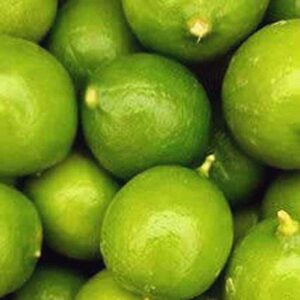
Once you’ve stored your seeds, you’ll want fresh fruit to harvest more from. Melissa’s Fresh Key Limes pack serious flavor in a ping pong ball-sized package. These tangy beauties weigh about 0.75 to 1 ounce each and deliver more pronounced tartness than Persian limes.
The seeds inside can start your citrus adventure, though remember citrus trees take 3-15 years to fruit. Store them at room temperature for several days or refrigerate in plastic wrap to keep them fresh longer.
| Best For | Home cooks and bartenders who want authentic key lime flavor for pies, cocktails, and seafood dishes. |
|---|---|
| Primary Use | Fresh ingredient |
| Item Weight | 5 pounds |
| Price Range | $23.99 |
| Target Audience | Home cooks |
| Reusability | Single-use |
| Quality Concerns | Freshness variability |
| Additional Features |
|
- Authentic tangy flavor that’s more pronounced than regular Persian limes
- Versatile for both sweet and savory recipes from desserts to marinades
- Seeds can be saved for growing your own citrus trees
- Ships to limited states only (excludes Arizona, Florida, Georgia, Louisiana, Texas, and Hawaii)
- Spoils quickly and may arrive moldy if not handled properly during shipping
- Non-returnable with inconsistent quality reported by some customers
3. Moringa Seeds For Planting
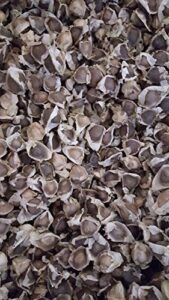
Moringa seeds from Paisley Farm and Crafts give you roughly 100 fast-growing seeds for $21.96. These drumstick tree seeds sprout within 7-14 days when you crack or soak their hard shells first.
Plant them an inch deep in well-drained soil and keep moisture steady without drowning them. They shoot up quickly after germination, making them perfect for impatient growers. Just know you’ll need to prep them right—some folks report spotty germination without proper soaking or shell removal beforehand.
| Best For | Gardeners who want a fast-growing nutritious tree and don’t mind prepping seeds before planting. |
|---|---|
| Primary Use | Growing seeds |
| Item Weight | 1 ounce |
| Price Range | $21.96 |
| Target Audience | Gardeners |
| Reusability | Seeds for growing |
| Quality Concerns | Germination rate |
| Additional Features |
|
- Sprouts quickly (7-14 days) with high germination when properly prepared
- Fast growth after germination means you’ll see results sooner
- Around 100 seeds for under $22 gives you plenty to work with
- Hard seed shells require soaking or cracking before planting—extra work upfront
- No germination instructions included with your order
- Some buyers reported poor germination without proper prep techniques
4. Georgia Pecans In Shell
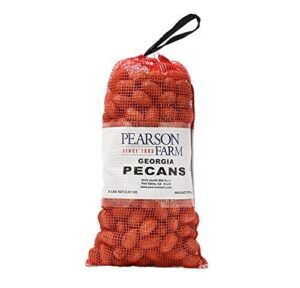
Pearson Farm’s 5-pound bag of Georgia pecans in shell hands you raw nuts with paper-thin shells that crack easily without tools. You’ll pay around $50 for USDA Grade A Select nuts packed with fiber and antioxidants.
The thin shells protect fresh kernels inside while staying simple enough to open by hand. Some buyers report mixed results with freshness—occasionally dry or stale nuts slip through. But when they’re good, you get rich buttery flavor straight from a 135-year-old family operation.
| Best For | Home cooks and snackers who want USDA Grade A pecans with easy-to-crack shells and don’t mind occasionally sorting through a batch for freshness. |
|---|---|
| Primary Use | Healthy snack |
| Item Weight | 5 pounds |
| Price Range | Premium |
| Target Audience | Snackers |
| Reusability | Consumable |
| Quality Concerns | Freshness variability |
| Additional Features |
|
- Paper-thin shells crack easily by hand without needing tools
- High in fiber and antioxidants with heart-healthy benefits
- Backed by a trusted 135-year-old family farm operation
- Quality control issues sometimes result in dry or stale nuts
- At around $50 for 5 pounds, freshness inconsistencies feel frustrating
- You may need to inspect and discard bad pecans before using
5. Plant Propagation Guide Book
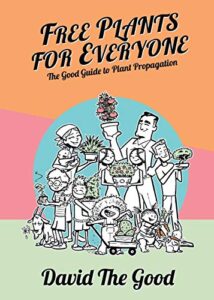
David The Good’s 190-page propagation guide breaks down seed starting and grafting across 101 plant species with pen-and-ink illustrations that clarify every step. You’ll find methods for cuttings, division, and seed saving written in an easy humor that keeps technical details light.
Published by Castalia House at around $15, this paperback fits in your back pocket while you work. Some readers wish for more photos or international climate notes, but the straightforward American approach gives you practical skills to skip the nursery entirely.
| Best For | Home gardeners who want to multiply their plants without buying from nurseries and don’t mind learning through a conversational, illustration-based approach. |
|---|---|
| Primary Use | Gardening education |
| Item Weight | 7.8 ounces |
| Price Range | Under $20 |
| Target Audience | Gardeners |
| Reusability | Reference guide |
| Quality Concerns | Format preferences |
| Additional Features |
|
- Covers 101 species with multiple propagation methods (seeds, cuttings, division, grafting) so you get options for nearly any plant
- Author’s humor and pen-and-ink drawings make technical processes easier to follow than a dry textbook
- Compact 190-page format at $15 means you can bring it outside while you work
- Limited photos and smaller size might frustrate readers who prefer visual step-by-step guides
- Focuses on American growing seasons, which could confuse gardeners in other climates
- Scientific names and terminology may slow down complete beginners
Frequently Asked Questions (FAQs)
How long does it take for fruit trees to grow from seed?
Growing fruit trees from seed isn’t a sprint—it’s a marathon.
Most trees take five to twelve years to bear fruit, though some dwarf varieties can surprise you in three to six years.
What is the easiest fruit tree to grow from seed?
Citrus trees stand out as the most beginner-friendly option. Their seeds germinate readily in warm, bright spots without complicated prep work, making them perfect for your first seed-starting adventure.
Why can’t you grow fruit trees from seeds?
You can grow fruit trees from seeds—but here’s the catch: they won’t match the parent variety due to cross-pollination, and they’ll take 7-15 years before producing unpredictable fruit.
How long does it take to grow a fruit tree from a seed?
You’re looking at 7 to 15 years before most seed-grown fruit trees bear fruit. Some varieties like peaches might produce in 3 years, while apples often take a decade.
Can fruit trees be grown indoors successfully?
Where there’s a will, there’s a way. You can absolutely grow fruit trees indoors with dwarf citrus varieties like Meyer lemon thriving in containers when you provide bright light and consistent care.
Do fruit trees require specific fertilizers or nutrients?
Yes, fruit trees need balanced nutrition—nitrogen for leaves, phosphorus for roots, and potassium for fruit quality.
Most thrive with slow-release fertilizers applied in spring, plus micronutrients like iron and zinc.
How do pests and diseases affect seedlings?
Picture a tray of lemon seedlings collapsing overnight—that’s damping off at work.
Soilborne fungi like Pythium attack wet roots within days, while aphids and cutworms weaken young plants and open doors for secondary infections.
What are the best companion plants for fruit trees?
Plant chamomile, clover, and nasturtiums around your fruit trees. These companions attract pollinators, fix nitrogen in soil, and trap pests away from leaves. Space them 12 to 24 inches from the trunk.
Are pollinators necessary for fruit tree growth?
Pollinators aren’t essential for growth, but they’re indispensable for fruit set. Without bees transferring pollen between blossoms, you won’t see much harvest—even from healthy trees.
Can fruit trees cross-pollinate with different varieties?
Most fruit trees absolutely can cross-pollinate with different varieties of the same species.
Apples need a compatible apple, pears pair with pears, and cherries work with other cherries for better fruit production.
Conclusion
The best time to plant a tree was twenty years ago—the second best time is now.
Growing fruit trees from seed won’t give you instant harvests, but it hands you something more valuable: complete independence from commercial nurseries and deep understanding of how these plants actually work. You’ve got the roadmap now.
Pick your fruit, prep those seeds, and start building an orchard that answers to nobody but you.
- http://www.thesurvivalgardener.com/survival-plant-profile-stinking-toe-aka-west-indian-locust/
- http://permacultureapprentice.com/permaculture-growing-trees-from-seeds/
- https://www.samvanaken.com/
- https://www.scribd.com/document/876284982/Plant-Pests-and-Diseases
- https://keshtezar.com/blog/posts/protecting-young-seedlings-from-early-pests-and-diseases-in-agricultural-settings/