This site is supported by our readers. We may earn a commission, at no cost to you, if you purchase through links.

Most gardeners reach for synthetic sprays the moment they spot a chewed leaf—and spend the rest of the season wondering why the same pests keep returning. Chemical controls often disrupt the beneficial insects doing quiet, useful work beneath your notice: the predatory wasps, ground beetles, and lacewings that naturally suppress pest populations when given a chance.
Natural pest deterrents for garden beds work differently, targeting pest behavior and biology rather than scorching everything indiscriminately.
A few well‑chosen methods—physical barriers, companion plantings, and targeted botanical sprays—can break the cycle without collateral damage to your soil or pollinators.
Table Of Contents
- Key Takeaways
- Spot Garden Bed Pest Problems
- Mix Natural Pest Sprays Safely
- Build Physical Pest Barriers
- Plant Pest-Deterring Garden Companions
- Top 10 Natural Pest Deterrent Items
- 1. Majestic Pure Lavender Essential Oil
- 2. Organic Green Jalapeno Pepper
- 3. Seed Needs Jewel Nasturtium Seeds
- 4. Heirloom Chrysanthemum Landscape Seeds
- 5. Bonide Captain Jacks BT Worm Spray
- 6. McCormick Ground Cayenne Red Pepper
- 7. Dunkin Donuts Original Blend Coffee
- 8. Harris Food Grade Diatomaceous Earth
- 9. Qualirey Reusable Snail Beer Trap
- 10. Whole Foods Organic Raw Apple Cider Vinegar
- Frequently Asked Questions (FAQs)
- Conclusion
Key Takeaways
- Weekly scouting with a simple log—date, damage signs, and action taken within 48 hours—lets you catch aphids, spider mites, and slugs before they spiral into something you can’t control.
- Neem oil, soap spray, and garlic-chili sprays each work through a different mechanism, so rotating them targets pest biology more effectively than relying on a single formula all season.
- Physical barriers like diatomaceous earth, floating row covers, and beer traps stop pests at the point of contact without disrupting the beneficial insects—ground beetles, lacewings, parasitic wasps—that do quiet suppression work on your behalf.
- Companion planting with marigolds, nasturtiums, and calendula builds a self-sustaining defense layer: trap crops lure pests away, nematicidal root compounds protect soil, and open blooms recruit the predators that keep pest pressure low season after season.
Spot Garden Bed Pest Problems

Catching pest problems early makes all the difference between a thriving garden bed and a losing battle. Before you reach for any spray or barrier, you need to know exactly what you’re dealing with and where to look. Here are the key signs and pest types to watch for during your weekly garden walkthrough.
A solid garden pest and disease identification guide can help you match damage patterns to specific culprits before things spiral.
Weekly Scouting Routine
Walking your garden beds each week is the single habit that separates confident growers from reactive ones. Set a fixed scouting day and stick to it. Check every bed edge, corner, and leaf underside during morning hours when pests are most visible.
Keep a simple log with three essentials:
- Bed name and date of each inspection
- Pest signs spotted — honeydew, discoloration, or webbing
- Action taken within 48 hours of any new find
Note temperature, recent rainfall, and soil moisture too, since high humidity days often predict outbreaks before damage appears.
Aphids and Spider Mites
Once you’ve mapped your weekly scouting routine, two pests will demand your closest attention: aphids and spider mites.
Both are small enough to miss on a quick pass, yet are capable of collapsing plant health fast.
Aphids belong to the order Hemiptera vs subclass Acari.
Slugs, Snails, and Ants
While aphids and spider mites attack from above, slugs, snails, and ants work closer to the ground — and often at night, when you’re not watching.
Slugs and snails are gastropod mollusks that glide on a mucus trail, feeding on tender seedlings and leaving ragged, irregular holes. You’ll rarely catch them in the act. Instead, look for silvery slime trails on soil and lower leaves each morning — that’s your clearest sign.
Snails carry a calcium carbonate shell for protection, while slugs have little to none, making them faster movers through tight spaces. Both prefer cool, damp conditions and peak activity after rain or irrigation. They lay eggs in clusters in moist soil, and ants — natural diurnal predators of small slugs — sometimes relocate those egg clusters, inadvertently spreading the problem to new areas.
For control, hand-pick at dusk when populations are small. Apply food-grade diatomaceous earth around plant bases to abrade their soft bodies, or use a coffee grounds barrier — half an inch thick — that deters movement through caffeine and acidity. Beer traps lure and drown slugs overnight. Copper strips create a mild deterrent at bed edges. A few drops of peppermint oil diluted in water, sprayed along borders, adds another layer of repellency.
Caterpillars and Beetles
Unlike the ground-level damage slugs leave behind, caterpillars and beetles work at eye level — and their feeding patterns tell very different stories.
Caterpillars chew ragged, irregular holes through leaf centers, leaving frass on foliage as evidence. Beetles tend to skeletonize leaves or notch edges cleanly.
Spot them early, hand‑pick larvae, and apply neem oil or diatomaceous earth to interrupt both.
Damage Signs by Crop
Each crop tells its own story.
Tomatoes show distorted new growth when aphids drain terminals, while cucumbers develop yellowing stipples from spider mites.
Root crops wilt inexplicably despite good moisture — a classic sign of underground grub pressure.
On fruit, watch for surface scars or hollow centers.
Apply neem oil for sap feeders; diatomaceous earth controls soil-level offenders.
Mix Natural Pest Sprays Safely

Making your own pest sprays is simpler than most gardeners expect, and the ingredients are probably already in your kitchen. Each formula targets specific pests through a different mechanism, so knowing which one to reach for makes all the difference. Here are five natural sprays worth keeping in your rotation.
Neem Oil Spray Recipe
Neem oil is one of the most reliable tools in your natural pest-control kit. Its power comes from azadirachtin, a compound that throws off an insect’s hormonal balance, stopping it from feeding or developing properly.
To make your own neem oil spray, mix:
- 1 gallon of warm water as your base
- 1–2 teaspoons of high-quality cold-pressed neem oil
- ½ teaspoon of mild liquid dish soap as the emulsifier
- Shake vigorously until the mixture turns milky
- Label with the mix date — potency drops quickly
The emulsification process matters more than most gardeners realize. Without soap, oil and water simply separate, leaving you with an uneven DIY pest spray that won’t coat leaves properly.
Application timing is equally critical. Spray early morning or late evening to prevent leaf scorch. This approach also honors pollinator safety — bees return to foliage only when it’s dry.
Store any leftover spray in a cool, dark place, and always shake before reapplying every 7–14 days.
Mild Soap Spray Solution
Soap spray is the garden bed equivalent of a well-aimed bucket of cold water — simple, fast, and surprisingly effective. Mild liquid soap, whether castile or a plain unscented dish soap, works by breaking down the waxy outer coating of soft-bodied insects, causing them to dehydrate rapidly on contact.
Mix 1–2 teaspoons per gallon of distilled water, shake gently, and spray directly onto aphids, whiteflies, and spider mites — especially on leaf undersides where pests hide. Always do a 24-hour patch test first; some plants, like gardenias, can show leaf burn.
Garlic Chili Pepper Spray
Think of garlic chili pepper spray as your garden’s own alarm system — pests smell it and turn around fast.
Blend 2–3 garlic bulbs with 10–12 hot peppers and 2 cups of water, then dilute the strained concentrate to one gallon. Add a teaspoon of dish soap to help it stick.
Capsaicin irritates feeding insects on contact, while garlic’s sulfur compounds linger as a deterrent even after the spray dries.
Apply to leaf undersides in early evening, every 4–7 days, wearing gloves throughout — and always patch-test first.
Peppermint Oil Garden Spray
Peppermint’s menthol doesn’t kill pests — it confuses and repels them by masking the plant volatiles they rely on to find food. Mix 10–15 drops of food‑grade peppermint oil per cup of water with a small dash of mild soap.
Spray leaf undersides in early morning or late afternoon. Reapply every 7–14 days, and always after rain. Keep it away from pets.
Patch Test Before Spraying
Before you take any DIY natural pest repellents out to the garden, do a quick skin sensitivity check first.
Apply a small drop of your prepared spray — whether it’s neem oil spray, garlic spray, or soap solution — to your inner forearm. Wait 24–48 hours.
Redness or itching means you need a dilution adjustment before proceeding.
Build Physical Pest Barriers
Sometimes the best defense is a simple physical one—something that stops pests before they ever reach your plants. You don’t need complicated setups or expensive tools to make it work. Here are five barriers worth adding to your garden beds.
Diatomaceous Earth Application
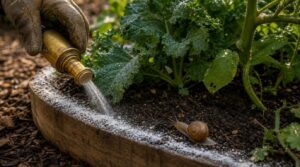
Few physical barriers work as consistently as food-grade diatomaceous earth — a fine, chalk-like powder made from fossilized algae that kills pests mechanically, not chemically.
Here’s what makes it worth keeping in your garden toolkit:
- Slugs, snails, ants, earwigs, and crawling beetles are its primary targets
- A powder duster gives you even, controlled coverage without waste
- Always wear a dust mask and protective eyewear during application
- Reapply after rain or irrigation, since moisture kills its effectiveness
- It gently improves soil aeration and drainage when worked into the top layer
Apply it early morning or at night, when slugs are active and dew helps the powder cling briefly before drying. Dust a thin, even layer along soil surfaces and plant bases, and create a 2–3 cm perimeter band around raised beds. Keep it dry — wet diatomaceous earth simply stops working.
Coffee Grounds Barrier
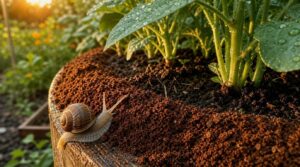
Your morning coffee does double duty in the garden. Spread used coffee grounds in a 2–4 cm ring around your beds to create a coffee grounds barrier that slugs, snails, and ants genuinely dislike crossing.
The caffeine repellent action disrupts their surface comfort.
Reapply every one to two weeks, or after rain, to keep this natural pest control layer working.
Floating Row Covers

Where coffee grounds guard at soil level, floating row covers work from above — a fine, breathable fabric laid directly over your beds that physically blocks aphids, cabbage moths, and flea beetles before they ever touch your plants.
Made from spun-bonded polyester or polypropylene, these lightweight covers let roughly 90% of light through while keeping nights 2–6°F warmer, genuinely extending your growing season.
Yellow Sticky Cards
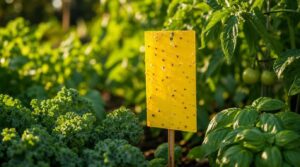
Row covers block pests from above — yellow sticky cards reveal what’s already flying through your garden. These simple adhesive boards exploit color attraction science: the bright yellow mimics flower brightness, luring aphids and whiteflies to land directly on the surface.
Position cards 30–60 cm above the foliage, and you’ll start identifying pest hotspots before real damage begins.
Snail and Slug Traps
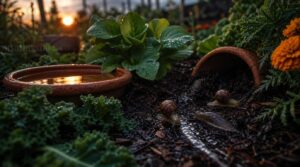
Slugs and snails do most of their damage overnight, so trapping works best when you set up before dusk. A shallow beer trap — filled just 1 cm below the rim — draws them in within 24 hours using fermentation scent. Refresh every 2–3 days.
Terracotta pots buried halfway create humid hideaways; check and clear them each morning.
Plant Pest-Deterring Garden Companions

Some plants do more than look good — they actively work to keep pests away from your vegetables. Choosing the right companions means you’re building a living defense system that runs on its own. Here are the best pest-deterring plants to weave into your garden beds.
Marigolds for Nematodes
French marigolds (Tagetes patula) are quiet workhorses underground.
Their roots release nematicidal compounds that injure root-knot nematodes and discourage feeding.
Plant them 12–18 inches apart around tomatoes or peppers, let them establish a full season, and the soil legacy they leave behind keeps nematode pressure lower long after harvest.
Nasturtiums as Trap Crops
Nasturtiums are the garden’s most willing decoys. Their glucosinolate-rich flowers and leaves attract aphids strongly, pulling pests away from vegetables before damage begins — reducing pest pressure on neighboring crops by up to 70 percent.
Nasturtiums lure aphids away from vegetables so effectively, they can cut neighboring crop pest pressure by up to 70 percent
Plant them 10–14 days early, position climbing varieties on trellises as vertical barriers, and remove infested growth regularly to keep the trap working all season.
Aromatic Herbs Near Vegetables
Your herb garden is doing more than adding flavor to dinner — it’s quietly running pest control.
- Basil beside tomatoes boosts lycopene in ripe fruit while repelling thrips and aphids.
- Thyme near cabbage releases aromatic oils that deter caterpillars and beetles effectively.
- Sage adjacent to carrots discourages carrot fly and sharpens the crop’s natural aroma.
Calendula for Aphids
Calendula earns its place at the bed edge for good reason. Its resinous foliage creates a scent deterrent effect that disrupts aphid host-finding, while blooms deliver a predator attraction boost by drawing hoverflies and parasitic wasps that target aphids directly. That’s a two-front defense built into one cheerful plant.
For intercropping strategies, plant calendula in blocks 12–18 inches apart along vegetable borders, sowing a few weeks before peak aphid season so flowers are already open when pressure builds. Deadhead spent blooms regularly to keep nectar flowing and predator activity sustained across your entire bed.
Flowers for Beneficial Insects
Think of your flower selection as a living recruitment agency for pest control. Dill, fennel, and cilantro draw parasitic wasps and hoverflies with their small, open blooms.
Native blooms like coneflowers, yarrow, and cosmos bring in lacewings and predatory beetles. Plant these alongside your vegetables to build a nectar network that keeps natural enemies working your beds all season.
Top 10 Natural Pest Deterrent Items
You’ve learned the methods — now it’s time to put the right tools in your hands. Each item on this list pulls its weight in the garden, whether you’re dealing with aphids, slugs, or hungry caterpillars. Here are ten natural pest deterrents worth keeping close.
1. Majestic Pure Lavender Essential Oil
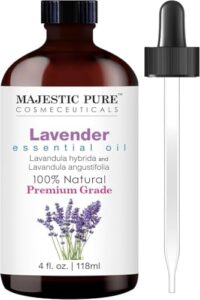
Lavender oil does more than calm your nerves — it quietly repels moths, mice, and insects when used around the garden.
Majestic Pure’s 4 fl oz bottle delivers 100% pure linalool-rich oil, steam-distilled from Bulgarian Lavandula angustifolia, with no fillers.
Add 10–15 drops to a cup of water and spray leaf undersides to deter aphids and spider mites without harming pollinators.
Store it in the amber glass bottle, away from light, to preserve potency for up to two years.
| Best For | Anyone who wants a versatile, affordable lavender oil for aromatherapy, skin care, or natural home use — especially those who prefer pure, unfilled oils with lab-tested quality. |
|---|---|
| Form Factor | Liquid oil |
| Organic Status | Not certified |
| Primary Use | Aromatherapy/repellent |
| Package Size | 4 fl oz |
| Reusable/Reapply | Yes, refillable |
| Price (USD) | $8.99 |
| Additional Features |
|
- 100% pure lavender oil with no fillers, backed by independent lab testing and a Quality Guarantee
- Generous 4 fl oz size at just $8.99 — great value compared to most essential oil brands
- Comes in a UV-protective amber glass bottle with a dropper for easy, mess-free use
- Scent can vary batch to batch depending on sourcing region, which might bother scent-sensitive users
- Purity can’t be fully verified at home since there’s no universal certification standard for essential oils
- May not flow well in certain reed diffusers without dilution first
2. Organic Green Jalapeno Pepper
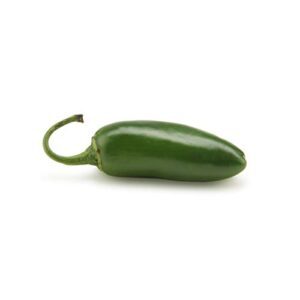
If lavender oil works through scent, capsaicin takes a more aggressive approach. Organic green jalapeño peppers contain capsaicin and sulfur compounds that actively deter aphids, beetles, and spider mites on contact.
Blend a few fresh peppers with water and a drop of mild soap, then spray leaf surfaces in the early morning.
At just 2,500–8,000 SHU, these certified organic peppers deliver real repellent power without synthetic chemicals touching your soil.
| Best For | Home gardeners and organic growers who want a natural, chemical-free way to keep pests off their plants. |
|---|---|
| Form Factor | Fresh produce |
| Organic Status | Certified organic |
| Primary Use | Culinary/cooking |
| Package Size | 1.44 oz |
| Reusable/Reapply | Single use fresh |
| Price (USD) | Not listed |
| Additional Features |
|
- Certified organic with zero synthetic pesticides — safe for your soil and your family
- Doubles as a cooking ingredient, so nothing goes to waste
- Firm texture means they stay fresh for up to two weeks, giving you plenty of time to use them
- Milder heat than most jalapeños, so pest-repellent sprays may need a higher pepper-to-water ratio
- Small package size (1.44 oz) means you’ll go through them fast if you’re making batches of spray
- Not always easy to find — availability is hit or miss depending on your local stores
3. Seed Needs Jewel Nasturtium Seeds
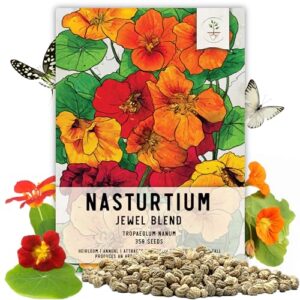
Sprays and repellents handle pests in the moment, but nasturtiums play a longer game.
Seed Needs Jewel Nasturtium Seeds give you a living trap crop that draws aphids, squash bugs, and cabbage worms away from your vegetables — sacrificing themselves so your food plants don’t have to.
Each packet contains 350+ seeds, germinates in 7–10 days, and fits neatly into borders or containers at just 12–18 inches tall.
Their edible, peppery flowers are a bonus worth harvesting.
| Best For | Home gardeners who want a natural, edible pest deterrent that pulls double duty as a colorful border plant in small spaces or containers. |
|---|---|
| Form Factor | Dry seeds |
| Organic Status | Not certified |
| Primary Use | Garden planting |
| Package Size | 350+ seeds |
| Reusable/Reapply | Annual replant |
| Price (USD) | $9.99 |
| Additional Features |
|
- Acts as a living trap crop, drawing aphids and other pests away from your vegetables without any sprays
- 350 seeds germinate fast (7–10 days), so you’re not waiting long to see results
- Flowers and leaves are fully edible with a peppery kick — great fresh in salads or as a garnish
- It’s an annual, so you’ll need to replant every year after the first frost
- Germination rates sit at 50–70%, meaning not every seed will take — soaking them first helps
- Color mix is random, so if you’re going for a specific look, you won’t have much control over what you get
4. Heirloom Chrysanthemum Landscape Seeds
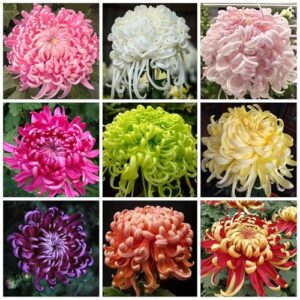
Nasturtiums lure pests away, but chrysanthemums bring in reinforcements.
Heirloom Chrysanthemum Landscape Seeds give you a multi-tasking plant: their natural pyrethrins deter beetles and soft-bodied insects, while their blooms attract ladybugs and parasitic wasps that hunt garden pests.
You’ll get 500+ seeds in a rainbow mix of purple, orange, and white — varieties reaching 2–4 feet tall with a bushy, border-ready habit.
Pinch stems early for a fuller shape and a longer, more rewarding bloom display through fall.
| Best For | Home gardeners who want a colorful fall display and are comfortable experimenting with heirloom seeds that may need some extra attention to get going. |
|---|---|
| Form Factor | Dry seeds |
| Organic Status | Non-GMO heirloom |
| Primary Use | Garden planting |
| Package Size | 500+ seeds |
| Reusable/Reapply | Annual replant |
| Price (USD) | $5.99 |
| Additional Features |
|
- 500 seeds for just $5.99 — a lot of potential color for the price
- Rainbow mix covers purple, orange, red, rose, yellow, and white, so your garden won’t look boring
- Natural pyrethrins help deter beetles and soft-bodied insects, giving you a little built-in pest control
- Germination can be hit or miss — plenty of buyers reported low or zero sprouting
- Some packets have shown up with weed seeds mixed in, which is a headache you don’t want
- Plants tend to grow tall and lanky rather than the compact, bushy look you might be picturing
5. Bonide Captain Jacks BT Worm Spray
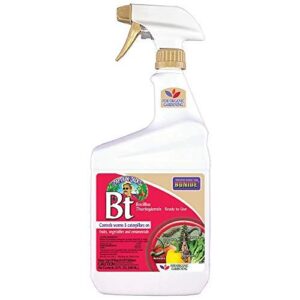
When caterpillars are quietly shredding your broccoli or tomato leaves, Bonide Captain Jack’s Bt gives you a targeted, organic answer. Its active ingredient — a specific Bacillus thuringiensis strain — works by ingestion: larvae feed on treated foliage, stop eating within hours, and die within 2–3 days.
It won’t harm bees, earthworms, or ladybugs. Shake well, spray leaf undersides thoroughly, and reapply every 5–7 days during heavy pressure. Safe up to harvest day.
| Best For | Home gardeners who want an organic, bee-safe way to stop caterpillars from destroying vegetables, fruits, and ornamental plants. |
|---|---|
| Form Factor | Liquid spray |
| Organic Status | Certified organic |
| Primary Use | Pest control |
| Package Size | 32 oz |
| Reusable/Reapply | Yes, reapply |
| Price (USD) | Not listed |
| Additional Features |
|
- Ready-to-use with no mixing — just shake and spray
- Safe for beneficial insects like bees, ladybugs, and earthworms
- Certified organic and can be used right up to harvest day
- Takes 2–3 days to kill larvae, so it’s not a quick fix
- Needs reapplication after rain and thorough coverage under leaves to actually work
- Some users report a strong smell and occasional missing sprayer parts
6. McCormick Ground Cayenne Red Pepper
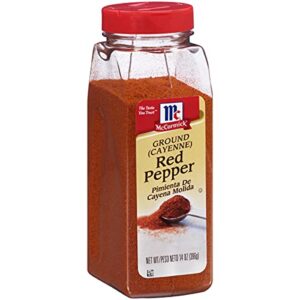
A pinch of cayenne pepper does more than fire up your chili — it genuinely irritates the eyes, skin, and respiratory systems of soft-bodied pests, deer, rabbits, and squirrels.
McCormick’s 100% pure cayenne contains no fillers, so the capsaicin concentration stays consistent.
Dust it lightly around plant bases or mix it into a spray. Reapply after rain, since moisture breaks it down quickly.
| Best For | Home cooks and gardeners who want pure, no-filler cayenne for bold heat in their cooking or as a natural pest deterrent. |
|---|---|
| Form Factor | Dry powder |
| Organic Status | Not certified |
| Primary Use | Culinary/repellent |
| Package Size | 14 oz |
| Reusable/Reapply | Yes, resealable |
| Price (USD) | $17.21 |
| Additional Features |
|
- 100% cayenne with zero fillers, so you get consistent heat and flavor every time
- Resealable 14-oz bottle keeps it fresh and ready to use for a long time
- Incredibly versatile — works in dry rubs, sauces, marinades, and even as a garden pest spray
- No anti-caking agents, so if you don’t seal it properly, moisture will clump it up fast
- The heat level is serious — not a great pick if you or anyone you’re cooking for is spice-sensitive
- Containers can show up dented, which isn’t a dealbreaker but isn’t exactly a great first impression
7. Dunkin Donuts Original Blend Coffee

Your morning coffee habit can pull double duty in the garden.
Used coffee grounds from Dunkin’s Original Blend create an abrasive, caffeine-laced barrier that slugs, snails, and ants actively avoid. Spread a half-inch ring around plant bases after brewing.
The grounds also release nitrogen as they break down, quietly feeding your soil while they work.
Reapply every few weeks or after rain, and monitor soil pH if you’re growing acid-sensitive crops.
| Best For | Home brewers who want a smooth, no-fuss daily coffee without the hassle of grinding beans themselves. |
|---|---|
| Form Factor | Dry ground |
| Organic Status | Not certified |
| Primary Use | Culinary/beverage |
| Package Size | 30 oz |
| Reusable/Reapply | Yes, resealable |
| Price (USD) | ~$22.00 |
| Additional Features |
|
- 100% Arabica medium roast delivers a consistently smooth, easy-drinking cup that rarely needs cream or sugar to taste good.
- The 30 oz canister lasts a typical household several weeks, so you’re not running to the store every few days.
- The ergonomic, resealable canister is genuinely easy to open and store — a small thing that makes a real difference every morning.
- It only comes pre-ground, so if you’re a whole-bean purist, this one’s not for you.
- At around $22, it costs more than most grocery-store brands, which can add up if you’re watching your budget.
- The medium roast is pleasant but won’t wow dark-roast lovers or anyone chasing specialty-coffee complexity.
8. Harris Food Grade Diatomaceous Earth
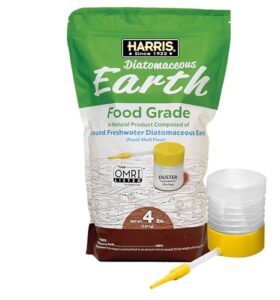
Think of diatomaceous earth as nature’s razor wire — invisible to the naked eye, but brutal on soft-bodied pests. Harris Food Grade DE is 100% freshwater-sourced, OMRI-listed, and comes with a powder duster for precise application.
Sprinkle it around plant bases in dry conditions; the microscopic silica edges abrade insect exoskeletons, causing dehydration within hours. Reapply after rain since moisture neutralizes it completely.
Wear a mask — the fine powder irritates lungs easily.
| Best For | Homeowners and organic gardeners who want a natural, chemical-free way to manage household pests or treat animal feed and indoor plants. |
|---|---|
| Form Factor | Dry powder |
| Organic Status | OMRI listed |
| Primary Use | Pest control |
| Package Size | 4.2 lb |
| Reusable/Reapply | Yes, reapply |
| Price (USD) | Not listed |
| Additional Features |
|
- 100% food-grade and OMRI-listed, so it’s safe to use around kids, pets, and even mix into animal feed
- Comes with a powder duster built right into the bag — no extra tools needed for targeted application
- Kills a wide range of soft-bodied insects naturally, leaving zero toxic residue behind
- The fine dust is rough on your lungs and eyes — you’ll want a mask every time you apply it
- Loses all effectiveness when wet, so outdoor or high-moisture areas are a tough sell
- Works slowly (4–6 hours minimum) and needs to stay undisturbed, which makes it frustrating for heavy infestations
9. Qualirey Reusable Snail Beer Trap
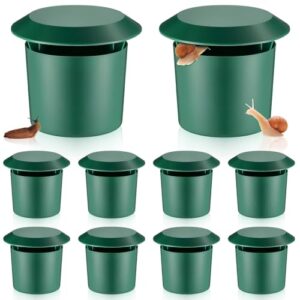
Slugs and snails are most active after dark, and that’s exactly when the Qualirey Reusable Snail Beer Trap gets to work.
You simply bury the lidded PP plastic container at soil level, fill it with beer or a yeast‑sugar solution, and let the fermentation scent do the luring.
Snails enter and don’t escape.
It’s non‑toxic, reusable across multiple seasons, and fits neatly between plant beds — a genuinely low‑effort, chemical‑free solution.
| Best For | Home gardeners who want a simple, chemical-free way to protect vegetables and plants from slugs and snails without much ongoing effort. |
|---|---|
| Form Factor | Plastic traps |
| Organic Status | Not certified |
| Primary Use | Pest trapping |
| Package Size | 10 units |
| Reusable/Reapply | Yes, reusable |
| Price (USD) | Not listed |
| Additional Features |
|
- You get 10 traps in one pack, so you can cover a decent-sized garden all at once.
- The lidded design keeps rain out and bait fresh longer, which means less frequent refilling.
- They’re reusable season after season, so the upfront cost goes a long way.
- The lids can pop off and the plastic feels a bit flimsy, so handle them with some care.
- Traps often come stuck together out of the package and can take some work (or hot water) to separate.
- Some slugs manage to drink the bait and slip away, and the scent can attract unwanted visitors like raccoons or possums.
10. Whole Foods Organic Raw Apple Cider Vinegar
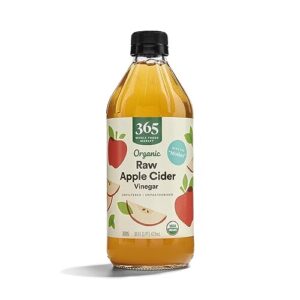
Apple cider vinegar does double duty in the garden — and most people don’t realize it.
Whole Foods Organic Raw Apple Cider Vinegar (5% acidity, unfiltered, with the "mother") works as a natural fruit fly and gnat deterrent when set out in shallow dishes near compost bins or raised beds. The acetic acid draws pests in and traps them. At $3.99 for 16 oz, it’s an inexpensive, chemical-free addition to your pest management toolkit.
| Best For | Home cooks, health-conscious folks, and budget-minded households looking for a versatile, clean-ingredient staple that pulls triple duty in the kitchen, wellness routine, and around the house. |
|---|---|
| Form Factor | Liquid vinegar |
| Organic Status | Certified organic |
| Primary Use | Culinary/household |
| Package Size | 16 fl oz |
| Reusable/Reapply | Yes, refillable |
| Price (USD) | $3.99 |
| Additional Features |
|
- Made from 100% USA organic apples with the "mother" intact — you’re getting the real deal, not a watered-down imitation
- Incredibly versatile: salad dressings, marinades, digestion shots, natural cleaning, even pest control in the garden
- At $3.99 for 16 oz, it’s a genuinely affordable organic product that’s hard to beat on price
- The 16 oz bottle runs out fast if you’re using it regularly for cooking and cleaning — you’ll be restocking more often than you’d like
- Shipping packaging has let some buyers down, with reports of leakage arriving at the door
- The 5% acidity is no joke — sensitive stomachs need to dilute this before drinking, or it can be pretty harsh
Frequently Asked Questions (FAQs)
What smell do pests hate the most?
Pests despise pungent sulfur and capsaicin compounds above almost everything else. Garlic, hot peppers, and peppermint oil overwhelm their sensory receptors, disrupting feeding signals and triggering an immediate retreat from treated foliage.
How do I store leftover natural pest sprays?
Store leftover sprays in opaque, airtight bottles at 50–70°F, away from sunlight. Label each with the recipe and date. Discard anything that smells off or separates — fresh batches always work better.
Are natural deterrents safe for edible herbs?
Yes, most natural deterrents are safe for edible herbs when properly diluted and patch-tested first. Always apply in the evening and rinse herbs before eating.
Can pets be harmed by garden pest treatments?
Some treatments can harm pets. Cats are especially sensitive to peppermint oil and pyrethrins. Keep pets away from treated areas until sprays fully dry.
How do I handle severe infestations naturally?
Layer your defenses: increase spray frequency to every 5–7 days, combine neem oil with soap spray, and deploy sticky cards simultaneously. A single approach rarely beats a heavy infestation alone.
Do natural methods work in container gardens?
Absolutely — natural methods transfer well to containers. In fact, weekly scouting catches aphids and spider mites faster in pots, since smaller soil volume means infestations escalate quickly and stay visible.
Conclusion
Picture the gardener next door, faithfully poisoning the same aphids every Tuesday—buying the same bottle, repeating the same results, wondering why nothing changes.
You’ve stepped off that treadmill. With the right natural pest deterrents for garden beds layered into your routine—barriers, botanicals, companion plants—you’re working with your garden’s biology, not against it.
The pests don’t disappear overnight, but each season, your soil gets smarter. So do you.
- https://homesteadandchill.com/benefits-companion-planting-chart
- https://sites.google.com/ufl.edu/plant-of-the-month/January/2025-Companion-Planting/March_1
- https://fairfaxgardening.org/companion-planting
- https://journeywithjill.net/gardening/2019/02/26/companion-planting-pest-control
- https://www.theorganicharvest.com/companion-planting-natures-secret-to-a-healthier-garden