This site is supported by our readers. We may earn a commission, at no cost to you, if you purchase through links.
Some gardeners spend a fortune on sprays that wash off in the first rain. Others lose half their harvest to pests they never saw coming.
There’s a quieter approach—one where your plants do the defending.
Certain plant combinations create a kind of invisible shield: masking scents that attract insects, luring pests away from crops that matter, and calling in natural predators to clean up the rest.
Companion planting for pest control isn’t folklore—it’s rooted in the chemistry plants produce and the insects that respond to it.
The right pairings make a real difference, and the wrong ones can backfire. Here’s what actually works.
Table Of Contents
Key Takeaways
- Pairing plants like basil with tomatoes or garlic with roses uses their natural scent compounds to confuse and repel pests without any sprays.
- Trap crops like nasturtiums and Blue Hubbard squash draw pests away from your main vegetables, giving you one easy spot to monitor and manage.
- Flowers like sweet alyssum, dill, and yarrow pull beneficial insects into your garden, letting nature handle aphids and caterpillars for you.
- Common mistakes like overcrowding beds, mixing beans with alliums, or ignoring water needs can cancel out all the benefits of companion planting.
Best Pest-Repelling Plant Pairings
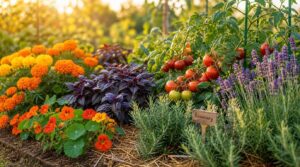
Some plant pairings do more than just share space — they actively work to keep pests away. The right combinations can make a real difference without sprays or chemicals. Here are five pairings worth putting to work in your garden.
If you want to dig deeper, this companion planting guide for vegetable gardens lays out which pairings work best and why.
Basil With Tomatoes
Basil does more than taste good next to tomatoes — it actively deters aphids and hornworms by releasing volatile oils like linalool and eugenol. Plant seedlings 6 to 12 inches away from tomato stems, and keep soil consistently moist.
The red‑green visual contrast also enhances the appeal of the plants. Pinch flower tops regularly to maintain strong leaf production and boost the pest-repelling benefits throughout the growing season.
Chives With Carrots
Chives make a quiet but effective partner for carrots. Their sulfurous volatile compounds create a scent barrier that reduces carrot fly egg-laying — a common problem that destroys roots before you notice anything is wrong. Plant chives in rows alongside your carrots, and let them do the work.
As a bonus, fresh chives over cooked carrots add mild onion-like depth that makes both crops more rewarding to grow and eat.
Garlic With Roses
Garlic is one of the best-kept secrets in the rose garden.
Plant it around the drip line of your roses — about 4 to 6 inches apart — and its sulfur compounds get to work masking rose scent from aphids and other soft-bodied insects.
It also helps suppress fungal issues like powdery mildew before they take hold.
Sage With Brassicas
Roses get garlic — and brassicas get sage.
Plant sage between your cabbage, broccoli, or kale rows and it acts as a natural aroma barrier, releasing bitter volatile compounds that confuse cabbage moths and push aphids away.
- Moth deterrence — sage disrupts egg-laying on nearby brassica leaves
- Beneficial insects — hoverflies and lady beetles are drawn in to handle remaining pests
- Low sage hedge — moderates soil temperature and crowds out weeds between rows
Rosemary With Beans
Rosemary does double duty in the garden. Planted along bean rows, its aromatic pest deterrent compounds confuse beetles and leafhoppers before they settle in.
That’s a real win for legumes, which are already working hard, fixing nitrogen.
Tuck rosemary along the border, keep it trimmed low, and your beans get natural protection without any extra effort.
Trap Crops That Protect Vegetables
Some plants are basically decoys — they lure pests away from your real crops and take the hit so your vegetables don’t have to. It sounds almost too simple, but trap cropping is one of the most reliable tricks in the garden. Here are five plants that do this job surprisingly well.
Pair these decoy plants with companion planting strategies for your vegetable garden to build a fuller, more resilient pest defense system.
Nasturtiums for Aphids

Nasturtiums are the prime aphid magnet in companion planting. Plant a nasturtium border around cucumbers, beans, or squash, and aphids will flock to them instead.
Keep a planting distance of at least one meter from your main crops so pests migrate toward the nasturtiums.
Their blooms also work as a hoverfly lure, drawing beneficial insects that naturally reduce aphid populations nearby.
Blue Hubbard for Squash
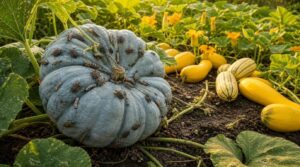
Blue Hubbard squash is one of the best trap crops you can grow. Its large size and strong scent draw squash vine borers and squash bugs away from delicata and yellow squash.
Plant it at the edge of your patch. Pests target it first, leaving your main crop alone.
Chinese Cabbage for Flea Beetles
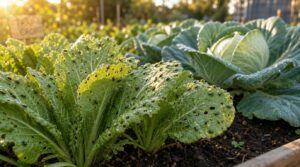
Chinese cabbage is a flea beetle magnet — and that’s exactly what makes it useful. Plant it near white cabbage or other brassicas, and beetles target it first, sparing your main crop. Stagger your planting dates to catch early beetle pressure.
Scout weekly for tiny holes in leaves, and keep soil fertile so plants stay ahead of the damage.
Sunflowers as Sacrificial Plants

Sunflowers are one of the best natural pest decoys you can grow. Their large blooms pull aphids, beetles, and caterpillars away from your vegetables, concentrating them in one easy-to-monitor spot.
Plant them 1–2 meters from high-value crops for the best decoy effect. Check them weekly, and remove heavily infested heads promptly so pests don’t migrate back.
Marigolds for Nematodes

Most gardeners don’t realize that marigolds repel nematodes working underground. Their roots release α-terthienyl, a natural compound that kills root-knot nematodes in the soil.
French marigolds (Tagetes patula) work especially well.
Plant them early — before your tomatoes or peppers go in — so nematode suppression builds up first. For best results, plant densely and leave the roots in the ground after the season ends.
Flowers That Attract Beneficial Insects
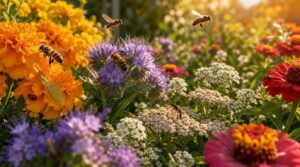
Not every garden helper comes with claws or a stinger — some of the best pest fighters are drawn in by the right flowers. Planting the right blooms gives beneficial insects a reason to stick around and get to work. Here are five flowers worth adding to your garden.
Sweet Alyssum for Hoverflies
Sweet alyssum is one of the hardest-working flowers you can add to your garden. Its small, clustered blooms produce steady nectar that hoverflies can’t resist.
Plant it in borders near brassicas or lettuce, spacing clusters every 15–20 inches. Hoverfly larvae then feed on nearby aphids, giving you natural pest control without sprays.
Dill for Parasitic Wasps
Dill pulls its weight in a different way. Its flat-topped flower heads produce accessible nectar that braconid and ichneumonid wasps rely on for energy while searching for prey.
Plant dill within 1–2 meters of vulnerable crops, in full sun with well-drained soil. That proximity keeps foraging wasps close to where aphids and caterpillars actually live.
Yarrow for Predatory Wasps
Yarrow works on the same principle as dill but stays in flower far longer.
Its flat umbrella-shaped blooms give predatory wasps an easy landing pad and a steady nectar supply throughout summer.
Plant it along vegetable rows in full sun, well-drained soil, and it’ll quietly draw wasps that hunt caterpillars and aphids — with almost no upkeep from you.
Calendula for Garden Allies
Calendula pulls double duty in the garden. Its blooms fuel a steady calendula nectar supply that keeps hoverflies, parasitic wasps, and bees coming back all season.
Those visitors aren’t just pretty — they actively hunt aphids and mites.
Plant it in full sun, deadhead regularly, and you’ll sustain beneficial insect habitat while quietly boosting your garden’s natural pest control without much effort.
Lovage for Aphid Control
Lovage might be the most underrated aphid fighter in companion planting. Its leaves release volatile oils that scramble aphid feeding signals — a process called aphid deterrent chemistry — while the flowers create a lacewing habitat that draws natural predators all season.
Key tips for using lovage effectively:
- Space plants 60–90 cm apart for ideal scent cloud diffusion
- Harvest leaves regularly to boost fragrance output
- Avoid nearby broad-spectrum pesticides to protect beneficial insects
Vegetable Companion Planting Combinations
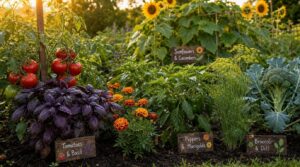
Some vegetable pairings just work better than others, and knowing which ones to choose can save you a lot of frustration. These combinations pull double duty — cutting down on pests while making the most of your garden space.
Here are five tried-and-true vegetable companion planting combinations worth putting to work in your garden.
Tomatoes and Basil
Few pairings work as well in a garden as tomatoes and basil.
Plant basil 6–12 inches from your tomato stems. Its aromatic oils help mask scents that attract pests, and it draws beneficial insects that keep aphids in check.
Harvest basil regularly to keep it productive alongside your tomatoes all season.
Carrots and Onions
Carrots and onions are one of those classic companion planting pairings that quietly do a lot of work. Onions release sulfur compounds that confuse carrot flies, making it harder for them to locate your crop — a simple form of organic pest control that doesn’t cost a thing.
- Pest deterrence through scent confusion
- Moisture conservation from onion leaf canopy
- Root depth interaction improving soil aeration
- Yield stability across your small garden beds
Their nutrient synergy is a bonus, too — carrots bring potassium while onions add calcium and phosphorus.
Cabbage and Dill
Cabbage and dill are a natural team in the garden. Dill draws in parasitic wasps and ladybugs that target cabbage worms and aphids — real biological pest control, no sprays needed.
Plant dill nearby, but keep taller plants from shading your cabbage.
Harvest dill leaves early and fold them fresh into slaws or soups for a clean, bright flavor boost.
Squash and Nasturtiums
Nasturtiums are one of the best trap crop choices you can make for squash. They pull aphids, whiteflies, and beetles toward themselves and away from your squash plants.
- Plant them 12–18 inches from squash
- Sow after the last frost
- Monitor nasturtiums weekly for pest buildup
- Remove heavily infested stems promptly
Corn, Beans, Squash
The Three Sisters — corn, beans, and squash — is one of the oldest companion planting systems that still holds up today. Each plant pulls its weight. Beans are responsible for nitrogen fixation, corn offers vertical support, and squash regulates soil moisture with its broad, shading leaves.
The Three Sisters — corn, beans, and squash — is an ancient system where every plant earns its place
| Role | Plant |
|---|---|
| Nitrogen fixer | Beans |
| Living trellis | Corn |
| Ground cover | Squash |
Watch your harvest timing — varieties matter.
Companion Planting Mistakes to Avoid
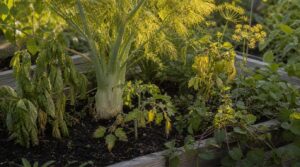
Even the best plant pairings can backfire if you make a few common missteps. Some combinations actually hurt your garden more than help it. Here are the mistakes worth knowing before you start.
Overcrowding Garden Beds
Even well-planned companion planting can backfire when plants are packed too close together. Proper plant spacing — usually 12 to 24 inches between vegetables — isn’t just a suggestion. It’s what keeps your whole system working.
Here’s what overcrowding actually costs you:
- Airflow disease prevention suffers first — trapped moisture on leaves invites powdery mildew and botrytis fast.
- Root nutrient competition quietly drains plant vigor, shrinking your harvest over time.
- Bed maintenance access becomes a struggle, making it harder to spot early pest pressure or prune problem areas.
- Visual garden clutter hides warning signs — nutrient deficiencies and pest damage are easy to miss in a dense, tangled bed.
Good pest management strategies depend on you actually seeing what’s happening. Give your garden beds room to breathe.
Pairing Beans With Alliums
Spacing issues aren’t the only trap here. Beans and alliums — onions, garlic, chives — look like natural neighbors, but they’re actually a poor match.
Alliums release sulfur compounds that slow bean root development and reduce yields. Keep them at least one bed apart, or use alternating rows if space is tight.
Planting Fennel Near Tomatoes
Fennel is one of those plants that looks harmless but quietly causes trouble. It releases allelopathic compounds that suppress tomato root growth and can shrink fruit size — even without sharing the same soil.
Keep fennel at least 6 feet away from tomatoes. Short on space? Grow it in a container instead.
Basil or marigold make far better tomato companions.
Mixing Mismatched Water Needs
Pairing plants with mismatched water needs is just as problematic as bad plant chemistry. Drought-tolerant companions like rosemary struggle when planted next to thirsty crops that need constant moisture.
Overwatering one stresses the other.
Group plants by water demand, use mulch to retain soil moisture where needed, and consider drip irrigation to deliver targeted hydration without soaking everything equally.
Ignoring Pest Pressure Patterns
Companion planting only works if you’re watching what’s happening around it. Early season warmth can trigger pest reproduction weeks ahead of schedule, catching even well-planned gardens off guard. Dense planting risks compound this — pests move easily between crowded hosts. Stay flexible:
- Scout regularly, not on a fixed schedule
- Clear debris to eliminate overwintering pest shelter
- Monitor humidity near leaf surfaces
- Adjust trap crop placement as pressure shifts
Frequently Asked Questions (FAQs)
When should companion planting start in the season?
Think of your garden like a relay race. Start cool-season crops when soil hits 40°F, about 2–4 weeks before your frost-free date. That early timing sets the pace for everything that follows.
Does companion planting work in container gardens?
Yes, companion planting works in containers. Basil with tomatoes deters aphids, and nasturtiums lure pests away from vegetables. Even small pots benefit from smart pairings.
Can companion planting replace chemical pesticides entirely?
It can help a lot, but it rarely replaces pesticides entirely. Used well, companion planting aids integrated pest management by reducing how often and how much you spray.
How many companion plants does one crop need?
There’s no magic number. One or two well-chosen companions per crop is usually enough. A companion planting chart helps you match the right plants without overcrowding your beds.
Do companion planting benefits change by climate zone?
Climate zone shapes pest pressure and plant behavior more than most gardeners expect. Warmer, humid zones accelerate insect cycles, while cool temperate regions shift when beneficials like parasitic wasps are most active and effective.
Conclusion
Studies show that biodiverse gardens experience up to 50% less pest damage than monocultures. That’s not a minor edge—it’s half your harvest protected without a single spray.
Companion planting for pest control works because nature already has a system. You’re not fighting your garden; you’re learning to read it.
Place the right plants together, and they handle most of the work. Your job is simply to stop getting in the way.
- https://sites.google.com/ufl.edu/plant-of-the-month/January/2025-Companion-Planting/March_1
- https://www.almanac.com/companion-planting-guide-vegetables
- https://pmc.ncbi.nlm.nih.gov/articles/PMC6316212
- https://extension.illinois.edu/blogs/over-garden-fence/2025-01-13-2024-recap-common-pest-concerns-and-how-control-them-2025
- https://mygardenlife.com/how-to-grow/trap-crops