
This site is supported by our readers. We may earn a commission, at no cost to you, if you purchase through links.
Most gardeners treat fall like a closing chapter — time to pull spent plants, stash tools, and wait for spring. That instinct costs them three solid months of color.
Fall is one of the best seasons for garden flowers. Cooler temps reduce watering stress, pest pressure drops, and many plants bloom longer because they’re not fighting summer heat. Marigolds, asters, and Black-Eyed Susans don’t just survive autumn — they thrive in it.
The trick is knowing which varieties to plant, when to get them in the ground, and how to set them up before the first frost hits. Here’s exactly what you need.
Table Of Contents
- Key Takeaways
- Top 10 Fall Garden Flower Seeds
- 1. Sweet Yards African Marigold Seed Mix
- 2. King Henry Purple Viola Seeds
- 3. Vistatu Petunia Grandiflora Flower Seeds
- 4. Blue Pink and Purple Hydrangea Seeds
- 5. Heirloom Rose Seeds Mixed Variety
- 6. African Daisy Mixed Flower Seeds
- 7. Gaillardia aristata Blanket Flower Seeds
- 8. Cozy Crib Blue Ageratum Seeds
- 9. Heirloom Strawflower Mixed Color Seeds
- 10. Sweet Yards Black Eyed Susan Seeds
- Best Fall Flowers by Color
- Best Flowers for Fall Pollinators
- Fall Flowers by Growing Conditions
- Planting and Caring for Fall Flowers
- Frequently Asked Questions (FAQs)
- What flowers to put in garden in fall?
- What is the most popular flower in fall?
- What flowers bloom best in October?
- What are the best flowers to plant for fall and winter?
- What are the best flowers for a fall garden?
- What are the best flowers for fall garden?
- What flowers to plant in September?
- What flowers grow best in autumn?
- What are the best perennials for fall blooming?
- What is the queen of the fall flowers?
- Conclusion
Key Takeaways
- Fall is actually prime growing time for flowers like marigolds, asters, and Black-Eyed Susans — cooler temps mean less watering stress and fewer pests than summer.
- Timing your planting before the first frost (and watching for soil temps dropping below 7°C) is the single most important thing you can do to keep fall color going strong.
- Simple upkeep habits — deadheading spent blooms, watering at dawn, and laying 2–4 inches of mulch after the first hard frost — stretch your garden’s life well into the season.
- Mixing long-blooming perennials like Black-Eyed Susans and asters with flat-topped or tubular flowers pulls in bees, butterflies, and hummingbirds right up until winter shuts things down.
Top 10 Fall Garden Flower Seeds
Fall gardens don’t have to fade out quietly — the right seeds can keep things colorful well into the cooler months.
From vibrant pansies to bold ornamental kale, fall flowers that bloom well into the season can transform your garden long after summer fades.
Whether you’re planting for bold color, pollinator traffic, or low-maintenance beauty, there’s something on this list for you. Here are ten fall flower seeds worth adding to your cart this season.
1. Sweet Yards African Marigold Seed Mix
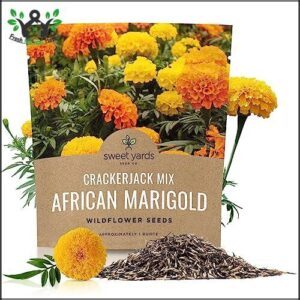
Few seeds pack this much punch into one small packet. The Sweet Yards African Marigold Mix gives you over 10,000 open-pollinated, GMO-free seeds in a single ounce — enough to fill borders, pots, and garden beds with warm orange and yellow blooms up to 4 inches wide.
Marigolds need full sun and well-drained soil, and they’ll reward you with color from mid-summer right into fall. Sow after your last frost, thin seedlings to 8–12 inches apart, and let them work.
| Best For | Gardeners who want to attract pollinators, deter pests naturally, or introduce kids to growing flowers — especially those with space for bold, tall blooms. |
|---|---|
| Bloom Color | Orange & Yellow |
| Pollinator Support | Bees & butterflies |
| Growth Habit | Annual |
| Light Needs | Full sun |
| Ideal Use | Garden beds, pots & borders |
| Seed Quality | GMO-free, open-pollinated |
| Additional Features |
|
- Over 10,000 open-pollinated, GMO-free seeds in just one ounce — excellent value for large planting projects
- Blooms in 2–3 months with vibrant 4-inch orange and yellow flowers that grow up to 30 inches tall
- Works in any US climate and pulls double duty as a companion plant that helps keep garden pests away
- Initial flowering may take longer than expected, so patience is needed early in the season
- Plants can grow quite tall and wide, making them a poor fit for narrow borders or small containers
- Requires well-drained soil — poorly drained beds can compromise plant health and strength
2. King Henry Purple Viola Seeds
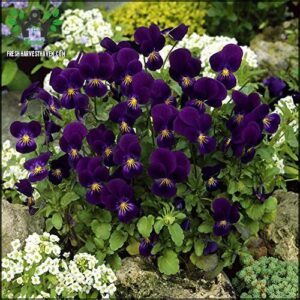
If marigolds are the bold showstoppers, King Henry violas are the quiet crowd-pleasers. These compact plants stay 6 to 8 inches tall and bloom in deep royal purple with a bright yellow eye — cool-weather performers that shine hardest in spring and fall.
They’re frost tolerant and perennial in zones 6 to 9, so they’ll come back for you. Plant them in moist, well-drained soil with partial to full sun, and keep deadheading to stretch that bloom season.
| Best For | Gardeners who want low-maintenance, pollinator-friendly color in containers, borders, or small spaces — especially those in zones 6–9 looking for a perennial that comes back each year. |
|---|---|
| Bloom Color | Dark Purple with Gold Eye |
| Pollinator Support | Bees & butterflies |
| Growth Habit | Perennial |
| Light Needs | Full sun |
| Ideal Use | Containers, baskets & borders |
| Seed Quality | Perennial cultivar variety |
| Additional Features |
|
- Stunning deep purple blooms with a golden eye that last from spring through fall with regular deadheading
- Perennial in zones 6–9, meaning they’ll return year after year without replanting
- Compact 6–8 inch size makes them incredibly versatile — perfect for containers, hanging baskets, or tucking into garden borders
- Blooming slows or stops during hot spells, so summer performance may disappoint in warmer climates
- Seeds are tiny and powdery, making them tricky to sow outdoors on windy days
- Germination requires consistent moisture and takes 14–21 days, with results that can vary by soil and conditions
3. Vistatu Petunia Grandiflora Flower Seeds
Violas keep things tidy and cool. Petunias? They bring the drama.
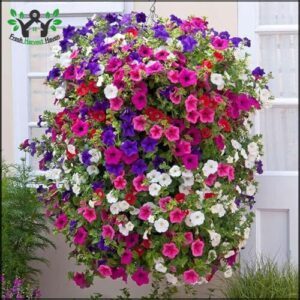
Vistatu Petunia Grandiflora seeds produce large trumpet-shaped blooms — about 4 inches across — in a bold mix of white, pink, red, burgundy, and purple. Plants stay compact at 6 to 12 inches tall but spread up to 18 inches, so one packet goes a long way.
Give them full sun and well-drained soil, and they’ll bloom from spring into fall. Just deadhead the faded flowers to keep new ones coming.
| Best For | Beginner gardeners and families who want a low-maintenance, high-impact flowering plant that attracts pollinators and adds bold seasonal color to pots, courtyards, or garden beds. |
|---|---|
| Bloom Color | Mixed Colors |
| Pollinator Support | Bees, butterflies & hummingbirds |
| Growth Habit | Annual |
| Light Needs | Full sun |
| Ideal Use | Pots, courtyards & garden boxes |
| Seed Quality | Mixed cultivar variety |
| Additional Features |
|
- Large, showy trumpet-shaped blooms in a vibrant mix of colors that last from spring through fall
- Compact yet spreading growth habit makes them ideal for containers, window boxes, and small garden spaces
- Great for attracting hummingbirds, bees, and butterflies, adding life and movement to any garden
- Requires full sun and well-drained soil — not ideal for shadier spots or heavier garden beds
- Regular deadheading and fertilizing are needed to keep blooms coming, which adds to ongoing maintenance
- Germination rates and exact color results can vary, so you may not get an even mix of all colors
4. Blue Pink and Purple Hydrangea Seeds
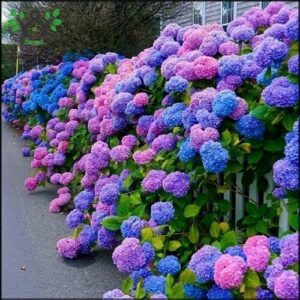
Petunias spread wide, but hydrangeas make a statement.
These heirloom hydrangea seeds come in a blue, pink, and purple mix — and here’s the fun part: your soil pH decides the final color. Acidic soil leans blue; alkaline soil pushes pink or purple.
Plants reach 3 to 6 feet tall and prefer partial shade with consistent moisture. Germination takes 10 to 21 days. Full color usually settles in by year two or three.
| Best For | Gardeners who want long-lasting, show-stopping color and don’t mind a little patience while their plants establish over a couple of seasons. |
|---|---|
| Bloom Color | Blue, Pink & Purple |
| Pollinator Support | Beneficial insects |
| Growth Habit | Perennial |
| Light Needs | Full sun |
| Ideal Use | Garden borders & displays |
| Seed Quality | Heirloom |
| Additional Features |
|
- Gorgeous blue, pink, and purple mix that can actually shift color based on your soil pH — a fun, interactive growing experience
- Heirloom quality seeds suited for both beginners and seasoned gardeners
- Perennial plants that come back year after year, giving you lasting garden beauty without replanting
- Germination can be unreliable — some growers report trouble sprouting even in controlled greenhouse conditions
- Takes two to three years to reach full, mature color and size
- Requires careful attention to planting depth and consistent moisture to avoid failure
5. Heirloom Rose Seeds Mixed Variety
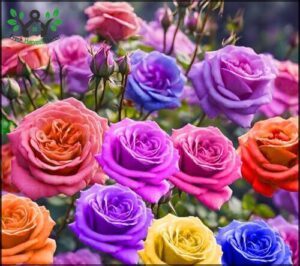
Roses from seed are a slow reward — but that’s part of the charm. This mixed variety pack contains heirloom, open-pollinated seeds in pink, red, white, and yellow tones, so every seedling is a small surprise.
Pair your rose bed with herbs that naturally deter garden pests to protect those slow-growing seedlings while attracting pollinators who’ll love the open blooms.
Germination can take weeks, and cold stratification for 4–6 weeks helps break dormancy. Once established, plants need 6+ hours of full sun and well-draining soil with a pH around 6.0 to 6.5. Pair them with asters for a late-season pollinator boost.
| Best For | Gardeners who love the thrill of discovery and want to preserve heirloom genetics through experimental, patient rose growing. |
|---|---|
| Bloom Color | Mixed Colors |
| Pollinator Support | Garden ecosystem support |
| Growth Habit | Perennial |
| Light Needs | Full sun (6+ hours) |
| Ideal Use | Rose gardens & flower beds |
| Seed Quality | Heirloom, open-pollinated |
| Additional Features |
|
- Heirloom, open-pollinated varieties mean every seedling is genetically unique — no two plants are exactly alike
- Mixed color range (pink, red, white, yellow) creates a naturally diverse and visually rich garden
- Perennial growth cycle means a one-time planting investment that returns year after year
- Germination is unpredictable and can take weeks or even months, requiring patience
- Cold stratification for 4–6 weeks is necessary before planting, adding prep time
- Seedlings may look nothing like the parent plant, so results can be hit or miss
6. African Daisy Mixed Flower Seeds
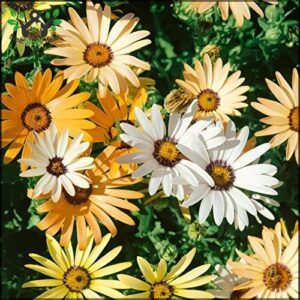
Few flowers close up at night and reopen with the morning sun — but African Daisies do. This mix gives you white, orange, yellow, and apricot blooms on compact plants reaching just 6 to 12 inches tall, perfect for sunny borders or containers.
They’re drought-tolerant once established, though germination needs consistent moisture and temperatures around 70–75°F. Deadhead spent blooms to keep the color coming from late spring straight through fall.
| Best For | Gardeners who want low-maintenance, pollinator-friendly color across borders, containers, or xeriscape designs — especially in full-sun spots where other flowers struggle. |
|---|---|
| Bloom Color | White, Orange, Yellow, Salmon & Apricot |
| Pollinator Support | Bees & butterflies |
| Growth Habit | Annual or Perennial |
| Light Needs | Full sun |
| Ideal Use | Borders, containers & xeriscape |
| Seed Quality | Heirloom, GMO-free |
| Additional Features |
|
- Blooms in a cheerful mix of white, orange, yellow, salmon, and apricot from late spring through fall, giving you months of continuous color
- Drought-tolerant once established, making them a great fit for water-conscious gardens or hot, dry climates
- Attracts bees and butterflies, supporting your local ecosystem without any extra effort
- Needs full sun to bloom well — shady spots will leave you with sparse, disappointing flowers
- Requires consistent moisture during germination, so you can’t just scatter seeds and walk away
- Flowers close at night and on cloudy days, which means they won’t add much visual impact during overcast stretches
7. Gaillardia aristata Blanket Flower Seeds
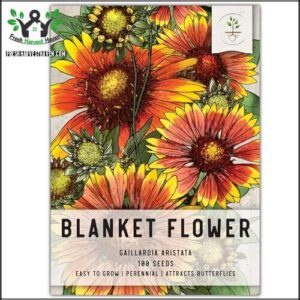
Think of Blanket Flower as your garden’s last bonfire before winter. These non-GMO, open-pollinated seeds produce bold blooms — deep red centers ringed with bright yellow tips — from midsummer right into late fall.
Plants grow 24 to 36 inches tall and handle drought like a champ once established. Full sun is non-negotiable, but poor or sandy soil? No problem. Bees, butterflies, and hummingbirds all stop by regularly. Deadhead spent blooms to keep new flowers coming.
| Best For | Gardeners who want low-maintenance, long-blooming color that draws pollinators and doubles as cut flowers from summer through fall. |
|---|---|
| Bloom Color | Deep Red with Yellow Tips |
| Pollinator Support | Butterflies & hummingbirds |
| Growth Habit | Perennial |
| Light Needs | Full sun |
| Ideal Use | Flower beds & floral arrangements |
| Seed Quality | Non-GMO, open-pollinated |
| Additional Features |
|
- Blooms continuously from midsummer through late fall, giving you months of bold red-and-yellow color
- Attracts a great mix of pollinators — butterflies, hummingbirds, bumblebees, and ladybugs
- Perennial with deep roots, so it comes back year after year and handles drought well once established
- Germination rates can vary batch to batch, so not every seed is guaranteed to sprout
- Extreme heat can hurt performance, which may be a concern in hotter climates
- Needs to be planted after the last frost, so timing matters depending on your region
8. Cozy Crib Blue Ageratum Seeds
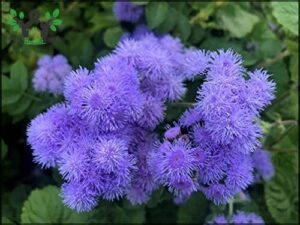
Blue ageratum doesn’t get nearly enough credit for a fall garden. The Cozy Crib Blue Ageratum delivers soft, fluffy blue-lavender flower clusters from late spring right through to first frost — that’s serious staying power.
Plants stay compact at 12 to 18 inches, making them perfect for border edges and container pots. They’ll grow in partial shade, attract bees and butterflies, and germinate in roughly two weeks. Just keep the soil evenly moist until they’re established, and they’ll handle the rest.
| Best For | Gardeners who want low-maintenance, long-blooming color for borders, containers, or cut flower arrangements from spring through fall. |
|---|---|
| Bloom Color | Blue |
| Pollinator Support | General pollinators |
| Growth Habit | Annual |
| Light Needs | Full sun to part shade |
| Ideal Use | Borders & containers |
| Seed Quality | Non-GMO |
| Additional Features |
|
- Fluffy blue-lavender blooms last from late spring to first frost, giving you months of reliable color
- Compact size and shade tolerance make them versatile for borders, pots, and tricky garden spots
- Fast germination (around two weeks) and pollinator-friendly — bees and butterflies love them
- Needs consistent watering until established, so not ideal for hands-off gardeners
- Seeds require cool, dry storage (or refrigeration) to stay viable
- Color and variety results can be inconsistent depending on growing conditions
9. Heirloom Strawflower Mixed Color Seeds
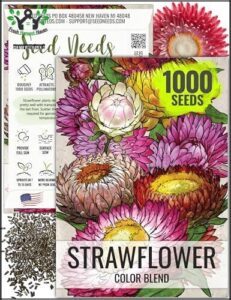
Strawflowers are practically built for fall. The Heirloom Strawflower Mixed Color Seeds produce papery, daisy-like blooms in pink, yellow, orange, red, and white — all from a single packet.
Plants reach 60 to 90 centimeters tall and thrive in full sun with well-drained soil. They’re drought-tolerant once established, so late-season dry spells won’t faze them.
Harvest stems just before the blooms fully open. Dried properly in a shaded spot, the colors hold for months. (Basically, nature’s own craft supply.)
| Best For | Gardeners, florists, and craft enthusiasts who want long-lasting, colorful blooms for both fresh arrangements and dried flower projects. |
|---|---|
| Bloom Color | White, Yellow, Red, Pink & Orange |
| Pollinator Support | Butterflies & bees |
| Growth Habit | Annual |
| Light Needs | Full sun |
| Ideal Use | Cut flower & dried bouquets |
| Seed Quality | Heirloom |
| Additional Features |
|
- Comes in a beautiful mix of five colors (white, yellow, red, pink, and orange) from a single heirloom seed packet
- Blooms dry naturally with vivid color retention, making them perfect for wreaths, bouquets, and seasonal décor
- Attracts pollinators like butterflies and bees, making them a great addition to any wildlife-friendly garden
- Seeds are very tiny and can be tricky to handle and sow evenly
- Germination can be inconsistent and may require a heat mat for best results
- Grown as an annual in most climates, so replanting each season is necessary
10. Sweet Yards Black Eyed Susan Seeds
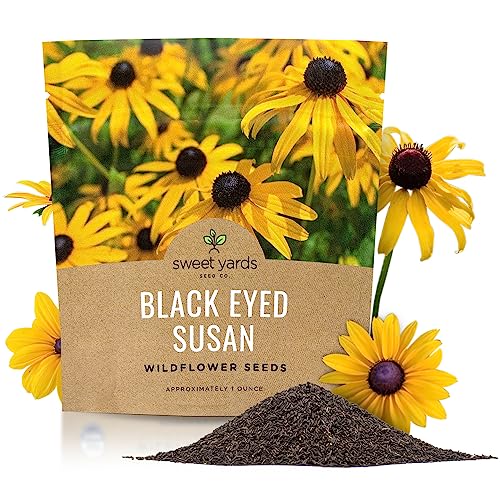
Black-Eyed Susans are the workhorses of the fall garden — reliable, cheerful, and almost impossible to mess up. Sweet Yards packs over 400,000 pure live seeds into a single quarter-pound bag, covering more than 2,400 square feet.
Plants hit 24 to 36 inches tall and bloom from mid-summer well into fall. They prefer full sun and well-drained soil, and they’re drought-tolerant once established. Butterflies love them. Cut stems last 5 to 7 days in a vase, too.
| Best For | Gardeners, naturalists, or anyone looking to plant at scale — whether filling large plots, making seed bombs, or sharing seeds with others. |
|---|---|
| Bloom Color | Yellow |
| Pollinator Support | Local pollinators & butterflies |
| Growth Habit | Perennial |
| Light Needs | Full sun |
| Ideal Use | Large-scale garden coverage |
| Seed Quality | GMO-free, heirloom |
| Additional Features |
|
- Massive value — over 400,000 seeds covering 2,400 sq ft in a single bag
- GMO-free heirloom seeds that attract pollinators and butterflies
- Perennial blooms mean you get color year after year without replanting
- Germination can be slow, sometimes taking up to a month
- May need cold stratification before planting, adding extra prep time
- Individual results vary depending on soil type and environment
Best Fall Flowers by Color
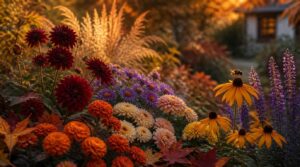
Color is one of the easiest ways to pull your fall garden together. The right blooms can carry warm tones, cool hues, or rich textures all the way through the season. Here’s a look at the best fall flowers by color so you can plan a palette that works for your yard.
Golden Yellow Autumn Blooms
Few colors hold their ground in fall like golden yellow does.
Here’s what brings that warmth to your borders:
- Sunflowers keep vivid pigment even through cool nights
- Goldenrod draws bees with dense nectar-rich clusters
- Coreopsis thrives in poor, sandy soil with minimal fuss
- Dahlias deliver orange-gold blooms from midsummer into fall
- Black-Eyed Susans flash bold golden petals around dark centers
You can also incorporate bright yellow foliage from various shrubs to add depth.
Chrysanthemums and Blanket Flowers round things out beautifully.
Purple and Blue Flowers
Cool tones hit differently against fall’s warm backdrop. Purple and blue flowers create contrast that makes orange and gold foliage pop even harder.
| Flower | Why It Works |
|---|---|
| Blue salvia | Tall spikes, pollinator magnet |
| Caryopteris | Silver stems, rich indigo blooms |
| Flossflower | Fuzzy heads hold color through cool snaps |
Pair lavender with white accents for soft morning borders.
Orange and Red Accents
Where cool blues step back, warm tones take over. Orange and red blooms like marigolds, dahlias, and blanket flowers burn bright from September through November, hitting that sweet spot between bold and natural.
Try color blocking in groups of three to five plants. Layer tall dahlias at the back, medium marigolds mid-border, and let the warm tones fade outward — a slow sunset effect.
Pink and White Varieties
Warm tones are bold, but pink and white blooms bring something softer — that romantic, almost wedding-ready palette that feels right at home in a fall border.
Look for repeat-blooming perennials with pink-edged white petals; cooler autumn nights actually intensify that edge color. Chrysanthemums deliver exactly this in shades of pink and white, reliably returning each season without much fuss.
Textured Foliage Pairings
Pairing textures smartly transforms a fall bed. Try these textured foliage combos through companion planting:
- Glossy vs lacy leaves — sharp contrast, instant drama
- Matte and threadlike foliage — depth without clutter
- Fern and grass together — soft meets structured
- Variegated patterning beside solids — patterns pop
- Broad and linear shapes — silhouette and scale
Dusty Miller anchors ornamental plants beautifully with silvery cool tones.
Best Flowers for Fall Pollinators
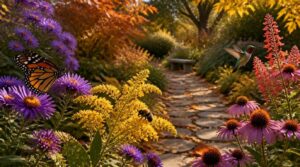
Fall doesn’t have to mean the end of the buzz and flutter in your garden. The right flowers can keep bees, butterflies, and hummingbirds coming back well into the cooler months. Here are the best blooms to plant if you want pollinators sticking around all season long.
Late-season Bee Nectar
Bees don’t quit when summer does. As temperatures drop, they shift to late-season blooms like asters and goldenrods, which concentrate sugars and deliver nectar with higher glucose and fructose ratios. That richer chemistry fuels foraging energy reserves before winter.
As summer fades, bees chase richer nectar in asters and goldenrod to fuel their survival through winter
Your pollinator garden earns its keep now — those autumn-blooming flowers directly shape the honey’s flavor, moisture levels, and the colony’s survival odds.
Butterfly-friendly Fall Blooms
Butterflies are picky diners. Their short feeding proboscises work best with flat-topped or open-faced blooms — think Black-Eyed Susans, asters, and sedum. These flowers put nectar right where wings can land and reach it easily.
New England asters bloom straight through to frost, giving late migrants a reliable stop. Plant them in clusters so butterflies can spot the patch from a distance.
Hummingbird-attracting Flowers
Hummingbirds zero in on red tubular blooms like salvias and hardy fuchsia — their long beaks are built for exactly that shape. Nectar pools deep inside the tube, so the bird feeds without fighting the petals.
Plant clusters in a sunny spot and stagger bloom times. That keeps seasonal nectar flowing well into fall, giving migrating hummers a reason to linger.
Native-style Flower Choices
Native plants are the quiet backbone of a healthy fall garden. Species like Black-Eyed Susans and wild asters are already tuned to your local climate, so they ask for little and give back a lot — steady nectar, backyard biodiversity, and a naturalistic look that feels right at home.
They’re perennials built to return, season after season, supporting native pollinators without fuss.
Long-blooming Pollinator Plants
Some plants just keep going — and that’s exactly what your pollinator garden needs. Gaps in nectar availability leave bees scrambling, so staggering bloom times matters.
- Blanket flower and coneflowers bloom 6–12 weeks
- Deadheading triggers fresh flushes all season
- Late-season spikes draw nocturnal visitors after dark
Pick a few long-blooming perennials, and your garden feeds pollinators from summer straight into autumn.
Fall Flowers by Growing Conditions
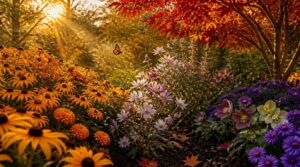
Not every garden has the same setup, and that’s actually a good thing. Knowing your conditions — sun, shade, soil type — makes picking the right flowers a whole lot easier. Here’s a look at what grows well where.
Full-sun Flower Beds
Six hours of direct sun is your baseline here. Heat-resistant cultivars like marigolds and gaillardia handle afternoon heat without wilting — and need little water once established.
| Plant | Sun Need | Benefit |
|---|---|---|
| Marigold | Full sun | Heat resistant |
| Gaillardia | Full sun | Drought tolerant |
| Black-Eyed Susan | Full sun | Attracts pollinators |
Layer tall plants at the back. Add organic matter before planting for stronger fall color.
Part-shade Garden Spots
Not every bed gets blazing sun, and that’s fine. North-facing spots and dappled light suit hydrangeas and shade-loving salvias beautifully. Morning sun is gentler, which helps foliage stay vibrant longer.
- Layer ferns and hostas for foliage texture interest
- Mulch 2–3 inches to hold moisture
- Improve drainage to avoid root rot
- Add impatiens for continuous color
Keep soil slightly acidic, and pollinators will still find you.
Poor or Sandy Soils
Sandy soil drains fast — sometimes too fast. Nutrient leaching pulls fertilizer away before roots can use it. Adding organic matter like compost raises cation exchange capacity, helping soil hold nutrients longer.
Drip irrigation delivers water right to the root zone, cutting waste. Mulch controls soil erosion and slows moisture loss between waterings.
| Plant | Soil Condition | Trait |
|---|---|---|
| Blanket Flower | Sandy, poor | Drought resistant |
| Black-Eyed Susan | Rocky, sandy | Hardy, low-maintenance |
| Sedum | Sandy, dry | Tough, reliable |
Gaillardias and sedums thrive here without fuss.
Moist, Well-drained Borders
Sandy soil drains fast; moist borders do the opposite — they hold water just long enough. The trick is balance. Soil drainage within 24–48 hours prevents root rot without drying plants out.
Lay 2–4 inches of organic mulch to moderate moisture and reduce soil crusting. Nemesia and balloon flowers thrive here naturally. A simple soil moisture sensor takes the guesswork out of autumn garden maintenance entirely.
Patio and Porch Containers
Containers give you control that garden beds never will. Choose plastic or fiberglass pots to retain moisture longer and resist cracking through temperature swings. Always drill ¼ to ½ inch drainage holes — waterlogged roots are the fastest way to lose fall color.
Fill with a 60/40 potting mix combination, then rotate chrysanthemums, ornamental kale, or pansies as the season shifts.
Planting and Caring for Fall Flowers
Fall flowers don’t ask for much, but they do have a few non-negotiables. Getting these basics right is what separates a garden that fizzles by October from one that’s still turning heads after the first frost. Here’s what to keep in mind as you plant and tend your fall blooms.
Plant Before First Frost
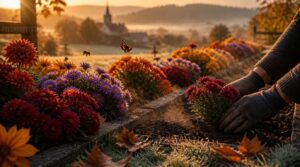
Timing is everything in fall gardening. In Germany, first frost dates can arrive as early as late September, so get your fall flowers in the ground with enough lead time to establish roots.
Watch for soil temperatures dropping below 7°C — root growth slows fast. Seedlings showing darkened, turgid leaves are already signaling frost stress. Act before that happens.
Improve Autumn Soil Drainage
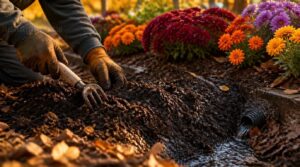
Waterlogged roots spell disaster for fall flowers. Work 2 to 4 inches of compost into the top 6 to 12 inches of soil — it opens up pore spaces so rainwater moves through instead of pooling.
If drainage stays sluggish, try subsurface perforated drain pipes or break up compacted layers with deep tillage. A gentle 1 to 3 percent slope helps route excess water away naturally.
Watering Cool-season Flowers
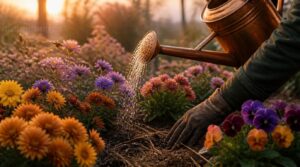
Water at dawn — foliage dries fast, and fungal problems stay away. Aim for 1 to 2 deep soaks per week rather than light daily sprinkles.
Keep an eye on soil moisture with these quick checks:
- Insert a finger 1 inch deep; it should feel slightly damp
- Watch for yellowing leaves — that’s overwatering
- Skip irrigation after significant rainfall
- Mulch retains consistent moisture around roots
- Use drip irrigation for root-zone efficiency
Deadheading for Longer Blooms
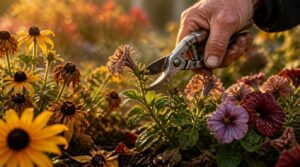
Think of deadheading as giving your fall flowers a second wind. Snip spent blooms just above a leaf node, and most plants redirect energy toward fresh buds within 2–6 weeks.
Clean your pruners between plants to stop disease from spreading. Petunias and Black-Eyed Susans respond especially well — skip deadheading, and you’re basically letting them quit early.
Mulching for Winter Protection
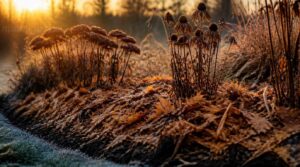
Mulch is your garden’s winter coat. Spread 2 to 4 inches of shredded leaves or wood chips over root zones after the first hard frost — it keeps soil temperatures up to 3°C warmer and cuts moisture loss by nearly half.
That cushion also prevents frost heave, which can literally push shallow-rooted plants out of the ground. Just keep mulch an inch clear of crowns to avoid rot.
Frequently Asked Questions (FAQs)
What flowers to put in garden in fall?
Chrysanthemums, pansies, and asters are fall garden classics. Marigolds and black-eyed Susans add warm color while supporting late-season pollinators. For shade spots, violas work well too.
What is the most popular flower in fall?
If any flower owns fall, it’s the chrysanthemum. Mums bloom from September through November, handle cool temps without complaint, and come in bronze, yellow, red, and purple — basically autumn in plant form.
What flowers bloom best in October?
October’s top bloomers are chrysanthemums, asters, sedums, and dahlias. Russian sage and goldenrod keep going strong too, feeding late pollinators. Most are frost-resistant varieties that hold color right up until the first hard freeze.
What are the best flowers to plant for fall and winter?
Pansies, violas, and hydrangeas hold color well into winter. Petunias push through light frosts with protection. For year-round interest, try cold-hardy mums or black-eyed Susans — they’re reliable even as temperatures drop.
What are the best flowers for a fall garden?
Fall gardens shine with chrysanthemums, asters, and black-eyed Susans that bloom right through the first frost. Rudbeckia and pansies hold color well, while goldenrod keeps pollinators fed deep into October.
What are the best flowers for fall garden?
Your garden doesn’t have to go quiet when summer ends. Chrysanthemums, asters, and black-eyed Susans keep the color coming — and with the right picks, you’ll have late-season nectar flowing for pollinators well into autumn.
What flowers to plant in September?
September is prime time to plant chrysanthemums, pansies, and gaillardia for reliable fall color. Ageratum and violas also shine. Don’t forget to drop spring bulbs in the ground now — they’ll thank you in April.
What flowers grow best in autumn?
Chrysanthemums, asters, and Black-Eyed Susans are your best bets. They’re tough, colorful, and keep blooming right up to frost — exactly what a fall garden needs to stay alive and vibrant.
What are the best perennials for fall blooming?
Imagine your neighbor’s yard still bursting with color in October — that’s perennials at work. Black-Eyed Susans and asters are top picks, blooming for weeks and feeding late-season pollinators right before winter.
What is the queen of the fall flowers?
Chrysanthemums reign as the queen of fall flowers. Shorter days trigger their bloom, and florists crown them autumn’s star. They symbolize joy and longevity — and they look the part.
Conclusion
Fall doesn’t close the garden — it opens a second act. The best fall garden flowers don’t ask for much: decent soil, the right timing, and a little deadheading to keep them going.
Plant before frost, and you’ll get weeks of color when most yards go gray. Bees and butterflies will thank you too. Choose even two or three varieties from this list, and your garden won’t just survive autumn. It’ll own it.
- https://bloomranchofacton.com/pages/what-are-the-best-flowers-to-plant-in-the-fall-great-autumn-garden-plant-and-blooms
- https://www.goodhousekeeping.com/home/gardening/g22563541/fall-flowers
- https://www.meadowsfarms.com/blog/meadows-farms-top-8-plants-for-fall-color
- https://www.gardenia.net/guide/best-fall-flowers-for-your-autumn-garden
- https://www.calloways.com/blog/best-fall-color-for-texas-gardens