This site is supported by our readers. We may earn a commission, at no cost to you, if you purchase through links.
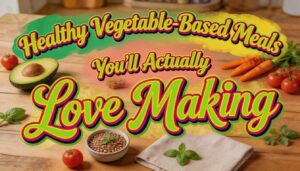
Most people think eating more vegetables means bland salads and sad steamed broccoli. Then they hit a wall—same three meals on rotation, flavor going nowhere, motivation tanking fast.
But here’s what changes everything: vegetables aren’t boring, your recipes just haven’t caught up yet.
Colorful plates packed with roasted carrots, crispy tofu, and hearty lentils don’t just taste delicious—they fuel your body with vitamins, fiber, and plant power that keeps you full and energized for hours.
Healthy vegetable-based meals can genuinely become the ones you look forward to most. These ideas will show you exactly how.
Table Of Contents
- Key Takeaways
- Benefits of Vegetable-Based Meals
- Building a Balanced Veggie Plate
- Best Ways to Cook Vegetables
- Healthy Vegetable Meal Ideas
- Meal Prep and Seasonal Planning
- Frequently Asked Questions (FAQs)
- What is the healthiest vegetarian meal?
- What is the best veg dinner for weight loss?
- What is the best vegetable to eat for dinner?
- How do I start cooking vegetables if Im a complete beginner?
- What kitchen tools are essential for vegetable meal preparation?
- How can I make vegetables taste better for picky eaters?
- Which vegetables are cheapest and most nutritious year-round?
- How do I store fresh vegetables to maximize shelf life?
- How can I make vegetables appealing to kids?
- Which vegetables are best for picky eaters?
- Conclusion
Key Takeaways
- Colorful, plant-based meals packed with fiber, antioxidants, and protein aren’t just good for you — they keep you full and energized for hours.
- How you cook vegetables matters as much as which ones you pick — roasting, sautéing, and stir-frying unlock flavors that make healthy eating something you actually crave.
- Building a balanced plate is simple: fill half with non-starchy veggies, a quarter with plant protein like beans or tofu, and a quarter with whole grains.
- Batch cooking seasonally, storing smart, and keeping herbs and spice blends on hand turn healthy vegetable meals from a weekend project into a no-stress weeknight habit.
Benefits of Vegetable-Based Meals
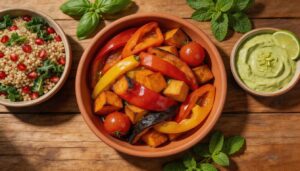
Vegetable-based meals do a lot more for your body than most people realize. From your gut to your heart, the benefits stack up fast.
If you’re looking to put that into practice, these vegetable-based healthy meal ideas make it easy to eat well without overthinking it.
Here’s what makes them worth adding to your regular rotation.
Key Vitamins and Minerals in Colorful Vegetables
Eating colorful vegetables is like giving your body a daily multivitamin — totally FREE! Red and orange picks like carrots and tomatoes are PACKED with Vitamin C Sources and deliver serious Vitamin A Benefits for your eyes and immune system.
Leafy greens bring Iron in Greens and Potassium Power to every bite. Together, that Micronutrient Synergy turns your plate into nutrient-dense meals you’ll actually feel!
Adding a rainbow of produce promotes immune health, and high-fiber diets reduce overall calorie intake.
Fiber, Antioxidants, and Gut Health
Those vitamins you’re stacking? They’re feeding something even deeper — your gut!
Prebiotic Fiber from nutrient-dense vegetables fuels Gut Microbiome Diversity, helping good bacteria thrive. Your fiber-rich recipes trigger Butyrate Production, which literally protects your gut lining.
Polyphenol Antioxidants fight inflammation from the inside out.
Even Fermented Veggie Benefits — think kimchi fermentation — boost dietary fiber absorption.
Your gut will THANK you!
Satiety, Weight Management, and Energy Support
Your gut is thriving — now let’s talk about feeling FULL and energized!
Low‑Calorie Volume is your secret weapon. Vegetables fill your plate without loading calories, so Energy Density Control happens naturally.
Add beans or tofu for Protein‑Fiber Synergy, and your nutrient‑dense meals keep hunger quiet for hours.
These low‑calorie meals and high‑protein vegetarian dishes support weight management without deprivation.
Plant‑based meals genuinely deliver!
Long-Term Heart and Immune Health Benefits
Your heart and immune system LOVE what’s next! Colorful, nutrient vegetables deliver Polyphenol Anti-Inflammation power — literally calming internal fire.
Nitrate-Induced Vasodilation from leafy greens relaxes your blood vessels naturally.
Potassium Electrolyte Balance keeps your heart rhythm steady, while Vitamin C Immune Support from bell peppers and broccoli strengthens your defenses.
Add Gut Microbiome Diversity through fiber, and your whole body wins!
Building a Balanced Veggie Plate
Building a balanced veggie plate doesn’t have to feel like solving a puzzle. It’s really just about knowing which pieces to reach for — and how they all work together. Here’s exactly what belongs on your plate.
Choosing Non-Starchy and Starchy Vegetables
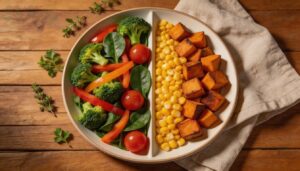
Not all vegetables work the same way on your plate — and that’s actually great news for carb balancing! Non-starchy picks like broccoli, leafy greens, and peppers are your nutrient-dense vegetables that shine in vegetable-based salads and dressings. Starchy ones? Keep portions smaller.
- Fill HALF your plate with non-starchy vegetables
- Use starchy vegetables as a quarter-portion side
- Mix colors for a fiber comparison win every meal
Smart plate composition lowers glycemic impact naturally!
Adding Plant-Based Proteins Like Beans and Tofu
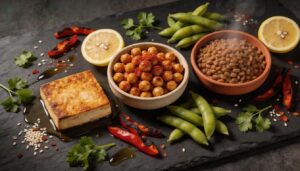
Beans, tofu, and lentils are your secret weapons for Protein Pairing Strategies that actually work! Firm tofu delivers ~20g protein per cup — COMPLETE amino acids, zero guesswork. Nutrient Synergy happens quickly when you pair legumes with colorful veggies. These Cost-Effective Protein Options beat meat every time.
| Protein | Protein/Serving | Flavor Boosting Techniques |
|---|---|---|
| Firm Tofu | ~20g/cup | Gochujang, sesame, soy |
| Chickpeas | ~9g/½ cup | Harissa, cumin, lemon |
| Lentils | ~9g/½ cup | Garlic, smoked paprika |
| White Beans | ~9g/½ cup | Herbs, olive oil |
| Edamame | ~11g/½ cup | Chili flakes, citrus |
Explore Seasonal Bean Selections — your plant-based protein possibilities are ENDLESS!
Including Whole Grains for Staying Power
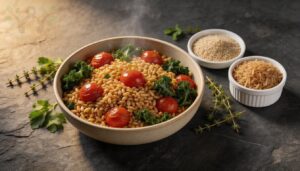
Whole grains are your secret to staying power ALL day long! Fiber-Rich Grains like brown rice, quinoa, and farro are Low GI Grains that keep blood sugar STEADY.
One-Pan Farro with Tomatoes and Kale — perfect for batch cooking vegetables for weeknight meals!
Grain Pairings with veggies deliver a serious Micronutrient Boost.
Smart Portion Sizing — about ½ to 1 cup cooked — builds nutrient-dense meals effortlessly!
Using Healthy Fats for Flavor and Nutrition
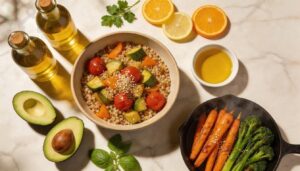
Fat isn’t the enemy — it’s your flavor secret AND your nutrient key!
Smart Oil Pairing Strategies provide a Fat-Soluble Vitamin Boost from all those nutrient-dense vegetables you’re eating.
- Drizzle olive oil before roasting for caramelization and heart health
- Use avocado oil’s high Smoke Point Selection for crispy stir-fries
- Finish bowls with Nutty Oil Finishes like sesame or walnut
- Add avocado dip or citrus for that perfect Citrus Fat Balance
Simple Portion Guidelines for Complete Meals
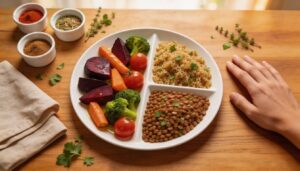
Think of your plate as a simple map — half goes to colorful veggies, one quarter to protein (beans, tofu, lentils), one quarter to whole grains. That’s your Protein Grain Balance and Meal Macro Distribution sorted!
Half your plate for colorful veggies, a quarter for protein, a quarter for grains — balance made simple
Use Hand Portion Cues when you’re away from home. No measuring, no stress. Just visual balance, every time — making nutrient-dense meals and vegetarian dinner ideas actually doable.
Best Ways to Cook Vegetables
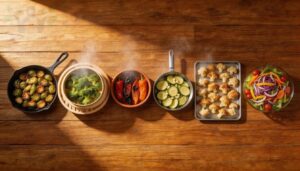
How you cook your vegetables matters just as much as which ones you pick. The right method can take a sad, soggy pile and turn it into something you actually want to eat.
Here are the best ways to cook vegetables — and when to use each one.
Roasting for Caramelized Flavor
Roasting turns plain vegetables into something MAGICAL — edges golden, centers tender, flavor totally transformed. Here’s why it works so well:
- Temperature Timing hits sweet at 425–450°F for perfect caramelization
- Sheet Pan Spacing lets hot air circulate so nothing steams
- Oil Selection (olive or avocado) carries seasonings deep into every piece
- Starch Coating draws moisture out for crispier, browner edges
- Aromatic Boosters like garlic and rosemary cling to those caramelized surfaces beautifully
Your nutrient-dense vegetables have never tasted this good!
Sautéing for Fast Weeknight Meals
Sautéing is your weeknight superpower — dinner in 10 minutes, zero drama! Great Pan Heat Management starts with a 2-minute preheat at medium-high. Dry your vegetables first, then layer your Seasoning and nail your Aromatics Timing — garlic goes in LAST so it never burns.
| Vegetable Prep Tips | Quick Protein Additions | Seasoning Layers |
|---|---|---|
| Cut uniform pieces | Toss in white beans | Salt early, herbs last |
| Dry thoroughly | Add firm tofu cubes | Deglaze with lemon juice |
| Start with peppers/onions | Stir in chickpeas | Finish with citrus zest |
| Add greens at the end | Fold in edamame | Toast spices first |
Sautéed vegetables have NEVER been this easy!
Stir-Frying for Crisp-Tender Texture
Stir-frying takes fast cooking up a notch! Wok Heat Management is everything — your pan should be HOT and lightly smoking before oil goes in. Dry Veg Prep matters too, because wet vegetables steam instead of searing.
- Get your wok SMOKING hot first
- Pat vegetables completely dry
- Cut Uniform Cut Size pieces
- Add hard vegetables before soft ones
- Pour sauce in last for a perfect sauce coating
Crisp-Tender Timing is just 2–4 minutes — pull them while they still have SNAP!
Steaming for Light, Nutrient-Focused Dishes
Slow down from the wok for a second — steaming is your SECRET weapon for nutrient-dense vegetables! Gentle Steam Timing is just 3–8 minutes, and Steam Nutrient Retention stays HIGH because nothing leaches into water.
Try Aroma Infused Steaming by adding garlic or lemon to the water below! Steam Texture Control keeps everything BRIGHT and crisp — the best Low-Fat Flavor Boost for plant-forward meals.
Matching Cooking Methods to Each Vegetable
Each vegetable has its sweet spot! Carrots? Carrot Roasting Times hit ideal around 20 minutes at 425°F.
Broccoli Sauté Techniques work FAST — just 4–5 minutes over high heat.
Zucchini High-Heat seals in moisture beautifully.
Brussels Sprouts Caramelization happens when you halve them and roast hard.
And Green Bean Crispness? A quick sauté keeps them SNAPPY and bright every time!
Healthy Vegetable Meal Ideas
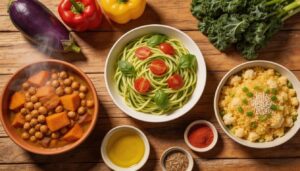
Now that you know how to cook vegetables well, it’s time to put those skills to real use. There are so many ways to build meals you’ll genuinely look forward to eating — not just ones that feel like a chore.
Here are some of the best ideas to get you started.
One-Pan Vegetable Dinners
One pan, zero stress — that’s the magic of sheet pan cooking!
Nail your pan layout optimization by spreading everything in a single layer, then trust temperature timing at 400–425°F to do the heavy lifting. Seasoning layering (oil first, spices second, fresh herbs last!) builds remarkable depth.
Protein integration is easy — toss in chickpeas or tofu halfway through. Hello, leftover repurposing all week long!
High-Protein Grain and Veggie Bowls
Grain bowls are your new weeknight best friend! Protein Pairing Strategies make it simple — combine quinoa (8g protein per cup!) with chickpeas or tofu for seriously nutrient-dense meals.
Grain Texture Contrast keeps things exciting: chewy farro against crispy roasted veggies? YES. Sauce Flavor Boosters like tahini or gochujang tie everything together beautifully.
These high-protein vegetarian dishes are perfect for meal prep all week long!
Filling Salads, Wraps, and Lettuce Cups
Salads, wraps, and lettuce cups are honestly so much more exciting than people give them credit for!
Think Tofu and Brown Rice Lettuce Wraps with Peanut Sauce — IMPRESSIVE Protein Pairings, beautiful Texture Contrast, and Crunchy Additions like shredded cabbage and edamame.
Herbaceous Dressings with cilantro or lime make nutrient-dense vegetables SING.
Wrap Assembly Tips start here: layer soft, crunchy, creamy — every bite wins!
Vegetable Soups and Comfort Meals
Nothing wraps you in warmth quite like a bowl of soup on a cold night!
Here are 5 soul-satisfying options to try:
- Hearty Bean Broths — 15–18g plant protein per cup!
- Creamy Veggie Purees — nutrient-dense meals in minutes
- Spiced Tomato Bisque — just 60–120 calories per cup
- Minestrone Remix — fiber-rich, quick weeknight meals sorted
- Comforting Lentil Stews — vegetable soups for winter comfort that truly HIT
Tofu, Bean, and Lentil-Based Mains
Tofu, beans, and lentils are your secret weapons for HIGH-protein vegetarian dishes that actually SATISFY!
| Protein Pairing Strategies | Global Flavor Ideas | Texture Contrast Techniques |
|---|---|---|
| Spicy Sofritas Tofu + black beans | Smoky Red Lentil Soup with Spinach | Crispy tofu over creamy lentils |
| Tofu and Brown Rice Lettuce Wraps with Peanut Sauce | Umami Boost Techniques with miso | Leftover Reinvention into grain bowls |
| Lentil curry + coconut milk | Plant-based main courses worldwide | Crunchy chickpeas on silky soups |
Quick Breakfasts With Vegetables
Busy mornings don’t have to mean skipping vegetables! A quick Egg Veggie Scramble with spinach and bell pepper comes together in under 10 minutes.
Build Portable Breakfast Bowls with Quick Veggie Toppings, like avocado and hummus, for 18 grams of protein and nearly 10 grams of fiber. These easy before-work breakfasts are genuinely filling, healthy meals you’ll actually look forward to!
Meal Prep and Seasonal Planning
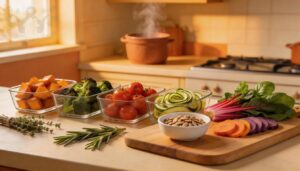
Meal prep doesn’t have to feel like a Sunday chore you dread. little planning goes a long way — and the right strategies make healthy eating almost easy all week long.
Here’s what actually works.
Batch Cooking Vegetables for The Week
Once you nail batch cooking vegetables for weeknight meals, everything gets easier! Here’s your simple system:
- Uniform Cutting Sizes — even pieces cook at the same rate
- Shallow Container Cooling — faster cool-down keeps you in the temperature safety timing window (cool within 2 hours!)
- Portion Freezer Bags — freeze day-five extras immediately
One-pan meals and batch meal assembly become your weeknight superpower!
Swapping Vegetables Based on Season
Once your batch routine is locked in, let seasonal produce do the heavy lifting! Seasonal vegetable meal planning keeps meals fresh and budget-friendly all year long.
| Season | Best Vegetables to Swap In |
|---|---|
| Spring | Asparagus, peas, spinach |
| Summer | Tomatoes, peppers, zucchini |
| Autumn | Squash, kale, pumpkin |
| Winter | Carrots, beetroot, cabbage |
| Year-Round | Onions, garlic, frozen edamame |
Substituting root vegetables in winter soups or swapping summer peppers into stir-fries — that’s Seasonal Flavor Pairings working for you!
Using Herbs, Sauces, and Spice Blends
Seasonal swaps bring variety, but herbs, sauces, and spice blends are what make each meal truly YOURS!
Nail your flavor profile with smart Herb Timing — add cilantro and basil after cooking to keep those aromatics bright.
Bloom your spice blends in warm oil first, just 60 seconds.
Citrus Zest Pairings, Umami Boosts from miso, and Emulsion Techniques with tahini? Game-changers every single time!
Storing and Reheating Cooked Vegetables Safely
All those bold flavors you just built? Let’s protect them!
Cool your veggies within two hours, then seal them in an airtight container. Labeling and dating each batch is your secret weapon — fridge life is 3 to 5 days, tops.
Reheat evenly to 165°F, and freeze with blanching techniques for up to 12 months of nutrient-dense goodness.
Reducing Food Waste With Smart Prep Strategies
Before you even hit the store, run a quick Ingredient Inventory — check what’s already in your fridge and freezer first. That’s Smart Shopping in action!
Use leftover reheating and Leftover Repurposing to turn wilted greens into soups or omelets.
Your Freezer Backup saves anything close to spoiling.
Regular Waste Audits show exactly what’s disappearing — so your meal prepping with plant-based ingredients gets smarter every week!
Frequently Asked Questions (FAQs)
What is the healthiest vegetarian meal?
Like a RAINBOW on your plate, the healthiest vegetarian meal blends nutrient-dense vegetables, plant-based protein, and anti-inflammatory ingredients — think lentil bowls with leafy greens, beans, and colorful veggies for impressive Micronutrient Synergy!
What is the best veg dinner for weight loss?
Fill half your plate with nutrientdense vegetables, add a plant protein, and keep fats light. That’s your lowcalorie, lowcarb formula — simple Mindful Eating that actually works for weight loss!
What is the best vegetable to eat for dinner?
Think of spinach as your dinner’s quiet MVP — iron rich dinner hero, low-calorie volume champion, and a Vitamin C boost all in one! It’s THAT good for nighttime digestion too.
How do I start cooking vegetables if Im a complete beginner?
Start with one vegetable, one pan!
Grab Essential Kitchen Tools, practice Basic Knife Skills, and use Simple Seasoning Blends.
Roasting and sautéing techniques for vegetables are your easiest wins — delicious results, zero stress!
What kitchen tools are essential for vegetable meal preparation?
Your Knife Set Essentials — chef’s knife, paring knife, serrated blade — plus solid Cutting Board Types, Heat Cooking Gear, Measuring Prep Tools, and Storage Freshness Gear are ALL you need!
How can I make vegetables taste better for picky eaters?
You catch more flies with honey than vinegar. Roasting and sautéing techniques for vegetables reveal natural sweetness.
Add flavorful dips, creative shapes, hidden veggies, and sweet savory pairings — suddenly, even the pickiest eaters ask for seconds!
Which vegetables are cheapest and most nutritious year-round?
Potatoes, carrots, cabbage, and onions — your best affordable root vegetables, packed with vitamins and fiber year-round.
Add frozen spinach or kale for low cost greens.
Dried lentils and beans? Perfect budget protein sources and high fiber legumes!
How do I store fresh vegetables to maximize shelf life?
Keep your fridge at 0–4°C, dry produce before storing, and separate ethylene producers like apples from broccoli.
Wrap herbs in damp paper, use breathable bags, and reheat roasted leftovers in the oven, never the microwave.
How can I make vegetables appealing to kids?
Cut veggies into Fun Shapes, pair them with Colorful Dips, and lean on Repeated Exposure. Parent Modeling matters too! Offer Snack Size portions often — familiarity builds acceptance naturally.
Which vegetables are best for picky eaters?
Carrots, corn, peas, and bell peppers win over picky eaters every time! Sweet, soft, colorful bite sizes paired with familiar sauce pairings make vegetables irresistible. Start there — you’ve got this!
Conclusion
Imagine sinking into a warm bowl of roasted vegetable soup on a chilly evening, feeling nourished and satisfied. For Sarah, a busy working mom, healthy vegetable-based meals like this became her sanity-saving solution.
By incorporating vibrant veggies, plant-based proteins, and whole grains into her routine, she boosted energy and enjoyed family favorite meals. You can experience that same joy! Start experimenting with colorful recipes and discover your new favorite flavors today, every day.
- https://www.healthline.com/nutrition/eat-the-rainbow
- https://cns.ucdavis.edu/news/brighten-your-plate-choosing-colorful-fruits-and-vegetables
- https://www.rush.edu/news/eat-colorful-diet
- https://www.colorwithleo.com/what-are-the-5-colors-of-food/
- https://www.vegetables.co.nz/healthy-living/health/eat-your-colours