This site is supported by our readers. We may earn a commission, at no cost to you, if you purchase through links.
Most gardeners lose weeks—sometimes entire seasons—not from poor soil or bad seed, but from planting too early or too late. A tomato transplant set out before the soil hits 60°F won’t thrive; it’ll sit there, sulking, while the gardener wonders what went wrong.
Timing isn’t a minor detail—it’s the foundation every successful garden is built on. Your climate zone, your last frost date, your soil temperature—these aren’t bureaucratic checkboxes; they’re the signals your garden runs on. This seasonal planting guide walks you through each one, crop by crop, season by season, so nothing goes in the ground before it’s ready.
Table Of Contents
- Key Takeaways
- Find Your Planting Window
- Build Your Seasonal Calendar
- Plant Crops by Season
- Maximize Every Seasonal Harvest
- Top 5 Seasonal Garden Supplies
- Frequently Asked Questions (FAQs)
- What to plant in October in Tampa, Florida?
- How do I rotate crops to prevent soil depletion?
- What natural fertilizers work best for each season?
- Which companion plants improve growth and pest control?
- How do I extend growing seasons with greenhouses?
- What watering schedules suit different seasonal crops?
- How do I extend my growing season naturally?
- What vegetables grow best in containers year-round?
- Can I save seeds from this seasons harvest?
- How do rainfall patterns affect planting schedules?
- Conclusion
Key Takeaways
- Soil temperature—not the calendar—is your real planting signal; a tomato transplant set out before the ground hits 60°F won’t grow; it’ll just stall.
- Your USDA hardiness zone, last spring frost date, and first fall frost date form the three-point frame your entire planting schedule hangs on.
- Succession sowing every 10–14 days and rotating crop families each season keep harvests steady while naturally breaking pest cycles and rebuilding soil.
- Simple, low-cost tools—row covers, cold frames, 3–4 inches of mulch, and annual compost—can extend your season, cut watering needs by up to 40%, and build soil that works for you without synthetic inputs.
Find Your Planting Window

Before you plant a single seed, you need to know your window—the specific stretch of time your climate actually allows. That window isn’t the same for everyone, and a few key factors determine yours. Start with these five.
Understanding those factors gets easier when you also map out crop rotation strategies for pest control, since what you grew last season directly shapes what your soil can support this one.
USDA Zone by ZIP Code
Your USDA Plant Hardiness Zone starts with five digits—your zip code. Enter it into the USDA’s online ZIP Code Search tool, and you’ll get your exact zone and subzone, like 6a or 6b, each representing a 5°F temperature difference. These zones shifted in the 2023 map update, so double-check yours before building your planting calendars or gardening season schedule.
- Zone numbers run from 1 (coldest) to 13 (warmest)
- Subzones a and b adjust your regional temperature data by 5°F
- Zone boundary shifts mean your zone may have changed recently
- Your zone directly shapes which crops suit your frost dates
Last Spring Frost Date
Once your zone is confirmed, the next key number is your last spring frost date. This is the final date in spring when freezing temperatures are likely to hit — and planting before it passes is a gamble most gardens lose.
Gardeners rely on historical frost normals to estimate that safe window, usually adding a 10–14 day frost safety margin before transplanting anything tender outdoors.
First Fall Frost Date
The flip side of your last spring frost date is the first fall frost date — the point in autumn when freezing temperatures return and your warm-season crops are done. Knowing this date shapes your entire seasonal planting calendar, telling you exactly how many growing days you have.
Keep a simple frost diary to track real versus expected frost events each year.
Soil Temperature Checks
Frost dates tell you when to plant — but soil temperature tells you if the ground is actually ready. A seed doesn’t care what the calendar says; it reacts to warmth at root level. Use a probe thermometer at 2 to 4 inches deep, and track readings for 7–14 days before committing to your planting windows.
Microclimate Adjustments
Your garden doesn’t experience weather the same way your neighbor’s does—even a fence, a slope, or a paved driveway shifts conditions meaningfully.
Use reflective mulch to warm soil faster in cooler spots, or shade cloth to cool air temperatures during heat waves. Windbreaks reduce cold stress, while urban heat zones often let you plant a full week earlier.
Build Your Seasonal Calendar
A good garden runs on rhythm, and your seasonal calendar is what keeps that rhythm steady. Each part of the year has its own jobs—some done indoors, some out in the soil, some just about staying ready. Here’s how to organize your garden tasks, season by season.
Winter Indoor Seed Starting
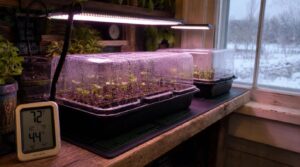
Winter is your head start. While the ground is frozen outside, you can start seeds indoors on a simple shelf system—18 to 24 inches tall works well for trays, lights, and heat mats. A sterile indoor soil mix drains fast and holds moisture evenly, giving roots exactly what they need to sprout without rotting.
Seedling light setup matters more than most beginners expect. Full-spectrum LED grow lights mounted 2 to 4 inches above your trays mimic spring sun closely enough to produce sturdy, compact stems. Pair those lights with a humidity dome over each tray until true leaves appear, and you’ll water far less while keeping germination rates steady.
Heat mat benefits add up quickly—germination rates can climb around 30% compared to unheated trays. Keep your germination zone between 65 and 75°F using a thermometer and hygrometer, and your winter sowing timing stays on track for strong transplants well before your last frost date.
Spring Outdoor Planting
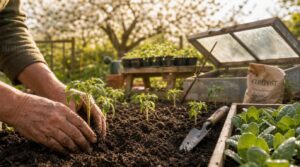
Spring arrives quickly once your transplants are ready. Seedling hardening—setting trays outside for short periods each day—conditions stems for wind and real sun before they go in the ground permanently.
Your last spring frost date is the anchor for every decision. Once it passes, your seasonal planting calendar opens fully:
- Direct sow cool-season crops like spinach and peas the moment soil reaches 40°F
- Transplant tomato and pepper starts only after soil hits 60°F consistently
- Lay row covers over tender seedlings if late cold snaps threaten overnight
Soil prep comes first—loosen beds, add compost, and check drainage. From there, stick to a steady watering schedule, water deeply in the morning, and begin pest monitoring weekly. Planting schedules built around these steps keep your garden productive from the first mild week straight through early summer.
Summer Succession Sowing
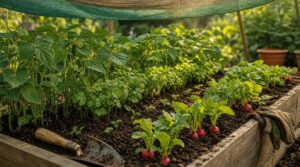
Summer doesn’t slow a productive garden—it rewards anyone who plans ahead. Succession sowing every 10 to 14 days keeps harvests rolling instead of arriving all at once. Direct sow heat-tolerant varieties like bush beans, radishes, and cilantro in warm soil between 60 and 85°F.
Use shade cloth during peak afternoon hours, and rotate beds regularly to protect soil health.
Fall Bulbs and Garlic
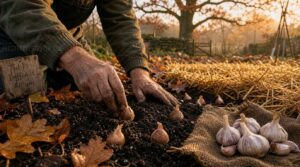
Fall is the season that sets your spring in motion. Plant tulips and daffodils 6 to 8 weeks before the ground freezes, and tuck garlic cloves in when soil sits around 50 to 60°F. Three steps make it count:
- Match bulb planting depth to species size
- Mulch garlic beds with 3 to 4 inches of straw
- Choose firm, mold-free bulbs for reliable spring blooms
Monthly Garden Task List
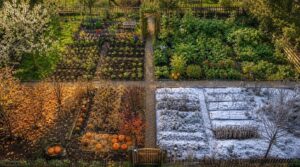
Think of your garden as a business—every month has a job to do.
Soil testing belongs in early spring, before you plant a thing. Prune woody herbs and shrubs once frost risk passes. Begin mulching beds by late May.
Check for pests weekly through summer. Then, as fall approaches, shift your focus to harvest planning and note what worked.
Plant Crops by Season
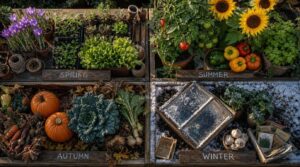
Timing is everything in the garden—plant too early or too late, and even the healthiest seedling won’t perform. Each crop has a season that suits it best, whether that’s the cool bite of early spring or the full heat of midsummer. Here’s how to match what you grow to when you grow it.
Cool-season Vegetables
Cool Season Greens like kale, spinach, and arugula do their best work when the air is crisp and sharp. These crops prefer daytime temps around 60–65°F—check soil temperature before you direct sow, aiming for 40–75°F.
Varieties like Lacinato kale grow sweeter after a light frost, making Winter Harvest Planning genuinely rewarding with simple succession sowing every few weeks.
Warm-season Vegetables
Where cool-season greens slow down, warm-season vegetables hit their stride. Tomatoes, peppers, cucumbers, and squash all need soil above 60°F before you plant—rush that, and growth stalls.
- Heat-tolerant varieties like ‘Sun Gold’ tomatoes handle high temps well
- Drip irrigation cuts water use while keeping moisture steady
- Companion planting with basil reduces pest pressure noticeably
- Harvest cucumbers early to keep plants producing longer
Root Crop Timing
Root vegetables work on a different clock than what’s growing above ground. Carrots need 70 to 80 days, beets around 50 to 70 days, and radishes — your fastest option — mature in as little as 20 days.
Check your soil temperature first; anything below 45°F slows germination. Succession sow radishes every two weeks to keep harvests rolling through the season.
Herbs by Planting Season
Herbs follow a rhythm all their own. Spring herb planting starts with cilantro and parsley — both cold-tolerant and ready to direct sow once soil hits 45°F. Summer shifts to basil and oregano once nights stay above 60°F. Your planting calendar should include:
- Cilantro — sow in early spring and again in fall
- Basil — transplant outdoors after soil warms to 65°F
- Parsley — grows steadily across spring and fall windows
- Dill — ideal for succession sowing every few weeks
- Chives — perennial; divide in fall, harvest in spring
Regional herb timing matters — Zone 5–6 gardeners start basil indoors in February, while Zone 8–10 gardeners can direct sow dill year-round.
Fast-maturing Harvest Crops
Some crops don’t ask you to wait long. Radish Harvest Timing starts as early as 22 days after you direct sow — making radishes one of the fastest crops in your growing season. Lettuce, spinach, and turnips follow close behind, each fitting neatly into a short planting window.
| Crop | Days to Harvest | Sowing Method |
|---|---|---|
| Radish | 22–30 days | Direct sow |
| Baby Spinach | 25–45 days | Direct sow |
| Turnip Greens | 25–35 days | Direct sow |
| Cucumber | 50–65 days | Transplant or sow |
Lettuce Succession Sowing every 10–14 days keeps harvests rolling without gaps. Spinach Quick Growth rewards cooler soil — aim for 50–65°F for the best flavor. Turnip Early Harvest is possible by cutting greens before roots fully size up. For Cucumber Fast Varieties, bush types suit tight spaces and deliver first fruits around 50 days. Successionsow these crops across your season and you’ll rarely face an empty garden bed.
Maximize Every Seasonal Harvest
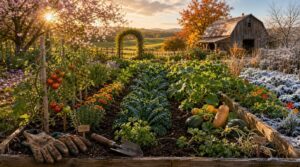
Getting the most out of your garden isn’t just about what you plant—it’s about how you manage everything around it. A few consistent habits can mean the difference between a good harvest and a great one. Here’s what to focus on each season to keep your yields strong from spring through fall.
Succession Planting Schedule
Stagger your sowing dates by 1 to 3 weeks and you’ll sidestep the all-at-once glut that leaves you buried in zucchini one week and nothing the next. Within your growing season planting window, space fast-maturing crops like radish and lettuce across multiple planting gap intervals—your harvest extends naturally, and your garden stays productive from your last frost date right through fall.
Crop Rotation Planning
Moving the same crop through different beds each year—this is the core idea behind crop family rotation, and it works. Alternate heavy feeders with light feeders, slip a legume into the sequence to fix atmospheric nitrogen, and you naturally break pest and disease cycles.
A simple multi-year rotation calendar keeps the plan honest season after season.
Compost and Soil Amendments
Good soil doesn’t happen by accident—it’s built, season by season. Work 2–4 inches of compost into your beds each year, raking it into the top 6 inches for direct root contact. This single habit can boost water retention by up to 30% and steadily release nitrogen, phosphorus, and potassium without synthetic fertilizers.
Build soil season by season—2 to 4 inches of compost yearly can boost water retention by 30% without a single synthetic fertilizer
- Rich, dark compost crumbling between your fingers
- A soil test kit revealing your pH at a glance
- Cover crops like clover blanketing bare beds through winter
Test soil pH every 2–3 years and amend accordingly—lime raises acidity, sulfur lowers it. Integrate cover crops like rye or vetch in the off-season to add organic matter naturally before your next planting window opens.
Mulching for Moisture Control
Mulch is one of the simplest tools in your garden—and one of the most effective. Spread 3–4 inches of organic mulch like straw or shredded bark over your beds after planting, keeping it a few inches clear of stems.
This single layer can cut irrigation frequency by 20–40% and suppress weeds by up to 70%, freeing both water and nutrients for your plants.
Frost and Heat Protection
Temperature swings can make or break your harvest. When frost threatens, sprinkler frost protection creates a thin water film over foliage—releasing latent heat as it freezes, holding plant tissue just above the critical 0–2°C threshold. Pair that with windbreak design along field edges, where cold air pools first, and you’ve already cut your exposure greatly.
- Check your hardiness zones to know your frost risk window before the season starts.
- Set heater placement denser along windward borders, where cold air drains and collects overnight.
- Use shade cloth on hot days to shield cool-season crops from heat stress.
- Monitor soil temperature—not just air temp—since roots feel cold differently than foliage does.
- Run heat mat use indoors to keep seedling trays above germination thresholds during late cold snaps.
Mulch temperature regulation works passively—3–4 inches around your plant bases slows both frost penetration and summer heat buildup, giving roots a steadier environment without any extra equipment.
Top 5 Seasonal Garden Supplies
The right tools make every season easier to manage. Whether you’re working with containers, spraying down plants, or finding space for new growth, having the right gear saves time and frustration. Here are five supplies worth keeping on hand throughout the year.
1. BioAdvanced Rose and Flower Plant Care
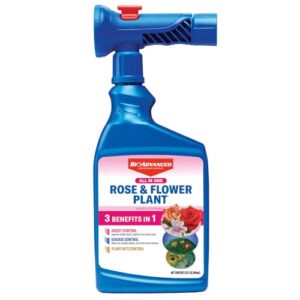
BioAdvanced Rose and Flower Care does a lot of the heavy lifting when your garden faces overlapping threats. One formula combines insecticide, fungicide, and miticide action—targeting aphids, Japanese beetles, whiteflies, and mites while also controlling black spot, powdery mildew, and rust.
It absorbs into plant tissue, so protection travels with new growth. The weather-resistant formula holds for up to two weeks, though you’ll want to reapply on schedule to keep disease and pest pressure in check.
| Best For | Homeowners who want one simple product to handle pests, mites, and fungal diseases on roses, shrubs, and trees all at once. |
|---|---|
| Material | Liquid Formula |
| Color | N/A |
| Use Setting | Outdoor Only |
| Included Accessories | Sprayer Nozzle |
| Plant Compatibility | Roses, Shrubs, Trees, Vines |
| Assembly Required | No |
| Additional Features |
|
- Three-in-one formula fights insects, fungus, and mites so you’re not juggling multiple products
- Absorbs into plant tissue, meaning protection moves with new growth instead of just sitting on the surface
- Weather-resistant and lasts up to two weeks, so you’re not spraying every few days
- Needs reapplication every two weeks, which adds up over a long growing season
- Some users have reported issues with defective sprayer components right out of the box
- Only approved for outdoor use, so it won’t work for indoor plants or container gardens kept inside
2. Ivory Macrame Hanging Plant Holders
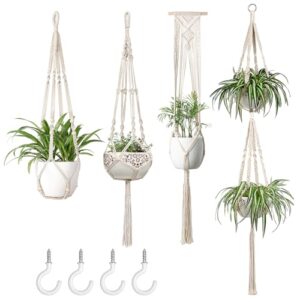
Once your plants are protected from pests and disease, where they live matters just as much. Ivory macrame plant holders let you move growing space off counters and onto walls or ceilings—useful in small rooms, bright windows, or covered patios.
Each set includes four hangers in lengths from 35 to 55 inches, made from pure cotton cord with flexible legs that fit most pots up to 7 inches wide. Note: pots aren’t included, and cotton holds up best away from high humidity.
| Best For | Anyone decorating a small space who wants to show off their plants without sacrificing counter or floor space—especially fans of boho, farmhouse, or minimalist style. |
|---|---|
| Material | Ceramic |
| Color | Matte White |
| Use Setting | Indoor & Outdoor |
| Included Accessories | Saucer, Mesh Net, Clay Pebbles, Felt Pads |
| Plant Compatibility | Various Plant Types |
| Assembly Required | No |
| Additional Features |
|
- Four hangers in different lengths (35–55") give you real flexibility in how you arrange things
- Flexible legs mean they’ll work with most pots up to 7" wide, so you’re not locked into one shape
- Keeps plants up high and away from curious pets
- Pots aren’t included, so budget for those separately
- The hooks may need wall anchors for a secure ceiling mount
- Cotton doesn’t love humidity, so these are better suited for indoors than a steamy outdoor setup
3. Cylinder Terracotta Planters with Saucers
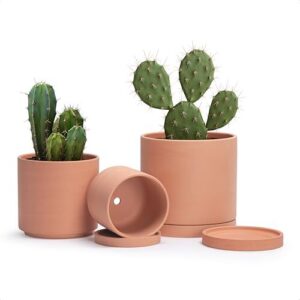
Macrame hangers solve the space problem—but for pots that actively support your plants’ health, cylinder terracotta planters are worth the upgrade. The unglazed, porous clay lets air and moisture move through the walls, which helps prevent overwatering—a common cause of root rot.
Available in 5.3, 6.5, and 8.3-inch diameters, they suit everything from succulents to herbs. Included saucers catch runoff and protect your surfaces, making them practical for windowsills and shelves year-round.
| Best For | Plant lovers who want their pots to actually work with their plants—especially anyone growing succulents, herbs, or anything prone to overwatering. |
|---|---|
| Material | Cotton Cord |
| Color | Ivory |
| Use Setting | Indoor & Covered Patio |
| Included Accessories | 4 Ceiling Hooks |
| Plant Compatibility | Various, Max 7in Diameter |
| Assembly Required | Yes |
| Additional Features |
|
- Breathable terracotta walls help regulate moisture and airflow, keeping roots healthier
- Three size options make them versatile for small windowsill plants up to larger garden varieties
- Saucers are included, so your shelves and surfaces stay protected right out of the box
- Pricier than basic terracotta options, so the cost adds up if you’re buying several
- Porous clay means you’ll need to pay closer attention to how often you water
- Fragile by nature—there’s a real chance one arrives cracked or chipped from shipping
4. Tall Metal Corner Plant Stand
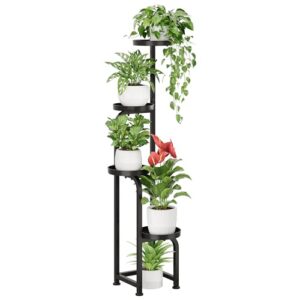
Once your pots are in place, you need somewhere to show them off — and a tall metal corner stand makes use of vertical space most gardeners overlook. At 46 inches high with a slim 8.8-inch base, it tucks into corners without crowding the room.
The staggered spiral tray design keeps each plant in its own light zone, so nothing sits in another’s shadow. Powder-coated and rust-resistant, it holds up indoors or outside in a sheltered spot.
| Best For | Anyone short on floor space who wants to display multiple plants without sacrificing style — perfect for apartment dwellers, balcony gardeners, or anyone working with a tight corner. |
|---|---|
| Material | Terracotta Clay |
| Color | Terracotta |
| Use Setting | Indoor & Outdoor |
| Included Accessories | Mesh Nets, Furniture Pads |
| Plant Compatibility | Succulents & Various |
| Assembly Required | No |
| Additional Features |
|
- The staggered spiral layout gives each plant its own light exposure, so nothing gets shaded out by its neighbor.
- At just 5 pounds with a slim 8.8-inch base, it’s easy to move around and fits neatly into corners without taking over a room.
- Works just as well outdoors in a sheltered spot as it does inside, so you’re not locked into one setup.
- The lightweight build means it’s not cut out for heavier pots — stick to smaller, lighter planters.
- Perforated trays let water drip through, so you’ll want saucers or catchers underneath if it’s going indoors.
- A few users have run into minor screw hole alignment issues during assembly, which can make setup a little fiddly.
5. Chapin Translucent Garden Pump Sprayer
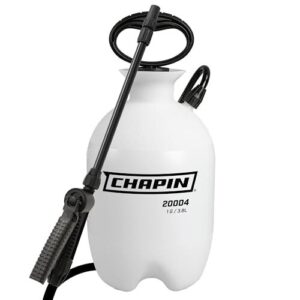
Good spraying comes down to the right tool for the job. The Chapin Translucent Garden Pump Sprayer holds one gallon and features a clear poly tank, so you can see exactly how much fertilizer or pesticide solution remains — no guessing mid-row.
The 34-inch hose and 12-inch wand let you reach hanging baskets and dense foliage without bending or stretching. Its adjustable nozzle shifts from a fine mist to a direct stream, keeping your applications precise and controlled.
| Best For | Home gardeners and DIYers who want a reliable, easy-to-read sprayer for fertilizing, pest control, and light cleaning tasks. |
|---|---|
| Material | Metal |
| Color | Matte Black |
| Use Setting | Indoor & Outdoor |
| Included Accessories | None |
| Plant Compatibility | Multiple Plants |
| Assembly Required | Yes |
| Additional Features |
|
- Translucent tank lets you see fluid levels at a glance — no surprise empty mid-job
- Adjustable nozzle gives you both fine mist and direct stream, so one sprayer handles multiple tasks
- 34-inch hose keeps you from having to crouch or overreach in tight spots
- No shoulder strap, so carrying a full gallon for extended use gets tiring fast
- The mist setting isn’t precise enough for small, targeted applications
- The trigger runs a bit small, which can feel awkward if you have larger hands
Frequently Asked Questions (FAQs)
What to plant in October in Tampa, Florida?
October in Tampa is prime time for cool-season crops. Direct sow lettuce, spinach, kale, radishes, and carrots. Transplant broccoli and brassicas started indoors. Add cilantro and parsley for fresh herbs through winter.
How do I rotate crops to prevent soil depletion?
Think of your garden beds as tenants—rotate each crop family to a new bed every season so no single area gets drained. This breaks pest cycles and restores soil nutrients naturally.
What natural fertilizers work best for each season?
Each season calls for something different. Fish emulsion and compost tea carry spring forward, while banana peel compost and alfalfa tea sustain summer fruiting. Fall favors compost and wood ash. Winter’s quiet work belongs to worm castings.
Which companion plants improve growth and pest control?
Some plants are natural bodyguards. Marigolds deter nematodes, basil repels aphids near tomatoes, and nasturtiums lure pests away from your main crops—letting companion planting quietly do the heavy lifting.
How do I extend growing seasons with greenhouses?
A greenhouse extends your growing season year-round by shielding crops from frost and regulating temperature.
Place heat-loving crops near south-facing walls, use thermal mass like water barrels, and add grow lights during short winter days.
What watering schedules suit different seasonal crops?
Cool-season crops need about 1 inch of water weekly. Warm-season crops want 5–2 inches—watered deeply but less often. Water in the morning to cut evaporation by up to 30%.
How do I extend my growing season naturally?
Use cold frames and row covers to trap warmth and shield crops from frost. These simple tools push your harvest window weeks earlier in spring and later into fall.
You can also try planting frost-hardy crops to extend your harvest.
What vegetables grow best in containers year-round?
The smallest pots often grow the biggest flavor. Lettuce, spinach, and kale thrive year-round in containers with steady moisture, while cherry tomatoes and peppers fruit well in larger pots through summer.
Can I save seeds from this seasons harvest?
Yes, you can. Save seeds only from open-pollinated or heirloom varieties—hybrids won’t grow true. Let seeds fully dry on the plant, then store them in airtight containers in a cool, dark place.
How do rainfall patterns affect planting schedules?
Rainfall timing shapes when you sow. A steady 25 mm over a week signals soil is ready—but erratic bursts followed by dry spells can scatter germination and leave patchy, stressed seedlings behind.
Conclusion
A farmer once said the calendar never lies—but the soil always tells the truth first. That tension between knowing when and knowing why is exactly what this seasonal planting guide resolves.
Your zone, your frost dates, your soil temperature—they’re not obstacles; they’re your garden’s own language. Learn to read it, and you won’t just grow plants on time. You’ll grow them with the quiet confidence of someone who finally understands the rhythm underneath.
- https://eatlikeafarmer.substack.com/p/spring-vegetable-garden-guide
- https://www.deep-roots-project.org/grow-your-own-food-all/spring-planting-step-by-step
- https://vermiorganics.co/blogs/plants/best-practices-for-seasonal-planting
- https://growingourgarden.com/seasonal-guide-to-companion-planting/
- https://www.growitalian.com/blogs/news/succession-planting-in-the-home-garden-what-and-when-to-plant