This site is supported by our readers. We may earn a commission, at no cost to you, if you purchase through links.
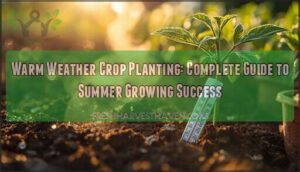
Last spring, a neighbor planted his tomatoes the same week I did—but three weeks later, his plants were still sulking while mine were already setting fruit. The difference wasn’t luck or fertilizer. It was soil temperature.
Most gardeners know to watch the calendar for frost dates, but warm weather crop planting success hinges on what’s happening underground. When you put heat-loving vegetables into cold soil, they don’t just grow slowly—they can rot, develop stunted roots, or stall out for weeks.
The good news is that with a soil thermometer and a bit of strategic timing, you can give your summer crops the strong start they need to thrive through the hottest months ahead.
Table Of Contents
Key Takeaways
- Soil temperature matters more than air temperature for warm-season crops—wait until soil reaches at least 60°F (ideally 70°F) before planting to prevent rot, stunted growth, and weeks of stalled development.
- Success with heat-loving vegetables like tomatoes, peppers, and cucurbits depends on three practical steps: checking soil temperature daily for three days, timing plantings around your frost dates and hardiness zone, and selecting varieties bred for heat tolerance and disease resistance.
- Proper soil preparation and water management—including 2–4 inches of compost, 2.5–5 cm of mulch for moisture retention, and drip irrigation or early-morning watering—keep summer crops thriving through temperature extremes without overwatering or drought stress.
- Regular harvesting every 2–3 days for crops like squash and okra, combined with succession planting every 7–14 days and shade cloth during heat spikes above 85°F, prevents bolting and keeps your garden producing continuously through summer.
Essential Steps for Warm Weather Crop Planting
Getting warm-season vegetables off to a strong start isn’t complicated, but it does require attention to a few critical factors. Success comes down to understanding what these heat-loving plants need and when they need it.
Let’s walk through the essential steps that’ll set your summer garden up for a thriving, productive season.
Understanding Soil and Air Temperature Needs
Before you sow a single seed, check your soil temperature—it matters even more than what the thermometer on your porch says. Warm season vegetables need soil at least 60°F to germinate, though 70°F is ideal for strong starts.
- Minimum soil temp: Most crops won’t sprout below 60°F; peppers and melons prefer 70–75°F.
- Best temperature range: Peak growth happens between 70–85°F for soil and air.
- Inadequate temperatures: Cold soil invites rot, patchy stands, and stunted roots—patience pays off.
Measure soil temperature at 1–2 inches deep each morning for three days. If it’s too cool, wait. Planting early into cold ground sets you back weeks, not ahead. Remember that ideal soil temperatures (https://justgrowsomethingpodcast.com/episode/ep-142-planting-by-soil-temperature-vs-air-temperature-whens-the-best-time-to-plant) vary by plant.
Timing Your Planting for Optimal Growth
Once your soil hits 70°F, align your planting with frost date calendars and hardiness zone schedules—they’re your baseline for summer gardening success. In Virginia, tomatoes go out April through July; Zone 5 gardeners wait until mid-May.
Use growing degree days to time indoor seeding schedules six to eight weeks before transplanting warm season crops. Climate variability adjustments matter: if late cold snaps threaten, delay a week. Warm weather crops reward patience over haste.
These dates help with garden planning and risk mitigation.
Selecting The Best Warm-Season Crop Varieties
After you’ve nailed your timing, variety selection becomes your next strategic move. Heat tolerance, disease resistance, and bolting resistance should all guide your warm-season crop choices.
Alaska trials showed the tomato ‘Subeto’ yielding 2.5 pounds per row foot, while heat-tolerant peppers tripled yields over sensitive types.
Choose hybrid vigor cultivars with regional adaptation—they’ll reliably produce even when summer temperatures test your garden’s limits.
Preparing Garden Beds for Summer Planting
Your summer vegetable gardening success starts with bed configuration and soil preparation. Work 12–18 inches deep, then add 2–4 inches of compost to reach 4–8% soil organic matter. Remove all weeds before surface preparation. Clay soils should be moist—not soaked—when you work them.
Mulching and composting throughout the season keeps moisture even and temperatures stable for summer crops.
Best Warm-Season Crops to Grow
Now that you understand the basics of warm weather crop planting, it’s time to choose what to grow.
Not all vegetables handle heat the same way, so picking the right crops makes a real difference in your harvest. Let’s look at some reliable performers that thrive when temperatures rise.
Tomatoes, Peppers, and Eggplants
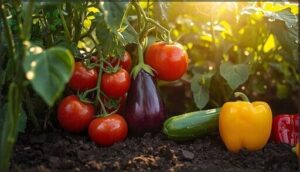
Tomatoes, peppers, and eggplants—these solanaceous champions—are the backbone of summer vegetable gardening. A medium tomato delivers 40% of your daily vitamin C, while bell peppers pack 190%, making variety selection important for growing vegetables in hot weather.
Companion planting with summer squash enhances yields, though watch for blossom drop during heat spikes. Proper pruning techniques and consistent moisture prevent stress, keeping these heat-lovers producing through the season.
Okra, Sweet Potatoes, and Malabar Spinach
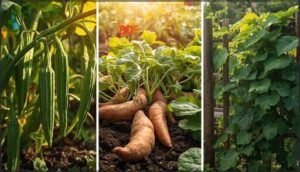
When temperatures hit 80°F and stay there, Malabar spinach truly thrives—maturing in about 70 days under those ideal conditions. Sweet potatoes and okra share this love of sustained heat, maintaining productivity where cool-season crops wither.
Nutrient needs stay modest: around 18 pounds per acre of phosphorus and potassium sustains quality Malabar spinach yields.
These regional varieties offer both culinary versatility and reliable summer crops performance in your warmest garden spots.
Summer Squash, Cucumbers, and Melons
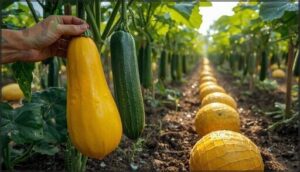
Cucurbit varieties like summer squash and cucumbers reach production in just 50 to 65 days, while melons need 80 to 95 warm days for ripening.
Summer gardening success depends on meeting their watering needs—consistent moisture without overwatering—and harvesting regularly at 6 inches to prevent squash pests and bolting.
Cucumber trellising saves space, and frequent picking keeps these summer crops producing all season.
Corn and Other Heat-Tolerant Staples
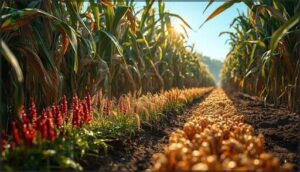
You can count on corn to anchor your warm weather crops—most varieties produce two ears per plant, ready about 18 to 23 days after silks appear. Beyond corn, consider heat-tolerant legumes, sorghum, millet, and amaranth for your summer garden.
- Corn varieties deliver 80 calories and solid fiber per ear
- Sorghum benefits include drought tolerance during variable weather
- Heat-resistant vegetables keep producing when temperatures climb above 80°F
Soil Preparation and Water Management
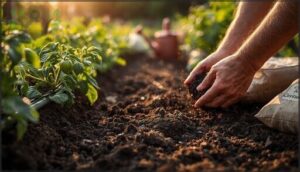
Getting the soil and water right can make or break your warm-weather garden. Even the best varieties won’t thrive if they’re sitting in dry, compacted earth or drowning in too much moisture.
Proper soil preparation and water management can make or break your warm-weather garden before you plant a single seed
Let’s look at three practical strategies that’ll keep your summer crops healthy and productive all season long.
Mulching for Moisture Retention and Temperature Control
Think of mulch as your garden’s summer insurance policy—it keeps roots cool and water where it belongs. Field trials show that a 5 cm layer cuts evaporation to 40% of bare soil within three days.
| Mulch Type | Key Benefit |
|---|---|
| Organic Mulch (straw, leaves) | Boosts water retention by 50% |
| Plastic Mulch (white or metalized) | Reflects heat, lowers soil temperature |
| 10 cm depth | Holds 10% more moisture than thinner layers |
Both organic and plastic mulches improve water efficiency in heat-resistant vegetables, though plastic mulches can deliver 12–38% better results per irrigation gallon.
For summer garden maintenance, apply 2.5–5 cm around tomatoes, peppers, and squash to moderate soil temperature swings and support consistent growth. Mulching techniques matter: avoid piling mulch against stems, and refresh organic layers as they decompose to maintain effective soil preparation and management throughout the growing season.
Effective Irrigation Techniques in Hot Weather
Watering right can mean the difference between thriving plants and wilted disappointments. Drip irrigation offers 80-98% efficiency in hot climates, slashing water use by 45-75% compared to traditional methods. Here’s how to master irrigation and water management for vegetable gardening tips that work:
- Use soil moisture sensors to cut water use 30-50%
- Schedule based on evapotranspiration for precise watering
- Apply water during early morning to reduce evaporation
- Install drip systems for uniform moisture delivery
- Monitor system performance weekly during peak heat
Preventing Overwatering and Drought Stress
Even precision irrigation scheduling can go wrong if you water too much or too little. Soil moisture sensors help you hit the sweet spot—most heat-resistant vegetables need about 70% of available water to avoid both waterlogging impacts and drought stress.
Deficit irrigation cuts water use 4-8% without hurting yields, while mulch benefits include 34-50% less evaporation.
For gardening in hot climates, monitor moisture levels weekly to keep drought-tolerant gardening on track.
Tips for Successful Summer Vegetable Gardening
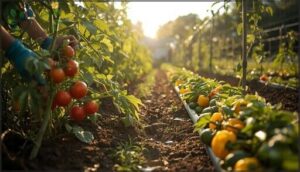
Getting your warm-season crops in the ground is just the beginning—keeping them thriving through summer’s challenges takes some know-how.
The good news is that a few practical strategies can make all the difference between a struggling garden and one that produces bushels of fresh vegetables.
Let’s look at four key techniques that will help your summer garden flourish from planting to harvest.
Providing Shade and Frost Protection
When your warm weather crops face temperature swings, integrated systems offer real solutions. Use 30–50% shade cloth to lower daytime heat by 10–15°F, preventing blossom drop in tomatoes and peppers.
For frost protection during cool nights, lightweight row cover materials add about 2°F of warmth.
Low tunnel designs combine both for season extension techniques, balancing economic viability with reliable gardening in warm weather conditions.
Managing Pests and Diseases in Warm Climates
After protecting your plants from temperature extremes, you’ll face another challenge: pests and diseases thrive in warm, humid conditions. Biological control and IPM adoption form your foundation.
Start with these proven crop management steps:
- Rotate crops annually to disrupt disease dynamics and reduce soilborne pathogens
- Water early in the day so foliage dries before evening, lowering fungal pressure
- Monitor weekly for pest control decisions before chemical control becomes necessary
Harvesting Strategies to Maximize Yields
Once your pest control strategies are in place, smart harvesting techniques preserve every bit of effort you’ve invested. Ideal timing matters—harvest okra every two days and squash every 2–3 days to keep plants producing. Pick early morning when field heat is lowest, then cool vegetables quickly through proper postharvest handling.
These crop management practices cut losses and boost yields throughout the summer gardening season.
Preventing Bolting and Promoting Continuous Growth
Sustaining production means keeping plants in the vegetative stage longer, and that requires smart cultural practices. Bolting resistance starts with choosing heat-tolerant crops and managing microclimate effects through shade cloth when temperatures regularly exceed 80–85°F. Stress reduction through consistent watering and succession planting every 7–14 days keeps your vegetable garden management on track.
Summer gardening advice for continuous harvests:
- Plant quick-maturing greens at 10-day intervals so older plantings don’t all bolt at once
- Use 30% shade cloth over lettuce to lower canopy temperature several degrees
- Maintain even soil moisture—drought stress plus heat triggers early flowering
- Select slow-bolting varieties that extend harvest windows by 2–3 weeks
- Avoid planting cool-season crops into cold spring soil to prevent vernalization
Top 7 Tools and Guides for Warm Weather Planting
Having the right tools and resources can make all the difference when you’re planting warm-season crops. Whether you need better growing structures, protection from unexpected cold snaps, or expert guidance on timing and care, these seven items will set you up for success.
Let’s look at some practical tools and helpful guides that take the guesswork out of summer gardening.
1. Boldly Growing Cedar Raised Planter
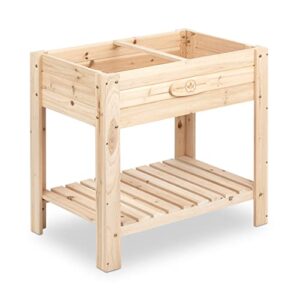
You can’t go wrong with the Boldly Growing Cedar Raised Planter when summer garden planning calls for an elevated cedar planter that brings crops up to you. With assembly considerations minimal and soil capacity holding 5 cubic feet, this ergonomic design cuts back-bending from your routine while growing warm-season vegetables like basil and peppers.
Material durability shines through naturally rot-resistant cedar—no chemicals leaching into your food. Cedar planter benefits include good drainage and raised bed growing that warms soil faster, perfect for warm season crop selection and getting your summer harvest off to a strong start.
Best For: Gardeners who want an ergonomic raised bed that eliminates bending and makes growing herbs and vegetables accessible on patios, decks, or small yards.
- Natural rot-resistant cedar construction lasts 10–15 years outdoors without chemical treatments that could leach into your food
- Elevated 30-inch height lets you garden standing up, reducing back strain and making it easier for older adults or anyone with mobility concerns
- Holds 5 cubic feet of soil with 8 square feet of planting space—enough for 8–16 herb or vegetable plants with good drainage for healthy root systems
- At 175–225 pounds when filled with moist soil, the planter relies entirely on leg joints that may need reinforcement over time to handle the weight
- Unfinished cedar requires optional weatherproofing like linseed oil if you want to extend durability beyond the typical lifespan
- Assembly can be tricky for one person due to the 48-inch length, so you’ll likely need a helper to hold pieces in place
2. Best Choice Walk In Greenhouse
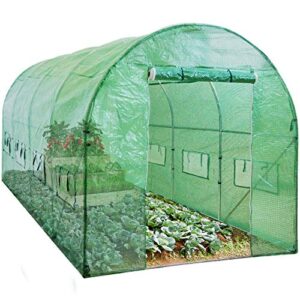
The Best Choice Walk-In Greenhouse transforms your warm weather crops and gardening by giving you roughly 105 square feet to grow tomatoes, peppers, and melons earlier in spring and later into fall—season extension of four to eight weeks becomes realistic.
Greenhouse assembly takes patience, but the powder-coated steel frame and eight roll-up windows deliver solid ventilation control when temperatures climb.
Cover durability matters, so inspect the PE film regularly and plan replacement every few years. With proper weather resistance through anchoring, you’ll master greenhouse gardening tips that stretch your harvest window considerably.
Best For: Gardeners who want to extend their growing season by several weeks and need a spacious, budget-friendly walk-in structure for warm-weather crops like tomatoes, peppers, and cucumbers.
- Large 15x7x7 ft size gives you 105 square feet of growing space with room to move around and tend multiple rows of plants comfortably.
- Eight roll-up windows plus a zippered door let you fine-tune ventilation to prevent overheating while keeping pests out with mesh screening.
- Powder-coated steel frame resists rust better than untreated metal and includes ground stakes and guy ropes for secure anchoring in windy conditions.
- PE cover tears easily and may need replacement every 1-3 years depending on UV exposure and weather conditions.
- Assembly instructions are often unclear and the zipper quality is weak, leading to frustration during setup and daily use.
- Cover seams can leak during heavy rain and the structure may require extra reinforcement to handle extreme weather safely.
3. Plant Covers Freeze Protection Garden Fabric
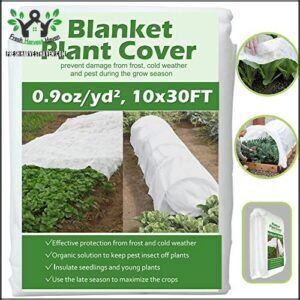
You’ll keep tender seedlings safe through unexpected cold snaps with the Valibe 10 ft x 30 ft Plant Cover. This 0.9 oz/sq. yd. non-woven polypropylene fabric weight delivers 4–6°F frost protection while letting 30–50% light transmittance reach heat resistant crops and drought tolerant plants underneath.
Material durability shines through UV-stabilized construction that lasts multiple seasons—your row cover won’t shred after one storm.
Application benefits include breathable design for air circulation, plus you can anchor edges with soil or staples to block wind and pests effectively.
Best For: Gardeners looking for budget-friendly season extension who need lightweight frost protection for seedlings and young plants in mild to moderate climates.
- Provides 4–6°F of frost protection while still allowing 30–50% of sunlight through, so plants get light and warmth during the day
- UV-stabilized polypropylene holds up across multiple growing seasons without falling apart after a few uses
- Easy to customize and secure—just cut it to size and anchor with soil, stones, or staples to keep it in place
- At 0.9 oz/sq. yd., it’s on the lighter side and may tear or blow away in strong winds if not properly secured
- Won’t handle extreme cold snaps very well—only adds a few degrees of protection, so hard freezes can still damage plants
- Requires regular checks and maintenance to make sure it’s still doing its job and hasn’t gotten damaged by weather or UV exposure
4. Vegetable Garden Almanac and Planner Guide
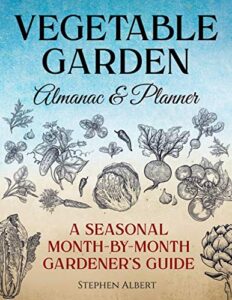
A solid planning tool benefits every gardener who wants to track frost dates and schedule succession sowings of warm-season crops. The Vegetable Garden Almanac and Planner Guide offers month-by-month guidance, two dozen customizable worksheets, and regional planting guides that sync with your local climate.
You’ll find crop selection charts and harvest calendars for tomatoes, peppers, and squash—all inside 210 pages of practical garden planning advice.
While digital planner trends lean toward subscription-based planners, this print guide keeps vegetable gardening simple and accessible.
Best For: Gardeners who want a hands-on, seasonal planner with month-by-month schedules, customizable worksheets, and regional planting guides—without needing a subscription or digital tool.
- Month-by-month planting and harvest guides help you time warm-season crops like tomatoes, peppers, and squash based on your local frost dates and climate.
- Two dozen customizable worksheets and charts make it easy to plan layouts, track succession plantings, and organize your garden year-round.
- One-time purchase gives you 210 pages of practical advice without recurring subscription fees or the need for internet access.
- Only hand-drawn illustrations with no color photos, which may disappoint gardeners who prefer visual reference guides with detailed imagery.
- At 1.21 pounds and 8.5 x 11 inches, it’s less portable than compact guides or mobile apps you can check in the garden.
- Focuses on 20–25 common vegetables, so advanced gardeners growing rare or specialty crops may need additional resources.
5. The Kitchen Garden Grower’s Guide
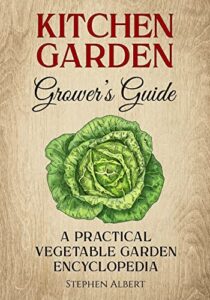
When you need practical planting guidance for warm-season crops, Stephen Albert’s “The Kitchen Garden Grower’s Guide” offers 409 pages of crop encyclopedia entries covering vegetable garden design and care.
This garden design reference organizes growing vegetables by type, delivering vegetable gardening specifics on spacing, maturity dates, and harvest timing. The target audience spans beginners to experienced growers seeking straightforward gardening tips.
At $24.95, its guides practicality approach helps you time warm-weather plantings and troubleshoot common issues without overwhelming detail or excessive graphics.
Best For: Home gardeners who want a straightforward reference book to look up specific vegetables and herbs when planning their warm-season plantings.
- Covers a wide range of crops with practical details on spacing, timing, and harvest windows organized encyclopedia-style for easy lookup
- Useful for different climates and experience levels, from beginners planning their first garden to seasoned growers troubleshooting specific issues
- Affordable at $24.95 with used copies available even cheaper, making it accessible for most budgets
- Lacks color photos and graphics, which makes the book feel dull and harder to visualize what you’re growing
- Design is plain and text-heavy compared to more modern gardening guides with planners and step-by-step images
- High return shipping costs if you decide the book isn’t right for you after ordering
6. Vegetable Garden Grower’s Guide Book
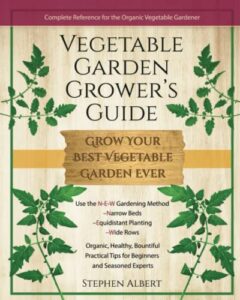
If you want even broader planting guidance, “Vegetable Garden Grower’s Guide Book” delivers 372 pages of growing techniques for over 40 vegetables—tomatoes, peppers, squash, and other summer gardening favorites. This garden guide covers planting guidance through harvest, explains season extension methods, and addresses pest management with practical gardening tips.
At $45.40, its guide comprehensiveness suits any garden size, though book limitations include digital-only format and limited region-specific advice. You’ll find it useful for growing vegetables organically, especially when time or space is tight.
Best For: Home gardeners who want a comprehensive reference covering warm-season crops like tomatoes and peppers alongside year-round growing techniques, especially if you’re working with limited space or budget.
- Covers 40 vegetables with detailed planting-to-harvest guidance, including succession planting strategies to maximize yields throughout the growing season
- Backed by Gardening Know How editors, drawing from the world’s most-visited gardening website for practical, tested advice
- Includes soil-building techniques, pest management, and season extension methods in one complete 372-page resource
- Digital-only format may not appeal to gardeners who prefer physical books in the garden
- At $45.40, the price is higher than many regional gardening guides
- Lacks region-specific climate advice, so you’ll need to adapt general guidance to your hardiness zone and frost dates
7. Tomato Grower’s Answer Book Guide
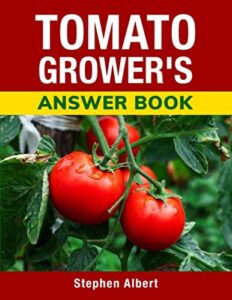
For tomato-specific growing solutions, “Tomato Grower’s Answer Book Guide” addresses nearly 400 questions about warm-season crops in a visual question-and-answer format. You’ll find 120 color photographs illustrating growth stages, pest symptoms, and harvest indicators across 150 varieties—from cherry to heirloom types.
Book benefits include indexed troubleshooting for blossom end rot, heat stress, and pollination issues during hot weather. At $19.95 for 104 pages, it’s practical for beginners.
The climate focus leans toward warmer regions, so greenhouse growers may need supplemental resources.
Best For: Home gardeners in warmer climates who want quick visual answers to common tomato problems, whether they’re starting seeds for the first time or troubleshooting why their fruit won’t set in the heat.
- Nearly 400 questions answered with 120 color photos that help you identify pests, diseases, and disorders on sight
- Covers 150 tomato varieties with practical advice on container growing, seed saving, and harvest timing
- Easy-to-use index lets you jump straight to your problem—blossom end rot, hornworms, or cracking fruit—without reading cover to cover
- Question-and-answer format may feel choppy if you prefer narrative guides that walk through the season step by step
- Focuses mainly on warmer outdoor growing, so cold-climate and greenhouse growers will need to look elsewhere
- Some experienced gardeners may find the content too introductory or lacking in technical depth
Frequently Asked Questions (FAQs)
How do I rotate warm-season crops annually?
Like farmers centuries past shifting wheat fields, divide your garden into three or four beds and move each crop family—tomatoes, beans, cucumbers, corn—to fresh ground yearly.
This rotation benefits soil health and reduces pests naturally.
Can warm-season vegetables grow in containers successfully?
Absolutely—warm-season crops thrive in containers when you match container size to root volume needs and choose suitable varieties. Cherry tomatoes, peppers, and bush beans deliver yields comparable to garden beds, especially when you provide consistent water management and capitalize on microclimate effects that warm container soil faster than ground plantings.
What companion plants work best with summer crops?
Basil and tomatoes form a powerhouse pair in vegetable gardening, with basil reducing thrips while boosting tomato yields by up to 20%.
Marigolds near cucurbits deter pests, and the Three Sisters system enhances summer gardening success naturally.
How do I save seeds from warm-weather vegetables?
You might think seed saving is complicated, but warm-season crops like tomatoes and peppers make it straightforward.
Choose open-pollinated varieties, harvest fully ripe fruits, ferment tomato seeds, dry thoroughly, and store cool for viability testing later.
Which warm-season crops attract beneficial pollinators most?
Cucurbits—squash, pumpkins, melons, and cucumbers—are pollinator magnets, drawing wild bees, bumble bees, and honey bees in droves.
Tomatoes, peppers, okra, and eggplant also benefit greatly from bee visits, boosting fruit quality and yield.
Conclusion
The irony of warm weather crop planting is that rushing into it—when the air feels perfect—often guarantees failure. Your patience with a soil thermometer matters more than sunshine ever will.
By honoring what’s happening underground, you’ve already separated yourself from gardeners who restart their tomatoes twice each season.
Now your summer garden won’t just survive the heat—it’ll thrive in it, delivering harvests that make those extra waiting days feel like the smartest investment you made all spring.
- https://extension.psu.edu/cool-season-vs-warm-season-vegetables/
- https://wikifarmer.com/library/en/article/deep-dive-in-tomato-prices-a-comprehensive-price-study-2024-2025
- https://www.agweb.com/news/crops/corn/corn-acres-top-95-million-theres-silver-lining-usdas-march-acreage-report
- https://kellogggarden.com/blog/gardening/garden-growing-season-for-warm-season-veggies/
- https://cordiercommodityreport.com/2025-usda-planting-report-analysis/