This site is supported by our readers. We may earn a commission, at no cost to you, if you purchase through links.
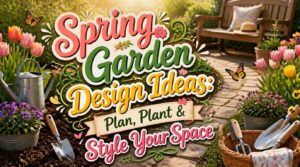
Snow melts, and your yard looks bare. Then spring hits, and everything wakes up at once. It’s your best chance all year to start fresh.
A few smart moves now set the tone for months of color and growth. Curved paths, bright tulips, cozy seating areas. Small changes add up fast.
Spring garden design ideas help you turn empty beds into a space you’ll love. Grab your gloves, and let’s get your yard ready for the season ahead.
Table Of Contents
- Key Takeaways
- Plan Your Spring Garden Layout
- Choose Spring Flowers and Bulbs
- Add Edible Garden Design Elements
- Maximize Small Spring Spaces
- Style Outdoor Living Areas
- Frequently Asked Questions (FAQs)
- How do I design a spring garden?
- What is the 80 20 rule in gardening?
- How to design a spring garden?
- What is the best way to layout your garden?
- What should I put on my garden in the spring?
- What is the easiest plant to grow in spring?
- What makes a great Spring Garden?
- Can you make a DIY spring garden decoration?
- What to do in the garden this spring?
- What is a good Spring Garden?
- Conclusion
Key Takeaways
- Start with a plan: map your sun and shade, then add curved paths and group plants by height for a layout that feels natural.
- Pick bulbs that work together, like tulips, daffodils, crocuses, and muscari, so your beds bloom from late winter through May.
- Mix food into your flower beds with herbs, salad greens, and dwarf fruit shrubs to make every spot work harder.
- Make small spaces count with containers, hanging baskets, trellises, and square foot gardening for a packed, polished yard.
Plan Your Spring Garden Layout
A great spring garden starts with a solid plan. Before you plant a single bulb, think about how your space flows. Here are five layout ideas to get you started.
If you’re working with a tight patch of land, this guide to organic spring gardening for small spaces can help you map out a layout that fits your sunlight and square footage.
Map Sun and Shade
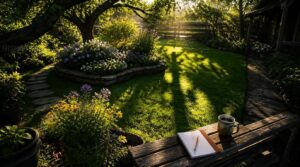
Grab a notepad and watch your yard for a day. Sunlight hour tracking shows where full sun lands. Note shady spots too; that’s shade zone mapping.
Light shifts as spring moves on, so plan for seasonal light shifts. Try digital sun mapping apps for extra accuracy. You can also track sunlight exposure patterns to plan more effectively.
This simple garden light analysis sets the stage for smart garden layout choices ahead.
Create Curved Garden Paths

Now that you’ve mapped your light, picture how you’ll move through that space. Curved paths feel natural underfoot.
Use arcs with a 6 to 8 foot radius for easy walking and wheelbarrow access. Add curved path edging with stone or brick to hold the line.
Slope gently for drainage in curves, and choose low plant border picks. Plan path lighting to follow the bend, lighting your way home.
Group Plants by Height

Curved paths set the scene for plant height zones. Height layering creates a tiered border design across your spring garden layout.
- Place tall plants like delphinium toward the back.
- Add medium plants for vertical plant placement balance.
- Keep short plants front for easy access.
- Use a staggered planting layout, not straight rows.
- Mind plant spacing wisely for smart spring planting ideas.
Leave Room for Harvesting
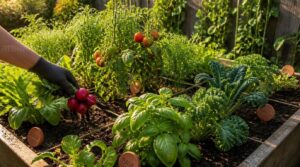
With height zones set, save room for picking. Leave 20 percent of each bed open.
Spring garden design ideas pair a smart Harvest Path Design with Crop Spacing Guidelines. Try a Staggered Planting Schedule, add Harvest Zone Markers, and follow Soil Aeration Practices.
Mix companion planting, square foot gardening, raised garden beds, and a seasonal vegetable patch for easy harvests.
Add Focal Garden Features

Every great garden needs a showstopper. Pick one focal point to anchor the eye:
- Sculpture placement on a raised pedestal, ringed by gravel
- Contemporary water feature at the end of a sight line
- Plant group arrangement mixing dark and bright foliage
- Vertical garden wall with climbing jasmine or clematis
- Pergola integration framed by colorful flower borders
Link it all with whimsical garden pathways.
Choose Spring Flowers and Bulbs

Bulbs are where your spring garden really comes to life. Pick the right mix, and you get color from late winter through May. Here are five favorites worth a spot in your beds.
If you’ve got the space, pairing your bulb beds with best tasting dwarf fruit trees for small gardens adds tasty color and harvests come summer.
Tulips for Bold Color
Want a bold pop of color for your spring garden layout? Tulips deliver it best. Choose Bold Tulip Varieties like ‘Orange Emperor’ and ‘Black Parrot’. Use Color Block Planting and Parrot Tulip Patterns for texture. Tulip Soil Preparation plus Seasonal Tulip Care keep your colorful flower borders thriving.
| Tulip Variety | Bold Color |
|---|---|
| Orange Emperor | Bright orange |
| Black Parrot | Deep purple |
| Purissima | Pure white |
Daffodils for Reliable Blooms
Daffodils are reliable Spring Flowering Bulbs for spring garden design. Use bloom timing strategies for nonstop spring flowers: pair early Thalia with mid-season Carlton.
Follow these bulb spacing guidelines:
- 3 to 6 inches deep
- 4 to 6 inches apart
- Soil pH 6.0 to 7.0
- Group 5 to 9 bulbs
- Choose well-drained soil
For post bloom care, naturalizing daffodils return yearly.
Crocuses for Early Interest
Crocuses punch above their weight in early bloom colors — whites, purples, and vivid yellows emerging as early as February.
Plant corms 5 to 8 cm deep in well-drained soil, spacing them evenly for natural drifts. Add winter mulch for protection.
They’ll naturalize into lawn carpets over time, returning reliably each spring with gentle scented spring fragrance on sunny days.
Muscari for Edging Beds
Muscari brings that crisp blue-purple contrast every spring bed needs. These little bulbs form a dense, low mound — just 4 to 8 inches tall — that naturally defines garden beds with edging.
Plant them in fall, spacing bulbs 3 to 4 inches apart for a continuous border. Mulch lightly after planting. Every few years, divide clumps to keep the edge looking sharp.
Brunnera for Shady Corners
Dark corners don’t have to be dead zones. Brunnera macrophylla fills shady spots with heart-shaped, silvery leaves and soft blue spring blooms. It thrives in partial to full shade and stays deer resistant year-round.
Brunnera macrophylla transforms shady corners with silvery, heart-shaped leaves and delicate blue blooms, while staying deer resistant year-round
Pair it with hostas or ferns for a layered, woodland feel. Mulch well to keep roots cool and moisture locked in.
Add Edible Garden Design Elements
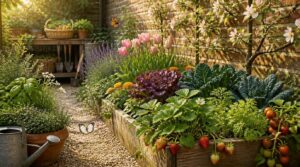
Your garden can do more than look good — it can feed you too. Edible elements are easier to weave in than you might think, and they make every square foot count. Here are some simple ways to get started.
Mix Herbs With Flowers
Weave herbs right into your flower beds — it’s one of the smartest spring garden design ideas around. Try a Basil Tulip Combo to attract beneficial insects. A Rosemary Lavender Edge creates a fragrant border pollinators love. Use Thyme as an Iris Bridge between bloom periods.
An herb spiral fits over ten varieties in one small, beautiful spot.
Plant Colorful Salad Greens
Herbs set the stage — now let colorful salad greens steal the show. Red-veined sorrel, rainbow chard, and purple romaine bring real visual drama to your beds. These nutrient-rich greens pack vitamins A, C, and K too.
- Red leaf lettuce adds mild pepper and iron
- Baby spinach contributes iron and vitamin K
- Mizuna delivers delicate flavor and beta carotene
Tuck them between flowers for simple spring garden design ideas.
Add Dwarf Fruit Shrubs
Salad greens fill your beds beautifully — now add fruit.
Dwarf fruit shrubs like ‘Little Miss Figgy’ fig and ‘Bless Your Heart’ blueberry fit perfectly into your spring garden layout. Most stay just one to three feet tall. They thrive in well-drained, compost-rich soil with six-plus hours of sun — simple spring garden design ideas with delicious rewards.
Use Companion Planting Pairs
Dwarf fruit shrubs taste great — but pair them wisely.
Companion planting turns your garden into a team. Plant tomatoes with basil to deter pests naturally. Try marigolds near tomatoes to fight nematodes. Let beans support corn while fixing nitrogen. Borage near strawberries boosts pollination beautifully. These spring garden design ideas build real biodiversity — and make every square foot work harder.
Design a Kitchen Garden
Designing a kitchen garden starts with sunlit bed planning — put your beds where they’ll catch the most light. Use raised garden beds in four zones, each 4 by 6 feet.
Tuck a kitchen herb spiral near your door for quick access. Add a harvest path between beds so picking spring greens and vegetables stays easy every day.
Maximize Small Spring Spaces
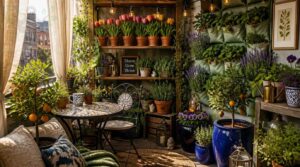
A small garden doesn’t have to feel like a compromise. With the right approach, even a tiny patch or balcony can pack serious style and productivity. Here are the best ways to make every square foot work harder this spring.
Style Container Garden Displays
Small spaces can still make a big statement. Container gardening gives you full control over color, height, and placement.
- Use bold color palettes with two or three contrasting tones
- Mix terracotta ceramic pots for rustic texture
- Apply vertical layering tips using tiered stands
- Add decorative garden stakes for height
- Let trailing plant choices spill softly over edges
Use Hanging Baskets
Hang a basket, and suddenly a bare wall becomes a bloom. Trailing plants like verbena, lobelia, and petunias cascade beautifully over the edges.
Line your basket with coir or sphagnum moss for moisture and drainage. Water daily in warm weather. Choose a full-sun or partial-shade spot to match your plants. Refresh combinations each season for lasting color.
Build Vertical Trellises
A trellis turns a flat fence into a living wall. Galvanized steel lasts over 20 years and supports heavy climbers well. Aluminum is lighter and still corrosion-resistant for 15 years or more.
Drive posts at least 12 inches deep. For anything taller than six feet, add cross braces. Plant peas, beans, or climbing roses at the base, and let them rise.
Try Square Foot Gardening
Think of your raised bed as a checkerboard of tiny harvests. Square Foot Gardening turns limited garden space into a productive plot. A rich soil mix boosts drainage and feeds roots steadily.
Follow simple plant spacing rules:
- One tomato per square
- Four lettuce plants per square
- Sixteen radishes per square
Add vertical trellises for climbers, and rotate crops yearly to keep soil balanced.
Layer Terraced Raised Beds
Ever wish your garden had layers, like a cake? Terraced raised beds do just that. Build with a cedar frame for lasting durability. Layer right for the best results:
| Layer | Material | Purpose |
|---|---|---|
| Bottom | Drainage gravel | Prevents compaction |
| Middle | Compost and manure | Feeds roots |
| Top | Mulch top layer | Locks in moisture |
This layered soil profile creates tiered plant zones, perfect for seasonal planting in any spring garden layout.
Style Outdoor Living Areas

Your garden isn’t just for plants. It’s a place to relax too. Here’s how to make it feel like home.
Add Cozy Garden Seating
Pick a cozy nook and make it yours. Two chairs and a small table create the perfect spot for morning coffee. Choose weatherproof seating built from teak, acacia, or powder-coated aluminum—durable materials that handle spring showers with ease.
Layer in throws and cushions for layered textiles that add warmth. A pergola placement nearby gives shade and structure. Finish with cozy lighting for evening charm.
Use Soft Spring Colors
Now bring that cozy nook to life with color. Soft color palettes set a calm mood. Try blush pink, cream, and sage green together.
Add lavender or sky blue for gentle contrast. Pastel plant pairings, like pale tulips and white ranunculus, soften any space. These muted spring tones feel fresh, restful, and right for spring landscaping.
Install Gentle Garden Lighting
Once the sun sets, lighting takes over the mood. Pathway light placement matters most—space fixtures 6 to 8 feet apart for safe walking. Try solar light basics along borders for easy setup, no wiring needed.
For seating areas, add ambient up lighting on fences or walls. String up festoon lights overhead for a warm, glowing finish.
- Solar path lights for walkways
- Festoon lights over seating
- Soft uplighting on garden walls
Include Calming Water Features
After lights set the mood, sound sets the calm. A Quiet Fountain Design gives a gentle trickle, perfect for small patios. Love movement? Try a Waterfall Edge along a border for soft cascading sound.
Got space? A small pond with iris and lilies adds life and color. For a Zen garden retreat, pair a Bubbling Stone Bowl with a Water Wall Placement against a fence.
Edge Beds for Polish
Finish strong with define garden beds with edging. Clean lines make every bed pop and tie your whole yard together.
- Border material options: timber, metal, stone, or PVC
- Edging height standards: 8 to 15 cm tall
- Mulch depth benefits: 5 to 7 cm stops weeds
- Pick contrast edging colors like white for spring blooms
Seasonal edge care keeps lines crisp all year.
Frequently Asked Questions (FAQs)
How do I design a spring garden?
Staring at a muddy yard won’t magically grow a garden plan. Start with soil preparation, sketch your layout, mix in seasonal color palette picks and pollinator favorites, then add containers and vertical solutions for instant charm.
What is the 80 20 rule in gardening?
It’s all about effort yield balance. Focus on soil prep, drip irrigation, and smart crop selection. Plant perennials en masse for reliable color. These high impact tasks boost garden productivity with way less work overall.
How to design a spring garden?
Start with a solid layout plan, then layer in seasonal color trends, pollinator habitat design, and edging options. Enrich soil with compost, try raised beds for better drainage, and mix bulbs, herbs, and edibles for balanced, lively spring landscaping.
What is the best way to layout your garden?
Map your microclimate zones first, then layer plants by height with vertical layering and a vertical garden wall. Choose durable pathway materials and edging, leave room for seasonal crop rotation, and your garden design will feel balanced.
What should I put on my garden in the spring?
Fill your beds with spring flowering bulbs like tulips and daffodils, then add wildflowers for pollinators. Mix in spring vegetables, edible flowers, and container color schemes with pastels for fresh, vertical, polished spring planting.
What is the easiest plant to grow in spring?
Quick Sprouting Radishes win, ready in about four weeks with minimal soil prep. Fast Growing Peas and Easy Spring Greens like lettuce follow close behind, thanks to rapid seed germination and forgiving spring weather your garden will love.
What makes a great Spring Garden?
A great garden is like a blank canvas waking up after winter. Soil preparation, blooming bulbs, pollinator plants, container pots, and a cozy water feature all blend together. That’s landscape design with heart.
Can you make a DIY spring garden decoration?
Try Mason Jar Lanterns, Twig Bird Decor, or Painted Rock Markers for charming garden decor.
Add Upcycled Planter Art, Flower Pot Chimes, or a spring-themed window box for fresh garden aesthetics that feel personal, playful, and beautifully homemade.
What to do in the garden this spring?
Most folks think spring means just planting. Not true! Start with soil preparation, light pruning, and tool checks. Plan your layout, set up container gardening, build pollinator habitat, and use water-wise methods for easy seasonal planting success.
What is a good Spring Garden?
A good spring garden mixes seasonal color, healthy soil, and smart watering. Add flowering bulbs, pollinator-friendly blooms, and a simple maintenance routine. Balance beauty with function, so your space feels fresh, lively, and easy to care for all season.
Conclusion
Funny thing: the first bulb you plant often becomes your favorite spot in the whole yard. That’s just how gardens work. One small choice leads to another, and soon paths curve, colors pop, and seating feels just right.
Your spring garden design ideas don’t need to be perfect on day one. They just need a start. Plant something today, and watch your yard wake up, bit by bit, into the space you pictured all winter.
- https://southernlivingplants.com/plan-your-garden/2026-garden-trends
- https://www.homesandgardens.com/gardens/plants-i-predict-will-be-trending-in-2026
- https://www.agriframes.us/blogs/garden-designs/garden-trends-for-2026
- https://www.countryliving.com/gardening/garden-ideas/a70160525/garden-trends-2026
- https://www.dripworks.com/blog/the-top-garden-design-trends-for-next-spring