
This site is supported by our readers. We may earn a commission, at no cost to you, if you purchase through links.

Summer heat breaks most gardens. Tender plants wilt by noon, blooms fade before July ends, and that carefully planned color scheme turns into a patchwork of brown by August.
But certain plants treat a scorching afternoon like a standing invitation—they bloom harder, color up deeper, and practically volunteer to fill every bare patch you’ve got.
Sun-loving plants for summer aren’t just survivors; they’re the showoffs of the plant world, built to thrive when conditions push everything else into retreat. From drought‑tough lantana to towering zinnias, the right picks transform a sun‑blasted bed into your most reliable garden real estate all season long.
Table Of Contents
- Key Takeaways
- Best Sun Loving Summer Plants
- Heat-Loving Perennials for Color
- Top 10 Summer Sun Garden Picks
- 1. Fiskars Bypass Garden Pruning Shears
- 2. Gazania Heat Drought Tolerant Seed Mix
- 3. Mixed Gazania Ground Cover Seeds
- 4. Purple Showers Ruellia Starter Plants
- 5. Desert Bloom Wildflower Mix
- 6. Peachy Knock Out Rose Shrub
- 7. Evergreen Lantana Camara Seeds
- 8. Colorful Lantana Flower Seeds
- 9. Perennial Blanketflower Native Seeds
- 10. Blue Balloon Flower Seeds
- Full-Sun Garden Design Ideas
- Summer Care for Sun Plants
- Frequently Asked Questions (FAQs)
- Which plant is best for direct sunlight?
- What summer flowers are good for full sun?
- What is the easiest flower to grow in full sun?
- What perennial to plant in full sun?
- What plants grow well in full sun?
- Are sun-loving plants good for summer gardens?
- What plants bloom in the summer?
- What flowers bloom in full sun?
- Which flowers are best for a summer garden?
- Can plants grow in full sun?
- Conclusion
Key Takeaways
- Sun-loving annuals like lantana, zinnias, and portulaca don’t just survive summer heat — they thrive on it, delivering bold, continuous color with minimal fuss.
- Perennials such as coneflower, Black-Eyed Susan, and Russian sage come back stronger each year, making them the low-effort backbone of any full-sun garden.
- Deep, infrequent morning watering plus a 2–3‑inch layer of mulch are the two habits that make the biggest difference when temperatures peak.
- Deadheading every one to two weeks redirects a plant’s energy from seed production back into blooming, stretching your color display well into fall.
Best Sun Loving Summer Plants
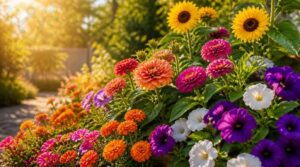
Some plants just thrive when the sun turns up the heat — and these five are built for exactly that. Each one brings reliable color, easy care, and serious staying power through the longest days of summer. Here’s a closer look at the best sun-loving annuals you can plant right now.
If you want to dig deeper into keeping your garden thriving when temperatures soar, gardening tips for hot weather cover everything from watering schedules to soil prep.
Lantana
Lantana is one of those plants that earns its place in any full-sun garden. It blooms continuously from late spring through fall, and its flower clusters shift color as they mature — yellow fading to orange, pink deepening to red — all on the same head. That color-changing bloom alone makes it worth growing. Watch out for whitefly honeydew issue, which can lead to secondary fungal growth on leaves.
Place it where pollinators can find it. Bees, butterflies, and hummingbirds are drawn reliably to its dense, flat-topped clusters. It’s drought-tolerant once established, so heat won’t slow it down.
One caution worth keeping: lantana berries are toxic to children and pets. Prune regularly — it encourages reblooming and keeps the plant compact. In warmer zones, watch for spreading; choose non-invasive cultivars if you’re in a susceptible region.
Portulaca
Portulaca — also called moss rose — steps in where lantana leaves off, blanketing bare, baking spots in jewel-toned color. Its succulent leaves store water, so once established, it thrives on neglect.
Expect low, spreading mats reaching 6–12 inches tall, trailing beautifully over container edges. Colors run pink, orange, red, yellow, and white.
Butterflies visit regularly, making it a quiet pollinator asset.
Zinnia
If moss rose covers the ground, zinnias own the sky — bold, upright, and impossible to ignore. These annual flowers bloom in red, orange, pink, yellow, and white, reaching 6 inches to 4 feet tall depending on your cultivar.
- Full sun planting (6–8 hours daily) keeps colors vivid
- Blooms arrive within 60–70 days from seed
- Deadhead regularly to extend flowering until frost
- Dwarf cultivars suit containers and tight borders beautifully
Butterflies flock to them, and cut flower uses are endless. To prevent powdery mildew, water at soil level and space plants for airflow.
Angelonia
If zinnias bring the fireworks, Angelonia keeps the show going. This "summer snapdragon" thrives in full sun and intense heat, producing slender 12–24-inch spikes in purple, pink, white, and blue.
Cultivars like Angelface Blue and Serena Purple perform especially well in containers.
Pollinators love the spikes, and spent blooms drop cleanly — no deadheading needed.
Annual Vinca
When the heat really cranks up, annual Vinca holds its ground without complaint. This heat resistant workhorse fills beds and containers with glossy, compact mounds and nonstop summer bloom from late spring to frost — no deadheading required.
Three things make it a reliable pick:
- Color range spans pink, rose, white, lavender, and red
- Soil pH of 5.5–6.5 keeps growth strong and foliage green
- Good drainage prevents root rot and Phytophthora blight
Space plants 10–12 inches apart for airflow, and scout regularly for aphids or whiteflies. In container gardening, it pairs beautifully with lantana or portulaca for a bold, sun-soaked display.
Heat-Loving Perennials for Color
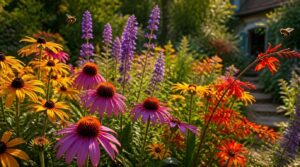
Perennials are the backbone of any sunny summer garden — they come back year after year, getting better with age. If you want reliable color without replanting every season, these heat‑loving picks belong in your beds.
Here are five perennials that thrive under the summer sun and keep your garden looking alive from June through fall.
Coneflower
Few perennials match the staying power of purple coneflowers in a summer garden. Echinacea purpurea thrives in full sun exposure with well-drained soil, reaching 2–5 feet tall.
It’s a magnet for pollinator-friendly flower enthusiasts — bees, butterflies, and moths flock to its nectar-rich blooms from June through September. Don’t deadhead too early; those seedheads feed goldfinches all winter.
Black-Eyed Susan
Black-Eyed Susans (Rudbeckia hirta) are the workhorses of the summer garden color lineup. In full sun with well-drained soil at a pH of 6.0–7.0, they grow 2–3 feet tall and bloom reliably from midsummer through fall.
Leave the seedheads standing come autumn — goldfinches and sparrows depend on them. They’re pollinator-friendly, drought-tolerant once established, and self-seed naturally to form meadow-like colonies.
Shasta Daisy
Shasta Daisy (Leucanthemum x superbum) brings classic summer garden color in a plant that’s as reliable as it is beautiful.
Growing 2–3 feet tall in full sun with well-drained soil, it blooms from late spring through early summer.
Divide clumps every 2–3 years to maintain vigor.
Bees and butterflies can’t resist the cheerful white-and-yellow flower heads.
Russian Sage
For a haze of lavender-blue that lasts all summer, Russian Sage (Perovskia atriplicifolia) delivers. Reaching 3–4 feet tall, its silvery foliage releases a minty fragrance when brushed. It thrives in neutral to alkaline, well-drained soil and shows excellent drought resilience once established.
Prune hard each spring, and watch bees and butterflies flock to this low-maintenance, pollinator-friendly standout.
Bee Balm
Bee balm is one of those sun-loving perennials that earns its place twice over — first as a showstopper, then as a pollinator magnet.
This heat-tolerant perennial grows 2–4 feet tall, blooming in red, pink, purple, or white.
To prevent powdery mildew, space plants well and divide clumps every 2–3 years.
Crushed leaves offer a citrusy herbal fragrance worth savoring.
Top 10 Summer Sun Garden Picks
Building a summer garden that actually thrives takes more than good intentions — it takes the right tools and plants working together.
Whether you’re starting from seed or filling gaps with ready-to-grow starters, these picks are chosen to perform in full sun without demanding constant attention.
Here are 10 products worth adding to your summer garden lineup.
1. Fiskars Bypass Garden Pruning Shears

Every sun garden needs a sharp, reliable tool, and these shears deliver. The bypass blade design cuts live stems up to 5/8 inch without crushing tender growth, ideal for roses and herbaceous perennials.
Precision-ground steel holds an edge through repeated use, while the low-friction coating and sap groove keep blades moving smoothly. The ergonomic, non-slip grips reduce fatigue, and the safety lock secures storage. Backed by a lifetime warranty, this pruner earns its spot among summer garden essentials.
| Best For | Gardeners who regularly prune roses, perennials, and small shrubs and want a comfortable, low-fatigue tool for precise, clean cuts. |
|---|---|
| Product Type | Hand Pruner Tool |
| Sun Requirement | N/A (Garden Tool) |
| Drought Tolerance | N/A (Garden Tool) |
| Pollinator Friendly | N/A (Garden Tool) |
| USDA Zones | N/A (Garden Tool) |
| Maintenance Level | Low (cleaning and oiling required) |
| Additional Features |
|
- Bypass blade design delivers clean cuts on live growth without crushing delicate stems
- Ergonomic, non-slip handles with a safety lock reduce hand fatigue and make storage secure
- Durable all-steel construction with a low-friction coating and sap groove backed by a lifetime warranty
- Limited to branches up to 5/8 inch in diameter, so it’s not suited for thicker wood
- Needs regular cleaning and light oiling to keep it performing well
- May feel a bit large or heavy for users with smaller hands
2. Gazania Heat Drought Tolerant Seed Mix
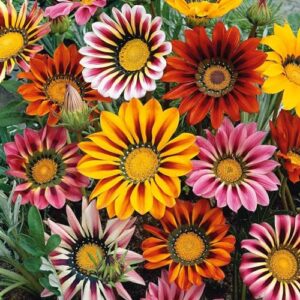
With pruners ready, turn your attention to what actually fills the bed. This seed mix delivers large, 4-inch multicolored blooms that show up early and hold their color clear through frost.
Gazania shrugs off heat, drought, and poor soil with ease. Press seeds onto warm soil, 70-75°F, and expect germination in 14 to 21 days. Once established, plants self-reseed for continuous ground cover, making them a smart pick for hot, dry beds where pickier plants struggle.
| Best For | Gardeners with hot, sunny, or drought-prone spaces who want low-maintenance, long-lasting color in beds, patios, or hanging baskets. |
|---|---|
| Product Type | Annual Flower Seeds |
| Sun Requirement | Full Sun |
| Drought Tolerance | High |
| Pollinator Friendly | Yes – Butterflies |
| USDA Zones | Not Specified |
| Maintenance Level | Low |
| Additional Features |
|
- Large, vivid 4-inch blooms that appear early and last until frost
- Handles heat, drought, and a wide range of soil types with ease
- Self-reseeds for continuous ground cover season after season
- Germination can be inconsistent, with some growers seeing little to no emergence
- Mature plants may grow taller than expected, which can be an issue in windy spots
- Packaging is small and doesn’t clearly label seed contents
3. Mixed Gazania Ground Cover Seeds
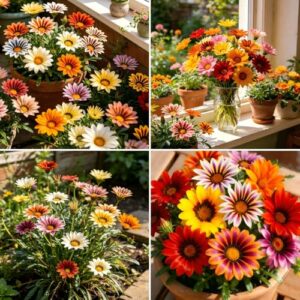
If you want broader coverage than a single mix offers, this seed packet leans into variety. Expect a blend of cultivars producing yellow, orange, and red blooms atop slender blue-green foliage.
Plants form low, spreading mats 8 to 12 inches wide, creating a true carpet effect by midsummer. Sow seeds on warm soil, 70-85°F, with seedlings emerging in 10 to 14 days.
Once rooted, this mix tolerates drought well and rewards you with steady color through the season’s hottest stretch.
| Best For | Gardeners in hot, sunny, coastal, or drought-prone areas (USDA zones 8-10) who want a low-maintenance, mat-forming ground cover with continuous, colorful blooms. |
|---|---|
| Product Type | Perennial Ground Cover Seeds |
| Sun Requirement | Full Sun |
| Drought Tolerance | High |
| Pollinator Friendly | Yes – Bees, Butterflies |
| USDA Zones | Zones 8–10 |
| Maintenance Level | Low (deadheading recommended) |
| Additional Features |
|
- Drought-, heat-, and salt-tolerant, making it ideal for xeriscaping, slopes, and coastal gardens
- Blooms continuously from late spring through fall with minimal watering once established
- Dense, spreading growth habit suppresses weeds and helps prevent soil erosion
- Only perennial in zones 8-10; treated as an annual in colder climates
- Needs full sun and well-drained soil—prone to root rot if overwatered or planted in shade
- Requires surface sowing and regular deadheading to germinate well and keep blooming
4. Purple Showers Ruellia Starter Plants
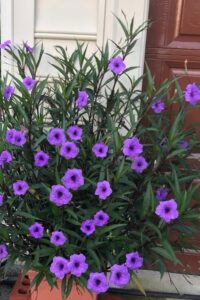
For taller drama, this pack of two bare-root starters brings vertical interest to borders and fences, maturing to 3-4 feet. Deep violet trumpet blooms appear continuously from spring through frost, drawing hummingbirds and butterflies to your beds.
This sterile cultivar won’t self-seed or turn invasive. It manages wet or dry soil with ease, making it a smart pick for rain gardens or pond edges. Give it full sun and deep watering early on, and you’ll get a deer-resistant bloomer that just keeps showing up.
| Best For | Gardeners who want low-maintenance vertical color, especially those dealing with wet spots, deer pressure, or pollinator-friendly planting goals. |
|---|---|
| Product Type | Bare-Root Live Plants |
| Sun Requirement | Full Sun (Best Performance) |
| Drought Tolerance | High (Once Established) |
| Pollinator Friendly | Yes – Hummingbirds, Butterflies |
| USDA Zones | Zones 8–11 (perennial); 4–7 (annual) |
| Maintenance Level | Low (once established) |
| Additional Features |
|
- Blooms non-stop from spring to frost with striking deep violet flowers that pull in hummingbirds and butterflies
- Handles both wet and dry soil well, making it a versatile fit for rain gardens, pond edges, or xeriscape designs
- Sterile and non-invasive, so you get all the beauty without worrying about it spreading where it shouldn’t
- Plants arrive small and bare-root, so they may look underwhelming at first compared to nursery photos
- Needs consistent deep watering through the first growing season to get roots properly established
- Only cold-hardy as a perennial in zones 8–11; gardeners in cooler climates will need to treat it as an annual container plant
5. Desert Bloom Wildflower Mix
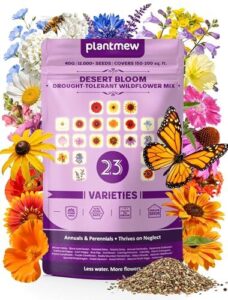
Few seed mixes handle harsh, sun-baked conditions quite like the Desert Bloom Wildflower Mix. This PLANTMEW blend packs 23 heirloom varieties — annuals and perennials together — into one 40g pack covering 150–200 sq ft.
Species like blanketflower, coreopsis, and desert marigold thrive in full sun and poor, dry soil. Once established, they need minimal watering. Bees and butterflies won’t ignore them either. Some perennials take a full season to appear, so patience pays off.
| Best For | Gardeners in hot, dry climates who want a low-maintenance, pollinator-friendly wildflower meadow without constant watering. |
|---|---|
| Product Type | Wildflower Seed Mix |
| Sun Requirement | Full Sun |
| Drought Tolerance | High |
| Pollinator Friendly | Yes – Bees, Butterflies |
| USDA Zones | Not Specified |
| Maintenance Level | Low |
| Additional Features |
|
- 12,000 pure seeds covering up to 200 sq ft — no fillers, just real variety across 23 heirloom species
- Drought-tolerant once established, making it ideal for xeriscaping, rocky slopes, and neglected dry spots
- Attracts bees and butterflies naturally, adding life and color while supporting local pollinators
- Needs consistent light watering at the start — it’s not truly "plant and forget" right away
- Won’t thrive in shade or poorly drained soil, so placement matters a lot
- Some perennial species may not show up until the second season, so the full meadow effect takes time
6. Peachy Knock Out Rose Shrub
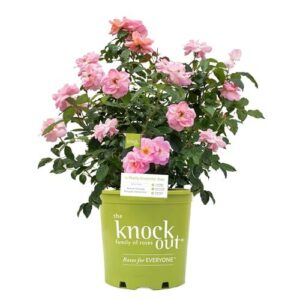
The Peachy Knock Out Rose brings season-long color without the fuss traditional roses demand.
Its shell-pink, semi-double blooms open continuously from spring through frost, rising on a tidy 3–4 ft shrub that needs no deadheading.
Dark, disease-resistant foliage shrugs off black spot and mildew.
Hardy in zones 4–11, it suits borders, foundations, or mass plantings.
Once established, it tolerates drought well — though that first growing season calls for consistent watering.
| Best For | Homeowners who want low-maintenance, long-lasting color in their yard without the usual fuss of traditional rose care. |
|---|---|
| Product Type | Live Flowering Shrub |
| Sun Requirement | Full Sun |
| Drought Tolerance | High (Once Established) |
| Pollinator Friendly | Yes – Bees, Butterflies |
| USDA Zones | Zones 4–11 |
| Maintenance Level | Low (no deadheading needed) |
| Additional Features |
|
- Blooms continuously from spring to frost with no deadheading needed
- Highly disease-resistant and drought-tolerant once established
- Thrives across a wide range of climates (zones 4–11), making it versatile for most U.S. gardens
- The 1-gallon starter size is small and may not make much of a visual impact right away
- Needs consistent watering throughout the first growing season to get established
- Cannot be shipped to California or Arizona
7. Evergreen Lantana Camara Seeds
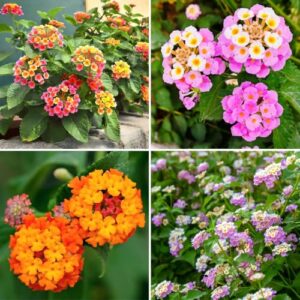
If you’re starting plants from scratch, Evergreen Lantana Camara Seeds give you serious bang for your buck — each pack holds 199 seeds ready to grow into compact, 12–24‑in shrubs.
Soak them for 24 hours first; the hard seed coat needs it. Germination takes 6–8 weeks at 70–75 °F.
Hardy in zones 8–11, lantana blooms continuously from summer to fall, drawing butterflies and hummingbirds to your borders or containers.
| Best For | Gardeners in warmer climates (zones 8–11) who want a high-yield, pollinator-friendly plant for borders, containers, or low-water landscapes. |
|---|---|
| Product Type | Perennial Shrub Seeds |
| Sun Requirement | Full Sun |
| Drought Tolerance | High (Once Established) |
| Pollinator Friendly | Yes – Butterflies, Hummingbirds, Bees |
| USDA Zones | Zones 8–11 |
| Maintenance Level | Low |
| Additional Features |
|
- Great value with 199 seeds per pack, giving you plenty of plants for borders, containers, or hanging baskets
- Heat- and drought-tolerant once established, making it perfect for xeriscaping or low-maintenance gardens
- Blooms continuously from summer to fall, attracting butterflies, hummingbirds, and bees
- Seeds require a 24-hour soak before planting, adding a step to the germination process
- Germination takes 6–8 weeks, so patience is a must before you see results
- Not frost-hardy — gardeners outside zones 8–11 will need to treat it as an annual
8. Colorful Lantana Flower Seeds
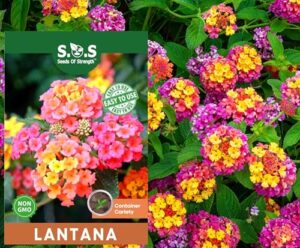
Want a color show that practically runs itself? Colorful Lantana Flower Seeds deliver exactly that — 50 heirloom seeds grown into sprawling, heat-loving plants that flower from late spring straight through frost.
Each bloom cluster shifts hues as it matures, so a single plant displays red, orange, and yellow simultaneously. Plant in full sun with well-drained soil, and you’ll get nonstop color with almost no deadheading required.
| Best For | Gardeners in hot, dry climates who want vibrant, low-maintenance color that attracts pollinators all season long. |
|---|---|
| Product Type | Heirloom Flower Seeds |
| Sun Requirement | Full Sun (6+ hrs daily) |
| Drought Tolerance | High (Once Established) |
| Pollinator Friendly | Yes – Butterflies, Hummingbirds, Bees |
| USDA Zones | Zones 8–11 |
| Maintenance Level | Low (self-cleaning blooms) |
| Additional Features |
|
- Drought-tolerant and heat-loving — thrives in full sun with minimal watering once established
- Self-cleaning blooms shift colors as they mature, delivering a continuous multi-hue display without deadheading
- Attracts butterflies, hummingbirds, and bees, making it a great choice for pollinator-friendly gardens
- Germination can be slow and inconsistent, taking 42–60 days with no guarantee of strong results
- Not a true perennial below Zone 8, so cooler-climate gardeners will need to replant or overwinter each year
- Requires at least 6 hours of direct sun and well-drained soil — shade or soggy conditions will cause poor performance
9. Perennial Blanketflower Native Seeds
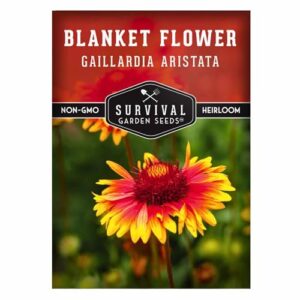
Few plants earn their keep as reliably as Perennial Blanketflower (Gaillardia aristata). These open-pollinated, non-GMO seeds grow into drought-tolerant, deep-rooted plants that return year after year across USDA zones 3–9.
Expect bold red-and-yellow daisy-like blooms from early summer through fall, reaching 12–24 inches tall. They thrive in poor soils, resist deer, and attract bees and butterflies — making them a smart choice for xeriscape or prairie-style plantings.
| Best For | Gardeners in zones 3–9 who want a low-maintenance, drought-tolerant perennial that brings long-season color and pollinators to wildflower, prairie, or xeriscape gardens. |
|---|---|
| Product Type | Perennial Flower Seeds |
| Sun Requirement | Full Sun |
| Drought Tolerance | High |
| Pollinator Friendly | Yes – Bees, Butterflies |
| USDA Zones | Zones 3–9 |
| Maintenance Level | Low |
| Additional Features |
|
- True perennials that come back every year, saving you time and money on replanting
- Incredibly tough — thrives in poor soil, resists deer, and handles heat and drought with ease
- Long blooming season from early summer through fall, drawing in bees and butterflies
- Young seedlings are vulnerable to slug and snail damage and may need protection early on
- Needs full sun to perform well — shady spots will lead to fewer blooms and weaker plants
- Germination can be slow in colder zones or with older stored seeds, so patience is required
10. Blue Balloon Flower Seeds
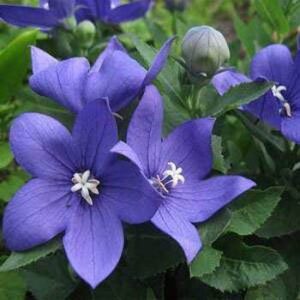
Blue Balloon Flower (Platycodon grandiflorus) might just be the sleeper hit of your summer border. Those balloon-shaped buds swell dramatically before bursting into star-shaped, blue blossoms from mid to late summer — a genuine conversation piece.
Each packet carries 40+ seeds at $6.99, and plants settle comfortably into USDA zones 3–9. Surface sow at 70–75°F, keep soil consistently moist, and expect seedlings within 10–21 days. At 18 inches tall, they slot perfectly into borders or sunny containers.
| Best For | Beginner and family gardeners in USDA zones 3–9 who want a low-maintenance perennial that delivers stunning blue blooms year after year. |
|---|---|
| Product Type | Perennial Flower Seeds |
| Sun Requirement | Full Sun or Partial Shade |
| Drought Tolerance | Not Specified |
| Pollinator Friendly | Not Specified |
| USDA Zones | Zones 3–9 |
| Maintenance Level | Low |
| Additional Features |
|
- Striking balloon-shaped buds open into vivid blue star-shaped flowers that make a real statement in summer borders
- Adaptable and easy to grow — tolerates both full sun and partial shade across a wide range of climates
- Great value at $6.99 for 40 seeds, with plants that come back on their own each year
- Germination can be inconsistent, so sowing depth and keeping soil evenly moist are non-negotiable
- Some buyers have reported seeds failing to sprout at all, raising questions about viability in certain batches
- Needs reliable sun or partial shade to thrive — deep shade spots won’t cut it
Full-Sun Garden Design Ideas
A full-sun garden doesn’t have to mean rows of plants baking in the heat with no real plan behind them.
Whether you’re working with a narrow border, a container on the patio, or a dry slope that nothing seems to love, there’s a design approach that fits.
Here are five ideas to help you make the most of every sunny spot you’ve got.
Pollinator-Friendly Borders
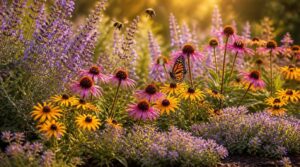
A well-planned pollinator-friendly border turns your sunny garden into a living forage corridor.
Layer tall species like Russian sage behind mid-height coneflower and black-eyed Susan to create vertical bloom layering that guides bees and butterflies naturally.
Stagger bloom times for nectar succession planning and skip pesticides entirely — your pollinators and your blooms will thank you.
Sunny Container Gardens
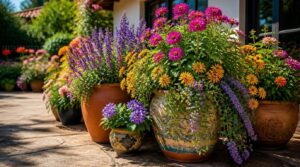
From borders to pots, sun-loving perennials adapt beautifully to container gardening. Use the thriller filler spiller method: a tall zinnia or angelonia as the thriller, compact lantana as filler, trailing vinca as the spiller.
- Choose self-watering planters to reduce heat stress
- Rotate containers weekly for even full sun exposure
- Group pots on south-facing patios for maximum heat retention
- Match garden container height to plant scale
Drought-Tolerant Plant Combos
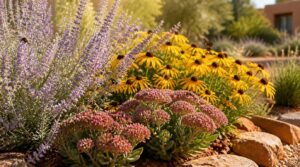
Moving from pots to open beds, drought-tolerant plant combos reward you most when you group species by water needs.
Pair Russian sage with Black-eyed Susan and Sedum — all thrive in dry, well-drained soil with minimal irrigation.
Their staggered bloom times keep your pollinator garden colorful from summer through fall without extra effort.
Groundcovers for Hot Spots
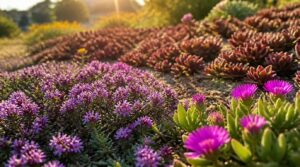
Hot, bare patches don’t have to stay bare.
Creeping thyme forms a fragrant, low mat that accommodates compacted soil and full sun beautifully.
For color, ice plant (Delosperma cooperi) spreads bright magenta blooms across dry, sandy soil.
Sedum spurium thrives in poor, well-drained sites with almost no watering — a true low-maintenance spreader for your hottest spots.
Cottage-Style Summer Color
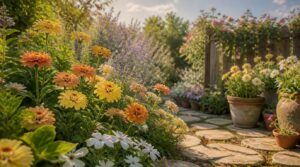
A cottage garden doesn’t need to be complicated — it just needs the right players.
Pair soft yellows and warm apricots with crisp white zinnias or annual vinca for that signature sun-drenched, nostalgic feel. Tuck in lavender or Russian sage for pastel blue accents that echo summer skies. These pollinator-friendly choices deliver textural depth, full-sun endurance, and simple cottage charm all season.
Summer Care for Sun Plants
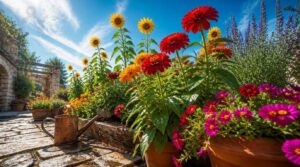
Sun-loving plants are tough, but summer heat still pushes them to their limits. A little consistent care through the hottest months keeps your garden looking sharp instead of scorched. Here’s what your sun plants need most when temperatures climb.
Watering During Heat
Water your sun plants early in the morning, before heat ramps up and steals moisture from the soil. When you do water, soak deeply — aim for 6 to 8 inches down. This trains roots to chase water lower, building real heatwave resilience. Once or twice a week beats daily shallow sprinkles every time.
Water deeply in the morning — roots that chase moisture down six inches laugh at summer heat
Check soil moisture before reaching for the hose. Stick your finger in or use a moisture meter. Containers dry out faster than beds, so inspect them daily during hot spells. Mulch 2 to 3 inches thick over your beds — it’s the simplest evaporation control method you have.
Improving Soil Drainage
Poor drainage suffocates roots faster than drought ever will. Work 2–4 inches of compost into the top 12 inches of soil to open up compacted layers and improve porosity. Sandy soils benefit too — compost helps retain just enough moisture without waterlogging.
For persistently soggy spots, raised beds 12 inches high or subsurface perforated pipes redirect excess water away from roots entirely.
Mulching Sunny Beds
Mulch is your bed’s best defense against summer’s worst. Spread 2–3 inches of organic mulch — wood chips, straw, or compost — evenly across sunny beds to lock in moisture and keep roots cooler. It can cut irrigation frequency by 25–50 percent during dry spells.
Three reasons mulching matters:
- Weed suppression — blocks sunlight, reducing competition
- Soil temperature regulation — shields roots from heat stress
- Moisture retention — slows evaporation between waterings
Keep mulch a few centimeters from stems to prevent rot.
Deadheading for More Blooms
Think of deadheading as telling your plants, "Keep going — you’re not done yet." Remove spent flowers every 1–2 weeks using sharp bypass pruners, cutting just above a healthy leaf node.
This redirects energy away from seed production and toward new blooms. Zinnias, lantana, and bee balm respond especially well, extending their display well into autumn.
Protecting New Plantings
New plants are vulnerable — treat the first six to eight weeks like an investment you can’t afford to lose.
- Lay 2–4 inches of mulch around stems, keeping it off the crown.
- Water deeply, delivering 1 inch per week.
- Install a low barrier fence to prevent trampling.
- Apply fertilizer only after new growth appears.
Frequently Asked Questions (FAQs)
Which plant is best for direct sunlight?
Lantana and zinnia top the list. Both demand at least 6 hours of direct sun per day, endure intense heat, and reward you with nonstop color all summer long.
What summer flowers are good for full sun?
Full sun flowers like zinnias, lantana, and coneflower thrive in six-plus hours of daily sunlight. These heat-tolerant blooms deliver continuous summer color while supporting pollinators and resisting drought.
What is the easiest flower to grow in full sun?
Zinnias might be the most foolproof flower on the planet. Drought-tolerant and fast-blooming, they thrive in full sun, reach color in 60 days, and keep flowering from summer to frost with almost zero effort.
What perennial to plant in full sun?
Coneflower and Black-Eyed Susan are top perennial choices for full sun. Both tolerate heat, require little maintenance, and bloom reliably from summer into fall across most hardiness zones.
What plants grow well in full sun?
Many annuals and perennials thrive in full sun, needing six to eight hours of direct light daily. Top performers include lantana, zinnia, coneflower, and Russian sage — reliable across a wide range of USDA zones.
Are sun-loving plants good for summer gardens?
Yes — sun-loving plants thrive on summer’s intensity, rewarding you with bold color, fewer fungal issues, and lower maintenance. Their heat stress resilience makes them ideal for bright, dry beds all season.
What plants bloom in the summer?
Summer brings a wave of color. Zinnias, bee balm, and coneflowers peak from June through September. Lantana and annual vinca bloom continuously, carrying vivid color from midsummer through frost.
What flowers bloom in full sun?
Full sun lovers bloom with six-plus hours of direct sunlight daily. Zinnias deliver vibrant zinnia colors, marigolds paint summers gold, cosmos float in soft hues, gaillardia laughs through drought, and sedum closes the season strong.
Which flowers are best for a summer garden?
The best flowers for a summer garden combine heat-resistant color with low-maintenance charm. Zinnias, lantana, and coneflower deliver continuous blooms, while attracting pollinators and shrugging off drought with ease.
Can plants grow in full sun?
Absolutely — plants don’t just survive in full sun, they thrive on it. Most need at least 6 hours of direct sunlight daily to fuel photosynthesis, drive vibrant blooms, and build strong, productive growth.
Conclusion
The difference between a garden that fades and one that blazes through August often comes down to a single decision made in spring.
Choose your sun loving plants for summer with intention—pair drought-tough lantana with towering zinnias, anchor borders with coneflower, and let portulaca seal every hot gap.
Water deeply, mulch well, and deadhead consistently.
Do that, and your garden won’t just survive the season’s worst heat. It’ll own it.
- https://earthsally.com/gardening-basics/heat-tolerant-plants.html
- https://www.provenwinners.com/learn/finding-right-plant/20-best-plants-full-sun-and-heat-top-garden-picks
- https://www.southernliving.com/summer-flowers-no-water-11953648
- https://www.gardenia.net/guide/drought-tolerant-plants-shrubs-perennials-grasses-more
- https://www.gardendesign.com/perennials/full-sun.html