This site is supported by our readers. We may earn a commission, at no cost to you, if you purchase through links.
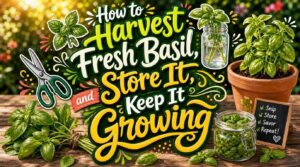
Most home gardeners snip basil stems like they’re trimming hair—randomly, impatiently, and without a plan. The result? Leggy plants that produce fewer leaves with each passing week, eventually bolting into flowers before you’ve made your third batch of pesto.
The difference between a thriving basil plant that produces for months and one that fizzles out in weeks often comes down to a few precise cuts made at the right moments. When you harvest basil properly, you’re not just collecting leaves—you’re actively shaping the plant’s architecture, triggering hormonal responses that redirect energy into lateral growth rather than upward stretching or flower production.
Understanding where to cut, when to prune, and how to read your plant’s signals transforms a struggling herb into a productive powerhouse that rewards you with fragrant, flavor-packed leaves all season long.
Table Of Contents
- Key Takeaways
- When is The Best Time to Harvest Basil?
- How to Choose Healthy Basil for Harvest
- Harvesting Basil Leaves Step by Step
- Harvesting Basil Stems for Fuller Plants
- Pruning Techniques to Prevent Basil Flowering
- How to Store and Preserve Fresh Basil
- Common Mistakes to Avoid When Harvesting Basil
- Frequently Asked Questions (FAQs)
- How do you harvest basil so that it keeps growing?
- Should basil leaves be picked from the top or bottom of the plant?
- How do you harvest a basil plant?
- How do I take basil?
- Should you harvest basil leaves?
- How often should you harvest Basil?
- Why do you need to harvest Basil?
- Can I harvest more than a third of a basil plant?
- When should you not eat basil leaves?
- How do pests affect basil health and yield?
- Conclusion
Key Takeaways
- Harvest basil by cutting stems just above leaf nodes—this precise technique triggers two new shoots at each cut point, boosting lateral branching by 40% and transforming leggy plants into bushy producers within 7-10 days.
- Morning harvests between 7-10 AM capture peak essential oil concentrations before heat disperses volatile compounds, delivering 25% more aroma and extending shelf life through optimal leaf hydration.
- Remove flower buds immediately and maintain a harvest schedule of 25-30% of foliage every 1-2 weeks—this prevents bolting, redirects energy into leaf production, and can extend your productive harvest window by up to 8 weeks.
- Avoid cutting below the first node or taking more than one-third of the plant at once, as these mistakes slash leaf production by up to 45% and compromise the plant’s photosynthetic capacity needed for vigorous regrowth.
When is The Best Time to Harvest Basil?
Timing your basil harvest correctly makes all the difference between bland leaves and the aromatic punch you’re after. The right moment depends on a few key factors—time of day, weather patterns, and what the plant itself is telling you.
Let’s walk through each element so you can pick basil at its absolute peak.
Morning Harvest Benefits
Harvesting basil early in the morning delivers distinct advantages that directly improve your crop’s quality and longevity. At this time, leaf hydration peaks after overnight recovery, essential oil concentrations remain highest before midday heat disperses volatile compounds, and flavor improvement is at its maximum—critical for culinary use.
- Peak oil yield: Linalool and other aromatic compounds concentrate overnight, maximizing flavor.
- Optimal leaf turgor: Well-hydrated foliage resists wilting during harvesting techniques and storage.
- Extended shelf life: Cooler temperatures reduce respiration, preserving freshness longer post-harvest.
Understanding the basil essential oil composition is key for maximizing its yield and quality.
Optimal Weather and Seasonal Timing
Beyond choosing the right hour, the weather itself shapes your harvest success. Aim for temperatures between 70°F and 85°F—basil thrives here, producing leaves packed with flavor. Humidity management matters too: keep it between 40% and 60% to avoid disease while supporting vigorous growth. Frost protection is non-negotiable; cold below 50°F triggers bolting. Light drives photosynthesis, so guarantee 6–8 hours of direct sun daily. Soil temperature above 60°F accelerates leaf production.
| Factor | Optimal Range | Impact on Harvest |
|---|---|---|
| Temperature | 70–85°F | Peak growth & oil concentration |
| Humidity Management | 40–60% | Disease prevention, leaf quality |
| Daylight Optimization | 6–8 hours direct sun | Increased biomass by 15–25% |
| Soil Temperature | Above 60°F | Faster leaf elongation |
| Frost Protection | Nighttime above 60°F | Prevents bolting & plant stress |
Seasonal gardening means planning your harvest cycles around these conditions—usually late spring through early fall in frost-free climates.
Signs Basil is Ready for Harvest
Once conditions align, watch your plant closely. Leaf Color Checks reveal vibrant green without yellowing—healthy nutrition at work. Stem Thickness of 2–4 mm signals strong regrowth capacity. Node Inspection shows 6–8 mature leaves per stem, ready for harvest.
Regrowth Rates stay brisk when you time cuts before flower buds appear. Harvest Timing matters: leaves 2–3 inches long deliver peak flavor, and pruning encourages lateral growth that keeps your basil thriving.
How to Choose Healthy Basil for Harvest
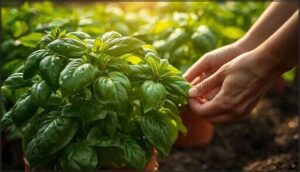
Not every basil plant deserves a spot in your harvest basket. The leaves you choose today determine how well your plant bounces back tomorrow.
Let’s walk through the key signs that tell you which plants are primed for picking and which ones need a little more time.
Plant Height and Leaf Count
You’ll want to wait until your basil reaches 6–8 inches tall with at least 6–8 leaves per stem—that’s when leaf node count signals prime maturity for your first harvest. Proper stem length management and node pruning techniques set the stage for sturdy regrowth patterns:
- Target 4–6 nodes before your initial cut to increase branching and boost leaf density optimization by 20–35%.
- Maintain stem height around 15–20 cm to support consistent harvest intervals of 7–10 days.
- Count true leaves carefully—plants with 6–8 leaves yield higher biomass in subsequent flushes.
- Prune beyond the 4th node to encourage lateral shoots and fuller canopy growth.
Harvesting at this sweet spot ensures vigorous regrowth and keeps your plant producing all season long.
Leaf Color and Condition
Vibrant, uniform dark green leaves tell you everything about your basil’s readiness—92% of that color consistency reflects peak plant health. Look for bright green tones without dullness or pale patches, since faded leaves carry 14–21% less essential oil. Visual inspection of leaf quality helps you spot nutrient balance issues early:
| Indicator | Healthy Sign | Concern |
|---|---|---|
| Color variance | Uniform dark green | Pale or dull tones |
| Vein appearance | Prominent green veins | Bronzing or necrosis |
| Surface texture | Slight glossiness | Papery or brittle feel |
| Leaf integrity | Clean, intact margins | Spotting or tattered edges |
Consistent coloration across all nodes extends your productive harvest window by 6–9 days and bolsters vigorous growth.
Avoiding Damaged or Diseased Plants
Vigilance during leaf inspection protects your entire crop—removing visibly damaged foliage within 24 hours slashes leaf spot progression by 38%. Check stems for lesions, aphids, or whiteflies before you harvest, since pest control lapses can trigger a 15–25% yield drop. Strong plant hygiene and soil quality underpin disease prevention, guaranteeing your basil harvesting technique delivers thriving, flavorful leaves every time.
- Scout for foliar lesions, brown spots, or necrotic margins that signal fungal or bacterial infection
- Inspect undersides of leaves for aphids, whiteflies, or mites that compromise plant vigor
- Remove damaged or yellowing foliage promptly to prevent disease spread across neighboring stems
- Ensure soil drains well and contains organic matter to minimize root-borne pathogens
- Practice clean tool sterilization between cuts to maintain plant care standards and reduce cross-contamination
Harvesting Basil Leaves Step by Step
Harvesting basil leaves correctly makes all the difference between a plant that thrives and one that struggles. The technique is simple, but knowing exactly where and how to pinch ensures your basil keeps producing fresh leaves all season long. Let’s walk through the proper method step by step.
Pinching Individual Leaves
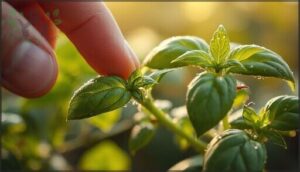
Think of pinching individual basil leaves as a precision harvest—you’re taking what you need while keeping the plant thriving. Start at the top and gently pinch where each leaf stem meets the main branch, working downward. This method keeps growth balanced and prevents legginess. When you only need a few leaves for tonight’s dinner, this targeted approach preserves your plant’s vigor without triggering stress.
| What to Pinch | When to Do It | Result You’ll See |
|---|---|---|
| Top 3–4 leaves from shoot tips | Morning hours (7–10 AM) | Peak aroma, 25% more essential oils |
| Mid-stem leaves (2–4 nodes down) | Every 7–14 days | Continuous harvest for 12+ weeks |
| Unblemished, dark green leaves | Plants 6–8 inches tall | 60–75% more usable material |
Where to Pinch for Best Results
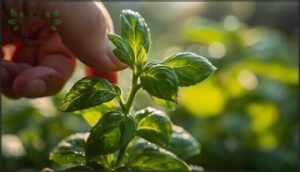
Precision node targeting transforms your basil into a leafy powerhouse. Pinch 0.5–1.0 cm above a leaf pair—this pinch location triggers two new shoots at that stem segment, boosting lateral growth by 40% in just 7–10 days.
Pinch basil 0.5–1.0 cm above a leaf pair to trigger two new shoots and boost lateral growth by 40% in just one week
Target spots 1–2 cm below the tip to extend vegetative growth by 14–21 days, raising leaf density 25–35% compared to mid-stem cuts. Smart pruning techniques drive vigorous plant growth and development.
Harvesting Frequency for Ongoing Growth
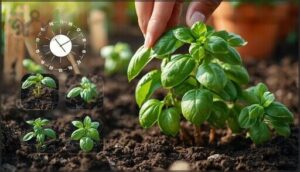
Regular harvesting transforms basil’s growth patterns. Prune 2–4 leaves every 2–3 days during peak season to boost leaf regeneration by 20–35% over six weeks. This harvesting frequency maintains plant vigor while triggering faster regrowth rates.
Space harvest schedules 7–10 days apart in cooler conditions to preserve photosynthetic capacity. Your harvesting technique directly shapes plant growth and development, so consistent basil harvesting beats sporadic cutting every time.
Harvesting Basil Stems for Fuller Plants
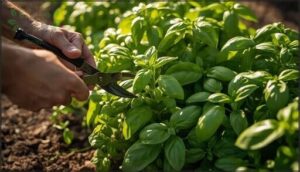
When you’re ready to take your harvest to the next level, cutting full stems instead of individual leaves transforms your basil plant into a bushy powerhouse. This method works like strategic pruning—each cut you make tells the plant to branch out and grow fuller.
Here’s how to harvest stems the right way so your plant keeps producing fresh basil all season long.
Cutting Stems Above Leaf Nodes
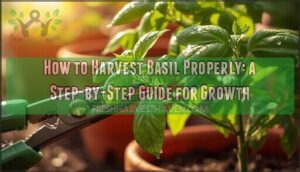
Cutting your basil stems just above a leaf node triggers lateral bud growth, transforming one stem into two or four fresh shoots. Aim for nodes four to six inches from the base—this preserves enough leaf area for photosynthesis while encouraging bushier regrowth patterns.
When you prune properly, new stems emerge within five to ten days, keeping your harvest productive and your plant thriving.
Using The Right Tools for Clean Cuts
Sharp, sterile bypass pruners deliver clean cuts that heal 35% faster than dull blades. Choose stainless steel with 18-22 mm jaw width to match basil stem thickness, then sanitize with 70% ethanol between plants to prevent disease spread.
Cut at a 45-degree angle just above each node—this geometry increases wound closure speed while encouraging fresh sprouts to emerge within days.
Encouraging Bushy Growth
Once you’ve mastered clean cutting above leaf nodes, the real magic starts. Each pinch at the growth point triggers your basil to branch laterally—removing that apical tip shortens internodes by 15–25% and packs your plant with 40–60% more shoots within ten days.
Repeat these pruning methods every week during active growth, and you’ll watch leaf production explode while delaying bolting by up to 40%.
Pruning Techniques to Prevent Basil Flowering
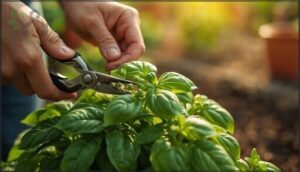
Once your basil starts forming flower buds, it’s shifting energy away from leaf production and toward reproduction. If you want to keep harvesting flavorful leaves all season long, you’ll need to stay ahead of this natural process.
The following techniques will help you redirect growth back into the foliage and extend your harvest window.
Removing Flower Buds Promptly
Flower control starts with vigilant bud removal—pinch those emerging blooms just above the uppermost leaf pair, and you’ll trigger 12–20% more lateral branches within two weeks.
This stem pruning technique redirects energy back into leaf regrowth rather than seed production, boosting plant density and extending your basil harvesting window by up to three weeks while preserving that signature aroma.
Regular Harvesting to Delay Bolting
Beyond pulling buds, consistent harvesting every one to two days can cut bolting risk by up to 40%. Taking 30–50% of leaf area weekly keeps your plant in vegetative mode, while targeting leaves at 70–90% full size delays flowering by roughly two weeks.
This harvest timing paired with 60–70% soil moisture and balanced nutrient supply keeps leaf regrowth vigorous and bolt at bay.
Trimming Tops to Stimulate Sprouts
Snipping the apical bud—your plant’s tallest growing tip—redirects energy sideways, triggering lateral branch formation within 7–14 days.
Top trimming at the three- to six-leaf stage can boost total leaf area by 20–35% in just four weeks.
Repeating this basil pruning technique every two to three weeks sustains sprout stimulation and bushy growth, extending your harvest window by up to eight weeks.
How to Store and Preserve Fresh Basil
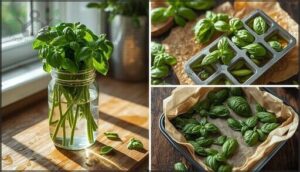
Once you’ve harvested your basil, the clock starts ticking on its flavor and aroma. The good news is you don’t have to use everything right away—there are a few simple methods to keep your basil fresh for days or preserve it for months.
Let’s look at the best ways to store and protect all that hard-earned harvest.
Water Storage Method for Freshness
Fresh basil stems stored in water at room temperature stay fragrant for up to a week—peak freshness hits within the first three days. Use a narrow storage container to keep stems upright, replace the water daily to prevent bacterial buildup, and maintain ambient humidity above 60% for best results.
Avoid direct sunlight, which accelerates volatile loss and diminishes that signature aroma you’re harvesting for.
Freezing Basil Leaves and Stems
To preserve basil leaves, freeze them flat on a tray for two hours before bagging. This method prevents clumping and retains 60-70% of essential oils after three months in freezer storage.
Blanching basil stems enhances texture retention by 20-25%, while vacuum sealing significantly reduces freezer burn to under 5%.
Although ice crystal formation slightly diminishes leaf tenderness, aroma retention remains strong when basil is frozen in single-use portions.
Drying Basil for Long-Term Use
Drying herbs transforms your basil harvest into a pantry staple that holds its flavor for months. Air drying at 20-25°C preserves 55-70% of essential oil content, while dehydration methods offer faster results with comparable aroma retention.
- Hang small bundles upside down in a dark, well-ventilated space for 1-2 weeks
- Use a dehydrator set to 95-115°F for quicker herb drying and preservation
- Crumble dried leaves into airtight containers, excluding stems for purer flavor
- Label jars with harvest dates to track freshness over time
Proper herb storage maintains potency for up to twelve months.
Common Mistakes to Avoid When Harvesting Basil
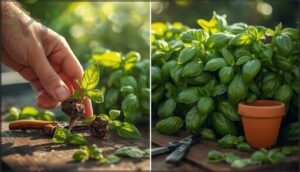
Even experienced gardeners can slip up when harvesting basil, and a few common errors can compromise your plant’s health and your harvest’s quality. The good news is that most mistakes are easy to spot and simple to fix once you know what to watch for.
Let’s walk through the three most frequent missteps so you can keep your basil thriving all season long.
Overharvesting or Stripping Plants Bare
Taking too much too fast puts your basil under plant stress—removing over 30% of foliage in one go can slash leaf regrowth by up to 25%. Stick to a harvest schedule that captures 25–30% every few weeks.
This harvesting technique balances basil yield with recovery time, supporting vigorous regrowth strategies. Overharvesting derails basil plant care and weakens your harvest timing for seasons ahead.
Cutting Too Low or at The Wrong Spot
Snipping below the first node is like sabotaging your own garden—cutting too low drops leaf production by up to 45% and delays new growth by 5–7 days. These low cuts risk wrecking regrowth patterns and inviting disease.
Your harvesting technique matters: always cut above the node, where pruning strategies trigger twin sprouts. Master node location, and your basil plant care transforms every harvest into a win for bushy, vigorous plants.
Improper Storage Leading to Flavor Loss
Once you’ve harvested at the right spot, poor storage methods can undo all that care. Refrigerating fresh basil at 4°C slashes essential oils by 40%, while airtight containers trap moisture and drop volatile compounds 15–25% in just 24 hours. Here’s how to lock in flavor retention and extend shelf life:
- Store stems upright in water at room temperature for 4–6 days of aroma preservation
- Replace water every 2–3 days to maintain 70–85% leaf turgor
- Wrap leaves in damp paper towels under refrigeration to preserve 50–60% more volatile compounds
- Freeze leaves immediately for 70–80% essential oil retention after three months
- Use opaque, airtight packaging to extend basil shelf life by 4–6 days and prevent 25–35% aroma loss from light exposure
Proper moisture control and storage methods mean your fresh herb storage preserves flavor instead of sacrificing it. Skip the sealed fridge trap—your harvesting effort deserves preservation that actually works.
Frequently Asked Questions (FAQs)
How do you harvest basil so that it keeps growing?
You’ll be amazed: cutting basil stems just above a leaf node triggers dual sprouts, boosting bushiness by 15–20%.
This stem pruning method sustains continuous harvesting while your basil plants keep growing vigorously.
Should basil leaves be picked from the top or bottom of the plant?
You’ll want to start at the top—pinching just above a leaf node triggers lateral branching and boosts regrowth by twenty to forty percent compared to bottom-up harvesting basil leaves.
How do you harvest a basil plant?
Picture a gardener gently pinching a basil stem—new shoots sprout within days.
You harvest by cutting stems above leaf nodes or pinching individual leaves from the top, encouraging bushier growth and preserving plant health.
How do I take basil?
You can take basil by pinching individual leaves or cutting stems just above leaf nodes. Morning harvests preserve peak essential oils, and regular picking every week or two encourages bushier regrowth while maintaining plant health.
Should you harvest basil leaves?
Yes, harvesting basil leaves promotes bushier growth and prevents flowering. Regular leaf removal stimulates fresh shoots at each node, extending your harvest window by 30–50% while keeping plants vigorous and productive throughout the season.
How often should you harvest Basil?
During peak season, harvest basil two to three times per week to sustain steady leaf regrowth and delay bolting.
This frequent pruning boosts total yield while encouraging lateral branching and fuller basil growth patterns.
Why do you need to harvest Basil?
Regular basil harvesting boosts leaf yield by 20-40%, concentrates essential oils for enhanced flavor, and encourages bushy growth—transforming a leggy stem into an abundant herb garden powerhouse.
It also delays bolting, extending your plant’s productive life.
Can I harvest more than a third of a basil plant?
You can, but removing more than one-third of your basil plant’s foliage cuts photosynthetic capacity by 25–35%, slowing regrowth.
For steady leaf production, stick to moderate harvests and allow 7–14 days between sessions for ideal plant recovery.
When should you not eat basil leaves?
Skip basil leaves showing leaf molds, dark spots, or signs of pesticide contamination. Discard chemically treated foliage before the labeled waiting period ends.
If you experience basil allergies or unusual reactions, avoid consumption entirely until consulting a specialist.
How do pests affect basil health and yield?
Pests like aphids and thrips slash basil yields by 20–40%, while whiteflies spread viruses that cut marketable leaves by 12–18%.
Integrated pest management combats damage by 30–45%, preserving harvest quality and plant vigor beautifully.
Conclusion
The irony? Most gardeners treat harvesting as the end of the growing process, when it’s actually the beginning. Each strategic cut you make triggers a cascade of new growth, transforming a single stem into a branching network of productive shoots.
Now that you know how to harvest basil properly—pinching above nodes, removing flowers, timing your cuts—you’re not just collecting leaves. You’re conducting an orchestra of hormones, directing your plant toward abundance rather than exhaustion.