This site is supported by our readers. We may earn a commission, at no cost to you, if you purchase through links.
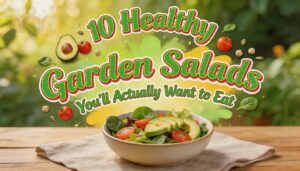
Most salads earn their bad reputation. A pile of iceberg lettuce, a few sad tomato wedges, and a drizzle of bottled ranch aren’t a meal—it’s a side dish pretending to be one.
But a well-built garden salad? That’s different.
Spinach and kale pack more iron and vitamin K than most people get all day.
Toss in chickpeas, avocado, and a handful of pumpkin seeds, and you’ve got protein, fiber, and healthy fats doing serious work.
Healthy garden salads don’t have to feel like a compromise—they just need the right ingredients in the right combinations.
Table Of Contents
- Key Takeaways
- Healthy Garden Salad Basics
- 10 Healthy Garden Salad Ideas
- Classic Mixed Green Garden Salad
- Cucumber, Tomato, and Herb Salad
- Kale and Roasted Vegetable Salad
- Spinach, Strawberry, and Nut Salad
- Chickpea and Chopped Vegetable Salad
- Grilled Chicken Garden Salad
- Quinoa and Fresh Vegetable Salad
- Avocado and Black Bean Garden Salad
- Mediterranean Garden Salad
- Warm Harvest Garden Salad
- Protein and Topping Upgrades
- Dressings, Prep, and Storage Tips
- Top 3 Garden Salad Essentials
- Frequently Asked Questions (FAQs)
- Is garden salad healthy for weight loss?
- What should you put in a garden salad?
- What are the healthiest veggies to put in a salad?
- Can garden salads help with weight loss goals?
- Which vegetables should diabetics avoid in salads?
- How do you prevent salad ingredients from browning?
- Whats the shelf life of homemade salad dressing?
- Can garden salads help reduce inflammation naturally?
- Are garden salads safe for people with diabetes?
- How do seasonal ingredients affect salad nutrition?
- Conclusion
Key Takeaways
- A well-built salad isn’t just greens — pair dark leafy bases like spinach or kale with chickpeas, avocado, and seeds to get real protein, fiber, and healthy fats in one bowl.
- Color is your nutrient roadmap: red, orange, purple, and white vegetables each deliver distinct vitamins, so the more variety you add, the less guesswork you need.
- Dressing and topping choices make or break a healthy salad — two tablespoons of a simple DIY vinaigrette beats bottled dressings every time for both calories and flavor.
- Meal prep keeps healthy eating consistent: layer grains and proteins at the bottom of containers, store dressings separately, and cut delicate veggies fresh to hold crunch all week.
Healthy Garden Salad Basics
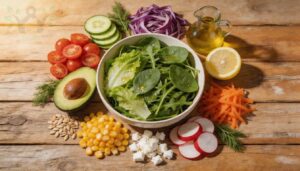
A great salad starts with knowing what actually goes into it. Before you start stacking ingredients, it helps to understand the basics — what makes a bowl genuinely nourishing versus just green.
Once you nail down the fundamentals, these quick garden salad recipes show exactly how simple ingredients can come together into something genuinely satisfying.
Here’s what you need to know.
What Makes a Garden Salad Healthy
A truly healthy garden salad starts with balance — not just ingredients.
Here’s what makes it work:
- Fresh ingredients from seasonal vegetable salads boost micronutrient balance naturally
- Colorful vegetables deliver vitamins A, C, and folate
- Lean, protein-packed salad options keep you full longer
- Low-calorie dressings support portion control strategies
- Sodium reduction techniques mean skipping heavy store-bought dressings
Consuming leafy greens can match the cognitive performance equivalent of being 11 years younger.
Best Leafy Greens for a Nutrient-rich Base
Your base greens do more than fill the bowl. Spinach Iron Boost comes from one of the most iron-dense leaves around.
Kale Vitamin K clocks in at roughly 680% of your daily value per 100g. Want Arugula Peppery Crunch? It also delivers calcium and folate.
Swiss Chard Magnesium, and Romaine Hydration round out your mixed garden greens toolkit perfectly.
Colorful Vegetables to Add More Vitamins
Greens give you the base — now color does the heavy lifting. Think of your salad as a rainbow on a plate:
- Red Vitamin Boost — tomatoes and red peppers deliver vitamin C plus lycopene.
- Orange Carotene Power — carrots and sweet potatoes fuel vitamin A.
- Purple Anthocyanin Rich — red cabbage adds protective pigments.
- White Calcium Source — cauliflower brings folate and vitamin C quietly.
Rainbow Nutrient Balance means more coverage, less guesswork.
Healthy Fats, Fiber, and Crunch
gives you vitamins — now let’s talk satisfaction. Healthy fats, fiber, and crunchy texture are what make a salad actually fill you up.
| Topping | What It Brings |
|---|---|
| Avocado Cream | Monounsaturated fats, 6.7g fiber per half |
| Almond Fiber + Pumpkin Seed Crunch | 3.5g and 5.2g fiber per ounce |
| Flax Omega + Crisp Cabbage | Omega-3s plus insoluble fiber snap |
Add avocado, walnuts, or seeds. Done.
Is Garden Salad Healthy for Weight Loss?
Yes — and the numbers back it up. A basic garden salad without dressing sits around 39–153 calories, making calorie density naturally low.
Research shows eating salad first cuts meal intake by roughly 57 calories through improved satiety index.
Add lean protein for lasting fullness, practice portion control with dressings, and watch sodium management with packaged toppings.
Smart choices make healthy garden salad recipes genuinely weight-loss friendly.
10 Healthy Garden Salad Ideas
Here are ten salads worth making more than once. Each one brings something different to the table — different textures, flavors, and reasons to actually look forward to lunch.
Pick one and start there.
Classic Mixed Green Garden Salad
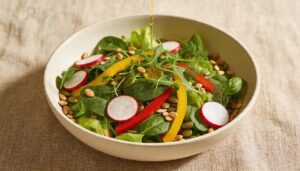
Start with mixed garden greens — romaine, spinach, arugula. Add radishes and bell peppers for crunch.
For a finishing touch, try adding watermelon and feta — these salty-sweet fruit salad pairings balance the peppery arugula beautifully.
Drizzle a Classic Garden Salad with Lemon Vinaigrette made from olive oil, lemon juice, and Dijon.
Toss in fresh herbs or microgreen boosts for nutrient-dense bowls.
Swap croutons with toasted seeds for DIY crouton alternatives.
Watch your portions — healthy garden salad recipes work best when toppings don’t pile up.
Cucumber, Tomato, and Herb Salad
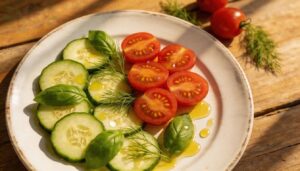
Cucumber, tomato, and herb salad is one of those garden fresh ingredients combinations that just works.
Cucumber slice uniformity matters — even cuts mean every bite has the same satisfying crunch. Tomato sweetness balance comes naturally when you choose ripe tomatoes.
Add fresh herbs right before serving; herb freshness timing is everything.
This cucumber tomato basil salad is a healthy vegetable-based salad that keeps things simple and bright.
Kale and Roasted Vegetable Salad
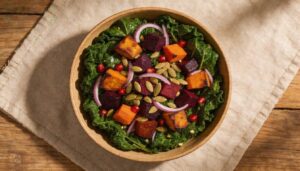
Kale doesn’t have to be tough or bitter. The secret is a quick kale massage — work in a little salt or dressing with your hands until the leaves soften.
Then roast your seasonal veg pairings at 400–425°F for that deep, caramelized flavor. Sweet potatoes, beets, or carrots all shine here.
Finish with pumpkin seeds for seed crunch. Nutrient-dense, simple, and genuinely satisfying.
Spinach, Strawberry, and Nut Salad
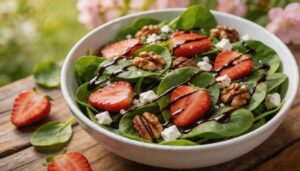
Few salads hit spring harvest inspiration quite like a spinach strawberry salad.
Baby spinach gives you a nutrient-dense base — mild, fresh, ready for bold partners. Sliced strawberries bring seasonal fruit variations all season long.
Toast your walnuts or pecans for real toasted nut flavor.
A sweet balsamic dressing ties it together, and low-fat cheese options like feta keep it light.
Chickpea and Chopped Vegetable Salad
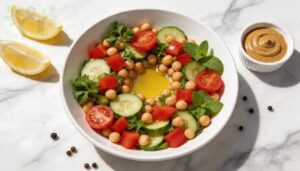
Chickpeas are a quiet powerhouse — one cup delivers 14.5 grams of protein and 12.5 grams of fiber, making this one of the best protein-fiber balance options in vegetarian and vegan salad ideas.
Chop in cucumber, bell pepper, and fresh herbs for texture contrast. A citrus dressing pairing — lemon, olive oil, Dijon — keeps it bright.
Mediterranean chickpea salad, done right.
Grilled Chicken Garden Salad
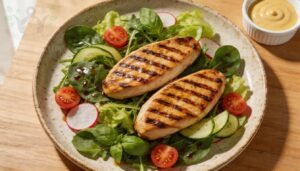
Now for the protein move. Two boneless chicken breasts, grilled to 165°F, land around 25g of protein each — real fuel.
Marinade Variations keep it interesting: balsamic vinaigrette one week, honey mustard the next. seasonal ingredients as they come.
Pile over mixed greens, add fresh herbs, and you’ve got low-calorie yet satisfying meals that actually hold you over.
Quinoa and Fresh Vegetable Salad
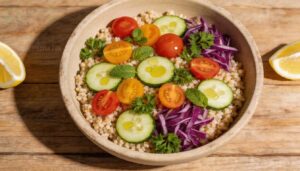
Switch from chicken to grains and you’ve got a different kind of power. Your Quinoa Garden Salad with Fresh Herbs starts with one cup rinsed quinoa — Quinoa Rinsing Tips matter here, since saponins make it bitter.
Boil, cool, then toss with seasonal garden salad recipes in mind: cucumbers, cherry tomatoes, fresh herb and spice combinations like parsley and mint.
Eight grams of protein per cup. Nutrient-dense bowls, done.
Avocado and Black Bean Garden Salad
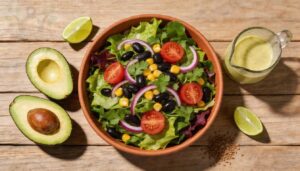
Grains are great, but sometimes you want something heartier. Your Southwest Garden Salad with Black Beans and Avocado brings the real deal — two cans of black beans, two ripe Hass avocados, and a lime-cumin dressing that hits every note.
- Gut-friendly Fiber Benefits: 9 grams per serving keeps you full longer.
- Texture Balance Techniques: fold avocado in last to keep it creamy, not mushy.
- Citrus Dressing Variations: swap lime for lemon, add chili flakes — done.
Nutrient-dense, plant-based, and built for Seasonal Ingredient Swaps anytime.
Mediterranean Garden Salad
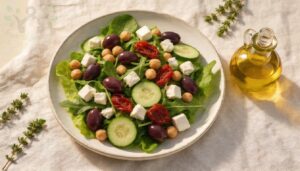
From bold Southwest flavors to something a little more timeless — meet your Mediterranean Garden Salad with feta and olives.
Romaine and arugula form a nutrient-rich base, while Kalamata olives bring briny depth and chickpeas add plant protein.
Drizzle extra-virgin olive oil with red wine vinegar, toss in Mediterranean herbs, crumbled feta, and cucumber.
Simple, healthy eating at its best.
Warm Harvest Garden Salad
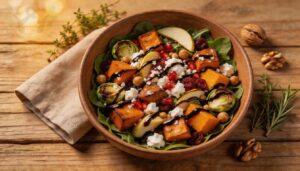
Your Warm Harvest Garden Salad is the season on a plate.
Think roasted sweet potatoes, a Roasted Veggie Mix of caramelized butternut squash and crispy Brussels sprouts, topped with Crispy Chickpea Crunch and Nutty Cheese Toppings, like crumbled goat cheese.
Drizzle Warm Balsamic Dressing over Seasonal Fruit Pairings — pomegranate, apple, dried cranberries.
Seasonal ingredients, farm-to-table freshness. Your Harvest Bowl, reimagined.
Protein and Topping Upgrades
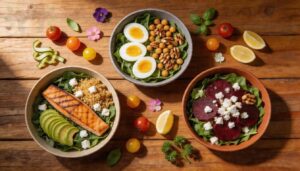
great salad doesn’t stop at greens — what you put on top is what makes it a real meal. The right proteins, grains, and toppings turn a side dish into something that actually keeps you full.
Here’s what to reach for.
Lean Proteins for a Complete Meal
Protein turns a salad from a side dish into a real meal. Your best animal-based picks:
- Grilled chicken delivers ~26g protein per 3 oz — ideal for a Grilled Chicken Garden Salad with Honey Mustard Dressing
- Lean beef or turkey hits 22–25g with smart portion control tips
- Fatty fish adds omega-3s alongside solid macro balance guidance
Grill, bake, or steam — cooking techniques matter.
Plant-based Proteins for Vegetarian Salads
You don’t need meat to build a protein-packed salad options that actually fill you up.
Chickpea benefits shine at 15g protein per cup, while edamame crunch adds 17g with a pop of color.
Tofu marination lets it soak up any dressing beautifully. Lentil texture holds firm when chilled.
And quinoa completeness means all nine essential amino acids — making these vegan and plant-based salad ideas genuinely nutrient-dense meals.
Whole Grains for Longer-lasting Fullness
Adding whole grain fiber to your salad is like installing a slow-burn engine — it keeps you going long after the meal ends. Slow-digestion carbs like farro, brown rice, and quinoa deliver real grain nutrient density without the crash.
Whole grains are a slow-burn engine — fueling you long after the meal ends
- Quinoa adds satiety-boosting grains plus complete protein
- Farro brings chewy texture and portion-controlled grains
- Brown rice balances any grain bowl beautifully
Nuts and Seeds for Texture and Healthy Fats
Crunchy Nut Toppings aren’t just texture — they’re nutrition doing double duty.
Crushed walnuts and pepitas deliver an Omega-3 Seed Boost plus healthy fats in one small handful. Toast them first for deeper Toasted Seed Flavor.
Keep Portion Size Guidance simple: one ounce is enough.
| Topping | Benefit |
|---|---|
| Walnuts | Omega-3s, Nutrient Dense Crunch |
| Pepitas | Crisp texture, magnesium |
Fruit and Cheese Pairings for Balance
Fruit and cheese pairings bring real flavor contrast to your salad bowl. The right match is about texture harmony, not luck. Think thinly sliced pears with bold blue cheese, or watermelon with salty feta.
- Pear and Blue Cheese Garden Salad with Candied Pecans
- Watermelon Feta and Mint Salad
- Caprese Garden Salad with Fresh Mozzarella
Seasonal fruit at peak ripeness always wins.
Low-calorie Topping Swaps That Still Satisfy
Beyond cheese pairings, smart topping swaps keep your bowl low‑calorie yet satisfying.
Try Creamy Yogurt Swaps — plain Greek yogurt adds protein‑packed richness without the fat. Air-popped Crunchy Popcorn Toppings replace croutons beautifully. Briny Salsa Alternatives punch up flavor fast. Herb Zest Boosters like fresh dill or lemon zest add layers. Umami Nutritional Yeast delivers cheesy depth — zero guilt, full satisfaction.
Dressings, Prep, and Storage Tips
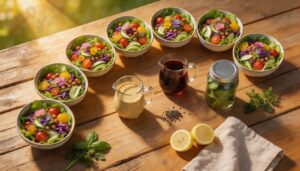
A great salad can fall apart fast with the wrong dressing or a soggy base.
The good news is that a few simple habits keep everything tasting fresh from Monday to Friday.
Here’s what you need to know before building your next bowl.
DIY Vinaigrettes With Simple Ingredients
Skip the bottled stuff. DIY salad dressings and vinaigrettes are simpler than you think — and way better for you.
- Nail your Oil-Acid Ratio: 3 parts olive oil to 1 part acid is classic.
- Use lemon juice or citrus vinaigrette for brightness.
- Add Natural Emulsifiers like Dijon or honey to bind it.
- Finish with Citrus Zest for instant aroma.
- Try Herb Infusions — parsley or chives stirred in last.
How to Wash and Dry Produce Properly
Your dressing is ready — now make sure what goes in the bowl is just as clean.
Start with handwashing hygiene: soap and warm water, 20 seconds minimum. Then give everything a cold water rinse, rubbing gently with your hands. Use a brush on firm produce like cucumbers or carrots.
| Produce Type | Cleaning Method | Drying Method |
|---|---|---|
| Leafy greens | Swish in cool water | Salad spinner drying |
| Firm vegetables | Brush firm produce under running water | Paper towel drying |
| Delicate berries | Gentle rinse only | Blot carefully |
Dry thoroughly — wet leaves dilute your dressing fast.
Cutting Vegetables for Better Texture
Now that your produce is clean and dry, how you cut it matters more than you’d think. Uniform Cut Size keeps bites consistent. Knife Sharpness prevents bruising. Cut Direction controls chew — slice across fibers for tenderness, lengthwise for crunch. Cut Shapes like julienne or chiffonade add variety.
For crunchy salad textures, time your cuts right: Crispness Timing means cutting cucumbers and radishes just before serving.
How Much Dressing to Use
Two tablespoons. That’s your starting point — Dressing Ratio baseline.
Start there, toss well, then taste before adding more. This Tossing Technique coats every leaf evenly and keeps you in control.
A light vinaigrette spreads farther than creamy options, so Calorie Awareness means using less than you think.
Flavor Balance comes from smart Portion Control — not from drowning your greens.
Meal-prep Tips for Fresh Salads All Week
Meal prep doesn’t have to feel like a Sunday chore. Build your week around a Container Layering Strategy — grains and proteins at the bottom, fresh produce on top.
Lean on Ingredient Pre-cooking: roast your chicken, cook your quinoa, and portion everything using simple Portion Control Guides.
Watch for Shelf-life Indicators like wilting or color changes. Cold Storage Hacks keep nutrient-dense meals ready in minutes.
Keeping Lettuce Crisp and Toppings Fresh
Keeping your lettuce crisp starts with one rule: control the moisture. Line storage containers with Paper Towel Liners to absorb condensation, and use Separate Dressing Containers so your fresh salad stays dry until serving.
Try Ice Water Revival — soak wilted greens in ice water for 10 minutes and they’ll bounce right back.
Use Humidity Controlled Storage and Ethylene Free Placement away from fruits to lock in that crunch all week.
Top 3 Garden Salad Essentials
The right tools make all the difference between a salad that comes together and one that falls apart. You don’t need a full kitchen overhaul — just a few solid essentials that pull their weight every time.
Here are the three worth having.
1. 50 ml Deep Form Mortar Pestle
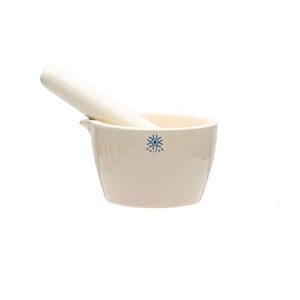
This little tool punches way above its weight. The 50 ml Deep Form Mortar Pestle lets you grind fresh garlic, crush peppercorns, or blend spice pastes right before tossing your salad — no bottled shortcuts needed.
Its porcelain build resists acids from citrus and vinegar, so your dressings stay clean and uncontaminated. The glazed exterior wipes down fast.
Small enough to fit in a drawer, sturdy enough for daily prep.
Fresh flavor starts here.
| Best For | Home cooks, pet owners, and lab users who need a compact, easy-to-clean tool for small-batch grinding, crushing, or blending. |
|---|---|
| Material | Porcelain |
| Primary Use | Spice Grinding |
| Ease of Cleaning | Hand Wash, Wipe Down |
| Durability Concern | Chips if Dropped |
| Best For | Small-Batch Grinding |
| Size/Capacity | 50 ml |
| Additional Features |
|
- Handles heat like a champ — safe for oven and autoclave use up to 1000°C
- Smooth glazed interior cleans up fast and cuts down on cross-contamination
- Resists acids from citrus, vinegar, and most common chemicals
- At just 50 ml, it’s too small for anything beyond small-batch tasks
- Porcelain chips or breaks if you drop it — handle with care
- Feels very light, which can make heavy-duty grinding a little awkward
2. BARIANI Extra Virgin Olive Oil
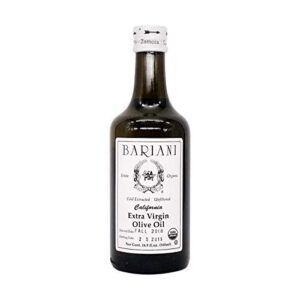
Your dressing is only as good as your oil. Bariani Extra Virgin Olive Oil is cold-pressed, unfiltered, and stone-crushed in California — so what hits your salad bowl is the real thing.
That grassy, peppery finish? It transforms a simple lemon vinaigrette into something worth making again.
High in polyphenols, bottled in dark glass, and free from additives. Use it to finish, drizzle, or dip.
At $22, it’s a small investment in big flavor.
| Best For | Home cooks and food lovers who want a high-quality, small-batch finishing oil with bold flavor and serious health credentials. |
|---|---|
| Material | Dark Glass Bottle |
| Primary Use | Salad Dressing |
| Ease of Cleaning | Rinse Bottle |
| Durability Concern | Bottle May Break in Shipping |
| Best For | Finishing & Drizzling |
| Size/Capacity | Single Bottle (~500ml) |
| Additional Features |
|
- Cold-pressed, unfiltered, and certified organic — as close to straight-from-the-olive as you can get
- Rich in polyphenols and free from additives, so you’re getting all the good stuff EVOO is known for
- Made in California, which means it’s fresher than most imported options by the time it hits your kitchen
- That strong, peppery bite isn’t for everyone — if you like a mild or neutral oil, this probably isn’t your match
- Unfiltered means sediment in the bottle, which can catch some people off guard
- The dark glass bottles have been known to break or leak during shipping, and there’s no return policy if that happens
3. Utopia Kitchen 5 Piece Knife Set
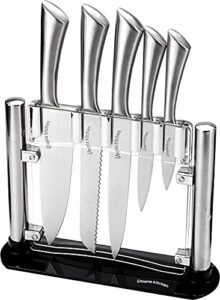
Sharp knives make every chop, slice, and dice cleaner — and that matters more than you’d think when you’re prepping fresh vegetables daily. Utopia Kitchen 5-Piece Set covers all your bases: an 8-inch chef knife, bread knife, carving knife, a 5-inch utility knife, and a 3.5-inch paring knife.
Full-tang stainless steel construction keeps everything balanced and sturdy.
acrylic stand keeps blades organized on your counter.
Hand-wash only — skip the dishwasher to protect the edge.
| Best For | Home cooks setting up a new kitchen who want a reliable, no-fuss knife set that covers all the basics without breaking the bank. |
|---|---|
| Material | Stainless Steel |
| Primary Use | Vegetable Cutting |
| Ease of Cleaning | Hand Wash Only |
| Durability Concern | Acrylic Stand Fragile |
| Best For | Everyday Home Cooking |
| Size/Capacity | 5-Piece Set |
| Additional Features |
|
- Full-tang, one-piece construction means solid balance and no loose handles over time
- Five knives cover everything from bread to paring — you’re not missing a blade for everyday cooking
- The acrylic stand keeps things organized and accessible right on your counter
- Hand-wash only — toss these in the dishwasher and you’re asking for rust
- Larger knives run handle-heavy, so some cuts take a bit more effort than expected
- The acrylic stand feels flimsy and probably won’t hold up well over the long haul
Frequently Asked Questions (FAQs)
Is garden salad healthy for weight loss?
Yes, garden salad is great for weight loss. It’s low in calories, high in fiber, and keeps you full.
One cup has just 11 calories, so you can eat plenty without guilt.
What should you put in a garden salad?
Picture a bowl packed with color: crisp romaine, cherry tomatoes, cucumbers, shredded carrots, and a simple lemon vinaigrette.
Add grilled chicken or chickpeas for protein and a handful of nuts for crunch.
What are the healthiest veggies to put in a salad?
Dark leafy greens top the list. Kale delivers vitamin K, C, and A in every bite.
Add tomatoes for lycopene, bell peppers for crunch, and vitamin C, and carrots for lasting texture.
Can garden salads help with weight loss goals?
Garden salads can support weight loss. They’re low in calories, high in fiber, and filling. Keep toppings light and dressing measured to stay on track.
Which vegetables should diabetics avoid in salads?
Starchy vegetables are the main ones to watch. Potatoes, sweet potatoes, corn, and peas raise blood sugar faster than leafy greens.
Keep portions small or swap them for cucumbers, peppers, or tomatoes.
How do you prevent salad ingredients from browning?
Squeeze citrus juice on cut apples and avocado right after slicing. Store ingredients in airtight containers. Add browning-prone items just before serving to keep everything looking and tasting fresh.
Whats the shelf life of homemade salad dressing?
Homemade vinaigrettes last 1–2 weeks refrigerated in a sealed jar. Creamy dressings? Use them within 3–7 days. When it smells off or looks slimy, toss it — don’t risk it.
Can garden salads help reduce inflammation naturally?
Yes. Dark greens, colorful vegetables, olive oil, and beans all carry anti-inflammatory compounds. Eat them regularly and you give your body real tools to fight back against chronic inflammation.
Are garden salads safe for people with diabetes?
Garden salads are generally safe for people with diabetes. Build yours around nonstarchy vegetables, add lean protein, and watch the dressing. The base itself won’t spike your blood sugar.
How do seasonal ingredients affect salad nutrition?
Seasonal ingredients shift your salad’s nutrient profile throughout the year. Summer strawberries boost vitamin C, while winter kale adds more folate and antioxidants.
peak-ripeness produce simply deliver more nutrition per bite.
Conclusion
Funny how a pile of sad iceberg and watery dressing became ""healthy eating"" for decades—while real nutrition has been ignored in plain sight.
garden salads built from dark greens, plant proteins, and smart fats aren’t a trend. They’re just food doing its job properly. You’ve got ten solid starting points now. Pick one, build it with intention, and eat something your body will actually thank you for.