This site is supported by our readers. We may earn a commission, at no cost to you, if you purchase through links.

Gardening doesn’t stop making sense after 60—it often matters more. Research consistently shows that time spent tending plants lowers cortisol levels, strengthens hand grip, and gives the day a quiet sense of purpose. The problem isn’t the desire to grow things. It’s bending down to do it. Kneeling on hard soil, reaching across wide beds, standing back up—these small demands quietly push many seniors away from a hobby they love.
Raised garden beds for seniors change that equation entirely, bringing the soil up to meet you instead of the other way around. The right bed height, materials, and layout make the difference between a garden you visit once and one you return to every morning.
Table Of Contents
- Key Takeaways
- Best Raised Garden Beds for Seniors
- 1. Square Foot Gardening 3rd Edition
- 2. Raised Bed Revolution Gardening Guide
- 3. Best Choice Mobile Raised Garden Bed
- 4. Best Choice Metal Raised Garden Bed
- 5. Best Choice Galvanized Raised Garden Bed
- 6. Best Choice Wooden Raised Garden Bed
- 7. Best Choice Outdoor Metal Raised Garden Bed
- 8. TATAANTY Galvanized Oval Raised Garden Bed
- 9. SnugNiture Galvanized Oval Garden Bed
- Choose The Right Bed Height
- Plan Safe Garden Access
- Pick Senior-Friendly Materials
- Improve Watering and Growing
- Frequently Asked Questions (FAQs)
- Conclusion
Key Takeaways
- Raised garden beds at 24–30 inches tall reduce spine bending by nearly 50%, making gardening far gentler on your back and knees.
- Galvanized steel and cedar are your best material choices because they resist rust, rot, and insects for years without much upkeep.
- A bed no wider than 4 feet means you can reach the center from either side without straining, and that simple limit makes a real difference.
- Features like self-watering reservoirs, drip irrigation, and 12-inch soil depth take the heavy daily work off your hands so you can focus on the fun part.
Best Raised Garden Beds for Seniors
Finding the right raised garden bed can make a real difference in how much you enjoy your time outside. Some beds are built for easy reach, others for mobility, and a few offer both.
Whether you prioritize height, width, or stability, these home vegetable gardening ideas can help you find a setup that works with your body, not against it.
Here are nine options worth considering.
1. Square Foot Gardening 3rd Edition
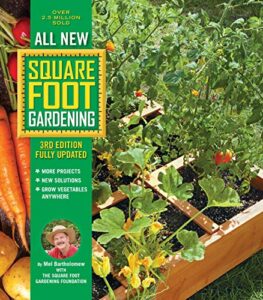
The All New Square Foot Gardening, 3rd Edition is a great starting point for newcomers to raised bed gardening. For about $24, it offers a clear, step-by-step system centered on small, manageable planting squares.
The book guides you through mixing your own soil, spacing plants properly, and setting up a simple drip watering system. It includes detailed instructions for 42 vegetables, supported by photos and charts to eliminate guesswork.
| Best For | Beginner gardeners with limited outdoor space—think apartments, balconies, or small urban patios—who want a low-maintenance way to grow their own vegetables. |
|---|---|
| Material | Paper/Print |
| Price | $23.69 |
| Drainage | N/A |
| Assembly Type | N/A |
| Suitable For | Vegetables/herbs |
| Non-Toxic | Not specified |
| Additional Features |
|
- Walks you through everything step by step, from building the box to harvesting 42 different vegetables
- Cuts down on weeding, watering, and digging compared to traditional gardening
- Great for teaching kids too—includes STEM activities built right into the system
- Vermiculite and cedar lumber (key materials) can be pricey or hard to find depending on where you live
- Watering and spacing advice may need tweaking if your climate runs hot, dry, or unusually wet
- Not the best fit for sprawling crops like zucchini or deep-rooted vegetables without some extra planning
2. Raised Bed Revolution Gardening Guide
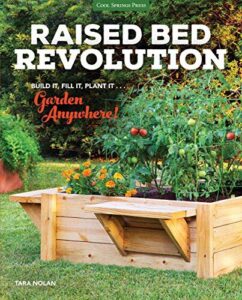
If you’re ready to go beyond the basics, Raised Bed Revolution by Nikki Jabbour is worth keeping on your shelf. Priced at around $24.74, this 272-page guide offers practical options for space- or mobility-constrained gardeners.
The book covers vertical beds, rooftop setups, and portable designs with wheels, emphasizing creativity for limited spaces. Its photo-heavy layout simplifies construction steps, making it accessible even for beginners.
A standout feature is its focus on ergonomic heights, crucial for gardeners prioritizing back and knee comfort. This thoughtful design consideration ensures functionality alongside innovation.
| Best For | Gardeners with limited space or mobility challenges who want creative, ergonomic raised bed solutions they can actually build themselves. |
|---|---|
| Material | Paper/Print |
| Price | $24.74 |
| Drainage | N/A |
| Assembly Type | N/A |
| Suitable For | Vegetables/herbs |
| Non-Toxic | Not specified |
| Additional Features |
|
- Covers a wide range of bed styles—vertical, rooftop, portable—so there’s something useful no matter your setup
- Photo-heavy layout makes construction steps easy to follow, even if you’re not an experienced builder
- Great focus on ergonomic heights, which is a real lifesaver for anyone dealing with back or knee issues
- Written in 2016, so some techniques and materials may feel a bit outdated by now
- Text explanations can be thin in spots—the photos do a lot of the heavy lifting
- Plant-specific advice is pretty limited, and you’ll often get pointed elsewhere for details like companion planting
3. Best Choice Mobile Raised Garden Bed
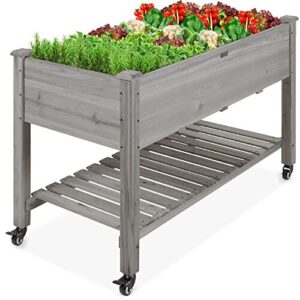
The Best Choice Mobile Raised Garden Bed offers practical mobility, featuring four lockable caster wheels that allow effortless movement to optimize sunlight exposure. Its design prioritizes convenience, enabling easy relocation without strain.
Standing 32 inches tall, this garden bed minimizes bending, making gardening more accessible. A built-in lower shelf keeps tools organized and within reach, while a removable liner protects the fir wood frame. These features combine functionality with durability.
Soft pine construction requires occasional sealing to maintain its condition, ensuring longevity with minimal upkeep. This minor maintenance need is offset by the bed’s overall versatility and user-friendly design.
| Best For | Gardeners with back or mobility issues who want a flexible, easy-to-move planting setup on a patio, deck, or backyard. |
|---|---|
| Material | Soft Pine Wood |
| Price | Not Listed |
| Drainage | 4 drainage holes |
| Assembly Type | Screw assembly |
| Suitable For | Vegetables/herbs |
| Non-Toxic | Not specified |
| Additional Features |
|
- The four lockable caster wheels make it simple to chase sunlight or shade throughout the day without heavy lifting.
- At 32 inches tall, it keeps you upright while you work — no more hunching over a ground-level bed.
- The built-in lower shelf and removable liner are thoughtful touches that keep things organized and protect the wood from early rot.
- Soft pine isn’t the most weather-resistant wood out there — you’ll want to seal it periodically or it’ll start to break down faster than cedar would.
- The caster wheels can rust or sink into soft or uneven surfaces, so you may need to add protective pads underneath.
- Assembly takes closer to 45 minutes than the advertised 20, and the 100 lb weight limit means you’ll need to be selective with soil and large containers.
4. Best Choice Metal Raised Garden Bed
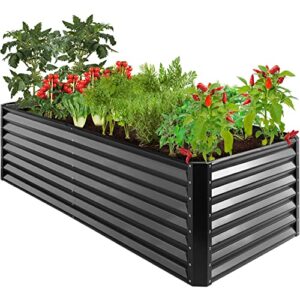
If mobility matters to you, the mobile bed is hard to beat. However, if you prioritize a garden bed that maintains its shape over time, the Best Choice Metal Raised Garden Bed is a strong contender.
Built from powder-coated steel, it resists rust and withstands years of watering and weather exposure. Its construction ensures long-term durability, making it a reliable choice for gardeners seeking stability.
Safety is enhanced by rounded edges and capped corners, which are particularly considerate for seniors or households with children.
The bed measures 96 by 48 inches and holds up to 64 cubic feet of soil, providing ample space for diverse planting projects.
| Best For | Gardeners who want a permanent, no-fuss raised bed for deep-rooted vegetables, herbs, or perennials and don’t need to move it around. |
|---|---|
| Material | Powder-Coated Steel |
| Price | Not Listed |
| Drainage | Open bottom |
| Assembly Type | Tool-free wing nuts |
| Suitable For | Vegetables/herbs |
| Non-Toxic | FHSA-tested, Prop 65 |
| Additional Features |
|
- Powder-coated steel holds up against rust, rot, and years of watering without falling apart.
- 64 cubic feet of soil depth gives deep-rooted crops like broccoli and beans plenty of room to thrive.
- Tool-free assembly with wing nuts and beveled panels means you’re not wrestling with it for hours.
- No bottom panel, so you’ll need to prep the ground underneath for decent drainage.
- The included stakes are pretty flimsy—if you’re in a windy spot, plan on picking up sturdier anchors.
- Filling it takes a serious amount of soil (around 15 bags or more), which adds up fast in both cost and effort.
5. Best Choice Galvanized Raised Garden Bed
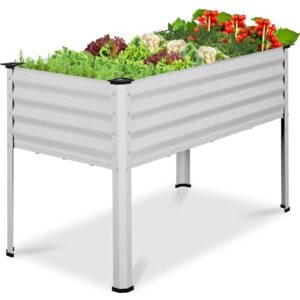
The Best Choice Galvanized Raised Garden Bed offers a solid and straightforward solution for gardeners. Its 30-inch height elevates plants to waist level, eliminating the need to bend or strain during planting and maintenance.
For those interested in taking it further, pairing this bed with the right materials makes a real difference—check out these tips on growing fruit organically in raised beds to get the most out of your setup.
Constructed from galvanized steel, the bed resists rust through rain, humidity, and seasonal changes, ensuring long-term durability.
It accommodates up to 400 pounds of soil within 8 cubic feet of planting space, providing ample room for a variety of crops or flowers.
A practical design feature includes built-in corner brackets that double as tool holders, keeping pruners and spades conveniently within reach.
| Best For | Home gardeners who want to grow veggies, herbs, or flowers without the back pain that comes with ground-level beds. |
|---|---|
| Material | Galvanized Alloy Steel |
| Price | Not Listed |
| Drainage | Built-in drainage |
| Assembly Type | Bolt assembly |
| Suitable For | Vegetables/herbs |
| Non-Toxic | FHSA-tested, Prop 65 |
| Additional Features |
|
- Waist-height design at 30 inches means no bending, kneeling, or sore knees after a long gardening session.
- Galvanized steel holds up through rain and cold, so it won’t rust out on you after a season or two.
- Corner brackets double as tool holders, keeping your spades and pruners right where you need them.
- The screws and bolts come coated in grease, so assembly can get messy fast — have some rags handy.
- Hole alignment is a bit finicky, so if you rush through the instructions, you’ll likely have to backtrack.
- Once it’s packed with 400 pounds of soil, moving it anywhere is pretty much off the table.
6. Best Choice Wooden Raised Garden Bed
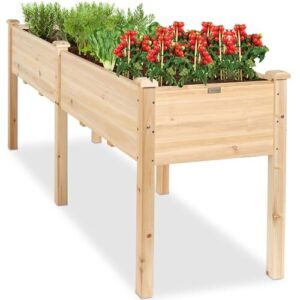
If you prefer the warmth of natural wood, the Best Choice Wooden Raised Garden Bed is worth a close look. Built from Chinese fir with a smooth natural finish, it stands 30 inches tall — right at waist level — so you can tend your plants without bending down.
The 72 × 24-inch planting space fits comfortably on a patio or small yard.
The built-in divider lets you grow herbs and vegetables side by side without mixing soil.
| Best For | Gardeners with back or knee pain, small-space growers, or anyone who wants a tidy, pet-proof setup on a patio or balcony. |
|---|---|
| Material | Chinese Fir Wood |
| Price | Not Listed |
| Drainage | 6 holes per side |
| Assembly Type | Mortise-and-tenon |
| Suitable For | Vegetables/herbs |
| Non-Toxic | Not specified |
| Additional Features |
|
- The 30-inch height means you can garden standing up — no kneeling, no back strain
- The built-in divider lets you grow different plants side by side without soil mixing
- Six drainage holes per side keep roots healthy and water from pooling
- The wood can warp or crack over time if you don’t seal or oil it regularly
- The included liner tends to break down in direct sun and usually needs replacing
- Assembly can be frustrating — some joints need extra glue or a mallet to fit properly
7. Best Choice Outdoor Metal Raised Garden Bed
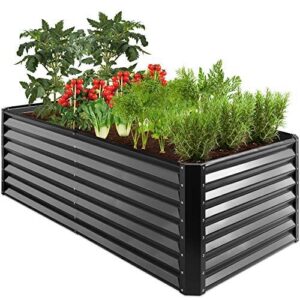
If you need more growing room, the Best Choice Outdoor Metal Raised Garden Bed delivers it. At 96 × 48 inches and 24 inches tall, it gives you a generous planting area without the backbreaking digging.
The powder-coated steel resists rust season after season, and rubber edging along the top keeps your hands safe.
With 24-inch depth, deep-rooted vegetables like tomatoes and beans thrive here.
Assembly is tool-free and quick — most people finish in under an hour.
| Best For | Gardeners who want a durable, deep-soil raised bed for growing vegetables with long root systems — without the hassle of digging or building from wood. |
|---|---|
| Material | Powder-Coated Steel |
| Price | $89.99 |
| Drainage | Open bottom |
| Assembly Type | Tool-free wing nuts |
| Suitable For | Vegetables/herbs |
| Non-Toxic | FHSA-tested, Prop 65 |
| Additional Features |
|
- 24-inch depth gives deep-rooting veggies like beans and broccoli plenty of room to grow
- Powder-coated steel holds up season after season without rotting or warping
- Tool-free assembly means you can get it set up fast, no hardware store run needed
- No bottom panel — you’ll need to prep the ground underneath and think through drainage
- The ground stakes and support bars are a bit flimsy and may need reinforcing over time
- Filling it takes a lot of soil (around 15 bags of 40 lbs each), so budget for that upfront
8. TATAANTY Galvanized Oval Raised Garden Bed
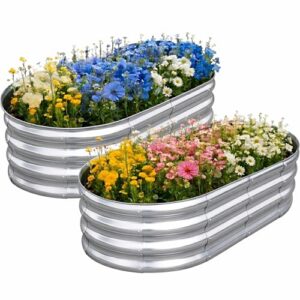
The TATAANTY Galvanized Oval Raised Garden Bed brings an invigorating shape to your garden space. Its rounded, oval design eliminates sharp corners, while the smooth rolled top edge ensures a comfortable grip.
Constructed from sturdy galvanized Q195 steel, it withstands rain and sun without rusting, guaranteeing long-term durability.
The open-bottom design promotes healthy drainage and supports deeper root growth, fostering optimal plant health.
Assembly requires no power tools and takes about five minutes, using only the included hardware for effortless setup.
| Best For | Beginners, seniors, and renters who want a low-maintenance raised bed for veggies, herbs, or flowers on a patio, balcony, or backyard. |
|---|---|
| Material | Alloy Steel |
| Price | Not Listed |
| Drainage | Open bottom |
| Assembly Type | Tool-free wing nuts |
| Suitable For | Vegetables/herbs |
| Non-Toxic | Not specified |
| Additional Features |
|
- Galvanized Q195 steel holds up against rain and rust, so it’s built to last outdoors season after season.
- Open-bottom design lets roots grow deep and water drain freely, which means healthier plants with less effort.
- Snaps together in about five minutes with no power tools needed — great if you’re not big on DIY projects.
- Some units ship with missing wing nuts or mismatched screws, so you might need a quick hardware store run.
- The steel doesn’t always feel as thick as the "5× stronger" claim suggests — quality can vary between units.
- 48 screws per bed is a lot, and the thicker steel can make hand-tightening slow and tiring without a drill.
9. SnugNiture Galvanized Oval Garden Bed
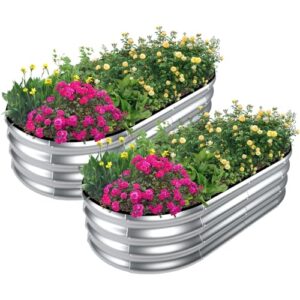
The SnugNiture Galvanized Oval Garden Bed offers nearly 8 feet of growing room in a shape that’s easy to reach from every side. Its oval design ensures accessibility, while the spacious layout maximizes planting potential.
Standing at 17 inches tall, it provides a comfortable height for seniors, reducing strain during gardening. The rust-resistant galvanized steel construction withstands harsh winters and humid summers, requiring minimal maintenance.
The open bottom drains water naturally, promoting healthy root systems. Assembly is straightforward, and rounded edges keep things safe for hands, combining practicality with safety.
| Best For | Gardeners who want a durable, low-maintenance raised bed that works well in tough climates and tight outdoor spaces. |
|---|---|
| Material | Galvanized Q195 Steel |
| Price | Not Listed |
| Drainage | Open bottom |
| Assembly Type | Clamp-and-bolt |
| Suitable For | Vegetables/herbs |
| Non-Toxic | Not specified |
| Additional Features |
|
- The open bottom lets roots grow freely and water drain on its own, so soggy soil isn’t really a problem.
- Galvanized steel holds up through cold winters and humid summers without rotting, warping, or attracting termites.
- Comes with two beds for $44.99, which is solid value for the footprint and durability you’re getting.
- Assembly can take a while — you’ll need to peel off plastic film and fasten a bunch of screws per panel.
- A few users have run into mismatched hardware like stripped bolts or off-spec wing nuts, which can slow things down.
- The panels are on the thinner side, so don’t lean on them or overload them or you risk bending.
Choose The Right Bed Height
Bed height makes a bigger difference than most people expect. Getting it right means less strain, more comfort, and a garden you’ll actually want to spend time in.
Here’s what to look for when choosing the height that works best for you.
24 to 30 Inches

Most raised bed height guidelines recommend keeping your bed between 24 and 30 inches tall — roughly waist high for many adults. This standard height range matters because it aids back pain relief gardening without awkward bending.
Adjustable height mechanisms and ergonomic tool compatibility work best within this range, ensuring accessibility and ease of use.
The height is a cornerstone of senior-friendly garden design, including wheelchair-accessible raised garden bed setups, promoting inclusivity and comfort for all gardeners.
Waist-level Gardening Comfort

Working at waist height transforms gardening ergonomics. When your bed sits at that comfortable mid-body level, your elbows naturally settle into an ideal 90–120 degree angle — that’s elbow angle optimization doing its quiet work. This alignment promotes a neutral spine, while the design also provides superior drainage benefits.
Waist-high gardening delivers these key advantages:
- Less shoulder strain using long-handled tools
- Comfortable reach without overextension
- Natural posture during planting and weeding
- Reduced fatigue over longer sessions
- Safer footing on uneven ground
Seated Gardening Access
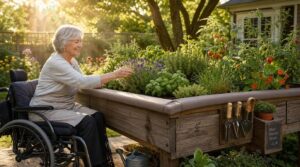
Gardening from a seated position opens the door to accessible gardening for many seniors. With wheelchair access in mind, beds with at least 24 inches of clearance allow you to pull right up alongside them.
Reachable Plant Zones keep plants within a 24-inch radius, while Adjustable Seating Height options, Padded Support Rails, and Integrated Tool Holders make this ergonomic garden plan truly work for you.
Avoiding Bending and Stooping
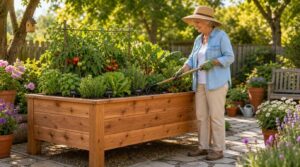
Sitting down for some tasks helps, but bending and stooping still sneak into your day. That’s why waist high beds are a cornerstone of any ergonomic garden plan. A raised bed height—with recommendations’ sweet spot of 24 to 30 inches—cuts spine bending by about 50%.
Waist-high raised beds, ideally 24 to 30 inches tall, can cut spine bending by nearly 50%
Pair your elevated garden bed with long-handled tools, adjustable work platforms, and low-profile kneeling pads for a complete senior-friendly garden design.
Wheelchair-friendly Bed Clearance
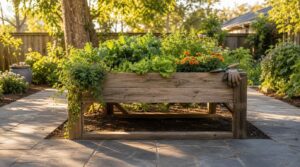
If you use a wheelchair, bed clearance matters as much as raised bed height recommendations. Aim for these minimums:
- Side clearance of 36 inches on both sides for safe wheelchair alignment
- Turn radius space of 60 inches in front for approach
- Under‑bed space kept clear for transfer pathway access
A wheelchair-accessible raised bed with open wheelchair garden pathways at waist height keeps gardening truly within reach.
Plan Safe Garden Access

Getting in and out of your garden shouldn’t feel like an obstacle course.
A few smart design choices make the space safer, more comfortable, and easier to move around in. Here’s what to look for when planning your garden’s layout and setup.
4. foot Maximum Bed Width
Four feet are the sweet spot for raised bed dimensions in senior-friendly garden design — wide enough to grow plenty, narrow enough that you never have to overreach.
| Why 4 Feet Works | What It Means for You |
|---|---|
| Width Safety Standards | No straining to reach the center |
| Reach Comfort Zone | Both sides stay within easy arm’s length |
| Wheelchair Turn Radius | Standard chairs maneuver comfortably alongside |
| Structural Support Spacing | Frames stay rigid without extra bracing |
| Material Cost Efficiency | Less lumber, lower cost, same great results |
24. inch Pathway Clearance
Two feet between beds sounds tight — but 24 inches of pathway clearance gives you enough room to move, reach, and breathe.
Here’s what that clearance actually enables:
- Smooth pathway surface for walkers and wheelchairs
- Safe turning radius without hitting bed edges
- Rounded edge treatment to prevent wheel snags
- Gentle shift thresholds between hard and soft ground
Good accessible garden planning and senior-friendly garden design start right here — with the space between beds, not just inside them.
Horseshoe-shaped Bed Layouts
A horseshoe-shaped raised garden bed opens up your whole gardening experience. The central corridor gives you a clear turning radius design, so wheelchairs and walkers move freely without tight squeezes.
You can orient the open end for sunlight capture, while modular arm extensions let you grow more over time.
Perimeter stepping stones add traction, making this senior-friendly garden design both safe and freeing.
Smooth Rounded Edges
Sharp corners don’t belong in a senior-friendly garden design. Rounded edges on raised beds — at least 12 mm on metal frames, 12–16 mm on wood — quietly work overtime on injury prevention. They won’t snag clothing, gouge knees, or leave splinters behind.
Smooth profiles also support cleaning simplicity and boost aesthetic appeal. That’s good garden bed ergonomics working for you.
Stable Rails and Ledges
A good rail does more than look solid — it has to hold you. Rails in senior-friendly garden design support at least 250 pounds without bending, thanks to anti-wobble brackets and corrosion-resistant hardware.
Rounded grip ends won’t catch your sleeve or scrape your wrist. Sturdy sittable edges let you rest comfortably mid-task.
Follow basic maintenance guidelines each season to keep garden bed stability right where you need it.
Pick Senior-Friendly Materials
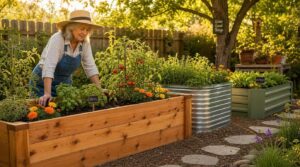
The material your raised bed is made from affects how safe, comfortable, and lasting it will be. Some materials hold up better than others, especially with daily use and changing weather.
Here’s a look at the best options for seniors.
Cedar for Natural Durability
Cedar wood is an ideal choice for senior-friendly garden design. Its natural rot-resistant oils effectively repel insects and fungi, eliminating the need for chemical treatments. This makes it safe to touch and ensures eco-friendly sourcing for sustainability.
Cedar’s dimensional stability prevents boards from warping or cracking through seasons, maintaining a solid, splinter-free structure. This durability ensures garden beds remain functional and safe for a decade or more.
Galvanized Steel for Longevity
If wood isn’t your thing, a galvanized raised garden bed is a smart alternative that lasts for decades. The sacrificial zinc coating manages corrosion resistance by wearing down slowly, preventing rust from reaching the steel underneath. Coating thickness determines how long that protection holds.
Occasional maintenance inspections ensure its longevity. This recyclable steel design is good for your garden and the planet.
Composite Lumber Benefits
Composite or resin beds take low-maintenance gardening to another level. Unlike steel, they blend recycled wood fibers with plastic for rot resistance and UV stability built right in — no sealing, no painting, ever. These lightweight garden structures are easy to reposition, and their slip-resistant surfaces and smooth edges make them genuinely senior-friendly.
Three reasons resin beds win for weather-resistant materials:
- They won’t warp, splinter, or absorb moisture after decades outdoors
- Soap and water are all the cleaning they need
- Recycled materials support environmental sustainability without sacrificing durability
Avoid Untreated Softwood
Unlike composite lumber or cedar wood, untreated softwood simply can’t hold up outdoors. Poor rot resistance and insect protection mean it breaks down within three to five years.
UV degradation and moisture management issues cause warping, loose joints, and splinters — real hazards in senior-friendly garden design.
Pressure-treated lumber lasts longer but may contain non-toxic materials concerns near edibles.
Higher maintenance costs make untreated softwood the least practical choice.
Splinter-free Smooth Finishes
Splinters are easy to overlook until one catches your skin. That’s why finish quality matters just as much as the wood itself.
Waterborne sealants and urea-free coatings create a smooth, nontoxic surface on cedar wood and rot-resistant woods alike. Powder-coat uniformity keeps powder-coated steel edges safe to touch.
Cap-smooth composite boards need no extra treatment.
Schedule regular micro-splinter inspections to catch rough spots early.
Improve Watering and Growing

Watering and soil setup can make or break your garden experience as a senior.
Getting these basics right means less heavy lifting, fewer weeds, and healthier plants all season long.
Here are the key features to look for.
Proper Drainage Holes
Good drainage is the quiet foundation of a healthy raised bed. Without it, roots sit in soggy soil and plants struggle. Aim for at least four drainage holes per panel, spaced 12 to 18 inches apart using a staggered placement pattern. Hole sizes of ¼ to ½ inch work well — small enough to hold soil, large enough to drain fast.
To enhance functionality, consider these practical tips:
- Add mesh screens over holes to block soil while keeping built-in drainage clear
- Use removable plugs for seasonal adjustments when soil drainage slows in dry months
- Check holes regularly — maintenance cleaning with a soft brush prevents clogging
- Staggered placement improves air exchange and enhances better drainage and soil depth management
- Rounded hole edges reflect smart senior-friendly garden design, reducing any sharp-contact risk
Self-watering Bed Options
A self-watering raised planter eliminates the guesswork of daily watering. Its reservoir capacity stores weeks of moisture, while capillary wicking naturally delivers water to roots. The air gap aeration layer prevents soil from becoming waterlogged.
Single-hand fill inlets enable effortless refills, even in wheelchair-friendly garden setups.
| Feature | Senior Benefit |
|---|---|
| Reservoir Capacity | Weeks between refills |
| Capillary Wicking | Steady, even moisture |
| Single-Hand Fill | Easy, no-strain refilling |
| Air Gap Aeration | Healthier root growth |
| Lockable Mobility | Reposition without effort |
Drip Irrigation Systems
Drip irrigation takes the heavy lifting out of garden irrigation for good. Small emitters deliver water directly to the roots at a slow, steady rate—usually 0.5 to 2 gallons per hour. Pressure regulators maintain consistent flow, while filter maintenance prevents clogs.
Adding soil moisture sensors enables your garden to water itself smartly. Before winter, seasonal winterization protects your lines from freezing damage.
12. inch Soil Depth
Twelve inches of soil depth is the sweet spot for most raised garden beds. It provides plants with sufficient root zone capacity to anchor and feed effectively, maintains stable soil temperature for consistent growth, and enhances moisture management to prevent roots from drying out rapidly.
This depth accommodates most vegetables, making it particularly well-suited for senior-friendly garden design and wheelchair-accessible raised bed layouts.
Easy Square Foot Planting
Square foot gardening turns your raised bed into a simple map. Divide a 4-by-4-foot bed into sixteen squares, then plant each section based on crop size — 16 carrots or 9 lettuce plants per square. This grid layout removes the guesswork.
Use a balanced soil mix and try companion pairing for natural pest control. Practice succession planting to keep your senior-friendly garden producing all season.
Frequently Asked Questions (FAQs)
What plants grow best for senior gardeners?
You’ve really got to "grow" with your abilities here. Cherry tomatoes, snap peas, and leafy greens offer fast harvest vegetables with minimal fuss.
Lavender and sedum are drought-tolerant perennials that return yearly.
How do seniors winterize their raised garden beds?
Cover beds with frost-resistant lids or row covers to shield roots from freezing temperatures. Add soil insulation mulch, like straw, to further protect plants.
Ensure proper water management by clearing drainage holes to prevent waterlogging. Set up a simple cold-frame to create a warmer microclimate, extending your growing season safely.
Can raised beds help seniors with arthritis pain?
Raised garden beds can ease arthritis pain by reducing joint stress and supporting better posture. They also enable pain-free harvesting, making gardening more accessible.
By using raised beds, you’ll bend less, twist less, and move more comfortably throughout your routine, minimizing physical strain.
What budget is needed to build a raised bed?
Think of your budget like a garden itself — it grows with your choices.
Material costs range from $60 to $200 per linear foot, but smart DIY building can cut that nearly in half.
How do seniors prevent pests without harsh chemicals?
Keep pests away naturally by spraying peppermint oil near entry points, dusting diatomaceous earth along baseboards, planting companion plants like marigolds, using sealed storage for food, and practicing moisture management to reduce pest and disease pressure.
Conclusion
Somewhere, there’s a gardener who gave up gardening because the ground wouldn’t cooperate with their knees anymore. They didn’t lose their green thumb—they just needed the soil to meet them halfway.
Raised garden beds for seniors aren’t a consolation prize; they’re a smarter way to grow. The right height, the right width, the right materials—and suddenly, morning visits to the garden feel less like effort and more like coming home.
- https://frameitall.com/blogs/frame-it-all/raised-garden-bed-plans-for-seniors?srsltid=AfmBOoqL7e4XdtB8B4dNJH1s1BFX0zpkoWMtW-fIUfFviswBWI0l0Adx
- https://www.gardentech.com/blog/gardening-and-healthy-living/gardening-for-everyone-creating-accessible-gardens
- https://gronomics.com/blogs/news/how-high-should-a-raised-or-elevated-garden-bed-be?srsltid=AfmBOoq9tliiRKKhwzT8Or8D4SGVuGDC6-_kpx5xS5Cr4mNk5pnbNKJu
- https://www.gardenary.com/blog/the-best-garden-for-seniors-raised-beds-make-gardening-easy-at-any-age
- https://conciergecareadvisors.com/the-benefits-of-gardening/