This site is supported by our readers. We may earn a commission, at no cost to you, if you purchase through links.
A plant that looked perfectly healthy on Monday can be covered in white powder, dropping leaves, or collapsing at the stem by Friday—and most gardeners blame themselves first. Bad watering, wrong fertilizer, too much sun. But the real culprit is usually microscopic: a fungal spore that hitched a ride on the wind, a bacterium that slipped through a pruning cut, or a virus delivered by a single aphid.
Identifying common garden plant diseases early is what separates a minor setback from losing an entire bed. Know what you’re dealing with, and you can stop it before it spreads.
Table Of Contents
- Key Takeaways
- What Causes Garden Plant Diseases?
- Spotting Common Disease Symptoms
- Identifying Major Garden Diseases
- Treating Infected Garden Plants
- Preventing Future Disease Outbreaks
- Frequently Asked Questions (FAQs)
- How do I find out what disease my plant has?
- What environmental factors worsen plant diseases?
- How does soil pH affect disease development?
- When should diseased plants be removed completely?
- Can plant diseases spread to nearby gardens?
- Which seasons have highest disease risk?
- How do I sterilize tools between plants?
- Can diseased plants recover without treatment?
- What diseases spread through contaminated water?
- How long do fungal spores survive?
- Conclusion
Key Takeaways
- Most garden plant diseases trace back to fungi, bacteria, or viruses carried by wind, water, or insects — so blaming your watering schedule first is usually the wrong move.
- Catching symptoms early, like white powder on leaves, angular water-soaked spots, or orange pustules underneath, is what keeps a small problem from wiping out an entire bed.
- Soil-borne pathogens like Fusarium wilt and root rot can kill plants silently from below, and the only reliable way to break their cycle is crop rotation combined with better drainage.
- Prevention beats treatment every time — proper plant spacing, drip irrigation, resistant cultivars, and cleaning tools after every use close most of the doors diseases use to get in.
What Causes Garden Plant Diseases?
Garden diseases do not show up randomly — something always allows them in. The culprit is usually one of a handful of pathogens or conditions that exploit weak spots in your plants.
The same logic applies to pests — understanding what attracts pests to your garden helps you close those doors before disease follows them in.
Here’s what you’re actually dealing with.
Fungal Plant Pathogens
Fungi are the most common troublemakers in any garden. Through spore dispersal — carried by wind, rain, or your own tools — they land on leaves, form an appressorium to punch through the cuticle, then colonize tissue. Some stay biotrophic, feeding on living cells; others flip to necrotrophic, killing as they go. Fungal effectors suppress your plant’s defenses, while soil inoculum quietly overwinters, ready to restart the cycle. Serological methods such as ELISA assay for fungal detection are valuable for early diagnosis.
- Powdery mildew coats leaves in white powder, even in dry conditions
- Downy mildew hides on leaf undersides with fuzzy, grayish growth
- Leaf spot and rust weaken foliage through spore-producing lesions
- Integrated disease management — spacing, resistant cultivars, copper sprays — breaks the cycle
Bacterial Plant Infections
Bacterial infections differ from fungal ones in their method of attack. Instead of colonizing surfaces, bacteria enter plants through wounds or stomata, then hijack vascular tissue—a process called vascular colonization—which blocks water flow.
Bacterial blight and bacterial canker thrive in warm, humid conditions, spreading rapidly. These pathogens deploy effector proteins to disable the plant’s immune system. However, resistance genes in plants can counteract these attacks.
Preventive measures are critical: tool sanitation and avoiding seed transmission serve as the first lines of defense against bacterial pathogens.
Viral Disease Vectors
Unlike bacteria, viruses don’t sneak in through wounds — they hitch a ride via vectors like aphids, whiteflies, thrips, and leafhoppers, which are the primary drivers of plant viral infections in gardens. These insects act as carriers, transmitting pathogens during feeding activities.
Aphid transmission occurs rapidly through vector saliva inoculation, injecting viruses such as mosaic virus directly into plant tissue upon feeding. This process peaks under temperature-driven conditions, particularly between 77–86°F, when insect activity surges, accelerating infection rates.
Five vectorborne diseases to watch for:
- Cucumber mosaic virus spread by aphids across 150+ plant species
- Whitefly spread of geminiviruses on tomatoes and squash
- Thrips vectoring of tobamoviruses in greenhouse crops
- Leafhopper control failures leading to aster yellows outbreaks
- Leaf curl viruses transmitted through dense aphid colonies
Soil-Borne Disease Organisms
While aphids carry viruses above ground, the real silent troublemakers live in the soil itself.
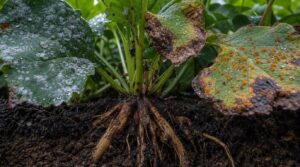
Soilborne pathogens—such as Phytophthora root rot, Rhizoctonia seedling disease, Fusarium wilt, and Verticillium wilt—attack roots and vascular tissue before you notice anything wrong.
Managing these pathogens begins with crop rotation, soil solarization, and encouraging biocontrol microbes—beneficial bacteria and fungi that naturally suppress root rot organisms.
Environmental Disease Triggers
Even healthy plants crack under the right pressure. Heat and Humidity, poor air circulation, and a Soil Moisture imbalance quietly weaken defenses before any pathogen shows up.
- Heat and Humidity above 28°C accelerates fungal colonization
- Soil Moisture swings stress roots and invite rot
- Airborne Pollutants damage leaf tissue, opening infection points
- Pesticide Resistance builds when you skip rotation
- Nutrient Imbalance softens growth, attracting aphids and disease
Spotting Common Disease Symptoms
Your garden is always sending signals — you just need to know what to look for. Most diseases show up in predictable ways before they get serious, which gives you a real window to act.
Stunted growth, for instance, can stem from a surprisingly wide range of culprits — so brushing up on common visual cues for identifying plant diseases helps you narrow it down fast.
Garden diseases reveal themselves early — learning to read the signs gives you the power to act
Key visual symptoms are worth checking every time you walk your beds.
Leaf Spots and Blotches
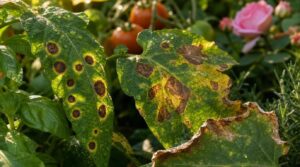
Leaf spots aren’t always what they look like. Fungal infections, such as Septoria, produce brown circular spots with dark halos, while bacterial leaf spot causes angular, water-soaked lesions that turn yellow outward. Nutrient imbalance, sunscald, and chemical burns can mimic these symptoms, making accurate identification and early detection critical before treatment.
| Cause | Appearance | Next Step |
|---|---|---|
| Fungal | Brown spots, dark halos | Copper fungicide |
| Bacterial | Angular, water-soaked lesions | Remove leaves, sanitize |
| Abiotic (burn/nutrient) | Crisp edges, between veins | Adjust care routine |
When standard cultural practices fail to clarify the issue, diagnostic lab tests confirm the exact cause.
Wilting Despite Watering
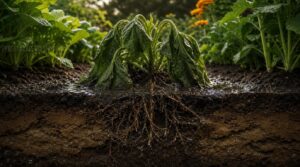
Watering your plant and watching it wilt anyway is one of gardening’s more frustrating puzzles. Root zone waterlogging, compacted soil drainage issues, and overwatering-induced hypoxia all cut off oxygen below the surface, leaving roots unable to absorb water despite wet soil.
Look for:
- Soft, brown roots indicating root rot
- Persistent leaf wilting symptoms after irrigation
- Constantly damp soil suggesting inadequate soil mix or Fusarium wilt
Powdery or Fuzzy Growth
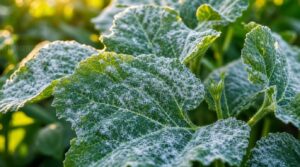
That white, powdery coating isn’t dust — it’s powdery mildew colonizing upper leaf surfaces. Conidia wind spread moves spores plant to plant fast, especially in dense planting situations where good airflow is blocked.
Warm temperatures between 60–80°F favor rapid germination without requiring rain. Catch it early, improve air circulation to reduce mildew pressure, and apply copper fungicide spray before it takes hold across your whole bed.
Rust-Colored Leaf Pustules
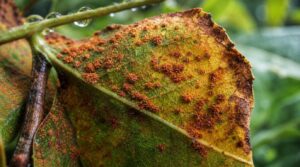
Those orange-brown pustules on leaf undersides are not random — rust fungi are obligate parasites with tight host specificity, meaning each strain targets specific plants. Their spore dispersal happens fast in humid conditions, and inoculum that overwinters on infected debris sustains annual reinfection cycles. Some species even require alternate hosts to complete their lifecycle.
Early detection is critical. Integrated pest management, resistant varieties, and preventive horticulture practices effectively halt spread before entire beds are affected.
Stunted or Curled Growth
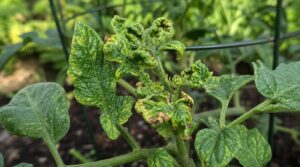
Stunted or curled growth rarely has one culprit — there’s usually a shortlist of culprits. Nutrient deficiencies like zinc or magnesium slow new growth and twist young leaves. Pest feeding damage from aphids and thrips deforms shoots fast.
Hormonal disorders, root zone issues, and environmental stress all produce similar symptoms initially. These challenges often overlap, making diagnosis complex.
Viral plant infections — such as mosaic virus or leaf curl — remain the trickiest to identify in plant pathogen diagnostics. Their subtle, variable symptoms frequently mimic other stresses.
Identifying Major Garden Diseases
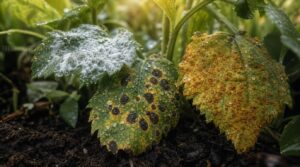
Once you know what symptoms to look for, the next step is matching them to the actual disease. Some problems are easy to pin down from a quick visual check, while others require a closer look.
Here are the major garden diseases you’re most likely to encounter.
Powdery and Downy Mildew
These two mildews look nothing alike, yet gardeners mix them up constantly.
Powdery mildew coats upper leaf surfaces with a dry, white film — spore dispersal happens even without rain because humidity thresholds above 60% are enough.
Downy mildew hides underneath leaves as grayish fuzz, exploiting stomatal susceptibility in cooler, wet conditions.
Both respond to good airflow, humidity management, and timely copper fungicide spray matched to specific host pathotypes.
Early and Late Blight
Unlike mildews, blight hits fast and spreads hard. Early blight — caused by Alternaria solani — targets older leaves first, leaving dark lesions with concentric rings and yellow halos. Late blight thrives under cool wet conditions, turning foliage brown and papery within days via rapid spore dispersal.
Watch for:
- Dark, ringed spots on lower leaves (early blight)
- Water-soaked lesions with white fuzz underneath (late blight)
- Tuber storage rot — dark brown beneath the skin
Breaking the blight disease cycle means eliminating inoculum sources: pull cull piles, destroy infected debris, and use certified seed potatoes. Weather forecasting helps too — spray copper fungicide ahead of wet, cool stretches, not after.
Rust and Leaf Spot
Blight isn’t the only fast mover — rust and leaf spot can quietly take hold before you notice. Rust shows as orange-red pustules on leaf undersides, rupturing to release powdery spores; spore dispersal mechanisms spread infection fast in humid conditions. Leaf spot produces dark, halo-rimmed lesions.
Both thrive beyond humidity thresholds of sustained leaf wetness. Early detection techniques, canopy airflow strategies, and copper-based organic treatment methods limit both.
Root Rot and Wilts
Root rot and bacterial wilt are underground problems that surface too late. Fusarium wilt, verticillium wilt, and root rot share one trigger: waterlogged soil enabling Microsclerotia persistence season after season.
Pathogen diagnostics start with cross-sections — vascular browning confirms bacterial wilt.
- Increase drainage with raised beds or sand amendments
- Soil compaction blocks oxygen, accelerating infection
- Plant resistant varieties to break recurring cycles
Mosaic and Leaf Curl Viruses
Mosaic virus and leaf curl don’t announce themselves loudly — they creep in through aphids, whiteflies, or even your own contaminated tools via mechanical inoculation. Seed transmission can trigger outbreaks before a crop even establishes.
| Virus Type | Key Symptom |
|---|---|
| Mosaic virus | Mottled yellow-green patches |
| Leaf curl | Distorted, curling new growth |
| Mixed infections | Severe stunting, rapid decline |
Mixed virus infections compound symptoms fast, accelerating plant decline. Diagnostic ELISA confirms what eyes can’t.
Treating Infected Garden Plants
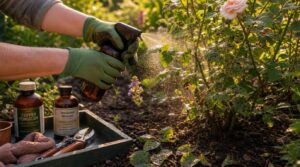
Once you’ve spotted disease in your garden, the next move is treatment — and the sooner, the better.
Different diseases call for different approaches, but a few core actions cover most situations well.
Here’s what actually works.
Remove Diseased Plant Parts
Think of diseased leaves as open invitations for pathogens to keep spreading. The moment you spot symptoms, prune infected leaves cleanly, cutting 2–3 inches below visible damage — follow these Cutting Depth Guidelines.
Sanitize pruning tools between cuts using alcohol or bleach, this non-negotiable Tool Disinfection step prevents further contamination.
Bag and seal all removed infected plant material immediately for Safe Waste Disposal — never compost it, as this risks perpetuating the disease.
Wear gloves throughout the process to protect yourself and avoid transferring pathogens.
Use Copper Fungicides Carefully
Copper fungicide spray works best as a protectant, not a cure — so timing matters. Apply during cooler hours to reduce phytotoxicity prevention concerns, and never exceed label rate compliance limits or you risk leaf spot, bronzing, and micronutrient interactions affecting iron and zinc uptake. Weather-based scheduling keeps applications effective.
Copper residue build-up is a real problem with repeated use, so rotate with other prevention strategies.
Control Aphids and Leafhoppers
Aphids and leafhoppers don’t just damage leaves — they carry viruses straight into your plants. Begin with physical row covers before infestations build, and use reflective mulches to disrupt leafhoppers’ navigation. Plant trap crop borders at bed edges to divert pests from primary crops.
Monitor weekly using threshold monitoring; five aphids per leaf signals the need for action. Apply insecticidal soap or neem oil to target populations, then allow beneficial insects like ladybugs to complete the process.
Prune During Dry Weather
Timing forecasts matter more than most gardeners realize. Prune when dry weather is confirmed for at least 48 hours ahead — moisture carries spores directly into fresh cuts.
Tool sanitation is non-negotiable; wipe blades with alcohol every time.
Clean cuts support faster wound healing, and avoiding overhead irrigation afterward keeps stress reduction and moisture management working in your favor.
Destroy Severely Infected Plants
Some plants can’t be saved — and holding onto them costs you the rest of the bed. Pull the entire root zone out cleanly, bag the material in a sealed bag, and put it in the trash, not the compost.
Set up a simple quarantine zone for anything borderline. Sterilize your tools immediately after handling affected plants.
Schedule post-removal monitoring over the next two weeks to ensure no residual issues emerge.
Preventing Future Disease Outbreaks
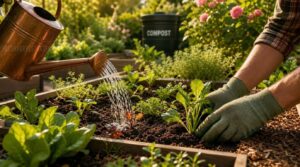
Treating disease is one thing, but stopping it before it starts is where real greater confidence comes from. Most outbreaks aren’t random — they follow patterns you can actually interrupt with a few consistent habits.
Here’s what to put in place now.
Improve Airflow and Spacing
Think of your garden layout as a blueprint for disease control — poor planning practically hands pathogens an invitation.
Proper spacing of 12 to 36 inches between plants, aligned bed orientation with prevailing winds, and consistent canopy pruning open airflow paths that dry foliage fast.
Trellis spacing of six to eight inches prevents stagnant pockets, while smart mulch placement keeps humidity off leaf undersides where spores settle first.
Water at Soil Level
Airflow dries leaves — but where water lands matters just as much. Overhead irrigation avoidance is essential: wet foliage invites fungal spores to settle and germinate. Instead, use drip irrigation or root zone irrigation to deliver consistent deep waterings directly to the soil.
Mulch enhances water retention and soil infiltration, while soil moisture monitoring through sensors and scheduled checks ensures roots stay strong without soaking leaves.
- Direct water to roots, never leaves
- Use drip lines or soaker hoses
- Mulch to lock in moisture longer
- Monitor soil moisture before each watering
Rotate Crops Each Season
Crop rotation breaks the cycle of soil-borne diseases by denying pathogens a steady host. A 3–4 year rotation across different plant families provides significant advantages, including pest disruption, nitrogen fixation through legumes, and improved overall soil health through family diversity and cover crops.
An example rotation schedule is:
| Rotation Year | Crop Family |
|---|---|
| Year 1 | Legumes (nitrogen fixation) |
| Year 2 | Brassicas (biofumigation) |
| Year 3 | Nightshades or roots |
These cultural practices for disease control strengthen soil structure season after season.
Choose Resistant Cultivars
Rotating crops limits pathogen build-up, but pairing that practice with resistant cultivars takes protection further. Modern breeding methods—including Marker-Assisted Selection and Multi-Gene Resistance stacking—produce disease-resistant varieties that withstand real pressure.
Quantitative resistance offers partial protection across several diseases, not just one. This approach enhances durability against diverse pathogens.
Always prioritize Regional Variety Selection: a resistant cultivar bred for your local climate performs better.
Keep Garden Beds Clean
Clean beds are your first line of defense. Debris disposal and weed eradication after each season eliminate overwintering habitats for fungal spores and bacteria.
Pull weeds by the roots, and bag diseased material — don’t compost it. These steps disrupt the survival of pathogens.
Fall garden cleanup should also prioritize soil aeration, improved bed drainage, and tool sterilization to maintain crop sanitation practices as you prepare for spring.
Frequently Asked Questions (FAQs)
How do I find out what disease my plant has?
Start with symptom documentation — photograph affected areas in good light, note when it started, and compare against comparative image guides.
For stubborn cases, extension service consult or laboratory testing confirms the plant pathogen identification fast.
What environmental factors worsen plant diseases?
Like a slow leak under the floor, environmental stress quietly sets the stage for disease.
High humidity, extended leaf wetness, poor soil drainage, dense plantings, temperature fluctuations, overhead watering, and weak air flow all compound the problem rapidly.
How does soil pH affect disease development?
Soil pH shapes which pathogens thrive underground. Acidic conditions below 0 trigger a germination spike, favoring Fusarium and clubroot in their preferred pH zones.
Liming acidic soil to 0–5 inhibits spore germination, restores beneficial microbe balance, and prevents micronutrient deficiencies.
When should diseased plants be removed completely?
Some gardeners treat removal like a last resort. It isn’t.
When 50 percent foliage loss hits, persistent wilting won’t reverse, or systemic infection spreads across multiple plant parts, remove infected plant material immediately.
Can plant diseases spread to nearby gardens?
Windborne spore travel, water splash transmission, and insect vectors move diseases across plot boundaries quickly.
Tool sanitation, border plant barriers, and community monitoring help break the crop disease cycle before it jumps gardens.
Which seasons have highest disease risk?
Spring and autumn carry the highest disease risk. Spring’s cool humidity triggers fungal spore spread, while autumn’s rising dew fuels blight spikes. Summer bacterial flares peak in warm, wet conditions.
How do I sterilize tools between plants?
Wipe blades with 70% isopropyl alcohol between cuts, or soak briefly in a 1:9 bleach solution. Dry tools thoroughly — moisture invites rust. For high-risk plants, keep dedicated tools to avoid cross-contamination.
Can diseased plants recover without treatment?
Some plants recover on their own.
Mild fungal infections often fade as conditions dry out, and natural regrowth takes over — especially when root resilience stays intact and the recovery timeframe is just two to six weeks.
What diseases spread through contaminated water?
Contaminated water carries Cholera outbreaks, Typhoid fever, Norovirus, Giardia, and Cryptosporidium, all of which are transmitted through drinking water or food contact.
A drip irrigation system reduces fungus spore spread more effectively than overhead watering.
How long do fungal spores survive?
Fungal spore viability varies widely. Surface spores often die within hours under direct sun due to UV impact.
Spores buried in moist soil or mulch can persist for an entire growing season.
Conclusion
Most gardeners panic, blame themselves, buy everything at the garden center, and watch their plants die anyway—because they skipped the one step that actually matters: identifying common garden plant diseases before they spread.
The leaf spot you ignored last Tuesday is a bare stem by next weekend.
But catch it early, treat it right, and rotate what grows where—and your garden stops being a place where things mysteriously die and starts being one where they don’t.
- https://www.canr.msu.edu/news/signs_and_symptoms_of_plant_disease_is_it_fungal_viral_or_bacterial
- https://extension.missouri.edu/publications/g6203
- https://extension.psu.edu/insects-pests-and-diseases/pest-disease-and-weed-identification/plant-disease-identification-and-control/
- https://www.planetnatural.com/pest-problem-solver/plant-disease/
- https://gardenprofessors.com/plant-disease-primer-part-4-going-viral/