This site is supported by our readers. We may earn a commission, at no cost to you, if you purchase through links.

The difference between a dish that tastes alive and one that falls flat often comes down to a single handful of fresh herbs — the kind you snip seconds before serving, not the kind sitting in a plastic clamshell since Tuesday.
A countertop herb kit changes that equation entirely, putting basil, cilantro, or thyme within arm’s reach of your cutting board year-round.
Whether you want a no-fuss soil setup for $20 or a smart hydroponic system that harvests five days faster than traditional growing, the right herb growing kit for home cooks exists at every budget and skill level.
Table Of Contents
- Key Takeaways
- 10 Best Herb Growing Kits for Home Cooks
- 1. Organic Indoor Herb Garden Kit
- 2. GardenCube Hydroponic Indoor Garden Kit
- 3. Herb Garden Kit for Indoor Windows
- 4. Ahopegarden LED Hydroponic Garden Kit
- 5. Indoor Hydroponic Herb Garden Kit
- 6. Ahopegarden Hydroponic Indoor Garden Kit
- 7. Ambgrow Indoor LED Hydroponic Garden
- 8. Indoor Herb Garden Starter Kit
- 9. Ahopegarden Smart Indoor Hydroponic Garden
- 10. Home Grown Bonsai Starter Kit
- Soil Versus Hydroponic Herb Kits
- Features Home Cooks Should Prioritize
- Choosing Herbs for Everyday Cooking
- Budget and Long-Term Value
- Care Tips for Kitchen Herb Kits
- Frequently Asked Questions (FAQs)
- Conclusion
Key Takeaways
- Hydroponic kits grow harvestable herbs 5–10 days faster than soil, and basically run themselves — automatic pumps, built‑in timers, and water indicators do the daily work for you.
- fast growers like basil and mint thrive in water‑based systems, while rosemary, thyme, and oregano do better in soil with natural drainage.
- You don’t need a big budget to start — a $20 windowsill kit works fine for beginners, while mid‑range LED setups ($60–$90) hit the sweet spot for everyday cooks who want reliable, year‑round harvests.
- Small habits — pruning above leaf nodes, harvesting in the morning when oils peak, and checking soil moisture before watering — make a bigger difference in flavor and plant health than any gadget will.
10 Best Herb Growing Kits for Home Cooks
Finding the right herb kit comes down to your kitchen setup, cooking habits, and how much upkeep you’re willing to do. Some of these picks run on water and LEDs alone, while others keep things simple with soil and a sunny windowsill. Here are ten options worth your attention.
If you’re not sure which herbs to pair, this guide on herbs that grow well together in a kit can save you a lot of trial and error.
1. Organic Indoor Herb Garden Kit
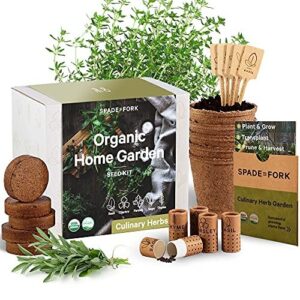
If you want fresh herbs without the guesswork, the Organic Indoor Herb Garden Kit from Spade To Fork is a solid place to start.
It includes five certified USDA-Organic seeds — Italian basil, cilantro, parsley, sage, and thyme — plus compostable peat pots, soil discs, and wood-burned plant markers.
A 26-page illustrated guide walks you through every step, and a QR code links to video instructions. You can go from unboxing to planted seeds in under 15 minutes.
| Best For | Beginners, families, and apartment dwellers who want fresh culinary herbs indoors without a lot of setup or gardening experience. |
|---|---|
| Seed Type | Heirloom, USDA-Organic |
| Growing Method | Soil (peat pots) |
| Plant Capacity | 5 herbs |
| Beginner Friendly | Yes – guide included |
| Price (USD) | Not disclosed |
| Transplanting Needed | Yes – outgrows starter pots |
| Additional Features |
|
- Everything you need is in one box — seeds, pots, soil, markers, and a guide — so there’s no running to the store for supplies.
- All certified USDA-Organic and non-GMO, so you know exactly what’s going into your herbs (and eventually your food).
- The 26-page guide plus QR video instructions make it genuinely beginner-friendly, even if you’ve never grown anything before.
- The peat pots are fragile — they can tear easily and dry out fast, so you have to be a little careful with watering.
- Herbs will outgrow the starter pots around 6 inches tall, and the kit doesn’t include anything for transplanting, so you’ll need to grab larger pots separately.
- Germination can be hit or miss depending on your home’s temperature and light — thyme tends to be slow, and cilantro can bolt if it gets too warm.
2. GardenCube Hydroponic Indoor Garden Kit
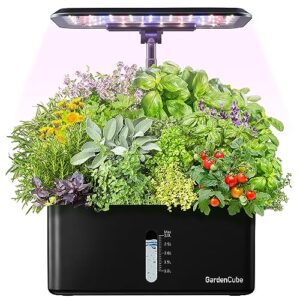
The Organic kit gets you started with soil — but if you’re ready to grow faster and smarter, the GardenCube Hydroponic Indoor Garden Kit takes things up a level.
Its 24W full-spectrum LED adjusts up to 21 inches, and the ceramic-core pump runs quietly under 20 dB, cycling every 30 minutes. The 3L see-through tank shows you exactly when to refill.
Clean, compact, and nearly hands-free — it’s built for the cook who wants results, not a gardening hobby.
| Best For | Home cooks and beginners who want fresh herbs or greens year-round without the fuss of traditional gardening. |
|---|---|
| Seed Type | Not included |
| Growing Method | Hydroponic |
| Plant Capacity | 8–12 pods |
| Beginner Friendly | Yes – auto light/pump |
| Price (USD) | Not disclosed |
| Transplanting Needed | No – hydroponic system |
| Additional Features |
|
- The pump runs whisper-quiet (under 20 dB), so it won’t bother you in a bedroom or office
- The see-through 3L tank takes the guesswork out of watering — you can see exactly when it needs a refill
- Nearly hands-free once it’s set up: automatic light cycles, automatic watering, minimal tinkering required
- LEDs have been known to flicker or fail after 12–18 months, which means extra cost down the road
- The pump and rear plug can develop leaks over time, so it’s worth keeping an eye on
- The fertilizer only comes in disposable plastic bottles and can’t be bought separately yet
3. Herb Garden Kit for Indoor Windows
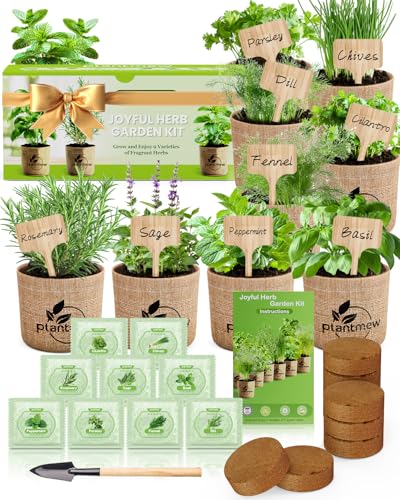
Not every windowsill needs a power outlet. The Herb Garden Kit for Indoor Windows keeps things refreshingly simple — nine heirloom seed varieties, biodegradable fabric pots, and coconut-coir discs that expand five times their dry size once hydrated.
At $19.95, it fits any budget and any sill.
Just note the pots lack drainage, so go easy on the water, or you’ll end up with mud instead of mint.
| Best For | Beginners, gift-givers, and curious kids who want a low-fuss way to grow fresh herbs on a windowsill. |
|---|---|
| Seed Type | Heirloom, non-GMO |
| Growing Method | Soil (coir discs) |
| Plant Capacity | 9 herbs |
| Beginner Friendly | Yes – basic guide |
| Price (USD) | $19.95 |
| Transplanting Needed | Yes – small pot size |
| Additional Features |
|
- Nine heirloom herb varieties in one tidy kit — solid range for everyday cooking
- Coconut-coir discs expand fast and make setup genuinely easy
- At $19.95, it’s an easy grab for a gift or a casual gardening experiment
- Pots have no drainage, so overwatering turns things into a soggy mess quickly
- Some seeds (looking at you, dill and cilantro) have spotty germination rates
- The pots are tiny — plan on repotting once seedlings actually take off
4. Ahopegarden LED Hydroponic Garden Kit
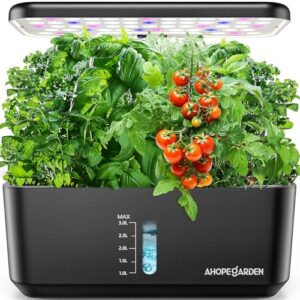
If simple is smart, powered is smarter.
The Ahopegarden LED Hydroponic Garden Kit steps things up with 10 detachable pods, a recirculating pump that quietly oxygenates roots around the clock, and a full-spectrum LED that runs a built‑in 16‑hour timer — no guesswork needed.
The adjustable light post reaches 14.5 inches, giving your basil and cilantro real room to stretch. Seeds aren’t included, but everything else is ready to go straight out of the box.
| Best For | Beginners, apartment dwellers, and families who want fresh herbs or greens year-round without much fuss. |
|---|---|
| Seed Type | Not included |
| Growing Method | Hydroponic |
| Plant Capacity | 10 pods |
| Beginner Friendly | Yes – auto light/pump |
| Price (USD) | Not disclosed |
| Transplanting Needed | No – hydroponic system |
| Additional Features |
|
- Automated 16-hour light timer and continuous water circulation mean you’re not babysitting plants every day.
- Sprouts in 4–7 days and harvestable lettuce in as little as 2–3 weeks — fast enough to stay motivated.
- Quiet pump makes it easy to keep on a kitchen counter or even a desk without it being annoying.
- Seeds and extra nutrients aren’t included, so there’s an added cost before you can actually get growing.
- 14.5-inch height cap rules out bigger plants like full-size tomatoes — you’re limited to compact varieties.
- Some users have reported pump failures, so keeping a spare on hand isn’t a bad idea.
5. Indoor Hydroponic Herb Garden Kit
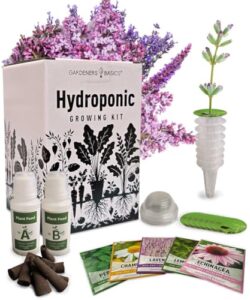
This kit takes a different direction — herbs you steep, not just slice.
The Gardeners Basics hydroponic set comes with five heirloom seed varieties: lavender, lemon balm, peppermint, chamomile, and echinacea, all non-GMO and open-pollinated.
At $15.95, it includes eight grow sponges, baskets, moisture-retaining domes, and an A&B nutrient solution.
Pair the kit with LED grow light tips for indoor herb gardens to get the most out of those nutrients year-round.
It’s built for tea lovers and home remedy enthusiasts who want pesticide-free herbs growing year-round on their countertop.
| Best For | Tea lovers, herbal remedy fans, and beginner growers who want fresh, pesticide-free herbs indoors year-round. |
|---|---|
| Seed Type | Heirloom, non-GMO |
| Growing Method | Hydroponic |
| Plant Capacity | 8 sponges |
| Beginner Friendly | Partial – limited guide |
| Price (USD) | $15.95 |
| Transplanting Needed | Yes – sponges are small |
| Additional Features |
|
- Five heirloom, non-GMO varieties — lavender, lemon balm, peppermint, chamomile, and echinacea — all open-pollinated so you can save seeds season after season.
- Everything you need is in the box: grow sponges, baskets, domes, and an A&B nutrient solution, all for under $16.
- No soil, no outdoor space required — works on a countertop any time of year.
- Instructions are minimal; you’ll need to look up growing guides on your own.
- The plastic domes fit loosely and tend to slip, so expect a little MacGyvering.
- Taller varieties like echinacea and chamomile can outgrow a typical indoor setup fast, and the small sponges may mean early transplanting.
6. Ahopegarden Hydroponic Indoor Garden Kit
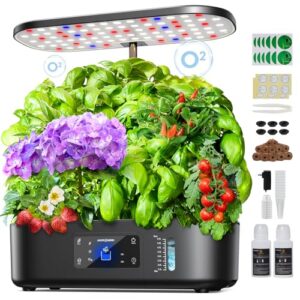
If you’re growing herbs by the dozen, this kit manages the load well.
The Ahopegarden Hydroponic Indoor Garden Kit accommodates 12 pods simultaneously and runs a built-in pump on a 30-minute circulation cycle — keeping roots oxygenated without any effort from you. The 5 L water reservoir lasts up to two weeks, and a side window tells you exactly when to refill.
Its adjustable full-spectrum LED reaches 17 inches high, accommodating everything from basil to small fruiting plants year-round.
| Best For | Apartment dwellers, beginners, and home cooks who want fresh herbs and greens growing year-round without the mess of soil. |
|---|---|
| Seed Type | Not included |
| Growing Method | Hydroponic |
| Plant Capacity | 12 pods |
| Beginner Friendly | Yes – touchscreen panel |
| Price (USD) | Not disclosed |
| Transplanting Needed | No – hydroponic system |
| Additional Features |
|
- Fits 12 plants at once with a quiet, self-running pump — basically set it and forget it.
- The adjustable LED grows with your plants, from tiny seedlings all the way up to small fruiting varieties.
- A side window shows you exactly when the tank needs a refill, so there’s no guessing involved.
- No seeds included — you’ll need to buy pods and seed packets separately before you can get started.
- The light panel is on the heavier side and takes two hands to adjust, which can feel a little awkward.
- Fruiting plants and long light cycles can drain the 5 L tank faster than you’d expect, meaning more frequent refills.
7. Ambgrow Indoor LED Hydroponic Garden
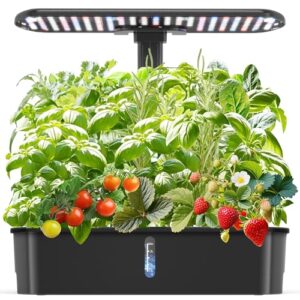
At $49.99, the Ambgrow Indoor LED Hydroponic Garden punches well above its price point.
It runs a 24W full-spectrum LED on a 16-hour cycle, with separate Veg and Flower modes that match your herbs’ exact growth stage.
The 12-pod layout fits neatly on a countertop, and the built-in pump keeps nutrient solution circulating automatically.
One caveat worth knowing — replacement sponges are non-standard, so stock up early before you need them.
| Best For | Beginners and apartment dwellers who want fresh herbs or greens year-round without a lot of fuss. |
|---|---|
| Seed Type | Not included |
| Growing Method | Hydroponic |
| Plant Capacity | 12 pods |
| Beginner Friendly | Yes – instructions included |
| Price (USD) | $49.99 |
| Transplanting Needed | No – hydroponic system |
| Additional Features |
|
- All 12 pods come ready to go with sponges, nutrients, and labels included — no guesswork
- The automatic pump and light timer mean you barely have to think about it day-to-day
- Two lighting modes (Veg and Flower) let you dial in the right conditions as your plants grow
- Replacement sponges are proprietary and hard to find, so you’ll want to buy extras upfront
- Root development can be weak, and you may need extra support media to compensate
- Customer support is hit or miss, and the documentation leaves some things unclear
8. Indoor Herb Garden Starter Kit
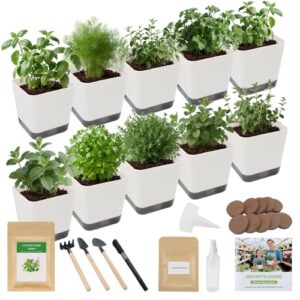
At $29.99, the Indoor Herb Garden Starter Kit is the most wallet-friendly pick on this list — and a genuinely solid one for beginners.
You get 7 heirloom, non-GMO varieties: basil, parsley, thyme, mint, cilantro, dill, and oregano, each in its own biodegradable pot with coconut-coir soil discs. A pre-measured A&B nutrient solution takes the guesswork out of feeding.
Just know that germination isn’t guaranteed, and low-light kitchens may need a supplemental grow light.
| Best For | Beginners, apartment dwellers, and anyone who wants fresh herbs on the windowsill without a steep learning curve — or a great gift idea for the cook in your life. |
|---|---|
| Seed Type | Heirloom, non-GMO |
| Growing Method | Soil (coir discs) |
| Plant Capacity | 10 pots / 7 varieties |
| Beginner Friendly | Yes – step-by-step guide |
| Price (USD) | $29.99 |
| Transplanting Needed | Yes – limited pot depth |
| Additional Features |
|
- Seven heirloom, non-GMO seed varieties give you a solid herb lineup right out of the box
- The pre-measured nutrient solution makes feeding simple — no guessing, no measuring
- Everything you need is included, from biodegradable pots to a spray bottle and plant tags
- Germination isn’t guaranteed, so some seeds may not sprout even if you follow the instructions
- Low-light spaces will likely need a supplemental grow light, which adds to the cost
- If you already have gardening tools, the included accessory set feels like filler you’re paying for
9. Ahopegarden Smart Indoor Hydroponic Garden
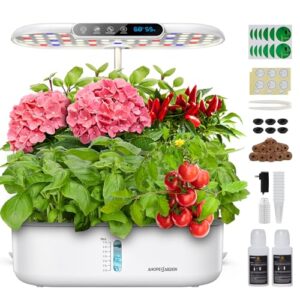
The Ahopegarden Smart Indoor Hydroponic Garden is where serious home cooks level up. It holds 12 growing pods, runs a whisper-quiet pump at ≤20 dB, and keeps a 5 L reservoir going for up to two weeks between refills.
The adjustable full-spectrum LED switches between Vegetable and Fruit modes, and built-in temperature and humidity sensors give you real-time feedback at a glance. Seeds aren’t included, but for hands‑off, year‑round growing, this system earns its spot.
| Best For | Home cooks and plant lovers who want fresh herbs and greens year-round without the mess of soil or the hassle of daily upkeep. |
|---|---|
| Seed Type | Not included |
| Growing Method | Hydroponic |
| Plant Capacity | 12 pods |
| Beginner Friendly | Yes – plug-and-play |
| Price (USD) | Not disclosed |
| Transplanting Needed | No – hydroponic system |
| Additional Features |
|
- Runs nearly silent at ≤20 dB, so it won’t bother you in a bedroom, office, or small apartment.
- Built-in sensors show temperature and humidity in real time, making it easy to grow well without guessing.
- The full-spectrum LED has dedicated Vegetable and Fruit modes, and the auto day/night cycle does the thinking for you.
- Seeds aren’t included, so you’ll need to buy those separately before you can get started.
- Only 12 pods, which won’t cut it if you’re hoping to grow anything tall, bushy, or in big quantities.
- There’s no battery backup, so a power outage will interrupt your plants’ light, water, and sensor cycles.
10. Home Grown Bonsai Starter Kit
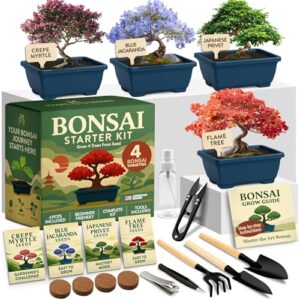
Not every kit on this list is about dinner — and that’s what makes this one stand out. The Home Grown Bonsai Starter Kit ($39.99) includes four seed varieties — Crepe Myrtle, Flame Tree, Japanese Privet, and Blue Jacaranda — plus pots, soil pellets, a 12-piece tool kit, and a printed care guide.
It won’t stock your spice rack, but if you want a mindful, slow-growing hobby that doubles as living décor, this kit delivers a genuinely satisfying start.
| Best For | Anyone looking for a calming, creative hobby — especially beginners who want to grow something beautiful without needing a garden or a green thumb. |
|---|---|
| Seed Type | Heirloom, non-GMO |
| Growing Method | Soil (drainage pots) |
| Plant Capacity | 4 bonsai varieties |
| Beginner Friendly | Yes – printed guide |
| Price (USD) | $39.99 |
| Transplanting Needed | Yes – bonsai outgrows pots |
| Additional Features |
|
- Everything you need is in the box — four seed varieties, pots, soil pellets, a 12-piece tool kit, and a printed guide, so there’s nothing extra to buy.
- It doubles as living décor, making it a great fit for kitchens, desks, or small apartments.
- It’s a genuinely thoughtful gift for pretty much any age, whether someone needs a stress-relief outlet or just something to nurture.
- Germination isn’t guaranteed — some reviewers never got their seeds to sprout, which can be frustrating.
- Growing a bonsai from seed takes real patience; don’t expect results overnight (or even over a few weeks).
- Experienced bonsai growers will likely outgrow this kit fast — it’s built for beginners, not advanced shaping work.
Soil Versus Hydroponic Herb Kits
Choosing between soil and hydroponic herb kits comes down to how much time, space, and control you want over your kitchen garden. Each method has its own strengths — and real trade-offs worth knowing before you buy. Here’s how the two stack up across the factors that matter most to home cooks.
Growth Speed Differences
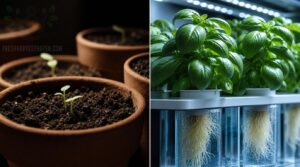
If you’ve ever started herbs from seed in a pot of soil and waited — and waited — you know how slow that process feels.
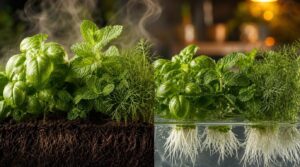
Hydroponic systems close that gap fast. Thanks to nutrient delivery speed and LED grow technology, hydroponics can yield harvestable herbs 5 to 10 days earlier than soil, with basil ready in as little as 21 days.
Flavor and Aroma Quality
Speed matters, but flavor is where things get interesting.
Hydroponic herbs tend to produce crisper, brighter notes — think clean basil with pronounced sweet anise — because controlled nutrient delivery keeps volatile compounds intact.
Soil-grown herbs, meanwhile, can develop deeper, mineral-tinged aromas from complex root systems.
Neither is wrong; it depends on what your dish needs.
Watering and Feeding Needs
Flavor tells you what hydroponic or soil growing gives your herbs — watering and feeding determine whether they get there at all.
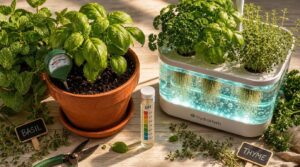
Soil kits need water when the top inch feels dry, usually every seven to ten days. Hydroponic systems handle moisture automatically through a built-in water pump, circulating nutrient solution to roots every 30 minutes.
Three things to track:
- Watering frequency — soil dries out; reservoirs need refilling every one to two weeks
- Nutrient balance — hydroponic kits use a specially formulated NPK nutrient solution; soil kits rely on slow-release organic amendments
- pH monitoring — keep hydroponic water between 5.5 and 6.5 for steady nutrient uptake
With soil, overfertilizing is the most common mistake — always dilute liquid plant food to half‑strength after the second leaf set appears. A general guideline is to feed every other watering to balance nutrient supply.
Best Herbs for Each
Watering habits point you in the right direction, but herb-to-method matching is where real flavor payoff happens.
| Growing Method | Best Herbs |
|---|---|
| Hydroponic | Basil, mint, cilantro |
| Soil | Rosemary, thyme, oregano |
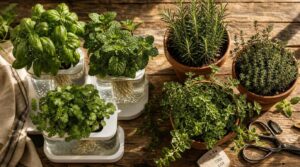
Fast-growing culinary herbs like basil and mint thrive hydroponically — their roots respond well to oxygenated water cycles. Slow-growing heirloom herb varieties like rosemary prefer soil’s natural drainage and steady nutrient release.
Kitchen Space Requirements
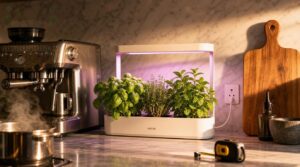
Before you commit to any kit, take a quick look at your actual counter. Compact countertop designs usually need 60 centimeters of depth and at least 90 centimeters of clearance on each side.
Hydroponic units need a nearby outlet and drainage tray. For tight spots, a windowsill kit with adjustable height accommodates vertical space better than spreading outward.
Features Home Cooks Should Prioritize
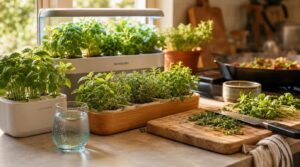
Not every feature on the spec sheet actually matters once you’re cooking dinner at 6 p.m. and just need fresh basil fast. The right kit earns its counter space by making your life easier, not by adding another gadget to manage. Here are the five features worth looking for before you buy.
Full-spectrum LED Lights
The right full-spectrum LED lighting does more than just brighten a corner of your counter — it mimics natural daylight across blue and red wavelengths, hitting the 400–600 µmol PPFD range that herbs like basil and cilantro actually need.
A 24-watt adjustable LED runs cool, draws little power, and keeps your kitchen comfortable while driving growth up to five times faster than soil alone.
Self-watering Reservoirs
Most herb kits today handle watering for you — no guessing, no soggy roots. Capillary action pulls moisture upward through a wick into the growing medium, so roots stay consistently damp without sitting in standing water.
A built-in water indicator tells you exactly when to refill, usually every one to two weeks.
Seed Pod Capacity
Pod capacity shapes how much you actually harvest. A 12-pod hydroponic unit gives you serious growing power — enough variety to keep your kitchen stocked without juggling multiple systems.
- Seed count variation differs by species and node position
- Upper nodes often fill faster than lower ones
- Pod wall thickness can limit total seed development
- Main stems usually outperform side shoots
- Environmental stress shifts capacity unpredictably
Choose kits like the Herb Seeds Variety Pack 9 Culinary Heirloom Seed Kits or 5 type of herb seeds options if you want flexibility without overcrowding your counter.
Adjustable Plant Height
As your herbs grow taller, the light has to keep up. Adjustable LED light height — through telescoping poles or ratchet pulley systems — lets you maintain that ideal 15–20% photon flux at the leaf canopy without burning the top growth.
It takes about 15 seconds to raise, keeping your kitchen routine uninterrupted.
Easy Countertop Placement
Most compact herb planters measure 8 to 12 inches wide and 6 to 10 inches deep — small enough to slide into a corner without sacrificing prep space. Corner placement on a 12 to 18-inch square footprint is a smart move.
At 2 to 8 pounds, you can reposition your kit instantly, and most only need 2 inches of rear clearance for the plug.
Choosing Herbs for Everyday Cooking
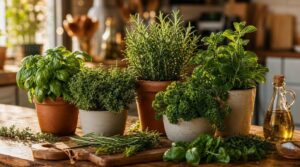
The herbs you grow should actually earn their spot on your counter. A good kit makes it easy to keep the ones you reach for most — sauces, toppings, roasts, drinks — always within arm’s reach. Here are five everyday herbs worth growing first.
Basil for Sauces
Basil is the herb that can transform a simple marinara into something you’d want to pour over everything. Genovese basil is your go-to for pesto and tomato sauces — large leaves, sweet aroma, and that signature clove-and-mint undertone that deepens the moment it hits warm olive oil.
Genovese basil transforms a simple marinara the moment it hits warm olive oil
- Slice leaves just before adding to prevent oxidation and preserve the bright, peppery aroma
- Younger leaves give lighter, sweeter notes; mature leaves bring deeper herbal character
- Freeze chopped basil in olive oil ice cubes for quick weeknight sauce additions
Growing basil under full-spectrum LED lights indoors means you’re always minutes away from the freshest flavor your sauces deserve.
Cilantro for Fresh Toppings
Where basil brings warmth, cilantro brings brightness. Its citrusy, lime-like flavor cuts through rich toppings instantly — tacos, salsas, yogurt dressings — adding a fresh green note that nothing else quite replicates.
Chop the leaves and tender stems together, add a squeeze of lime and a pinch of salt, and you’ve got a quick salsa finish in under a minute.
Parsley for Finishing Dishes
Cilantro takes on the bold, punchy work. Parsley plays the long game — it’s the quiet finishing herb that pulls a whole dish together without demanding attention.
Flat-leaf parsley delivers a cleaner, slightly peppery brightness that lifts grilled fish, roasted potatoes, and warm pasta in the final seconds before serving:
- Chop and scatter over finished plates for instant color contrast
- Mince the stems into sauces for deeper herbal brightness
- Mix with lemon zest and garlic to make a quick gremolata finish
- Stir into soups just before serving for aroma without wilting
Thyme for Roasted Meals
Parsley finishes dishes quietly. Thyme, on the other hand, builds flavor from the inside out — it’s the herb that earns its place in the oven.
Fresh thyme sprigs tucked into a chicken cavity or pressed into a garlic paste coat create a savory depth that holds up through long roasts. Dried thyme works well mid-roast, staying stable where fresh might fade.
| Use Case | Thyme Tip |
|---|---|
| Roasted chicken | Tuck 2–3 sprigs inside the cavity |
| Roasted vegetables | Toss with olive oil, 1 tsp per pound |
Pair thyme with garlic, rosemary, and lemon zest for a classic herb crust. Growing your own thyme in a soil-based kit or LED hydroponic system — even USDA Organic seed varieties — means you’ll always have fresh sprigs ready when the oven preheats.
Mint for Drinks
Mint might be the most adaptable herb in your glass. A few fresh leaves can transform a simple sparkling water, a mojito, or a cucumber cooler into something that feels intentional.
- Harvest just before flowering for peak essential oil content
- Slap sprigs between your palms to release fragrance before garnishing
- Muddle lightly — tearing leaves adds bitterness
- Freeze in ice cubes to preserve flavor for months
Growing mint from non-GMO heirloom seeds in an indoor herb growing kit keeps a steady supply within arm’s reach. An herb garden starter kit with a herb seeds variety pack often includes spearmint and peppermint — both ideal for drinks.
Budget and Long-Term Value
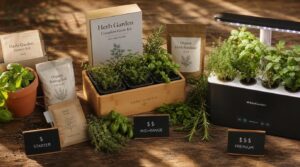
Herb kits run the full price spectrum, from a $20 soil starter to a $150 smart hydroponic system, and where you land depends on how serious you want to get.
The good news is that every tier offers real value — you just need to know what you’re paying for.
Here’s a breakdown of what each price range actually gives you.
Entry-level Soil Kits
If you’re just starting out, entry-level soil kits — commonly priced between $15 and $40 — are a low-risk way to test your green thumb.
Most include sample collection tools, a color chart for pH testing, and basic nutrient analysis for NPK levels. They’re compact enough for pots and small kitchen planters, and easy-to-follow instructions make beginner herb farming genuinely approachable.
Mid-range LED Kits
Once you move past the basics, mid-range LED kits — usually priced between $60 and $90 — are where things get genuinely useful for everyday cooking.
- Full-spectrum LED lighting covers 400–700 nm, supporting both leafy growth and flowering
- Adjustable brightness lets you dial intensity from 10 to 100 percent
- A compact footprint of 10–20 inches square fits most countertops easily
A solid 24-watt grow light keeps energy consumption low while delivering real results, and built-in heat sinks maintain safe operating temperatures — so your herbs thrive without extra fuss.
Premium Smart Systems
If you’re serious about growing herbs at home, premium smart systems — usually $100 and up — are built for people who want full control without babysitting their garden.
Self-learning lighting adjusts schedules automatically based on ambient conditions, while real-time sensing monitors water and nutrients continuously.
Add voice control, remote monitoring, and safety auto-shutoff, and you’ve got a countertop garden that practically runs itself.
Replacement Seed Pods
Replacement seed pods are where long-term costs quietly add up — so knowing what you’re buying matters.
- Pod compatibility standards guarantee most pods fit major systems within a 12-month generation window
- Shelf life runs 6–12 months; store unopened pods in a cool, dry spot to protect herb seed germination rates
- Biodegradable designs and recycling programs reduce waste after each harvest cycle
Choosing non-GMO, organic-certified seeds with high germination rates keeps flavor consistent harvest after harvest.
Reusable Growing Supplies
Reusable growing supplies quietly become one of the smartest investments you can make. BPA-free silicone pots handle 300 growing cycles, go straight into the dishwasher, and cut single-use plastic waste by up to 85 percent.
Pair them with reusable seed pod cartridges — rated for 60 refills — and stainless-steel trays, and your setup pays for itself faster than you’d expect.
Care Tips for Kitchen Herb Kits
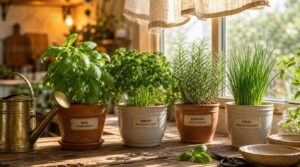
Growing herbs at home is rewarding, but a little consistency goes a long way. The difference between a thriving basil plant and a sad, leggy one usually comes down to a few simple habits. Here’s what to keep in mind to get the most out of your kit.
Light Schedule Basics
Think of your herb kit’s light schedule as its daily heartbeat. Get it right, and everything else falls into place:
- Aim for 12–16 hours of daily light with a 1-hour dawn/dusk ramp to reduce plant stress
- Use timer-programmed full-spectrum LED lights set to consistent on/off times each day
- Adjust duration 1–2 hours seasonally — less in bright summer, more in dim winter rooms
Reservoir Refill Timing
Once your light schedule is locked in, water becomes your next variable to master. Most hydroponic systems alert you when the reservoir runs low — usually every 1–2 weeks. Check the water-level indicator before it hits empty.
A built-in water pump oxygenates roots every 30 minutes, so a dry reservoir stresses plants fast. Refill consistently, and your herbs stay happy.
Pruning for Fuller Growth
Once your reservoir is dialed in, it’s time to look up — at the plants themselves. Pruning for fuller growth starts with a simple move: pinching new growth tips on herbs like basil and mint redirects energy into side shoots, making plants bushier rather than leggy.
For thicker canopies, try heading cuts just above a healthy node every two to four weeks.
Preventing Overwatering
Pruning keeps your herbs thriving above the soil — but what happens below matters just as much. Overwatering kills more herbs than neglect ever will, and the fix is simpler than you’d think.
Use a soil moisture meter to check before watering; aim for 40–60%. Always choose pots with drainage holes and trays, and run a small fan nearby to help soil dry between waterings.
Harvesting for Better Flavor
Timing your harvest right makes a real difference. Cut herbs in the cool morning hours, right after the dew dries — that’s when essential oils peak.
Use sharp, clean scissors to avoid crushing the stems.
Give plants a brief dry spell beforehand to concentrate flavors, then store cuttings promptly in a cool spot to keep that fresh aroma intact.
Frequently Asked Questions (FAQs)
Can herb kits improve mental health at home?
Yes, tending herbs at home offers real stress relief — the repetitive care, visible growth, and daily routine help quiet a busy mind and lift your mood in small but meaningful ways.
Are herb growing kits safe around pets?
Most culinary herbs like basil, parsley, and cilantro are non-toxic to pets in small amounts. Keep kits elevated, secure nutrient solutions, and store fertilizers out of reach to stay safe.
Which herbs grow well together in one kit?
Pairing herbs is like building a playlist — the right combinations just flow. Basil and oregano, parsley and chives, and thyme with rosemary share similar light and moisture needs, making them natural fits in one container.
Do herb kits work in low-light apartments?
Most herb kits work surprisingly well in low-light apartments — especially models with full-spectrum LED lighting. These grow lights compensate for dim windows, and low-light herbs like mint, parsley, and chives thrive under them.
Can children help manage an herb growing kit?
Picture a small pair of hands pressing a seed into damp soil — that moment of wonder is real. Yes, children can absolutely help, with simple tasks and adult guidance keeping things safe and fun.
Conclusion
You don’t need a green thumb to keep fresh herbs alive on your counter — you just need the right setup.
The best herb growing kits for home cooks do most of the heavy lifting, from self-watering reservoirs to built-in grow lights that run on a timer.
Pick one that fits your counter space and cooking habits.
Start with two or three herbs you actually use, and your food will taste the difference before the month is out.