This site is supported by our readers. We may earn a commission, at no cost to you, if you purchase through links.

Your soil doesn’t sleep through winter—it transforms. While you’re bundled up inside, billions of microbes are working overtime, breaking down organic matter and cycling nutrients through the freezing and thawing cycles that make spring soil so rich.
The catch? They need fuel, and fall is when smart gardeners load up the tank. When you amend soil for fall, you’re not just tossing compost on tired beds and calling it done. You’re orchestrating a slow-release feast that’ll have your spring seedlings practically leaping out of the ground two weeks earlier than your neighbors’.
The secret lies in timing—those amendments need months to mingle with soil particles, stabilize into humus, and build the kind of structure that makes roots dive deep and water drain just right.
Table Of Contents
- Key Takeaways
- Why Amend Soil for Fall Gardening
- When and How to Test Garden Soil
- Essential Organic Amendments for Fall
- Using Cover Crops and Mulches
- Step-by-Step Guide to Amending Soil
- Common Fall Soil Amendment Mistakes
- Top Products for Fall Soil Amendment
- 1. Wiggle Worm Organic Worm Castings Fertilizer
- 2. Organic Bone Meal Fertilizer Powder
- 3. Organic Fish Bone Meal Fertilizer
- 4. Crimson Clover Garden Seeds
- 5. Dr Earth Alfalfa Meal Fertilizer
- 6. Natural Bat Guano Fertilizer Powder
- 7. Natural Chicken Manure Fertilizer
- 8. Electric Wood Chipper Shredder Machine
- Frequently Asked Questions (FAQs)
- Should you amend soil in the fall?
- What to add to my garden soil in the fall?
- Should I put manure in my garden in the fall?
- Can I amend soil in containers and pots?
- How do cover crops protect soil over winter?
- Should I remove old mulch before adding amendments?
- How does fall amendment affect beneficial soil microbes?
- Can I amend soil in winter climates?
- How deep should amendments be incorporated?
- What amendments work best for clay soil?
- Conclusion
Key Takeaways
- Fall soil amendment works because microbes actively break down organic matter during freeze-thaw cycles over winter, creating nutrient-rich humus that gives spring seedlings a two-week head start on growth.
- The most effective amendments—compost, worm castings, aged manure, and cover crops like crimson clover—need to be applied after harvest but before ground freeze (typically after first frost) and worked 6-8 inches deep to properly integrate with soil particles.
- Soil testing before amending eliminates guesswork by revealing exact pH levels and nutrient deficiencies, preventing common mistakes like over-application that causes nutrient overload or ignoring pH imbalances that lock up phosphorus and micronutrients.
- Strategic mulching (2-4 inches) and cover crops provide dual benefits by preventing up to 70% of weed germination and reducing soil erosion by 30% while steadily feeding beneficial microbes throughout winter.
Why Amend Soil for Fall Gardening
Fall soil amendment isn’t just a nice-to-have gardening task—it’s one of the smartest moves you can make for next year’s garden. Working the earth now, while temperatures are still workable and roots are settling down for winter, sets you up for stronger plants and healthier harvests come spring.
Choosing the right fall fertilizer for vegetable garden beds means understanding which nutrients your soil actually needs before winter hits.
Here’s why putting in the effort this season pays off in ways that matter.
Benefits of Fall Soil Amendment
The beauty of fall soil amendment lies in timing—you’re working with nature’s rhythm rather than against it. Here’s what you’ll gain:
- Microbial Growth and Nutrient Cycling accelerate as organic fertilizers feed beneficial bacteria and fungi through winter
- Soil Temperature stays more stable, protecting roots during autumn frosts while maintaining fertility boost potential
- Soil Erosion Control improves dramatically when mulches shield your beds from heavy rains
Many gardeners overlook the advantages of fall soil amendment benefits that can create more fertile, resilient beds for the following spring.
That’s soil improvement that delivers real soil health for fall gardening success.
Impact on Spring Planting Success
When you amend soil in fall, you’re setting the stage for impressive spring germination rates—often 10 to 15 percentage points higher when organic fertilizers and consistent soil moisture team up.
Warmer soil temperature after fall gardening prep can push your first harvest 1 to 2 weeks earlier, boosting crop yields while weather patterns cooperate. That’s plant hardiness you can actually measure.
How Fall Amendment Improves Soil Health
Your early harvest isn’t the only win—fall garden preparation transforms soil health from the ground up. Adding organic matter increases soil porosity, letting air and water move freely while beneficial soil microbes accelerate nutrient cycling.
Improved soil structure fosters deeper root development, and stable humus from compost boosts aggregation, setting you up with excellent soil health and fertility when spring arrives.
Homeowners interested in practical improvements can explore to make the most of autumn preparations.
When and How to Test Garden Soil

Before you start hauling bags of compost and amendments to your garden beds, you need to know what your soil actually needs—and that’s where testing comes in. A soil test takes the guesswork out of fall amendments, showing you exactly which nutrients are missing and whether your pH is off.
Let’s walk through when to test and how to make sense of those results so you’re not just throwing amendments at the ground and hoping for the best.
Timing Soil Tests for Fall Amendments
The sweet spot for your fall soil test? Aim for after harvest but before the ground freezes—usually after the first hard frost when soil temperature and nutrient levels have stabilized. This test timing gives you actionable data to guide fall garden preparation.
Sample when soil is moist but workable, ensuring accurate sample preparation. Your autumn soil improvement strategies begin here, setting the stage for vigorous soil health and fertility come spring.
Interpreting Soil Test Results
Your soil test report is a roadmap, not a mystery—it reveals pH levels, nutrient cycling potential, and what your beds actually need. Here’s how to decode it:
- Soil pH levels determine nutrient availability; aim for 6.0–7.0 for most crops, adjusting with lime or sulfur as needed.
- Nutrient levels (N-P-K plus calcium, magnesium) guide fertilizer application—compare against crop-specific targets.
- Organic matter content signals soil structure and microbial analysis health; higher OM means better nutrient retention.
- Cation exchange capacity predicts how well your soil holds amendments, shaping your soil amendment strategy.
Use these insights to tailor fall soil health improvements with precision.
Essential Organic Amendments for Fall

Now that you’ve tested your soil and know what you’re working with, it’s time to choose the right organic amendments to bring your garden beds back to life. Each amendment offers unique benefits, from boosting nutrients to improving soil structure, and fall gives them plenty of time to work their magic before spring.
Let’s explore the best organic options and how to use them effectively in your fall garden.
Compost Application Tips
Think of compost as your garden’s favorite fall meal—rich, nourishing, and perfectly timed. Apply a half to one inch layer over beds, then lightly rake it into the top two to three inches of soil.
This organic matter boosts nutrient cycling and soil health while improving structure. Water afterward to help everything settle in nicely before winter’s rest.
Benefits of Worm Castings and Grass Clippings
Two powerhouse amendments deserve your attention this fall—worm castings and grass clippings work together to transform tired soil. Here’s what makes them invaluable for organic gardening:
- Soil aeration and root growth improve as castings add spheroidal organic matter that loosens compacted earth
- Microbe boost and nutrient uptake accelerate when beneficial bacteria colonize your beds
- Water retention increases in sandy soils, helping moisture stay where roots need it
- Compost compatibility makes both materials perfect for layered soil amendment strategies
They’re gentle on fall transplants, too.
Using Leaf Mold and Fallen Leaves
Fallen leaves aren’t waste—they’re free gold for your garden. Pile them in a shaded corner, keep them moist, and within twelve to eighteen months you’ll have crumbly leaf mold that boosts water retention by 20 to 30 percent in sandy beds.
Apply a two- to four-inch layer as organic mulch this fall, or mix it into your top six inches for instant soil enrichment.
Safe Use of Manure in Fall
Raw manure needs careful handling—pathogens thrive until you compost it to at least 131°F for three days.
Apply only on unfrozen, moderately moist soil to prevent runoff, and incorporate it six to eight inches deep within 24 hours.
Keep it away from root crops you’ll eat raw, maintain buffer zones near water sources, and always wear gloves during application.
Using Cover Crops and Mulches
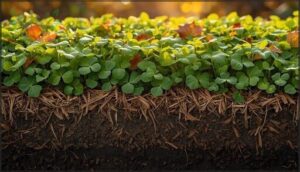
Think of cover crops and mulches as your soil’s winter blanket—they protect, feed, and improve the ground while you’re not actively gardening. These aren’t just passive additions; they’re workhorses that prevent erosion, choke out weeds, and build fertility for spring.
Here’s how to put them to work in your fall garden.
Best Cover Crops for Fall Soil Health
Cover crops are your secret weapon for fall soil health, working quietly while your garden rests. Winter rye drives deep roots through compacted layers, while oats add quick biomass and field peas fix nitrogen for spring. Crimson clover enriches nutrient cycling, and oilseed radish breaks up stubborn hardpan—each choice strengthens soil structure, controls soil erosion, and sets up your best spring planting yet.
Mulching Strategies to Protect and Enrich Soil
While cover crops do their underground work, a thoughtful mulch layer completes your fall soil strategy. You’re building a protective blanket that insulates soil, feeds beneficial microorganisms, and keeps those beds ready for spring.
Here’s how to optimize mulching benefits:
- Apply 2 to 4 inches of organic matter like shredded bark or composted leaves for ideal soil insulation
- Leave a small gap around plant stems and tree trunks to prevent rot
- Choose coarse materials like wood chips for better winter protection
- Layer mulch evenly to create an effective weed barrier without blocking air circulation
- Replenish as it decomposes to maintain continuous erosion control and nutrient release
This organic gardening method transforms composting and mulching into a year-round soil health system. As your mulch breaks down, it steadily releases nutrients while stabilizing temperatures—keeping roots cooler in lingering fall warmth and warmer when frost arrives. The 3-inch layer you spread today can reduce soil evaporation by up to 30 percent, meaning less watering stress next season and healthier microbial activity all winter long.
Mulching in fall creates a year-round soil system that releases nutrients slowly, stabilizes temperatures, and cuts evaporation by 30 percent
Preventing Erosion and Suppressing Weeds
Beyond feeding and protecting soil, your fall amendments tackle two persistent garden challenges: erosion control and weed suppression. A dense cover crop blocks up to 70 percent of weed seed germination by cutting sunlight, while mulch layers and ground covers stabilize slopes, reducing runoff velocity by 30 percent.
These soil stabilization strategies transform weed barriers into living, working systems that hold precious topsoil exactly where you need it.
Step-by-Step Guide to Amending Soil
You’ve tested your soil, gathered your amendments, and cleared out the growing season’s debris—now it’s time to actually get those improvements into the ground. The process is straightforward, but a few deliberate steps will make all the difference in how well your amendments integrate and perform over winter.
Here’s how to prepare your beds, select the right materials for your soil’s needs, and work everything in properly.
Preparing Beds and Removing Weeds

A clean slate works wonders for fall gardening success. Before you even think about amendments, your beds need proper attention—debris clearance and weed removal set the stage for soil preparation that actually pays off come spring.
- Pull all weeds with roots intact to prevent quick regrowth and reduce your winter seed bank
- Clear plant debris, stones, and large roots to protect tools and improve root penetration
- Rake the surface smooth to break up clumps and create an even seedbed
- Loosen the top 6 to 8 inches using a broadfork to boost soil aeration without destroying structure
- Let soil settle for a week before moving forward with garden bed maintenance
Choosing and Applying Amendments

With the beds cleared and ready, it’s time to zero in on Soil Amendment. You’ll want to select your Organic Fertilizers and compost blends based on recent soil tests, aiming for balance and improved Soil Structure.
Worm Castings, aged manure, or nutrient-rich Mulch work wonders—just remember, Amendment Timing is everything for unlocking those organic fertilizer benefits come spring.
Incorporating Amendments and Watering Techniques
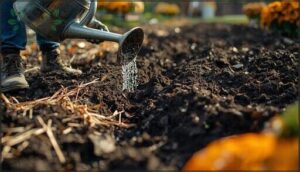
Every shovel of organic fertilizer you turn in matters—aim for an even blend through the top six to twelve inches to boost soil aeration and water conservation.
Right after amendment timing, water lightly: this helps amendments settle and kicks off decomposition without washing nutrients away.
Top with mulch to steady soil moisture and shield your hard work. Soil health, improved!
Common Fall Soil Amendment Mistakes
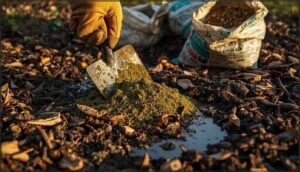
Everybody makes mistakes in the garden, especially in the fall when keen hands go digging. A few common missteps can undo all that autumn effort, but the good news—they’re easy to avoid.
Here’s what to watch for as you get your soil ready for next season.
Over- or Under-Applying Amendments
Think of your garden as a recipe—get the Amendment Ratios wrong, and you risk soil saturation or a bland plate of nutrients. Too much fertilizer leads to nutrient overload, while skimping leaves roots hungry. Nail soil improvement techniques by timing your applications wisely and remembering:
- Read product labels
- Measure amendments
- Mix thoroughly
- Trust soil health over speed
Ignoring Soil PH and Nutrient Imbalances
Neglecting pH balance and nutrient levels is a silent saboteur of soil fertility. When pH drifts, nutrient locking and soil toxicity creep in—phosphorus gets trapped, or roots suffer from micronutrient deficiency. Even the best fertilizer efficiency falls flat if pH levels are off. Protect your soil amendment investment by checking pH often and reading your lab results.
| Issue | Result | Example Impact |
|---|---|---|
| Low pH | Phosphorus lockout | Stunted root growth |
| High pH | Micronutrient loss | Chlorosis in foliage |
| Wrong pH with manure | Soil toxicity rise | Wilted young transplants |
Improper Mulching Practices
Stacking mulch like a cozy blanket seems smart, but too much—or the wrong type—invites trouble. Mulch Depth Errors cause soil suffocation, while sloppy Mulch Material Selection means plastic, rubber, or dense bark stifle roots and soil health.
Mastering moisture management means avoiding Anaerobic Conditions that sabotage your soil amendment efforts—smart organic gardening methods make mulch your ally, not your enemy.
Top Products for Fall Soil Amendment
For giving your soil a real boost this fall, the right products make all the difference. I’ve gathered the top options that gardeners trust for healthy, productive beds.
Let’s take a closer look at what belongs in your soil toolkit this season.
1. Wiggle Worm Organic Worm Castings Fertilizer
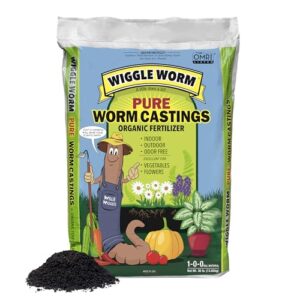
Ever wish you could sprinkle a little magic into your soil and watch your plants perk up overnight? Wiggle Worm Organic Worm Castings Fertilizer is as close as it gets—100% pure, OMRI-listed, and packed with living microbes.
You can use it for everything from leafy greens to houseplants. Just a handful—worked into your beds or as a gentle topdress—is enough to boost soil aeration, water retention, and plant resilience.
It’s non-toxic, odorless, and simple for even novice gardeners.
| Best For | Gardeners and plant lovers who want an organic, easy-to-use soil boost for healthier indoor and outdoor plants. |
|---|---|
| Form | Granules |
| Weight | 30 Pounds |
| Organic | Yes |
| Primary Use | Soil Amendment |
| USA Sourced | Not Specified |
| Indoor/Outdoor | Both |
| Additional Features |
|
- Improves soil structure, aeration, and water retention effortlessly.
- Odorless, non-toxic, and safe for use around kids and pets.
- Works great for vegetables, houseplants, and garden beds.
- Needs to be reapplied three times a year for best results.
- May not work perfectly with every soil type or all plant varieties.
- There’s no allergy or compatibility info if you mix it with other fertilizers.
2. Organic Bone Meal Fertilizer Powder
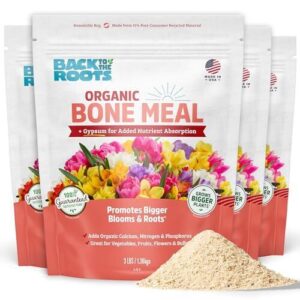
When your spring bulbs look lackluster or tomato roots fizzle out, there’s a good chance you’re short on phosphorus—and that’s where Back to the Roots Organic Bone Meal Fertilizer steps in.
This 13.4-pound powder delivers 10 to 15 percent phosphorus along with calcium to strengthen cell walls and support steady root growth. It’s 100% USA sourced, certified organic, and releases nutrients gradually over three to six months.
Mix one to two tablespoons per square foot into your fall beds, water well, and let soil microbes do the heavy lifting through winter.
| Best For | Gardeners wanting an organic, slow-release boost of phosphorus and calcium for strong root growth in vegetables, flowers, or bulbs. |
|---|---|
| Form | Powder |
| Weight | 13.4 Pounds |
| Organic | Yes |
| Primary Use | Fertilizer |
| USA Sourced | Yes |
| Indoor/Outdoor | Both |
| Additional Features |
|
- Supports root development, flowering, and overall plant health
- Certified organic, 100% USA-sourced, and easy to mix into soil
- Benefits both indoor and outdoor plants plus helps retain soil moisture
- Some users felt the value wasn’t exceptional for the price
- May not be available at local stores everywhere
- Large bag size can be bulky to store or handle
3. Organic Fish Bone Meal Fertilizer
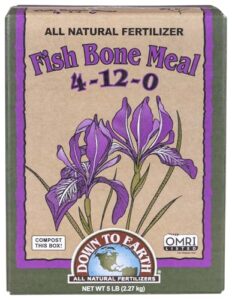
If the idea of a flower bed that bursts with color or tomatoes that shrug off blossom end rot makes you grin, organic fish bone meal might be your new go-to. Down To Earth’s 4-12-0 formula, marine-based and OMRI-listed, steadily supplies phosphorus and calcium—think sturdy roots and strong blooms, minus chemical fuss.
It’s straightforward: mix into soil before planting, or side-dress early growth for a season’s worth of nutrients. Yes, it smells fishy—nature’s reminder that real results rarely come scent-free.
| Best For | Gardeners who want a natural, organic way to boost root growth, flowering, and fruiting in their plants. |
|---|---|
| Form | Granules |
| Weight | 5 Pounds |
| Organic | Yes |
| Primary Use | Fertilizer |
| USA Sourced | Not Specified |
| Indoor/Outdoor | Outdoor |
| Additional Features |
|
- OMRI-listed for organic use and made from all-natural, marine-based ingredients.
- High in phosphorus and calcium, promoting strong roots, blooms, and healthy fruit.
- Comes in a biodegradable, compostable box that’s easy on the environment.
- Strong fishy smell can be off-putting for some.
- Needs careful application to prevent over-fertilizing.
- Results may vary depending on plant and soil type.
4. Crimson Clover Garden Seeds
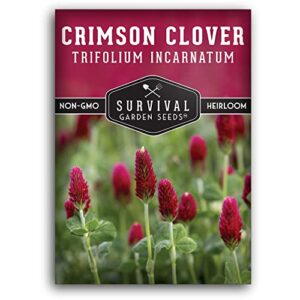
If you want to hand soil fertility over to nature’s quiet laborers, crimson clover is your ace in the hole. This annual cover crop doesn’t just paint your fall beds with vibrant red blooms—it’s a nitrogen fixer, lending your soil free fertilizer for spring.
Plant a packet of heirloom, non-GMO seeds from SURVIVAL GARDEN SEEDS now, and you’ll shield bare soil, stifle weeds, and watch pollinators gather, all while prepping your garden for serious future growth.
| Best For | Gardeners looking to enrich their soil naturally, attract pollinators, and add beauty to their outdoor space with minimal effort. |
|---|---|
| Form | Seeds |
| Weight | 0.176 Ounces |
| Organic | Yes |
| Primary Use | Cover Crop |
| USA Sourced | Not Specified |
| Indoor/Outdoor | Outdoor |
| Additional Features |
|
- Nitrogen-fixing cover crop improves soil health and fertility without synthetic chemicals.
- Beautiful crimson blooms support pollinators and add curb appeal.
- Seeds are heirloom, non-GMO, and come with easy-to-follow growing instructions.
- Some users have reported low germination rates and inconsistent seed quality.
- One packet contains a small quantity, which may not cover a large area.
- Not suitable for indoor growing or sprouting, and requires proper storage to maintain viability.
5. Dr Earth Alfalfa Meal Fertilizer
If you’re aiming for more than just a surface-level boost, Dr. Earth Alfalfa Meal fertilizer is your ticket to deeper soil health. Packed with a 2-1-2 NPK ratio, this organic option isn’t just nutrition for veggies, flowers, and roses—it’s a feast for soil microbes too.
Mixed with TruBiotic microbes and loaded with magnesium, it jumpstarts nutrient cycling and root growth. Work a bit into your fall beds, water lightly, and let the cool season set the stage for spring’s happiest roots.
| Best For | Gardeners who want an organic, microbe-friendly fertilizer to boost root health and plant vigor for vegetables, flowers, or roses. |
|---|---|
| Form | Meal |
| Weight | 1.47 Kilograms |
| Organic | Yes |
| Primary Use | Fertilizer |
| USA Sourced | Not Specified |
| Indoor/Outdoor | Both |
| Additional Features |
|
- Promotes strong root growth and helps plants branch out
- Organic and enriched with beneficial microbes for healthy, living soil
- Easy to use as a soil amendment and good for both veggies and flowers
- May cost more than other alfalfa forms like hay or pellets
- Some confusion over whether it’s a meal or liquid can be off-putting
- Not ideal for people who prefer non-liquid or animal-based fertilizers
6. Natural Bat Guano Fertilizer Powder
Now, if you’ve got your sights set on lush, vibrant greens and big, bold blooms, natural bat guano fertilizer powder is a time-tested booster. Packed with nitrogen (often around 10-3-1 NPK), it wakes up soil microbes, deepens leaf color, and encourages sturdy roots—all without harsh chemicals.
Sprinkle a little into the topsoil or steep it as a “tea” for a fast nutrient kick. Just remember: a little goes a long way, especially for sensitive young seedlings.
| Best For | Gardeners who want a natural, organic boost for their plants—and aren’t afraid of a little strong smell or premium price. |
|---|---|
| Form | Granules |
| Weight | 1 Pound |
| Organic | Yes |
| Primary Use | Fertilizer |
| USA Sourced | Yes |
| Indoor/Outdoor | Both |
| Additional Features |
|
- Long-lasting, slow-release nutrition that supports lush, healthy growth
- Safe for people, pets, and the planet—no harsh chemicals
- Versatile and effective on a wide range of plants, including edible crops
- Has a potent smell that some gardeners might not love
- Needs to be used sparingly—too much can harm plants
- More expensive compared to standard fertilizers
7. Natural Chicken Manure Fertilizer
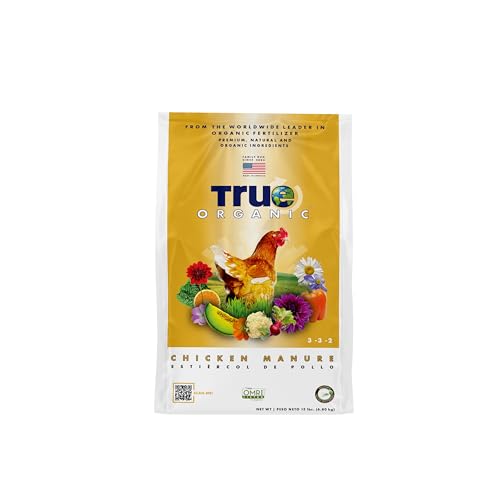
Chicken manure—let’s call it soil’s secret superfood—brings a bounty of nutrients straight to your fall beds. When processed and granulated, it’s easy to spread, slow to release, and packed with nitrogen, phosphate, potash, and calcium.
This isn’t just about boosting fertility; it’s about building rich, crumbly soil that holds water and keeps roots healthy. Go for brands that heat-treat manure for safety—like True Organic—so you can grow leafy greens, root crops, and vibrant flowers without worry.
| Best For | Gardeners and growers who want an organic, nutrient-rich way to build healthier soil for flowers, veggies, and robust roots. |
|---|---|
| Form | Granules |
| Weight | 15 Pounds |
| Organic | Yes |
| Primary Use | Fertilizer |
| USA Sourced | Not Specified |
| Indoor/Outdoor | Outdoor |
| Additional Features |
|
- Boosts soil health with natural nutrients and supports strong plant growth
- Eco-friendly, sustainable, and safe when heat-treated
- Improves soil structure, moisture retention, and microbial activity
- Noticeable smell, especially when used indoors
- Must be applied carefully to avoid burning roots
- Not a quick fix—slower acting compared to synthetic fertilizers
8. Electric Wood Chipper Shredder Machine
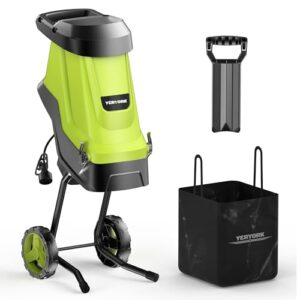
Nothing beats the satisfaction of turning autumn’s branch piles into nutrient-rich mulch with an electric chipper shredder. Machines like the YE004—lightweight, easy to assemble, and boasting a 21:1 reduction ratio—make quick work of sticks up to 1.8 inches thick. The anti-jamming design and dual chutes mean less frustration, more mulch.
Toss the chips onto your beds or compost pile; you’ll boost soil structure and feed the microbes all winter long, setting the stage for a lush, lively spring garden.
| Best For | Homeowners with medium-sized yards who want an affordable, easy-to-use solution for turning branches and yard debris into mulch for composting or garden beds. |
|---|---|
| Form | N/A |
| Weight | 21.6 Pounds |
| Organic | No |
| Primary Use | Shredder |
| USA Sourced | Not Specified |
| Indoor/Outdoor | Outdoor |
| Additional Features |
|
- 21:1 reduction ratio and anti-jamming design make quick work of sticks up to 1.8 inches thick with minimal frustration
- Lightweight at 21.6 pounds with easy assembly and 7-inch wheels for convenient storage and mobility around the yard
- Dual feed chutes and replaceable parts make operation smooth and maintenance straightforward for regular use
- Not suitable for thick branches over 1.8 inches or heavy-duty commercial work
- Can clog if you feed it too quickly or load it up with green leaves
- Gets loud during operation, so you’ll want ear protection, safety glasses, and gloves on hand
Frequently Asked Questions (FAQs)
Should you amend soil in the fall?
Yes, fall is ideal for amending soil. Warm temperatures let materials break down over winter, improving structure and nutrient availability without disturbing roots, so your beds are ready when spring arrives.
What to add to my garden soil in the fall?
You’ll want compost, worm castings, aged manure, or alfalfa meal for slow-release nutrients.
Cover crops like clover and crimson vetch rebuild nitrogen, while shredded leaves and straw protect beds all winter long.
Should I put manure in my garden in the fall?
Manure is an excellent addition to your fall garden—just make sure it’s well-aged or composted first. That way, it breaks down gently over winter, feeding your soil without burning tender roots come spring.
Can I amend soil in containers and pots?
Container soil acts like a tiny ecosystem that craves renewal. Refresh the top third of your mix annually with fresh potting soil, compost, and worm castings to maintain fertility and prevent compaction.
How do cover crops protect soil over winter?
Cover crops shield your soil from harsh freeze-thaw cycles, trap rainfall to prevent erosion, and their roots hold everything in place while fixing nitrogen for spring planting.
Should I remove old mulch before adding amendments?
It depends on the condition and depth. If your existing mulch is thin, light, and pest-free, you can leave it and add a fresh layer—just keep the total depth under three inches.
How does fall amendment affect beneficial soil microbes?
Like a late-night feast for hardworking guests, fall amendments feed soil microbes rich carbon and nutrients, boosting their populations and activity so they mineralize nutrients and build humus all winter long.
Can I amend soil in winter climates?
You can amend winter soil during brief thaws or mild spells when the ground isn’t frozen. Work in compost or aged manure on warmer days, then mulch heavily to protect your investment until spring.
How deep should amendments be incorporated?
Think of your shovel as a nutrient elevator—most amendments work best when mixed 6 to 8 inches deep for vegetables, reaching 12 inches in clay soils to break compaction and improve drainage.
What amendments work best for clay soil?
Clay soil responds best to compost, worm castings, and coarse sand mixed at a 1:3 ratio with native soil.
Gypsum helps break up compacted clay, while leaf mold gradually improves texture and drainage.
Conclusion
Here’s the truth nobody tells you: the gardeners pulling prize-winning tomatoes next June aren’t doing anything magical in spring—they’re reaping what they planted in October’s cold soil.
When you amend soil for fall, you’re making a bet on invisible processes, trusting that microbes and earthworms will transform your amendments into black gold while you’re not looking. That leap of faith? It pays compound interest every single growing season.
- https://goto.walmart.com/c/1943169/568844/9383?subId1=gardeningknowhow-us-1434913638931076535&sharedId=gardeningknowhow-us&u=https%3A%2F%2Fwww.walmart.com%2Fip%2FVego-Garden-In-Ground-Worm-Composter-Outdoor-Farm-Compost-Bin-8-Gallons-for-Raised-Gardening-Beds%2F1586060313
- https://yardandgarden.extension.iastate.edu/how-to/how-change-your-soils-ph
- https://extension.oregonstate.edu/catalog/pub/em-9308-how-use-compost-gardens-landscapes
- https://d7.almanac.com/what-do-fall-leaves
- https://s3.wp.wsu.edu/uploads/sites/403/2015/03/wood-chips.pdf