This site is supported by our readers. We may earn a commission, at no cost to you, if you purchase through links.

Plant basil next to tomatoes, and something interesting happens: hornworms struggle to find their target. That’s not garden folklore—it’s scent confusion at work, and it’s the whole idea behind companion planting.
Pair the right crops, and you’ll cut down on pests, boost your soil, and get better yields without reaching for chemical sprays. Get the pairings wrong, though, and you might stunt growth or invite the very bugs you’re trying to avoid.
That’s where a solid companion planting chart for beginners earns its keep. Below, you’ll find the pairings that actually work, the ones to avoid, and simple layout tips to get your first bed off to a strong start.
Table Of Contents
- Key Takeaways
- Why Companion Planting Works
- Beginner Companion Planting Chart
- Easiest Pairings for New Gardeners
- Build Your First Companion-Planted Bed
- Avoid Common Companion Planting Mistakes
- Frequently Asked Questions (FAQs)
- Which vegetables grow well together chart?
- What are the easiest companion plants to grow?
- What is the 70 30 rule in gardening?
- What vegetables need to be planted together?
- How often should I rotate companion planting layouts each year?
- Does companion planting work in raised garden beds too?
- How many plant varieties should a beginner start with?
- Are companion planting benefits noticeable in the first season?
- Conclusion
Key Takeaways
- Pairing the right vegetables, herbs, and flowers together can naturally deter pests, boost pollination, and improve soil health without chemicals.
- Good companion planting relies on matching plant needs for sunlight, water, and spacing, while avoiding combinations that compete or stunt growth.
- Starting with proven duos like tomatoes with basil and marigolds, or corn, beans, and squash, gives beginners reliable results and easier maintenance.
- Annual crop rotation and careful observation are key to sustaining soil fertility, breaking pest cycles, and learning which plant partnerships thrive in your garden.
Why Companion Planting Works

Companion planting isn’t garden magic—it’s plant science at work. Certain pairings genuinely change pest pressure, soil fertility, and growing conditions for the better. Here’s what’s actually happening beneath the leaves.
For a deeper dive into which pairings actually repel pests and why, this guide to companion planting for natural pest control breaks down the science plant by plant.
Natural Pest Confusion
Pests hunt by sight and scent, so a mixed bed throws off their game plan.
- Scent masking confuses smell-based hunters
- Mixed colors create visual crop disruption
- Staggered blooms stagger pest activity
- Microhabitat changes hide leaves
Aromatic compounds and beneficial insects work together, easing pest confusion without heavy chemical repellents.
Nitrogen Fixing and Soil Health
Beyond confusing pests, some plants work underground, quietly feeding their neighbors.
Legume root nodules house bacteria that fix nitrogen, replenishing soil nitrogen pools naturally.
| Plant | Mechanism | Benefit |
|---|---|---|
| Beans | Root nodules | Fixes nitrogen |
| Peas | Rhizobia bacteria | Boosts soil fertility |
| Corn | Nitrogen uptake | Grows stronger |
This microbial nitrogen cycling builds lasting soil health and stronger plant cooperation throughout your beds. Biological nitrogen fixation accounts for about 90% of natural nitrogen fixation on Earth. Biological nitrogen fixation is a key process in sustainable agriculture.
Shade, Support, and Moisture
Soil isn’t the only thing your plants share—space and light matter too. Corn works as a natural trellis, lifting beans into sun while squash spreads below, shading soil and locking in moisture.
Pair shade-tolerant herbs with taller crops, mulch generously, and space plants for airflow. Smart layout stretches every inch of your bed.
Pollinators and Beneficial Insects
Good layout invites good bugs. Borage and alyssum pull in pollinators and hoverflies, whose larvae devour aphids on sight.
Dill draws ladybugs and parasitic wasps—natural pest control with zero spraying. Add these to your companion planting chart, and your bed becomes a working natural balance, not just rows of vegetables.
Evidence Versus Garden Folklore
Ever wonder why some pairings feel like garden magic while others fizzle out? That’s the gap between folklore and science. Old sayings often reward looks over real pest control, ignoring pest species variation and regional effectiveness.
Garden folklore rewards looks over real pest control, ignoring how species and region actually shape results
Trust your companion planting chart, but verify with your own eyes. Track soil fertility and plant pairing results season to season—observation beats assumption every time.
Beginner Companion Planting Chart
Now that you know why these plant partnerships work, it’s time to put that knowledge into action. Think of this chart as your quick-reference guide for the garden, covering everything from vegetable pairs to plants that need their own space. Here’s what to plant together, what to keep apart, and when to get it all in the ground.
For a deeper dive into timing your plantings by season, check out this seasonal vegetable planting guide to know exactly when each crop thrives.
Best Vegetable Pairings

Some duos just belong together. Tomatoes and basil boost aroma and cut pests; carrots and onions mask each other’s scent; beans and corn trade nitrogen for support.
| Pairing | Benefit |
|---|---|
| Lettuce and radishes | Quick space filler |
| Corn beans squash | Mutual yield boost |
| Peppers and spinach | Shared moisture needs |
Helpful Herb Companions
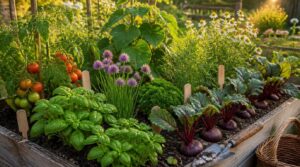
Tuck herbs between your veggie rows and watch pests lose interest fast. Basil guards tomatoes from hornworms; dill wards off cucumber beetles while sweetening nearby cucumbers.
| Herb | Role |
|---|---|
| Parsley | Attracts hoverflies |
| Chives | Deters aphids |
| Chamomile | Boosts nearby aroma |
Garlic tucked near beets sharpens flavor, too—proof that herb pest deterrence and flavor go hand in hand.
Pest-Deterring Flower Companions

Flowers aren’t just pretty filler—they’re working members of your garden team. Nasturtium lures aphids away from beans. Marigold deters nematodes and whiteflies. Dill and Alyssum invite hoverflies and wasps to patrol for pests, sustaining beneficial insects season-round.
| Flower | Pest Role |
|---|---|
| Nasturtium | Trap crop |
| Marigold | Nematode deterrent |
| Dill | Attracts predators |
| Alyssum | Draws hoverflies |
Pairings to Keep Apart

Good neighbors matter, but so do bad ones. Sage and beans inhibition slows nodulation, while dill and tomatoes issue cuts fruit set. Cucumbers and corn compete for light; fennel and pepper clash outright.
| Keep Apart | Why |
|---|---|
| Sage & Beans | Blocks nitrogen fixing |
| Grapes & Brassicas | Shared pest pressure |
| Fennel & Pepper | Mutual stunting |
Smart plant spacing prevents heartbreak later.
Seasonal Planting Timing
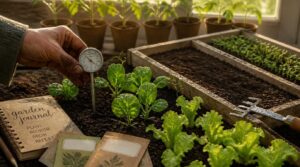
Timing makes or breaks your pairings. Soil temperature checks matter more than the calendar—peas and lettuce want 40-65°F, tomatoes need 60°F+ soil after frost.
| Crop Type | Ideal Timing |
|---|---|
| Cool season | Soil 40-65°F |
| Warm season | After last frost |
| Succession sows | Every 2-3 weeks |
Frost date planning and regional climate adjustments keep your planting calendar realistic and productive.
Easiest Pairings for New Gardeners

Ready to put theory into practice? These five pairings are tried, true, and nearly foolproof for a first garden. Here’s where to start.
Tomatoes, Basil, and Marigolds
Start here if you want a sure win: Tomatoes, Basil, and Marigolds form the classic trio. Basil (planted a foot from stems) shares your tomato’s sun and moisture needs while triggering a helpful wound response. Marigolds add pest deterrence and nematode suppression.
- Full sun, well-drained soil
- Basil: 12 inches from stems
- Marigolds: border the bed
- Attracts pollinators, deters pests
Carrots and Onions
Once your tomato bed’s settled, try an easier pair: carrots and onions. Onions release aromatic compounds that confuse carrot flies, while different root depths mean no competition underground. Onions tolerate compact soil; carrots want it loose and sandy, so this duo adapts well. Space carrots 2–4 inches apart, onions 4–6 inches, for good airflow and spacing.
Broccoli, Thyme, and Nasturtiums
Ready for a trio with more layers? Broccoli, thyme, and nasturtiums build a mini habitat. Thyme forms an aromatic barrier, confusing cabbage moths before they land.
Nasturtiums spread as living mulch, locking in soil moisture and smothering weeds, while their blooms pull in hoverflies and parasitic wasps for natural pest control. Plant thyme 6–8 inches out; let nasturtiums ramble freely.
Lettuce, Radishes, and Alyssum
Cool-season beds love this trio. Alyssum draws hoverflies that hunt aphids, radishes trap pests before they reach tender lettuce leaves, and their quick roots loosen soil for better moisture flow.
- Plant alyssum along bed edges
- Tuck radishes between lettuce rows
- Harvest radishes early, undisturbed
- Trim alyssum after blooming
- Let lettuce mature gradually
Corn, Beans, and Squash
Grandmothers called it the Three Sisters system, and it still works. Corn becomes a living trellis, beans fix nitrogen for hungry roots, squash spreads low to smother weeds.
| Crop | Role in the Mound |
|---|---|
| Corn | Trellis support |
| Beans | Nitrogen fixation |
| Squash | Weed suppression |
Build mounds, sow corn first, add beans once it’s knee-high, then ring squash around the edge.
Build Your First Companion-Planted Bed

Ready to put theory into practice? Building your first bed is simpler than it sounds once you break it into a few clear steps. Here’s exactly what to think through, in order.
Choose Crops by Season
Timing makes or breaks a companion bed. Choose crops by season: lettuce and spinach for cool spring soil, tomatoes and peppers once summer heat settles in, broccoli and cabbage for fall frost tolerance.
Check your planting calendar for succession planting timing—stagger lettuce every two weeks. Skip winter greenhouse options unless you’re growing under protection.
Match Sun and Water Needs
Under the same sun, plants don’t always share the same thirst. Sunlight grouping and water pairing matter just as much as season.
- Full sun crops: 6+ hours daily, higher water use in heat
- Shade tolerant crops: 2-4 hours, steadier soil moisture
- Morning sun pairs: reduce heat stress, cut watering frequency
Mulch locks in moisture across your whole layout.
Plan Height and Root Depth
Picture your bed in two layers: what happens below the soil, and what happens above it. Both need a plan.
Tall crops south of short ones protects sunlight, since corn or trellised beans won’t shade lettuce below.
For roots, pair shallow rooted crops like lettuce with deep rooted carrots. This root depth compatibility means less competition and smarter space maximization underground.
Space Plants for Airflow
Ever wonder why crowded beds turn moldy fast? Airflow optimization starts with leaf spacing—give each plant room to breathe. Raised beds with a 4-6 inch gap boost circulation nicely.
Three quick wins:
- Stagger heights for air channels
- Prune monthly per your schedule
- Check vent placement often
Smart garden layout through intercropping maximizes space while keeping air moving freely.
Add Herbs and Flowers
Your bed isn’t finished until it smells like a garden, not just looks like one. Tuck basil near tomatoes to repel thrips, and let marigold guard your cucumbers from pests.
Border edges with borage or alyssum—pollinator-friendly blooms that boost fruit set. Space herbs 6-8 inches apart, and enjoy nasturtium blossoms tossed right into salads.
Avoid Common Companion Planting Mistakes
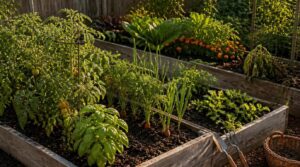
Even a well-planned bed can run into trouble if a few key details get overlooked. Some mistakes are easy to make and even easier to avoid once you know what to watch for. Here are the slip-ups that trip up new gardeners most often.
Expecting Guaranteed Pest Control
Since companion planting works with nature, not on a schedule, don’t expect zero pests. Nasturtium as a trap crop and dill drawing in aphid predators reduce damage, but won’t eliminate it.
That’s different from a pro pest guarantee coverage plan, with re-treatment policies and set service response time. Gardens need patience, not contracts.
Crowding Plants Too Closely
More isn’t always merrier in the garden. Pack plants in tight, and you’ll trade good intentions for root competition stress, airflow restriction, and disease spread risk.
Whether you’re working raised beds or in-ground rows, follow your Companion Planting Chart’s spacing notes to avoid:
- Nutrient depletion
- Growth stunting
- Fungal outbreaks
- Weak fruiting
- Pest hideouts
Ignoring Allelopathic Plant Effects
Crowding isn’t the only hidden hazard—some plants simply don’t play well with neighbors. This is allelopathy: certain species release root exudates or leaf compounds that trigger germination inhibition in nearby seedlings.
Watch for allelopathic soil buildup near cereals or brassicas. Protect sensitive crops like lettuce by rotating beds yearly, since crop rotation importance can’t be overstated for garden ecology and long-term soil health.
Mismatching Water and Sunlight
Not every mismatch is about roots and rot—sometimes it’s about sunlight intensity and leaf moisture loss. Tall crops belong south of short ones, so shade falls where it helps, not where it starves a neighbor.
- Water stress indicators: wilting, leaf curl
- Match root depth to avoid competition
- Sunflowers create useful microclimate shading
- Mulch boosts water retention in sun
- Time plantings seasonally for even moisture
Skipping Annual Crop Rotation
Rarely does one bed stay problem-free planting the same crops year after year. Soil nutrient depletion creeps in, pest buildup risk climbs, and weed resistance grows stronger each season.
Rotate families through your Companion Planting Chart to dodge reduced soil biodiversity and long-term yield decline. Good garden planning means matching crop rotation with seasonal planting timing—keeping those companion planting benefits working for you, not against you.
Frequently Asked Questions (FAQs)
Which vegetables grow well together chart?
Pair tomatoes with basil, carrots with onions, and beans with corn for a solid vegetable pairing chart. This companion planting guide covers effective duos, plus companion plants for cucumbers, peppers, and basil to boost your garden planting layouts.
What are the easiest companion plants to grow?
Slow and steady wins the race—so start small. Radishes, basil, and nasturtiums are your easiest wins: fast-growing starter combos that mature in weeks, forgiving beginner-friendly intercrops perfect for companion plants for carrots, cucumbers, and peppers alike.
What is the 70 30 rule in gardening?
Think 70 percent reliable perennials, 30 percent experimental annuals. This backbone-and-accent split gives your companion planting chart—carrots, basil, peppers, onions included—steady structure while leaving room to test seasonal pairings without risking your whole bed’s performance.
What vegetables need to be planted together?
If you believe tomatoes enjoy mingling with brassicas, think again—keep them apart. For best results, plant beans with corn, carrots with onions, cucumbers and radishes, and eggplant near beans for improved growth and pest control.
How often should I rotate companion planting layouts each year?
Rotate your companion planting layouts annually for best results—this breaks pest cycles, balances soil nutrients, and helps heavy feeders recover.
Shift beds each season, record crop families, and plan at least three layout changes for diverse plant associations.
Does companion planting work in raised garden beds too?
It’s almost ironic—raised beds, meant for control, actually improve companion planting. Proper airflow and spacing reduce pests, while mixing root depths balances soil health. Adapt your pairs to the microclimate; success depends on thoughtful plant compatibility.
How many plant varieties should a beginner start with?
Start with 5 to 7 plant varieties—this range keeps your garden manageable and lets you observe how plant compatibility and companion planting work. Choose crops with similar needs, then adjust selections as you learn and gain confidence.
Are companion planting benefits noticeable in the first season?
You’ll notice companion planting benefits in the first season—like natural pest deterrence, early nitrogen boosts, improved soil moisture retention, and quicker harvests.
Flowering companions attract pollinators, and mixed beds reduce pest pressure almost right away.
Conclusion
Think of your garden as a symphony—each plant has a role, and your companion planting chart for beginners is the sheet music guiding the balance. Pairing basil with tomatoes, or beans with corn, builds a resilient network where natural pest control and strong growth become the norm.
Start with small, proven combinations, then expand as your confidence grows. Every season brings new lessons.
When you trust plant partnerships, you’ll see nature’s rhythms play out in your own backyard.