This site is supported by our readers. We may earn a commission, at no cost to you, if you purchase through links.
The freshest herb you’ll ever taste comes from a pot on your windowsill, not a plastic clamshell from the grocery store that’s been sitting in refrigerated limbo for a week. That gap in flavor—between store-bought and home-grown—is something you only understand after pinching a leaf of basil you grew yourself and catching that burst of sweetness right in the kitchen.
Container herb gardening works in almost any space. A balcony, a south-facing sill, even a narrow stretch of countertop can support a rotating harvest of basil, thyme, mint, and oregano. You don’t need raised beds or a backyard or any prior experience with plants.
What you do need is the right information—which herbs to choose, how to pot them, and when to harvest for maximum flavor. That’s exactly where we’re headed.
Table Of Contents
- Key Takeaways
- Choose Container-Friendly Herbs
- Top 5 Container Herb Picks
- Plant Herbs in Pots
- Maintain and Harvest Potted Herbs
- Frequently Asked Questions (FAQs)
- What herbs grow well in a container?
- What herbs go well together in a container?
- What is the most common mistake made with container plants?
- Which herbs grow well in pots?
- What herbs should not be potted together?
- How deep of a container do you need for herbs?
- How many herbs can I plant in a 5 gallon bucket?
- Can herbs be grown indoors year-round successfully?
- Which herbs are easiest for beginners to grow?
- How often should container herbs be replanted?
- Conclusion
Key Takeaways
- Container herb gardening works in almost any small space — a windowsill, balcony, or countertop — as long as you match each herb to the right pot size, soil mix, and light conditions.
- Choosing the right herbs matters from the start: compact, container-friendly varieties like basil, thyme, and oregano thrive in pots, while deep-rooted herbs like fennel, horseradish, and bay laurel will fight you every step of the way.
- Overwatering kills more container herbs than anything else, so let the soil — not a schedule — tell you when it’s time to water, and always make sure your pots have proper drainage.
- Harvest in the morning when essential oils peak, pinch stems just above a leaf node to encourage bushy growth, and you’ll keep your herbs producing all season long instead of bolting early.
Choose Container-Friendly Herbs
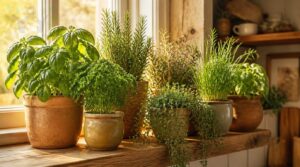
Not every herb belongs in a pot, and starting with the right ones makes all the difference. Some thrive in containers, some need a little extra room to spread out, and a few will flat-out refuse to cooperate. Here’s what you need to know before you start filling pots.
If you’re just getting started, this guide to herb gardening in pots walks you through choosing the right varieties and getting them settled in with proper depth, root prep, and that all-important first watering.
Annual Versus Perennial Herbs
Before you plant a single seed, understanding the herb life cycle changes everything.
Annuals like basil and cilantro burn brightly for one season, then they’re done.
Perennial herbs — think oregano, thyme, and mint — come back year after year from the same root crown, rewarding your patience with multiple harvests and increasingly established root systems that handle dry spells better over time. For example, tender perennial rosemary is often grown as an annual in cooler climates.
Compact Culinary Herbs
Once you’ve sorted out which herbs stick around and which ones bow out after one season, the next question is whether they’ll actually fit your setup. Good news: compact culinary herbs were practically designed for containers.
Dwarf basil varieties stay 12–18 inches tall, prostrate thyme forms a low mat, and miniature parsley cultivars top out around 8–12 inches — all perfectly sized for a balcony rail or kitchen sill.
Pollinator-friendly Herb Options
Growing a few flowering herbs changes the whole equation.
Lavender, rosemary, and thyme are drought-tolerant pollinator magnets that bloom reliably in pots — thyme’s tiny pink flowers draw bumblebees steadily through warm months, while oregano’s clusters bring honeybees in droves.
Leave a little basil to bolt and you’ve got season-long nectar running from spring chives all the way into midsummer.
Invasive Herbs to Contain
Some herbs are downright territorial.
Mint spreads through creeping underground rhizomes that slip past neighboring pots without apology, and lemon balm reseeds so freely it’ll colonize every container nearby if you skip deadheading.
Oregano quietly forms dense mats the same way.
Keep these aggressive spreaders in isolated, tight-fitting pots and prune them back hard — control the conditions, and they’re genuinely worth growing.
Herbs to Avoid in Pots
Not every herb belongs in a pot — some will fight the container from day one.
- Fennel’s deep taproot
- Horseradish’s massive root mass
- Bay laurel’s tree-like growth
- Lovage’s extensive root system
- French tarragon’s leggy spread
These five consistently disappoint in containers, so skip them entirely and save your pots for herbs that genuinely thrive.
For the herbs that do thrive, a mix of composted manure and well-tested soil makes all the difference — check out these herb garden soil requirements for container growing to set them up right.
Top 5 Container Herb Picks
Not every herb earns its place on a windowsill, but these five have proven themselves worth the pot space. Each one brings something distinct to your container garden, whether you’re cooking, snipping, or just enjoying the scent. Here are the top picks to get you started.
1. Organic Genovese Basil Seeds
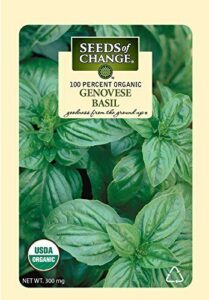
If you’ve ever wanted to grow basil that actually tastes like basil, Seeds of Change Genovese is a strong place to start. These certified organic, non-GMO seeds are packaged in a resealable, moisture-proof pouch that keeps them viable for up to five years — which means you’re not racing against an expiration date.
Genovese is the classic Italian variety: large, shiny leaves with that sweet, peppery fragrance that makes homemade pesto worth the effort. Germination takes 7–10 days under warm, bright conditions.
| Best For | Home cooks and herb gardening enthusiasts who want a reliable, organic basil variety for fresh culinary use — whether growing indoors, on a balcony, or in a garden bed. |
|---|---|
| Herb Variety | Genovese Basil |
| Product Form | Organic Seeds |
| Package Quantity | 1 Seed Packet |
| Container Size | Resealable Packet |
| Culinary Use | Salads, Pesto, Garnishes |
| Mature Height | Varies (Seed-Dependent) |
| Additional Features |
|
- Certified organic and non-GMO, making it a solid choice for gardeners who prioritize clean, sustainable growing practices
- The resealable, moisture-proof pouch keeps seeds viable for up to five years, so you’re not pressured to use the whole packet at once
- Genovese basil’s classic sweet fragrance and large leaves make it ideal for pesto, salads, and fresh garnishes
- Germination rates can be hit or miss, with some users reporting fewer sprouts than expected
- There have been occasional complaints of off-variety seedlings (like dark-leaf basil) showing up instead of true Genovese
- The plastic resealable packaging may be a drawback for gardeners with strict eco-friendly standards
2. Dolce Fresca Basil Plant
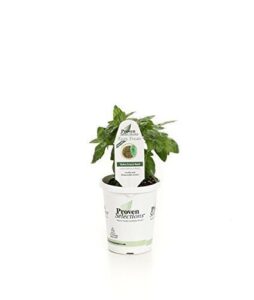
If Genovese basil is the classic, Dolce Fresca is the one you actually want in a container. This All-America Selections winner forms a tidy, compact mound — rarely topping two feet — with large, glossy leaves that smell like a Ligurian kitchen in July.
That late-flowering tendency is what sets it apart. More leaf, less bolt, which means a longer harvest window all season. For small patios or balcony planters, it’s genuinely hard to beat.
| Best For | Home cooks, balcony gardeners, and pesto lovers who want a low-maintenance, long-lasting basil plant that thrives in containers or small garden spaces. |
|---|---|
| Herb Variety | Sweet Basil |
| Product Form | Live Plants |
| Package Quantity | 4 Plants |
| Container Size | 4.25-Inch Pot |
| Culinary Use | Fresh Cooking, Pesto |
| Mature Height | 10–24 Inches |
| Additional Features |
|
- Compact, slow-to-bolt growth means you get more harvestable leaves for longer throughout the season
- Disease-resistant and drought-tolerant, so it demands far less upkeep than typical basil varieties
- Arrives as four ready-to-plant live plants — no waiting around for seeds to sprout
- Not frost-hardy, so gardeners in colder climates will need to bring it indoors or add protection once temperatures drop
- Four plants per order may not be enough for larger garden plots or high-volume cooking needs
- Requires at least six hours of direct sun daily, making it a poor fit for shaded patios or north-facing balconies
3. Hot Spicy Basil Herb Plants
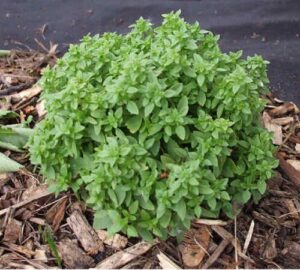
If sweet basil is your everyday driver, hot spicy basil is the one with a little extra under the hood. These compact plants arrive in 3.5-inch pots, already forming the low, wide mounds that fit naturally into balcony planters or window boxes. The leaves carry a clove-and-mint warmth that adds real depth to tomato sauces, pestos, and grilled vegetables — no chopping required.
Pinch flower spikes daily, keep the soil consistently moist but never waterlogged, and you’ll see harvests every three to four weeks.
| Best For | Home cooks and small-space gardeners who want fresh, bold basil flavor without the prep work — perfect for balcony containers, window boxes, or decorative herb borders. |
|---|---|
| Herb Variety | Bush Basil |
| Product Form | Live Plants |
| Package Quantity | Varies by Order |
| Container Size | 3.5-Inch Pot |
| Culinary Use | Soups, Sauces, Breads |
| Mature Height | 4–7 Inches |
| Additional Features |
|
- Leaves are small and tender enough to toss straight into soups, sauces, or onto grilled meats — no chopping needed
- Compact, mounding growth fits easily into pots, window boxes, or tight garden edges
- The clove-and-mint warmth adds a layer of depth that regular sweet basil simply can’t match
- Flower spikes need to be pinched off daily, or the leaves lose their aroma and flavor
- Growth quality can be inconsistent — some plants arrive stringy or struggle in low-light conditions
- Requires steady watering and well-draining soil, so it’s less forgiving if you tend to forget about your plants
4. Clovers Garden Greek Oregano Seeds
Greek oregano is where the Mediterranean really shows up in your kitchen. Clovers Garden’s pack comes as seeds — despite the "live plant" label — so set your expectations accordingly.
Scatter them on moist, well-draining potting mix, barely covering them, and germination arrives in 10–21 days under warm conditions. That compact, bushy mound delivers a spicy, earthy punch that dried store-bought simply can’t match.
Full sun is non‑negotiable here; the more light it gets, the bolder the flavor.
| Best For | Home cooks and herb enthusiasts who want to grow fresh, flavorful Greek oregano in small spaces like windowsills or balconies. |
|---|---|
| Herb Variety | Greek Oregano |
| Product Form | Seeds or Plants |
| Package Quantity | 2 Units |
| Container Size | 3.5-Inch Pot |
| Culinary Use | Cooking, Seasoning |
| Mature Height | 4–7 Inches |
| Additional Features |
|
- Compact growth habit (4–7 inches) makes it ideal for containers, small pots, or tight garden spots
- Fresh Greek oregano delivers a bold, earthy flavor that easily outshines dried store-bought versions
- Seeds can be started indoors and transplanted, giving you flexibility in how and where you grow them
- The product listing advertises live plants, but most buyers receive seeds — a misleading description worth knowing upfront
- Germination isn’t guaranteed; some customers report poor sprouting even with proper care
- International orders can face long shipping times, which may affect seed viability before they even reach you
5. Clovers Garden English Thyme Live Plants
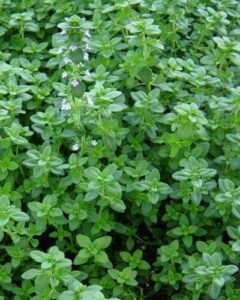
English thyme is the herb that quietly does everything. Each Clovers Garden pack delivers two live plants in 4-inch pots, ready to drop straight into a container or raised bed — no germination guesswork like with seeds. The plants arrive 4–8 inches tall, Midwest-grown, non-GMO, and chemical-free.
Thyme’s compact, mounding habit makes it ideal for edges and window boxes. Give it at least six hours of sun, water only when the top inch dries out, and it practically grows itself.
| Best For | Home cooks and herb enthusiasts who want a low-maintenance, ready-to-grow culinary herb without the wait of starting from seed. |
|---|---|
| Herb Variety | English Thyme |
| Product Form | Live Plants |
| Package Quantity | 2 Plants |
| Container Size | 4-Inch Pot |
| Culinary Use | Brining, General Cooking |
| Mature Height | 4–8 Inches |
| Additional Features |
|
- Two mature plants per pack means you get twice the harvest right from the start
- Arrives already 4–8 inches tall, so you can transplant and start using it almost immediately
- Naturally compact and drought-tolerant once established — great for containers, raised beds, or garden edges
- Plant condition on arrival can be inconsistent, with some customers reporting shipping stress or damage
- Hot weather during transit can seriously shorten the plants’ survival window
- Only suited for USDA zones 7–8, so gardeners in colder climates will need to bring them indoors over winter
Plant Herbs in Pots
Getting herbs into the right pot is where the real growing begins. A few key decisions — container size, material, soil mix, and planting depth — can make or break your harvest before a single leaf appears. Here’s what to get right from the start.
Match Herbs to Pot Sizes
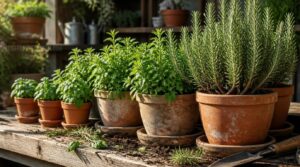
Every herb has an opinion about its pot, and ignoring that opinion costs you a harvest.
Basil thrives in 6–8 inch pots, keeping growth compact and productive. Mint needs at least 12 inches to contain its runners. Rosemary wants 12–18 inches for its woody roots to breathe.
Always check for drainage holes — soggy roots sink even the hardiest herb.
Choose Proper Container Materials
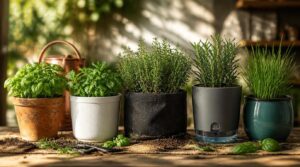
Once you’ve matched the right pot size, the material you choose shapes everything from root temperature to how often you’ll need to water.
- Terracotta — breathable and beautiful, but dries out fast
- Plastic — lightweight and moisture-retaining, though it can warp in heat
- Fabric grow bags — excellent drainage and air-pruning roots
- Self-watering containers — moderate moisture and reduce daily watering
- Ceramic/glazed pots — make sure food-safe glazes to avoid soil contamination
Use Well-draining Potting Mix
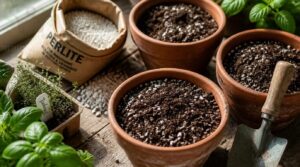
The material you chose sets the stage, but what goes inside the pot matters just as much. A well-drained soil mix is your real foundation — combine two parts quality potting mix with one part perlite for drainage and aeration.
Perlite vs vermiculite: perlite drains faster, vermiculite holds more moisture, so choose based on your herb’s needs.
Group by Sun Needs
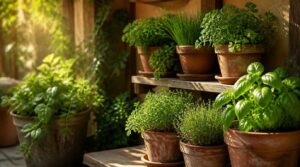
Good soil gets you started, but sun placement seals the deal. Basil and oregano demand full sun — 6 to 8 hours daily — while mint and lemon balm handle partial shade comfortably. Grouping herbs by their light requirements keeps everyone thriving together:
- Full sun – basil, oregano, thyme
- Partial sun – parsley, cilantro, chives
- Shade tolerant – mint, lemon balm
Plant at Correct Depth
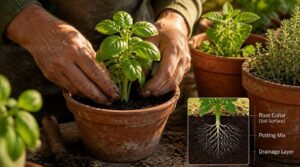
Depth is the detail most gardeners overlook — and it’s where plants quietly fail. Crown placement is everything: set your transplant so the root collar sits right at the soil surface, never buried. If stems darken where they meet the soil, you’ve gone too deep.
After the first watering, soil settles, so check and adjust immediately.
Maintain and Harvest Potted Herbs
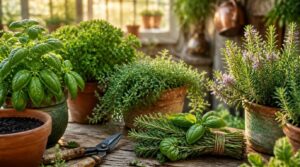
Once your herbs are in the ground — well, the pot — keeping them healthy comes down to a handful of consistent habits. The good news is that none of them are complicated, and most take just minutes a week. Here’s what to stay on top of to keep your container garden producing all season long.
Water by Soil Dryness
Your herbs don’t need a rigid watering calendar — they need you to read the soil. Press your finger an inch deep; if it feels dry, water thoroughly until it drains from the bottom. That simple finger test catches overwatering before roots rot, which kills more container herbs than drought ever does.
Fertilize With Compost
Think of compost as a slow-release organic fertilizer that your herbs actually trust.
Unlike synthetic feeds that can burn roots, organic compost releases nitrogen, phosphorus, and potassium gradually, feeding your plants steadily over weeks.
Mix 20–30 percent compost into fresh potting media before planting, then topdress perennials with compost every four to six weeks through the growing season.
Prune for Bushy Growth
Pruning is the secret that turns a scraggly herb into a full, productive plant. Every time you pinch growth tips just above a leaf node, you break apical dominance and trigger two or more lateral shoots below.
Pinch growth tips above a leaf node and watch one stem become two
Basil especially rewards this habit — pinch weekly, and it doubles its branching almost before your eyes.
Prevent Pests Organically
Pests move fast, but you can stay one step ahead without reaching for a single chemical.
Lady beetles and lacewings are your quiet allies — plant nectar-rich flowers nearby, and they’ll handle aphids for you.
Spray diluted neem or insecticidal soap after dusk to protect beneficials.
Check leaves weekly; catching trouble early keeps it from becoming a takeover.
Harvest and Preserve Regularly
Morning is your window. Cutting herbs at dawn, before the heat rolls in, captures peak essential oil content — that’s where the flavor lives.
Harvest frequently, snipping just above a leaf node, and your plants will bush out rather than bolt.
Freeze chopped herbs in olive oil as ready-made flavor cubes, or dry them at 95–115°F to concentrate taste without scorching.
Frequently Asked Questions (FAQs)
What herbs grow well in a container?
Herbs like basil, parsley, thyme, mint, and rosemary adapt surprisingly well to pots, delivering fresh flavor without needing a garden bed. Even a sunny balcony gives you enough room to grow a satisfying culinary collection.
What herbs go well together in a container?
Basil, chives, and parsley share similar sun and moisture needs, making them natural companions. Thyme, oregano, and sage thrive together in a well-draining Mediterranean mix. Keep mint in its own pot.
What is the most common mistake made with container plants?
Think of a fish tank with no filter — the water clouds fast. Overwatering is the top mistake in container gardening, causing root rot by drowning roots and cutting off oxygen in compact, poorly draining soil.
Which herbs grow well in pots?
A handful of herbs practically beg to be grown in pots. Basil, oregano, thyme, mint, and chives are your best bets — compact, productive, and surprisingly forgiving for beginners.
What herbs should not be potted together?
Some herbs quietly undermine their neighbors. Mint’s invasive spread and menthol vapors suppress basil, parsley, and oregano. Sage’s camphor inhibits cilantro. Dill crowds parsley. Keep aggressive spreaders in their own pots.
How deep of a container do you need for herbs?
Most culinary herbs have shallow root systems, thriving in just 6–8 inches of depth. Rosemary and mint need 12 inches or more. Match depth to the herb, and you’re already ahead.
How many herbs can I plant in a 5 gallon bucket?
A 5-gallon bucket comfortably fits 3 to 4 small herbs, like basil, chives, or thyme. Stick to compact varieties, space them 6–8 inches apart, and you’ll avoid the root crowding that silently strangles yields.
Can herbs be grown indoors year-round successfully?
Yes, herbs absolutely thrive indoors year-round when you give them 6–8 hours of bright light daily, steady temperatures between 65–75°F, and consistent watering — a south-facing window or grow lights make all the difference.
Which herbs are easiest for beginners to grow?
Basil, mint, and chives are the easiest herbs for beginners — they’re forgiving, fast-growing, and useful in the kitchen. Thyme and parsley are close runners-up, thriving with minimal fuss.
How often should container herbs be replanted?
Think of repotting like giving your herb a new home — plan on renewing the soil every 1–2 years, or sooner when roots escape drainage holes or growth stalls unexpectedly.
Conclusion
Old gardeners had a saying: *tend what feeds you first.
- Container herb gardening is exactly that—a small, purposeful act that pays you back every single time you cook. everything you need: the right herbs, the right pots, the right habits. Pick a windowsill. Start with basil or thyme. Water when the soil says so, harvest before it bolts, and let your kitchen tell you when you’ve finally got it right.
- https://savvygardening.com/best-herbs-for-container-gardening
- https://momsneedtoknow.com/grow-herb-container-garden
- https://tagawagardens.com/blog/grow-your-own-herb-garden-in-containers
- https://extension.wvu.edu/lawn-gardening-pests/gardening/gardening-101/herb-gardening-for-beginners
- https://www.gardenary.com/blog/how-to-grow-herbs-in-a-small-space