This site is supported by our readers. We may earn a commission, at no cost to you, if you purchase through links.
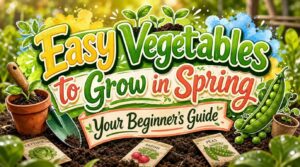
Spring gardening has a dirty little secret: most beginners plant too late. By the time the weather feels comfortable enough to dig in the dirt, your cool‑season window has already started closing.
Lettuce, spinach, and peas don’t just tolerate cold—they need it. Some germinate in soil as chilly as 35°F, weeks before your last frost date.
That early start is exactly what separates a full spring harvest from a disappointing one. The easy vegetables to grow in spring aren’t the ones that survive the season—they’re the ones that thrive when you plant them at the right moment.
Table Of Contents
- Key Takeaways
- Easy Spring Leafy Greens
- Quick Spring Root Vegetables
- Beginner Spring Peas and Beans
- Spring Growing Success Basics
- Top 10 Spring Vegetable Starters
- 1. Hydroponic Lettuce Seedling Mix Pack
- 2. bok choy plants for garden
- 3. Red Yellow Onion Garden Sets
- 4. organic green onion heirloom seeds
- 5. organic cherry belle radish seeds
- 6. Live Asparagus Bare Root Plants
- 7. Live Artichoke Plant in Gallon Pot
- 8. Green Bell Pepper Live Plants
- 9. Big Boy Tomato Live Plants
- 10. chard plants ready to plant
- Frequently Asked Questions (FAQs)
- What soil temperature is best for spring planting?
- How often should I water spring vegetables?
- When can I start planting after winter?
- What tools do I need for spring gardening?
- How do I protect crops from late frosts?
- How do I know when soil is ready for spring planting?
- Should I start seeds indoors or direct sow outside?
- What pests commonly attack spring gardens and how do I prevent them?
- Can spring vegetables grow in shady yards?
- How do I protect seedlings from late frosts?
- Conclusion
Key Takeaways
- Cool-season crops like spinach, peas, and lettuce actually need cold soil to thrive — plant them weeks before your last frost, not after.
- Succession planting every 1–2 weeks is the real trick to keeping a steady harvest throughout spring instead of one big flush and then nothing.
- Root vegetables like radishes and turnips are ready in as little as 21–30 days, making them perfect if you want to see results fast.
- Soil temperature beats the calendar every time — once you’re hitting 40–50°F at 2 inches deep, you’re good to start planting.
Easy Spring Leafy Greens
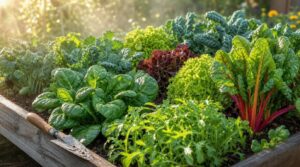
Leafy greens are honestly the best place to start if you’re new to gardening — they grow fast, don’t ask for much, and you’ll be eating something you grew within weeks.
Spinach and lettuce especially thrive in cooler temps, making them ideal picks for your fall garden beginner’s guide.
Spring is their sweet spot, with cool air and mild soil giving them exactly what they need to thrive.
Here are five easy ones worth planting this season.
Lettuce for Quick Harvests
Lettuce is the go-to win for beginner gardeners starting out in spring. Leaf varieties like Black Seeded Simpson are ready to harvest in 30–45 days. Start with succession planting — sow seeds every 10–14 days in early spring for a steady supply.
- Harvest outer leaves when plants hit 3–4 inches
- Cut 2 inches above soil for regrowth
- Aim for soil pH 6.0–6.8
- Pick in the morning for crispest leaves
- Mulch to slow bolting in warm spells
Ensuring optimal soil pH helps lettuce thrive.
Spinach Before Warm Weather
Spinach is your next spring win. Sow it 4–6 weeks before your last frost — it germinates in soil as cold as 35°F. That’s earlier than almost anything else you’ll plant.
Once it’s growing, keep the soil evenly moist. Dry spells speed up bolting. Succession sow every 2–3 weeks to stay ahead of the heat.
Kale for Repeat Picking
Kale is the gift that keeps giving. Unlike spinach, it doesn’t clock out when warm weather arrives — it just keeps producing.
The trick is harvesting outer leaves only, leaving the central crown alone. That’s your plant’s growth engine. Cut into it and regrowth stalls.
Here’s what to remember:
- Harvest little and often — take a few outer leaves every few days rather than stripping one plant bare.
- Keep soil evenly moist — dry spells slow new leaf production fast.
- Let frost work for you — a light freeze actually sweetens the flavor.
Spring-planted kale rewards patient, steady pickers all season long.
Arugula Every Two Weeks
If kale is the steady workhorse, arugula is the sprinter. Sow it, harvest it, sow it again — that’s the whole game.
Every two weeks, drop a new row of seeds. Baby leaves are ready in as little as 21 to 28 days. Pick leaves at 2–3 inches, cut just above the base, and fresh growth follows.
Arugula bolts fast in heat. Keep soil around 45 to 60°F and tuck plants into partial shade if your spring runs warm. Watch for flea beetles — row covers stop them cold.
Swiss Chard Spring Care
Swiss chard is one of those plants that just keeps giving all spring long. Sow seeds ½ inch deep, spacing them 12 to 18 inches apart in well-drained soil with a pH between 6.0 and 7.5.
Lay down straw mulch to hold moisture and even out temperature swings.
Start picking outer leaves once plants hit 6 to 8 inches — the center keeps pushing out fresh growth.
Quick Spring Root Vegetables
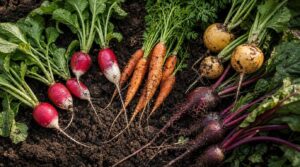
Root vegetables are some of the most satisfying things you can grow in spring — you put a seed in the ground and pull out actual food. They don’t need much space, and a few of them are ready before you’ve even lost track of where you planted them. Here’s a look at the best ones to start with.
Radishes in Thirty Days
Radishes are the sprinters of spring planting — most varieties are harvest-ready in just 21 to 30 days. Cherry Belle and Early Scarlet Globe are great beginner picks, often producing crisp roots within 25 days.
Sow seeds ½ inch deep, keep soil moist, and thin to 2 inches apart. Succession plant every 7 to 14 days for a steady, rolling harvest all season.
Carrots in Loose Soil
Unlike radishes, carrots need a little more patience — and the right soil. Loose, well-drained soil is non-negotiable. Hard or rocky ground causes roots to fork and twist instead of growing straight down.
Dig at least 12 inches deep, remove stones, and mix in compost or organic matter. Thin seedlings to 2–4 inches apart. Carrots mature in 58–75 days.
Beets With Edible Greens
Beets are the rare plant that gives you two crops in one. The root takes 50–60 days to mature, but the leafy greens are ready well before that — around 6–8 weeks after sowing.
Harvest outer leaves first to keep the root growing. The greens are nutrient dense, packed with vitamin A, iron, and calcium. Sauté them with garlic, toss them in salads, or stir them into soup.
Turnips for Fast Harvests
Turnips might be the most underrated crop in the spring garden. Their fast-growing nature makes them a win for beginners — varieties like Tokyo Cross are ready to harvest in 3–4 weeks. That’s faster than almost anything else you can grow from seed.
Turnip soil prep matters. Loose, well-drained soil keeps roots round and smooth. For turnip succession sowing, plant every two to three weeks for a steady supply all spring.
Spacing Roots Correctly
Spacing is the silent rule that separates a good harvest from a disappointing one. Here’s a quick cheat sheet for root spacing basics:
- Radishes: 1–2 inches apart
- Carrots: 2–3 inches apart in loose, deep soil
- Beets: 3–4 inches apart
- Turnips: 3–4 inches after thinning
- Row gaps: 12–18 inches between rows
Always thin after germination — crowded roots fork and stay small.
Beginner Spring Peas and Beans
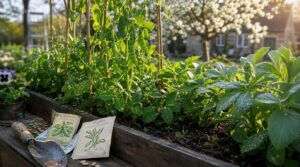
Peas and beans are some of the easiest crops you can start with in spring — they basically plant themselves. They don’t need much fuss, and the payoff is surprisingly fast. Here’s what you need to know to get started.
Garden Peas on Trellises
Garden peas are natural climbers, and giving them a sturdy trellis makes all the difference. Their tendrils grip wires, mesh, or slats on their own — you just need to point them in the right direction within 7 to 14 days after germination.
A 4 to 6 foot trellis height keeps vines tidy and pods off the ground, which helps with airflow and cuts down on rot.
Sugar Snap Pea Basics
Sugar snap peas are a step up from garden peas in one key way — you eat the whole pod. No shelling needed. Pods hit their sweet spot at 3 to 4 inches long, packed with 5 to 7 tender peas inside.
- Sow seeds 1 inch deep, spacing them 2 to 3 inches apart
- Direct sow in cool soil — they thrive between 60 to 70°F
- Give them a sturdy trellis reaching 4 to 6 feet tall
- Succession plant every 7 to 10 days to keep harvests rolling
Bush Beans After Frost
Bush beans don’t share peas’ cold-weather toughness. Wait until after your last frost — and until soil hits a steady 60°F — before you sow. Plant too early and seeds rot or stall in cold ground.
If a surprise frost hits young plants, cover them fast with breathable fabric. Established beans can recover, but expect some delayed flowering and smaller pods.
Pole Beans for Vertical Gardens
Pole beans take vertical gardening to a whole new level. Unlike bush beans, these vines want to climb — so give them something solid to work with. A trellis at least six feet tall is your best bet, whether that’s a classic teepee of bamboo poles, a wire panel, or a freestanding tower you can move around.
Plant seeds one inch deep, about four to six inches apart, after your last frost and once soil hits 60°F. Varieties like Kentucky Wonder or Scarlet Emperor are reliable climbers with good yields. Once vines reach 6–12 inches, gently guide them onto the trellis. They’ll take it from there.
Nitrogen Benefits for Soil
Here’s the quiet magic behind peas and beans: they pull nitrogen straight from the air and store it in their roots. That free fertilizer stays in your soil long after harvest. This soil fertility boost sets up everything that follows.
Peas and beans pull nitrogen from the air and leave free fertilizer behind in your soil
- Leaf growth boost feeds lush, nutrient-dense greens
- Microbial activity accelerates natural nutrient cycling
- Protein synthesis strengthens plants without heavy fertilization
- Nutrient retention improves soil structure in well-composted soil
Spring Growing Success Basics
Getting the basics right makes everything else easier. A few key things — soil temp, pH, watering, and how you harvest — can mean the difference between a thriving garden and a frustrating one. Here’s what every beginner should know before getting started.
Best Spring Soil Temperatures
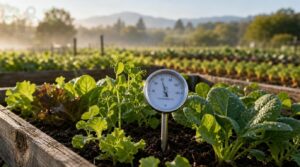
Soil temperature is the real starting gun for spring planting. Cool-season crops like lettuce and spinach can germinate when soil hits just 40–50°F.
Peas are happy there too. Once soil climbs to 60°F, beets and carrots take off.
Not sure of your soil temp? Grab a soil thermometer — it beats guessing by the calendar every time.
Simple PH Guidelines
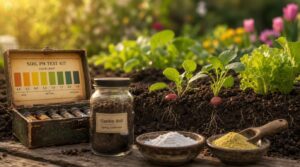
Most spring vegetables like a slightly acidic soil — somewhere between pH 6.0 and 7.0. That sweet spot keeps nutrients available and roots happy.
Not sure where your soil stands? Soil pH testing once a year tells you exactly what you’re working with. If it’s too acidic, lime application fixes it. Too alkaline? A little sulfur brings it back down.
Raised Beds Versus Containers
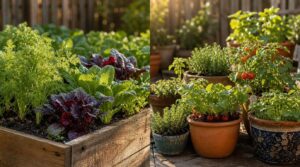
Both options work — it really comes down to your space and goals.
Raised garden beds warm up one to two weeks faster in spring, so you can plant earlier. They also give roots like carrots and beets the full 12–18 inches they need.
Containers are great if space is tight — just make sure they drain well, or roots will rot.
Watering for Steady Growth
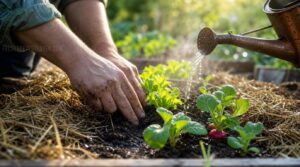
Getting watering right is honestly half the battle. Your goal is root zone hydration — not just wetting the surface.
Water slowly and deeply so moisture reaches 6–12 inches down.
Then do a quick moisture check: push your finger 2–3 inches into the soil. Barely damp? Time to water.
On hot days, bump your irrigation frequency up about 10–20%. Mulch helps lock that moisture in.
Harvesting Cut-and-come-again Crops
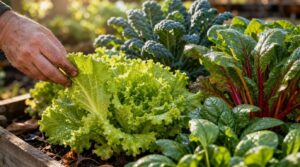
Think of cut-and-come-again harvesting like a haircut — trim the right amount, and it grows back stronger. For lettuce, spinach, kale, and Swiss chard, remove only outer leaves, leaving the center untouched.
Never take more than one-third of the plant. After a light harvest, new growth appears within 3–7 days. Pick every 7–14 days for a continuous harvest all season.
Top 10 Spring Vegetable Starters
Ready to stock your garden? These ten starter picks cover everything from speedy greens to warm-season favorites, so there’s something here no matter your setup or experience level. Let’s get into what’s worth grabbing this spring.
1. Hydroponic Lettuce Seedling Mix Pack
If you want fresh lettuce fast, the Hydroponic Lettuce Seedling Mix Pack is a smart place to start.
You get a blend of red and green oak, butterhead, and romaine — already 14 to 21 days old when they arrive. Roots are white, strong, and ready to go.
Just drop them into your NFT or DWC system, keep the pH between 5.5 and 6.5, and you’re harvesting in as little as 25 days.
| Best For | Anyone who wants to skip the seed-starting hassle and get fresh lettuce growing indoors fast — whether you’re brand new to hydroponics or already have a system set up. |
|---|---|
| Plant Type | Seedling Mix |
| Soil pH | 5.5–6.5 |
| Sunlight Needs | Indoor/artificial |
| Container Friendly | Yes |
| Non-GMO | Yes |
| Skill Level | Beginner |
| Additional Features |
|
- Comes with four ready-to-plant seedlings (two green leaf, two red leaf), so you’re weeks ahead of starting from seed.
- The peat plugs hold their shape and drop right into most hydroponic or soilless setups — no mess, no fuss.
- Great for year-round growing, so you’ve always got fresh greens on hand for salads or garnishes.
- You’ll need to add fertilizer regularly — these seedlings won’t thrive without extra nutrients.
- The plug size might not fit every hydroponic system, so double-check your setup before buying.
- Only green and red leaf varieties are included, so if you’re hoping for romaine or butterhead, you’ll need to look elsewhere.
2. bok choy plants for garden
Bok choy is one of those cool-season crops that feels almost too easy. It matures in 30 to 50 days, tolerates light frost, and keeps producing when you harvest outer leaves first.
Space plants 8 to 12 inches apart in rich, moist soil with a pH around 6.0 to 7.5. Pick bolt-resistant varieties for a longer spring harvest window.
| Plant Type | Onion Sets |
|---|---|
| Soil pH | Well-drained |
| Sunlight Needs | Full sun |
| Container Friendly | Yes |
| Non-GMO | Yes |
| Skill Level | Beginner |
3. Red Yellow Onion Garden Sets
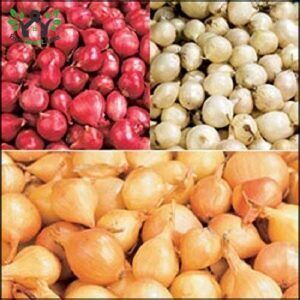
If bok choy got you excited about fast spring planting, onion sets take it one step further. Red, white, and yellow onion sets skip the seed stage entirely — you’re planting small bulbs that are already ahead of the game.
Push each bulb 1 to 1.5 inches deep, pointed end up, spaced 3 to 4 inches apart. They need well-drained soil and steady moisture. Full bulbs take 90 to 120 days, but you can snip the greens much sooner.
| Best For | Home gardeners in southern climates who want to skip the seed stage and grow fresh onions or snip greens through the season. |
|---|---|
| Plant Type | Heirloom Seeds |
| Soil pH | 6.0–7.0 |
| Sunlight Needs | Full sun |
| Container Friendly | Yes |
| Non-GMO | Yes |
| Skill Level | Beginner |
| Additional Features |
|
- 40 bulbs for under $6 is a solid deal — low cost to get started
- Organic and non-treated, so they play nicely with most garden setups
- Plant in late summer or fall and you’re harvesting before the first frost hits
- Yellow bulbs can be slow to sprout, and growth results vary a lot
- Many bulbs run small, so don’t count on full-size onions from every one
- The plastic mailer doesn’t protect much — bulbs can arrive squashed or already showing mold
4. organic green onion heirloom seeds
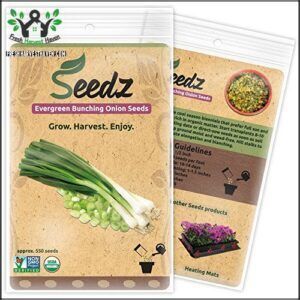
Onion sets are great, but if you want to grow from scratch and save seeds year after year, heirloom green onion seeds are worth a try. The Evergreen Bunching variety is a solid pick — mild, slender, and cold-hardy enough for early spring.
Sow seeds ¼ inch deep, about 1–2 inches apart, in loose soil with a pH of 6.0–7.0. They’ll be ready to harvest in roughly 60–65 days. Snip outer stalks first, and they’ll keep producing all season.
| Best For | Home gardeners who want an affordable, organic way to grow fresh scallions from scratch and save seeds season after season. |
|---|---|
| Plant Type | Radish Seeds |
| Soil pH | 6.0–7.0 |
| Sunlight Needs | Full sun |
| Container Friendly | Yes |
| Non-GMO | Yes |
| Skill Level | Beginner |
| Additional Features |
|
- USDA-certified organic and non-GMO, so you know exactly what you’re planting
- Cold-hardy enough to overwinter, which means earlier harvests and a longer growing season
- ~550 seeds per pack gives you serious bang for your buck whether you have a small raised bed or a bigger garden plot
- A few buyers got fewer seeds than the advertised 550, so the count isn’t always consistent
- Germination rates can be hit or miss — don’t expect every seed to sprout
- Needs full sun, well-drained soil, and steady weed control, so it’s not totally low-maintenance
5. organic cherry belle radish seeds
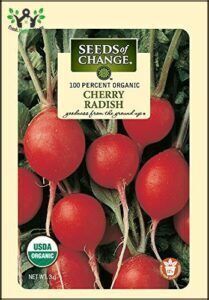
Few spring vegetables move as fast as the Cherry Belle radish. Sow seeds just ½ inch deep, keep the soil moist, and you’re pulling crisp little roots in 22–30 days. That’s quicker than almost anything else in your garden.
These certified organic, non-GMO seeds work great in containers, raised beds, or window boxes. Sow every 10–14 days for a rolling harvest. Bonus: the peppery leaves are edible too — toss them in salads just like arugula.
| Best For | Home gardeners — especially beginners or those with limited space — who want a fast, low-fuss crop they can actually eat within a month. |
|---|---|
| Plant Type | Bare-Root Crowns |
| Soil pH | Sandy, well-drained |
| Sunlight Needs | Full sun |
| Container Friendly | No |
| Non-GMO | Not specified |
| Skill Level | Intermediate |
| Additional Features |
|
- Crazy fast harvest — you’re pulling radishes in as little as 25 days, which is hard to beat
- Works in containers, raised beds, or tiny balcony setups, so you don’t need a full garden
- Double the harvest: eat the roots and the peppery leaves like you would arugula
- Cooler temps or weak sunlight can stretch harvest time to 45–50 days, so results vary by season
- Only about 100 seeds per packet, which goes fast if you’re succession planting
- Roots can end up pea-sized if the growing season cuts short — not ideal if you want big, meaty radishes
6. Live Asparagus Bare Root Plants
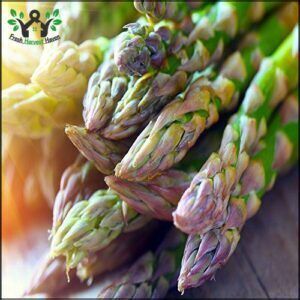
Asparagus is the long game of the vegetable garden — and it’s worth every bit of the wait.
These bare-root crowns arrive pre-rooted and ready to go straight into the ground.
Plant them 4–5 inches deep, spread the roots wide, and mix in some sand for drainage.
You won’t harvest much the first year, but by year two or three, you’ll have fresh spears every spring for up to 20 years.
That’s a serious return on one afternoon of planting.
| Best For | Home gardeners who want to plant once and enjoy fresh asparagus every spring for years to come. |
|---|---|
| Plant Type | Live Plant |
| Soil pH | 6.5–7.5 |
| Sunlight Needs | Full sun |
| Container Friendly | Yes |
| Non-GMO | Not specified |
| Skill Level | Beginner |
| Additional Features |
|
- Crowns are pre-rooted and ready to plant — no waiting for seeds to germinate
- Some roots are 2–3 years mature, so you could see harvestable spears sooner than starting from scratch
- Fast early growth — many gardeners see sprouts in as little as 3–7 days
- No planting instructions included, so you’ll need to do a little homework before you dig
- Survival rates vary a lot — some buyers lost nearly half their crowns
- Shipping can take 2–4 weeks, which might throw off your spring planting window
7. Live Artichoke Plant in Gallon Pot
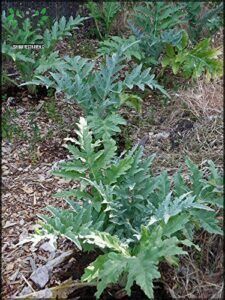
If asparagus is the long game, artichokes are the showstopper.
This live globe artichoke plant comes ready to go in a 1-gallon pot — no seed starting, no guesswork. Plant it in an 18–24 inch container with rich, well-draining soil and a pH around 6.5–7.5.
Give it full sun, water it weekly, and feed it monthly. Your first edible buds take a few months, but the dramatic foliage looks great on any patio while you wait.
| Best For | Beginner gardeners who want a striking, edible plant they can grow on a patio or deck without starting from seed. |
|---|---|
| Plant Type | Live Plants |
| Soil pH | 6.0–6.8 |
| Sunlight Needs | Full sun |
| Container Friendly | Yes |
| Non-GMO | Yes |
| Skill Level | Beginner |
| Additional Features |
|
- Comes in a 1-gallon pot and ready to plant right away — no seed starting needed
- Doubles as a decorative plant with bold, dramatic foliage while you wait for buds
- Works great in containers, so no in-ground garden required
- Plants can arrive stressed or smaller than expected, so quality isn’t always consistent
- Needs regular watering, sunlight, and monthly feeding to really thrive
- Takes a few months before you’ll see your first harvestable buds
8. Green Bell Pepper Live Plants
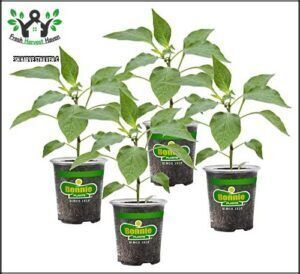
Bell peppers are one of those vegetables that reward you early and keep on giving. These Green Bell Pepper Live Plants come as a set of four, so you’re already ahead of the game — no seed-starting fuss.
Plant them after your last frost in well-drained, fertile soil with a pH of 6.0–6.8. They love full sun and warm nights above 60°F. Stake them early — heavy fruit can snap branches. Harvest at 3–4 inches for mild flavor, or wait for red for sweeter peppers.
| Best For | Home gardeners with limited space who want a high-yield, easy-to-grow pepper that works in containers, raised beds, or small backyard gardens. |
|---|---|
| Plant Type | Live Plants |
| Soil pH | 6.0–6.8 |
| Sunlight Needs | Full sun |
| Container Friendly | Yes |
| Non-GMO | Yes |
| Skill Level | Beginner |
| Additional Features |
|
- Four live plants ready to go — no seed-starting, no waiting, just plant and grow
- Big, thick-walled peppers are perfect for stuffing, grilling, or chopping and freezing for later
- GMO-free and adaptable to most U.S. growing zones, so they work for a wide range of gardeners
- Plants need staking as they mature — skip it and heavy fruit can snap the stems
- Shipping can rough them up a bit; some buyers get plants with snapped tops or visible stress
- They’ll struggle in dense, clay-heavy soil without some amendment work upfront
9. Big Boy Tomato Live Plants
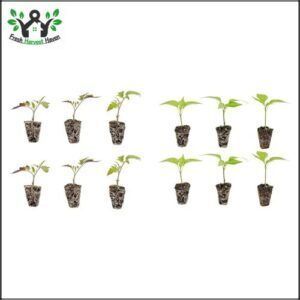
If you want big, beautiful tomatoes without the wait, Big Boy Live Plants are your shortcut. Each pack gives you four ready-to-go plants that mature in just 78 days after transplanting.
Plant them after your last frost in full sun and fertile, well-drained soil with a pH of 6.0–6.8. These vines grow 4–6 feet tall, so stake or cage them early. Fruits can hit 2 pounds — seriously impressive — and they’ll keep coming until frost.
| Best For | Home gardeners who want large, flavorful slicing tomatoes with a long harvest season and minimal variety-juggling. |
|---|---|
| Plant Type | Live Plants |
| Soil pH | 6.0–6.8 |
| Sunlight Needs | Full sun |
| Container Friendly | Yes |
| Non-GMO | Not specified |
| Skill Level | Beginner |
| Additional Features |
|
- Fruits can grow up to 2 lbs each — perfect for sandwiches, salads, or just showing off at the farmer’s market
- Keeps producing from mid-season all the way to frost, so you get more tomatoes from fewer plants
- Crack-resistant skin means less waste and better-looking fruit at harvest
- Long vines need sturdy staking or caging — skip that and you’ll have a mess on your hands
- Plants ship small and can arrive with minor damage, so don’t expect them to hit the ground running
- Full sun is non-negotiable; a shady spot will seriously hurt your yield
10. chard plants ready to plant
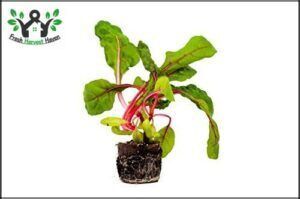
Swiss chard is one of those vegetables that practically plants itself. This six-pack of live chard starts skips the seedling stage entirely — you get plants with true leaves and established roots, ready to go straight into the ground.
Space them 12–18 inches apart in fertile, well-drained soil with a pH of 6.0–7.0. Once they’re settled in, just harvest the outer leaves regularly and the plant keeps producing. Fresh chard all spring, minimal effort.
| Best For | Home cooks and gardeners who want to skip the seed-starting hassle and get leafy greens growing in their yard or kitchen garden faster. |
|---|
- Comes with six established plants — true leaves, real roots, ready to go in the ground the same day they arrive
- Cuts weeks off the growing timeline so you’re harvesting fresh chard much sooner
- A solid step up from the hit-or-miss plants you’d find at a big-box hardware store
- No info on plant size or root ball when they show up, so it’s hard to plan ahead
- Only works well if your climate (or indoor setup) actually suits Swiss chard
- Just one variety in the pack, and there’s no disease-free guarantee beyond standard growing practices
Frequently Asked Questions (FAQs)
What soil temperature is best for spring planting?
The ground tells no lies." Check your soil temperature before anything else. Cool-season crops like peas and spinach need 40–45 °F to germinate. Most others prefer 50 °F or higher.
How often should I water spring vegetables?
In mild spring weather, water deeply 2–3 times a week. Stick your finger 2 inches into the soil — if it’s dry, it’s time. Morning watering keeps disease away.
When can I start planting after winter?
Think of it like waking up from a deep sleep — your garden needs a gentle nudge, not a rush. Start planting cool-season crops once soil hits 40–45°F, usually 1–4 weeks after your last frost date.
What tools do I need for spring gardening?
You don’t need much. A sturdy trowel, a garden fork, and a good pair of gloves will handle most spring tasks. Add a watering can with a narrow spout, and you’re set.
How do I protect crops from late frosts?
Late frosts can sneak up on you. Cover crops overnight with row covers or fleece — they buy you 2–5°C of protection. Remove them on sunny days so things don’t cook.
How do I know when soil is ready for spring planting?
Your soil is ready when it crumbles easily in your hand, drains within 30 minutes, and sits at least 40°F at 2 inches deep. If it smears or clumps, wait a few more days.
Should I start seeds indoors or direct sow outside?
Both work — it just depends on the crop. Carrots and beets hate being moved, so direct sow them. Lettuce and kale do great when started indoors 4–6 weeks early.
What pests commonly attack spring gardens and how do I prevent them?
Spring gardens attract aphids, slugs, caterpillars, and flea beetles. Neem oil and row covers stop most damage early. Encourage ladybugs naturally. Check plants daily — catching problems fast makes all the difference.
Can spring vegetables grow in shady yards?
Yes, plenty of spring vegetables handle shade just fine. Lettuce, spinach, kale, arugula, and Swiss chard all grow well with partial shade, often lasting longer before bolting.
How do I protect seedlings from late frosts?
One bad frost can wipe out weeks of work overnight. Cover seedlings with row covers or cloches to trap heat. They raise temps by up to 5°F — enough to survive most late spring cold snaps.
Conclusion
Soil to table—that’s the whole game. easy vegetables to grow in spring aren’t waiting for perfect weather. They’re stop waiting.
Drop your seeds while the ground is still cold, and those cool-season crops will reward you faster than you’d expect. One early morning in the garden now beats a dozen I should have started sooner moments in June. Your best harvest begins before it feels ready.
- https://www.cottageonbunkerhill.com/early-spring-vegetables
- https://www.sugarmaplefarmhouse.com/16-early-spring-vegetables-to-grow-in-the-garden
- https://empressofdirt.net/seed-soil-temperatures
- https://www.azurefarmlife.com/farm-blog/a-guide-to-the-best-vegetables-to-plant-in-spring-for-zone-7
- https://mahoneysgarden.com/top-cool-weather-veggies-to-plant-in-early-spring