This site is supported by our readers. We may earn a commission, at no cost to you, if you purchase through links.

Most gardeners pack up their tools when September arrives, convinced that growing season has passed them by. But sunny spots in your yard don’t have to sit empty just because summer’s over.
Fall brings cooler temperatures and morning dew that actually help certain flowers thrive—especially those built to handle six-plus hours of direct sunlight without wilting. Garden mums, sedum, and Russian sage hit their peak when most annuals are fading, delivering color that intensifies as temperatures drop.
The trick isn’t fighting the season but working with it, choosing plants that treat autumn like their moment to shine instead of their curtain call.
Table Of Contents
- Key Takeaways
- Best Fall Flowers for Sunny Spots
- Top 10 Flower Products for Sunny Fall Gardens
- Essential Planting Tips for Fall Sun-Lovers
- Low-Maintenance and Deer-Resistant Fall Flowers
- Creative Ideas for Sunny Fall Garden Design
- Frequently Asked Questions (FAQs)
- What are the best flowers for sunny areas?
- What flowers bloom best in the fall?
- What to plant in August for fall flowers?
- What are the best flowers to get in the fall?
- Can fall flowers survive early frost damage?
- Which fall flowers attract butterflies and hummingbirds?
- How do I overwinter potted fall flowers?
- What companion plants pair well with fall blooms?
- When should I fertilize my fall garden?
- What fertilizers work best for fall flowers?
- Conclusion
Key Takeaways
- Fall’s cooler temperatures and morning dew actually help sun-loving flowers like garden mums, sedum, and Russian sage thrive when most summer annuals are fading, so don’t pack up your tools just because September arrives.
- Choose flowers that need six-plus hours of direct sunlight and can handle autumn conditions—drought-tolerant perennials like sedum provide reliable structure while quick annuals like marigolds fill gaps with instant color.
- Timing matters more than you’d think: plant at least two to three weeks before your first frost date in well-drained soil enriched with 2 to 4 inches of organic matter, then mulch to a depth of 2 to 3 inches while keeping it away from plant stems.
- Simple maintenance like regular deadheading, deep watering once or twice weekly instead of daily spritzes, and pairing tall focal perennials with shorter trailing annuals creates a layered display that delivers color straight through to frost.
Best Fall Flowers for Sunny Spots
A sunny spot in your garden is basically an open invitation for some of the most vibrant fall color out there. Whether you’re filling a wide bed or tucking plants into tighter spaces, the right flowers can keep your garden looking rich well into the cooler months.
For a curated selection of seasonal standouts, check out this fall garden flower planting guide to find annuals that thrive in sunny conditions.
Here are eight picks that thrive in full sun and make the most of that autumn light.
Garden Mums (Chrysanthemums)
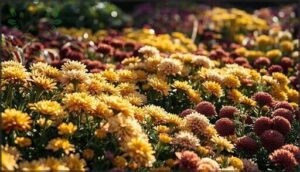
Garden mums are the backbone of any sunny fall display. These chrysanthemums thrive in 60 to 75°F temperatures and bloom best in late summer through fall, offering colors from yellow and pink to bronze.
Dividing your mums every two to three years keeps them vigorous season after season. With the right chrysanthemum varieties chosen for your space, fall bloomers like garden mums practically take care of themselves.
Marigolds

While mums bring bold blooms, marigolds offer something different—bright orange and yellow tones that feel made for autumn.
These fall annuals thrive in full sun and hold their own through mild fall weather, making them a reliable choice for garden borders. Marigold varieties stay compact with minimal pruning, and their self-cleaning blooms keep flower arrangements looking fresh from summer blooms right into fall.
Sunflowers

If marigolds keep your borders bright, sunflowers take things to a whole new level.
These full sun plants can reach 3 to 12 feet depending on the variety, making them a natural focal point in any garden layout.
Start with seed starting early in summer, and you’ll enjoy bold summer blooms that carry well into your autumn garden.
Russian Sage
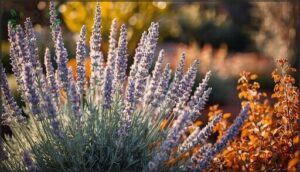
While sunflowers command attention with height, Russian Sage brings a softer, equally striking presence to your autumn garden. This hardy perennial delivers long-lasting lavender-blue flower spikes from late summer into fall, tolerating hot full sun and even poor soil without complaint. A true champion of drought tolerance among fall bloomers, it pairs beautifully with warm golds and oranges.
Russian Sage brings soft lavender-blue spikes and fearless drought tolerance to sunny fall gardens craving elegance without effort
- Thrives in full sun with minimal watering once established
- Produces fragrant, aromatic foliage that adds sensory depth
- Blooms reliably from late summer through fall
- Tolerates poor soil and long dry spells
- Works as a tall, elegant edging plant in sunny beds
Sedum (Stonecrop)
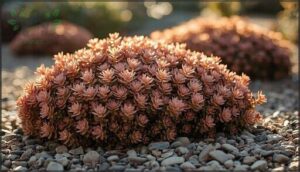
Resilience in a plant is a rare gift, and Sedum delivers it effortlessly. This adaptable Stonecrop thrives in full sun, tolerating drought and heat with minimal watering once established.
Its fleshy leaves carry clusters of pink to brick-red Fall Blooms that age beautifully into copper tones, adding lasting texture to your Autumn Garden. For low-maintenance Garden Design, few Full Sun Plants rival Sedum’s quiet dependability.
Japanese Anemone
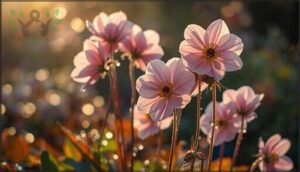
Elegance meets endurance with Japanese Anemone, one of the standout Perennial Flowers for Autumn Landscaping. This stunning Fall Bloomers choice produces masses of rich rose-pink, semi-double blooms that last until frost, making Anemone Care relatively simple once established.
For Japanese Gardens or sunny borders, it adds graceful texture to your Fall Flowers lineup — a true asset among Full Sun Perennials for any Autumn Flowers display.
Calibrachoa
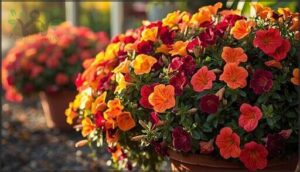
Calibrachoa is one of those quiet workhorses your fall garden can’t afford to miss. With over 40 varieties spanning a stunning range of Petal Colors, this cold-tolerant annual keeps blooming right up until frost.
Good drainage and regular Fertilization Tips will reward you with Growth Habits that stay compact and tidy — perfect for Flower Arrangements alongside Petunia or even beside a Sunflower stand. That’s smart Fall Gardening at its best.
African Daisy
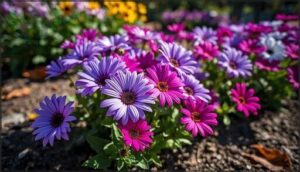
Want a flower that brings vivid color without a fuss? African Daisy delivers petals in blue, purple, pink, and white — a stunning range of Petal Variations that brighten any Fall Color Schemes.
African Daisy Care is straightforward: it thrives in full sun with well-drained soil. Pair it with Petunia or Sunflower as Garden Companions for a layered, sun-loving Fall Gardening display that blooms beautifully through the season.
Top 10 Flower Products for Sunny Fall Gardens
Once you know which fall flowers thrive in sunny spots, the next step is finding the right seeds and plants to get started.
The products below cover a solid range of colors, bloom types, and growing conditions suited for full-sun gardens. Here are ten worth considering this season.
1. Dark Knight Flowering Plant Bundle
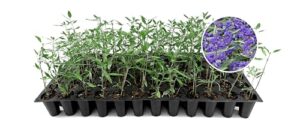
Looking for a single product that anchors your whole fall display? The Dark Knight Flowering Plant Bundle delivers exactly that.
Built around Dark Knight Bluebeard, this bundle brings deep royal blue flower clusters from late summer through frost, pairing beautifully with autumn golds and burgundies. The shrub stays compact at about 24 inches, tolerates dry conditions once established, and naturally attracts bees and butterflies. Rated for zones 5 through 9, it’s a reliable, low-effort choice for sunny beds and foundation plantings alike.
| Best For | Gardeners looking for a low-maintenance, sun-loving flowering plant that adds bold color and pollinator appeal to beds, containers, or foundation plantings throughout the season. |
|---|---|
| Sunlight Exposure | Full Sun |
| Material Feature | N/A |
| Unit Count | 10 plants |
| Outdoor Use | Yes |
| Pollinator Attraction | Yes |
| Color | Green |
| Additional Features |
|
- Brings striking deep blue blooms and sculptural foliage that anchor any fall display without needing constant fuss
- Versatile enough to work in containers, garden beds, or layered among perennials and ornamental grasses
- Naturally draws in bees and butterflies, making it a solid pick for pollinator-friendly gardens
- Needs well-drained soil — it won’t do well sitting in wet or soggy ground
- Really wants full sun, so shady or partially shaded spots aren’t a great fit
- Limited to outdoor use, so no bringing it inside once the weather turns
2. Blue Victory Salvia Seeds
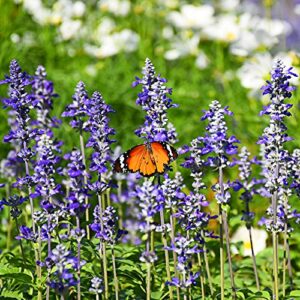
Few seeds pack as much visual punch as Blue Victory Salvia. Those deep violet-blue spikes rise about 20 inches tall, creating a bold vertical contrast against the warm golds and silvers of your fall garden.
It blooms from summer straight through frost, so you’re not losing color as temperatures drop. Plant in full sun with well-drained soil, and thin seedlings to 12 inches apart once they’re established. Pollinators will thank you, too.
| Best For | Gardeners in USDA zones 8-10 who want low-maintenance, drought-tolerant color and a pollinator-friendly landscape without a lot of upkeep. |
|---|---|
| Sunlight Exposure | Partial Sun |
| Material Feature | GMO Free |
| Unit Count | 1000 seeds |
| Outdoor Use | Yes |
| Pollinator Attraction | Yes |
| Color | Blue |
| Additional Features |
|
- Those deep blue blooms bring serious visual impact, and the color holds strong from summer all the way through fall.
- It’s a pollinator magnet — bees, butterflies, and hummingbirds will practically line up.
- Drought-tolerant and perennial, so once it’s established, it basically takes care of itself.
- Germination can be slow, so don’t expect instant results after planting.
- It’s only suited for USDA zones 8-10, which limits where you can grow it.
- Some buyers have reported getting fewer seeds than expected or lower-than-hoped germination rates.
3. Dusty Miller Flower Seeds
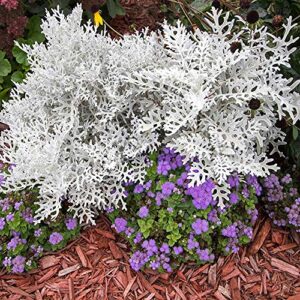
While Blue Victory Salvia brings bold vertical color, sometimes your fall garden needs a quieter player to tie everything together. That’s where Dusty Miller steps in.
Its striking silvery foliage creates a soft, frosty contrast against deeper purples and warm sunset tones without competing for attention. This hardy plant thrives in full sun or partial shade and requires minimal care once established.
Each pack offers 5,000 GMO-free seeds, and germination usually takes 14 to 21 days with consistent moisture.
| Best For | Gardeners looking to add a soft, silvery contrast to fall gardens, as well as kids or beginners who want an easy, low-maintenance plant to grow from seed. |
|---|---|
| Sunlight Exposure | Partial Sun |
| Material Feature | GMO Free |
| Unit Count | 5000 seeds |
| Outdoor Use | Yes |
| Pollinator Attraction | Yes |
| Color | Silver |
| Additional Features |
|
- The silvery foliage pairs beautifully with bolder colors like deep purples and warm sunset tones, giving your garden a cohesive, polished look.
- Super easy to care for — it does well in full sun or partial shade and doesn’t need much attention once it’s in the ground.
- Each pack comes with 5,000 GMO-free seeds, so you’ve got plenty to work with whether you’re filling containers, borders, or a whole garden bed.
- It’s an annual in colder climates, so don’t expect it to come back on its own after winter without some extra mulching effort.
- Some gardeners have reported lower-than-expected germination rates, which can be frustrating if you’re counting on a full, even spread.
- You’ll need to start the seeds indoors and then transplant them outside, which adds a bit of extra time and effort to the process.
4. Nemesia Annual Flower Seed Mix
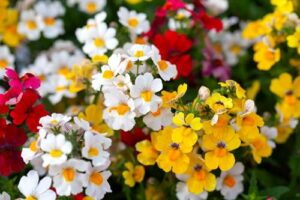
After the subtle elegance of Dusty Miller, you might crave something bolder. Nemesia delivers exactly that.
This compact annual produces clusters of small, lightly fragrant blooms in pink, purple, white, yellow, and even bi-color varieties with contrasting centers. It grows 6 to 12 inches tall and fits beautifully in containers, hanging baskets, or garden borders.
Germination takes just 7 to 14 days, and regular deadheading keeps it blooming from late spring through early fall.
| Best For | Gardeners looking to add a pop of color to containers, hanging baskets, or borders without a ton of fuss. |
|---|---|
| Sunlight Exposure | Full Sun to Partial Shade |
| Material Feature | GMO Free |
| Unit Count | 1 count |
| Outdoor Use | Yes |
| Pollinator Attraction | Yes |
| Color | Multicolor |
| Additional Features |
|
- Comes in a gorgeous mix of colors—pink, purple, white, yellow, and bi-color—so your garden gets instant visual variety.
- Super easy to grow and stays compact at 6 to 12 inches, making it perfect for smaller spaces or pots.
- Draws in bees and butterflies, which is a nice bonus for your local ecosystem.
- It’s an annual, so you’ll need to replant it each season—no “set it and forget it” here.
- Pretty sensitive to frost and extreme heat, so you’ll want to keep an eye on the weather.
- Needs consistent moisture while it’s germinating, which means a little extra attention early on.
5. Hydrangea Seeds Mix
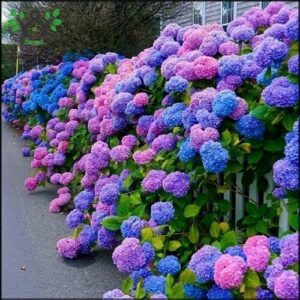
Ready for something a little more dramatic than Nemesia’s compact charm? Hydrangea Seeds brings serious visual impact to your garden, offering blooms in blue, pink, and purple depending on your soil’s pH level.
This 30-seed mix from ZEshops includes both mophead and panicle varieties, giving you layered height and texture. Start seeds indoors 6 to 8 weeks before your last frost, and expect germination within 10 to 21 days. At $6.95, it’s a rewarding investment for perennial color.
| Best For | Gardeners—both beginner and experienced—who want to add bold, long-lasting color to their outdoor spaces with minimal fuss. |
|---|---|
| Sunlight Exposure | Full Sun |
| Material Feature | N/A |
| Unit Count | 30 seeds |
| Outdoor Use | Yes |
| Pollinator Attraction | Yes |
| Color | Blue Pink Purple |
| Additional Features |
|
- You get a gorgeous mix of blue, pink, and purple blooms, and the actual colors depend on your soil’s pH, which makes every garden unique.
- They’re perennials, so once they’re established, they come back year after year without you having to replant.
- At $6.95 for 30 seeds, it’s a pretty affordable way to make a real visual statement in your garden.
- Germination can be hit or miss—some gardeners have reported low or even zero success rates, so don’t expect a perfect track record.
- They do need the right soil conditions and care to thrive, which might be a learning curve if you’re just starting out.
- Quality control can vary between shipments, so results may not always be consistent.
6. White Balloon Flower Seeds
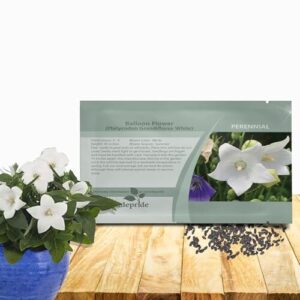
After Hydrangea‘s bold color shifts, White Balloon Flower Seeds offer something quieter but no less eye-catching. From Outsidepride, this 1,000-seed heirloom packet produces clean white blooms that balloon open from rounded buds — a detail worth watching for.
They germinate in 10 to 14 days under light, so don’t bury the seeds. Once established, they’re drought-tolerant and draw pollinators all season. Their white petals pair beautifully with blues and purples in any sunny border.
| Best For | Gardeners looking to add elegant, low-maintenance white blooms to sunny borders and flower beds while supporting local pollinators. |
|---|---|
| Sunlight Exposure | Full Sun |
| Material Feature | Heirloom |
| Unit Count | 1000 seeds |
| Outdoor Use | Yes |
| Pollinator Attraction | Yes |
| Color | White |
| Additional Features |
|
- The balloon-like buds opening into clean white blooms add a unique, eye-catching focal point to any garden bed or border.
- Drought-tolerant once established, so you’re not constantly babysitting them after the initial growing phase.
- A solid pollinator magnet — bees and butterflies will thank you, and your garden gets more life for free.
- Germination can be slow or inconsistent, so don’t expect instant results — patience is key here.
- Seeds need light to sprout, meaning you can’t just toss them deep in the soil and walk away.
- Results can vary depending on your climate and soil drainage, so they might not thrive everywhere.
7. African Marigold Seed Mix
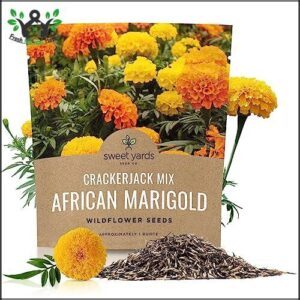
Marigolds are a fall garden staple, and this Sweet Yards seed mix delivers on every front. You’re getting over 10,000 heirloom seeds that produce bold 4-inch blooms in orange and yellow — colors that practically glow in autumn light.
They germinate within 7 to 14 days at soil temperatures between 65 and 75°F, and flowering starts 45 to 70 days later. Want a bonus? Their foliage naturally deters certain pests, making them a smart choice for sunny borders.
| Best For | Gardeners looking to add vibrant fall color while naturally attracting pollinators and keeping common pests at bay. |
|---|---|
| Sunlight Exposure | Full Sun |
| Material Feature | Heirloom |
| Unit Count | 10,000+ seeds |
| Outdoor Use | Yes |
| Pollinator Attraction | Yes |
| Color | Orange |
| Additional Features |
|
- You get a serious quantity — over 10,000 heirloom seeds — so there’s plenty to spread across beds, pots, or even share with friends.
- Those 4-inch blooms in orange and yellow look stunning in autumn, and the open-pollinated variety keeps biodiversity and pollinator activity going strong.
- The foliage doubles as a natural pest deterrent, which means less chemical intervention and a healthier garden overall.
- They need full sun and well-drained soil to really thrive, so shadier spots won’t cut it.
- Flowering can take a bit longer than expected depending on your climate and soil conditions.
- Plant height can vary quite a bit based on soil quality, so results aren’t always consistent.
8. King Henry Viola Seeds
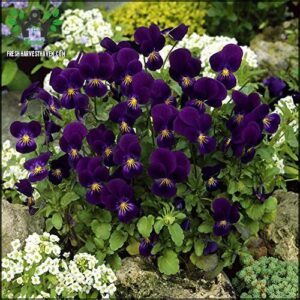
Violas might seem delicate, but King Henry holds up better than you’d expect in cooler weather. These compact plants top out around 8 inches tall, making them a natural fit for containers, borders, or hanging baskets without taking over your space.
The rich purple blooms come with a golden yellow eye that catches light beautifully. They thrive in USDA zones 6 through 9 with full sun to partial shade, and regular deadheading will keep the flowers coming well into fall.
| Best For | Beginner and experienced gardeners alike who want low-maintenance, season-long color in containers, borders, or smaller garden spaces. |
|---|---|
| Sunlight Exposure | Full Sun to Partial Shade |
| Material Feature | GMO Free |
| Unit Count | 1000 seeds |
| Outdoor Use | Yes |
| Pollinator Attraction | Yes |
| Color | King Henry Purple |
| Additional Features |
|
- Those gorgeous dark purple blooms with a golden eye are a real showstopper, and they keep coming all season long with just a little deadheading.
- At only 8 inches tall, they fit perfectly in containers, hanging baskets, or tight garden borders without crowding anything out.
- They pull in bees and butterflies naturally, so you’re doing your garden’s ecosystem a solid favor without any extra effort.
- The seeds are tiny and can blow away easily, so you’ll want to be careful when planting — a calm day helps.
- Germination can be a bit slow, taking anywhere from 14 to 21 days, and it needs soil at the right pH and temperature to get going.
- Some gardeners have had trouble getting them to sprout or bloom consistently, so a little patience and good soil prep go a long way.
9. Petunia Grandiflora Flower Seeds Mix
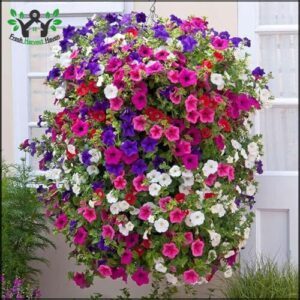
Petunias are a multifaceted choice for sunny fall gardens, and this grandiflora seed mix gives you over 5,200 seeds in a single packet. The large, trumpet-shaped blooms come in white, purple, red, magenta, and more, attracting butterflies and bees throughout the season.
Your plants will reach 12 to 18 inches tall, so spacing matters. Aim for full sun and well-drained soil with a pH between 6.0 and 7.0, and fertilize every two to three weeks to keep those colors strong.
| Best For | Gardeners and plant enthusiasts looking to add vibrant, pollinator-friendly color to sunny garden beds or pots. |
|---|---|
| Sunlight Exposure | Full Sun |
| Material Feature | N/A |
| Unit Count | 5200+ seeds |
| Outdoor Use | Yes |
| Pollinator Attraction | Yes |
| Color | Mixed |
| Additional Features |
|
- Over 5,200 seeds in one packet, so you get a ton of blooms for the price without breaking the bank.
- The mix of colors — white, purple, red, magenta, and more — draws in butterflies, bees, and birds all season long.
- Versatile enough to grow in the ground or in containers, making it a solid pick whether you have a big yard or just a balcony.
- These guys need consistent sun and well-drained soil, so they’re not the best fit for shadier spots in your yard.
- It can take 90 to 100 days to mature, so don’t expect blooms right away — patience is key.
- Some growers have reported spotty germination, especially if it’s cold or rainy, so keep that in mind when planning your planting timeline.
10. Heirloom Rose Seeds Mix
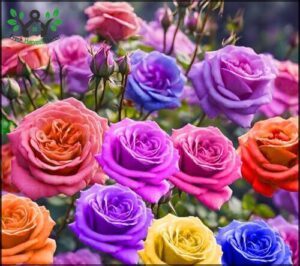
Want something truly one of a kind in your fall garden? This heirloom rose seed mix from Seeds Of Strength delivers 100 seeds across 8 to 12 distinct varieties, giving you blooms in pink, red, white, and apricot tones.
Your roses will reach 18 to 36 inches tall and thrive in full sun with well-drained soil. Keep in mind that germination can take time, and cold stratification is required, so plan your sowing for early to mid fall.
| Best For | Gardeners who love surprises and want to grow a diverse, colorful rose garden with minimal fuss while supporting local pollinators. |
|---|---|
| Sunlight Exposure | Full Sun |
| Material Feature | Heirloom |
| Unit Count | 100 seeds |
| Outdoor Use | Yes |
| Pollinator Attraction | Yes |
| Color | Mix color |
| Additional Features |
|
- You get a real mix of varieties — up to 12 different types — so your garden ends up with a unique, unpredictable splash of color.
- These are open-pollinated heirloom seeds, which means you’re helping keep traditional rose genetics alive while enjoying classic, natural blooms.
- Once they’re established, roses are perennial, so you get stunning flowers year after year without replanting.
- Germination can be slow and unpredictable, so don’t expect overnight results — patience is a must here.
- Cold stratification is required before the seeds will sprout, which adds an extra step to your planting process.
- There’s no guarantee the blooms will match the parent plants exactly, so what you get is a bit of a gamble.
Essential Planting Tips for Fall Sun-Lovers
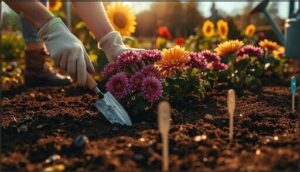
Getting your fall sun-lovers into the ground the right way makes all the difference between a garden that struggles and one that thrives. A few simple habits — from picking the right planting window to knowing when to deadhead — can stretch your blooms well into the cool months.
Here’s what you need to know to give your sunny fall flowers the best possible start.
Choosing The Right Planting Time
Timing is everything in the context of fall flowers. In Ashburn, your first frost dates land between mid- and late October, so you’ll want seasonal planting schedules mapped out well in advance.
Aim to finish planting at least two to three weeks before frost arrives. Daylength effects and soil temperature — ideally 60 to 70°F — guide cool season planting success for fall annuals.
Preparing Well-Drained Soil
Healthy roots need air as much as water. That’s why soil aeration and water infiltration matter so much when you’re growing fall flowers in sunny spots.
Start with a simple soil testing routine to know what you’re working with, then mix in organic matter — about 2 to 4 inches — to improve drainage systems naturally. Good garden maintenance starts right here.
For ideal plant health, it’s essential to understand the basics of well-drained garden soil.
Ensuring Full Sun Exposure
Once your soil is sorted, the next step is giving your fall flowers the light they crave. Most sun-loving autumn flowers need at least six hours of direct sunlight daily — that’s your baseline for strong blooms and plant hardiness.
- Morning sun protects tender leaves from scorch in hot spots
- Western exposures bring richer color development as days shorten
- Dense shade cuts bloom production on sun-dependent species
- Watch dark-leaf varieties, as they heat up faster and may need light shade management
- Matching plant selection to your yard’s natural light patterns sets you up for success
Watering and Mulching Techniques
Now that your fall flowers are soaking up the sun, let’s talk about keeping them hydrated and insulated. Good soil moisture management and smart mulching make all the difference.
| Gardening Tips | Recommendation | Why It Matters |
|---|---|---|
| Water Scheduling | Deep watering once or twice weekly | Encourages strong root growth over shallow daily watering |
| Mulch Depth | Apply 2 to 3 inches of organic mulch | Reduces soil evaporation by about 30 percent |
| Drainage Systems | Verify ground drains within 12 to 24 hours | Prevents root rot in fall flower beds |
| Irrigation Methods | Use drip irrigation or soaker hoses | Keeps foliage dry, lowering disease risk |
Keep mulch two inches away from plant stems — that small gap prevents rot and pest issues. As nights cool toward late fall, ease up on watering naturally.
Deadheading for Prolonged Blooms
Once your mulching is sorted, turn your attention to deadheading — one of the simplest gardening practices that keeps your fall flowers producing well into autumn.
Pinch techniques work best on petunias, where removing spent blooms just above the first true leaf redirects energy toward new growth. Using clean deadheading tools and proper flower stem care ensures bloom prolongation without stressing your plants.
Low-Maintenance and Deer-Resistant Fall Flowers
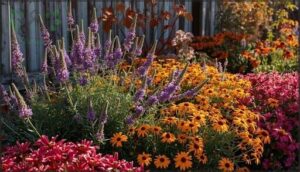
Not every garden needs constant attention to look stunning in the fall. Some flowers can handle cooler weather, shrug off browsing deer, and still deliver serious color with minimal fuss.
Here are five fall favorites that let your sunny spots shine without the extra legwork.
Anise Hyssop
Want fragrant flowers that practically take care of themselves? Anise Hyssop is one of the best perennial plants for your sunny garden. This long-blooming pollinator plant produces lavender spikes from late summer through early fall, and its aromatic foliage naturally deters deer.
With solid drought tolerance once established, proper anise hyssop care is simple — just give it full sun and average soil. Solid gardening advice for any fall bloomers list.
Sedum
Sedum is the kind of perennial plant that rewards lazy gardeners the most. These hardy stonecrop varieties thrive in full sun with well-drained soil and impressive drought tolerance once established.
Their star-shaped clusters bloom from late summer into autumn, often lasting six to eight weeks. Deer tend to skip past their textured foliage, making sedum a smart, low-maintenance choice for succulent landscaping and autumn flowers displays.
Salvia
Salvia is one of those reliable perennials that earns its place in any sunny fall garden. Its oil-rich foliage naturally repels deer, making salvia care remarkably hands-off.
For salvia propagation, semi-ripe cuttings taken in summer root quickly. Salvia varieties deliver repeated blooming cycles through autumn flowers season, and salvia landscaping benefits thrive beautifully alongside other full sun fall annuals and perennials.
Lantana
Lantana delivers continuous clusters of small flowers from mid to late fall in warm locations, making lantana care an easy choice for full sun gardening. This annual thrives with heat tolerance and drought resistance, surviving on infrequent watering in sandy soils.
For propagation methods, take semi-hardwood cuttings in late summer. Lantana’s fall blooms keep your garden vibrant when other fall annuals fade.
Hardy Fountain Grass
Hardy fountain grass brings elegance to landscape design with its arching plumes that add fall color from late summer through autumn.
This ornamental plant requires little fertilizer and survives on normal rainfall in sunny climates, making grass care tips straightforward. For drought tolerance, it thrives in full sun with minimal maintenance.
Fountain designs featuring this grass create movement while integrating beautifully into any landscape, perfect for ornamental uses.
Creative Ideas for Sunny Fall Garden Design
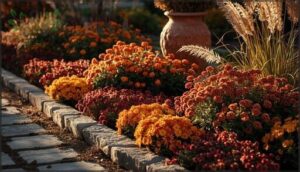
Once you’ve selected the right sun-loving flowers for fall, the real fun begins with how you arrange them in your garden. Thoughtful design transforms a simple collection of plants into a display that catches the eye and keeps delivering color until frost arrives.
Here are four practical approaches that make the most of sunny fall gardens, whether you’re working with containers, borders, or mixed beds.
Container Gardening With Fall Flowers
Want to make your sunny patios pop with fall color? Choose pots 12 to 18 inches wide and fill them with heat-tolerant calibrachoa or marigolds for stunning seasonal planters.
Use well-drained potting mix labeled for succulents, water when the top inch dries, and deadhead weekly for fresh seasonal blooms. Move containers on wheeled carts for easy garden refresh and ideal sunny spot selection throughout fall.
Combining Colors and Textures
Layering bloom sizes and foliage types transforms a flat garden into a living tapestry. You’ll master visual contrast by pairing soft-petaled petunias with spiky textures, while color harmony emerges when warm marigolds and calendulas echo across sunny beds.
- Group three to five African daisies in one color family for bold blocks
- Alternate tall sunflowers with low-spreading groundcover to create garden layers
- Use matte calendula petals against glossy leaves to boost light reflection
- Mix chunky stems with delicate blooms for depth in floral patterns
Incorporating Perennials and Annuals
Balance gives your fall garden staying power—perennials like sedum and Russian sage deliver reliable late season nectar year after year, while annuals such as marigolds plug gaps with instant color. Plant pairing matters for microclimate adaptation: drought-tolerant perennials reduce irrigation needs when combined with water-wise annuals, and garden layering creates depth by stepping tall focal perennials down to shorter trailing annuals.
| Plant Type | Best For | Maintenance |
|---|---|---|
| Perennials (sedum, agastache) | Long-term structure, pollinator support | Divide every 3–5 years |
| Quick annuals (calendula, pansies) | Filling gaps, successional planting | Deadhead regularly |
| Drought-tolerant perennials | Sunny beds, reduced watering | Light pruning only |
| Trailing annuals | Front edging, container accents | Remove spent blooms |
| Tall perennials (chrysanthemum) | Back-of-border focal points | Stake in windy spots |
Planning for Extended Blooming Season
Staggered bloom times push your garden color into November—start heat-tolerant cultivars in late summer, then rotate cool-season annuals every 2 to 4 weeks for bloom cycle extension.
Map your garden microclimate to shelter frost-sensitive blooms near south-facing walls, where soil temperature management and full sun exposure keep roots active longer.
Strategic succession planting turns seasonal gardening into a nonstop fall performance.
Frequently Asked Questions (FAQs)
What are the best flowers for sunny areas?
The top performers in full sun include marigolds, sunflowers, and garden mums—each demanding six to eight hours of direct light daily.
These sun-loving flowers thrive in well-drained soil and bright, unshaded conditions.
What flowers bloom best in the fall?
Garden mums, marigolds, and sunflowers deliver stunning fall blooms in sunny spots.
Calendula, pansies, and African daisy add seasonal colors too.
Proper flower care and garden prep guarantee perfect bloom timing throughout autumn’s cooler temperatures.
What to plant in August for fall flowers?
In August, plant hardy annuals like marigolds and calendula alongside perennial transplants such as mums and sedum for autumn color.
In hot climates, provide afternoon shade and mulch around new plantings for essential care.
What are the best flowers to get in the fall?
When autumn arrives, chrysanthemums, dahlias, and asters lead the way with vibrant blooms.
Annual flowers like calendula and flowering tobacco thrive alongside perennial plant care favorites such as azalea blooms, all benefiting from full sun fall gardening tips.
Can fall flowers survive early frost damage?
Many fall bloomers bounce back from light frost damage, especially when hardened off properly.
Cell wall strength, pigment protection, and post-frost recovery practices help pansies, violas, and other autumn annual flowers regrow successfully.
Which fall flowers attract butterflies and hummingbirds?
Butterfly Bush, Salvia, Lantana, and Echinacea draw pollinators with rich nectar sources and warm color preferences.
Plant these in sunny clusters with varied bloom timing to sustain your pollinator garden, using smart garden tactics and pollinator care practices.
How do I overwinter potted fall flowers?
When cold weather arrives, can your containers survive winter’s chill?
Move potted blooms to sheltered storage above freezing, reduce watering gradually, and maintain dormancy at 35–50°F before gradual reintroduction outdoors in spring.
What companion plants pair well with fall blooms?
Pair chrysanthemums with ornamental grasses for texture contrast, or combine lavender asters with salvias for pollinator pairings.
Creeping thyme offers weed suppression around taller blooms while drought companions like sedum reduce watering needs.
When should I fertilize my fall garden?
Apply a balanced slow-release fertilizer at planting for autumn garden maintenance tips.
Stop fertilizing by mid-October for pre-frost preparation in full sun gardening.
This planting application schedule maintains strong plant care through cooler temperatures.
What fertilizers work best for fall flowers?
Feed the soil, not just the plant—that’s the golden rule. Ideal NPK ratios like 15-30-15 support autumn blooms in full sun.
Slow-release benefits include fewer applications, while organic fertilizers build lasting soil health for garden mums.
For best results, explore the importance of fall fertilization benefits to support strong root development and seasonal resilience.
Conclusion
Sure, you could fill your sunny beds with the same tired pansies everyone else plants, then wonder why your garden looks like a carbon copy of the subdivision down the street.
Or you could lean into what fall actually offers—bold mums, sturdy sedum, and blazing salvias that laugh at cooler nights. Your sunny spots deserve more than leftovers from spring’s catalog. Choose fall flowers for sunny locations that treat October like opening night, not intermission.
- https://www.gardenia.net/genus/caryopteris-bluebeards
- https://www.gardeningchannel.com/how-to-grow-dusty-miller/?utm_source=chatgpt.com
- http://www.missouribotanicalgarden.org/PlantFinder/PlantFinderDetails.aspx?kempercode=a558
- https://www.coldclimategardening.com/
- https://plantcentral.ca/caryopteris/dark-knight-bluebeard/