This site is supported by our readers. We may earn a commission, at no cost to you, if you purchase through links.

Most gardeners treat fall like a slow fade—deadheading the last stragglers, rolling up the hose, waiting for spring.
But a sunny garden bed in September and October can blaze harder than it did in July, if you plant the right things.
Garden mums pack every color into dome-shaped blooms. Goldenrod pulls in over 100 bee and butterfly species. Marigolds keep going until frost bites them back.
Choosing the right fall flowers for sunny locations isn’t about salvaging the season—it’s about making it the best one yet.
Here’s exactly what to plant, how to care for it, and how to design a bed that turns heads until the first freeze.
Table Of Contents
- Key Takeaways
- Best Fall Flowers for Sun
- Pollinator-Friendly Sunny Fall Blooms
- Top 10 Sunny Fall Flower Picks
- 1. Dark Knight Ornamental Shrub
- 2. Blue Victory Salvia Seeds
- 3. Dusty Miller Silver Foliage Seeds
- 4. Multicolor Nemesia Annual Seeds
- 5. Hydrangea Mixed Color Seeds
- 6. White Balloon Flower Seeds
- 7. Sweet Yards African Marigold Seeds
- 8. King Henry Purple Viola Seeds
- 9. Petunia Grandiflora Seed Mix
- 10. Heirloom Rose Seed Mix
- Planting Tips for Sunny Beds
- Sunny Fall Garden Design Ideas
- Frequently Asked Questions (FAQs)
- What are the best flowers for sunny areas?
- What flowers bloom best in the fall?
- What to plant in August for fall flowers?
- What are the best flowers to get in the fall?
- Can fall flowers survive early frost damage?
- Which fall flowers attract butterflies and hummingbirds?
- How do I overwinter potted fall flowers?
- What companion plants pair well with fall blooms?
- When should I fertilize my fall garden?
- What fertilizers work best for fall flowers?
- Conclusion
Key Takeaways
- Sunny fall beds can actually outshine summer if you pick the right plants, like mums, marigolds, sunflowers, Russian sage, and sedum, all of which thrive on six-plus hours of direct light.
- Pollinator-friendly picks like goldenrod and anise hyssop matter most in fall since they feed bees and butterflies when almost nothing else is blooming.
- Good drainage, a simple finger test for watering, and mulching before frost are the basic habits that keep fall flowers healthy and colorful longer.
- Layering taller perennials behind shorter annuals, mixing in ornamental grasses, and feeding plants four to six weeks before frost helps your bed look full and last well into the cold months.
Best Fall Flowers for Sun
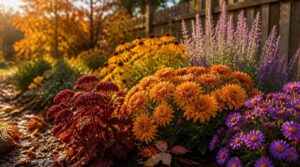
sunny spot in your garden is practically a blank canvas come fall — and the right flowers can keep it glowing long after summer fades. Whether you’re working with a full southern exposure or just a few peak hours of light, these plants were made for it.
For inspiration on what actually thrives when temperatures dip, browse this guide to best fall garden flowers that bloom through frost and shorter days.
Here are five sun-loving fall bloomers worth adding to your garden this season.
Garden Mums
Garden mums are the classic go-to for bold fall color in full sun. They bloom in domes of white, pink, yellow, orange, and red — and they’re not fussy.
Plant crowns at or just above soil level to avoid rot. Give them six-plus hours of sun daily, pinch back in early summer for fuller blooms, and enjoy six to eight weeks of color.
September planting benefits increase their winter survival odds.
Marigolds
If mums are the reliable anchor, marigolds are the life of the party.
- Bloom from summer through frost
- Deter soil nematodes naturally
- Start seeds 4–6 weeks before last frost
- Edible varieties add peppery flavor to salads
- Cut flowers last up to 14 days
Plant them in full sun, well-drained soil, and deadhead regularly for nonstop color.
Sunflowers
Sunflowers bring serious wow factor — and a little wild science. Their petals and seeds actually arrange themselves in Fibonacci spirals, nature’s version of a perfect pattern.
The ‘Suncredible’ variety stays compact at 2–3 feet tall, pumping out hundreds of blooms through fall.
Full sun, good drainage, and they’re happy.
Bonus: the seeds are packed with vitamin E and healthy fats.
Russian Sage
If sunflowers are the loud, cheerful friend, Russian Sage is the cool, silver-haired one standing quietly nearby — and somehow stealing the show.
Russian Sage steals the show quietly, the silver-haired contrast to every loud, cheerful sunflower nearby
It grows 2–4 feet tall in full sun, asks for almost nothing, and rewards you with tall purple flower spikes from summer straight into fall. Drought-resistant, pollinator-friendly, and gorgeous.
Sedum
Sedum is the low-maintenance overachiever of the fall garden. Its fleshy, succulent leaves store water like a champ, so it laughs at drought and poor soil.
Plant it in full sun and watch it thrive.
Come autumn, star-shaped blooms in pink and red — especially the classic ‘Autumn Joy’ — crown each sturdy stem beautifully.
Pollinator-Friendly Sunny Fall Blooms
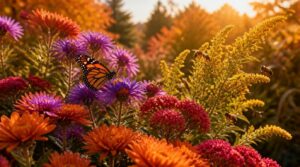
Your fall garden can do double duty — looking gorgeous and feeding the pollinators that need it most this time of year. These five plants pull serious weight when bees and butterflies are scrounging for late-season blooms. Here’s what to plant if you want both color and wildlife buzzing through your sunny beds.
Anise Hyssop
Anise hyssop might just be the most underrated plant in a fall garden. It blooms well into autumn, fills the air with a sweet licorice scent, and keeps bees and butterflies busy right up until frost.
Plant it along a path — you’ll catch that fragrance every time you brush past it.
It’s drought-tolerant, thrives in full sun, and even doubles as an herbal tea ingredient.
Goldenrod
Goldenrod (Solidago spp.) is one of fall’s most reliable native pollinator powerhouses. Those bright yellow panicle clusters bloom late summer into autumn, feeding over 100 bee and butterfly species when little else is flowering.
Plant it in full sun with good drainage, divide clumps every three to four years, and leave the seedheads standing — finches will thank you all winter.
Lantana
Lantana is basically a color-changing superstar — each flower cluster, called a panocha, shifts from yellow to orange to red as it ages, so one plant shows off multiple hues at once.
- Thrives in full sun (6+ hours daily)
- Blooms summer through frost
- Attracts butterflies and hummingbirds
- Drought-tolerant once established
- Watch for aphids and whiteflies on new growth
African Daisy
If you want a flower that practically glows in a sunny border, African Daisy is your answer. Blooms come in white, purple, pink, and yellow — often with two‑toned petals for extra drama.
It thrives in full sun with well-drained soil, tolerates heat well, and pollinators love landing on those open ray florets.
Watch for powdery mildew in humid spells — good airflow helps.
Calibrachoa
Calibrachoa — also called Million Bells — is a fall annual that packs serious color into small spaces. Trailing stems spill beautifully from containers and hanging baskets, reaching just 6–12 inches tall.
You’ll find blooms in pink, red, purple, yellow, and white. It loves full sun, tolerates heat well with consistent moisture, and keeps flowering right up to the first frost.
Top 10 Sunny Fall Flower Picks
Now that you know which blooms pull pollinators in, it’s time to pick your plants. These ten options bring serious fall color to sunny spots — and they’re all easy to find and grow. Let’s walk through each one so you can decide what fits your garden best.
1. Dark Knight Ornamental Shrub
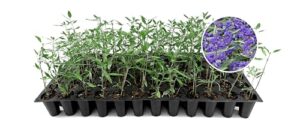
If you’re looking for a bold, late-season shrub that earns its keep without much fuss, Dark Knight Caryopteris is worth a spot in your sunny beds. Its deep blue-purple flower clusters bloom from late summer into fall, drawing butterflies like a magnet.
Hardy in zones 5–8, it stays compact at 2–3 feet, fits containers or borders easily, and only asks for full sun and well-drained soil.
Easy to love.
| Best For | Gardeners who want a low-maintenance, pollinator-friendly shrub that delivers bold late-season color in sunny borders or containers. |
|---|---|
| Bloom Color | Blue-purple |
| Sun Requirement | Full sun to partial shade |
| Soil Type | Well-drained |
| Plant Type | Perennial shrub |
| Hardiness Zone | Not specified |
| Primary Use | Border/container/gap filler |
| Additional Features |
|
- Deep blue-purple blooms that last from late summer into fall and attract butterflies
- Compact and versatile — works in containers, borders, or as a gap-filler between perennials
- Easy to grow with minimal care as long as it gets sun and decent drainage
- Needs full sun to bloom well — shade will leave you disappointed
- Poor drainage is a real problem; waterlogged soil can damage the roots
- Not a great fit for shady spots or gardens with heavy, wet soil
2. Blue Victory Salvia Seeds
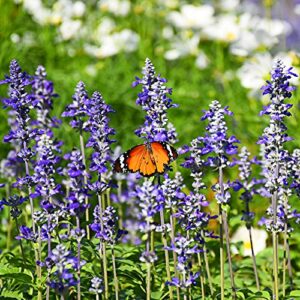
Next up is Blue Victory Salvia — a sun-lover that keeps blooming long after summer fades.
These seeds produce bushy plants reaching 18–24 inches tall, topped with striking violet-blue spikes from midsummer right into fall. Start them indoors 6–8 weeks before your last frost, then transplant once nights stay reliably warm. They need full sun and well-drained soil, but once settled in, they’re remarkably drought-tolerant. Bees, butterflies, and hummingbirds can’t resist them.
| Best For | Gardeners in USDA zones 8–10 who want a low-maintenance, pollinator-friendly plant that brings bold color to dry or drought-prone landscapes. |
|---|---|
| Bloom Color | Blue |
| Sun Requirement | Full sun to partial shade |
| Soil Type | Well-drained |
| Plant Type | Perennial |
| Hardiness Zone | Zones 8–10 |
| Primary Use | Border/mass planting/xeriscape |
| Additional Features |
|
- Blooms from midsummer well into fall, giving you months of those eye-catching violet-blue spikes
- Extremely drought-tolerant once established — perfect for xeriscaping or low-water gardens
- Pulls in bees, butterflies, and hummingbirds like a magnet, making it a great pick for pollinator gardens
- Not cold-hardy below zone 8, so if you’re in a colder climate, you’ll need to plan for winter protection
- Seeds need light to germinate, so burying them too deep can hurt your success rate
- Viable seed counts can vary, meaning you might get fewer plants than expected from a single packet
3. Dusty Miller Silver Foliage Seeds
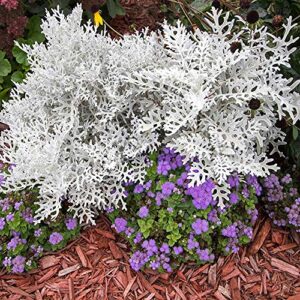
If Blue Victory Salvia is the showstopper, think of Dusty Miller as its elegant silver sidekick. These seeds grow into compact, lacy‑leafed plants — 8–12 inches tall — with a striking silvery‑gray foliage that glows in fall light.
They thrive in full sun and well‑drained soil, germinating in 14–21 days. Deer won’t touch them, and they’re beginner‑friendly.
Just avoid overwatering — soggy roots are their one real weakness.
| Best For | Gardeners who want low-maintenance, deer-resistant plants that add texture and silvery contrast to borders, containers, or mixed flower beds. |
|---|---|
| Bloom Color | Yellow |
| Sun Requirement | Full sun to partial shade |
| Soil Type | Well-drained |
| Plant Type | Annual/short-lived perennial |
| Hardiness Zone | Zones 6–10 |
| Primary Use | Border/container/filler |
| Additional Features |
|
- Striking silvery-gray foliage that pairs beautifully with colorful blooms and stands out in fall light
- Deer-resistant and beginner-friendly — plant it and pretty much let it do its thing
- Fast germination (14–21 days) with a generous 5,000-seed count for plenty of coverage
- Germination can be inconsistent, so don’t be surprised if not every seed sprouts
- Tiny seeds make sowing a bit fiddly — steady hands help
- Needs well-drained soil and careful watering; overwatering leads to root rot pretty quickly
4. Multicolor Nemesia Annual Seeds
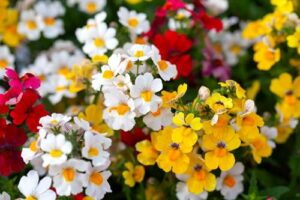
After all that silver elegance, here’s a little burst of cheerful chaos — Multicolor Nemesia Annual Seeds.
These compact plants top out at 6–12 inches tall and pack funnel-shaped blooms in pink, purple, blue, and white, perfect for borders, containers, or cascading from hanging baskets.
Sow seeds right on the soil surface — they need light to germinate — and expect sprouts in 7–21 days.
They attract bees and butterflies too, so your fall garden stays lively right up to frost.
| Best For | Gardeners who want easy, colorful blooms for borders, containers, or hanging baskets without a lot of fuss. |
|---|---|
| Bloom Color | Multicolored |
| Sun Requirement | Full sun to partial shade |
| Soil Type | Well-drained, moist |
| Plant Type | Annual |
| Hardiness Zone | Not specified |
| Primary Use | Ground cover/hanging baskets |
| Additional Features |
|
- Compact and versatile — works as ground cover, in pots, or cascading from hanging baskets
- Attracts bees and butterflies, giving your garden a little ecosystem boost
- GMO-free seeds that germinate fast (7–14 days) with minimal effort — just scatter on the soil surface
- Frost and heat sensitive, so timing your planting around the last frost date is a must
- Needs consistently moist, well-draining soil kept at 60–65°F — not the most forgiving for beginners
- Germination can be inconsistent, so you might need to grab an extra pack just in case
5. Hydrangea Mixed Color Seeds
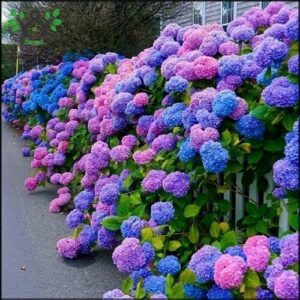
Hydrangea Mixed Color Seeds from ZEshops are a slow-burn reward — blooms usually arrive in year two, so patience pays off. These woody shrubs reach 3–6 feet tall and produce stunning mophead or lacecap clusters in pink, blue, or purple.
Here’s a fun quirk: soil pH shifts the color, with acidic soil leaning blue and alkaline soil pulling pink.
Stratify seeds for 4–6 weeks before sowing, and expect germination in 14–28 days.
| Best For | Gardeners who love a long-term project and want unique, color-shifting blooms that come back year after year. |
|---|---|
| Bloom Color | Blue, pink, purple |
| Sun Requirement | Not specified |
| Soil Type | Well-drained |
| Plant Type | Perennial |
| Hardiness Zone | Not specified |
| Primary Use | Beds/containers/borders |
| Additional Features |
|
- Blue, pink, and purple blooms in one pack — great visual variety without buying multiple products
- Perennial growth means you plant once and enjoy them for years
- Affordable at $6.95 for heirloom-type seeds with solid germination potential
- Germination results can be hit or miss depending on your soil and climate
- You’ll likely wait until year two to see actual blooms — not ideal if you want quick results
- Seeds need stratification and specific conditions to sprout, which adds extra prep work
6. White Balloon Flower Seeds
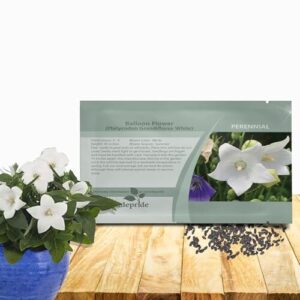
White Balloon Flower seeds (Platycodon grandiflorus) are a quiet showstopper — puffy little buds that pop open into star-shaped white blooms around 18 inches tall. They’re perennials in zones 3–9, so plant once and enjoy them year after year.
Give them full sun and well-drained soil, and they’ll reward you with late-summer-to-fall color. At $7.49 for 1,000 seeds, that’s serious value. Just stay patient — germination takes 14–21 days with consistent moisture.
| Best For | Gardeners who want low-maintenance, wildlife-friendly color that comes back year after year without replanting. |
|---|---|
| Bloom Color | White |
| Sun Requirement | Full sun (6–8 hrs) |
| Soil Type | Well-drained |
| Plant Type | Perennial |
| Hardiness Zone | Zones 3–9 |
| Primary Use | Border/container/ground cover |
| Additional Features |
|
- Incredible value — 1,000 seeds for $7.49 means you can fill a whole border for next to nothing
- Deer-resistant and pollinator-friendly, so you’re helping the garden ecosystem while keeping your plants intact
- True perennial in zones 3–9, so the work you put in now pays off for seasons to come
- Germination is slow (14–21 days) and needs consistent moisture — not great if you’re the forgetful-waterer type
- Needs full sun to really shine; a shady spot will leave you with weak blooms and disappointment
- Germination rates can vary, so not every seed will sprout even when conditions seem right
7. Sweet Yards African Marigold Seeds
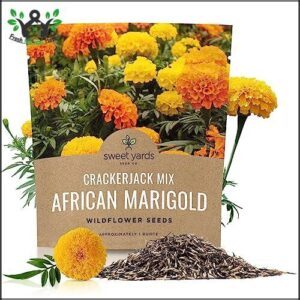
If bold, reliable fall color is what you’re after, Sweet Yards African Marigold Seeds deliver in a big way. Each 1-ounce packet holds over 10,000 open-pollinated heirloom seeds — plenty for beds, borders, and containers.
Plants reach up to 30 inches tall with bright orange-yellow blooms up to 4 inches wide. Give them full sun and well-drained soil, and they’ll flower from midsummer straight through frost, attracting bees and deterring garden pests naturally.
| Best For | Gardeners across the U.S. who want bold, low-maintenance color that also supports pollinators and keeps pests at bay. |
|---|---|
| Bloom Color | Orange-yellow |
| Sun Requirement | Full sun |
| Soil Type | Well-drained, fertile |
| Plant Type | Annual |
| Hardiness Zone | All U.S. zones |
| Primary Use | Beds/containers/companion plant |
| Additional Features |
|
- Over 10,000 seeds per ounce — great value for large plantings or sharing with neighbors
- Blooms in just 2–3 months and keeps going straight through frost
- Works as a natural pest deterrent, so you’re doing double duty in the garden
- Way more seeds than you’d ever need for a small patio or container setup
- Tall stems can flop over in windy spots without some staking
- Cooler climates may see slower blooming than the 2–3 month window advertised
8. King Henry Purple Viola Seeds
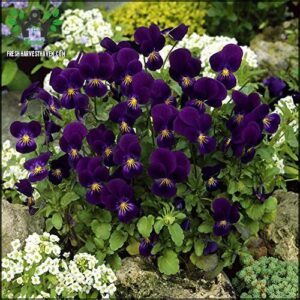
If you want something unexpected in a fall garden, King Henry Purple Viola might be your answer.
These compact little plants top out at just 6–8 inches tall, but they pack a punch — rich violet blooms with a bright yellow eye that flower from spring right through cool fall weather.
They’re happy in full sun or partial shade, work beautifully in containers or border edges, and pollinators love them.
Deadhead regularly, and they’ll keep rewarding you with fresh blooms.
| Best For | Gardeners of any skill level who want low-maintenance, long-blooming color in borders, containers, or small spaces — especially those in cooler climates who love supporting pollinators. |
|---|---|
| Bloom Color | Violet/purple |
| Sun Requirement | Full sun to partial shade |
| Soil Type | Well-drained |
| Plant Type | Perennial |
| Hardiness Zone | Zones 6–9 |
| Primary Use | Border/hanging baskets/indoor pots |
| Additional Features |
|
- Blooms from spring through fall with striking purple and gold flowers that attract bees and butterflies
- Compact size makes them perfect for containers, hanging baskets, or tight garden spots
- Tough and adaptable — handles both sun and partial shade with minimal fuss once established
- Germination is slow, sometimes taking up to three weeks, so patience is a must
- Tiny, lightweight seeds can scatter in the wind if you’re not careful during planting
- Heat can cause blooms to fade, so they won’t perform as well in hot, humid summers
9. Petunia Grandiflora Seed Mix
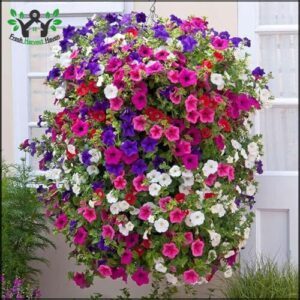
Petunias are one of those reliable workhorses that bloom their hearts out from late spring right into fall — and the Petunia Grandiflora Seed Mix makes starting from seed surprisingly easy.
Large, trumpet-shaped flowers in white, purple, and pink thrive in full sun with well-drained soil. Plants stay compact at 6–12 inches, perfect for containers or sunny borders. Just surface-sow the tiny seeds — they need light to germinate. Deadhead regularly, and you’ll get continuous color until frost.
| Best For | Beginner gardeners, kids, and anyone who wants easy, colorful blooms in containers or borders without a lot of fuss. |
|---|---|
| Bloom Color | Mixed colors |
| Sun Requirement | Full sun |
| Soil Type | Well-drained |
| Plant Type | Annual |
| Hardiness Zone | Zones 3–8 |
| Primary Use | Gardens/courtyards/containers |
| Additional Features |
|
- Blooms from late spring all the way to frost, giving you months of color with minimal effort
- Compact size (6–12 inches) makes them perfect for pots, window boxes, and small garden spaces
- Attracts butterflies, bees, and other pollinators, so your garden stays lively all season
- Germination can be hit or miss, so don’t be surprised if not every seed sprouts
- Colors are mostly white, purple, and pink — not quite the full rainbow the packaging might suggest
- Plants tend to stay on the shorter side, so if you’re counting on height for coverage, you may need more plants than expected
10. Heirloom Rose Seed Mix
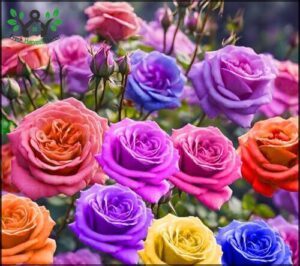
If you’ve ever dreamed of a rose garden from seed, the Heirloom Rose Seed Mix from Seeds Of Strength is your starting point.
Each packet contains 100 open-pollinated seeds in pink, red, white, and apricot tones — classic colors that light up sunny fall beds beautifully.
Fair warning: germination takes patience; sometimes months. But cold‑stratify for 4–6 weeks first, sow in well‑drained soil, keep things evenly moist, and you’ll be rewarded with fragrant, one-of-a-kind blooms that return year after year.
| Best For | Gardeners who love a slow, rewarding project and want to grow a truly unique rose garden from scratch while preserving heirloom genetics. |
|---|---|
| Bloom Color | Mixed/varied |
| Sun Requirement | Not specified |
| Soil Type | Well-drained |
| Plant Type | Perennial |
| Hardiness Zone | Not specified |
| Primary Use | Rose garden/seed saving |
| Additional Features |
|
- 100 open-pollinated seeds means plenty to experiment with, and no two plants will be exactly alike
- Perennial roses that come back every year — plant once, enjoy for seasons to come
- Great for seed savers and breeders who want to work with genuine heirloom genetics
- Germination is unpredictable and can take anywhere from a few weeks to several months
- Seedlings won’t always look like their parent roses, so you’re partly growing a mystery
- Requires cold stratification for 4–6 weeks before sowing, which adds extra prep time
Planting Tips for Sunny Beds
Getting your sunny bed right comes down to a few simple habits that make a big difference come fall. None of them are complicated — just small things you do at the right time. Here’s what to keep in mind before and after planting.
Check Full Sun Exposure
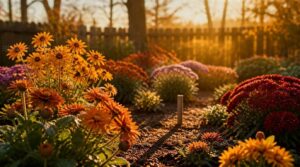
Before planting your fall flowering plants, guide to life, confirm your spot actually qualifies. Track sunlight daily for a full week — mornings, midday, and late afternoon.
Full sun means six or more hours of direct light. Note any shading events from fences or trees, and recheck after seasonal shifts, since autumn sun angles drop fast.
Improve Soil Drainage

Once you’ve confirmed your sun hours, take a look at what’s underneath — soil drainage matters just as much.
For heavy clay or compacted beds, mix coarse sand or grit into the top 6–8 inches. Better yet, build a raised bed at least 12 inches high. Toss in some compost and you’re giving roots exactly what sunny, drought-resistant fall flowers need.
Water by Finger Test

Now that drainage is sorted, watering is next — and honestly, it’s simpler than you think.
Press your finger one inch into the soil. Dry? Water deeply at the base. Still cool and damp? Hold off.
- Sandy soils dry fast — check every day or two
- Containers need a 2-inch finger test through any mulch
- In fall, water less as plants slow down
Mulch Before Frost

Once watering is dialed in, it’s time to tuck your plants in for the season. Apply 2–4 inches of bark chips or straw after the ground cools but before hard frosts hit.
This keeps soil temperatures 5–10°F warmer, prevents frost heave, locks in moisture, and slowly feeds your soil as it breaks down. Leave a small gap around each stem to avoid rot.
Deadhead Spent Blooms

Snipping off faded blooms — called deadheading — is one of the easiest wins in your fall garden. Do it every week during peak bloom, cutting at a slight angle just above a leaf node.
This redirects energy into fresh buds, keeps disease from spreading through decaying tissue, and stretches color well into autumn.
Disinfect your pruners between plants.
Sunny Fall Garden Design Ideas
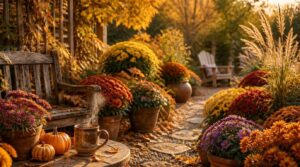
Pulling your sunny fall garden together is where the real fun begins. A few smart design moves can take it from "just a bunch of plants" to something you actually want to sit next to with your morning coffee. Here are five ideas to help you make the most of your fall sun.
Warm Autumn Color Palettes
Think of your sunny fall garden as a painter’s canvas — and autumn hands you the richest palette of the year.
Goldenrod accents and deep mustard yellows are your brightest highlights.
Ground them with terracotta and brick red blooms, add orchard orange hues for warmth, let sage green backdrops do the calming work, and anchor everything with burgundy color anchors.
Containers and Hanging Baskets
Fall containers are basically a blank canvas you can redecorate every season. For sunny spots, calibrachoa and petunias are unbeatable — ‘Superbells’ and ‘Supertunia Vista Bubblegum II’ spill beautifully over the edges and bloom right until frost.
Use coco coir liners to retain moisture without adding much weight, and mix in perlite so roots breathe. A self-watering reservoir keeps things consistent between waterings — ideal for busy weeks.
Rotate baskets every few days for even blooming all around.
Annual and Perennial Layers
Layering annuals and perennials is like building a garden that works in shifts.
Taller perennials like Russian Sage and Sedum anchor the back, while marigolds and mums fill the front with quick autumn garden color.
This setup staggers blooms across fall, reduces soil erosion, and cuts replanting work noticeably — your beds stay full and pollinator-friendly without starting from scratch each year.
Ornamental Grass Texture
Ornamental grasses bring something flowers simply can’t — movement and structure at the same time.
Hardy Fountain Grass and Prairie Winds Pennisetum develop plume-like seed heads that sway in autumn breezes, adding kinetic texture your beds will love.
Their winter sculptural forms stick around long after frost, giving your sunny garden a finished look well into the cold months.
South-facing Garden Layouts
A south-facing layout is your secret weapon for getting the most from fall bloomers. The sun tracks across it all day, heating paving and walls to create a cozy microclimate.
Tuck taller grasses or shrubs along the north side to avoid blocking winter light — your mums, sedum, and Russian sage will thank you.
Frequently Asked Questions (FAQs)
What are the best flowers for sunny areas?
When your garden bakes in full sun exposure, you want plants that show up and show off. Mums, marigolds, Russian sage, sedum, and sunflowers are your most reliable heat-resistant blooms for autumn color.
What flowers bloom best in the fall?
When fall arrives, mums, sedum, and rudbeckias keep color going strong. Asters and Japanese Anemone join in too, feeding pollinators right up until frost.
What to plant in August for fall flowers?
Funny how summer’s "too hot to plant" myth keeps gardens empty in August! That’s actually prime time for rapid growth varieties like marigolds and sunflowers, plus sedum and mums for steady late-season bloomers brightening your sunny garden through autumn.
What are the best flowers to get in the fall?
Your best bets? Mums, marigolds, and sunflowers for bold color, plus drought-tolerant Russian sage and sedum for low-maintenance, frost-hardy beauty. All bloom late, attract pollinators, and bring a gorgeous autumn color palette straight through the first frost.
Can fall flowers survive early frost damage?
Yes, many cold tolerant annuals bounce right back! Sedum’s succulent foliage resilience shields it, marigolds and mums hold color, and mulch plus drainage tackle frost heave and water stress for solid frost protection.
Which fall flowers attract butterflies and hummingbirds?
Nectar-rich species like sunflowers, lantana, and Russian sage keep butterfly attractors buzzing in sunny gardens.
Goldenrod and anise hyssop support migrating monarchs, while hummingbird-friendly shrubs and pollinator-friendly plants offer late-season nectar for steady pollinator foraging and avian garden benefits.
How do I overwinter potted fall flowers?
Move pots somewhere sheltered, mulch the base, and water sparingly. Keep dormancy light dim, temps steady, and frost cloth handy. Come spring, ease off coverings, boost watering, and watch those frost-resistant plants wake right up.
What companion plants pair well with fall blooms?
Pair mums with calendula and yarrow for steady pollinator nectar corridors.
Russian sage loosens soil for neighbors, while Dusty Miller’s silver foliage and Salvia create eye-catching color harmony.
Dill confuses pests naturally—smart, four-season garden design at its best!
When should I fertilize my fall garden?
Feed your plants four to six weeks before first frost, using a low-nitrogen 5-10-10 blend. Check soil drainage and pH, water deeply after, and skip nitrogen-heavy formulas once temps drop—frost timing matters more than you’d think!
What fertilizers work best for fall flowers?
A nitrogen balanced blend or balanced low-nitrogen 5-10-10 works great—phosphorus builds roots, potassium boosts hardiness.
Try slow release granules plus organic soil amendments, like leaf mulch, for steady, healthy fall flowering plants all season.
Conclusion
Other gardens go quiet in October; yours can still hum with bees, color, and life. That’s the real trick with fall flowers for sunny locations—they don’t fade, they show off.
Mums blaze, goldenrod buzzes, sedum holds its ground through frost, and marigolds laugh right at the cold.
Pick a few favorites, give them sun and decent drainage, and let them carry the whole season home.
Your sunny bed just earned its best, brightest second act!
- https://www.provenwinners.com/learn/fall-flowers
- https://www.almanac.com/when-plant-flowers
- https://www.daintydressdiaries.com/2023/08/planting-for-autumn-caring-for-autumn-blooming-flowers.html
- https://www.gardenia.net/guide/best-fall-flowers-for-your-autumn-garden
- https://www.missouribotanicalgarden.org/gardens-gardening/your-garden/help-for-the-home-gardener/advice-tips-resources/visual-guides/perennials-for-season-long-bloom