This site is supported by our readers. We may earn a commission, at no cost to you, if you purchase through links.
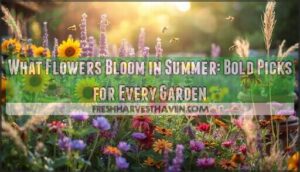
Summer has a way of turning an ordinary yard into something worth stopping for. The secret, more often than not, comes down to the flowers—specifically, knowing which ones hit their stride when the heat does. Some plants shrink from July’s intensity, but others throw open every petal and refuse to quit until frost threatens.
Whether you’re working with a sun-drenched border, a shady corner, or bone-dry soil that hasn’t seen rain in weeks, the right summer bloomers can handle it. From towering sunflowers to fragrant lavender, what flowers bloom in summer spans a wider range than most gardeners expect.
Table Of Contents
- Key Takeaways
- Iconic Summer Flowers to Grow
- Best Perennial Flowers for Summer Blooms
- Drought-Tolerant Flowers for Hot Summers
- Shade-Loving and Low Maintenance Summer Flowers
- Fragrant and Unique Summer Flower Choices
- Easiest Summer Flowers for Beginners
- Top 5 Summer Flower Products to Try
- Frequently Asked Questions (FAQs)
- Do any flowers bloom all summer?
- What flower blooms in July and August?
- What flower blooms first after winter?
- What is the longest flowering summer flower?
- When should I start planting summer flowers?
- How often should summer flowers be watered?
- What pests commonly attack summer blooming flowers?
- How do I deadhead summer flowers properly?
- Can summer flowers survive in containers outdoors?
- Which summer flowers attract the most pollinators?
- Conclusion
Key Takeaways
- Whether your yard is blazing hot, bone-dry, or hiding in the shade, there’s a summer flower built for exactly those conditions—sunflowers and lantana own the heat, while hostas and astilbe thrive where the sun doesn’t reach.
- Deadheading spent blooms is the single easiest thing you can do to keep zinnias, marigolds, and petunias pumping out color all the way to frost.
- Perennials like Black-Eyed Susans, daylilies, and purple coneflower are the smarter long game—plant them once and they come back stronger every year without much fuss.
- If you want to turn your garden into a pollinator magnet, bee balm, cosmos, and purple coneflower are your go-to trio, drawing bees, butterflies, and hummingbirds all season long.
Iconic Summer Flowers to Grow
Some flowers just own the summer — bold, bright, and impossible to ignore. If you’re ready to fill your garden with color that actually makes a statement, you’re in the right place.
These easy summer garden flower ideas turn even a bare patch of dirt into something worth stopping to look at.
Here are five iconic summer flowers worth growing.
Sunflowers – Bold and Tall Blooms
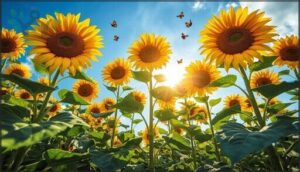
Sunflowers are the quintessential full sun garden plants — unapologetically tall, bold, and buzzing with life. Depending on the variety, these summer blooming flowers can tower anywhere from 3 to 15 feet, creating natural summer screens that shelter smaller plants. Their tall blooms attract bees and butterflies, making them standout pollinator plants.
Smart sunflower care is simple: deep watering, great drainage, and plenty of sun. For more on the diverse, explore how different heights, colors, and uses make sunflowers unique.
Zinnias – Vibrant, Easy-Care Annuals
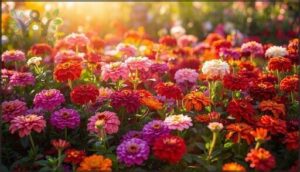
If sunflowers are the showstoppers, zinnias are the life of the party. These vibrant annual flowers are built for full sun garden plants and reward minimal effort with maximum color. Zinnia care couldn’t be simpler — and with zinnia types ranging from dwarf ‘Lilliput’ to towering ‘Benary’s Giant,’ there’s a fit for every space.
- Zinnia Colors: red, orange, pink, purple, white, and green
- Zinnia Blooms: single, double, and pompon forms
- Zinnia Maintenance: deadhead spent flowers to keep blooms coming
- Easy to Grow: direct-sow seeds in full sun after last frost
Marigolds – Warm, Cheerful Petals
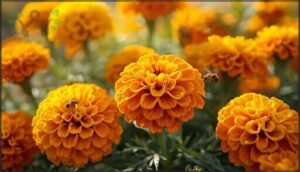
Zinnias bring the chaos — marigolds bring the gold. These summer blooms are practically unstoppable, thriving in full sun with almost no fuss. Whether you’re experimenting with garden designs or building flower arrangements, marigolds fit right in. They’re drought-tolerant plants that bloom from summer to frost, and their petal meaning — warmth and remembrance — gives them real soul.
| Feature | Detail | Why It Matters |
|---|---|---|
| Marigold Care | Deadhead spent blooms | Extends summer blooms |
| Easy to Grow | Sprouts in 5–7 days | Perfect for beginners |
| Full Sun | 6+ hours daily | Intensifies golden color |
Petunias – Cascading Colorful Displays
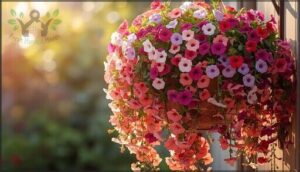
If marigolds bring the gold, petunias bring the waterfall. These summer flowers are built for cascading displays — trailing growth that spills freely over baskets and containers like color you can’t cage.
With full sun and regular feeding, petunia care is simple: water daily in heat, trim straggly stems mid-season, and watch them explode with fresh summer blooms.
- Trailing stems reach 2–3 feet in hanging baskets
- Thrive in full sun with 6+ daily hours
- Perfect for container gardening and window boxes
- Deadhead or trim for continuous cascading displays
- Mix varieties for bold, multi-tone flower arrangements
Proper soil, sun, and feeding are key to successful petunia hanging baskets.
Cosmos – Airy, Pollinator-Friendly Flowers
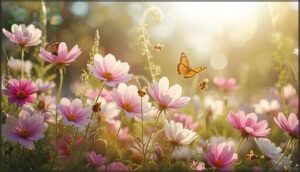
Cosmos are the free spirits of summer blooming flowers — feathery, airy blooms that dance in the breeze and never crowd their neighbors. These pollinator-friendly plants attract bees, butterflies, and even birds.
Cosmos care is minimal: full sun, poor-to-average soil, and occasional deadheading. Their tall stems double as stunning flower arrangements, and as natural garden companions, they boost pollination for nearby veggies too.
Best Perennial Flowers for Summer Blooms
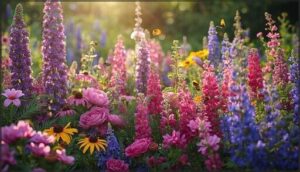
Perennials are the backbone of any summer garden — plant them once and they keep coming back, stronger every year. Unlike annuals, they don’t need replanting each season, which means less work and more blooms over time.
Here are some of the best perennials that’ll keep your garden looking alive all summer long.
Daylilies – Hardy and Abundant Blooms
Few perennials match the sheer freedom of daylilies — plant them once and they’ll show up for you every summer, no questions asked. These hardy perennials thrive in full sun and survive drought like champs. Perfect for bold garden designs and casual flower arrangements alike.
- Each plant produces up to 400 summer blooms per season
- Everblooming daylilies like ‘Stella de Oro’ extend color into fall
- Minimal daylily care needed — just divide clumps every few years
Shasta Daisy – Classic White Flowers
Want a white flower that just owns the summer garden? Shasta Daisy delivers exactly that. These full sun perennials bloom from early summer to early fall — about 8 to 10 weeks of those crisp white petals. With minimal Shasta Daisy care, they’re perfect summer bloomers and natural fits for white flower arrangements.
| Daisy Varieties | Best For |
|---|---|
| ‘Becky’ | Sturdy stems, cut flowers |
| ‘Snowcap’ | Borders and containers |
| ‘Alaska’ | Cold climates, long blooms |
Pair them with lavender or coneflowers — classic garden companions and standout summer garden ideas.
For even more low-maintenance options that thrive alongside them, easy spring flowers to grow in your garden can help you round out a full season of color.
Black-Eyed Susans – Long-Lasting Color
Black-Eyed Susans are the rebels of full sun perennials — they bloom hard from July through October without asking much in return. These long blooming perennials thrive even during droughts, making them standout summer bloomers for any garden design.
- Bloom 6–10 weeks, often into fall
- Reach 2–3 feet tall — great mid-border color combinations
- Drought tolerant plants once established
- Deadhead spent flowers to extend BlackEyed Susan displays
- Attract butterflies and songbirds all season
Purple Coneflower (Echinacea) – Pollinator Magnet
If you want a plant that basically runs a pollinator bed-and-breakfast all summer, purple coneflower is it. This native habitat superstar blooms June through August, drawing bees, butterflies, and hummingbirds with both nectar and pollen.
Purple coneflower runs a pollinator bed-and-breakfast all summer, hosting bees, butterflies, and hummingbirds from June through August
| Feature | Detail |
|---|---|
| Bloom Season | June–August |
| Wildlife Support | Bees, butterflies, goldfinches |
Plant it in clumps for maximum pollinator garden impact.
Bee Balm – Tubular, Pollinator-Friendly Blooms
Bee balm is basically a pollinator party in plant form. If you’re building pollinator gardens or bold garden designs, this is a must-have. Solid bee balm care keeps it thriving all summer — and it delivers. Here’s why it earns its spot among perennials that bloom all summer:
- Tubular scarlet or lavender blooms attract bees, butterflies, and hummingbirds
- Flowers June through August, making it a reliable summer bloomer
- Works beautifully in flower arrangements and butterfly friendly gardens
- Mildew-resistant cultivars like ‘Jacob Cline’ keep maintenance low
Japanese Anemone – Pastel Summer Blooms
After all that fiery red energy from bee balm, Japanese anemone brings something quieter — and honestly, just as stunning. These pastel summer blooms in soft pink and white float on slender stems like they own the place.
Thriving as partial shade perennials, their anemone care is minimal. They’re perfect for garden design, cut flower arrangements, and filling late-summer gaps in perennials that bloom all summer.
Drought-Tolerant Flowers for Hot Summers
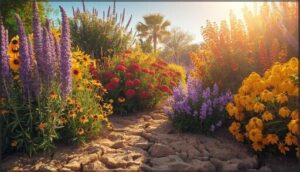
Hot summers don’t have to mean a dead garden. Some flowers are practically built for the heat, thriving in dry soil where others give up.
Here are five drought-tolerant picks that hold their own all season long.
Yarrow – Hardy, Colorful Clusters
Yarrow is one of those perennials that basically refuses to quit. Whether you’re experimenting with summer landscaping or diving into drought-tolerant gardening, this low-maintenance landscaping staple thrives in full sun and poor, dry soil without missing a beat.
Its flat flower clusters are gold for pollinator-friendly plants and flower arrangements alike, making it a smart pick for bold, long-lasting garden designs.
Blanket Flower (Gaillardia) – Heat-Loving Blooms
If Yarrow is the tough-love perennial, Gaillardia—the Blanket Flower—is its loud, unapologetic cousin. This summer blooming flower practically thrives on neglect, making it perfect for drought tolerant gardening in exposed, south-facing beds.
Its daisy-like blooms keep going long after other heat tolerant plants fade. Plant it in well-drained soil, give it full sun, and watch your garden design come alive.
Portulaca (Moss Rose) – Sun-Loving Groundcover
Moss Rose is the rebel of groundcovers — thriving where other summer flowers tap out.
Portulaca’s succulent leaves store water, making it one of the toughest drought-tolerant plants you’ll find. Its heat tolerance is unrivaled, and soil requirements are simple: sandy, well-drained, and dry is perfect.
Give it full sun and watch those vibrant summer blooms cover every bare edge.
Lantana – Continuous, Colorful Clusters
Lantana is basically the workhorse of colorful summer flowers — it doesn’t quit. It delivers continuous, heat-tolerant clusters from June through September, shifting colors as blooms age on the same head.
Lantana care is simple: full sun, decent drainage, and light deadheading keeps it lush. It’s a go-to for drought-tolerant gardening, and butterflies absolutely love it.
Tall Verbena – Slender, Heat-Tolerant Blooms
Tall Verbena is a quiet rebel in the drought-tolerant garden — slender, wiry, and absolutely relentless through summer heat. Its airy purple clusters keep delivering summer blooms from midsummer until frost, making it a standout for flower arrangements and pollinator-friendly plants alike.
Key verbena care tips:
- Plant in full sun with sandy or loamy, well-drained soil
- Water moderately during establishment, then ease off
- Deadhead lightly to encourage fresh summer flowers
Shade-Loving and Low Maintenance Summer Flowers
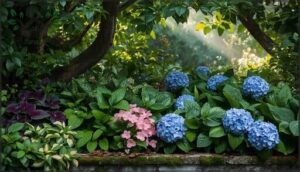
Not every garden gets flooded with sunlight, and that’s actually fine. Some of the most rewarding summer flowers do their best work in the shade, without demanding much from you in return.
Here are a few worth growing if you want color without the constant upkeep.
Hostas – Lavender or White Summer Blooms
If you want summer blooms without babysitting your garden, hostas are your kind of plant. These low-maintenance plants send up elegant lavender flowers and white petals between June and August, making shade gardening genuinely rewarding.
With over 3,000 cultivars, hosta care is straightforward — rich, moist soil and minimal sun. They’re reliable perennial flowers and surprisingly pollinator-friendly plants too.
Astilbe – Feathery Pink or Red Plumes
Astilbe care is almost embarrassingly easy — and the payoff is stunning. These feathery blooms rise in pink, red, white, and peach summer plumes from mid to late summer, thriving in partial shade with steady moisture.
For shade gardening, they’re genuinely hard to beat. As low maintenance plants, established astilbes bloom reliably for four to five years, making them perennial flowers worth every square foot.
Impatiens – Continuous Shade Blooms
Few shade-tolerant flowers match impatiens for sheer reliability. These summer flowers bloom continuously from late spring straight through the first frost, thriving in your partial shade garden setup with almost zero fuss. Impatiens colors span red, pink, violet, orange, and white — something for every personality.
They need moist, humus-rich soil and consistent watering, and modern varieties offer solid mildew resistance. Their dense, rounded growth habit keeps borders looking full all season.
Begonias – Steady Blooms in Filtered Light
Begonias are the quiet rebels of your partial shade garden plants — no drama, just steady, long-lasting blooms all summer long.
Wax and tuberous begonia varieties deliver colorful summer flowers in coral, red, pink, and white from 6 to 18 inches tall. They’re built for container growing, thrive in slightly acidic, well-draining soil, and fibrous types can overwinter indoors when frost hits.
Toad Lilies – Spotted Late-Summer Flowers
If begonias are the steady rebels, toad lilies are the mysterious ones nobody talks about — until they bloom.
These shade lovers thrive in deep shade, planting effortlessly in moist, fertile soil. Their orchid-like blooms appear August through October, offering stunning fall color when most flowers fade.
- Grow 1–3 feet tall
- Bloom in hot weather’s final stretch
- Attract hummingbirds naturally
- Tolerate dense, deep shade
- Extend your seasonal gardening display
Fragrant and Unique Summer Flower Choices
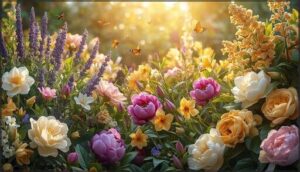
Some flowers don’t just look good — they fill your whole yard with scent and personality. If you want a garden that feels as alive as it looks, fragrant and unique varieties are the way to go.
Here are five standout choices worth growing this summer.
Lavender – Aromatic Purple Blooms
English Lavender is one of those perennials that punches above its weight. From midsummer onward, its purple blooms fill the air with fragrant flowers and unmistakable summer scents — think fresh linens baked in warm sun.
As an aromatic herb, it thrives in full sun and well-drained soil, drawing in pollinators like a magnet. Once established, lavender care is minimal, making it a dream for any garden.
Sweet Alyssum – Delicate, Fragrant Clusters
If lavender is the bold headliner, sweet alyssum is the quiet rebel stealing the show. This low-growing charmer spills honey-scented blooms across your garden edges all summer long — practically nonstop.
For fragrant garden ideas that don’t demand constant attention, alyssum planting tips are simple: full sun, good drainage, done. Its delicate garden designs and sweet flower arrangements make every border feel effortlessly alive.
Phlox – Colorful, Scented Blooms
From honey-sweet borders to bold, head-turning blooms, phlox is the fragrant rebel your summer garden didn’t know it needed. Summer phlox varieties pump out clusters of colorful, scented blooms from midsummer into fall, making them star players in phlox landscaping and pollinator-friendly plants schemes.
Here’s why phlox deserves a permanent spot:
- Fragrant blooms draw butterflies and bees like nothing else
- Creeping phlox spills beautifully over edges and rock borders
- Perennial phlox care is refreshingly simple — sun, water, done
Angelonia – Summer Snapdragon
Meet angelonia — your garden’s heat-tolerant rebel that doesn’t quit when temperatures soar. This summer snapdragon pushes out fragrant flowers with a surprisingly sweet, grape-like scent from late spring through fall.
Angelonia care is minimal, making it perfect for bold garden designs that demand color without constant fuss. It’s a champion among heat-tolerant and pollinator-friendly plants, drawing bees, butterflies, and hummingbirds effortlessly.
Hibiscus – Exotic, Tropical Blooms
Few summer florals make a statement quite like hibiscus. Those exotic blooms — stretching 6 to 10 inches wide — turn any patio into a tropical landscaping dream.
Hibiscus care is straightforward: full sun, consistent watering, and weekly feeding keep the blooms coming until frost.
If you’re into flower gardening that feels bold and unapologetic, hibiscus belongs in your garden decor lineup.
Easiest Summer Flowers for Beginners
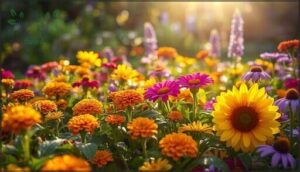
Starting a garden doesn’t have to feel overwhelming, especially when some flowers practically grow themselves. If you’ve never planted anything before, the right picks can make all the difference between giving up and falling in love with the whole process.
Here are five summer flowers that are practically begging to be your first.
Zinnias – Beginner-Friendly Annuals
Zinnias are basically the gateway drug to serious gardening. These annuals ask for almost nothing — just full sun, well-drained soil, and seeds sown directly in the ground.
With Summer Blooms starting around 60 days after Seed Starting, your Zinnia Care routine stays simple: water at the base, deadhead regularly, and watch them explode with color perfect for Flower Arrangements all season long.
Marigolds – Low Maintenance Blooms
Marigolds are the rebels of low-maintenance flowers — they thrive on neglect. These summer bloomers don’t demand much: full sun, average soil, and one deep weekly watering.
With French, African, and Signet marigold varieties to choose from, your summer gardening options stay fresh. Deadhead regularly, skip the heavy fertilizer, and you’ve got easy-to-grow garden plants that laugh at heat and drought-tolerant gardening conditions.
Cosmos – Effortless Summer Color
Cosmos are basically the free spirits of the flower world — toss the seeds in poor soil, give them full sun, and watch them take off. These low-maintenance summer blooms don’t need rich soil or heavy feeding.
They’re natural pollinator plants, pulling in bees and butterflies all season. Drought-tolerant and gorgeous in flower arrangements and wildflower garden designs, cosmos deliver easy summer color.
Black-Eyed Susans – Reliable Perennials
Black-Eyed Susans are about as no-fuss as perennial flower gardening gets. These drought-tolerant gardening champions bloom from July through October, making them a summer staple for any garden design.
They’re pollinator-friendly plants that attract bees and butterflies, produce stunning cut flowers for arrangements, and spread through simple plant propagation by division. Plant them once — they’ll keep coming back.
Sunflowers – Fast-Growing Favorites
If Black-Eyed Susans won you over with their no-fuss attitude, sunflowers will absolutely blow your mind. These fast-growing, sun-loving plants are basically the rock stars of easy-to-grow garden flowers — sprouting in just 7 to 10 days and hitting full summer blooms in 60 to 100 days.
Sunflower care is surprisingly simple:
- Plant in full sun with well-drained soil
- Water deeply but infrequently — they’re drought-resistant flowers once established
- Support tall varieties for bold garden design impact
- Let seed heads dry for a simple seed harvest
Top 5 Summer Flower Products to Try
If you’re ready to get your hands dirty, starting with the right products makes all the difference. These five picks cover a solid range of styles, from cottage-garden classics to bold tropical vibes.
Here’s what’s worth adding to your cart this season.
1. Snapdragon Seeds for Planting
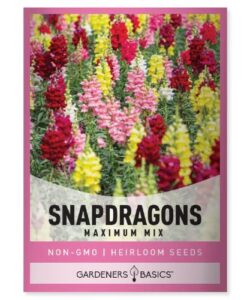
Snapdragon seeds are one of the most rewarding picks you can add to your summer garden. Each packet contains at least 400mg of open-pollinated, heirloom seeds — grown and packaged right here in the USA.
You can save seeds season after season, which means one purchase goes a long way. They germinate in 7 to 14 days at 60 to 75°F, and since they need light to sprout, just press them onto the soil surface.
Great for beginners and pollinators alike.
| Best For | Beginner gardeners, pollinator enthusiasts, and anyone who loves cutting flowers or wants a fun, hands-on project with kids. |
|---|---|
| GMO Status | Non-GMO |
| Pollinator Friendly | Yes |
| Bloom Season | Summer |
| Skill Level | Beginner friendly |
| Light Needs | Full sun |
| Cut Flower Use | Yes |
| Additional Features |
|
- Heirloom and open-pollinated, so you can save seeds and replant year after year
- Attracts bees and butterflies while doubling as gorgeous cut flowers
- Grown and packaged in the USA with at least 400mg of seeds per packet
- Annual variety, so you’ll need to replant each season
- Germination rates can be hit or miss depending on conditions
- Not a great fit for every climate or soil type, so results may vary
2. Dahlia Bulbs Mixed Colors
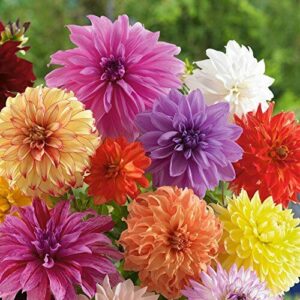
If snapdragons are your gateway into growing from seed, dahlia bulbs take things up a notch. This mixed color pack from Willard & May includes three large No. 1 bulbs that grow 36 to 48 inches tall — bold enough to command any sunny bed.
You’ll get a genuine mix of warm and cool tones blooming from midsummer through first frost. Plant them 4 to 6 inches deep in full sun, and they’ll reward you all season long.
| Best For | Gardeners of any skill level who want tall, colorful blooms that look great in a vase or a sunny garden bed. |
|---|---|
| GMO Status | Organic |
| Pollinator Friendly | Yes |
| Bloom Season | Summer |
| Skill Level | Beginner friendly |
| Light Needs | Full sun |
| Cut Flower Use | Yes |
| Additional Features |
|
- Three big No. 1 bulbs in a mix of colors — solid value for the price
- Grows 36 to 48 inches tall, so it makes a real statement in any garden
- Works beautifully as cut flowers and keeps blooming until frost
- Some customers received tubers that were shriveled or falling apart on arrival
- Blooms may run smaller than a typical dinner plate dahlia
- Results can vary a lot depending on your soil, timing, and location
3. Endless Summer Hydrangea Plant
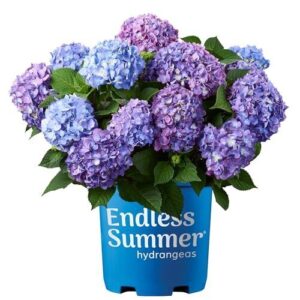
Want something that makes neighbors stop and stare? The Endless Summer Hydrangea (Bloomstruck) does exactly that. Unlike dahlias that clock out after frost, this reblooming shrub keeps pushing out massive 6-to-8-inch mophead clusters from late spring through fall.
It’s hardy in USDA Zones 4–9 and tolerates partial shade like a champ. Here’s a fun trick — your soil’s pH controls the bloom color. Acidic soil gives you blue; alkaline shifts it pink. You’re basically the artist.
| Best For | Gardeners who want low-maintenance, show-stopping blooms that come back year after year across a wide range of climates. |
|---|---|
| GMO Status | Not specified |
| Pollinator Friendly | Yes |
| Bloom Season | Spring and Summer |
| Skill Level | All levels |
| Light Needs | Partial shade |
| Cut Flower Use | Yes |
| Additional Features |
|
- Reblooms from late spring through fall, so you get way more color than a typical hydrangea
- Hardy in zones 4–9 and handles partial shade, so it fits most yards without much fuss
- Strong stems and solid heat tolerance mean it holds up through summer without flopping over
- Might ship dormant depending on the season, so don’t panic if it looks dead at first
- Bloom color depends on soil pH, which means you may need to tweak things to get the shade you want
- Needs consistent watering while it’s getting established — skip that and it’ll struggle
4. Black Eyed Susan Seeds
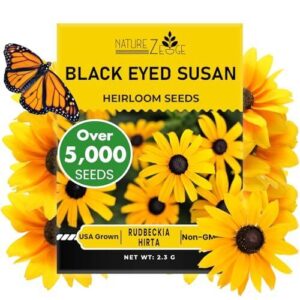
Few summer flowers can match the Black-Eyed Susan’s grit and golden glory. NatureZ Edge packs 5,000 non-GMO, heirloom seeds into one $5.99 packet — that’s a whole meadow for the price of a coffee.
These seeds germinate in 8 to 15 days at 70°F and thrive in full sun with minimal fuss. They’re drought-tolerant, pollinator-friendly, and self-sow year after year. Honestly, once you plant them, they practically take care of themselves.
| Best For | Gardeners of all skill levels who want a low-maintenance, pollinator-friendly flower that fills beds, borders, and containers with long-lasting color. |
|---|---|
| GMO Status | Non-GMO |
| Pollinator Friendly | Yes |
| Bloom Season | Summer |
| Skill Level | All levels |
| Light Needs | Full sun |
| Cut Flower Use | Yes |
| Additional Features |
|
- 5,000 seeds for just $5.99 — hard to beat that value if you want serious coverage
- Non-GMO, heirloom seeds with solid germination rates and self-sowing year after year
- Drought-tolerant and pollinator-friendly, so bees and butterflies will thank you
- Germination can be hit or miss depending on your soil and conditions — some buyers were disappointed
- Seeds may need stratification to sprout well, which adds an extra step
- Check the sell-by date before buying, and don’t be surprised if the packaging shows up a little rough around the edges.
5. Outsidepride Gomphrena Flower Seeds
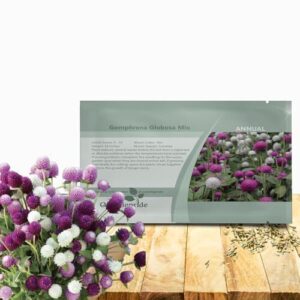
Gomphrena mightn’t be the first name that rolls off your tongue, but this little globe-shaped bloomer earns its spot in any summer garden.
Outsidepride’s 1,000-seed mix germinates in just 7 to 10 days at 68–75°F and produces tight, clover-like flower heads in purple, white, and salmon.
It’s drought-tolerant, pollinator-friendly, and holds its color even when dried — perfect for bouquets that last long after summer ends. Plant in full sun and let it run wild.
| Best For | Gardeners who want low-maintenance, long-lasting color — especially those who love cutting flowers or want to attract butterflies without babying their plants. |
|---|---|
| GMO Status | GMO Free |
| Pollinator Friendly | Yes |
| Bloom Season | Summer |
| Skill Level | All levels |
| Light Needs | Full sun |
| Cut Flower Use | Yes |
| Additional Features |
|
- Germinates fast (7–10 days) and handles drought well once it’s established
- Doubles as a dried flower — the blooms hold their color beautifully after cutting
- Deer-resistant and pollinator-friendly, so it works hard in the garden without much fuss
- Germination rates can be inconsistent, so not every seed will sprout
- Needs well-drained soil with a specific pH range (6.5–7.6), which takes a little prep
- Growth can be slow at times, so don’t expect instant results
Frequently Asked Questions (FAQs)
Do any flowers bloom all summer?
Yes, plenty of flowers bloom all summer long. Zinnias, marigolds, and petunias keep going from early summer until frost — especially when you deadhead them regularly and give them full sun.
What flower blooms in July and August?
July and August belong to sunflowers, zinnias, daylilies, Black-Eyed Susans, and lavender. These powerhouse bloomers peak during the hottest weeks, bringing bold color right when your garden needs it most.
What flower blooms first after winter?
Snowdrops and winter aconite are usually first, pushing up through late January or February snow.
Crocuses follow close behind, bursting open in late winter with purple, yellow, and white cup-shaped blooms.
What is the longest flowering summer flower?
Lantana takes the crown, blooming nonstop from May through October — nearly five months of bold color.
Angelonia matches it stride for stride, thriving in heat and humidity across that same long summer stretch.
When should I start planting summer flowers?
Start planting summer flowers after your last frost date — in Ashburn, that’s usually mid to late April. Once nighttime temps stay above freezing, you’re clear to go.
How often should summer flowers be watered?
Most summer flowers need about 1 to 5 inches of water per week. During heat waves, bump that up to 2 inches. Container flowers dry out faster and may need daily watering.
What pests commonly attack summer blooming flowers?
Aphids, spider mites, Japanese beetles, thrips, and caterpillars are the most common culprits. They chew petals, suck sap, and destroy buds — often before you even notice them moving in.
How do I deadhead summer flowers properly?
Deadheading is simple — pinch or snip spent blooms just above a healthy leaf or bud. Do it weekly, and your flowers keep pushing out fresh color instead of wasting energy on seeds.
Can summer flowers survive in containers outdoors?
Yes, and here’s the paradox: the smaller the pot, the harder your flowers work.
Most summer flowers thrive in containers outdoors as long as drainage, watering, and pot size are dialed in.
Which summer flowers attract the most pollinators?
Bee balm, zinnias, and purple coneflower are your best bets. They draw bees, butterflies, and even hummingbirds all season long — basically a buzzing, fluttering party in your backyard.
Conclusion
Your garden could practically stop traffic this summer—and honestly, it might. Now that you know what flowers bloom in summer, you’re holding a full deck: sun-lovers, shade-dwellers, drought survivors, and fragrant showstoppers.
There’s no excuse for a dull yard when sunflowers tower like sentinels and zinnias blaze like living confetti. Pick your conditions, choose your plants, and let the season work with you. Summer’s waiting—don’t leave it empty-handed.
- https://pfaf.org/user/plant.aspx?LatinName=Helianthus+annuus
- https://extension.umn.edu/flowers/sunflowers
- https://www.americanmeadows.com/blogs/wildflower-seeds/how-to-grow-sunflowers
- https://gardeningsolutions.ifas.ufl.edu/plants/ornamentals/sunflowers/
- https://yardandgarden.extension.iastate.edu/how-to/growing-sunflowers-and-their-varieties