
This site is supported by our readers. We may earn a commission, at no cost to you, if you purchase through links.

Most gardeners pack away their trowels when the first frost hits—but a well‑planted container can hold color, structure, and life straight through February. A single dwarf conifer paired with winterberry holly and a sweep of blue‑green juniper does more visual work than a bare patch of frozen soil ever could.
Winter garden container ideas aren’t about fighting the season; they’re about working with what cold weather actually offers—crisp textures, bold silhouettes, and foliage that looks best against grey skies.
The right plants, the right pots, and a few rustic accents keep your outdoor space looking intentional all winter long.
Table Of Contents
- Key Takeaways
- Winter Container Planting Ideas
- Frost-Proof Container Choices
- Rustic Winter Garden Accents
- Top 3 Winter Container Items
- Winter Container Care Tips
- Frequently Asked Questions (FAQs)
- How do you decorate a winter container garden?
- How to make a winter container garden look festive?
- Are winter container plants a good idea?
- What are the best plant containers for winter?
- What to put in a winter planter?
- What do you put in a planter for fall and winter?
- What plants to put in pots for winter?
- What crops can you grow in pots in the winter?
- How to prevent winter container soil freezing?
- When to start planning winter container gardens?
- Conclusion
Key Takeaways
- Pairing a dwarf conifer with winterberry holly and trailing juniper gives winter pot structure, color, and movement all at once.
- Fiberglass and deep stone containers (12–18 inches) protect roots better than shallow pots by insulating against freeze‑thaw cycles.
- Rustic accents like red twig dogwood, birch logs, and dried oranges do more than look good — they add texture, scent, and visual contrast that plants alone can’t deliver.
- Simple winter care habits — watering only above freezing, mulching the soil surface, and checking drainage monthly — make the difference between thriving plants.
Winter Container Planting Ideas
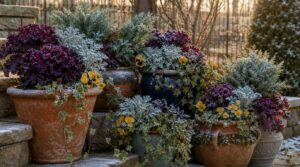
Winter containers don’t have to go bare just because the temperature drops. The right plant combinations can keep your pots looking full, colorful, and alive all season long. Here are a few winning combinations worth trying.
For deeper inspiration, cold-hardy container plant combinations can spark ideas that keep your pots looking intentional rather than forgotten.
Dwarf Conifer Focal Points
A single dwarf conifer can anchor your whole container display.
Dwarf Alberta Spruce offers a tidy pyramidal focal point, while Baby Blue Spruce brings a cool Blue Spruce Silhouette.
For something slimmer, try a Columnar Conifer Form or the warm glow of a Golden Hinoki Accent.
Slowmound Mugo Pine adds a rounded, grounded feel.
These compact conifer varieties grow slowly, so they stay manageable for years.
Providing a well‑draining, organic‑rich medium nourishes their slow-growing evergreen shrubs.
Evergreen Foliage Combinations
Once your focal conifer is set, build around it with layers of contrasting evergreen foliage. Pair blue-green juniper with glossy boxwood balls for a natural color balance.
Tuck in soft hemlock boughs or variegated euonymus to break up the texture.
A few evergreen sprigs with cinnamon sticks add warmth and scent to the whole display.
Ornamental Kale Color Pops
Evergreen foliage gives your container structure, but ornamental kale brings the color. Kale color contrast is hard to beat in winter — those rosettes of deep red, purple, pink, and white look almost like flowers.
- Anthocyanin intensification kicks in as nights cool, deepening reds and purples.
- Kale leaf texture — frilly, ruffled edges — contrasts beautifully with smooth evergreens.
- Try winter kale varieties like Peacock Red or Crystal Red for bold centers.
- In kale container design, place taller rosettes toward the back with spillers up front.
Winter Heather and Cyclamen
Kale brings bold color, but heather and cyclamen bring something softer — quiet charm that holds up through cold weeks.
Winter heather stays low and blooms in pink or white, while hardy cyclamen lifts delicate flowers above silver‑marbled leaves.
Together, they’re a natural winter bloom contrast that works beautifully in frost‑tolerant container plantings without much fuss.
Trailing Juniper Spillers
Trailing juniper is your secret spiller. Its bluish-green, frosted foliage cascades over pot edges, softening hard container lines beautifully.
In the thriller filler spiller layout, it anchors the front and sides.
Pair it with a dwarf conifer thriller in frostproof fiberglass containers, confirm good drainage, and trim tips lightly to keep the spill full and tidy.
Frost-Proof Container Choices
The right container does more than hold soil — it protects your plants through every freeze and thaw. Not every pot can handle winter, so choosing wisely makes a real difference. Here are the best frost-proof options to keep your display thriving all season long.
Fiberglass Planters
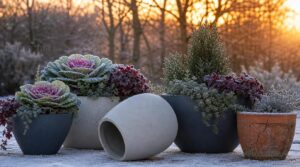
Fiberglass planters are one of the smartest choices for winter containers. They handle temperatures from -20°C to 60°C without warping or cracking.
Unlike ceramic or concrete, they’re lightweight and easy to move, so repositioning for shelter takes minutes.
They also insulate roots better than metal, protecting plants through hard freezes. You’ll find them in dozens of finishes to match any garden style.
Unglazed Terra Cotta
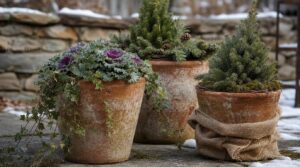
Unglazed terra cotta is a classic choice that earns its place in winter containers. Its natural porosity benefits roots by allowing moisture exchange and air permeability, keeping roots breathing even in cold soil. That warm brick-red color also develops a beautiful color patina over time.
Just raise the pots off frozen ground and insulate with burlap to reduce frost damage.
Stone and Concrete Urns

Stone and concrete urns bring timeless, sturdy elegance to any winter container garden. Their sheer weight keeps them grounded when winds pick up and frost rolls in — no tipping, no shifting.
- Cold-resistant container materials like cast stone handle freeze-thaw cycles well
- Decorative reliefs give your garden a classic, finished look
- Penetrating sealers protect against moisture and cracking year-round
Seal yours every one to two years and you’re set.
Deep Pots for Roots
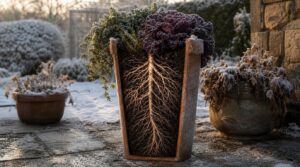
Root depth matters more in winter than most gardeners realize. A large planter with 12–18 inches of depth gives roots room to push down, stay insulated, and anchor your plants through hard freezes. Shallower pots expose roots to temperature swings that can kill them fast.
| Deep Pot Benefit | Why It Matters |
|---|---|
| Root depth support | Protects roots from freeze-thaw damage |
| Air pruning effect | Encourages fibrous, drought-tolerant growth |
| Thick pot walls | Stabilizes root zone temperature |
| Winter root protection | Reduces cold shock in large statement containers |
Drainage for Freezing Weather
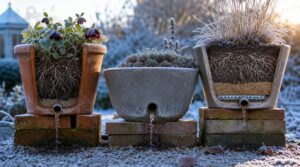
Good drainage can mean the difference between thriving roots and a frozen, waterlogged mess.
When the ground freezes, water has nowhere to go — so drain holes must stay clear. Raise pots above frost line using bricks or risers.
Check drainage monthly and flush during thaw periods.
Perforated pipe systems and sand layers help water escape before it freezes solid.
Rustic Winter Garden Accents

Plants do a lot of the heavy lifting in a winter container, but the accents are what give it real character. A few well-chosen natural elements can turn a simple pot into something that feels intentional and alive. Here are some rustic touches worth adding to your next winter arrangement.
Birch Logs and Branches
Birch logs and branches bring instant rustic warmth to any winter container display. Their white, papery bark, and clean grain stand out beautifully against dark evergreen foliage.
Tuck two or three logs upright into a pot for natural textural layering.
Choose dry, reclaimed birch when possible — it’s a sustainable choice that also resists cracking in cold weather.
Pine Cones and Moss
Pair pine cones with soft moss for a simple Woodland Texture Contrast. The rough Pine Cone Scales sit beautifully against lush, cushioned moss.
Here’s what makes this duo work:
- Cone Moss Display — tuck dried cones into moss beds inside pots
- Moss Moisture Management — mist regularly to prevent drying
- Add pine cones and cranberries for vivid color pops
Red Twig Dogwood Stems
Few accents rival red twig dogwood for raw winter drama. Once the leaves drop, those stems ignite — bright cherry red against snow and evergreen foliage. The colder it gets, the deeper the color burns.
Red twig dogwood burns brightest in winter — the colder it gets, the deeper the color
Tuck dogwood branches upright into your winter containers alongside evergreens for instant vertical contrast. Pair them with birch logs or moss for a grounded, rustic display that feels entirely intentional.
Dried Oranges and Cinnamon
Dried oranges and cinnamon sticks bring something red twig dogwood can’t — warmth and scent. Slice oranges to ¼-inch thickness and dry them at 200°F until crisp.
Tuck them alongside evergreen sprigs with cinnamon sticks in your containers.
The citrus spice pairing adds holiday fragrance that lingers for weeks outdoors.
Winterberries for Contrast
Few winter accents match the raw visual drama of winterberry holly. Those vivid clusters of red and orange-red berries cling to bare branches long after the leaves drop, delivering bold seasonal color contrast against gray skies and dark evergreens.
| Winterberry Trait | Design Benefit |
|---|---|
| Scarlet to crimson berries | Adapted berry contrast design |
| Persists after leaf drop | Year-round berry visual drama |
| Dense branch clusters | Strong focal point in snow |
| Pairs with dark evergreens | Maximum red winter foliage pop |
| Various cultivars available | Flexible seasonal berry arrangements |
Plant winterberry holly beside silver or dark green foliage to make those vibrant winter berries truly sing.
Top 3 Winter Container Items
Sometimes the right decorative accent makes all the difference in a winter container. A few well-chosen items can pull your whole display together without a lot of effort. Here are three winter container picks worth adding to your setup.
1. Rich Red Artificial Berry Sprays
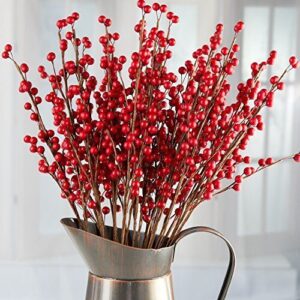
A single stem can change everything. These rich red berry sprays come 24 per pack, each stem reaching 22 inches with 35 matte-coated berries. That’s 840 pops of color ready to tuck into containers, wreaths, or centerpieces.
Bend the wire stems to follow your pot’s rim or layer them between evergreen foliage for natural depth. They won’t fade under indoor lighting, making them a reliable go-to all season long.
| Best For | DIY crafters, florists, and holiday decorators who want an easy, budget-friendly way to add bold color to wreaths, trees, and arrangements. |
|---|---|
| Primary Use | Christmas trees, wreaths, holiday décor |
| Material | Styrofoam berries, metal wire |
| Color Palette | Matte red and brown |
| Reusable | Yes |
| Shape Adjustable | Bendable wire stems |
| DIY Craft Use | Bouquets, corsages, boutonnieres |
| Additional Features |
|
- 840 berries across 24 flexible stems gives you plenty to work with for multiple projects
- Bendable wire makes shaping around pots, wreaths, and bouquets genuinely simple
- Matte red coating looks natural under indoor lighting and holds up all season
- Not great for outdoor use — rain and snow can wear down the coating over time
- Some buyers have noticed the stems feel less full than they used to
- Wire stems aren’t built for heavy-duty installs or large-scale displays
2. Weather Resistant Artificial Holly Bush
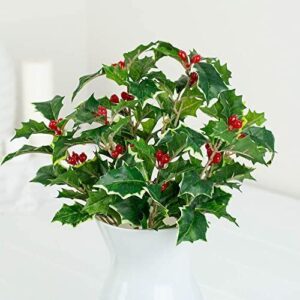
Real holly wilts. This one won’t. The weather resistant artificial holly bush stands 12.5 inches tall with dense polysilk leaves and UV-resistant coatings that prevent fading through long winters outdoors.
The berries stay vivid — colorfast pigments hold that bright red even through snow and sleet. Flexible wire stems bend without cracking in freezing temps, so you can shape it naturally in any pot.
It’s reusable, washable, and built to last season after season.
| Best For | Anyone who wants low-maintenance holiday decor that can handle real outdoor conditions season after season. |
|---|---|
| Primary Use | Christmas trees, wreaths, porch pots |
| Material | Hard plastic berries, polysilk leaves |
| Color Palette | Red and green |
| Reusable | Yes |
| Shape Adjustable | Separable sections |
| DIY Craft Use | Floral and wreath arrangements |
| Additional Features |
|
- Holds its shape and color through snow, rain, and cold without wilting or browning
- Flexible wire stems let you bend and arrange it however you like
- Reusable year after year — no replacing, no mess
- The green can look a bit glossy or lighter than real holly
- Texture won’t feel like the real thing up close
- You’ll need to manually pull the sections apart before arranging
3. Royal Imports Clarkston Plaid Holiday Ribbon
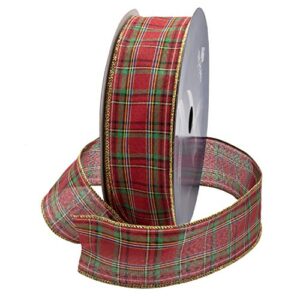
A finishing touch can make all the difference. The Royal Imports Clarkston Plaid Holiday Ribbon brings classic red, green, and white plaid to your winter containers without effort.
Its wired edge holds bows firmly, even in cold outdoor air. At 2.5 inches wide and 50 yards per roll, you get plenty for wrapping pots, tying accents, and looping through evergreens. The polyester blend won’t fray or fade.
Pair it with pine cones or red berries for a look that feels intentional and complete.
| Best For | Crafters and holiday decorators who want an easy, polished look for wreaths, gift wrapping, and outdoor container arrangements. |
|---|---|
| Primary Use | Christmas trees, wreaths, gift wrapping |
| Material | Polyester & polyester blend fabric |
| Color Palette | Red, green, and gold |
| Reusable | Yes |
| Shape Adjustable | Wired shaping edge |
| DIY Craft Use | Scrapbooking and craft projects |
| Additional Features |
|
- Wired edge holds bows and shapes well, even outside in the cold
- 50 yards per roll gives you plenty to work with across multiple projects
- Polyester blend holds up without fraying, fading, or crinkling over time
- The wired edge can feel a little flimsy and may snap if you pull too hard
- Gold metallic threads shed some glitter during handling — expect a little mess
- Not built for heavy-duty or industrial use where a sturdier ribbon is needed
Winter Container Care Tips
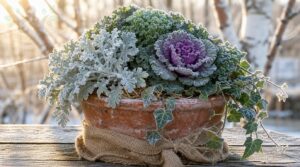
Your plants made it through the hard work of winter—now the real secret is keeping them alive until spring. A few simple habits go a long way toward protecting roots, preventing damage, and keeping your containers looking sharp all season. Here’s what actually has a real impact.
Water Above Freezing
Water freezes at 0°C — but it actually expands about 9% as it does, which can crack roots and pots alike. That’s why you should water only above freezing, preferably in the early morning. Keep it light. Check the top inch of soil first. If it’s still damp, skip it. Wet, frozen soil is your container’s worst enemy.
Mulch Soil Surfaces
Think of mulch as a cozy blanket for your container soil. A 5 to 7 cm layer of pine needles or bark chips can boost soil moisture retention by up to 40% — that’s real protection against winter’s drying winds.
Darker mulches also absorb daytime heat, helping stabilize root‑zone temperatures overnight. Apply it evenly across the potting soil surface, leaving a small gap around plant stems.
Wrap Pots With Burlap
Mulch protects from above — burlap covers the sides. Wrapping your pots with natural burlap is one of the simplest ways to slow heat loss through the container walls during freezing spells.
- Wrap bottom to top, overlapping edges by 2 inches
- Secure with jute twine at multiple points
- Add bubble wrap inside for enhanced cold protection
Choose untreated burlap — it’s breathable, affordable, and reusable season after season.
Shelter From Winter Winds
Burlap shields the walls — but wind is the real thief of warmth. Windbreak placement at a 30–60‑degree angle to prevailing winds can cut ground-level gusts by up to 45 percent.
Position containers against a south-facing wall or tucked into a sheltered alcove. Clustering three to five pots together creates a natural microclimate design that quietly reduces air movement around your plants.
Check Drainage Monthly
Windbreaks handle the cold air — but still water standing in frozen soil can quietly rot roots overnight.
Your Monthly Drainage Check is simple: pour one liter of water in and watch how fast it clears. Slow pooling means trouble. Clear drainage holes with a soft brush and adjust your soil mix with extra perlite to improve drainage capabilities before the next freeze hits.
Frequently Asked Questions (FAQs)
How do you decorate a winter container garden?
Oddly enough, the best winter pots don’t look "winter-ready" at all — they look alive. Layered plant display, LED fairy lights, and decorative dried fruit do most of the heavy lifting.
How to make a winter container garden look festive?
Tuck in LED fairy lights, layer pine cones and cranberries, and add winterberries for bold contrast. A ribbon and ornamental kale pull the whole festive look together instantly.
Are winter container plants a good idea?
Yes — winter container plants are absolutely worth it. Cold-hardy plants like dwarf conifers and pansies thrive in pots through frost, giving your outdoor space real color and life all season long.
What are the best plant containers for winter?
Fiberglass containers top the list — lightweight, frost-resistant, and great at holding heat around roots. Stone or concrete urns handle freeze-thaw cycles well. Both work best when at least 12 inches deep.
What to put in a winter planter?
Think of a winter planter like a layered outfit. Pair thrillers and fillers — ornamental kale, evergreen boughs, winterberries, and textural grasses — with scented elements like dried oranges. Add LED lights for evening warmth.
What do you put in a planter for fall and winter?
Start with evergreen thrillers like dwarf spruce, add ornamental kale and dusty miller as fillers, then let trailing juniper spill over the edges. Tuck in dried oranges or preserved eucalyptus for seasonal charm.
What plants to put in pots for winter?
Evergreen thrillers like dwarf conifers anchor pots beautifully. Add cold hardy perennials, pansies, or winter blooming shrubs as fillers. Trailing junipers spill over edges, while winter hardy grasses bring soft texture all season.
What crops can you grow in pots in the winter?
Even small pots can feed you through winter. Grow winter greens like spinach varieties, ornamental kale, and rosemary. Try a carrot harvest from deep pots, or cold-hardy plants like sedum and pansies.
How to prevent winter container soil freezing?
Frozen soil spells trouble for container roots. Mulch the surface 4–6 inches deep, raise the pot base, wrap sides with burlap, and water before a freeze. Moist soil holds heat longer.
When to start planning winter container gardens?
Think of this like planting a time capsule. Start 6–8 weeks before your first hard frost. That window gives you time to source cold-hardy plants, prep containers, and nail your design.
Conclusion
The coldest months can produce your most striking outdoor display. That’s the quiet paradox at the heart of winter garden container ideas—frost doesn’t end the show; it sharpens it.
Evergreens hold bold, lasting structure. Berries pop sharply against grey skies.
The right pot keeps roots alive through hard freezes. Add a few rustic accents, check drainage monthly, and your containers stay bold all season.
Winter isn’t a pause. It’s a different kind of bloom.
- https://www.agriframes.us/blogs/garden-designs/winter-planting-for-pots-and-containers
- https://www.bootstrapfarmer.com/blogs/backyard-gardening/top-cold-tolerant-container-plants
- https://www.containedcreations.com/blog/trends-in-container-gardening-2026
- https://www.finegardening.com/project-guides/container-gardening/cold-weather-combinations-for-fall-containers
- https://savvygardening.com/winter-container-garden-ideas