This site is supported by our readers. We may earn a commission, at no cost to you, if you purchase through links.
Frost doesn’t kill your spinach—makes it sweeter.
As temperatures drop, leafy greens convert starches into sugars, a survival trick that turns your winter beds into the tastiest patch in the yard.
Most gardeners pack away their tools, come November, missing weeks of productive growing time because they don’t know when to sow, transplant, or cover their crops.
That’s where a winter vegetable gardening calendar printable earns its keep—a single page that tracks frost dates, planting windows, and harvest timing so you’re never guessing.
Grab yours, and let’s get your winter beds working hard through the cold months.
Table Of Contents
- Key Takeaways
- Download Your Winter Garden Calendar
- Find Your Winter Planting Dates
- Choose Winter Vegetable Crops
- Fill in Your Calendar
- Extend Your Winter Harvest
- Frequently Asked Questions (FAQs)
- . Why Should You Start Seeds indoors?
- . Which Seeds Should You Start indoors?
- . When Should You Start Seeds indoors?
- . When Should You Transplant seedlings?
- What month do you plant winter vegetables?
- When to start a winter vegetable garden?
- How do USDA zones affect winter gardening success?
- Can urban microclimates shift my planting schedule earlier?
- How does elevation change frost timing within zones?
- Does coastal fog delay or advance planting dates?
- Conclusion
Key Takeaways
- Frost actually makes your winter veggies taste better, since cold temperatures trigger leafy greens and root crops to convert starches into sugars as a survival response.
- Knowing your exact frost dates (first and last) and USDA hardiness zone is the foundation for any winter garden calendar, since every other planting and harvest date depends on getting these right.
- A solid winter gardening calendar should track indoor seed starting, direct sowing windows, transplanting, and succession planting so you keep beds productive instead of letting them sit idle.
- Simple season-extension tools like row covers, cold frames, and hoop tunnels—paired with mulching and microclimate awareness—can add weeks of extra harvest time even after the real cold sets in.
Download Your Winter Garden Calendar
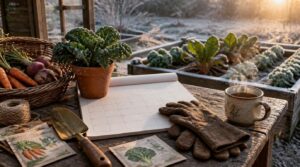
So before you start sketching out planting dates, let’s get your calendar in hand. A good printable should flex to fit how you actually garden, not the other way around. Here’s what you’ll find inside, piece by piece.
This zone-based spring garden planning calendar lets you plug in your zip code so every planting date lines up with your actual growing zone.
Printable PDF Layout
A good calendar should work as hard as your garden does. This printable garden planner uses US Letter sizing with 0.75" margins and a clean two-column grid (8mm gutters) for easy reading.
- Arial font for crisp readability
- Grey-scale, ink-saving design
- Bold 14pt header
That’s smart layout structure, built for any printable Vegetable Planting Calendar template.
Blank Monthly Planner
Beyond that fixed grid sits something looser: a blank monthly planting calendar with undated pages, so you’re not locked into one growing year.
Customize each grid for monthly priority setting, habit tracker integration (think daily watering checks), and individualized gardening notes. This printable garden planner template adapts as your garden does — reuse it every winter without wasting paper on outdated dates.
Weekly Task Tracker
Once your month’s mapped out, zoom into each week with a weekly task tracker — your day-by-day garden checklist that keeps your gardening schedule planner and garden workflow running smoothly.
- Priority levels (high, medium, low) for sorting chores
- Planned vs. completed columns to track real progress
- Time blocking slots for watering, weeding, mulching
- Recurring garden chores marked for weekly productivity insights
Crop Notes Section
Once your weekly tasks are checked off, your crop notes section becomes the heart of your garden journal. Use it for logging planting varieties, tracking growth indicators like leaf color and stem thickness, and documenting pest issues with photos or sketches.
This recordkeeping habit turns scattered garden notes into real crop planning wisdom — helping next winter’s garden planning start smarter, not from scratch.
Harvest Log Page
Wrap up with the harvest log page, your calendar’s bottom line. Record harvest date, crop variety, and weight for real yield tracking, plus quick post-harvest quality notes on color and texture.
This bed productivity analysis shows which beds truly earn their space, while the data export utility turns your garden journal into next year’s smarter harvest scheduling.
Find Your Winter Planting Dates
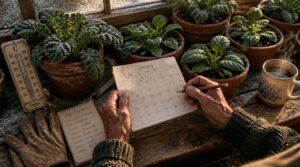
So before you fill in a single date on that calendar, you need to know exactly when your growing window opens and closes. It only takes a few minutes, and it’s the step that makes every other date on your calendar accurate. Here’s how to track down your numbers.
Enter ZIP Code
Five little digits hold the key to your whole winter garden schedule! That ZIP code was built for precise routing of mail, but it also unlocks localized climate data for your exact area.
Once you’ve confirmed your frost dates, pairing that knowledge with cold-hardy brassicas like kale and Brussels sprouts makes planning a thriving winter garden almost effortless.
Type it into a planting calendar tool, and you’ll get:
- Your hardiness zone by ZIP code
- Mapped frost dates for your region
- A gardening schedule built on regional data
Check USDA Zone
Once that ZIP code loads your results, you’ll land on your USDA Hardiness Zone, shown as a number with a letter, like 6b. The USDA Hardiness Zones map uses 30-year minimum temperature averages, so interpreting subzones matters: half-zone shifts reflect real climate change impacts.
Cross‑check with NOAA data comparison for microclimate accuracy before locking in your zone.
Understanding the USDA zone classification can guide you in choosing the most resilient winter crops.
Mark First Frost
Think of your first frost date as nature’s deadline — the night freezing temperatures settle in for good. Mark it on your planting calendar using local meteorological charts for accuracy.
This date drives three things:
- Your frost deadline planning for tender crops
- Nightly temperature monitoring as autumn cools
- Adopting cold-hardy varieties before frost hits
Check NOAA’s frost date calculation tools for your area’s typical range.
Mark Last Frost
If first frost is nature’s deadline, your last frost date is the green light — the moment it’s finally safe to sow hardy crops outdoors.
If first frost is nature’s deadline, your last frost date is the green light to sow hardy crops outdoors
Pull this from historical weather tracking, then adjust for microclimate date shifts: elevation frost impacts, urban heat buffers, and year-to-year fluctuations, all nudge it.
Mark it boldly on your planting calendar; this single date shapes your whole planting guide.
Add Local Frost Buffers
Frost dates aren’t gospel — they’re averages, so your actual yard might run colder or warmer. That’s where local frost buffers come in.
Note your windbreak placement, low spots prone to pooling cold air, and any south-facing walls. Layer in row cover deployment, mulch insulation benefits, and soil temperature monitoring to fine-tune frost protection methods around your real-world frost risk.
Choose Winter Vegetable Crops
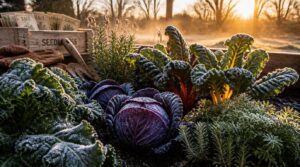
Now that your frost dates are marked, it’s time for the fun part: picking what actually goes in the ground. Not every vegetable shrugs off a cold snap, so your choices here matter more than they would in spring.
Let’s walk through the crops that handle winter best, from leafy greens to herbs you can still snip in January.
Cold-Hardy Leafy Greens
Snow may fall, but your salad bowl doesn’t have to go empty. Spinach, Swiss chard, and cold hardy vegetable varieties like Red Russian kale survive thanks to sugar accumulation, lowering each leaf’s freezing point.
- Thick leaf cuticles
- Frost sweetness in mache
- Dormancy cycles pausing growth
Mark your planting calendar for cold frames and frost protection methods to enjoy crisp winter texture all season.
Root Vegetables
While your greens hold their ground above soil, root vegetables do their best work below it.
Carrots, beets, parsnips, and rutabagas store energy underground, so, loose, well-drained soil with a pH around 6.0 to 6.8 prevents misshapen roots.
Frost sweetens them naturally. After harvest, keep roots cool and humid on your planting calendar, and they’ll store for months.
Brassicas for Winter
Once your roots are tucked in, turn your attention upward to brassicas, the toughest cool-season crops in your lineup.
Kale, Brussels sprouts, and purple sprouting broccoli all sweeten after frost, while vernalization timing shapes flowering and flavor. Rotate beds to dodge clubroot, watch for cabbage worms, and add row covers for pest management. Add cold-hardy varieties to your planting calendar now.
Herbs for Cold Weather
With brassicas tucked under cover, save a corner for herbs—your garden’s quiet workhorses.
Cold-hardy herb varieties like sage, thyme, rosemary, and oregano shrug off frost and feed winter tea benefits all season.
Garlic planted now boosts immunity by spring.
These immune boosting herbs plus simple perennial herb care—mulch, light pruning—keep your winter gardening calendar productive without extra fuss.
Zone-Specific Variety Picks
Why does the same crop thrive in Georgia but flop in Minnesota? Soil temperature and zone differences.
Match your vegetable varieties selection to your USDA zone for real yield stability. Zones 3-4 gardeners need true cold tolerance and bolting resistance; lean on cold frames and season extension methods.
Your planting calendar should reflect these picks for flavor retention all winter long.
Fill in Your Calendar
Now that you’ve picked your crops and pinned down your frost dates, it’s time to put pen to paper (or printer to paper!). Your calendar works best when every key date has a home, from seed tray to harvest basket. Here’s exactly what to fill in, step by step.
Indoor Seed Starting
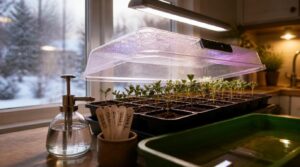
Your kitchen counter is about to become a nursery! Block out indoor seed starting dates on your calendar 6-8 weeks before transplanting.
Use a sterile seed starting mix, give seedlings 14-16 hours of light daily, and bottom-water to keep soil evenly moist. A humidity dome speeds germination—just vent it once sprouts appear, then begin hardening off before moving outdoors.
Direct Sowing Dates
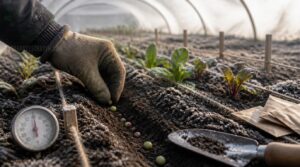
As winter gardening kicks off, your direct sowing window opens once soil hits ideal soil temperatures. Watch for seed germination cues like moisture and warmth, not just calendar dates.
- Peas: 40–50°F
- Spinach: 45–65°F
- Radishes: 40–70°F
- Beets: 40–50°F
Frost tolerant varieties handle seasonal planting shifts, so schedule successive sowing intervals every 2–3 weeks for early spring crops on your planting calendar.
Transplanting Windows
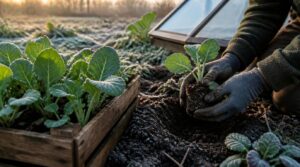
Ready to move seedlings outside? Once true leaves appear and days stay above 40°F, your transplanting window opens.
First, harden off seedlings for 7–14 days before you transplant outside.
Rehydrate bare roots, plant at original depth, and keep soil moisture even.
Watch for yellowing leaves—a clear stress sign.
Mark dates on your planting calendar, and use cold frames below 28°F.
| Crop Type | Ready-to-Transplant Sign |
|---|---|
| Leafy greens | True leaves, 40–60°F days |
| Brassicas | Light frost tolerance, sturdy stems |
Succession Planting Rounds
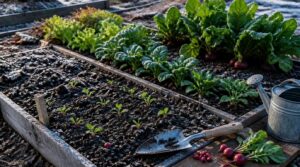
Why let beds sit idle? Succession planting keeps harvests flowing through:
- Staggered sowing intervals every two weeks
- Fast-growing varieties like radish, lettuce
- Crop rotation benefits preventing pest buildup
- Nutrient replenishment timing between rounds
Your planting schedule and free printable Vegetable Planting Calendars simplify garden succession planning, syncing seed dates with continuous harvest planning—no guesswork, just steady, satisfying yields all season!
Expected Harvest Weeks
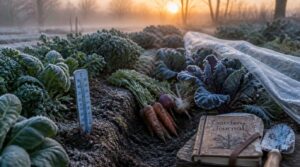
So when does dinner actually show up?
Map crop maturity timelines onto your monthly planting calendar: greens in 6-12 weeks, roots in 12-16, brassicas in 8-14.
Soil temperature effects and frost buffer planning shift each harvest window, while microclimate timing shifts and succession harvest intervals stretch your vegetable harvest, keeping fresh crop timeline notes accurate and harvest timing realistic, indeed.
Extend Your Winter Harvest
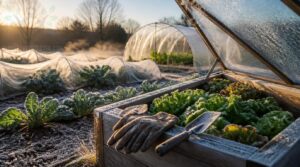
Your calendar gets you planting on time, but a few simple tools keep those crops alive once the cold really sets in.
Row covers, cold frames, and hoop tunnels each buy you extra weeks of harvest without much extra work.
Here’s what to add to your calendar so none of these tasks slip through the cracks.
Row Cover Reminders
Checking your row covers weekly keeps frost dates on track. Log these tasks in your garden scheduling app:
- Pick fabric weight for crop needs
- Secure edge pins before wind
- Vent at midday to prevent overheating
- Confirm canopy clearance for growth
These habits boost pest barrier effectiveness, support season extension techniques, and keep crops thriving well before cold frames take over.
Cold Frame Tasks
Once row covers are set, cold frames take over season extension techniques for winter vegetable gardening—log tasks in your planting calendar:
| Task | Frequency | Notes |
|---|---|---|
| Ventilation management | Daily | Prevents overheating |
| Thermal mass placement | Check | Stabilizes night temps |
| Temperature monitoring | Daily | Tracks overwintering crops |
| Structural maintenance | Monthly | Seals, hinges, glazing |
Humidity control also prevents condensation and fungal issues inside your frame walls.
Hoop Tunnel Checks
Right after cold frames, hoop tunnels and DIY greenhouses protect overwintering crops in winter gardening. Inspect weekly:
- Structural Integrity – check hoops and posts for bends or loosening
- Plastic Film Maintenance – patch tears before wind worsens them
- Snow Load Management – clear heavy snow before it accumulates
- Pest Access Points – seal gaps near end closures
- Irrigation System Protection – insulate lines against freezing
Mulching and Watering
So once your hoop tunnels are secure, layer 2 to 3 inches of organic mulch—straw or chopped leaves—around your crops. This locks in soil warmth and suppresses weeds by up to 95%. Water deeply each morning, soaking 6 to 8 inches down, then check soil moisture every 7 to 10 days through cold spells.
Microclimate Adjustments
Every garden has its own microclimates, so run a quick garden microclimate analysis before finalizing your calendar. Windbreaks cut wind speed 50-70%, raising soil temperatures 2-4°F. South-facing slopes heighten solar radiation, while urban heat islands and water body moderation shift frost dates.
Adjust for elevation temperature shifts. Then match each crop’s temperature tolerance using cold frames and climate adaptation strategies.
Frequently Asked Questions (FAQs)
. Why Should You Start Seeds indoors?
Seed starting indoors builds seedling root strength before harsh weather hits.
Grow lights improve germination success rates, while cost-effective gardening and access to specialty cultivars make indoor seed starting a smart, reliable head start for your garden.
. Which Seeds Should You Start indoors?
Think of indoor seed starting as your garden’s nursery: tomatoes and peppers (70-85°F), brassicas, leafy greens, and warmth-loving eggplants all need that cozy head start before frost lets them outside. Indoor seed starting builds strong, ready-to-transplant seedlings!
. When Should You Start Seeds indoors?
As a rule, start indoors 6 to 8 weeks before your last frost, checking a seed starting calculator for exact dates. Brassicas need 10 weeks; watch seed germination temps and seedling light needs before transplanting seedlings outdoors.
. When Should You Transplant seedlings?
Picture your kale seedlings sporting 2 to 4 true leaves and sturdy stems. That’s your cue! After hardening off for a week, transplant once soil hits 50°F, preventing transplant shock and supporting strong outdoor establishment.
What month do you plant winter vegetables?
Most gardeners begin late summer sowing in July, continuing through September, since these autumn planting windows beat the frost date impact—though regional planting variations let coastal zones plant cool-season crops into October for winter gardening success.
When to start a winter vegetable garden?
Your garden’s "head start" begins well before chilly weather settles in.
Run the frost buffer math: begin seedling hardening six to eight weeks pre-frost, track soil temperature closely, and lean on a seed starting calculator for solid fall planting dates.
How do USDA zones affect winter gardening success?
Your USDA Hardiness Zone sets winter low tolerances and planting window shifts for vegetables. Subzones A and B sharpen hardiness rating accuracy, while local temperature variability can shift climate zone mapping beyond plant hardiness averages.
Can urban microclimates shift my planting schedule earlier?
Yes—urban heat islands and pavement thermal retention often shift planting earlier.
Building shadows, street-scale variability, and container swings shape your microclimate, so track local frost dates for your urban gardening calendar template rather than trusting regional averages alone.
How does elevation change frost timing within zones?
Elevation lapse rates shift frost dates earlier—about 1 to 3 weeks per 1,000 feet. Valley frost pockets trap cold air, while mountainous microclimates and slope orientation make frost patterns vary within the same hardiness zone.
Does coastal fog delay or advance planting dates?
Both — coastal fog drives fog-driven germination in cool, moist soil, yet fog-induced frost risks delay your frost dates. Adjust your planting calendar template for microclimate sowing shifts and climate zone adaptation before using cold frames.
Conclusion
Picture frost lacing your spinach leaves silver, while roots keep building sugars underground through January’s coldest nights.
That quiet transformation is exactly what your winter vegetable gardening calendar printable protects: every sowing date, covered bed, and harvest week mapped out, so nothing slips past you.
Pin it near your potting bench, check it weekly, and trust the rhythm you’ve built.
Winter beds reward patience, and yours just keeps growing stronger with every cold snap survived.