This site is supported by our readers. We may earn a commission, at no cost to you, if you purchase through links.
Spray a can of conventional insecticide indoors, and you’re not just killing roaches, you’re aerosolizing compounds linked to respiratory irritation and pollinator die-offs. That tradeoff drives more homeowners toward eco-friendly pest control options every season. Ladybugs devouring aphids, diatomaceous earth desiccating bed bugs, cedarwood oil repelling mosquitoes: nature’s own arsenal takes care of most infestations without the toxic residue.
The trick lies in matching the right method to the right pest, at the right threshold, before damage sets in. Get that sequence backward and you’ll waste money on products that never touch the actual problem. What follows breaks down which methods work, why they work, and how to build a plan that keeps your home and garden protected all year.
Table Of Contents
- Key Takeaways
- Best Eco-Friendly Pest Control Options
- Top 6 Eco-Friendly Pest Control Products
- Garden-Safe Natural Pest Methods
- Choosing Pest Control by Problem
- Building a Green Pest Plan
- Frequently Asked Questions (FAQs)
- What is the most environmentally friendly method for controlling pests?
- Is there such a thing as eco-friendly pest control?
- What is the best non toxic pest control for a house?
- What is the holistic approach to pest control?
- How long does eco-friendly pest control last?
- Are natural pest control methods effective immediately?
- What certifications should eco-friendly pest companies have?
- How often should preventative treatments be applied?
- How long do natural pest treatments remain effective?
- Are eco-friendly products safe for vegetable gardens?
- Conclusion
Key Takeaways
- Integrated Pest Management works best when you monitor pest activity, identify the specific culprit, and treat only when populations cross a real damage threshold, rather than spraying reflexively.
- Biological and botanical controls—like ladybugs, lacewings, neem oil, and pyrethrins—target pests effectively while biodegrading quickly and sparing pollinators from lasting harm.
- Mineral-based treatments such as food-grade diatomaceous earth and boric acid kill pests through physical abrasion or metabolic disruption, offering a non-toxic alternative to chemical sprays.
- Sealing entry points with caulk, door sweeps, and fine mesh screens prevents infestations before they start, making exclusion one of the most reliable long-term pest control strategies.
Best Eco-Friendly Pest Control Options

Pests don’t stand a chance when you fight back with nature’s own toolkit instead of harsh chemicals. From living organisms to mineral dust, each method targets invaders differently while keeping your home and garden safe.
Companion planting and beneficial insects work together beautifully, and this guide to natural pest control remedies for your garden breaks down exactly which combinations work best.
Here’s what actually works, starting with the five approaches every eco-conscious homeowner should know.
Integrated Pest Management
Think of Integrated Pest Management as your pest control compass, guiding decisions instead of reflexive spraying. It relies on site-specific thresholds and economic injury levels to justify action.
Effective IPM includes:
- Pest monitoring technology like sticky traps
- Threshold-based decision-making
- Evaluating IPM efficacy each season
This sustainable pest management approach keeps ecofriendly pest control methods practical, not just idealistic. You can learn more about integrated pest management principles to better manage your environment.
Biological Pest Control
Biological pest control puts nature’s own hunters to work: ladybugs and lacewings devour aphids, while parasitic wasps sterilize pest populations from within. Microbial agents like Bt target caterpillars with surgical precision, sparing beneficial insects.
Natural enemy diversity thrives when you skip broad-spectrum sprays and plant nectar-rich borders. That habitat conservation strategy turns your yard into a self-sustaining biological insecticide system.
Botanical Insecticides
Plants make their own chemical weapons, and you can borrow them. Pyrethrins from chrysanthemum flowers cause rapid knockdown; azadirachtin in neem disrupts insect growth regulation and feeding.
- Neem oil sprays
- Pyrethrin concentrates
- Essential oil repellents
- Botanical soap blends
These botanical treatments biodegrade fast, minimizing non-target impacts on pollinators while controlling pests effectively.
Mineral-based Treatments
Rocks and dust don’t sound lethal, but they work. Food-grade diatomaceous earth kills through abrasion, scratching waxy exoskeletons until pests dehydrate within 48 hours—a pure physical desiccant, no chemistry involved.
Boric acid disrupts insect metabolism as both a stomach poison and desiccant. Insecticidal soaps suffocate soft-bodied aphids on contact. Choose OMRI-listed products for verified organic safety.
Physical Pest Barriers
Sometimes the best defense is simply locking the door. Window mesh selection matters here—18 to 30 mesh screens block insects while air flows freely.
Seal cracks with silicone (up to ¼ inch gaps), strengthen vents with steel mesh for rodent mesh durability, and don’t skip door sweep installation. These exclusion methods stop pests before they’re ever a problem.
Top 6 Eco-Friendly Pest Control Products
Knowing the categories is one thing, but picking actual products off a shelf is where most people get stuck. You want options that work as promised without introducing harsh chemicals into your home. Here are six formulas worth putting on your radar.
1. Nature’s Dome Eco Friendly Pest Control Spray
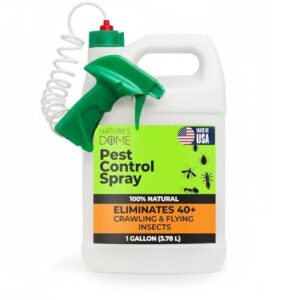
Need a pest solution that won’t compromise safety or your garden’s microbiome? Nature’s Dome Eco Friendly Pest Control Spray offers a triple-action formula—geraniol, cinnamon, and cottonseed oils—that kills over 40 pests on contact.
It’s biodegradable, safe for pets and children, and leaves no harsh residue. Its pleasant scent and non-staining properties make it practical for everyday use.
Use it indoors or outside for coverage up to 4,000 sq ft. For best results, reapply every 5–7 days.
| Best For | Families, pet owners, and gardeners looking for a safe, natural pest control solution for both indoor and outdoor spaces. |
|---|---|
| Pet Safe | Yes |
| Application Type | Spray |
| Indoor/Outdoor Use | Both |
| Reapplication Needed | Every 5-7 days |
| Natural Ingredients | Yes |
| Coverage Area | 4000 sq ft |
| Additional Features |
|
- Non-toxic and safe for use around kids, pets, and plants
- Kills a wide variety of pests, including both adults and larvae
- Leaves no harsh chemical odors and doesn’t stain surfaces
- Needs reapplication every 5–7 days to maintain protection
- May not be effective against severe infestations or tough roaches
- Some users find the scent strong and lingering in enclosed areas
2. Eco Defense Natural Pest Control Pouches
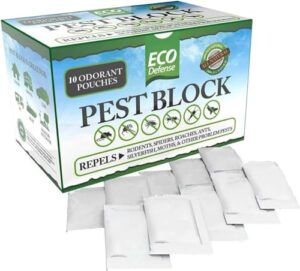
Slip a mint oil pouch behind your vehicle’s wiring or inside a closet, and you’ll deter rodents, spiders, and insects for up to 30 days. Eco Defense Natural Pest Control Pouches use a mix of cedar, cinnamon, lemongrass, rosemary, mint, and peppermint—all safe around pets and family.
Each pouch covers 10 cubic feet, emitting a fresh, mildly aromatic scent without leaving residue. For continuous protection, replace monthly and target corners, drawers, or pantry shelves where pests sneak in.
| Best For | Homeowners, RV owners, and anyone wanting a safe, chemical-free way to protect small, enclosed spaces from rodents and insects. |
|---|---|
| Pet Safe | Yes |
| Application Type | Pouch |
| Indoor/Outdoor Use | Both |
| Reapplication Needed | Every 30 days |
| Natural Ingredients | Yes |
| Coverage Area | 10 cubic ft |
| Additional Features |
|
- Easy, mess-free placement with no sprays or traps required
- Safe for families and pets, using only natural essential oils
- Repels a wide range of pests, including rodents, insects, and even snakes
- Only effective in small, enclosed areas (up to 10 cubic feet per pouch)
- Needs to be replaced every 30 days for ongoing protection
- Not suitable for large rooms or open spaces
3. Wondercide Natural Pest Control Spray
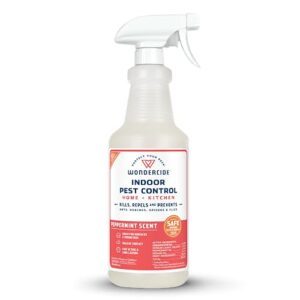
Looking for a plant-powered pest spray that’s tough on bugs but gentle on your home? Wondercide Natural Pest Control Spray relies on essential oils like cedarwood and peppermint to kill and repel insects—ants, fleas, mosquitoes, and more.
Its non-staining formula won’t damage furniture or bedding, making it safe for kitchens, pet spaces, and living areas. When used as directed, it’s biodegradable and safe for pets and families. Frequent applications build a protective barrier, keeping pest activity at bay.
| Best For | Families with pets looking for a safe, natural way to control indoor pests without harsh chemicals. |
|---|---|
| Pet Safe | Yes |
| Application Type | Spray |
| Indoor/Outdoor Use | Indoor |
| Reapplication Needed | Frequent |
| Natural Ingredients | Yes |
| Coverage Area | Not specified |
| Additional Features |
|
- Uses plant-based ingredients and essential oils for effective pest control.
- Safe for use around pets, children, and on furniture or bedding when used as directed.
- Works on a wide range of insects, including fleas, ants, mosquitoes, and roaches.
- Must be applied carefully and according to instructions to ensure safety and effectiveness.
- May require frequent reapplication for ongoing protection.
- Not suitable as a sole solution for severe pest infestations needing professional treatment.
4. EcoSmart Organic Pest Control Spray
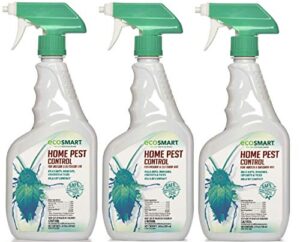
If you want a pest spray that’s safe for children and pets but packs a punch against insects, EcoSmart Organic Pest Control Spray stands out. Its formula uses 100% organic plant oils—like peppermint and clove—to kill and repel over 100 household pests on contact.
The aerosol won’t stain carpets, wood, or fabrics, and it’s suitable for both indoor and outdoor use. You can spray along entry points or hidden crevices, confident it won’t contaminate groundwater or harm wildlife when used as directed.
| Best For | Families and pet owners looking for a safe, organic way to control pests indoors and around the home. |
|---|---|
| Pet Safe | Yes |
| Application Type | Aerosol Spray |
| Indoor/Outdoor Use | Both |
| Reapplication Needed | Ongoing |
| Natural Ingredients | Yes |
| Coverage Area | Not specified |
| Additional Features |
|
- Made with 100% organic plant oils and free from harsh chemicals
- Safe for children, pets, and non-harmful to birds, fish, and mammals
- Non-staining formula works on carpets, wood, and fabrics
- Only available as a multi-bottle pack
- Aerosol form may not suit those who prefer trigger sprays or concentrates
- Scented with natural oils, which some users may still notice despite being labeled unscented
5. Bugmd Ant Killer And Bug Spray Concentrate
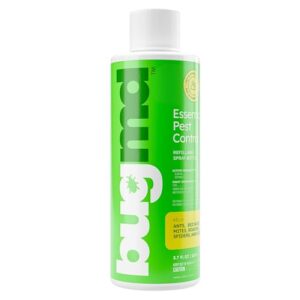
Plant-powered pest control meets precision with Bugmd Ant Killer And Bug Spray Concentrate. Cottonseed and clove oils deliver a fast-acting contact kill—most insects die within 30 minutes, including resistant species and eggs.
You’ll mix 3.7 ounces of concentrate with 27 ounces of cold water, yielding 32 ounces of spray, perfect for kitchens, fabrics, or outdoor sheds. Bugmd’s formula avoids harsh chemicals, making it safer for families and pets. For persistent infestations, reapply as part of your routine.
| Best For | Homeowners and gardeners looking for a safe, plant-based solution to control ants and other pests both indoors and outdoors. |
|---|---|
| Pet Safe | Yes |
| Application Type | Concentrate Spray |
| Indoor/Outdoor Use | Both |
| Reapplication Needed | Routine |
| Natural Ingredients | Yes |
| Coverage Area | 32 oz yield |
| Additional Features |
|
- Plant-powered formula kills insects quickly, including resistant pests and their eggs.
- Versatile for use on wood, carpet, fabrics, and outdoor areas.
- Safer for kitchens, bedrooms, and spaces with pets when used as directed.
- Requires dilution and a separate spray bottle for application.
- Must be carefully mixed and applied according to instructions for safety.
- Not ready-to-use; takes extra prep time before spraying.
6. EcoPest Bed Bug Interceptors
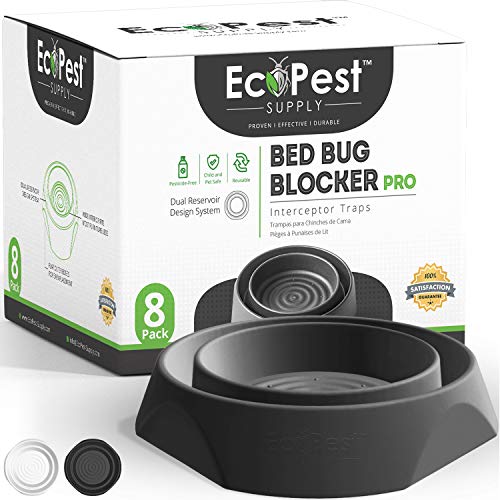
EcoPest Bed Bug Interceptors offer chemical-free monitoring for bed bugs, isolating furniture with a dual reservoir design. The textured outer moat lets bugs climb in, while the slippery inner well prevents escape.
Each pack contains eight traps, supporting heavy furniture and fitting most bed posts. Installation is straightforward—simply place under bed legs for continuous detection.
You’ll get 24/7 surveillance without pesticides, making these safe for homes with kids and pets. Combine with diatomaceous earth for enhanced results.
| Best For | People looking for a chemical-free, easy-to-use solution for monitoring and isolating bed bugs in homes, hotels, dorms, or hospitals. |
|---|---|
| Pet Safe | N/A (no chemicals) |
| Application Type | Interceptor Trap |
| Indoor/Outdoor Use | Indoor |
| Reapplication Needed | Not applicable |
| Natural Ingredients | No |
| Coverage Area | Per furniture leg |
| Additional Features |
|
- Continuous, pesticide-free monitoring for bed bugs
- Durable design supports heavy furniture and fits most bed posts
- Safe for use around children and pets
- May not fit all bed post sizes; some posts could overhang the rim
- Does not kill pests unless paired with diatomaceous earth or other substances
- Larger sizes may not be available at every retailer
Garden-Safe Natural Pest Methods
Protecting your garden doesn’t have to mean harsh chemicals or complicated routines. There are proven natural methods you can use to keep pests in check while maintaining a safe environment for plants and pollinators. Here’s a look at several effective options you can start using right away.
Ladybugs and Lacewings
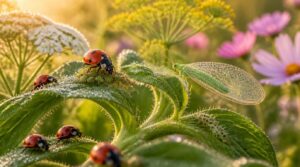
Release ladybugs and lacewings early morning for rapid aphid suppression. Ladybug larvae feed intensely near egg clusters, while lacewing larvae hunt across leaves and stems. Diverse flowering plants boost predator retention, providing nectar and pollen between pest outbreaks. Combine both species for persistent control:
- Target aphids, whiteflies, scale insects
- Support with habitat plants
- Avoid broad-spectrum insecticides
- Use pre-assembled predator kits
Neem Oil Applications

If you’re looking for plant-based pest solutions, neem oil stands out for both safety and effectiveness.
Use a foliar spray—covering leaf tops and undersides—to deter aphids and mites, or apply a soil drench for root pests. Stick to a 0.5–2% dilution, test on sensitive plants, and avoid spraying during flowering to protect pollinators.
Insecticidal Soap Sprays
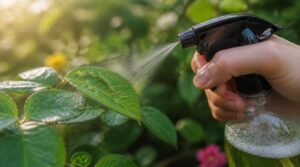
If you want natural pest control that’s both effective and gentle, insecticidal soaps are a smart pick. These sprays use potassium salts of fatty acids—usually at 1–2%—to kill soft-bodied pests like aphids and mites.
For best results, mix with soft water, target young life stages, and avoid sensitive plants or applying during peak sunlight.
Diatomaceous Earth Barriers
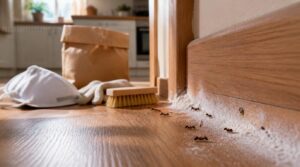
Diatomaceous earth barriers offer a mechanical, nontoxic extermination for ants, bed bugs, and roaches. Food-grade powder forms a thin, abrasive layer along baseboards and cracks, dehydrating pests within 24–48 hours. Moisture ruins effectiveness, so reapply every 1–2 weeks.
Practical tips:
- Wear a dust mask and gloves.
- Focus on dry, low-traffic corridors.
- Store powder airtight for potency.
Beer Traps for Slugs

Set shallow containers at soil level and fill one-third with standard lager or ale—the yeast aroma lures slugs from several feet away. Space traps two meters apart in slug-prone beds, replacing bait every 2–3 days during damp weather.
Beer traps reduce local slug populations but don’t eradicate them; combine with mulch management and physical barriers for effective, sustainable control.
Choosing Pest Control by Problem
Different pests call for different strategies, so it’s important to match your solution to the problem at hand. Here’s a quick guide to eco-friendly methods designed for common household and garden pests. Take a look at the options below to find the best fit for your situation.
Aphids and Whiteflies
Aphids multiply through parthenogenesis, birthing live young without mating, so colonies explode fast. Both pests cause sap-sucking damage and leave sticky honeydew mold behind. Left unchecked, they enable virus transmission like cucumber patterns.
Check leaf undersides weekly for nymphal detection—aphids cluster on new growth; whiteflies scatter when disturbed. Release ladybugs or lacewings, proven biological controls that curb populations before damage spreads.
Caterpillars and Worms
That leaf full of holes? A caterpillar’s mandibles did the work, and left unchecked, defoliation follows fast.
Handpick larvae or apply Bacillus thuringiensis, a microbial pesticide targeting worms without harming beneficial insects. Some species show host plant specialization, so identifying the culprit matters. Parasitic wasps offer reliable biological control, keeping populations in check before your garden’s food web takes a real hit.
Slugs and Snails
Those silvery trails across your patio stones? That’s mucus, left behind by mollusks moving under cover of darkness.
Those silvery trails on patio stones are mucus left by mollusks moving under cover of darkness
- Ragged holes in seedling leaves
- Silver trails on soil and stone
- Damp hiding spots under pots or mulch
- Eggs clustered in moist leaf litter
Slugs breed fast in wet climates. Beer traps and moisture reduction disrupt their hiding habits without chemicals.
Ants and Cockroaches
Kitchens are prime real estate for both pests, and they don’t always get along.
Shared habitat competition often pushes cockroaches toward damp corners while ants claim baseboard trails.
| Pest | Best Control |
|---|---|
| Ants | Boric acid bait |
| Cockroaches | Diatomaceous earth |
| Both | Seal entry points |
| Both | Sanitation |
| Both | Cockroach repellents |
Pathogen transmission risks rise with roach activity, making natural pest control methods essential for household bug control year-round.
Mosquitoes and Flies
Breeding site management is your best defense: dump standing water weekly to interrupt larval development before pupae emerge as biting adults.
- Citronella candles and eucalyptus oil deter feeding
- Screens block indoor entry
- Fans disrupt flight near patios
Since only certain species carry disease vector risks, layering natural repellents with sanitation—removing decaying matter that fuels fly life cycles—keeps bites and pathogens at bay.
Building a Green Pest Plan
A one-off spray or trap won’t solve a pest problem for good, but a plan will. Think of integrated pest management as your roadmap, moving from prevention through to evaluation in five clear steps. Here’s how to put that framework to work in your own yard.
Prevent Pest Entry
Seal every gap first. Caulk foundation cracks up to 1 cm wide, add door sweeps for gaps over 2 mm, and fit weather stripping to cut pest entry by roughly 40%.
Screen vents with 1-2 mm mesh, keep mulch 15 cm from walls, and grade soil away from your foundation. These exclusion habits, paired with routine home maintenance, close the door before pests ever find it.
Monitor Garden Activity
Sticky traps and daily walk-throughs turn guesswork into pattern recognition. Track peak activity times, correlate outbreaks with weather shifts, and log leaf stippling or chewed edges as they appear.
This ongoing awareness helps garden ecology and biodiversity, letting pest life cycles guide your timing rather than reacting blindly once damage spreads beyond repair.
Identify Pests Accurately
Once you’ve spotted activity, confirm what you’re actually dealing with. Visual inspection matters most: check size, color, and movement patterns.
- Note body shape and markings
- Compare damage patterns (curling, stippling, frass)
- Check the underside of leaves for life stages
- Match habitat clues to species
Cross-referencing these details with field guides prevents misapplied treatments and leads to smarter Integrated Pest Management decisions down the line.
Treat With Low-toxicity Options
Once you’ve confirmed the culprit, reach for the gentlest effective option first. Botanical pesticides like neem oil disrupt insect hormones, while insecticidal soaps suffocate soft-bodied pests without harsh residues.
Diatomaceous earth takes care of crawling insects through simple abrasion, no toxins involved.
These targeted action modes protect ladybugs and pollinators, keeping your organic pest management approach both safe and genuinely sustainable for households with kids or pets.
Evaluate Seasonal Results
Rarely does pest control end with treatment—the real payoff comes from tracking what worked. Compare monthly activity metrics against last year’s numbers to spot genuine patterns versus one-off flukes.
Watch how climate influence trends shift outbreak timing, then run treatment efficacy audits each season. Seasonal dashboarding data turns your organic pest management efforts into a living, improving system, not guesswork.
Frequently Asked Questions (FAQs)
What is the most environmentally friendly method for controlling pests?
Integrated Pest Management wins out, since it combines prevention, monitoring, and biological controls before reaching for chemicals. This layered approach targets specific pests, protects beneficial insects, and prioritizes long-term suppression over quick, harsh fixes with lasting environmental impact.
Is there such a thing as eco-friendly pest control?
Yes, it’s real and effective. A true green pest control program blends IPM, biological agents, botanical oils, and mineral treatments, achieving genuine ecological balance while controlling pests without harsh, residue-heavy synthetic chemicals.
What is the best non toxic pest control for a house?
Want results without the risks? Combine Integrated Pest Management with sanitation habits, sealing entry points, and pet-friendly deterrents like diatomaceous earth or neem oil—non-toxic, natural pest control methods that actually work long-term.
What is the holistic approach to pest control?
A big-picture approach treats your yard as one living system: combining sanitation, biological controls, and cultural practices to keep pest populations low naturally, restoring ecological balance rather than chasing eradication with harsh chemicals alone.
How long does eco-friendly pest control last?
Duration swings like the seasons themselves: botanical sprays fade in 1 to 4 weeks, barriers and sealants hold for years, while Integrated Pest Management blends seasonal monitoring, reapplication, and prevention for lasting, adaptable results.
Are natural pest control methods effective immediately?
Many act fast: diatomaceous earth kills within 24–72 hours, and soap sprays drop soft-bodied pests in hours.
Weather and pest type affect speed, though, so pair quick fixes with Integrated Pest Management for lasting, rebound-resistant results rather than one-time control.
What certifications should eco-friendly pest companies have?
A "certified organic" sticker slapped on a spray bottle means nothing without paperwork behind it. Look for GreenPro, EcoWise compliance, QualityPro credentials, OMRI verification, and EPA-registered products—proof of a genuine low-toxicity, environmentally-friendly approach.
How often should preventative treatments be applied?
Most green pest control programs schedule quarterly applications, roughly every three months, timed to spring emergence and fall decline.
Climate and pest pressure adjust this: humid regions may need monthly visits, while cooler zones stretch maintenance schedules to every two to three months.
How long do natural pest treatments remain effective?
Funny how a sunny patio and a rain-soaked garden bed need completely different reapplication schedules: indoor sprays last 7 to 14 days, outdoor botanical barriers hold up 2 to 4 weeks, and sunlight or scrubbing shortens both windows fast.
Are eco-friendly products safe for vegetable gardens?
Yes, when you follow pre-harvest interval rules and label directions, plant-based pest solutions and organic pesticides leave minimal edible crop residues, support pollinator safety timing, protect soil microbes, and maintain organic certification compliance for safe, sustainable gardening.
Conclusion
Why keep poisoning your own home to solve a problem nature already knows how to fix? The best eco friendly pest control options work because they respect biology instead of fighting it—matching predator to prey, threshold to timing, barrier to behavior.
Ladybugs still eat aphids. Diatomaceous earth still desiccates bed bugs. Build your plan, watch your yard, adjust with the seasons, and you’ll find lasting control that never costs you your health, your pollinators, or your peace of mind.
- https://www.doktar.com/resources/blog/eco-friendly-pest-control-innovative-methods-for-sustainable-living
- https://bioprotectionportal.com/resources/environmentally-friendly-natural-pest-control
- https://www.phipps.conservatory.org/green-innovation/at-home/greener-gardening-guide/eco-friendly-pest-management-guide
- https://www.guidechem.com/guideview/agriindu/boric-acid-vs-diatomaceous-earth.html
- https://www.farmersalmanac.com/what-is-diatomaceous-earth