
This site is supported by our readers. We may earn a commission, at no cost to you, if you purchase through links.
A tomato that looks perfect on the vine can still taste like cardboard. Color lies more often than gardeners admit, and that green-shouldered zucchini sitting proud on your counter might already be a week past its prime. Ripeness hides in details most people never check.
Knowing how to tell if vegetables are ripe takes more than a glance—it demands reading firmness, testing weight, catching a scent, sometimes even listening for a hollow thump. A watermelon’s thud and a carrot’s shoulder width tell entirely different stories, yet both point toward the same goal: harvesting at peak flavor.
Master these signals, and you’ll stop guessing and start picking with confidence, every single time.
Table Of Contents
- Key Takeaways
- How to Tell if Vegetables Are Ripe
- Ripeness Signs by Vegetable Type
- Best Time to Harvest Vegetables
- Top 5 Products to Compare Ripeness Signs
- Frequently Asked Questions (FAQs)
- How do you know if a vegetable is ripe?
- How do you know if a fruit is ripe?
- How do you know if a vegetable is ready to eat?
- How do I know if my tomatoes are ripe?
- Which two vegetables should not be eaten together?
- Does fruit ripen on the counter?
- How long do veggies take to harvest?
- How long until vegetables go bad in the fridge?
- What happens if you pick vegetables too early?
- Can unripe vegetables ripen after being picked?
- Conclusion
Key Takeaways
- Color alone won’t tell you a vegetable’s ripe—you need to combine sight, touch, sound, and smell to get it right, since firmness, size, and aroma often reveal what your eyes miss.
- Different crops speak different languages: watermelons give a hollow thump when ready, carrots show 0.75-1 inch shoulders pushing through soil, and beans snap cleanly at pencil width.
- Picking in the cool morning hours locks in higher sugar content and crisper texture, while afternoon harvesting just can’t match that same peak freshness.
- Harvesting too early leaves you with bland, tough produce that never fully develops its sugars, so it pays to trust the signals your vegetables are giving you instead of rushing the calendar.
How to Tell if Vegetables Are Ripe
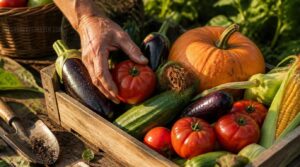
Knowing when to pick means reading your vegetables the way a seasoned grower does, using every sense you’ve got. Color, firmness, size, sound, and even taste each tell part of the story, and no single clue works alone. Here’s what to look for, one signal at a time.
For a deeper dive into these cues, this beginner’s guide to harvesting timing walks through common vegetables one by one, so you’re never left guessing.
Reading ripeness takes every sense at once—color, firmness, size, sound, and taste all tell part of the story
Visual Color Changes
Since your eyes work faster than any gadget, start there: watch for the color shift from flat green toward red, orange, or yellow. Look for hue uniformity, not blotches, plus deep color saturation and pigment accumulation revealing the underbelly color.
- Uniform tone from stem to tip
- Duller, matte surface
- Fewer green undertones
- Consistent lighting when checking
- Watch color patterns near shoulders
Individual differences in color perception can affect how ripeness cues are interpreted, as variations in cone opsin genes and L:M cone ratios influence spectral sensitivity and hue discrimination. Individual differences in color vision play a role in how people perceive ripeness indicators like color shifts in vegetables.
Firmness and Skin Texture
Your fingers tell you what your eyes miss. Gentle pressure reveals skin turgidity—ripe tomatoes yield slightly, cucumbers resist. Mechanical firmness measurement matters: mature tomatoes register 3-4 pounds on a penetrometer, zucchini needs 8-10. Check texture uniformity across the whole surface, not one spot. Tight, glossy eggplant skin that springs back signals proper hydration and peak elasticity—key markers before texture degradation sets in.
Crop Size and Shape
Numbers don’t lie, but they need context. Carrot shoulders at 0.75-1 inch, beets at golf-ball size, zucchini capped at 6-8 inches—these size thresholds beat guesswork.
Genetics and growing conditions cause natural variation, so compare against shape uniformity criteria, not a single ideal. Calipers and scale weights outperform eyeballing. Log measurements in a garden journal—your best reference for next season’s harvest window.
Sound and Aroma Tests
Your ears and nose work as well as your eyes here. The tap and thump method reveals a hollow thump in ripe watermelons, while dense produce gives a low frequency thud. A crunch sound test confirms crisp texture.
For aroma, sniff for sulfur note ripeness in onions or fruity peaks in melons—aroma peak detection signals readiness before you even cut in.
Taste Sampling and Brix Testing
Bite in for the final word: taste sampling confirms what your eyes and hands suspect.
A refractometer measures Brix, the sugar percentage in juice—tomatoes peak at 6-8%, melons at 10-14%. Squeeze a drop onto the lens, read the value, and let science back your palate. Consistent Brix readings across samples mean reliable harvest timing, not guesswork.
Ripeness Signs by Vegetable Type
Every vegetable gives off its own signals, and knowing what to look for saves you from a lot of guesswork at the garden bed. A tomato won’t tell you it’s ready the same way a carrot or a pumpkin will, so treating each crop by its own rules matters. Here’s what to check for across the most common types you’re likely growing.
This seasonal harvesting guide for common garden vegetables breaks down those ripeness cues crop by crop, so you’re never left second-guessing at the bed.
Tomatoes, Peppers, and Eggplants
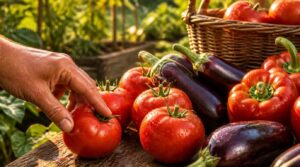
Color tells the first story: tomatoes shift from green to red, orange, or yellow across the whole skin, while peppers and eggplants deepen evenly, no patchy spots.
Follow with a firmness pressure test—ripe fruit yields slightly, never mushy. Check size and shape indicators against variety norms, then sniff the stem for sweet aroma. A quick taste confirms balanced sweetness.
Cucumbers, Zucchini, and Beans
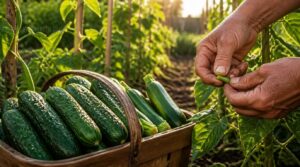
Where tomatoes reward patience, these three punish it—pick too late and you’re stuck with seedy, bitter fruit.
Cucumbers want firm, uniform green skin, no yellowing; test with light pressure, minimal give. Zucchini stays tender at 6-8 inches, skin free of ridges. Beans should be pencil-width and snap cleanly—that audible crack confirms readiness. Harvest all three every 1-2 days each morning; frequent picking keeps vines producing.
Carrots, Beets, and Turnips
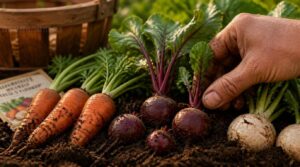
Root vegetables hide their progress underground, so you’re reading soil cues, not skin color, for readiness.
- Carrot shoulders: 0.75–1 inch diameter pushing through soil
- Beets: golf-ball size, 1.5–2 inches
- Turnips: smooth 2–3 inch globes
- Days to maturity: check your seed packet baseline
Test texture firmness by pressing shoulders; roots should resist thumbnail penetration and snap cleanly, confirming dense, sugar-rich flesh underneath.
Pumpkins and Winter Squash

Thump the rind: a hollow thump signals maturity, while a dull, wooden tone means wait longer. Press with your thumbnail—resistance confirms hardened rind and turgid skin. Check the stem; stem dryness and corky texture mean it’s ready to cut.
Field-cure 1-2 weeks, then store at 50-55°F. Flesh color deepens and sugar content peaks during curing.
Melons Grown in Vegetable Gardens
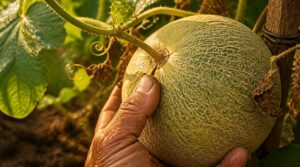
A melon’s own vine tells you when it’s done: gentle tugging causes stem detachment at full ripeness. Watch for tendril browning near the fruit, aroma at the base, and duller skin. Trellising helps fruit weight; good pollination prevents misshapen melons.
- Clean stem slip
- Hollow sound when thumped
- Tendril browning
- Sugar content peak
- Dulled rind
Best Time to Harvest Vegetables
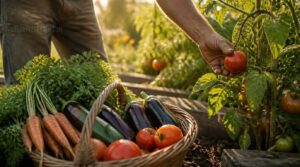
Knowing a vegetable is ripe only gets you halfway there; timing the harvest right is what actually locks in flavor, texture, and shelf life. It’s not just about what day the calendar says—weather, time of day, and even how often you pick all play a role. Here’s what shapes that window, and how you can work with it instead of against it.
Days-to-maturity as a Starting Point
Before you scan for color or squeeze a single fruit, check your seed packet: days to maturity counted from your planting date reference gives a working harvest window.
Use it as a climate adjustment tool for succession crops and succession scheduling, then log actual results in a garden journal — refining best harvest timing and storage timing guide season over season.
Morning Harvest for Peak Freshness
Once your maturity window narrows the calendar, timing shifts to the clock. Morning harvest delivers peak freshness: dew-kissed foliage, cooler tissue, and higher soluble solids from overnight metabolism boost sugar and crispness. Gentle early light limits sunscald on tomatoes and peppers.
This cool start yields crisp results — clip cleanly, cool quickly, and you’ll capture flavor that afternoon picking simply can’t match.
Weather Effects on Ripening
Weather doesn’t pause for your calendar. Temperature fluctuations between day and night skew ripening speed, while high humidity slows moisture loss and dry wind hastens it. Watch three factors:
- Sun exposure speeding pigment formation
- Soil moisture triggering ethylene production
- Microclimate pockets shading part of your bed
Adjust your rounds accordingly — heat waves and heavy rain both distort otherwise reliable timing.
Harvest Timing for Better Storage
Timing your pick for storage, not just eating, changes the equation entirely.
Harvest during cool morning hours to lock in moisture and slow respiration. Give crops a brief pre-harvest dry-down to cut disease risk, then chill fast—0 to 4°C with 90-95% humidity extends storage life dramatically.
Separate ethylene producers, and always sort post-harvest, culling bruised units before they spoil neighbors.
Frequent Picking Boosts Garden Production
Rarely does one habit move the needle like harvest frequency does. Daily or every-other-day picking during peak season keeps crop load balanced, cuts ethylene buildup, and resets hormonal signaling toward new blossoms rather than seed production.
That’s yield continuity in action: shorter intervals mean less rot, fewer pests, and staggered fruiting that stretches indeterminate tomatoes and beans well into fall through smart harvest scheduling.
Top 5 Products to Compare Ripeness Signs
Reading about ripeness signs only gets you so far; seeing them applied to real produce makes the lessons stick. The five items below give you a hands-on reference, each one highlighting a different ripeness cue you’ve just learned about. Take a look at how these principles play out in the produce aisle.
1. Organic Red Radish Bunch Fresh Produce
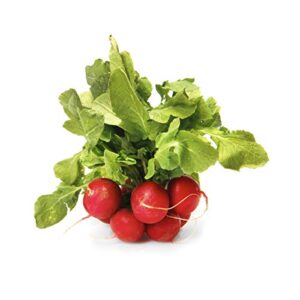
A red radish bunch tells you its story through color and touch, not a knife cut. Look for bright crimson skin, taut and smooth, with roots measuring 2 to 5 centimeters across—anything larger risks a woody bite.
Press gently: firm flesh with zero soft spots signals freshness, while perky green tops (not wilted or yellowing) confirm the bunch was harvested recently, usually 20 to 30 days after sowing.
| Best For | Home cooks and health-conscious eaters who want a fresh, versatile organic vegetable for salads, snacking, or adding a peppery kick to meals. |
|---|---|
| Product Type | Fresh Vegetable |
| Organic Certified | Yes |
| Storage Requirement | Refrigerate |
| Ripeness Indicator | Firm Crisp Texture |
| Preparation Method | Raw Or Cooked |
| Origin Region | Not Specified |
| Additional Features |
|
- Certified organic with both root and greens usable, cutting down on food waste
- Crisp texture and peppery flavor make it great for raw eating, garnishing, or culinary experimenting
- Compact, single-bunch size (about 6 ounces) is easy to store and use up quickly
- Requires refrigeration and prompt use to stay crisp, so it’s not a long-term pantry item
- Larger radishes in the bunch may turn woody if not eaten in time
- Spiciness can vary by season, so flavor isn’t always consistent
2. Fresh Eggplant Dark Purple Teardrop Shape
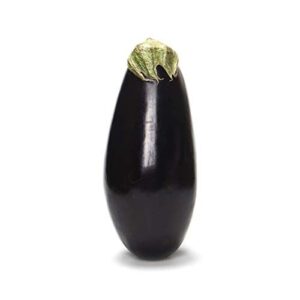
A teardrop eggplant announces readiness through its skin: deep, uniform purple with no green patches, glossy rather than dull, and stretched taut without wrinkling. Give it a gentle squeeze—flesh should yield slightly, then spring back, never feeling spongy or rock-hard.
Check the calyx. A bright green, firmly attached stem signals recent harvest; brown or dried caps mean it’s been sitting too long. Weight matters too—it should feel heavy for its size, hinting at that creamy, seed-flecked interior underneath.
| Best For | Home cooks and chefs who want a creamy, mildly bitter eggplant for baking into classic aubergine dishes across global cuisines. |
|---|---|
| Product Type | Fresh Vegetable |
| Organic Certified | No |
| Storage Requirement | Refrigerate |
| Ripeness Indicator | Firm Glossy Skin |
| Preparation Method | Baked |
| Origin Region | US Mexico Canada |
| Additional Features |
|
- Creamy flesh with small, soft, edible seeds and a pleasantly bitter flavor
- Glossy, dark purple teardrop shape makes ripeness easy to judge at a glance
- Selected at peak harvest for a firm texture and fresh, high-quality feel
- Size can vary noticeably from one unit to the next
- Overripe pieces may develop hard seeds and overly bitter taste
- Not ideal for boiling or raw prep, as the flesh can turn mushy
3. Organic Delicata Squash Fresh Produce
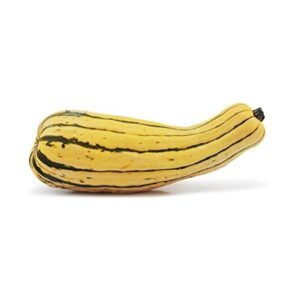
Those creamy yellow stripes running vertical against the base color tell you almost everything: deep contrast means peak ripeness, while faded or muddy coloring signals it was pulled too soon. Look for skin that’s taut and smooth, free of soft spots or deep cracks.
Heft matters here—a Delicata that feels heavy for its size usually hides that bright orange, fiberless flesh inside. Skip anything wrinkled near the ends; that’s dehydration talking, not freshness.
| Best For | anyone who wants a versatile, edible-skin squash that’s easy to roast, air fry, or bake, or even enjoy raw as a quick, healthy snack. |
|---|---|
| Product Type | Fresh Vegetable |
| Organic Certified | Yes |
| Storage Requirement | Refrigerate |
| Ripeness Indicator | Skin Color Texture |
| Preparation Method | Roasted Or Raw |
| Origin Region | Not Specified |
| Additional Features |
|
- Selected and stored fresh with high quality standards for consistent results
- Edible skin means less prep time and less food waste
- Works well raw as a snack or cooked in a variety of recipes
- Only available seasonally, so it’s not always in stock
- Texture can be inconsistent, ranging from moist to dry or grainy
- Large seed cavity may need to be scooped out before cooking or eating
4. Fresh Cantaloupe Melon Each
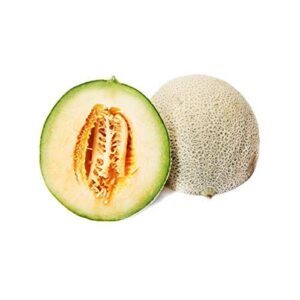
Pick one up and feel its weight first—a ripe cantaloupe should feel heavy for its size, a sign of high water content and juicy flesh underneath.
Check the netting: it should feel raised and rough, with the rind color shifted from green to tan or golden. Press gently near the stem end; ripe melons yield slightly there. Give it a sniff at the blossom end, too. That sweet, musky aroma means it’s ready to slice.
| Best For | anyone who wants a naturally sweet, juicy snack for slicing, fruit salads, smoothies, or light cocktails, and cares about getting good nutritional value along with great flavor. |
|---|---|
| Product Type | Fresh Fruit |
| Organic Certified | No |
| Storage Requirement | Room Temp Then Refrigerate |
| Ripeness Indicator | Softens When Ripe |
| Preparation Method | Sliced Fresh |
| Origin Region | US Guatemala Honduras |
| Additional Features |
|
- Fresh, sweet flavor that’s perfect for snacking or adding to recipes
- Great source of vitamins A and C, potassium, and other nutrients
- Can be stored at room temperature until you’re ready to cut it
- May arrive unripe, so it needs time to ripen before eating
- Can be crunchy or hard if it isn’t given enough time to ripen properly
- Spoils quickly once ripe, so it’s best used soon after cutting
5. Sereniseed Organic Herb Seeds 10 Pack
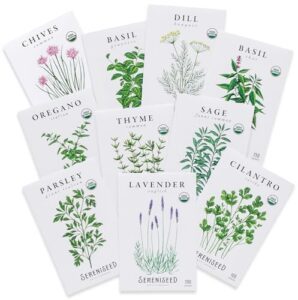
Why include seeds in a ripeness roundup? Because knowing what "ripe" looks like only matters if you’re growing the crop yourself, and Sereniseed’s 10-pack gets you started right. Each USDA Certified Organic collection features non-GMO, open-pollinated herbs—basil, oregano, parsley, dill—germination-tested before packing.
A printed seed-starting guide rides along on every packet, cooler-stored for viability through two growing seasons. Reported germination varies by variety, so don’t expect uniform results across the board.
| Best For | Beginner and home gardeners who want an easy, guided way to start growing their own fresh culinary herbs indoors or outdoors. |
|---|---|
| Product Type | Seed Packets |
| Organic Certified | Yes |
| Storage Requirement | Cool Dry Place |
| Ripeness Indicator | N/A |
| Preparation Method | Planted Grown |
| Origin Region | Not Specified |
| Additional Features |
|
- USDA Certified Organic, non-GMO, open-pollinated herb varieties you can trust
- Comes with a printed seed-starting guide and video tips for extra support
- Germination-tested and stored in a climate-controlled cooler to help ensure viability
- Some herb varieties may germinate less reliably than others
- Seeds are only viable for the current and following growing season
- Individual results can vary even with quality controls in place
Frequently Asked Questions (FAQs)
How do you know if a vegetable is ripe?
A ripe vegetable practically shouts its readiness at you. Check for full color development, firm-yet-yielding texture under gentle pressure, and expected mature size — combine these signals rather than trusting just one for accurate results.
How do you know if a fruit is ripe?
Color, give, and scent tell the story: fruit shifts to its ripe hue, yields gently under light pressure, and releases a sweet aroma near the stem, while sugars build for peak flavor and juiciness.
How do you know if a vegetable is ready to eat?
Think of it as a plant’s own signal flare: vibrant, even color, skin that yields slightly under thumb pressure, and full size for its variety all mean a vegetable’s sugars and texture have peaked—ready for the table, not the compost pile.
How do I know if my tomatoes are ripe?
Look for uniform color with no green shoulders, a slight give when squeezed gently, and a firm twist that releases easily from the vine—glossy skin and a sweet, fresh scent near the stem confirm peak ripeness.
Which two vegetables should not be eaten together?
Skip pairing nightshades like tomatoes with cruciferous veggies such as broccoli or cabbage—solanine plus sulfur-rich crucifers can trigger gas and bloating in sensitive digestions. Separate servings by a few hours, or reduce portions if discomfort shows up.
Does fruit ripen on the counter?
Funny enough, that tomato ripening on your counter right now proves the point: climacteric fruits like tomatoes, bananas, and peaches keep ripening off the vine, softening and sweetening thanks to ethylene gas, unlike grapes or strawberries, which never improve after picking.
How long do veggies take to harvest?
Timing swings by crop: radishes hit 21 to 30 days, zucchini needs 45 to 55, tomatoes take 60 to 85, and pumpkins demand 90 to 120 days from planting to harvest-ready.
How long until vegetables go bad in the fridge?
Your fridge isn’t a time machine — it slows decay, it doesn’t stop it. Expect 3 to 5 days for tomatoes and cucumbers, 7 to 10 days for iceberg lettuce, and up to 2 weeks for bell peppers.
What happens if you pick vegetables too early?
You’ll get bland, tough produce—sugars and cell walls haven’t finished developing. Expect lower vitamin C and antioxidants, faster wilting in storage, and reduced yield, since plants often abort further growth once picked prematurely.
Can unripe vegetables ripen after being picked?
Yes, but only sometimes: leaving the vine doesn’t mean leaving ripeness behind. Climacteric picks like tomatoes and peppers keep ripening through ethylene; cucumbers and greens won’t gain sweetness no matter how long you wait.
Conclusion
Ripeness speaks in whispers, not shouts, and your senses are the only translator you need. Once you master how to tell if vegetables are ripe, that quiet thump, subtle give, and earthy scent become second nature instead of guesswork.
A carrot’s shoulders, a melon’s hollow sound, a tomato’s slight yield under thumb pressure—each detail builds real harvest confidence. Trust the signals over the calendar.
Your garden isn’t just growing food; it’s teaching patience, precision, and the quiet reward of picking something at its absolute best.