This site is supported by our readers. We may earn a commission, at no cost to you, if you purchase through links.
Something shifts in a garden around mid-June—the sluggish spring seedlings suddenly surge, and what felt like a waiting game becomes a full-time harvest operation. Summer is the season vegetables were built for, and choosing the right crops makes the difference between a garden that struggles and one that overproduces faster than you can eat.
Heat‑tolerant varieties like Solar Fire tomatoes and Clemson Spineless okra don’t just survive 90°F afternoons—they thrive through them.
Get your timing, soil, and spacing right, and your garden will reward you from June straight through September.
Table Of Contents
- Key Takeaways
- Top Summer Vegetables to Plant
- Best Heat-Tolerant Varieties
- When to Plant Each Crop
- Soil and Sun Requirements
- Watering and Summer Care
- Harvesting for Peak Yield
- Frequently Asked Questions (FAQs)
- What vegetables can you plant in September and October?
- Which vegetables grow best together in summer?
- What vegetables grow best in summer?
- What vegetables can you plant in October?
- What vegetables can you grow in summer?
- Do summer vegetables grow well in the Sun?
- Can you grow summer vegetables in your yard?
- Which vegetables grow best in the fall?
- Can you plant vegetables in July and August?
- Can you plant vegetables in hot summer?
- Conclusion
Key Takeaways
- Heat-tolerant varieties like Solar Fire tomatoes and Clemson Spineless okra thrive through 90°F+ temperatures, so matching your crop selection to your summer climate is the single biggest factor in yield success.
- Soil temperature—not air temperature—is your real planting signal; most summer crops need 60–75°F consistently before you sow or transplant.
- Deep watering twice a week, drip irrigation at the root zone, and 2–4 inches of organic mulch work together to keep moisture steady and plants productive through peak heat.
- Harvesting cucumbers, okra, and squash every 1–3 days isn’t optional—it’s what signals the plant to keep producing, so picking often is the same as growing more.
Top Summer Vegetables to Plant
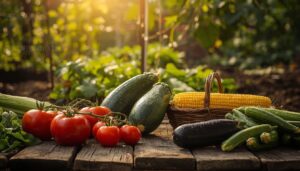
Summer is the season when your garden really earns its keep. A few well-chosen vegetables can fill your kitchen from July straight through September with barely a trip to the store.
Plant the right mix from the start and you’ll be amazed how much abundance follows — these summer gardening tips for beginners can help you figure out exactly what to grow and when.
what grows best when the heat is on.
Tomatoes
Tomatoes are the backbone of any summer garden — and for good reason. Rich in lycopene benefits, a medium fruit delivers nutrition with almost no calories. Choose between indeterminate tomatoes that keep climbing all season or compact determinate tomatoes for easier management. The tomato’s legal fruit classification dates back to a 1893 Highest Court ruling.
Key success factors:
- Use a trellis or cage for support
- Add calcium to prevent blossom-end rot
- Try heirloom diversity for unique flavors
- Practice companion planting with basil nearby
Peppers
After tomatoes, peppers are the next heat-loving vegetables worth prioritizing.
They thrive in full sun and reward consistent care with bold flavor development across the Scoville Scale — from sweet bells to fiery habaneros.
| Variety | Scoville Range |
|---|---|
| Bell | ~0 |
| Jalapeño | 2,500–8,000 |
| Cayenne | 30,000–50,000 |
| Habanero | 100,000–350,000 |
Their nutritional benefits, pruning techniques, companion planting with basil, and drip irrigation all boost yield noticeably.
Cucumbers
Cucumbers are just as rewarding to grow as peppers, and they move fast once conditions click. Plant them in full sun after soil hits 70°F, and use trellising to keep vines off the ground.
Drip irrigation and mulch prevent the stress that causes bitterness. They’re over 95% water, making cucumber nutrient content surprisingly solid for such a light crop.
Summer Squash and Zucchini
Summer squash and zucchini are among the easiest heat-loving vegetables to grow, and they reward consistent care with weeks of steady harvests.
Both do best in well-prepared soil above 60°F, with trellising or a sturdy stand for vine training and airflow.
Their flowers support pollinator attraction, and for culinary uses, harvest fruits at 6–8 inches.
Companion planting with basil helps deter pests naturally.
Eggplant
Eggplant thrives where summer heat is unrelenting, making it one of the most rewarding heat-loving vegetables you can grow. Black Beauty and Florida High Bush varieties handle daytime temps of 70–85°F without skipping a beat.
Focus on soil preparation for warm-season crops — well-drained, pH 6.0–6.8 — and consistent watering and irrigation strategies for summer crops.
Its growth habit calls for caging or weaving sturdy support, while its nutrient profile and culinary applications make every harvest count.
Okra
Few heat-loving vegetables deliver like okra does when summer turns brutal. It thrives in full sun above 70°F, producing tender pods that need picking every 1–2 days. Its mucilage nutrition adds soluble fiber and antioxidants to your table.
- Space plants 12–18 inches apart for good airflow
- Mulch well for soil moisture management
- Explore culinary variations — frying, pickling, or gumbo
Melons
Melons are among the most rewarding heat-loving vegetables you can grow, but they demand the right conditions. Plant in full sun with rich, well-drained soil after thorough soil preparation, and mulch heavily to retain moisture.
Fruit sweetness and sugar content depend heavily on consistent watering and good pollinator attraction. Nutritional benefits include vitamin C and potassium.
Watch for powdery mildew and aphids as part of routine disease management.
Green Beans
Green beans might be the most forgiving crop you’ll plant this summer. Bush beans stay compact and need no trellis, finishing in 50–60 days, while pole beans climb a support and produce longer.
Direct sow once soil hits 60°F.
Their nutrient density makes them a smart culinary pairing with garlic or almonds. Try companion planting with carrots, and save seeds from your best pods.
Best Heat-Tolerant Varieties
Not every vegetable can take the heat, but the right varieties can. Choosing cultivars bred for high temperatures means fewer crop failures and more to show for your effort at harvest time.
Here’s what performs best when summer really turns up the dial.
Tomato Varieties for Hot Climates
Not all tomatoes hold up when summer turns brutal. Varieties with strong heat resistant genetics, like Solar Fire, Arkansas Traveler, and Celebrity, maintain fruit set stability even when daytime temps climb past 90°F.
They resist blossom end rot, support staggered harvest timing across the season, and deliver solid flavor retention with consistent soil temperature management and full sun placement.
Disease-resistant Cucumber Picks
Disease resistance in cucumbers isn’t one gene doing all the work — it’s Resistance Gene Stacking that gives modern varieties their staying power.
Picks like Marketmore and Patriot combine Powdery Mildew Defense, Downy Mildew Tolerance, and Virus Scab Immunity in one plant.
Their Vine Architecture suits trellis growing, improving airflow and reducing disease spread — a real advantage in summer vegetable gardening and organic gardening alike.
Productive Okra Cultivars
Okra rewards you when you pick the right cultivar. Clemson Spineless remains a garden staple — Spineless Pods make harvesting quick, and its Disease Resistance holds up in humid summer heat.
For these warm season crops, variety matters:
- Early Maturity types yield tender pods in 50–55 days
- Drought Resilience lines need less irrigation without shrinking pod size
- Strong Flavor Profile stays mild when harvested at 2–3 inches
Reliable Summer Squash Varieties
Summer squash is just as variety-dependent.
Supersett, a yellow crookneck with a 50-day maturity period, holds its flavor notes and tender texture profile even through heat waves. Tempest suits those who want larger fruit size — harvest at 6 to 8 inches for best results. For heat-loving vegetables with compact plant habit, Cavalcade resists powdery mildew and keeps your harvest timing consistent all season.
Heat-tough Lettuce and Leafy Greens
Leafy greens don’t have to disappear when heat arrives. Varieties like ‘Jericho’ and ‘Red Sails’ offer solid bolting resistance and compact head formation, staying productive even above 85°F.
For iron-rich alternatives, Malabar spinach provides trellis-free growth and thrives with consistent watering and basic soil preparation for warm-season crops.
- Harvest with frequent leaf picking every few days
- Apply shade cloth during peak afternoon heat
- Keep soil evenly moist to slow bolting
Faster-maturing Bean Options
Beans are just as capable in summer’s heat.
Early Bush Beans like Contender and Provider reach harvest in 50 to 60 days without a trellis.
Short Season Poles such as Kwintus climb to 8 feet and keep producing across hot weeks.
Quick Lima types finish in 65 to 75 days.
Try Speckled Eye varieties for rapid harvest beans, with succession planting every two to three weeks.
When to Plant Each Crop
Timing is everything in the summer garden, and getting it wrong by even a week or two can set your whole season back. crop has its own signal for when conditions are actually ready, whether that’s soil temperature, frost dates, or nighttime lows.
what to know before you put anything in the ground.
After The Last Frost
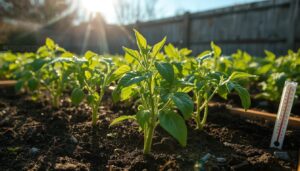
The last frost date isn’t a finish line — it’s your starting signal. Once nights stay reliably above 50°F, warm season crops can finally move outside without risk of chilling injury.
Always run Frost-Free Night Checks for 7–10 days before committing transplants to the ground.
- Follow a Seedling Hardening Protocol: expose plants gradually over 7–10 days
- Practice Microclimate Site Selection — south-facing beds warm faster and extend your window
- Complete soil preparation for warm season crops before planting day arrives
Soil Temperature for Direct Sowing
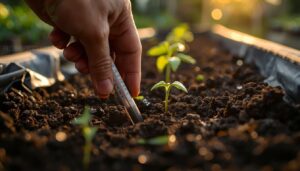
Before you direct sow anything, check your soil temperature — not the air. Push a soil thermometer 1–2 inches deep each morning for an accurate read.
Most heat-loving vegetables need 65–75°F consistently. Pre-warming soil beds with black plastic can add 2–6°F quickly.
Microclimate temperature variance in raised beds also matters. Temperature forecasting tools help you time that window right, where soil moisture interaction keeps germination steady.
When to Transplant Tomatoes and Peppers
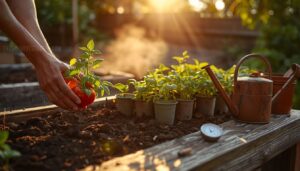
Timing your seedling transplant outdoors comes down to two numbers: nighttime temperature threshold and soil warmth requirement. Wait until nights hold above 55°F and soil stays at 60°F or warmer before moving warm season crops outside.
Follow this Hardening Off Schedule for transplant shock prevention:
- Days 1–3: One hour of outdoor shade exposure
- Days 4–6: three hours, partial sun
- Days 7–10: Full outdoor conditions, reduce watering slightly
- Day 14: Transplant outdoors on a cloudy afternoon
Starting Melons and Cucumbers Indoors
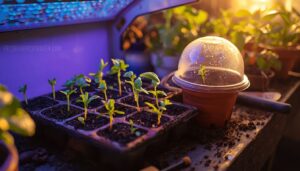
Getting melons and cucumbers off to a strong start means seed starting indoors 2–3 weeks before transplant time. Use a sterile Seedling Mix Ratio of peat, perlite, and compost for reliable indoor germination. A Humidity Dome keeps moisture locked in until sprouts emerge.
| Factor | Cucumbers | Melons |
|---|---|---|
| Container Size Selection | 2–3 inch pot | 3 inch pot |
| Root Development Monitoring | 7–10 days | 10–14 days |
| Light Duration Guidelines | 14–16 hrs/day | 16–18 hrs/day |
Transplant outdoors only when soil hits 60°F.
Succession Planting for Steady Harvests
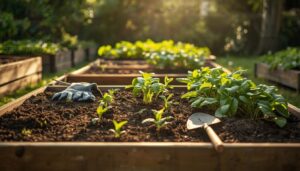
Succession planting for continuous harvest keeps your summer vegetable gardening productive from June through September. Staggered sowing every 7–14 days closes every harvest gap before it opens.
Build a rolling planting calendar around these three moves:
- Sow fast crops like beans and radishes every 10 days
- Apply a bed rotation strategy after each harvest wave
- Use overlap timing so new transplants establish while others finish
Regional Planting Windows
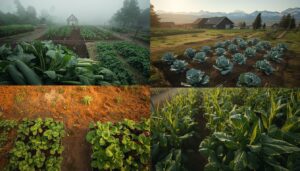
Your climate zone sets the clock. A gardener in coastal California plays a different game than one in Georgia or Arizona.
| Region | Planting Window |
|---|---|
| Coastal Frost Dates | April–May after marine fog clears |
| Mountain Short Seasons | Late May–June once soil hits 60°F |
| Desert Early Sowing | February–March before summer heat peaks |
| Humid Subtropical Timing | March–April for heat tolerant crops |
Soil and Sun Requirements
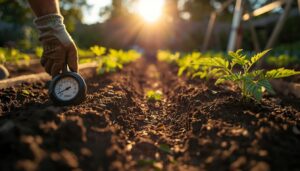
Getting your soil and sun setup right is honestly half the battle before a single seed goes in the ground. Summer vegetables are specific about what they need, and small details like pH, spacing, and light exposure make a real difference in what you harvest.
Here’s what to get in place before planting day.
Full Sun Needs for Summer Crops
Most heat-loving vegetables — tomatoes, peppers, cucumbers, and eggplants — need 8 or more hours of full sun daily. Morning sun benefits young plants most, warming soil temperature early and setting the stage for strong growth.
For afternoon heat management, sun exposure timing matters: if temperatures spike past 90°F, brief shade cloth use prevents sunscald without sacrificing your sunlight duration guidelines for summer vegetable gardening.
Ideal Soil PH for Vegetables
Sunlight sets the stage, but soil pH management determines whether your plants can actually use what’s in the ground. Most summer vegetables thrive between 6.0 and 7.0 — that sweet spot where nutrient availability shifts in your favor.
- Tomatoes and peppers prefer 6.0–6.5 for best calcium uptake
- Cucumbers and beans perform best near 6.0–6.5 in rich soil
- Lettuce and leafy greens tolerate 6.0–7.0 comfortably
- Carrots favor 6.0–6.5 for even root development
- Blueberries need acidic soil — around 4.5–5.5 — unlike most crops
Use pH testing methods like a digital meter or test kit before planting. For acidic soil amendments, apply sulfur to lower pH. Lime application rates around 5–10 lbs per 100 sq ft raise it. Good soil preparation for warm-season crops starts with knowing your numbers, then adjusting with proven pH adjustment techniques.
Compost and Fertilizer at Planting
Once you know your pH is dialed in, feeding the soil before planting makes everything else easier. Till 1–2 inches of aged compost to a depth of 6–8 inches — this manages compost incorporation timing and structure in one step.
Add a slow-release 5-3-4 fertilizer, dust mycorrhizal inoculants on roots for microbe inoculant application, and balance nitrogen carefully so your plants fruit instead of just leafing out.
Mulching to Hold Moisture
After feeding your soil, lock that moisture in with mulch — it’s one of the highest-return habits in summer vegetable gardening.
A 2–4 inch layer of organic mulch types like straw, shredded leaves, or compost cuts soil water loss by roughly 25 percent while slowly building fertility.
Top mulch depth guidelines by crop:
- Tomatoes and peppers: 3–4 inches
- Cucumbers and beans: 2–3 inches
- Melons: keep it thinner near fruit zones
Living mulch benefits include weed suppression and steady soil moisture management. For inorganic moisture barriers, white reflective plastic works well in extreme heat. Follow basic mulch maintenance practices — replenish annually and keep mulch off stems to support regular water retention all season.
Proper Spacing for Airflow
Crowded plants trap humidity and invite disease — so row gap optimization matters as much as what you grow. Keep tomatoes 18–24 inches apart, peppers 12–18 inches, and cucumbers 36–60 inches on a vertical trellis design.
Pathway width planning at 24–30 inches facilitates microclimate airflow and easy access.
Plant crown clearance and mulch around bases prevent stagnant pockets.
| Crop | Spacing |
|---|---|
| Tomatoes | 18–24 inches |
| Peppers | 12–18 inches |
| Cucumbers | 36–60 inches |
Raised Beds and Container Setup
Building raised beds with cedar, redwood, or galvanized steel frames gives your summer vegetable gardening a strong, rot-resistant foundation that lasts 7–15 years. Use a drainage layer design — 2 inches of gravel beneath your soil mix — then fill 12–18 inches deep for heat-loving vegetables like tomatoes and peppers.
Container depth guidelines start at 12 inches minimum.
Finish with straw mulch choices and drip irrigation system types to lock in moisture.
Watering and Summer Care
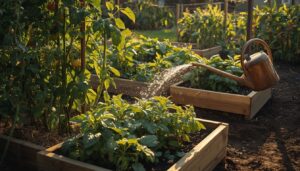
Summer heat is relentless, and your vegetables feel every degree of it. How you water, support, and protect your plants through the hottest months makes the difference between a thriving garden and a struggling one.
Here’s what to focus on.
Deep Watering Schedules
A Water shallow, and your plants will stay shallow.
A Morning Deep Soak, timed before heat builds, pushes moisture into the root zone 6–12 inches down — that’s where it counts.
Stick to a Weekly Soil Soak schedule, roughly once or twice a week, adjusting for heat waves.
Mulch Assisted Hydration slows evaporation and enhances Root Zone Penetration, making every drop stretch further.
Drip Irrigation for Hot Weather
Drip irrigation does the quiet work that overhead sprinklers can’t — delivering moisture directly to roots while the sun beats down. For heat-loving vegetables, that precision matters.
- Use emitters with a high Emitter Temperature Rating to prevent leakage in summer heat
- Pressure Compensation ensures even flow across sloped or uneven beds
- Heat-Resistant Tubing won’t sag or crack under sustained high temperatures
- Pair Smart Scheduling with Fertigation Timing for efficient, combined watering and feeding
These watering strategies during heat waves cut waste and support consistent root-zone moisture — the backbone of smart water conservation in summer vegetable gardening.
Trellising Vines and Climbing Crops
A trellis is one of the best investments in summer vegetable gardening. Set posts at least 12 inches deep, with a support height reaching 6 to 8 feet for cucumbers and melons.
Choose trellis materials like galvanized wire or nylon netting, then apply weaving and training techniques as vines grow. Pruning strategies that remove crowded laterals keep airflow strong and fruit clean.
Staking Tomatoes and Peppers
Without proper support, your tomatoes and peppers will sprawl, snap, or drop fruit early. Install stakes just after transplanting — timing matters for root health. Drive them 6–12 inches deep for wind stability, choosing heights 2–3 feet above expected plant size.
- Use soft tie materials like garden twine to protect stems
- Florida weave works well for staking or caging multiple pepper rows
- Check ties every 2–3 weeks and handle support maintenance before fruit load peaks
Shade Protection During Heat Waves
Even with stakes in place, a brutal heat wave can still stress your plants.
Drape adjustable shade structures with breathable shade cloth materials over crops during peak afternoon hours, aiming for 40–60% shade. Pair this with reflective mulches to keep soil temperature down and microclimate cooling in check.
Tree canopy strategies along garden edges add long-term relief without blocking full sun entirely.
Pest and Disease Monitoring
Scout your garden weekly — that’s the baseline for solid pest management. Place sticky traps at canopy height to catch flying insects early, and let IoT sensors flag disease forecasting windows before powdery mildew takes hold.
Track beneficial insects, too; they’re your free labor force. Companion planting adds another layer of vegetable disease prevention, keeping pressure low without reaching for sprays.
Harvesting for Peak Yield
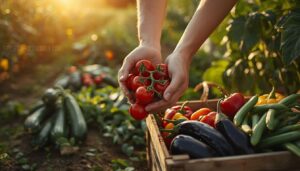
Knowing when to harvest is just as important as how you grew it. Pull too early or wait too long, and all that summer effort doesn’t pay off the way it should.
Here’s what to watch for, crop by crop, so you’re picking at the right moment every time.
Picking Cucumbers and Beans Often
Check your cucumbers and beans every 2–3 days — consistent pod inspection is what keeps both plants producing all season.
Make your morning harvest routine count: use the sharp scissors technique to snip cucumbers at 6–8 inches, firm and dark green. Beans should snap crisply when bent.
Overripe fruit removal signals the plant to flower again, so don’t let anything linger.
Harvesting Okra at The Right Size
Okra moves fast — pod size guidelines matter more here than with most heat‑loving vegetables. Keep harvest timing tight: pods between 2–3 inches stay tender; beyond that, they turn woody fast.
- pick every 1–2 days during peak heat
- morning picking preserves firmness and color
- visual maturity cues — bright green, smooth skin, firm feel
gentle handling after cutting prevents bruising. regular water and warm soil temperature keep new pods coming.
Knowing When Tomatoes Are Ready
Tomatoes don’t announce themselves — you have to read the signs. Watch for the Color Cue first: about 90 percent of the skin should show its mature hue.
Then apply the Firmness Test with gentle thumb pressure. The Aroma Indicator near the stem confirms ripeness, and the Bottom End Test seals it.
Detachment Ease — a light twist — means harvest timing to enhance flavor is right.
Cutting Squash Before It Overripens
Summer squash and zucchini won’t wait — harvest timing to enhance flavor means picking at 4 to 8 inches, every 1 to 3 days. Ripe Indicators are simple: shiny skin, firm stem, no soft spots.
- Slice Timing: Morning, after dew dries
- Ripe Indicators: Bright, glossy skin only
- Knife Safety: Flat ends first, cut away from body
- Cold Storage: Airtight container, 3–4 days refrigerated
- Portion Prep: Pre-cut 1-cup batches for quick meals
Storing Summer Vegetables After Harvest
Once your harvest is in, proper vegetable storage and preservation starts with knowing what each crop needs.
Keep tomatoes out of the fridge — cool dark storage at 50–60°F works better.
Leafy greens need refrigeration tips: 32–40°F with humidity control around 90%.
Use ventilated containers for peppers and cucumbers.
Blanch beans before freezing or canning to lock in color and texture.
Using Fresh Harvests in Meals
Your garden is basically a meal kit that never charges a delivery fee. Slice a ripe tomato straight from the vine for Quick Salad Pairings, or toss thin-cut zucchini into a Light Sauté Techniques — five minutes, garlic, olive oil, done. Fresh herbs from the same bed become Herb-Infused Dressings instantly.
Your garden is a meal kit that never charges a delivery fee
- Toss cucumbers into yogurt dips for Nutrient-Packed Snacks within minutes of picking.
- Blanch green beans briefly for Minimal Waste Cooking that preserves color and crunch.
- Layer grilled peppers with fresh mozzarella for easy seasonal cooking that feeds a crowd.
Frequently Asked Questions (FAQs)
What vegetables can you plant in September and October?
September and October are prime time for cool-season greens like spinach, kale, and lettuce. Root crop timing works well too — sow carrots and radishes now for December harvests.
Which vegetables grow best together in summer?
Tomatoes love basil and marigolds nearby — they deter pests and draw pollinators. Cucumbers pair well with dill and sunflowers. Beans fix nitrogen, making them reliable allies for squash.
What vegetables grow best in summer?
Summer is basically an open invitation for heat-loving vegetables to take over your garden. Warm season crops like tomatoes, peppers, cucumbers, and squash thrive when soil temperatures climb past 60°F.
What vegetables can you plant in October?
October is prime time for cool-season brassicas like kale and cabbage, root vegetable planting such as carrots and beets, and allium sowing — think garlic and onions — all before winter sets in.
What vegetables can you grow in summer?
Warm season crops like tomatoes, peppers, cucumbers, squash, eggplant, okra, melons, and green beans thrive when soil hits 60°F or above — the foundation of successful summer vegetable gardening.
Do summer vegetables grow well in the Sun?
Yes — sun-loving plants thrive with 6 or more hours of full sun daily.
Solar radiation benefits fruiting crops the most, while shade tolerance variability means a few leafy greens handle partial cover just fine.
Can you grow summer vegetables in your yard?
Virtually any yard can become a productive summer garden.
With proper soil preparation for warm-season crops and smart microclimate utilization, you’ll grow tomatoes, peppers, cucumbers, squash, and eggplant successfully through peak heat.
Which vegetables grow best in the fall?
Cool season brassicas, frost‑hardy greens, and root veg sweetness make fall rewarding.
Kale, carrots, and broccoli thrive as temperatures drop, with frost‑boosted flavor improving harvests through your fall planting windows.
Can you plant vegetables in July and August?
Absolutely — July and August still leave room for warm season crops. With succession planting for continuous harvest and heat-tolerant vegetable selection, your garden keeps producing well into fall.
Can you plant vegetables in hot summer?
Planting in hot summer is absolutely doable with the right setup.
Focus on heat-loving vegetables, keep soil temperature steady through root zone insulation, support pollinators, and use smart watering strategies during heat waves for success.
Conclusion
A gardener once said her plot didn’t feel real until she couldn’t keep up with it. That’s exactly where smart planting gets you.
When you choose the best summer vegetables to plant, match varieties to your climate, and stay consistent with watering and harvest timing, your garden stops being a project and becomes a rhythm. Pick often, feed the soil, and it’ll feed you back harder than you expected all season long.