This site is supported by our readers. We may earn a commission, at no cost to you, if you purchase through links.
Most gardeners lose plants to disease and blame bad luck. The real culprit is usually the variety they chose before a single seed hit the soil. Resistance isn’t something you spray on later—it’s built into the plant’s DNA from the start. Understanding how to select, site, and space your plants changes everything. Disease-resistant gardening combines smart variety selection with a few proven design principles that stack the odds in your favor. From decoding seed catalog resistance codes to rotating your vegetable beds, the difference between a struggling garden and a thriving one often comes down to decisions made before you ever pick up a trowel.
Table Of Contents
- Key Takeaways
- Choose Disease-Resistant Garden Plants
- Plant for Sun, Shade, and Drought
- Prevent Disease Through Garden Design
- Use Organic Disease Management Tips
- Top 6 Disease-Resistant Gardening Items
- Frequently Asked Questions (FAQs)
- What is the most disease-resistant plant?
- What is an example of a disease-resistant plant?
- What vegetables are not affected by blight?
- What is the most resilient plant in the world?
- What is an example of a disease resistant plant?
- What vegetables don’t get blight?
- How to get rid of disease in garden soil?
- How to make plants disease resistant?
- How do companion plants help prevent diseases?
- What natural fungicides work for organic gardens?
- Conclusion
Key Takeaways
- Choosing disease-resistant plant varieties before planting—guided by seed catalog resistance codes—is more effective than any treatment you can apply later.
- Matching plants to your climate, hardiness zone, and local rainfall lowers disease pressure without extra effort.
- Smart garden design—proper spacing, soil-level watering, mulching, and good airflow—stops most fungal diseases before they start.
- Rotating vegetable families across beds each season starves soilborne pathogens of their preferred host and breaks the disease cycle.
Choose Disease-Resistant Garden Plants
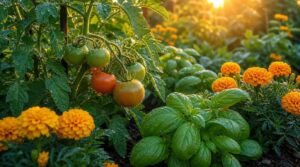
Picking the right plants is one of the smartest moves you can make before anything goes in the ground. Not every variety manages disease the same way, and knowing what to look for saves you a lot of headaches later. Here’s what to keep in mind when choosing plants that can hold their own.
Pairing disease-resistant varieties with flowers that draw in beneficial pollinators gives your garden a natural support system from the start.
Read Resistance Codes
When you shop for seeds or transplants, look for resistance codes on the label. These letter abbreviations — like "F" for Fusarium wilt or "LB" for late blight — tell you exactly which diseases a variety can fight off. Think of them as a plant’s built-in shield. Disease-resistant varieties listed in seed catalogs with these codes give you real, documented protection.
Match Plants to Climate
Resistance codes are only half the picture. A variety that fights late blight won’t help much if it’s planted in the wrong climate. Match plants to your hardiness zone and local rainfall patterns first — that’s what keeps disease pressure low from the start. Full‑sun, drought‑tolerant picks like Sedum or Yarrow thrive where summers run hot and dry. Remember that temperature determines metabolic rate for many crops, influencing growth speed and disease susceptibility.
- Consider microclimates like shaded corners or south-facing walls
- Match water needs to your soil type — sandy drains fast, clay holds moisture
- Choose heat-tolerant selections that handle days above 90°F without stress
- Pick plants suited to your region’s typical rainfall, not just averages
- Native species often carry built-in climate resilience with fewer disease problems
Compare Hybrids and Heirlooms
Choosing between an F1 hybrid and an heirloom variety comes down to your priorities. Hybrids excel in genetic resistance breeding, giving you built-in protection against common diseases. Heirlooms offer flavor differences and genetic diversity, but often need more care. If disease pressure is your main concern, hybrids win — though heirlooms reward patient gardeners who value seed saving and story.
Select Adapted Native Plants
Native plants are some of the smartest picks you can make. Species like Coneflower, Yarrow, and Bee Balm have spent centuries adapting to local soils, rainfall, and pests — they don’t need much help from you.
- Local ecotypes match your exact regional conditions
- Coreopsis and Rudbeckia offer natural disease resistance
- Natives deliver a biodiversity boost by supporting local pollinators
- Deep roots provide soil health benefits through better water infiltration
- Water-wise natives thrive on rainfall alone once established
Avoid One-disease Assumptions
Don’t assume one culprit when your plants look sick. Multiple pathogens, environmental stress, and even latent infections can produce nearly identical symptoms — and misreading them leads to wrong treatments.
Integrated observation matters here. Check soil moisture, recent weather, and how neighboring plants are responding. Plant variability means one resistant or tolerant variety may shrug off a pathogen while another nearby suffers.
Plant for Sun, Shade, and Drought
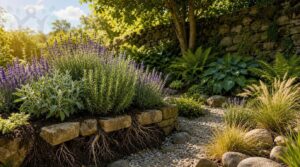
The right plant in the right spot is one of the simplest ways to keep disease out of your garden. When plants aren’t fighting their conditions, they’re naturally stronger and less vulnerable to problems. Here are some reliable options organized by what your garden actually has to offer.
Drought-tolerant Perennials
Drought-tolerant perennials are the backbone of any low-maintenance garden. Plants like Sedum, Yarrow, and Rudbeckia store water naturally and bounce back fast after dry spells.
- They thrive in full sun with well-drained soil
- Most resist common fungal diseases without sprays
- Once established, they need little supplemental watering
Xeriscaping basics start here — choose heat-resistant varieties and let the plants do the work.
Shade-loving Foliage Plants
Not every garden gets full sun — and that’s actually fine.
Shade-tolerant herbs actually thrive in lower-light spots, and this guide to herbs that grow well together makes pairing them a lot easier.
Shade-loving foliage plants like Hosta, Heuchera, and Hellebore thrive in low light and naturally resist common fungal diseases.
| Plant | Key Benefit |
|---|---|
| Hosta | Bold texture, slug-resistant |
| Heuchera | Colorful foliage, disease-resistant |
| Hellebore | Evergreen, rot-resistant |
Pair contrasting textures and foliage color varieties to keep shaded beds visually interesting year-round.
Pollinator-friendly Flowers
A thriving garden isn’t just beautiful — it feeds the creatures that keep it alive.
Pollinator-friendly flowers like Bee Balm, Coneflower (Echinacea), Lavender, Salvia, and Zinnia do double duty: they draw bees and butterflies while naturally resisting common diseases.
Here’s what makes them worth planting:
- Bee Balm resists powdery mildew and attracts both bees and hummingbirds
- Coneflower tolerates drought and fights off fungal infections
- Lavender’s fragrant oils deter pests while pulling in pollinators all season
- Salvia offers long bloom spikes with strong disease resistance in sunny beds
- Zinnia delivers vivid nectar-rich color from summer through early fall
Many of these are reblooming perennials, so they return year after year with minimal effort.
Container-ready Resistant Blooms
Containers can be a disease hotspot if you choose the wrong plants. Compact varieties like Marigold and Zinnia thrive in pots, resist powdery mildew, and keep blooming reliably. Pair them in disease-resistant combinations, use potting mix with strong drainage, and always water at soil level. Rotating annuals each season keeps pathogens from building up.
Rock Garden Ground Covers
Rock gardens are one of the easiest places to lose control of ground cover if you pick the wrong plants. Sedum stonecrop spreads 12 to 24 inches yearly, forms dense mats, and shrugs off drought without complaint. Pair it with Delosperma cooperi for hot pink flowers and excellent slope stabilization across rocky, well-drained soil.
Prevent Disease Through Garden Design
Good plant choices only get you so far — how you design your garden matters just as much. The way you space, water, and arrange plants can quietly stop disease before it ever starts. Here are a few simple design habits that make a real difference.
Improve Air Circulation
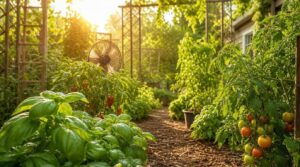
Think of air as a silent disease fighter in your garden. Good air circulation dries foliage within one to two hours after dew forms, cutting fungal disease risk greatly. Place oscillating fans three to six feet above ground to create cross currents. Open lattice windbreaks channel airflow rather than block it, keeping humidity between 40 and 60 percent.
Space Plants Correctly
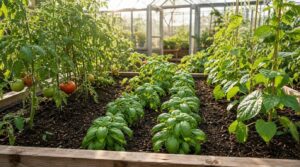
Air circulation buys you time — spacing seals the deal. Recommended spacing distances vary by plant: herbs need 12 inches apart, tomatoes 18, and bush beans 24 to 36 inches.
Here’s why it matters:
- Prevent leaf crowding to let foliage dry quickly
- Reduce humidity buildup around dense canopies
- Slow pathogen transmission between neighboring plants
- Improve access for regular garden maintenance
In containers, don’t squeeze plants together — roots compete, and disease spreads fast.
Mulch to Reduce Splashing
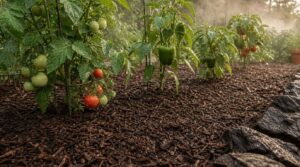
Spacing gives diseases fewer places to hide — mulch stops them from traveling. When rain hits bare soil, it launches soilborne pathogens onto leaves as tiny droplets. A 2–4 inch layer of shredded hardwood or bark breaks that cycle. On slopes, go deeper and choose heavier mulch so it stays put after a downpour.
Water at Soil Level
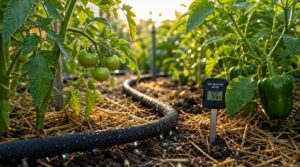
Mulch blocks splashing — but where the water starts matters just as much. Water at soil level, not overhead, so leaves stay dry. Wet foliage invites fungal disease fast.
- Use drip lines or soaker hoses
- Water slowly for better infiltration
- Check depth with a soil probe
- Use soil moisture sensors to avoid overwatering
Rotate Vegetable Crops
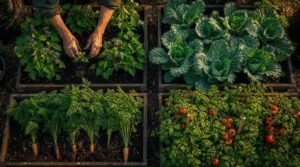
Rotating vegetable crops each season is one of the simplest ways to break disease cycles before they take hold. Moving plant families — tomatoes, brassicas, legumes, cucurbits — to different beds every year starves soilborne pathogens of their preferred host.
Follow a four-year rotation plan: legumes first, then brassicas, root crops, and finally fruiting crops like tomatoes.
Use Organic Disease Management Tips
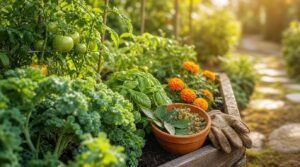
Organic disease management isn’t complicated — it’s mostly about staying observant and working with your garden instead of against it. A few consistent habits can make a real difference without reaching for a spray bottle. Here’s where to start.
Scout Plants Regularly
Think of scouting as your garden’s early warning system. Walk your beds every week, checking leaf undersides, stem bases, and soil surfaces for pests, disease spots, or unusual discoloration. A hand lens helps you catch spider mites or thrips before populations explode. Log what you find — plant, date, location — so you can track disease pressure and respond before small problems become big ones.
Remove Infected Foliage
Once you spot trouble, act fast — diseased leaves left on the plant become a launchpad for pathogen transmission to healthy tissue. Remove and double-bag infected foliage immediately, never compost it. Keep these steps in mind:
- Sterilize pruners with 70% alcohol between cuts
- Prune during dry weather to limit spread
- Inspect nearby plants for matching symptoms promptly
Build Healthy Soil Biology
Healthy soil is your garden’s immune system. Beneficial bacteria and fungi break down organic matter and release nutrients plants need to fight off disease. Adding compost regularly feeds this underground community and improves soil aggregation, helping roots breathe and water drain properly. Mycorrhizal fungi extend root reach substantially, boosting phosphorus uptake and overall plant resilience without any chemicals.
Healthy soil is your garden’s immune system, and compost is the dose that keeps it strong
Add Physical Pest Barriers
Physical barriers stop pests before they ever reach your plants. Use mesh netting over garden beds, door seals along shed entries, and row covers to block insects from laying eggs. Add structural vent screens, garden exclusions around raised beds, and barrier materials near foundations:
- Insect mesh with 1.2mm openings on vents
- Steel hardware cloth beneath soil
- Door sweeps sealing gaps under 1/4 inch
- Protective row covers over seedlings
- Silicone caulk around door frames and thresholds
Support Beneficial Insects
Beneficial insects are your garden’s free pest control team. Plant floral corridors along bed edges with dill, fennel, and native blooms to feed ladybugs, lacewings, and parasitoid wasps continuously. Add a shallow water dish so pollinators can drink without leaving. Time any sprays for early morning or evening to protect these allies while they’re resting.
| Beneficial | Attracts With | Controls |
|---|---|---|
| Ladybug | Dill, fennel | Aphids |
| Lacewing | Umbel flowers | Whitefly |
| Parasitoid wasp | Cilantro, mint | Caterpillars |
Top 6 Disease-Resistant Gardening Items
The right tools can make disease-resistant gardening a whole lot easier. From tracking what you plant to protecting it from pests, having the right items on hand saves time and prevents problems before they start. Here are six products worth keeping in your gardening toolkit.
1. Gardener Plant Logbook Journal
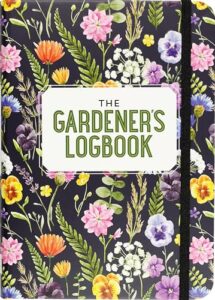
Tracking what works — and what doesn’t — is one of the smartest habits any gardener can build. The Gardener Plant Logbook Journal gives you dedicated log pages for each plant, with fields for common name, Latin name, supplier, planting date, and notes. At $10.24, it’s a low-cost way to spot disease patterns across seasons. The built-in back-pocket holds seed packets and plant tags, while the portable 5×7 size fits easily in your garden tote.
-focused, so gardeners outside the States may not get much out of that section.
| Best For | Gardeners who want a simple, affordable way to track what they plant, how it grows, and what to do differently next season. |
|---|---|
| Price | $10.24 |
| Primary Use | Plant tracking |
| Beginner Friendly | Yes |
| Outdoor Suitable | Yes |
| Eco Consideration | Archival paper |
| Limitations | Small page size |
| Additional Features |
|
- Dedicated log pages keep everything organized — name, supplier, planting date, and notes all in one spot.
- The back-cover pocket is genuinely handy for stashing seed packets, tags, or receipts right where you need them.
- At $10.24, it’s an easy buy — and the 120 gsm archival paper holds up to pen, pencil, and years of use.
- The 5×7 pages are small, so there’s not a ton of room if you want to track things like fertilization schedules or pest treatments in detail.
- No dedicated space for a pen, seed inventory, or soil and weather notes — you’ll have to improvise.
- The hardiness-zone info and tips are U.S.
2. KINGLAKE Plastic Garden Plant Labels
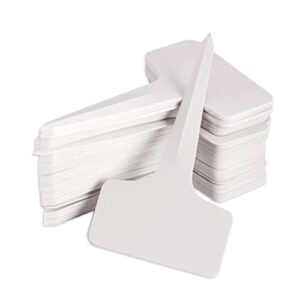
Once you’ve logged a plant’s name and details, you need a label right there in the soil to match. KINGLAKE Plastic Garden Labels come 100 per pack, each measuring 6 × 10 cm — plenty of room for a variety name, planting date, or resistance notes. The weatherproof PVC construction holds up through rain and sun without fading. Just use a permanent marker, since regular ink smears on the smooth surface.
| Best For | Gardeners who want a no-fuss, durable labeling system for beds, pots, or greenhouse trays and need enough labels to cover a full growing season. |
|---|---|
| Price | $varies |
| Primary Use | Plant labeling |
| Beginner Friendly | Yes |
| Outdoor Suitable | Yes |
| Eco Consideration | Non-biodegradable PVC |
| Limitations | Requires permanent marker |
| Additional Features |
|
- 100 labels per pack gives you plenty to work with across multiple garden beds or plant collections.
- Weatherproof PVC holds up through rain, humidity, and regular watering without fading or warping.
- The T-stake design slides right into soil without any tools or fuss.
- The smooth surface smears with regular markers — you’ll need a permanent marker like a Sharpie every time.
- PVC isn’t biodegradable, so it’s not the best fit if you’re trying to keep your garden eco-friendly.
- At 6 × 10 cm, they’re a bit oversized for small seedling trays or tiny pots.
3. Sereniseed Organic Herb Seed Collection
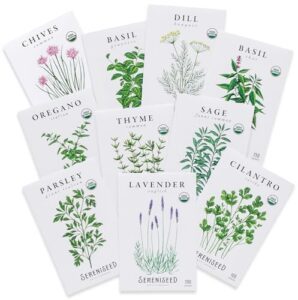
Labels keep your records straight, but you still need the right seeds to start with. The Sereniseed Organic Herb Seed Collection gives you 10 culinary herbs — think basil, thyme, parsley, and lavender — all USDA-certified organic and non-GMO. Each brown paper packet lists planting depth, spacing, and care tips, so you’re never guessing. Seeds are stored in a temperature-controlled cooler before shipping, which promotes strong germination rates. At $8.99, it’s a solid, low-risk way to grow fresh herbs at home.
| Best For | Home cooks and beginner gardeners who want a reliable, affordable way to grow fresh organic herbs indoors or in a traditional garden bed. |
|---|---|
| Price | $8.99 |
| Primary Use | Herb growing |
| Beginner Friendly | Yes |
| Outdoor Suitable | Yes |
| Eco Consideration | USDA organic |
| Limitations | Herbs only |
| Additional Features |
|
- USDA-certified organic and non-GMO — great peace of mind for health- and eco-conscious growers
- Germination is guaranteed, so if seeds don’t sprout, you’re covered with a replacement or refund
- Comes with a video tutorial and printed instructions on each packet, making it easy to get started
- Some varieties like chives and sage have reported germination issues, so you may need to replant
- No vegetables or flowers included — it’s herbs only, which limits variety if you want a mixed garden
- Without basic tools like seed trays or grow lights, results can be slower and less consistent
4. Tierra Garden Micromesh Pest Barrier
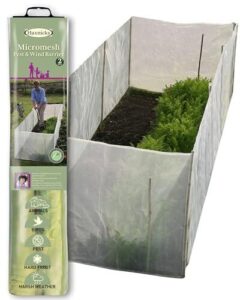
Good seeds are only half the battle — you also need to keep pests off your crops. The Tierra Garden Micromesh Pest Barrier uses a 0.6 mm ultra-fine mesh that blocks carrot flies, rodents, and small insects while still letting sunlight and rain through. Each package includes two pre-assembled panels spanning about 26 feet total. The bamboo poles can be brittle on hard ground, so have backup stakes ready.
| Best For | Home gardeners who want a simple, ready-to-use barrier to protect vegetables from carrot fly, cats, rodents, and other pests in raised beds or container gardens. |
|---|---|
| Price | $varies |
| Primary Use | Pest protection |
| Beginner Friendly | Yes |
| Outdoor Suitable | Yes |
| Eco Consideration | Reusable mesh |
| Limitations | Brittle bamboo poles |
| Additional Features |
|
- The 0.6 mm mesh blocks most flying insects and small animals while still letting in sunlight, rain, and pollinators like bees.
- Panels come pre-assembled with bamboo supports, so setup is quick and easy.
- At 26 feet of total coverage across two panels, it works well for small-to-medium growing spaces.
- The bamboo canes can snap on hard or uneven ground, so you may need extra stakes on hand.
- The mesh isn’t fully sealed, meaning very small insects can still get through if panels aren’t clipped down tight.
- In soft or loose soil, the corners can lift in strong wind, so extra anchoring is a good idea.
5. Home Grown Petite French Marigold Seeds
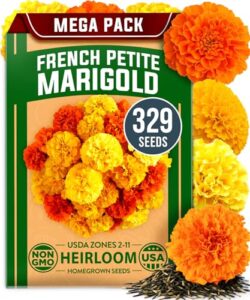
Few annuals pull double duty like the Home Grown Petite French Marigold. These compact plants stay just 6–10 inches tall, bloom in as little as 45–50 days from sowing, and actively repel aphids, whiteflies, and nematodes — making them a natural shield for nearby vegetables. At $7.99 per packet, they’re an affordable pick for borders, containers, or raised beds. Just note the seed count runs small, so grab extra packets for wider plantings.
| Best For | Beginner gardeners and anyone who wants fast, low-maintenance color in small spaces like containers, borders, or raised vegetable beds. |
|---|---|
| Price | $7.99 |
| Primary Use | Pest repelling |
| Beginner Friendly | Yes |
| Outdoor Suitable | Yes |
| Eco Consideration | Natural pest repellent |
| Limitations | Small seed count |
| Additional Features |
|
- Flowers in just 45–50 days and keeps blooming all season long with minimal effort.
- Naturally repels common pests like aphids and whiteflies — great companion for veggies.
- Edible petals and drought tolerance make these as practical as they are pretty.
- Germination can be hit or miss, especially if you’re sowing in hot weather.
- The seed count per packet is small, so larger gardens will need multiple packets.
- It’s an annual, so you’ll need to reseed every year to keep the display going.
6. Jewel Mix Nasturtium Seeds
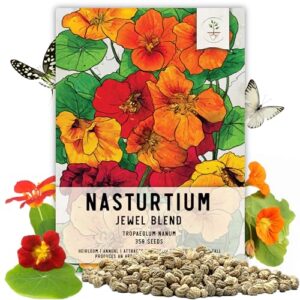
Nasturtiums often get overlooked, but the Jewel Mix earns its place in a disease-resistant garden. Each packet holds 350+ seeds in vivid red, orange, yellow, and mahogany tones — plenty to fill containers, borders, or raised beds. Flowers and leaves are both edible, adding a peppery kick to salads. They germinate in just 7–10 days and attract pollinators naturally. At $9.99, it’s an adaptable, low-maintenance bloom that works hard all season.
| Best For | Gardeners with small spaces who want edible, colorful blooms without spending a lot of time or money. |
|---|---|
| Price | $9.99 |
| Primary Use | Garden color |
| Beginner Friendly | Yes |
| Outdoor Suitable | Yes |
| Eco Consideration | Edible/natural plant |
| Limitations | Mixed germination rates |
| Additional Features |
|
- 350 seeds for $9.99 is great value — plenty to share, save, or scatter across containers and borders.
- Both flowers and leaves are edible with a peppery flavor, so they pull double duty in the garden and kitchen.
- Fast germination (7–10 days) means you’re not waiting long to see results.
- Germination rates only hit 50–70%, so don’t expect every seed to sprout without a little extra care like soaking first.
- It’s an annual, so you’ll need to replant after the first frost each season.
- Color mix is random — if you’re going for a specific palette, you won’t have much control over what you get.
Frequently Asked Questions (FAQs)
What is the most disease-resistant plant?
No single plant wears the crown of "most disease-resistant." Lavender and sedum come remarkably close — both shrug off fungal attacks and pests with ease in sunny, well-drained spots.
What is an example of a disease-resistant plant?
A great example is the Knock Out rose, which resists black spot and powdery mildew. Coneflower and Russian Sage also hold up well against common fungal diseases with minimal care.
What vegetables are not affected by blight?
No vegetable is completely immune to blight, but tomato varieties like ‘Iron Lady’ and ‘Mountain Merit’ resist both early and late blight effectively. Cucumber ‘Marketmore’ also holds up well against common blight pressure.
What is the most resilient plant in the world?
Welwitschia mirabilis holds that title. This ancient desert plant survives thousands of years in the Namib Desert on less than two inches of rain per year — a true marvel of endurance.
What is an example of a disease resistant plant?
Coneflower (Echinacea purpurea) is a strong example. It resists fungal infections naturally, tolerates drought, and thrives in full sun or partial shade — all while supporting pollinators throughout the season.
What vegetables don’t get blight?
No vegetable is completely blight-proof. But carrots, beets, kale, beans, and peas rarely face serious blight pressure. Cucumbers and squash with mildew-resistant genetics also hold up well under tough conditions.
How to get rid of disease in garden soil?
Diseased soil is full of hidden threats. Solarize bare beds with clear plastic for four to six weeks to kill pathogens. Then rebuild with compost to restore beneficial microbes.
How to make plants disease resistant?
Strong, resilient plants start with smart choices. Pick varieties suited to your climate, build healthy soil, and water at the root level. These simple steps dramatically cut disease risk.
How do companion plants help prevent diseases?
Companion plants work like a living shield. Marigolds suppress soil nematodes, while basil deters hornworms and whiteflies. Nasturtiums attract predatory insects that reduce aphids — the very pests that spread viral diseases between plants.
What natural fungicides work for organic gardens?
Neem oil, baking soda spray, and copper-based fungicides are your best organic options. Apply neem oil every 7–14 days to block fungal spread before it takes hold.
Conclusion
Choosing the right variety, designing for airflow, and rotating your crops—these aren’t separate tasks. They’re one continuous strategy. Disease-resistant gardening works because every decision reinforces the next, building a garden that defends itself from the ground up. You don’t need perfect conditions or endless products. You need a plan made before the first seed goes in. Start there, stay consistent, and your garden will spend less time surviving and more time thriving.
- https://savvygardening.com/disease-resistant-tomatoes/
- https://www.leadyouseed.com/blog/top-tomato-seed-varieties-for-high-yield-and-disease-resistance/
- https://www.epicgardening.com/disease-resistant-tomatoes/
- https://www.farmstandapp.com/66745/7-ways-seasonal-crop-planning-reduces-disease-incidence/
- https://livetoplant.com/essential-practices-for-disease-resistant-plants/