
This site is supported by our readers. We may earn a commission, at no cost to you, if you purchase through links.

A deer can strip a vegetable bed bare overnight—and do it so quietly you won’t notice until morning. White-tailed deer cause an estimated $250 million in crop and garden damage across the U.S. each year, and suburban gardens have become some of their favorite feeding grounds.
The good news: you don’t need tall fences or chemical sprays to protect what you’ve grown. From egg-and-garlic repellents to strategically planted lavender, there are natural ways to deter deer that actually hold up across seasons—and most cost next to nothing to try.
Table Of Contents
- Key Takeaways
- Natural Repellents to Deter Deer
- Planting Deer-Resistant Gardens
- Effective Physical Barriers and Deterrents
- Smart Garden Practices for Deer Prevention
- Top 4 Products to Keep Deer Away
- Frequently Asked Questions (FAQs)
- How do I keep deer out of my Garden?
- How do you use deer repellent?
- Do homemade deer repellents work?
- How do you kill deer with herbs?
- Will Dawn dish soap keep deer away?
- What is the most effective natural deer repellent?
- What smell do deer hate the most?
- What do deer absolutely hate?
- How to stop deer from pooping in your yard?
- How do I keep deer out of my yard at night?
- Conclusion
Key Takeaways
- Rotating your repellents every 10–14 days is just as important as using them — deer adapt quickly, and a predictable scent stops working.
- Layering methods (sprays, plants, fences, motion triggers) beat any single solution, because no one trick holds up on its own.
- Aromatic herbs like rosemary, mint, and lavender pull double duty — they’re beautiful in the garden and quietly tell deer to keep walking.
- Reapplying within 24 hours of heavy rain isn’t optional; most natural repellents lose their punch quickly once they get washed off.
Natural Repellents to Deter Deer

Most deer repellents you can make at home with things already in your kitchen. The trick is knowing which ingredients actually work — and how to use them right.
Some of these same kitchen-based mixes pull double duty, working as organic spring pest control methods that keep both deer and insects out of your garden at once.
Here are the most effective natural options to get you started.
Homemade Egg, Garlic, and Hot Pepper Sprays
Mix up a batch of homemade deer repellents using three simple ingredients: eggs, garlic, and hot peppers. Beaten eggs create emulsion stability, helping the spray cling to leaves instead of beading off.
Garlic spray adds sulfur-based odor that deer genuinely hate, while hot pepper spray delivers capsaicin irritation that makes every nibble unpleasant. repels insects and mammals for broader garden protection.
good starting ratio—three eggs, one garlic head, three tablespoons cayenne, per gallon of water—covers most gardens. Add a drop of dish soap, wear safety gear when blending peppers, and refrigerate leftovers within two weeks.
Scent-Based Deterrents (Soap, Human Hair, Predator Urine)
Sprays aren’t your only option. Scent-based repellents work quietly in the background, targeting deer’s sharp sense of smell before they even reach your plants.
Soap bars — Irish Spring is a favorite — release strong fragrance compounds that deer genuinely dislike. For soap bar placement, hang whole bars or mesh bags of shavings at scent barrier height, roughly 4 feet above ground, where deer noses intercept the odor first.
Human hair works similarly. Hair scent longevity peaks in the first week, then fades. Refresh monthly.
Predator urine raises the stakes — urine concentration levels matter here; higher concentrations last longer. Rain resistance is limited across all three, so reapply after every heavy shower.
- Hang soap bars or mesh bags every 2–3 feet along your garden border
- Place human hair clippings in pantyhose or cheesecloth pouches at muzzle height
- Apply coyote or bobcat urine along the perimeter, not just at entry points
- Check and refresh olfactory deterrents every 7–10 days during wet spring weeks
- Rotate between soap, hair, and predator urine monthly to prevent deer from adapting
Using Citrus Peels and Vinegar Solutions
Citrus peels are a surprisingly practical addition to your scent-based repellent lineup. The limonene degreasing power in orange or lemon peels irritates deer’s sensitive noses — the same way it cuts through greasy residue on surfaces.
For homemade natural deer repellent recipes, pack 2–4 cups of peels into a glass jar, cover with white distilled vinegar, and let the infusion process steep one to four weeks. Strain, then spray undiluted along borders, or diluted 1:1 for lighter coverage.
As organic deer deterrents go, this one’s genuinely low-effort. Skip stone surfaces — vinegar etches them.
Application Frequency and Best Practices
Even the best spray fails if you apply it once and walk away. Stick to an application cadence of every 7–14 days during peak browsing seasons, and reapply within 24 hours of heavy rain — rain protection for sprays matters more than most gardeners expect.
Rotate scents every 4–6 weeks to prevent habituation. Target a 2–3 foot coverage perimeter around vulnerable plants, and always test new formulas on a small leaf area first for safety and plant health.
Planting Deer-Resistant Gardens

One of the smartest long-term moves you can make is choosing plants that deer simply don’t want to eat. The right mix of textures, scents, and species can turn your garden into something that deer would rather walk past.
Here are the key plant categories worth knowing about.
Aromatic Herbs and Strong-Smelling Plants
Some plants basically tell deer, "You’re not welcome here." Aromatic herbs loaded with volatile essential oils — menthol mint, pinene rosemary, carvone sage, thujone thyme, and linalool basil — overwhelm deer’s sensitive noses on contact. Plant these herbal deterrents as a living border around vulnerable beds:
- Mint spreads fast and smells sharp
- Rosemary holds its piney scent year-round
- Sage and garlic together double the deterrence
- Thyme stays low but punches hard on fragrance
Thorny, Fuzzy, and Textured Foliage Choices
Texture is one of the most underrated tools in a deer-resistant garden. Deer avoid plants that scratch, irritate, or feel unpalatable — so lean into that.
| Category | Plant Example | Why It Works |
|---|---|---|
| Thorny Hedge Plants | Rosa spp. (thorny rose varieties) | Sharp 1–2 cm canes deter browsing |
| Fuzzy Groundcovers | Cerastium tomentosum | Woolly leaves feel abrasive, unappetizing |
| Textured Rock Garden | Sempervivum spp. | Fleshy rosettes create uncomfortable micro-terrain |
Spiny border selections like eastern prickly pear or sea holly add year-round structure while doubling as natural barriers. Velvety leaf accents — Gynura, lamb’s ear — signal tough tissue deer skip. Mix these into your beds alongside boxwoods or arborvitae for layered, reliable defense.
Flowering Plants Deer Avoid (Daffodils, Marigolds, Lavender)
Three flowering plants do serious heavy lifting in a deer-resistant garden. Plant them together for layered, reliable plant selection for deer resistance.
Daffodils contain lycorine, a natural toxin that makes deer avoid them instinctively — their trumpet flower shape also makes nibbling awkward. Marigold’s volatile oils and lavender’s linalool aroma hit deer’s sensitive noses hard, especially during the seasonal scent peak at dawn and dusk.
Incorporating Regional Deer-Deterrent Plants
Your best defense might already be growing nearby.
Native perennials like Russian sage, yarrow, and Salvia nemorosa are natural fits for temperate gardens — they’re adapted to your soil and climate through Native Species Integration and Microclimate Matching. Pair them with chives or rosemary using Companion Planting principles, and you’ve built deer-resistant plants into your landscape without fighting your region’s conditions.
Effective Physical Barriers and Deterrents
Sometimes scent alone won’t cut it — deer are persistent, and when they’re hungry enough, no spray will keep them out. That’s when physical barriers become your best line of defense.
Here are the most effective options to explore.
Building and Maintaining Deer-Proof Fencing

A fence is your most reliable line of defense — but only if it’s built right. For deer exclusion fencing, 8 feet tall is the minimum; deer are surprisingly athletic jumpers.
Your post placement strategy matters too: space posts every 8 to 12 feet and use concrete footings at corners for stability.
Wire tension management keeps wire mesh from sagging over time. Don’t skip gate bracing design or quarterly fence checks — small gaps invite big problems.
Using Netting, Cages, and Tree Guards

Young trees are some of the most vulnerable things in your yard — and deer know it. That’s where tree guards, cages, and wire mesh step in as your first real line of defense.
Wire mesh guards made from galvanized steel offer serious material durability, lasting 10 to 20 years with minimal upkeep. For physical barriers for deer exclusion, guard height matters: aim for at least 1.5 to 2 meters so deer can’t simply reach over.
For deerproofing your yard effectively, keep these installation points in mind:
- Choose mesh size selection of 25–50mm for solid deer exclusion fencing
- Maintain 2–4 inches of trunk clearance to prevent bark damage
- Focus stake placement 12–20 inches from the trunk for stability
- Use knotless netting to avoid snagging during installation
- Inspect every 2–4 weeks and replace damaged sections promptly
Motion-Activated Sprinklers and Lights

Motion-activated sprinklers are surprisingly effective — deer hate surprises. Mounted at ideal sensor height of 2–4 feet, these units scan roughly 40 feet with a 120-degree field of view, triggering 5–10‑second water bursts the moment motion is detected.
Solar power integration and battery life optimization mean low maintenance year-round.
Pair them with motion-activated flood lights for a one-two sensory punch that conditions deer to simply avoid your yard.
Creating Visual and Sound Barriers

Lights and water send deer running — but what about what they see? Pair those triggers with smart visual design and you’ve built a yard deer genuinely want to avoid.
- Living Wall Screens, using Leyland cypress or dense boxwood (4–6 ft apart) block sightlines completely
- Irregular Barrier Topography — staggered heights, native stone textures, Low Contrast Finishes — makes your boundary read as a natural woodland edge
- Sound-Absorbing Barriers layered with wind chimes, scarecrows, reflective tape, or ultrasonic deer-repellent devices create unpredictable sensory noise
Uniform Texture Panels along fence lines reduce visual gaps that deer use to gauge safety before crossing.
Smart Garden Practices for Deer Prevention

Repellents and fences do a lot of the heavy lifting, but your everyday garden habits matter just as much. Small, consistent choices can make your yard a lot less appealing to deer before they even get close.
Here’s what actually works.
Removing Attractants and Harvesting Promptly
Think of your yard as sending constant signals to deer — and attractants are the loudest ones. Prompt fruit removal, ideally within 24 hours, cuts off a major food cue. Daily veg harvest closes the window before deer even show up.
Seal compost bins, practice smart trash management, and eliminate standing water sources. These simple compost sealing practices and water source elimination steps quietly make your garden far less inviting.
Rotating Repellents to Prevent Adaptation
Keeping up that garden hygiene is half the battle — the other half is staying unpredictable. Deer are smarter than we give them credit for, and they adapt fast. That’s where a solid Multi-Phase Repellent Plan earns its keep.
Rotating Repellent Types every 10–14 days triggers a Deer Sensory Reset, disrupting habituation and deer behavior before it sets in.
- Swap scent-based repellents — garlic one cycle, predator urine the next, hot pepper after that.
- Apply Variable Scent Management by varying concentration levels, not just ingredients.
- Practice Rotation Effectiveness Tracking weekly — note browsing signs and adjust accordingly.
Seasonal reapplication of garden sprays, timed to dawn and dusk feeding windows, keeps deer genuinely guessing.
Combining Multiple Deterrent Methods
No single method wins alone — that’s the whole point of a Layered Deterrent Strategy.
No single deer deterrent wins alone — layering scent, barriers, and motion creates a defense too complex to ignore
Combine fencing with scent-based deterrents like garlic spray and predator urine, add motion-activated sprinklers, then weave in aromatic herbs for Multi-Sensory Integration. A Zigzag Barrier Layout disrupts deer movement better than a straight line.
Use Cue Synchronization at dawn and dusk for Adaptive Deterrent Scheduling — integrated deer management in home gardens has never been more effective.
Seasonal Maintenance and Monitoring
Even the best deer deterrent setup needs a little seasonal tune-up to stay effective. Build a Seasonal Inspection Calendar and walk your barrier lines at the start of each season — spring often reveals frost heave, while fall is the time to reinforce corners before snow arrives.
- Adjust repellent schedules using Weather-Based Adjustments after heavy rain or heat spikes
- Follow Deer Trail Monitoring weekly during peak activity months to catch new entry points
- Keep a Barrier Repair Routine to close gaps before deer find them
- Track Repellent Efficacy Tracking notes and rotate products every four to six weeks to prevent deer habituation to repellents
Consistent seasonal application of deer repellents — matched to seasonal deer activity patterns — keeps your garden one step ahead.
Top 4 Products to Keep Deer Away
Sometimes a homemade spray just isn’t enough, and that’s okay. A few well-chosen products can fill the gaps and give your garden more consistent protection.
Here are four worth keeping on your radar.
1. Liquid Fence Deer Repellent Granules
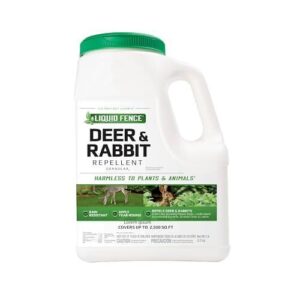
Granules might seem low-tech, but Liquid Fence Deer Repellent Granules punch well above their weight. The formula uses putrescent egg solids, garlic, and thyme oil — a combination that triggers deer’s instinct to avoid danger before they ever take a bite. No nibbling required.
Shake the granules evenly around flower beds, lawns, or ground cover up to 24 inches tall, and you’ve got a protective barrier that holds for three to four weeks. It’s rain-resistant too, so a passing shower won’t wipe out your work overnight.
At $29.85 for a 5-pound bag, it covers a solid amount of ground and works year-round. It’s safe for plants and non-target wildlife when used as directed. Fair warning though — the smell is strong.
*Your nose will know it’s working.
- Reapply after heavy rain or when scent fades.
| Best For | Gardeners dealing with deer and rabbit damage in low-lying beds, lawns, or ground cover who want a hands-off, scent-based solution that works through all seasons. |
|---|---|
| Form | Granules |
| Price | $29.85 |
| Container Size | 5 lb bag |
| Odor Present | Yes – strong |
| Rain Resistance | Yes |
| Safe for Plants | Yes |
| Additional Features |
|
- Works before animals take a bite — the scent alone keeps deer and rabbits away
- Rain-resistant and usable year-round without needing to rotate products
- Safe for plants, non-target wildlife, and humans when applied as directed
- The smell is genuinely strong — think manure, not garden fresh
- Effectiveness on rabbits is hit or miss depending on who you ask
- Only works on vegetation up to 24 inches tall, so taller plants are left unprotected
2. I Must Garden Deer Repellent Spray
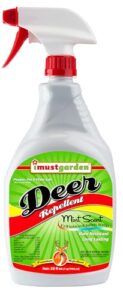
If you’d rather spray than scatter, I Must Garden Deer Repellent Spray is worth keeping on the shelf. It combines putrescent egg solids, garlic, clove oil, and lemongrass into a formula that hits deer where it hurts — their sensitive noses.
The 32-ounce bottle covers up to 10,000 square feet and applies directly to perennials, shrubs, roses, and vegetables. No mixing, no mess. The oil base sticks to foliage, so a light rain won’t wash away your effort overnight.
Plan on reapplying every two to four weeks, or after heavy rain. At $15.99, it’s an affordable, biodegradable option that’s safe around pets and pollinators. The mint scent is noticeable up close, but most gardeners find it far easier to live with than the damage deer leave behind.
| Best For | Gardeners who want a spray-on solution that protects a wide range of plants — from roses and hostas to vegetables — without setting up physical barriers. |
|---|---|
| Form | Liquid Spray |
| Price | $15.99 |
| Container Size | 32 oz bottle |
| Odor Present | Yes – mint/egg |
| Rain Resistance | Partial |
| Safe for Plants | Yes |
| Additional Features |
|
- Sticks to foliage with an oil base, so light rain won’t undo your work right away
- Safe around pets, pollinators, and people — fine for home gardens or shared spaces
- Mint-scented and biodegradable, making it easier to use than harsher chemical options
- The smell can get intense during application — some people describe it as genuinely nauseating, so a mask isn’t a bad idea
- You’ll need to reapply every couple of weeks, especially after heavy rain or snow
- The spray bottle has had some issues — stiff trigger, occasional leaks, and weaker spray once you’re past the halfway mark
3. Austin’s Ammonia Cleaner
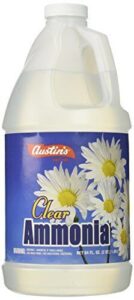
Sometimes the best deer fix is already under your sink. Austin’s Ammonia Cleaner — a 64-ounce bottle running about $8–10 — pulls double duty as a household cleaner and a surprisingly effective deer deterrent.
The sharp, pungent smell of ammonia mimics predator urine, which puts deer on edge and sends them looking elsewhere. Apply it around garden borders or near vulnerable plants, and reapply after rain since the scent fades quickly with moisture.
A few cautions worth knowing: never mix it with bleach, keep it off edible plants, and rinse any treated hard surfaces after a few minutes. It’s not a first-choice repellent, but when commercial options aren’t on hand, it’s a practical, budget-friendly backup that gets the job done.
| Best For | Homeowners and gardeners looking for a cheap, no-frills cleaner that can also double as a deer deterrent in a pinch. |
|---|---|
| Form | Liquid |
| Price | $8–$10 |
| Container Size | 64 oz bottle |
| Odor Present | Yes – ammonia |
| Rain Resistance | No |
| Safe for Plants | Avoid edibles |
| Additional Features |
|
- Versatile — works on floors, drains, laundry, and even keeps deer away from the garden
- Great value at around $8 for a 64 oz bottle; a little goes a long way
- Strong deodorizer that tackles tough smells like urine, vomit, and organic waste
- Can’t be mixed with bleach, and needs to be rinsed off surfaces after use
- Smell can be pretty overpowering, especially indoors or in tight spaces
- Concentration isn’t listed on the label, which makes it tricky for sensitive uses like aquariums
4. Bonide Fish Fertilizer
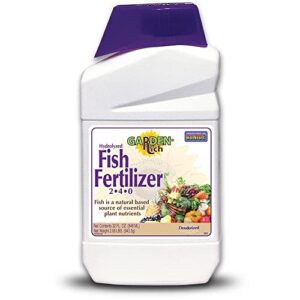
What if your fertilizer could pull double duty as a deer deterrent? Bonide Fish Fertilizer (32 fl oz, around $12–15) does exactly that.
Dilute one tablespoon per gallon of water and apply it every two to four weeks during the growing season. The fish-derived odor — milder than traditional emulsions but still noticeable — unsettles deer and keeps them from browsing. Meanwhile, the 2-4-0 NPK formula delivers real plant benefits: nitrogen for foliage and phosphate for stronger root development.
Use it as a soil drench or foliar spray, and reapply after heavy rain since scent fades quickly with moisture. It works on vegetables, herbs, shrubs, and ornamentals — feeding your garden while quietly holding the fence line against hungry visitors.
| Best For | Gardeners who want an organic, budget-friendly fertilizer that pulls double duty by feeding plants and naturally deterring deer. |
|---|---|
| Form | Liquid |
| Price | $10–$15 |
| Container Size | 32 oz bottle |
| Odor Present | Yes – mild fish |
| Rain Resistance | No |
| Safe for Plants | Yes, when diluted |
| Additional Features |
|
- Cold-processed to preserve natural vitamins, amino acids, and enzymes for real plant nutrition
- Works on a huge range of plants — tomatoes, herbs, citrus, houseplants, shrubs, and more
- Doubles as a deer deterrent thanks to its fish-derived scent
- Contains zero potassium, so heavy feeders like fruiting crops may need a supplemental K source
- Smell is reduced but still noticeable during mixing and application — not ideal indoors
- Scent fades fast after rain, meaning you’ll need to reapply more often during wet stretches
Frequently Asked Questions (FAQs)
How do I keep deer out of my Garden?
Keeping deer out of your garden takes more than one trick. Your best bet is layering methods — repellent sprays, deer-resistant plants, physical barriers, and smart habits working together.
How do you use deer repellent?
Deer repellent works best when applied directly to foliage, stems, and garden borders. Reapply every 7–14 days or after rain.
Rotate scents every few weeks so deer don’t get used to them.
Do homemade deer repellents work?
Yes, they really do work — especially egg-based and garlic sprays, which studies back up. Reapply every 5–10 days, and rotate recipes so deer don’t adapt. Consistency is the secret.
How do you kill deer with herbs?
Herbs don’t harm deer — they repel them.
Plants like rosemary, mint, and lavender smell wonderful to us but act as natural stop signs for deer, steering them away from your garden without any harm.
Will Dawn dish soap keep deer away?
Dawn dish soap can help, but don’t count on it alone.
Mixed with water, it creates a mild scent and taste deterrent — though deer often adapt quickly, making it more of a short-term fix.
What is the most effective natural deer repellent?
Putrescent egg solids take the top spot.
Sprayed directly on foliage, they create a foul scent that deer associate with spoiled food — effective for up to two weeks before needing a fresh coat.
What smell do deer hate the most?
Deer hate the smell of rotten eggs the most. That sulfurous stench triggers their flight instinct fast.
Garlic, ammonia, and hot pepper come close — all sharp, pungent odors their sensitive noses simply won’t tolerate.
What do deer absolutely hate?
Strong garlic, peppermint, and predator scents like coyote urine send deer running fast.
Sudden loud noises, flashing lights, and any sign of human presence make them deeply uncomfortable and unlikely to return.
How to stop deer from pooping in your yard?
The secret isn’t cleanup — it’s making your yard unappealing before they arrive.
Spray garlic and hot pepper mixes weekly near entry points, remove fallen fruit fast, and rotate deterrents every few weeks.
How do I keep deer out of my yard at night?
Nights are prime time for deer.
Apply garlic and hot pepper sprays after dusk, hang soap bars around your perimeter, and refresh predator urine weekly — that rotating scent wall keeps them guessing.
Conclusion
Imagine a deer-free garden paradise—no chewed shrubs, no ravaged veggies. Deer are sneaky, but your garden doesn’t have to be a midnight buffet.
With these natural deterrents, you can make it a reality. Try combining natural ways to deter deer like repellents, deer-resistant plants, and clever barriers.
Your garden will thank you, and so will your wallet. Before long, you’ll enjoy a lush oasis, free from those pesky critters.