This site is supported by our readers. We may earn a commission, at no cost to you, if you purchase through links.
Bite into a tomato still warm from the vine and you’ll taste the difference science backs up: flavor compounds peak within days of harvest, then fade fast. That window—the one between "ripe" and "gone"—is where seasonal eating from the garden earns its keep. Grocery store produce travels, sits, and loses nutrients along the way. Your backyard skips all that.
Growing your own means timing meals around what’s thriving right now: sweet spring radishes, sun-ripened summer tomatoes, cold-kissed fall brassicas. Master that rhythm, and your kitchen starts running on nature’s calendar instead of a supply chain. Ready to grow, harvest, and cook with the seasons?
Table Of Contents
- Key Takeaways
- Why Eat Seasonally From Your Garden?
- Best Garden Crops by Season
- How to Plan Seasonal Harvests
- Harvest Tips for Peak Freshness
- Easy Seasonal Garden Meal Ideas
- Frequently Asked Questions (FAQs)
- How to eat seasonally in winter?
- What not to store near bananas?
- What is an example of seasonal eating?
- What is a seasonal vegetable right now?
- How do you meal plan around garden harvests?
- What if my garden produces too much at once?
- How do you start gardening with limited space?
- Can you eat seasonally without a garden?
- What are beginner-friendly crops for seasonal gardening?
- How should I store potatoes after harvesting them?
- Conclusion
Key Takeaways
- Harvest timing matters most: flavor and nutrients peak within days of picking, so eating produce fresh from your garden beats store-bought every time.
- Matching crops to their ideal season—spring greens, summer tomatoes, fall brassicas, winter storage roots—gives you better yields and better flavor with less guesswork.
- Techniques like succession planting, frost date tracking, and row covers help you stretch harvests and keep fresh food coming for more of the year.
- Proper harvesting methods (picking greens at dawn, checking tomatoes for give, curing squash and potatoes before storage) preserve quality and cut down on waste and spoilage.
Why Eat Seasonally From Your Garden?
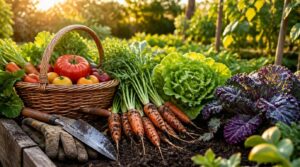
There’s a reason food tastes better when it comes straight from your backyard. Eating with the seasons connects you to flavor, health, and your wallet in ways grocery store produce just can’t match. Here’s what you gain when you follow your garden’s natural rhythm.
Once you start noticing which vegetables peak each month, you’ll find endless inspiration in these seasonal vegetarian garden-to-table recipes built around what’s actually ripe.
Peak Flavor and Freshness
Bite into a tomato still warm from the sun, and you’ll taste the difference immediately. That flavor peak lasts just 3 to 5 days post-harvest, as sugar-acid balance hits its sweet spot and aromatic compounds crest.
Pick within an hour, handle gently, and chill quickly. Wait too long, and flavor intensity can drop by half within 48 hours. You can also pair these harvests with garden-fresh vegetables to create vibrant summer meals.
Better Nutrient Density
That flavor boost comes with a nutritional one, too. Vegetables lose water-soluble vitamins with every day off the vine, so picking at peak maturity locks in far higher micronutrient concentration than store-bought produce ever sees.
Cook smart: light steaming and minimal water protect vitamins and prevent mineral leaching. Even fermenting your harvest boosts nutrient bioavailability, stretching your garden’s benefits well past harvest day.
Lower Grocery Costs
Growing your own food doesn’t just taste better, it saves real money. Seasonal availability means less demand pressure on your wallet.
Bulk buying surplus for freezing, unit price comparison at nurseries, and skipping pricey out-of-season produce all add up. Pair this with meal planning strategies using what’s ripe now, and store-brand seeds stretch your budget even further.
Less Food Waste
Money saved is only half the story — what you don’t throw away matters just as much. Harvesting only what’s ripe means less spoilage in your fridge.
Freeze surplus in season, rotate your pantry by what’s oldest, and turn scraps into vegetable stock. Compost the rest. Seasonal variation actually makes waste easier to manage, since you’re cooking with what you have, not what’s languishing in the crisper.
Garden-To-Table Satisfaction
Handing a neighbor a bag of heirloom tomatoes just because you grew too many? That’s the payoff no grocery run gives you.
Garden-to-table satisfaction comes from mindful eating, tasting what’s truly ripe, and improvising meals around whatever’s abundant. Sharing extras builds community. Digging in the dirt itself boosts mood.
It’s connection, plain and simple — to food, to seasons, to the people you feed.
Sharing your harvest is simple connection—to food, to seasons, and to the people you feed
Best Garden Crops by Season
Every season hands you a different lineup of crops that thrive right then, not a moment before. Knowing what to plant and pick when takes the guesswork out of your garden. Here’s a season-by-season rundown to help you get the timing right.
Spring Greens and Roots
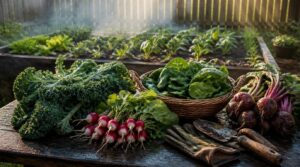
Cool soil, quick rewards: that’s spring’s gift to gardeners. Frost-tolerant varieties like kale sweeten after freezing, while arugula and radishes germinate in weeks under 50-65°F soil.
Just as these cool-season crops respond to temperature cues rather than fixed dates, orange trees follow their own ripening signals, which is why checking how to tell when oranges are ready to harvest matters more than counting weeks on a calendar.
- Spinach: tender leaves in 4-6 weeks
- Radishes: ready in 25-30 days
- Kale: sweeter post-frost
- Beets: thin at 30 days, mature by 60-75
- Parsnips: needs cold soil, 90-120 days
Succession sow every 7-14 days for steady harvests packed with vitamin A and C.
Summer Tomatoes and Peppers
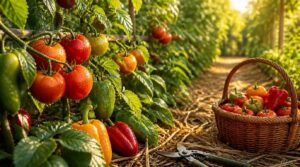
Now the garden hits its stride. Tomatoes and peppers want daytime temps between 70-85°F, with nights staying above 55°F for steady ripening.
Watch for heat stress past 90°F—blossoms drop fast. Mulch 2-3 inches deep, water deeply when soil’s dry an inch down, and offer afternoon shade during scorchers.
Pick heat-tolerant varieties, prune for airflow, and harvest often—your plants will keep producing all season.
Fall Brassicas and Squash
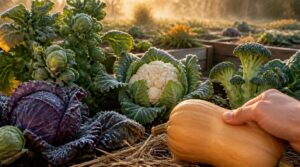
Frost is a flavor booster, not a threat, for fall brassicas. Cold nights sweeten cabbage and Brussels sprouts, especially with steady nitrogen feeding. Cauliflower needs even moisture to avoid yellowing curds. Keep harvesting broccoli side shoots weeks after the main head.
Test winter squash by pressing the rind—if your fingernail can’t pierce it, it’s ready.
Winter Storage Crops
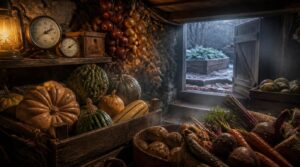
Think of your harvest as a treasure chest — but only if you store it right. The best curing methods matter first: cure squash a week, onions two weeks before storage.
Keep root cellar humidity near 90% for roots, 60% for alliums.
- Freshness
- Flavor
- Savings
- Peace of mind
Watch for spoilage signs, manage ethylene, and try in-ground storage for hardy roots left under mulch.
Year-Round Herbs
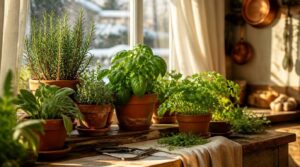
Herbs are the one crop that laughs at seasonal limits. Mix perennial herbs like thyme and rosemary with tender annuals such as basil and cilantro.
Give indoor pots 12-16 hours of light, feed every few weeks, and mulch outdoor roots against winter snaps. Succession-sow quick greens, harvest by the snip method, and you’ll never face a bare spice rack again.
How to Plan Seasonal Harvests
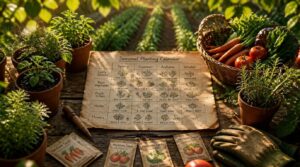
Knowing what to plant is only half the puzzle. The real magic happens when you map out timing so your garden never skips a beat. Here’s how to build a harvest calendar that keeps your table full all year long.
Use Your Frost Dates
When do you actually plant that first tomato? Your last spring and first fall frost dates answer it. Calculating frost windows keeps tender seedlings safe and guides transplant timing.
- Protecting tender seedlings from surprise freezes
- Selecting hardy varieties for early beds
- Using frost calculators by zip code
- Avoiding wasted seed and effort
- Building confidence season after season
Succession Plant Fast Crops
Once your frost dates are set, put fast crops on repeat. Rapid Radish Sowing every two weeks keeps roots coming every 25-30 days.
Continuous Lettuce Cycles and Quick Bean Successions work the same way—sow small batches often instead of one big planting.
Add Fast Herb Rotations and Early Root Intervals for turnips or beets, and you’ll have fresh harvests stacking through the whole season.
Pair Cool and Warm Crops
Succession planting keeps things moving, but pairing cool and warm crops in the same bed is where real space efficiency shines. Try carrots or beets alongside warm-season greens, keeping cool crops north for shade.
- Lettuce tucked beside towering tomato vines
- Beets nestled near sprawling squash leaves
- Dill weaving between pepper rows
- Kale sheltered from summer’s harshest sun
Good spacing prevents nutrient depletion and disease from shared microclimates.
Extend With Row Covers
Pairing crops buys space, but row covers buy you time. A lightweight fabric adds roughly 2°F protection, while heavier weights push 6 to 10°F, letting you push transplants earlier and stretch fall harvests longer.
Pair covers with hoop frames to keep fabric off leaves, and weigh down every edge. Beyond frost, they’re a solid pest barrier—no chemicals needed.
Track Monthly Harvest Windows
Ever notice how a garden calendar in your head beats any app? Mapping climate patterns to your calendar month, anchored by regional frost data, sharpens monthly forecast accuracy.
Tracking temperature cues—that 50-60°F trigger for greens—prevents managing harvest gaps later. Note seasonal shifts, seasonal preparations, and seasonal distribution week by week. Color-code planting, growing, and peak stages. Your future self will thank you.
Harvest Tips for Peak Freshness
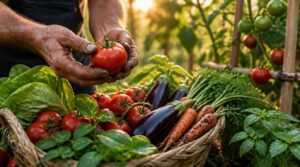
Timing is everything once your garden starts producing. Pick too early and you miss out on flavor; wait too long and you lose that peak freshness altogether. Here’s how to know exactly when each crop is ready for the kitchen.
Pick Leafy Greens Early
Dawn is your secret weapon in the garden. Morning harvest timing locks in higher sugar levels and crisp texture before heat sets in.
Use the outer leaf technique — pick spinach, lettuce, and kale from the outside in, leaving the center to keep growing. Store greens loosely in the crisper drawer between 32-40°F. Eat within a few days; that freshness is worth chasing.
Harvest Tomatoes Fully Ripe
Squeeze gently before you snap. A ripe tomato gives slightly under texture pressure tests, wears deep, even color, and smells sweet at the stem — true aroma scent indicators of peak flavor.
- Check color uniformity
- Press gently for give
- Sniff the stem end
- Twist, don’t yank
- Store at 55°F, never cold
Varietal ripening patterns vary — indeterminates ripen gradually, so pick as seasonal fluctuations bring color home.
Cut Broccoli Before Flowering
One more head, one more chance to grow. Cut when florets stay tight and firm, five to six inches below the head—preserving nodes for side shoot regeneration.
Angle your cut slightly to prevent rot. This preserves plant stamina, redirecting energy toward new shoots instead of a fading crown. Wait too long and yellowing flowers signal lost flavor—your seasonal window closes fast.
Pick Beans Before Toughening
Bend a pod mid-length: a clean snap means it’s ready. Beans wait for no one—cool nights slow lignin buildup, but warmth speeds toughening fast.
Check pod diameter, not length, for ripeness. Pick mornings, after dew dries, for crisper texture and less wilting.
Store loosely in breathable baskets, never sealed—airtight bags trap moisture and rush spoilage.
Gather Herbs Frequently
Harvest herbs often—don’t let basil flower, or flavor fades. Clip leaves in the morning, after dew dries, for peak essential oil content. Pinch stems twice weekly; rosemary, thyme, cilantro, oregano, all benefit from frequent snipping. Three signs you’re on track:
- Bright green, aromatic leaves
- No flowering stems
- Steady regrowth after each cut
Easy Seasonal Garden Meal Ideas
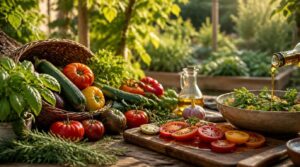
When your garden is bursting with fresh produce, simple meals let those flavors shine. You don’t need complicated recipes to enjoy what you’ve grown. Here are some easy, seasonal ideas to bring your harvest straight to the table.
Spring Salad Bowls
Building a spring salad bowl means balancing tender greens—baby spinach, arugula—with crisp textures from radish, cucumber, toasted quinoa. Layering protein pairing ideas like hard-boiled eggs, chickpeas, or feta boosts nutrition. Drizzle with herb-infused dressings (lemon, dill, mint). Toss in seasonal fruit accents—apple, pear. Every bite captures the freshness of garden-to-table eating.
| Greens & Herbs | Protein & Crunch |
|---|---|
| Spinach, arugula | Feta, egg, chickpeas |
| Chives, dill, basil | Pumpkin seeds, apple |
Summer Tomato Recipes
Summer tomato recipes showcase peak ripeness and sweet flavor. Try chilled gazpacho—mix ripe tomatoes, cucumber, bell pepper, and garlic, then finish with red wine vinegar and olive oil. Layer heirloom caprese: tomatoes, mozzarella, basil, and balsamic.
Toss quick tomato pasta—sauté diced tomatoes, garlic, olive oil, and fresh basil. Roast for bruschetta toppings or mix spicy tomato salsa with cilantro and lime.
Fall Roasted Vegetables
Once tomatoes fade, your oven becomes the star. Toss squash, carrots, and Brussels sprouts in oil, cut into uniform 1-inch pieces for even cooking. Roast at 400-425°F—this caramelization temperature browns edges beautifully. Convection settings crisp things faster.
Pair with rosemary and maple for classic fall flavor. Leftovers? Fold into omelets or grain bowls for easy second meals.
Winter Root Vegetable Soups
Cold weather calls for something simmered slow. Carrots, parsnips, and potatoes turn naturally sweet the longer they cook, especially with a splash of apple juice and warm ginger.
- Whiz up cashews or beans for dairy-free creaminess
- Roast roots first for caramelized depth
- Simmer thyme and bay leaf for earthy aroma
Puree part of the batch, finish with olive oil, and brighten with lemon juice before serving.
Fresh Herb Sauces
Grab whatever’s thriving in your garden right now and whip it into sauce — no cooking required. Emulsifying sauce bases (oil, garlic, lemon) turn chopped herbs into silky toppings for grilled vegetables or grain bowls.
| Sauce | Ratio | Storage |
|---|---|---|
| Chimichurri | 2:1 oil-vinegar | 5 days fridge |
| Pesto (nutty substitutes: walnuts) | To taste | 3 months frozen |
| Vinaigrette | Custom, your call | 1 week |
Frequently Asked Questions (FAQs)
How to eat seasonally in winter?
Lean on root vegetable storage, winter citrus benefits, and preserved summer harvests. Roast beets with warming spices, brighten soups with orange zest, and add fermented winter sides like kimchi for probiotic depth and cold-weather comfort.
What not to store near bananas?
Bananas are basically ripening grenades—keep them far from leafy greens, avocados, and berries. Their ethylene gas wilts greens, softens peppers, and speeds mold. Store aromatic herbs and spices away too, since bananas transfer odor and moisture fast.
What is an example of seasonal eating?
Picking sun-ripened tomatoes in August, then pairing them with fresh basil, captures peak ripeness impact perfectly. That’s seasonal eating in action — enjoying crops exactly when your garden, not a warehouse, says they’re ready.
What is a seasonal vegetable right now?
Right now, the garden’s compass points to summer: sun-ripened tomatoes, zucchini, cucumbers, and green beans crowd local markets. Add berries, chard, and basil — July’s flavor profile leans bright, juicy, and unmistakably seasonal.
How do you meal plan around garden harvests?
Start with what’s ripe, then build meals around it. Keep a harvest log, rotate proteins with produce, and batch-prep components ahead. This ingredient-led planning turns whatever’s growing into quick, balanced dinners without last-minute grocery runs.
What if my garden produces too much at once?
Bumper crops happen. Lean into freezer meal prep, quick fermentation and pickling, and batch cooking. Swap extras with neighbors, and stagger next season’s planting with succession sowing to soften future gluts.
How do you start gardening with limited space?
Picture a sunny balcony rail turned jungle of herbs and cherry tomatoes. Add vertical gardening structures, dwarf plant varieties, and square foot methods in containers with good drainage. Pair with small space irrigation, and seasonal cycles fit right in.
Can you eat seasonally without a garden?
Farmers markets and CSA membership offer local, seasonal produce weekly. Try indoor container gardening for fresh herbs year-round.
When fresh isn’t available, frozen produce nutrition stays strong—freezing locks in seasonal flavor even without soil under your fingernails.
What are beginner-friendly crops for seasonal gardening?
Ever wonder which crops forgive rookie mistakes? Radishes, bush beans, and zucchini top the list — fast growers, minimal fuss.
Add quick harvest varieties like arugula and scallions for container gardening wins that build confidence within weeks, not seasons.
How should I store potatoes after harvesting them?
Cure your potatoes first, 7–10 days in darkness, to thicken skins and prevent tuber rot. Then store at 45–50°F with 90-95% humidity, good ventilation, and away from onions or apples to avoid sprouting gases.
Conclusion
Picture a January soup simmering with carrots and parsnips you tucked away back in October—that’s the quiet payoff of planning ahead.
Seasonal eating from the garden isn’t a diet trend; it’s a rhythm your kitchen learns, season by season. Your taste buds notice it first, then your grocery bill, then your growing ease in the kitchen. Plant, pick, cook, repeat. The calendar becomes your recipe book, and every plate on your table tells you exactly what month it is.
- https://hgic.clemson.edu/the-benefits-of-seasonal-eating-fresh-nutrient-dense-and-budget-friendly
- https://www.peacehealth.org/healthy-you/eating-garden-health-benefits-seasonal-produce
- https://www.gardentech.com/blog/gardening-and-healthy-living/garden-to-table-goodness-and-nutrition
- https://www.heart.org/en/news/2024/07/12/why-seasonal-eating-can-be-a-healthy-delight
- https://content.ces.ncsu.edu/home-vegetable-gardening-a-quick-reference-guide