This site is supported by our readers. We may earn a commission, at no cost to you, if you purchase through links.
Something shifts the moment you cook a meal from your own garden. The tomato you sliced twenty minutes after picking tastes nothing like the one that traveled 1,500 miles to reach a grocery shelf. That difference isn’t imagination—sugars in fresh produce peak within 24 hours of harvest, and once they’re gone, no amount of seasoning brings them back.
Growing your own vegetables also hands you something supermarkets can’t: a rotating, seasonal variety that keeps meals interesting all year. These vegetarian garden to table recipes show you exactly how to turn that backyard abundance into dinners worth repeating.
Table Of Contents
- Key Takeaways
- Benefits of Garden-to-Table Vegetarian Meals
- Plan Your Recipe-Friendly Garden
- Best Vegetables for Vegetarian Garden Recipes
- Essential Herbs for Fresh Flavor
- Planting for Spring, Summer, Fall, and Winter Meals
- Growing Versatile Crops Like Tomatoes, Zucchini, Carrots, Greens, and Peppers
- Choosing High-yield Plants for Beginner Gardeners
- Pairing Garden Crops With Vegetarian Pantry Staples
- Fresh Seasonal Vegetarian Recipe Ideas
- Harvest-to-Dinner Cooking Techniques
- One-pan Roasted Vegetable Dinners
- Simple Garden Soups and Stews
- Fresh Salads With Homemade Vinaigrettes
- Herb Sauces, Pesto, Chimichurri, and Salsa Verde
- Grain Bowls With Roasted Garden Vegetables
- Vegetarian Protein Pairings With Beans, Lentils, Tofu, Eggs, and Cheese
- Quick Weeknight Meals Using Fresh Produce
- Preserve and Use Every Harvest
- Freezing Surplus Vegetables and Herbs
- Drying Herbs for Year-round Seasoning
- Making Infused Oils, Sauces, and Pestos
- Pickling Cucumbers, Carrots, Onions, and Peppers
- Turning Leftover Vegetables Into Soups and Stir-fries
- Using Zucchini, Carrots, and Pumpkin in Baked Recipes
- Building a Zero-waste Vegetarian Meal Plan
- Frequently Asked Questions (FAQs)
- How do I use up vegetables from my garden?
- What is garden to table cooking?
- Can you use gnocchi in a garden-to-table recipe?
- Are these vegetarian recipes healthy?
- What can you make with eggplants and basil from your garden?
- What vegetables are in a quick wrap?
- What’s the easiest vegetable to grow in a garden?
- What to do with a bunch of garden veggies?
- What to do with homegrown vegetables?
- What is served at a garden party?
- Conclusion
Key Takeaways
- Homegrown produce peaks in flavor and nutrients within 24 hours of harvest, so the closer your kitchen is to your garden, the better your meals taste.
- Planting seasonal varieties like tomatoes, zucchini, greens, and root vegetables gives you a natural, rotating menu that keeps cooking interesting all year long.
- Simple techniques — roasting, blending, pickling, and freezing — let you use every bit of your harvest and waste almost nothing.
- Pairing fresh garden vegetables with pantry staples like lentils, beans, and whole grains turns even a small harvest into complete, protein-rich meals.
Benefits of Garden-to-Table Vegetarian Meals
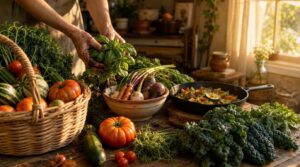
Garden-to-table eating isn’t just about good food — it changes how you cook, what you eat, and how much you waste.
There’s real science behind why homegrown food tastes better, and the benefits of seasonal garden-fresh eating go way deeper than flavor.
benefits go deeper than most people expect. Here’s what makes this approach worth it.
Fresher Flavor From Just-harvested Produce
There’s a reason food tastes better straight from the garden. Harvest to dinner recipes work because fresh garden produce is alive with flavor.
Here’s what you’re actually capturing:
- Peak Sweetness Timing — sugars peak within 24 hours of picking
- Volatile Oil Burst — homegrown vegetables and herbs release intense aromatics when cut fresh
- Texture Snap Preservation — intact cell walls keep everything firm and satisfying
- Aroma Capture Techniques — minimal handling locks in seasonal produce’s natural scent
- Nutrient Retention Strategies — garden to table cooking preserves vitamins before storage degrades them
Higher Vegetable Variety in Everyday Meals
A garden makes variety easy. When you’re harvesting a full basket of vegetables, your Colorful Plate builds itself. Daily Veg Rotation keeps meals exciting and broadens your Nutrient Spectrum naturally.
| Season | Veg Family Mix | Texture Contrast |
|---|---|---|
| Spring | Greens, alliums | Crisp, tender |
| Summer | Nightshades, squash | Juicy, firm |
| Winter | Roots, brassicas | Dense, chewy |
Garden to Table cooking makes this easy.
Fiber-rich, Nutrient-dense Vegetarian Eating
All that variety pays off nutritionally, too. A nutrient-dense diet built around fresh produce naturally delivers more fiber, vitamins, and minerals than most people realize.
Add a Legume Fiber Boost — lentils alone give 9 grams of protein per half cup — plus Whole Grain Pairings and Seed Snack Ideas, and your Protein Fiber Balance falls into place.
Garden to Table cooking makes Micronutrient Synergy simple.
Lower-waste Cooking With Homegrown Ingredients
Growing your own food cuts waste before you even reach the kitchen. Zero-Waste Prep starts in the garden — you pick exactly what you need. From there, Ingredient Upcycling and farm-to-table cooking take over:
- Save vegetable trimmings for Scrap Stock
- Store prepped produce in Reusable Containers
- Route peelings to your Compost Kitchen
Fresh garden produce utilization keeps nothing wasted.
Seasonal Meal Planning for Sustainable Eating
Seasonal meal planning isn’t complicated — it just follows nature’s lead. Map your harvest calendar planning to four seasonal windows, and your ingredients practically choose themselves.
You’ll naturally cut food mileage, since what’s growing outside is what’s on your plate. Seasonal ingredient swaps keep meals fresh week to week.
Track local market timing and let the season do the thinking for you. Choosing in‑season asparagus savings can reduce costs dramatically, illustrating the financial advantage of buying produce at peak ripeness.
Plan Your Recipe-Friendly Garden
The good news is you don’t need a massive yard to grow ingredients worth cooking with. A few smart choices in the garden go a long way toward keeping your kitchen stocked all year.
Here’s where to start.
Best Vegetables for Vegetarian Garden Recipes
Some vegetables do more work than others in the kitchen.
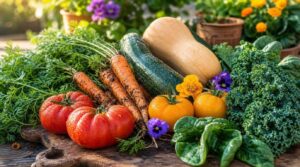
Leafy greens like spinach and kale give you multiple harvests and stay nutritious through frost.
Heirloom tomatoes, zucchini, carrots, and winter squash form the backbone of seasonal vegetable recipes year-round.
Add edible flowers and microgreen mixes for color and nutrients.
These are your garden-based meal planning essentials — fresh garden produce utilization made simple.
From timing your harvest to storing what you’ve grown, this guide to fall seasonal crop harvesting helps you get the most out of every last vegetable before the season turns.
Essential Herbs for Fresh Flavor
Herbs are the difference between a meal that’s fine and one that people ask about.
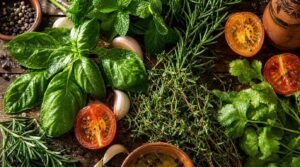
Basil Pairings shine brightest with tomatoes and olive oil — add it last. Cilantro Brightness lifts soups and salsas instantly. Rosemary Roasting fills your kitchen with something almost woodsy. Thyme Simmering quietly deepens stews. Mint Finishing cools everything down.
These culinary herbs turn fresh garden produce utilization into real, seasonal vegetable recipes worth repeating.
Planting for Spring, Summer, Fall, and Winter Meals
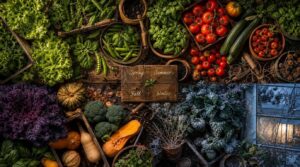
Your garden can feed you in every season — if you plan it right.
Start with cool-season sowing in early spring: lettuce, spinach, peas. Shift to heat-tolerant varieties like tomatoes and zucchini once the soil hits 60°F.
Fall row covers protect kale and broccoli from frost. Winter greenhouse planting keeps greens going year-round.
That’s seasonal succession planting — and the backbone of smart garden-based meal planning.
Growing Versatile Crops Like Tomatoes, Zucchini, Carrots, Greens, and Peppers
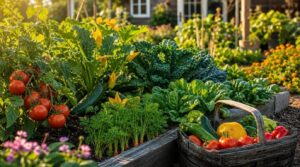
These five crops do the heavy lifting in any recipe-friendly garden.
- Tomatoes — Space them 24–36 inches apart and plant basil nearby for companion planting that deters pests naturally.
- Zucchini — Give each plant 3–4 feet; they’re the backbone of farm-to-table cooking all summer.
- Carrots — Sow every few weeks for a steady home garden harvest.
- Greens — Fast-growing and perfect for garden-based meal planning on tight timelines.
- Peppers — Rotate their bed yearly; crop rotation planning and soil nutrient management keep them thriving season after season.
Choosing High-yield Plants for Beginner Gardeners
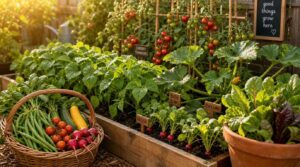
Start small, and you’ll fill that basket faster than you think.
Quick-growing greens and space-saving radishes mature in weeks. Compact bush beans stay tidy in any garden bed.
Container tomato varieties thrive in pots. Vertical zucchini saves ground space beautifully.
These beginner-friendly picks reward consistent care with generous harvests — no experience in organic gardening required.
Pairing Garden Crops With Vegetarian Pantry Staples
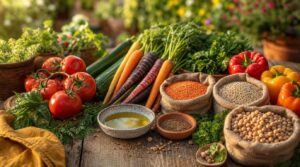
Your pantry does half the work — if you stock it right.
A Tomato Lentil Pairing turns a handful of garden tomatoes into a protein-rich weeknight sauce. Zucchini Quinoa Match keeps summer harvests light yet filling. Try these garden based meal planning wins:
- Carrot Chickpea Combo roasted with cumin
- Pepper Pasta Blend tossed in olive oil
- Herb Oil Infusion drizzled over seasonal vegetable recipe collection favorites
Fresh Seasonal Vegetarian Recipe Ideas
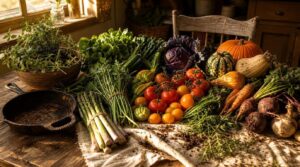
Your garden tells you what to cook — you just have to listen. Each season brings something worth building a meal around, from the first tender herbs of spring to the hearty roots of winter.
Here are eight recipes that put your harvest front and center.
Spring Herb Salad With Lemon Vinaigrette
This spring salad is where Herb Harmony meets Citrus Brightness in the most satisfying way. Layer baby lettuce, arugula, spinach, and watercress. Add radishes, cucumber, and avocado. Finish with chives, mint, dill, and basil for true Garden Freshness.
| Component | Ingredient | Purpose |
|---|---|---|
| Crunchy Textures | Radishes, cucumbers | Freshness and bite |
| Balanced Acidity | Lemon juice, champagne vinegar | Lifts the greens |
| Creamy Base | Avocado, goat cheese | Richness without heaviness |
| Herb Harmony | Mint, dill, tarragon | Garden-fresh aroma |
| Citrus Brightness | Lemon zest, Dijon, honey | Ties everything together |
Whisk your vinaigrette slowly — oil into lemon juice — until creamy. Dress it right before serving. This is fresh vegetable appetizers and salads at their simplest best.
Summer Ratatouille With Zucchini and Eggplant
After that bright spring salad, summer calls for something heartier. Ratatouille delivers. Zucchini, eggplant, bell peppers, and tomatoes slow-cook into a rich, fragrant stew — a seasonal vegetable recipe for summer that practically makes itself.
Use the Batch Sauté Technique to build real depth, then let Olive Oil Caramelization work its magic.
An Herb Finishing Touch of fresh basil and proper resting time enhance the whole Colorful Plate Presentation beautifully.
Autumn Roasted Pumpkin Soup
When summer fades, pumpkin takes over. Roast it until the edges caramelize — that’s your Creamy Texture Tips secret right there. No heavy cream needed.
Blend with garlic, onion, vegetable stock, and your favorite Spice Pairings like smoked paprika and nutmeg.
Top with pumpkin seeds and fresh herbs for easy Garnish Ideas.
A go-to for plant based meals and vegetarian dinner ideas all season.
Winter Root Vegetable Roast
Winter is root vegetable season, and this tray bake earns its place at the table.
Toss carrots, parsnips, beets, and potatoes in olive oil with rosemary and thyme — that herb infusion does the heavy lifting. Cut everything into uniform pieces for even caramelization techniques.
Roast at 400°F for 30–45 minutes.
The root sweetness pairings speak for themselves. A vegetarian dinner idea worth repeating.
Zucchini Noodle Stir-fry With Peppers
Spiralized zucchini hits the wok fast — and that’s exactly the point.
High heat stir-fry keeps the noodles firm, not soggy.
Cook peppers first, then zucchini for just 2–3 minutes.
Finish with a sesame oil finish off the heat.
- Add rice vinegar brightening for a sharp, fresh lift
- Try protein boost options like tofu or tempeh
- Use meal prep storage containers for easy weeknight wins
- Embrace garden cooking with seasonal vegetable recipes for summer
Plant-based cooking techniques don’t get simpler.
Garden Tomato Basil Pasta
Garden tomatoes at peak ripeness — deep red, heavy, slightly soft — make all the difference here.
Mince garlic fine, sauté briefly in olive oil, then let cherry tomatoes burst gently over medium heat.
Your pasta shape choice matters: fusilli or penne grips the sauce best.
Splash in pasta water for sauce emulsification, fold in torn basil for fresh herb timing, and finish with an olive oil drizzle.
Spicy Roasted Carrot Tacos
Roasted carrots make surprisingly satisfying tacos — sweet, smoky, and a little fiery. Toss carrot batons in olive oil, cumin, and chili powder. Roast at 200°C for 20–25 minutes, then add a maple or date molasses glaze for caramelized edges. Squeeze lime over everything before assembling.
- Spice Balance: Smoked paprika + chili powder, never overpowering
- Glaze Variations: Maple syrup or date molasses both work
- Taco Toppings: Avocado crema, pickled jalapeños, fresh cilantro
- Tortilla Choices: Small corn tortillas, warmed until pliable
Fennel and Orange Garden Salad
Fennel and orange are one of those pairings that just works. Master the Fennel Slice Technique — shave it paper‑thin so it stays crisp.
The Citrus Herb Fusion of orange segments, fresh mint, and zest creates bright depth.
Add Nutty Crunch Add‑ins like pistachios, then dress with a Vinaigrette Sweetness Balance of honey, olive oil, and champagne vinegar.
Serve chilled for best results.
Harvest-to-Dinner Cooking Techniques
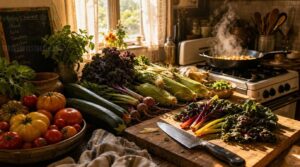
Getting your harvest onto the dinner table doesn’t have to be complicated. A few solid techniques can turn whatever’s growing in your garden into a satisfying meal, fast.
Here’s what works best when you’re cooking fresh and keeping it simple.
One-pan Roasted Vegetable Dinners
One pan. One oven. Dinner done.
Toss your garden haul with olive oil and seasonal spice blends, spread it on a sheet pan, and roast at 425°F for 25–35 minutes. That’s the crispy edge technique in action.
Three things that make it work:
- Pan layout optimization — single layer, no crowding
- Protein boost additions — toss in chickpeas or feta after roasting
- Flavorful finishing touches — lemon zest, fresh herbs, flaky salt
Simple Garden Soups and Stews
Soups are where the garden really starts talking.
Start with Seasonal Soup Bases — onion, garlic, olive oil — then let your harvest lead. A One-pot Broth simmers in 20–30 minutes. Add an Herb Stock Boost at the end for brightness.
| Technique | Benefit |
|---|---|
| Roast before simmering | Deeper flavor |
| Blend half the batch | Texture Contrast |
| Portion and freeze | Freezer-friendly Stews |
| Label with date | Smarter meal planning |
Simple. Reliable. Repeatable.
Fresh Salads With Homemade Vinaigrettes
A good salad starts with the dressing. Stick to the 3:1 oil-to-acid ratio — that’s your Citrus Sweet Balance foundation.
Add minced shallots or garlic for Garlic Shallot Pairings that bring real depth. Toss in fresh homegrown herbs for Nutrient Boost Additions.
Mix just before serving for the best Texture Contrast Techniques. Store extra vinaigrette in a jar — three to five days, easy.
Herb Sauces, Pesto, Chimichurri, and Salsa Verde
Vinaigrettes open the door — herb sauces walk you through it. Pesto, chimichurri, and salsa verde are your farm-to-table cooking workhorses.
Try Nutty Pesto Variations with walnuts instead of pine nuts. Add red pepper flakes for a Spicy Chimichurri Boost. Bright Salsa Verde Pairings shine over roasted carrots or tacos.
Make a batch Sunday — dinner’s halfway done all week.
Grain Bowls With Roasted Garden Vegetables
Herb sauces set the flavor — now build the bowl around them. Grain Base Varieties like quinoa, farro, or bulgur (hello, Greek Goddess Bulgur Bowls) soak up every drop.
Roasted Veggie Pairings: bell peppers, zucchini, carrots, roasted at 400°F for Texture Contrast Techniques that actually satisfy.
Flavorful Topping Ideas like tahini or Cold Bowl Refreshers of fresh herbs round out your nutrient-rich vegetarian meals and plant-based meal planning.
Vegetarian Protein Pairings With Beans, Lentils, Tofu, Eggs, and Cheese
Your grain bowl needs protein to be a real meal. Here’s where to look:
- Bean Cheese Boost — black beans + cheddar = up to 15 g protein per cup
- Lentil Egg Fusion — lentils with eggs hits 18 g+ easily
- Tofu Cheese Pairings — firm tofu with greens adds 10–20 g
- Legume Egg Mix — shakshuka-style beans stretch any harvest
- Protein Boost Snacks — feta over white beans, done
Plant-based protein works. Trust it.
Quick Weeknight Meals Using Fresh Produce
Busy weeknights don’t have to mean sad takeout.
Speedy Stir-fry with broccoli, peppers, and snap peas hits the table in under 12 minutes. One-pot Pasta with garlic, tomatoes, and fresh basil takes 15 minutes. Try 15-Minute Salads or a Microwave Veggie Mug when you’re really pressed.
Prep-Once Cook-Quick planning makes cooking with fresh produce feel easy — simple, reliable recipes every night.
Preserve and Use Every Harvest
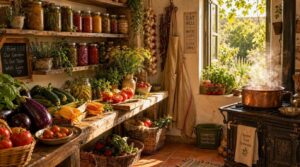
A big harvest is a good problem to have — but only if you know what to do with it. The goal is to waste as little as possible while keeping great food on your table long after the season ends.
Here are some simple ways to stretch every bit of your garden’s bounty.
Freezing Surplus Vegetables and Herbs
Your freezer is one of the best tools for preserving harvest without waste. Blanching techniques — just 1–3 minutes in boiling water, then an ice bath — lock in color and nutrients.
Pack cooled vegetables using freezer bag packing with the air squeezed out. Try herb ice cubes for fresh flavor all winter.
Portion control freezing and shelf-life management keep your garden-based meal planning and zero waste meal preparation on track.
Drying Herbs for Year-round Seasoning
Dried herbs are quiet little powerhouses — a jar of rosemary in January tastes like summer still had something to say. Air-drying basics are simple: bundle 5–8 stems, hang them somewhere dark and airy, and wait 1–4 weeks.
A jar of dried rosemary in January tastes like summer still had something to say
- Air-drying: Ideal for rosemary, thyme, and sage
- Dehydrator settings: 95–115°F for faster, controlled results
- Oven drying tips: Lowest setting, door ajar, check every 30 minutes
- Herb storage solutions: Airtight glass jars, labeled, away from light
Shelf-life optimization is easy — crush only what you need, reseal tight, and rotate oldest jars first. That’s sustainable home gardening and cooking at its best.
Making Infused Oils, Sauces, and Pestos
Your herbs and garden vegetables don’t have to stop working once harvest ends. Cold infusion timing matters — let fresh sprigs steep in oil for 1–7 days, then strain.
Garlic safety practices: using dried garlic only.
Vegan pesto variations with nutritional yeast or pistachio pesto for something unexpected.
Oil storage guidelines: refrigerate, label, use within two weeks.
Pickling Cucumbers, Carrots, Onions, and Peppers
Pickling is one of the best DIY garden recipes you’ll ever master. A simple brine ratio basic rule: one part vinegar to one part water, plus salt. That’s your foundation.
- Crunch Retention Tips — Pre‑blanch carrots and peppers 1–2 minutes before jarring.
- Spice Blend Ideas — Try mustard seeds, dill, and peppercorns together.
- Shelf Life Management — Refrigerate opened jars and use within 2–4 weeks.
- Jar Sterilization Methods — Always sanitize lids and glass before sealing.
Turning Leftover Vegetables Into Soups and Stir-fries
Those pickled jars don’t have to be your only zero-waste move. Leftover seasonal vegetables shine in quick soups and stir-fries.
For Scrap Stock Creation, simmer scraps with water for 30 minutes. A Spice Infused Stir with garlic-soy and sesame builds fast flavor. Try Leftover Grain Fusion with day-old rice.
A Citrus Brightening Finish and Texture Contrast Topping — seeds or croutons — completes your food waste reduction plan.
Using Zucchini, Carrots, and Pumpkin in Baked Recipes
Your garden surplus bakes beautifully. Grated zucchini maintains moisture balance naturally — no dry crumbs. Carrots add sweetness, while pumpkin puree binds everything together. Perfect for seasonal vegetable recipes and garden‑based meal planning:
- Fold shredded zucchini into muffins for a nutrient boost
- Use spice infusion — cinnamon, nutmeg — for sweet savory pairings
- Try almond flour for crust alternatives in gluten‑free bakes
Building a Zero-waste Vegetarian Meal Plan
Baking clears most of your surplus — but what about the scraps? That’s where garden-based meal planning earns its keep. Build your week around seasonal bulk buying, then use Batch Prep Scheduling every Sunday to stay ahead.
| Strategy | Benefit |
|---|---|
| Reusable Storage Solutions | Cuts packaging waste |
| Waste Tracking Metrics | Improves efficiency 10% monthly |
Your Ingredient Substitution Matrix and seasonal playbooks stretch your harvest into minimal waste, sustainable cooking all season long.
Frequently Asked Questions (FAQs)
How do I use up vegetables from my garden?
Ironically, the hardest part isn’t growing vegetables — it’s eating them fast enough.
Batch cooking strategies, vegetable stock bases, and leftover veggie frittatas help you stretch your harvest and simplify garden-based meal planning every week.
What is garden to table cooking?
It’s cooking with what’s growing right outside your door. You harvest, then cook — same day, sometimes same hour.
That’s farm-to-table cooking at its most honest: Local Flavor, peak Seasonal Nutrition, zero middleman.
Can you use gnocchi in a garden-to-table recipe?
Yes, absolutely. Toss store-bought or homemade gnocchi with roasted zucchini, cherry tomatoes, and a Quick Gnocchi Toss of fresh basil pesto. Finish with lemon zest. Dinner’s done.
Are these vegetarian recipes healthy?
Most of these recipes are genuinely healthy. They’re built on nutrient-dense foods with strong micronutrient density, healthy fats, and solid protein balance.
Watch portion sizing and sodium control, and you’re in great shape.
What can you make with eggplants and basil from your garden?
Eggplant and basil are a natural pair.
Try stuffed eggplant boats with basil pesto and feta, or a quick basil eggplant gratin layered with tomato and mozzarella.
Both shine at the table.
What vegetables are in a quick wrap?
Toss in cucumber slices, bell pepper strips, shredded carrots, and radishes for crunch. Add avocado for creaminess. Lettuce keeps it fresh. Simple, colorful, and done in minutes.
What’s the easiest vegetable to grow in a garden?
Radishes are the easiest. They’re a true radish speedster — ready in 20 to 30 days. Lettuce follows with its quick cycle. Both are perfect for beginner-friendly harvesting and simple sustainable cooking.
What to do with a bunch of garden veggies?
Roast them in one pan, toss them into a quick stir-fry, or simmer a simple soup. Even a veggie wrap idea works.
Don’t overthink it — just cook what’s freshest first.
What to do with homegrown vegetables?
Your garden’s giving more than your kitchen can handle? Use what’s fresh now. Sauté, roast, blend, or pickle. Plan meals around what’s ready — not the other way around.
What is served at a garden party?
A garden party menu centers on light, vibrant bites.
Think Garden Canapés, Appetizer Platters, fresh vegetable appetizers and salads, Herb‑infused Drinks, and Seasonal Dessert Bites like Mini Fruit Tarts — easy to share, beautiful on the table.
Conclusion
Like Thoreau heading to the woods to live deliberately, you’re choosing food that means something. Every vegetarian garden to table recipe you make is a small act of intention—proof that dinner can come from somewhere real.
The gap between seed and plate closes fast once you start.
what’s ripe. what you have. Feed people well.
Your garden will keep giving as long as you keep showing up.
- https://pmc.ncbi.nlm.nih.gov/articles/PMC10196338/
- https://www.universityofcalifornia.edu/news/urban-gardens-improve-food-security
- https://gardentotable.org/impact/
- https://victoryseeds.com/pages/average-vegetable-nutritional-values
- https://grabenord.com/blogs/blog/the-economic-benefits-of-a-plant-based-diet