
This site is supported by our readers. We may earn a commission, at no cost to you, if you purchase through links.
That first dandelion popping up in your lawn doesn’t arrive by accident—it’s the advance scout of thousands more waiting beneath the soil, programmed to exploit every bare patch and weak spot in your turf.
Spring weeds don’t just appear randomly; they follow predictable patterns based on soil temperature, moisture levels, and the gaps in your garden’s defenses. The difference between a lawn that stays immaculate through summer and one that becomes a weed festival often comes down to decisions you make in these critical early weeks.
Understanding spring garden weed control methods means recognizing that prevention, identification, and removal work together as a system, not isolated tasks. When you know which weeds you’re facing and catch them at vulnerable stages in their life cycles, you can stop infestations before they require aggressive intervention or expensive treatments.
Table Of Contents
- Key Takeaways
- Identifying and Understanding Spring Weeds
- Preventing Weeds Before They Appear
- Effective Spring Weed Removal Methods
- Top 5 Products for Spring Weed Control
- Frequently Asked Questions (FAQs)
- How to stop weeds from growing in spring?
- What will kill weeds but not garden plants?
- How to get rid of weeds in March?
- What can I do in the fall to prevent weeds in the spring?
- What weed control to use in spring?
- What is the best thing to kill weeds but not grass?
- What is the best defense against weeds in your vegetable garden?
- What time of year should I start weeding?
- How often should I weed my garden?
- Which weeds are hardest to control naturally?
- Conclusion
Key Takeaways
- Spring weed control succeeds when you apply pre-emergent herbicides at 55°F soil temperature, pair dense overseeding with 2-4 inch mulch layers, and hand-pull existing weeds during their vulnerable early growth stages before they establish deep root systems or set seed.
- Accurate weed identification determines whether you’ll need broadleaf-specific herbicides for taprooted dandelions or pre-emergent treatments for fibrous-rooted crabgrass, making species recognition the foundation of any cost-effective control strategy.
- Prevention through consistent lawn maintenance—mowing at 2.5-3.5 inches, deep weekly watering delivering 1 inch, and spring aeration with balanced fertilizer—creates turf density that suppresses up to 70 percent of weed establishment naturally.
- March and April interventions deliver exponentially better results than summer remediation because perennial weeds haven’t yet stored energy reserves and annual weeds haven’t dispersed thousands of seeds across bare soil patches.
Identifying and Understanding Spring Weeds
Before you can control weeds in your spring garden, you need to know exactly what you’re dealing with. Different weeds require different management strategies, and misidentifying them can waste both time and money on ineffective treatments.
A reliable spring garden weed identification guide helps you distinguish between annual, biennial, and perennial invaders before choosing your approach.
Understanding the characteristics and growth patterns of common spring weeds will equip you with the knowledge to choose the most effective control methods for your specific situation.
Common Spring Weeds and Their Characteristics
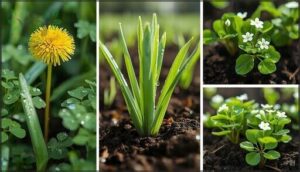
Recognizing the usual suspects in your spring garden starts with understanding weed life cycles and growth patterns. Common spring weeds like dandelions, crabgrass, and broadleaf weeds emerge based on soil preferences and seed dispersal patterns, each with distinct weed classifications:
- Dandelions feature lobed leaves that clasp the stem with milky sap when broken
- Crabgrass creates light green, wide blades spreading across soil surfaces in clusters
- Clover forms low mats with three leaflets and small white flowers
Proper identification guides your spring weed control strategy effectively. Many of these weeds can be identified using key lawn weed characteristics.
Broadleaf Vs. Grassy Weeds

Understanding the difference between broadleaf weeds and grassy weeds shapes your entire spring weed prevention strategy, since each type requires distinct control approaches based on leaf anatomy and root systems.
Broadleaf weeds display wide leaves with branched veins and taproots, while grassy weeds feature narrow, parallel-veined blades with fibrous root systems. This weed classification determines whether you’ll need broadleaf-specific or preemergent herbicides for effective weed identification and control.
Why Weed Identification Matters

Accurate weed identification transforms guesswork into targeted action, letting you match the right removal method to each species’ vulnerabilities while preserving your lawn’s ecosystem balance. When you understand common weeds through weed recognition apps or field guides, you can:
- Select herbicides that match specific weed life cycles without harming desirable plants
- Time preemergent applications to interrupt seed bank management cycles
- Choose manual versus chemical control based on root structure
- Monitor soil health indicators that certain weeds reveal
- Practice natural weed management that fosters beneficial organisms
Preventing Weeds Before They Appear
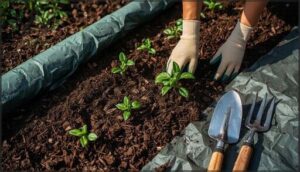
The best defense against spring weeds is stopping them before they take root.
The best defense against spring weeds is preventing them from taking root in the first place
A combination of soil treatments, physical barriers, and strategic planting creates conditions where weeds struggle to establish themselves while your desired plants thrive.
Here’s how to build that protective foundation in your garden.
Pre-Emergent Treatments and Timing
Think of preemergent herbicide as an invisible shield that stops weed germination before it starts.
Pairing it with thick overseeding creates a powerful lawn care and gardening strategy that chokes out weeds naturally while reducing your reliance on chemicals.
You’ll apply products containing prodiamine when soil temperature reaches 55°F, which usually occurs in early spring, creating a barrier formation in the top soil layer. This residual activity persists for weeks, making application timing critical—too late and weeds break through, too early and effectiveness diminishes before peak weed control season arrives.
Both granular and liquid options provide effective weed control methods for gardeners looking to prevent unwanted growth.
Mulching Techniques and Materials
Mulch layering transforms bare soil into a weed-blocking fortress. You’ll apply organic mulches like aged wood chips or straw at 2 to 4 inches depth to suppress weed germination while improving soil temperature stability.
Inorganic mulches, including landscape fabric and soil-covering tarps, provide long-term weed suppression without adding nutrients. Choose organic options when you want fertility enhancement alongside control.
Overseeding and Dense Planting
Dense planting creates a living barrier that starves weeds of light and space. You’ll overseed with fescue or compatible grass species to boost turf density, transforming thin patches into thick, competitive ground cover that discourages weed establishment.
- Select certified seed blends matching your region’s climate for ideal lawn health
- Perform soil aeration before seeding to improve root penetration and moisture infiltration
- Apply 5 to 10 pounds of seed per thousand square feet during early fall or spring
- Maintain light, frequent watering for 10 to 21 days to support germination
- Expect weed suppression rates up to 70 percent as density increases through lawn renovation
Lawn Maintenance for Weed Prevention
Your lawn’s defense starts with consistent care routines that keep grass vigorous and weed seeds struggling. Maintain mowing high at 2.5 to 3.5 inches to shade soil, pair that with deep weekly watering delivering 1 inch, and schedule soil aeration plus balanced fertilizer application every spring.
This turf management trio creates dense coverage that crowds out invaders naturally, making weed prevention your lawn’s built-in advantage.
Effective Spring Weed Removal Methods
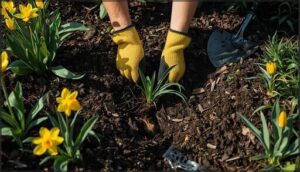
When weeds have already taken hold in your garden, you’ll need to shift from prevention to active removal. The methods you choose will depend on the type of weeds you’re facing, the size of the infestation, and your preferred approach to garden management.
Here are four proven techniques that will help you reclaim your spring garden from unwanted invaders.
Manual Removal: Hand-Pulling and Tools
Hand-pulling remains the most reliable weed extraction method when you grasp each plant at its base and apply steady upward pressure to keep root removal intact.
Work with moist soil for easier loosening, then use a hand tool like a hori hori knife or weeding fork to lift stubborn taproots without excessive soil disruption—ergonomic weeding tools reduce strain during extended sessions.
Natural Weed Killers: Vinegar, Boiling Water
Household vinegar with 5 percent acetic acid offers limited vinegar efficacy on mature weeds, though 20 to 30 percent concentrations improve weed burn on young annuals when you spray leaves thoroughly on sunny days.
Boiling water sterilizes surface soil and kills shallow roots instantly, making both organic alternatives effective for spot treatment—just remember that neither solution provides lasting soil recovery or prevents regrowth from deep perennial taproots.
Selective Herbicide Use and Safety
Selective herbicides like 2,4-D and prodiamine distinguish between broadleaf invaders and your grass, but application timing determines success—post-emergent herbicide works when weeds are young, while pre-emergent formulas require soil contact before germination.
- Wear chemical-resistant gloves and long sleeves during herbicide application to minimize skin exposure
- Apply on calm days when wind speeds stay below 5 mph to guarantee spray drift prevention
- Confirm grass compatibility on the product label to avoid turf injury and herbicide resistance buildup
Re-Seeding and Soil Restoration After Removal
After clearing problem plants, you’ll need to restore soil health before new grass takes hold. Till topsoil 4 to 6 inches deep, then work in 2 to 4 inches of compost to boost nutrient balance and microbial activity. Seed selection matters—choose locally adapted species and sow when soil temperatures reach 50 to 60 degrees Fahrenheit for ideal germination.
| Restoration Timing | Soil Preparation Techniques |
|---|---|
| Early spring seeding | Till 4-6 inches deep, test pH 6.0-7.5 |
| Soil Amendment phase | Add 2-4 inches compost or aged manure |
| Erosion Control setup | Apply straw mulch, install biodegradable mats |
| Post-seeding care | Water 2-3 times weekly, monitor germination |
Light irrigation 2 to 3 times per week encourages deeper root systems, while erosion control measures like straw mulch stabilize sloped areas. Soil aeration and proper drainage prevent waterlogging, and these soil improvement techniques set the stage for dense, weed-resistant turf within 6 to 12 weeks.
Top 5 Products for Spring Weed Control
The right tools and materials can make the difference between a garden that’s constantly battling weed barriers and one where prevention works alongside targeted removal. While your strategy matters most, certain products perform the heavy lifting when you’re establishing weed barriers, extracting stubborn roots, or maintaining soil coverage throughout the season.
Here are five essential items that address prevention, removal, and protection—covering the full spectrum of spring weed control needs.
1. Organic Premium Garden Mulch Mix
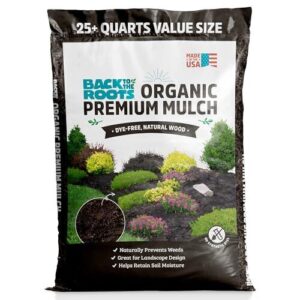
Organic premium garden mulch mix combines aged wood fibers with compost-enriched material, suppressing weeds by blocking sunlight while gradually breaking down to feed soil microbes and release nutrients.
You’ll reduce watering frequency by 20 to 40 percent during hot months, as this protective layer prevents surface evaporation and maintains consistent moisture around roots.
Apply a 2- to 3-inch depth over your beds, keeping mulch away from stems to prevent rot, and replenish annually to sustain coverage and weed control effectiveness throughout the growing season.
| Best For | Gardeners seeking an eco-friendly mulch that suppresses weeds and enriches soil while reducing watering needs in raised beds, containers, or ground plantings. |
|---|---|
| Primary Use | Weed suppression |
| Material | Organic wood/compost |
| Application Method | Spread 2-3 inches deep |
| Durability | Requires annual replenishment |
| Price Point | $28.99 |
| Maintenance | Replenish annually |
| Additional Features |
|
- 100% organic and peat-free formula made from upcycled U.S. materials supports sustainable gardening practices
- Reduces watering frequency by 20-40% through moisture retention and includes yucca extract for enhanced water control
- Enriched with dolomitic limestone and gypsum to balance pH and improve nutrient absorption for healthier plant growth
- Higher price point at $28.99 compared to similar mulch products available at local garden centers
- 25.7-quart volume may not provide adequate coverage for larger garden areas or multiple applications
- Packaging durability issues during shipping can result in damaged or torn bags upon delivery
2. Heavy Duty Weed Control Fabric
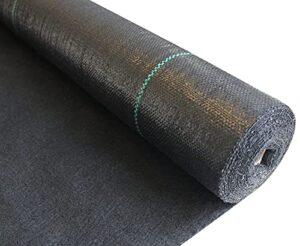
Heavy duty weed control fabric, woven from UV-stabilized polypropylene at 100 to 125 gsm, blocks sunlight while permitting water and nutrients to reach soil beneath.
You’ll cut it to custom shapes with standard scissors, overlap edges by at least 20 cm for continuous suppression, and cover with gravel or mulch to anchor the material.
This permeable barrier withstands pedestrian traffic under paths, patios, and driveways, delivering seasons of weed control without chemicals when properly installed.
| Best For | Gardeners and landscapers who need reliable, long-term weed suppression in high-traffic areas like paths and patios without using chemicals. |
|---|---|
| Primary Use | Weed barrier |
| Material | UV-stabilized polypropylene |
| Application Method | Cut and overlap edges |
| Durability | Multiple seasons |
| Price Point | Higher than basic options |
| Maintenance | Cover with mulch/gravel |
| Additional Features |
|
- Blocks weeds effectively while letting water and nutrients through to the soil
- Easy to install—just cut with regular scissors and overlap the edges
- Durable enough to handle foot traffic and lasts multiple seasons
- Costs more than basic weed barrier options
- Weeds can sometimes push through if not covered properly with mulch or gravel
- Quality might vary compared to cheaper alternatives
3. Heavy Duty Garden Hand Fork
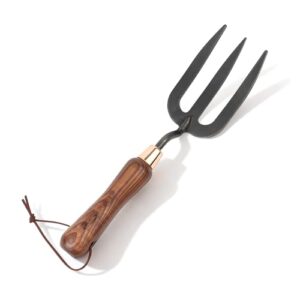
Fabric alone won’t defeat weeds in established beds, so you’ll need a tool that penetrates compacted soil without bending.
Restmo’s carbon-steel hand fork features four to five inch tines spaced at 1.5-inch intervals, delivering effective aeration and weed extraction in raised vegetable beds and community gardens.
The D-shaped hardwood handle aligns your wrist naturally during digging, while sharpened pointed tips lift dense clumps with minimal effort.
Clean the polished head after each session and apply light oil to maintain the rust-resistant coating through seasons of transplanting and soil preparation.
| Best For | Gardeners working with compacted soil in raised beds who need a durable tool for transplanting, weeding, and breaking up clay without constant replacement. |
|---|---|
| Primary Use | Soil aeration/weeding |
| Material | Carbon steel |
| Application Method | Manual digging/forking |
| Durability | Rust-resistant with maintenance |
| Price Point | Not specified |
| Maintenance | Clean and oil regularly |
| Additional Features |
|
- Carbon steel tines with sharpened tips cut through hard soil and dense clumps more effectively than standard hand forks
- D-shaped hardwood handle reduces wrist strain during extended digging sessions
- Polished finish resists rust when maintained with light oil between uses
- Heavy weight can cause hand and arm fatigue during longer gardening sessions
- Requires regular cleaning and oiling to prevent rust, unlike stainless steel alternatives
- Not ideal for users with arthritis or grip strength issues due to weight and manual operation
4. Sturdy Garden Hori Hori Knife
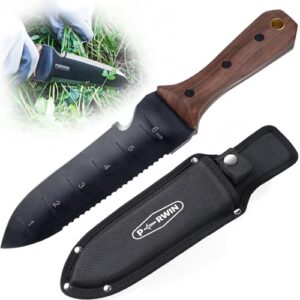
You’ll encounter persistent taproots and wiry rhizomes that resist ordinary hand tools, which is why a hori hori knife becomes essential for spring weed warfare.
This 12.1-inch Japanese-inspired blade combines a serrated edge for sawing through compacted roots with a straight edge that slices cleanly through soil and sod, while depth markings guide accurate bulb placement.
The full-tang stainless steel construction withstands leverage against stubborn dandelion taproots, and the included sheath with belt loop keeps the sharp seven-inch blade safe between digging sessions.
| Best For | Gardeners who need a versatile tool for tackling tough weeds with deep taproots, transplanting bulbs at precise depths, and handling various outdoor tasks from spring cleanup to camping trips. |
|---|---|
| Primary Use | Deep weed removal |
| Material | Stainless steel |
| Application Method | Manual cutting/digging |
| Durability | Full-tang construction |
| Price Point | Not specified |
| Maintenance | Sharpen blade as needed |
| Additional Features |
|
- Multi-edge blade design handles everything from sawing through thick roots to clean soil cuts
- Built-in depth markings take the guesswork out of planting bulbs and seedlings
- Durable full-tang construction with protective sheath makes it reliable for heavy-duty digging
- Some users report the blade arrives less sharp than expected and needs honing
- Sheath only has a belt loop with no clip option for alternative carrying methods
- At 1.1 pounds, it may feel heavy during extended use or for those preferring lighter tools
5. Leather Gardening Work Gloves Women

Your hands deserve protection when wrestling weeds from damp spring soil, and these microfiber leather gloves deliver essential defense without sacrificing dexterity.
The reinforced palm provides secure grip on wet stems and thorny runners, while the breathable back fabric prevents sweat buildup during extended weeding sessions.
At $12.99, the anti-scratch construction shields your fingers from sharp edges and abrasive roots, and the elastic wrist design keeps soil from sliding inside while you’re pulling persistent dandelion taproots.
| Best For | Gardeners who need affordable hand protection for light to medium-duty tasks like weeding, pruning, and planting without breaking the bank. |
|---|---|
| Primary Use | Hand protection |
| Material | Microfiber leather synthetic |
| Application Method | Wear during tasks |
| Durability | Abrasion resistant |
| Price Point | $12.99 |
| Maintenance | Hand wash |
| Additional Features |
|
- Microfiber leather palm offers excellent grip on wet tools and slippery stems while remaining flexible enough for delicate work
- Breathable back fabric keeps hands comfortable during long gardening sessions by preventing sweat buildup
- Elastic wrist design stops dirt and debris from getting inside the gloves while you work
- Synthetic material may not hold up as well as genuine leather for heavy-duty or prolonged use
- Sizing can be inconsistent, with some users finding the fit either too tight or too loose
- Not compatible with touch screens, so you’ll need to remove them to check your phone
Frequently Asked Questions (FAQs)
How to stop weeds from growing in spring?
Apply pre-emergent herbicides when soil temperatures reach 55 to 60 degrees Fahrenheit, creating a chemical barrier that prevents weed seeds from germinating while they’re still dormant in your topsoil.
What will kill weeds but not garden plants?
You can use mulching, hand weeding, hot water applications, mechanical cultivation, or solarization to eliminate weeds without harming your garden plants, as these methods target unwanted vegetation while protecting desirable species through precise application.
How to get rid of weeds in March?
March is the time to act before weeds take hold. Pull existing weeds by hand after rain, apply pre-emergent herbicide when soil reaches 50 degrees Fahrenheit, and mulch bare spots immediately.
What can I do in the fall to prevent weeds in the spring?
Fall prep pays off big. Mulch bare soil 2 to 4 inches deep, overseed thin spots with competitive grasses, and apply pre-emergent herbicides before soil temps drop below 50°F.
What weed control to use in spring?
When soil temperatures hit 55 degrees, you’ll need pre-emergent herbicides to stop crabgrass before it germinates, then spot-treat existing broadleaf weeds with selective herbicides once they’re actively growing.
What is the best thing to kill weeds but not grass?
Selective broadleaf herbicides containing 2,4-D target dandelions and clover while preserving cool-season grasses when you apply them between 60 and 85°F, ensuring dense turf outcompetes future weed invasions naturally.
What is the best defense against weeds in your vegetable garden?
Your strongest shield against vegetable garden weeds is dense planting combined with a 3 to 4 inch organic mulch layer, which blocks sunlight and reduces weed emergence by up to 80 percent.
What time of year should I start weeding?
You should start weeding in early spring, once the soil thaws and reaches 50 to 60 degrees Fahrenheit, before perennial weeds store energy and annual weeds set seed.
How often should I weed my garden?
Weeding is a marathon, not a sprint, so you’ll need to tackle your garden every 1 to 2 weeks during spring when weeds emerge quickly as soil temperatures rise.
Which weeds are hardest to control naturally?
Perennial invaders like bindweed, quackgrass, and creeping thistle prove toughest to eliminate naturally because their extensive root systems and underground rhizomes regenerate from tiny fragments, demanding persistent, multi-season removal efforts.
Conclusion
Imagine ignoring spring garden weed control methods and waiting until July, when dandelions have colonized your flower beds and crabgrass has formed a botanical dictatorship across your lawn—a truly foolish strategy for those who enjoy unnecessary labor.
Your garden reacts to early intervention the way a ship reacts to a minor leak: fix it now or bail water all season. The weeks you invest in March and April determine whether you’ll garden peacefully or wage war against vegetation that doesn’t respect boundaries.
- https://amberstudent.com/blog/post/research-topics-for-students
- https://edubirdie.com/blog/100-research-paper-topics
- https://www.ncbi.nlm.nih.gov/books/NBK481583/
- https://digitalcommons.library.umaine.edu/cgi/viewcontent.cgi?article=1752&context=univ_publications
- https://www.mediresonline.org/article/effect-of-hand-frequency-weeding-on-crop-growth-parameters-and-yield