
This site is supported by our readers. We may earn a commission, at no cost to you, if you purchase through links.
Plant tomatoes in the same bed three years running, and corn rootworm populations barely blink—they’ve already built a home there. Move that same crop just one plot over, and populations can drop up to 80% in a single season. That’s the quiet power soil forgets to advertise.
Most gardeners rotate crops by instinct, not strategy, then wonder why yields stall or disease keeps returning. Planning a crop rotation schedule isn’t guesswork—it’s matching plant families, nutrient demands, and root depths to a sequence your soil actually rewards.
Get the order right, and you’re looking at 20% higher yields, sturdier soil structure, and pest pressure cut by more than half.
Table Of Contents
- Key Takeaways
- Crop Rotation Planning Basics for Healthier Soil
- How to Design a Crop Rotation Schedule
- Record-Keeping Tools for Rotation Success
- Adapting Crop Rotation to Your Garden
- Top 6 Products for Effective Crop Rotation
- Frequently Asked Questions (FAQs)
- What is the best crop rotation schedule?
- How do I plan a crop rotation strategy?
- How often should farmers rotate crops?
- What vegetables do not need to be rotated?
- How do I handle perennial crops in my rotation plan?
- Can I rotate crops in containers or raised beds?
- How do weather patterns affect my rotation schedule?
- Should I use cover crops between rotation cycles?
- Can I rotate crops in containers or pots?
- What if I only have two garden beds?
- Conclusion
Key Takeaways
- Moving crops to a different bed just one season can cut pest populations like corn rootworm by up to 80%, since pests can’t find their preferred host plants.
- Grouping crops by plant family (like legumes, brassicas, and nightshades) and sequencing heavy feeders before light feeders keeps nutrient demands balanced and breaks disease cycles.
- Rotating crops instead of planting the same bed repeatedly can boost yields around 20% while also improving soil structure, water retention, and organic matter.
- Keeping detailed records—garden maps, planting logs, and annual soil tests—turns rotation from guesswork into a reliable system that improves results year after year.
Crop Rotation Planning Basics for Healthier Soil
Planting the same bed year after year isn’t just habit—it’s a slow drain on your soil. Rotation fixes that by working with plant biology instead of against it. Here’s what you need to know before you build your schedule.
Grouping crops by family and rotating them through your beds each season keeps pests guessing and nutrients balanced, and this guide to proven crop rotation strategies for healthier soil walks you through building a schedule that fits your garden.
Soil Health Benefits
Plant the same bed year after year, and you’re mining soil, not building it. Rotation reverses that: soil organic matter climbs, microbial biomass rises, and water retention improves. Erosion drops by up to 60%. Nutrient levels rebound too—iron up 27%, magnesium 17%—while better soil structure and crop diversity push yields roughly 20% above monoculture.
Rotating crops instead of repeating them can boost yields roughly 20% above monoculture while rebuilding soil health
Healthy soils support essential functions like nutrient cycling and decomposition.
Crop Family Rotation
Those gains start with family grouping strategy: sorting crops by botanical family—Fabaceae, Solanaceae, Brassicaceae—not just species.
Legumes fix nitrogen, cutting synthetic nitrogen reliance. Rotating families disrupts pest cycles tied to one host and varies root depth contrast, improving structure.
Track placements in a garden log; planting history guides next season’s sequence, keeping nutrient balance and soil health on track.
Nutrient Demand Groups
Family grouping covers structure, but nutrient draw is its own layer. Nitrogen hungry crops like brassicas need 30g/m² a season—true heavy feeders. Phosphorus demanding plants lean on mycorrhizal partners; potassium dependent crops pull hardest at fruiting. Calcium requiring vegetables fend off blossom end rot. Sulfur needy crops round out the match. Match these to your planting history, and nutrient balance stops being guesswork.
Pest Cycle Disruption
Nutrient math is only half the equation—pests exploit weak rotations fast. Rotating tomatoes starves soil-dwelling larvae; corn rootworm drops 80% after one off-season.
Layer in pheromone dispenser placement, biological controls like parasitoid beetles, and habitat interruption via barrier plants. Combined with cultural practice connection, pest pressure falls up to 55%, breaking pest cycles before they compound.
Yield and Soil Structure
Because rotation rebuilds soil structure, roots dig deeper and water moves where it should. Bulk density below 1.4 g/cm³ and macroporosity over 10% boost drainage, root penetration, and yields by 20%.
Better aggregation means faster infiltration, less crusting, more reliable harvests. Track structure alongside your crop rotation schedule—soil fertility and yield gains follow the same nutrient cycling logic driving everything else.
How to Design a Crop Rotation Schedule
Random planting is a habit, not a strategy: your soil deserves better. Building a real rotation schedule takes five concrete steps, each one grounded in what your garden’s already telling you. Here’s how to turn that scattered planting history into a system that works for years, not just one season.
Map Garden Beds

Grab graph paper before you grab seed packets. A scaled garden map shows bed shapes, sun zones, paths, and soil type, so you place beds no wider than 4 feet with 12-inch walkways.
Label each bed, note soil layers and amendments, and mark rotation years. Date every revision—your plot mapping only works if it’s current.
List Current Crops

Inventory beats memory every time. Walk each bed and write down exactly what’s growing—Corn, Soybeans, Wheat, Potatoes, Lettuce—plus harvest dates.
- Bed number and current crop
- Planting date
- Expected harvest window
- Last soil testing result
This raw list becomes your planting history foundation. Skip it, and your next planting schedule repeats last year’s mistakes across the same garden beds.
Group by Plant Family

Same family, same problems—corn and wheat won’t clash, but two nightshades will.
| Family | Members |
|---|---|
| Legumes | Beans, peas |
| Brassicas | Cabbage, kale |
| Nightshades | Tomatoes, peppers |
Sorting your list by botanical families exposes hidden repeats, fuels a pest cycle break, and sets up real soil health gains before sequencing begins.
Sequence Soil Feeders

Below-ground crews matter as much as what’s on top: soil feeders like earthworms mineralize nutrients, mixing organic matter into subsoil.
Sequence by demand:
- Heavy feeders first, tapping fresh reserves
- Light feeders next, easing pressure
- Soil builders last, restoring organic matter cycling
This stabilizes soil life networks, syncs nutrient release timing, and keeps feeder population stability intact within your rotation schedule.
Choose Rotation Length

How long should a bed rest before replanting the same family? That’s your rotation length question, and it’s climate-dependent.
Cooler regions favor a four-year rotation for full pest-cycle disruption; small gardens often manage on 12–18 months. Match length to bed turnover rate and soil recovery time, adjusting seasonally as pest pressure or nutrient tests dictate.
Record-Keeping Tools for Rotation Success

A rotation plan is only as good as your memory—and memory fades fast after three growing seasons. Good records turn guesswork into a system you can trust, tracking every bed, test, and harvest. Here are the five tools that keep your rotation on solid ground.
Planting History Logs
Memory fades; your garden log won’t. Every crop rotation schedule lives or dies by planting history: dates, bed codes, seed sources, germination notes.
Use a consistent log format template with a clear bed labeling system—consistency check your entries yearly.
Track anomalies, yields, and seasonal trend analysis together.
That record keeping habit protects soil health and sharpens next year’s rotation decisions.
Annual Soil Testing
Logs tell you what you planted. Soil testing tells you what’s actually left behind.
Run annual soil testing before major plantings, checking:
- Soil pH testing and buffer pH for lime needs
- Nutrient level analysis — N, P, K, zinc, boron
- Organic matter assessment for structure and holding capacity
- Salinity measurement and texture evaluation for root zones
Sandy beds need more frequent checks than clay.
Garden Mapping Tools
Numbers on a soil test mean little without a map showing where each bed sits. Garden mapping tools turn rotation sequences visual: grid layouts, bed labeling systems, and layered map visualization separating paths from irrigation.
Add QR code use for instant crop history, data export options for records, and offline mobile access for fieldwork — precision planning your soil health depends on.
Pest and Disease Tracking
Your map shows where problems started; a weekly scouting schedule shows where they’re headed. Rate each bed’s disease severity 1–5, track pest population trends, and map spatial patterns to catch outbreaks early.
- Log intervention effectiveness
- Flag recurring hotspots
- Compare against prior seasons
This data drives real disease prevention and integrated pest management — including biological pest control — before pest pressure builds.
Yield Comparison Notes
Numbers don’t lie: normalize every harvest to yield per square foot, then stack seasons side-by-side.
Track Rotation Yield Gains against monoculture baselines—expect 10-15% jumps.
Note the Nutrient Yield Link: legume-preceded beds outperform by 21%.
These yield comparison notes reveal which crop families and nutrient demands actually move your numbers.
Adapting Crop Rotation to Your Garden
Textbook rotation plans assume acres you don’t have. Your garden has its own rules — tight beds, weird microclimates, a learning curve full of trial and error. Here’s how to adjust the system without losing its benefits.
Small-space Rotations
Tight on square footage? Rotation still works—just shrink the scale. Try:
- Bed footprint optimization by grouping families tightly
- Container rotation planning for movable soil recovery
- Microclimate crop pairing near walls or fences
- Succession planting strategies every 6–12 weeks
- Soil recovery scheduling across three-plus beds
Small-space rotations demand the same discipline as field systems, just condensed.
Raised Bed Planning
Since raised beds isolate soil, they demand deliberate rotation math. Aim for bed depth of 12 inches for root crops, 6 for others.
Build your soil mix from equal parts compost, topsoil, and aged manure. Plan sunlight exposure at 6-8 hours daily, set up drip irrigation, and consider 24-inch accessibility height to protect your back while running rotation sequences by plant family.
Cover Crop Integration
Bare soil between rotations wastes a growing window. Slot cover crops into that gap and you’re stacking benefits: legumes fix 40-120 lbs nitrogen/acre, cereal rye scavenges leftover nutrients, cutting leaching 40%. Roots build aggregate stability and infiltration; biomass adds 0.5-1.5% organic matter over seasons.
Terminate 3-4 weeks before planting—timing decomposition to feed your next cash crop, not compete with it.
Seasonal Climate Adjustments
Your rotation schedule isn’t fixed in stone—weather rewrites it yearly. Track frost date monitoring and rainfall pattern shifts before locking sequences in.
- Adjust planting windows for temperature swings
- Watch late frosts delaying warm-season starts
- Shift wet-season crops around rainfall changes
- Use microclimate utilization for frost pockets
- Match soil health data to seasonal planting
Flexibility protects yield improvement when climate refuses to cooperate.
Common Rotation Mistakes
Five mistakes wreck most rotation plans: nutrient imbalance, pest carryover, poor family grouping, soil compaction, and recordkeeping gaps.
| Mistake | Cause | Fix |
|---|---|---|
| Pest carryover | Same family repeats | 3-4 year gaps |
| Compaction | Repeated bed traffic | Rotate root depths |
| Recordkeeping gaps | No planting logs | Track every season |
Skip these, and pest pressure drops while soil health climbs season after season.
Top 6 Products for Effective Crop Rotation
A good rotation plan is only as strong as the tools and inputs backing it up. Fertilizers, soil amendments, and tracking systems each play a role in keeping your beds on schedule and your nutrients balanced. Here are six products worth adding to your setup.
1. Fresh Halved Brussels Sprouts Bag
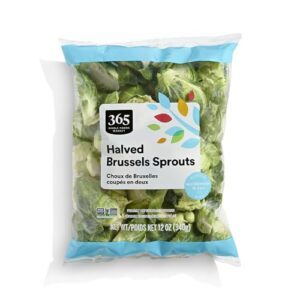
Brassicas earn their keep in any rotation, and this 12-ounce bag proves it. Pre-halved and washed, it cuts prep work while delivering 60-70% of your daily vitamin C per cup, along with fiber, potassium, and iron.
As a heavy nitrogen feeder needing roughly 30g/m² per season, brussels sprouts should follow legumes or light feeders like alliums—never repeat brassicas in the same bed. Why? Rotating them starves out clubroot and other brassica-specific pathogens lurking in soil.
Keep the bag refrigerated at 32-40°F and use it within 3-5 days; texture and flavor fade fast otherwise. Check for firm, tight buds and bright green color before cooking. Roast, steam, or air fry—just plan the planting sequence first.
| Best For | This product is best for busy home cooks and health-conscious snackers who want a quick, nutritious vegetable option without the hassle of manual prep. |
|---|---|
| Product Type | Fresh Produce |
| Organic Status | Not Specified |
| Rotation Role | Heavy Feeder Crop |
| Application Method | Cook/Eat |
| Package Size | 12 Ounces |
| Ideal User | Busy Home Cooks |
| Additional Features |
|
- Pre-halved for immediate use, saving time in the kitchen
- Versatile enough to roast, air fry, steam, or eat raw as a snack
- Freshly selected and stored to high quality standards
- Still requires washing before eating, even though it’s pre-cut
- Not ideal for long-term storage, so it needs to be used within a few days
- Size and texture can vary since it’s a natural produce item
2. Organic Fish Emulsion Plant Fertilizer
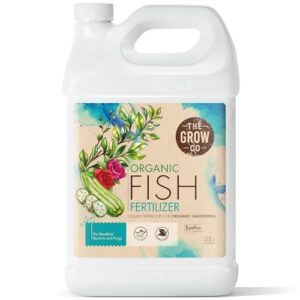
Heavy feeders like brussels sprouts leave soil hungry, and that’s where fish emulsion earns its place in the sequence. Made from whole fish using a cold-pressed process, it retains amino acids and trace minerals synthetic blends strip out.
Its 2-3-1 NPK ratio feeds gently, delivering nitrogen in the 2-4% range plus micronutrients like zinc and boron that fuel flowering and root growth. Dilute at 1-2 tablespoons per gallon, then apply weekly as a soil drench or foliar spray.
Yes, the odor is strong—that’s proof it’s undiluted. Regular feeding builds microbial populations that keep releasing nutrients long after you’ve watered it in, supporting whatever heavy feeder comes next in rotation.
| Best For | Gardeners who want a gentle, organic fertilizer to feed heavy-feeding vegetables and flowering plants without risking root burn. |
|---|---|
| Product Type | Liquid Fertilizer |
| Organic Status | Organic |
| Rotation Role | Fast Nutrient Feed |
| Application Method | Drench or Spray |
| Package Size | Not Specified |
| Ideal User | Organic Gardeners |
| Additional Features |
|
- Cold-pressed process retains amino acids, vitamins, and trace minerals that support healthy plant growth
- Versatile enough to use as a soil drench or foliar spray on both indoor and outdoor plants
- Gentle 2-3-1 NPK ratio makes it safe for frequent, light applications without burning roots
- Strong fishy odor can be unpleasant, especially when used indoors
- Requires dilution before every use, adding an extra step compared to ready-to-apply products
- Thin consistency means it may not cling well to leaves or surfaces during foliar application
3. Espoma Rock Phosphate Organic Plant Fertilizer
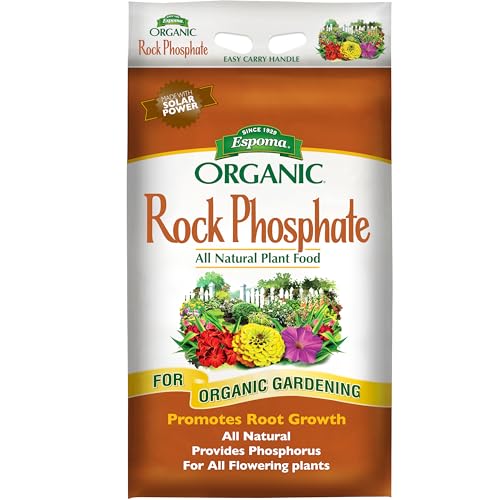
Fish emulsion feeds fast; rock phosphate plays the long game. Espoma’s formula draws phosphorus from natural rock deposits, roughly 3% available phosphate with total phosphate near 24%, releasing slowly over 5-10 years as roots demand it.
That patience suits perennial beds and heavy bloomers like dahlias and tomatoes, where strong root systems mean better drought tolerance and higher yields.
Work 2.5 pounds into established beds per 100 square feet, or 4 teaspoons per planting hole, then water thoroughly. Pelletized for less dust, it’s organic-certified and safe around pets—one more layer in your rotation’s nutrient foundation.
| Best For | Organic gardeners growing heavy-feeding perennials like dahlias and tomatoes who want a long-term, slow-release phosphorus source rather than a quick fix. |
|---|---|
| Product Type | Soil Amendment |
| Organic Status | Organic-Certified |
| Rotation Role | Slow Nutrient Feed |
| Application Method | Work Into Soil |
| Package Size | 2.5 lbs per 100 sqft |
| Ideal User | Perennial Growers |
| Additional Features |
|
- Natural, organic phosphorus source derived from phosphate rock
- Pelletized form cuts down on dust and makes soil application easier
- Long-lasting nutrient supply that feeds soil for 5–10 years
- Slow-release formula means it won’t correct deficiencies quickly
- Needs to be ground into powder for fine uses like soil block mixtures
- Not suitable if you need fast-acting fertilization
4. Gardening Log Book Planner
Rock phosphate feeds your soil for a decade—but only if you remember where you put it. That’s where a gardening log book planner earns its keep.
This 169-page tool tracks planting dates, bed locations, and yields, with 100 log pages plus seed inventory and companion planting charts built in. A year-at-a-glance layout and monthly watering tracker keep sequencing decisions grounded in real history, not memory.
Garden logs cut planning errors by up to 15%. Pair yours with soil tests and pest notes, and rotation stops being guesswork.
One catch: pages aren’t reusable past a single season, so budget for a fresh copy yearly.
| Best For | Gardeners who want a simple, paper-based way to track plantings, watering, and yields season after season. |
|---|---|
| Product Type | Planner Book |
| Organic Status | Not Applicable |
| Rotation Role | Planning Tool |
| Application Method | Hand Written Entries |
| Package Size | 169 Pages |
| Ideal User | Garden Record Keepers |
| Additional Features |
|
- 100 dedicated log pages plus seed inventory and companion planting charts keep growth and care details organized in one place
- Year-at-a-glance layout and monthly watering tracker make it easy to spot patterns and plan ahead
- Compact 6×9 size with a built-in ruler makes it handy to bring right out into the garden
- Calendar pages are only good for one season, so you’ll need a new copy every year
- Some users report thin, low-quality paper and print that can look pixelated
- No digital sync or app option, so all entries have to be done by hand
5. Andersons HumiChar Organic Soil Amendment
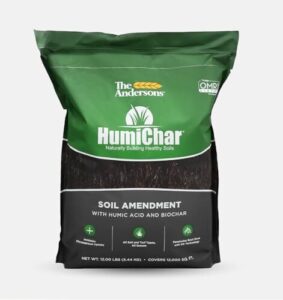
Once your log shows which beds are worn thin, HumiChar rebuilds them from the ground up. This amendment blends 50% humic acid with 50% biochar, using Dispersible Granule Technology to break down fast and push nutrients straight to the root zone—no tilling required.
The humic acid goes to work immediately, improving chelation and nutrient exchange. Biochar plays the long game, anchoring soil structure and water retention for decades. Together, they raise microbial activity and cut your dependence on synthetic fertilizer.
At 12 pounds per bag and OMRI listed for organic use, it’s a solid rotation-cycle investment—just skip it if you’re gardening in California or Oregon.
| Best For | Gardeners and homeowners with sandy or clay soil who want to improve long-term soil health and reduce their reliance on synthetic fertilizers. |
|---|---|
| Product Type | Soil Amendment |
| Organic Status | OMRI Listed |
| Rotation Role | Soil Rebuilder |
| Application Method | No-Till Application |
| Package Size | 12 Pounds |
| Ideal User | Sandy/Clay Soil Owners |
| Additional Features |
|
- Combines 30% humic acid and 43% biochar for both immediate nutrient exchange and lasting soil structure
- Dispersible Granule Technology allows fast breakdown and deep soil penetration without tilling
- OMRI listed, so it’s safe for organic gardening and can be used alone or blended with fertilizer
- Not available for purchase in California or Oregon
- Costs more than many other soil amendment options
- Needs consistent, repeated applications across multiple seasons to see full benefits
6. Live Edible Herb Plant Assortment

Why not close the loop with something you actually eat? A live herb assortment rounds out your rotation the way alliums do—light feeders that add diversity without draining beds you’re trying to rebuild.
Six rooted plants ship straight from the greenhouse, arriving potted in soil and ready for windowsill or garden bed. Expect rosemary, mint, sage, oregano, or lemon balm, depending on the season—selection varies, so don’t count on a fixed lineup.
Give them 4-6 hours of sunlight and well-draining soil, then prune regularly. That harvest rhythm mirrors your rotation logic: take a little, let the rest regenerate.
| Best For | Beginner gardeners who want an easy, edible addition to their rotation without committing to a fixed variety lineup. |
|---|---|
| Product Type | Live Plants |
| Organic Status | Not Specified |
| Rotation Role | Companion Planting |
| Application Method | Pot and Plant |
| Package Size | 6 Plants |
| Ideal User | Beginner Gardeners |
| Additional Features |
|
- Six live plants arrive potted in soil and ready to plant indoors or out
- Works well for cooking, garnishes, and herbal uses right off the windowsill
- Light feeders that fit naturally into a bed-rebuilding rotation
- Plant varieties and sizes depend on seasonal availability, so you can’t pick your lineup
- Some shipments arrive with overwatering, mold, or pest issues
- Plants may need time to recover from shipping stress, and survival isn’t guaranteed
Frequently Asked Questions (FAQs)
What is the best crop rotation schedule?
A 3-to-5-year cycle works best: rotate heavy feeders, legumes, and light feeders across beds so no family repeats consecutively, cutting disease pressure and rebuilding nitrogen naturally between plantings.
How do I plan a crop rotation strategy?
Random planting is guesswork; a real strategy is deliberate design. Map your beds, group crops by family, sequence heavy feeders after legumes, then set a 3-4 year cycle to break pest patterns and rebuild fertility.
How often should farmers rotate crops?
Most beds need a break every three to four years, with intensive growers rotating each season. Your soil type and climate set the real cadence — test every 3–5 years and adjust before pest pressure or nutrient gaps creep back in.
What vegetables do not need to be rotated?
Picture asparagus crowns settling into one bed for fifteen years straight.
Perennials like asparagus, rhubarb, and established herbs stay put permanently. Garlic and onions often anchor dedicated beds for multiple seasons, too, since disturbing their root zones does more harm than good.
How do I handle perennial crops in my rotation plan?
Treat perennial phases as separate management blocks, since they’ll hold a field for years, not seasons. Where physical rotation isn’t practical, lean on cover crops or interseeding to protect soil health and disrupt pest cycles between plantings.
Can I rotate crops in containers or raised beds?
Yes, and disease drops sharply. Rotating by plant family in containers or raised beds cuts soilborne pathogens by 28–50%, even with partial soil swaps—fresh mix yearly plus a 3–4 year family gap keeps yields strong and stable.
How do weather patterns affect my rotation schedule?
Warmer springs shift planting windows and pest timing, cutting corn rotation gains up to 17%. Track soil temperature, not the calendar, and adjust sequences as rainfall and heat swings alter nutrient availability and disease pressure.
Should I use cover crops between rotation cycles?
Like a blanket tucked over tired ground, cover crops rebuild soil between cycles while they work. They boost organic matter 7–74%, add up to 3 bushels/acre in yield, and cut erosion—an easy win for your rotation plan.
Can I rotate crops in containers or pots?
Absolutely — swap plant families each season per pot, follow heavy feeders like tomatoes with light ones like leafy greens, and refresh potting mix yearly to prevent nutrient exhaustion and curb soil-borne disease buildup.
What if I only have two garden beds?
Two beds work fine: split heavy feeders from light feeders, then swap them each season. Bed A hosts tomatoes and corn while Bed B rests with legumes—nitrogen fixing gets the soil ready for next year’s rotation cycle.
Conclusion
Turning over a new leaf isn’t just a garden saying—it’s the whole strategy. Planning a crop rotation schedule rewards patience with measurable results: healthier soil, fewer pests, sturdier yields. Skip that planning, and you’re gambling on depleted beds and returning disease.
Map your families. Sequence your feeders. Log every result you see. Your soil remembers what you plant. Give it variety, and it pays you back—season after season, bed after bed.
- https://vlsci.com/blog/crop-rotation-benefits
- https://www.sound.ag/blog/crop-rotation-guide
- https://www.mdpi.com/2073-4395/15/8/1966
- https://www.sare.org/publications/crop-rotation-on-organic-farms/physical-and-biological-processes-in-crop-production/crop-rotation-effects-on-soil-fertility-and-plant-nutrition
- https://www.almanac.com/crop-rotation-101-tips-vegetable-gardens