This site is supported by our readers. We may earn a commission, at no cost to you, if you purchase through links.
Aphids find your roses by scent, not sight, and that’s the crack in their armor you can exploit. Swap a few ornamentals for the right herbs, alliums, or blooms, and you build a living barrier those pests want no part of. Garlic’s sulfur compounds throw off their sense of smell, while lavender’s oils overwhelm it, and neither one asks much of you as a gardener.
Better yet, plants that deter aphids naturally often do double duty, feeding your kitchen or drawing in ladybugs and hoverflies that finish the job. Here’s your lineup, from fragrant herbs to trap-crop flowers, and how to put each one to work.
Table Of Contents
- Key Takeaways
- Aromatic Herbs That Naturally Repel Aphids
- Allium Plants Aphids Tend to Avoid
- Flowering Plants for Natural Aphid Control
- Mint Family Plants That Deter Aphids
- Using Aphid-Deterring Plants Effectively
- Frequently Asked Questions (FAQs)
- What plants do aphids hate the most?
- How do you kill aphids but not plants?
- What kills aphids permanently?
- Does Dawn dish soap and water kill aphids?
- How long does it take for these plants to work?
- Can I use these methods in raised garden beds or pots?
- Do these plants also protect against other common pests?
- What time of year should I plant these deterrents?
- Conclusion
Key Takeaways
- Aphids hunt by smell, so strong-scented herbs like lavender, rosemary, and mint confuse them before they ever land on your plants.
- Alliums like garlic, onions, and chives release sulfur compounds that throw off aphids’ sense of smell while also boosting the health of nearby crops.
- Trap crops like nasturtiums and sunflowers lure aphids away from your prized plants, while sticky petunias physically snag pests before they spread.
- For lasting results, combine scent barriers, trap crops, and weekly bed inspections, since most plants take three to twelve weeks to show real pest-deterring effects.
Aromatic Herbs That Naturally Repel Aphids
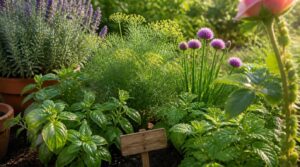
Aphids have a strong sense of smell, and that’s exactly where you can outsmart them. A handful of fragrant herbs work like tiny bodyguards, confusing pests before they ever land. Here are five aromatic all-stars worth tucking into your garden beds.
Rosemary, basil, mint, and lavender all pack a scent aphids hate, and pairing them with other natural methods for controlling aphids on indoor plants can keep your leafy friends pest-free year-round.
Lavender
That silvery-gray shrub isn’t just pretty in the border, it’s doing pest patrol. Lavender’s scent deterrence comes from linalool and linalyl acetate, oils aphids find overwhelming.
Give it full sun, gritty soil, and good drainage. Prune after blooming to keep growth bushy. Bees love the spikes, aphids don’t, and that’s companion planting working exactly as it should. Lavender belongs to the genus Lavandula in the mint family Lamiaceae Botanical Classification
Cilantro
From lavender’s oils to cilantro’s zesty punch, this herb pulls double duty in the garden. Its bright citrusy aroma confuses aphids while drawing hoverflies in for cleanup.
Grow it in cool soil, full sun, and watch it bolt fast once summer heats up.
- Bright flavor for salsas
- Fast growth, ready in weeks
- Bonus nutrients — vitamins A, C, K
Dill
Cilantro’s quick and zesty, but dill brings that classic anise-like aroma aphids just can’t stand. This feathery herb grows fast in full sun, reaching 45-90 cm tall.
Its yellow umbel flowers are a magnet for ladybugs and lacewings, natural aphid predators. Space plants well, though — crowded beds invite the very pests you’re trying to dodge.
Fennel
Dill’s cousin in looks, fennel one-ups it with a stronger anise punch from anethole and fenchone. This feathery, fern-like plant grows 1-2 meters tall with hollow stems.
Its yellow umbels bring in ladybugs and lacewings, aphids’ worst enemies. Fennel pairs well with:
- Dill
- Chives
- Nasturtiums
Just keep it clear of tomatoes and beans.
Rosemary
Crush a rosemary sprig and you’ll get why aphids steer clear—that piney, camphor-like punch is a genuine Rosemary Scent Barrier. As a sun-loving evergreen, rosemary offers real Rosemary Pest Resistance with barely any fuss.
Plant it near roses or brassicas for solid Rosemary Companion Planting. Bonus: dried sprigs and Rosemary Essential Oil Use bring that same aroma straight to your kitchen.
Keeping rosemary bushy and productive year-round comes down to timing, so check out this guide on pruning rosemary and other garden plants before you reach for the shears.
Allium Plants Aphids Tend to Avoid
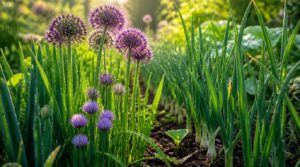
If herbs are your first line of defense, alliums are your backup squad, packing sulfur compounds that aphids just can’t stand. These plants work quietly in the background, tucked between rows or along borders, doing more than you’d expect. Here are five allium favorites worth adding to your garden lineup.
Garlic
Few plants pull double duty like garlic, feeding you while guarding your garden. Its sulfur compounds (allicin, diallyl disulfide) repel aphids naturally. Plant hardneck varieties in fall, softneck in early spring.
- Well-drained soil, full sun
- Store bulbs cool and dry for months
- Companion benefits boost nearby crops
- Pungent aroma deters pests
- Harvest when leaves brown
Chives
That mild onion bite in your favorite egg dish? It comes from a plant that’s quietly guarding your garden too. Chives use sulfur compounds for natural pest control, making them a top pick among Alliums.
Plant in full sun with well-drained soil, divide clumps every 2-3 years, and pair with roses or lettuce as reliable companion plants.
Onions
Same bulb that makes you cry can make aphids flee. Onion sulfur compounds disrupt their sense of smell, so pests skip right past.
Tuck onions between:
- Carrots
- Lettuce
- Roses
This onion companion planting trick pairs beautifully with Garlic, Chives, and other Alliums for layered, aroma-driven defense your whole bed will thank you for.
Leeks
No bulb, no problem. Leeks build their defense in a cylindrical white sheath, packing sulfur-scented layers that send aphids elsewhere.
Grow them for 90–120 days in rich, moist soil, hilling dirt around stems to blanch that tender white base.
Beyond pest control, you get fiber, vitamin K, and a sweet, mellow flavor perfect in soups.
Shallots and Scallions
Why choose one when your garden has room for both? Shallots cluster like garlic, sweet and mild, best raw in vinaigrettes. Scallions skip bulbing entirely, staying crisp and sharp for stir-fries.
Shallots keep for months in a breathable basket; scallions want the fridge and vanish within a week. Either way, aphids steer clear of these companion-planting allstars.
Flowering Plants for Natural Aphid Control

Herbs and alliums aren’t the only aphid fighters in your garden arsenal. Flowers pull their weight too, some by repelling pests outright and others by luring them away with clever trickery. Let’s look at five blooms that pull double duty, keeping your beds pretty and your aphids in check.
Marigolds
Bright and cheerful, marigolds earn their keep as natural aphid deterrents with musky-scented foliage pests avoid. French and African varieties both work, though French stay compact for borders. They prefer full sun and well-drained soil, and regular deadheading keeps blooms coming.
Root compounds even suppress nematodes—a nice bonus for organic gardening and attracting beneficial insects.
Nasturtiums
Nasturtiums work differently than marigolds—instead of repelling aphids, they lure them away as a classic trap crop. Aphids flock to their peppery leaves, sparing nearby vegetables.
Nasturtiums lure aphids to their peppery leaves, sacrificing themselves to spare nearby vegetables
Plant them near roses or lettuce for smart aphid diversion. Bonus: leaves and flowers are edible, watercress-like, and bees love the blooms too.
Petunias
Trap crops aren’t the only trick—petunias fight back with sticky glandular leaves that snag aphids before they spread. Grown 6-12 inches tall in full sun, these funnel-shaped bloomers reward deadheading with nonstop color.
Pair them with lobelia or calibrachoa for a garden defense that’s sneaky but stylish, trapping whiteflies and thrips too.
Calendula
Sticky stems aren’t calendula’s only trick—this cheerful bloomer earns its keep as a multi-purpose companion plant, trapping aphids while doubling as medicine. Petals support wound healing and calming skin benefits, plus they’re edible, garnish-worthy.
- Easy, drought-tough blooms
- Skin-soothing salve ingredient
- Aphid-trapping pest deterrent
- Pollinator-friendly color all season
Sow seeds after frost for a low-fuss, beneficial-insect magnet.
Sunflowers
Giants of the garden, sunflowers pull double duty as living aphid traps and pollinator magnets. Their bristly stems and towering height (up to 3.5 meters) draw bees while luring aphids away from vulnerable crops.
Let heads mature fully—yellowed backs mean seeds are ready. Plant near vegetables for garden biodiversity and steady beneficial insect traffic all season.
Mint Family Plants That Deter Aphids
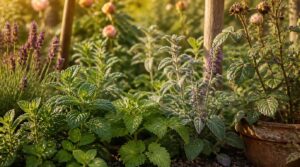
The mint family brings some of the toughest aphid fighters to your garden, and their scent does most of the heavy lifting. You’ll find these plants easy to grow, though a few need boundaries to keep them from taking over. Here are five mint relatives worth planting for aphid control.
Catnip
Cats aren’t the only ones who notice catnip. This mint family member, Nepeta cataria, packs nepetalactone-rich essential oil that aphids find repellent while luring hoverflies and parasitic wasps to your beds.
Give it full sun and well-drained soil, and it’ll reach 1 to 1.5 meters tall. Plant it near roses or vegetables for solid companion planting results.
Peppermint
That cooling menthol hit isn’t just nice to you—it’s overwhelming to aphids, which is exactly why peppermint earns its spot in the garden.
Propagate it easily through root division or cuttings, and tuck it near roses or brassicas for solid companion planting.
One safety tip: keep it contained in pots, since runners spread fast and menthol-rich oil can irritate skin if undiluted.
Spearmint
Why choose peppermint’s gentler cousin? Spearmint’s carvone-rich oil skips the intense menthol punch but still confuses aphids with its bright, fresh aroma.
Grow it in pots for easy containment, harvest before flowering for peak fragrance, and enjoy fresh leaves in teas, salads, and sauces while it quietly guards nearby plants.
Lemon Balm
Crush a lemon balm leaf and you’ll get why aphids steer clear—that bright citrus punch, from compounds like citral, throws them right off scent.
This mint-family spreader grows fast and forgives, tucking neatly beside catnip, basil, or marigolds. Beyond garden duty, it flavors teas beautifully and helps with relaxation, making it a dual-purpose grower worth every square inch.
Container-Grown Mint
Give mint its own pot and it’ll behave—no rhizomes invading your beds. Pick a 12-inch container, fill it with well-draining soil mixed with compost, and water when the top inch dries out.
Whether you’re growing peppermint or spearmint, both bring that same aphid-repelling scent to containers near your veggies or patio, keeping pests confused and your garden fragrant.
Using Aphid-Deterring Plants Effectively
Knowing which plants to grow is only half the job, and where you put them matters just as much. A little planning turns scattered herbs and flowers into a real defense system for your garden. Here’s how to arrange these aphid-deterring allies for the best results.
Interplant Alliums With Vegetables
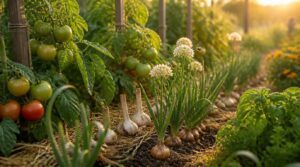
Tucked between tomato rows, garlic and onions work like a quiet security detail, releasing sulfur compounds that confuse aphids before they land. Stagger alliums in a zigzag pattern, 12 to 18 inches apart, and plant early so the scent barrier’s established as vegetables grow.
Keep soil fertility balanced and mulch lightly, this pest-resistant strategy pulls double duty by inviting hoverflies too.
Border Beds With Herbs
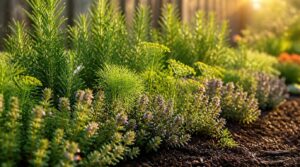
Border beds turn scattered planting into a real strategy. Line the front edge with low, aromatic herbs like thyme or dill, spaced 8-10 inches apart in well-drained soil, and let taller rosemary rise behind for structure.
- Full sun, 6+ hours daily
- Prune after flowering for shape
- Mulch to retain moisture
- Blooms draw beneficial insects
Position Trap Crops Nearby

Once your herb border’s in place, think beyond the bed itself. Trap crops like nasturtiums pull aphids away from prized plants before they ever arrive.
Plant a 1-2 meter belt upwind, spaced 3-6 meters out, two weeks early. This push-pull strategy works both angles: repelling herbs push, trap plants pull, and beneficials get a home too.
Let Beneficial Herbs Flower
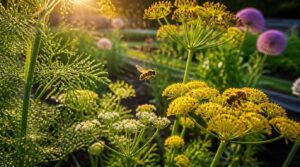
Once your trap crops are set, resist the urge to deadhead every bloom in the bed. Letting dill, cilantro, and fennel flower turns them into true insectary plants, drawing hoverflies and pollinators while boosting oil production. Blooms also signal seed-harvest timing and ease plant stress, so your aphid deterrent border keeps working naturally, season after season.
Combine Planting With Inspection

Since plants can’t tell you when trouble’s brewing, your eyes still do the real work. Walk your beds weekly, checking borders and trap crops together.
- Aphid clusters on undersides
- Honeydew or sooty mold
- Beneficial insects present
- Bloom timing on herbs
Log what you see. This planting inspection combination turns companion planting into an early-warning system, not guesswork.
Frequently Asked Questions (FAQs)
What plants do aphids hate the most?
Sharp scents confuse them, sticky leaves trap them, and predator-attracting blooms doom them. Aphids steer clear of Strong Scented Herbs like dill, Pungent Alliums like chives, and Trap Flowering Plants like marigolds and nasturtiums.
How do you kill aphids but not plants?
Blast leaves with a water spray method, or use natural insecticidal soap, neem oil application, or garlic oil spray. Add sticky traps, reflective mulch, and companion plants like catnip, marigolds, lavender, and chives for lasting protection.
What kills aphids permanently?
No single fix ends aphids forever, they’re relentless. Rotating treatments works best: neem oil, insecticidal soap, or diatomaceous earth, paired with catnip, lavender, and garlic planted nearby for lasting, natural defense.
Does Dawn dish soap and water kill aphids?
Yes — 1-2 tablespoons of Dawn per gallon of water kills soft-bodied aphids on contact within minutes, but reapply for new nymphs, spray cooler hours to prevent leaf burn, and note it can also harm beneficial insects.
How long does it take for these plants to work?
Give it a few weeks. Most aromatic herbs and alliums show real pest deterrence onset within 3-8 weeks as essential oils build up, while flowering trap crops need 6-12 weeks for noticeable aphid reduction.
Can I use these methods in raised garden beds or pots?
Like Peter Rabbit sneaking past McGregor’s fence, aphids find raised beds and pots easy targets too.
Good news: companion planting works beautifully in containers. Mix compost-rich soil, space plants for airflow, and border with aromatic herbs for solid protection.
Do these plants also protect against other common pests?
Definitely — this is multi-pest protection at its best. Garlic wards off spider mites, marigolds deter thrips and nematodes, and catnip discourages beetles and fleas, giving your garden broader pest coverage through smart companion planting alone.
What time of year should I plant these deterrents?
Timing depends on the plant. Sow hardy herbs and alliums two to four weeks before your last frost date, add heat-lovers like sunflowers once soil hits 18°C, and tuck garlic in come fall.
Conclusion
One morning you’ll walk outside and notice something missing: no curling leaves, no sticky residue, no aphid clusters hiding under stems. That’s the quiet payoff of choosing plants that deter aphids naturally instead of reaching for sprays.
Garlic guards the soil, lavender confuses the air, marigolds call in reinforcements. Your garden becomes a team effort, not a battlefield. Plant with intention, let nature’s scouts patrol, and watch your roses thrive untouched. That’s a harvest worth trusting.